
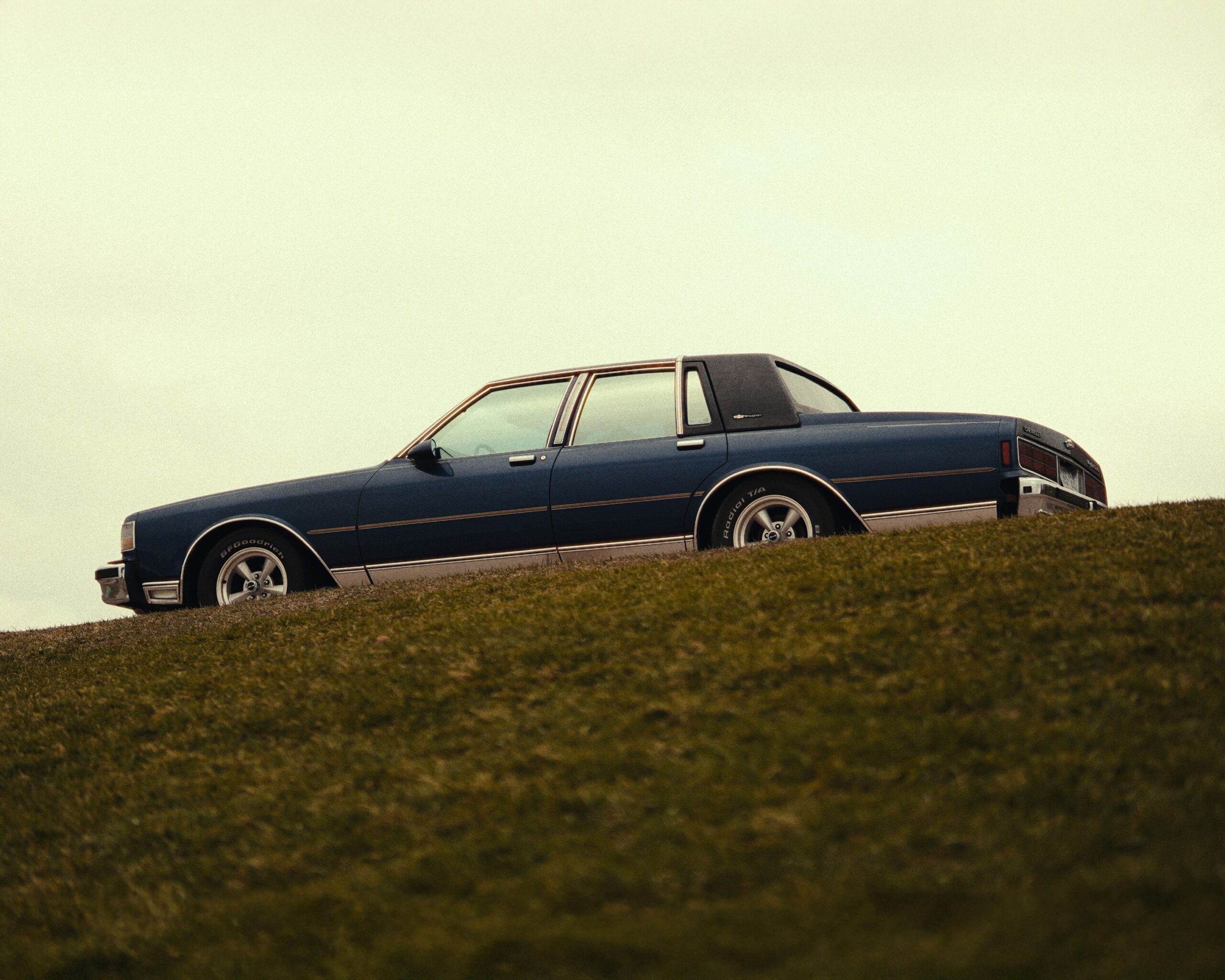
There was a time when a six-hour car ride meant six hours of looking out the window, counting cows, and arguing with your sibling over whether that plate was really from Alaska. No charging cables, no buffering icons, no earbuds. Just a moving rectangle of glass and whatever your imagination could do with it.
That was the 1980s backseat, and it operated on a completely different philosophy of childhood entertainment. What those kids were doing – without any adult framing it as a developmental practice – turns out to be something today’s child development researchers are quietly trying to engineer back into modern childhood.
Before Screens, There Was the Window

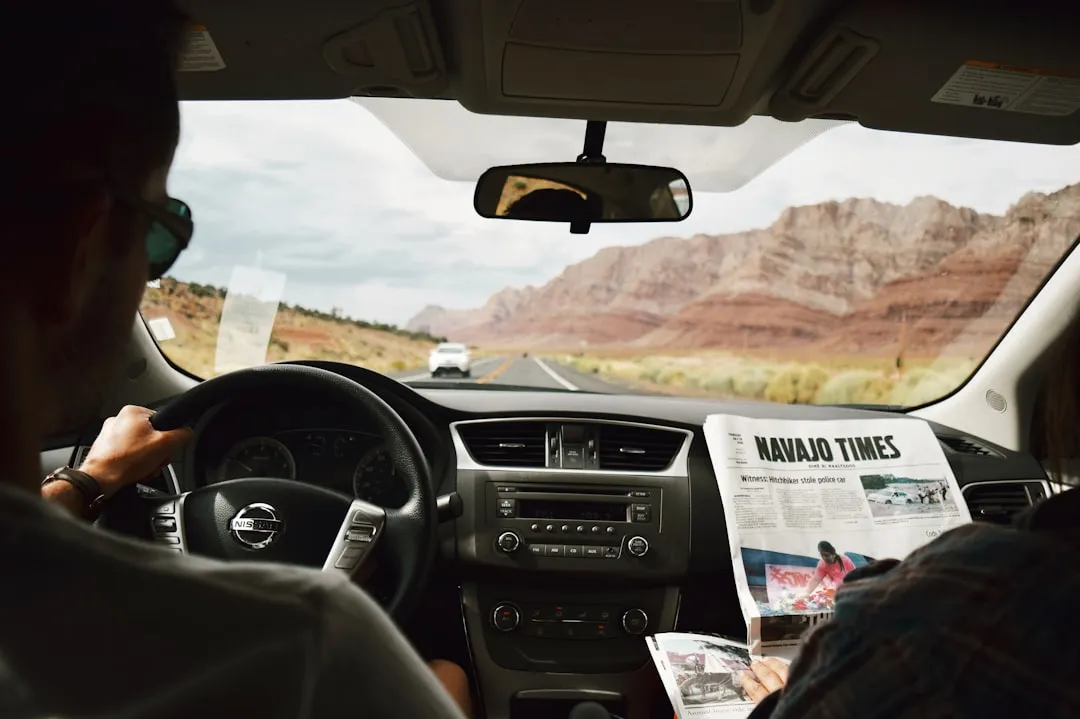
The single most common 1980s backseat activity was also the simplest: staring out the window. Kids watched the landscape change, tracked the weather, noticed things. It wasn’t passive in the way we might assume. Unstructured mental downtime activates the brain’s default mode network, the system responsible for creativity, self-reflection, and imagination. That daydreamy gaze out a car window was, neuroscience now tells us, genuinely productive brain time.
Unstructured mental time is precisely when imagination develops. It is when children build the internal capacity to generate their own entertainment, their own narrative, their own direction for the next hour. The 1980s child in the backseat had no choice but to practice exactly that, mile after mile.
The License Plate Game: Geography Without Knowing It

Games like the License Plate Game, where players win points for spotting the most state names, I Spy, and the Alphabet Game, where players take turns calling out words seen on roadside signs and billboards in alphabetical order, required no technology at all – just good observational skills. Kids were scanning every passing truck and highway overpass for letters and numbers, which is a fairly solid exercise in focused attention.
The License Plate Scavenger Hunt combined the excitement of a treasure hunt with the joy of discovering new places. The objective was to spot license plates from different states or countries, earning points for each unique one found. The game encouraged kids to learn geography, sparked curiosity, and made road trips even more thrilling. None of it required a charger or an internet connection.
Mad Libs and the Art of the Ridiculous
Mad Libs activity books, first published in 1958, became a road trip staple. By the 1980s they were a genuine backseat institution, small enough to fit in a glove compartment and requiring nothing more than a pencil and someone willing to shout out a random verb. The humor was entirely self-generated – the funnier the word you chose, the better the payoff.
Mad Libs is a classic, imaginative game in the form of a fill-in-the-blank book, with editions like Mad Libs On The Road featuring stories about road trips, car songs, and historical sights. Players select their own nouns, adjectives, and adverbs, then write them into blank spaces in a pre-written story. The creative satisfaction of producing something absurd and surprising was entirely yours. Today’s kids have apps that generate the same output in seconds, but without the collaboration.
The Sony Walkman and the Revolution of Personal Listening
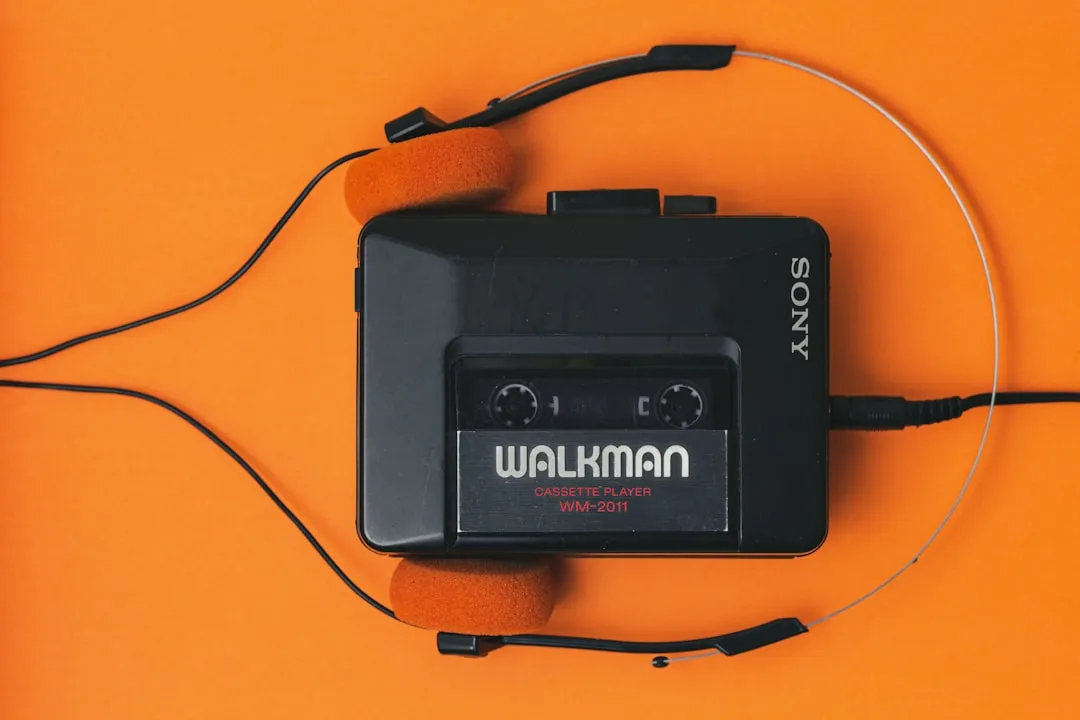
The 1980s brought portable cassette and CD players, like the Sony Walkman, allowing passengers to listen to their own music and books on tape. This was genuinely new territory. Before the Walkman, the car radio was a shared, communal experience controlled by whoever was in the driver’s seat. Suddenly, a child in the back seat could inhabit their own audio world.
Books on tape deserve particular credit here. Children listening to audiobooks during car rides were building vocabulary, following complex narratives, and developing listening comprehension – all without a screen in sight. It wasn’t until the 1990s that rear-seat entertainment systems and DVD screens became common, with the first portable DVD players appearing in 1998. So for most of the 1980s, the Walkman was the highest available technology, and it was exclusively audio.
Handheld Games with Real Limits
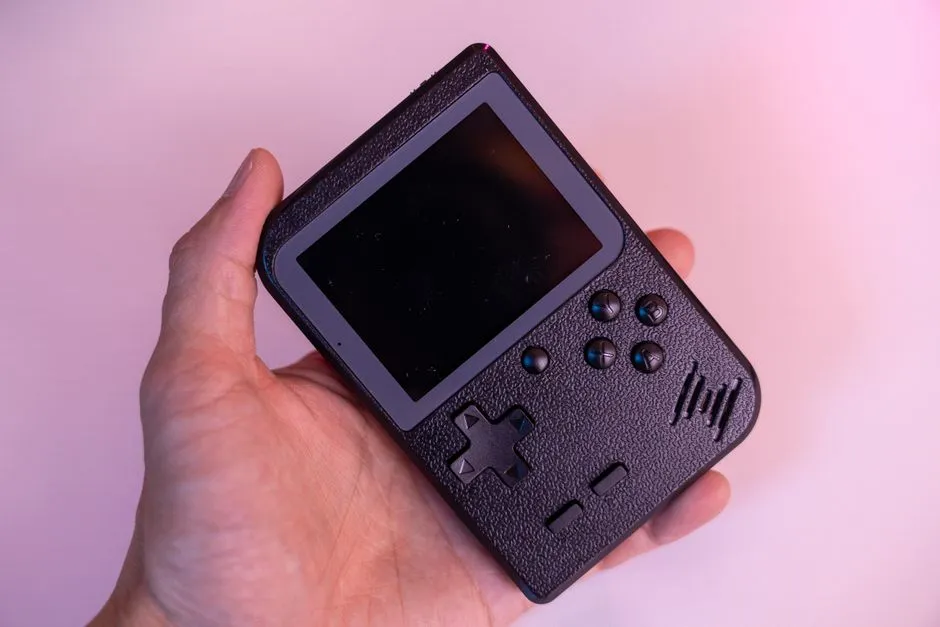
The introduction of handheld games, such as Simon, Merlin, Mattel Electronic Football, and other sports games, marked a significant shift in road trip entertainment, leading eventually to favorites like the Game Boy and Tamagotchi. These devices existed, and 1980s kids used them. Worth noting, though: they were single-purpose, had no internet connection, and ran out of batteries.
That battery limit turned out to matter more than anyone recognized at the time. When the device died, the child had to find something else to do. That transition, from stimulation back to self-directed boredom, is something modern devices have almost entirely eliminated. Contemporary childhood is extraordinarily well-stocked with solutions to boredom, including screens that provide immediate, high-stimulation entertainment and eliminate the discomfort of boredom within seconds.
Etch-a-Sketch, Drawing, and Making Things With Your Hands
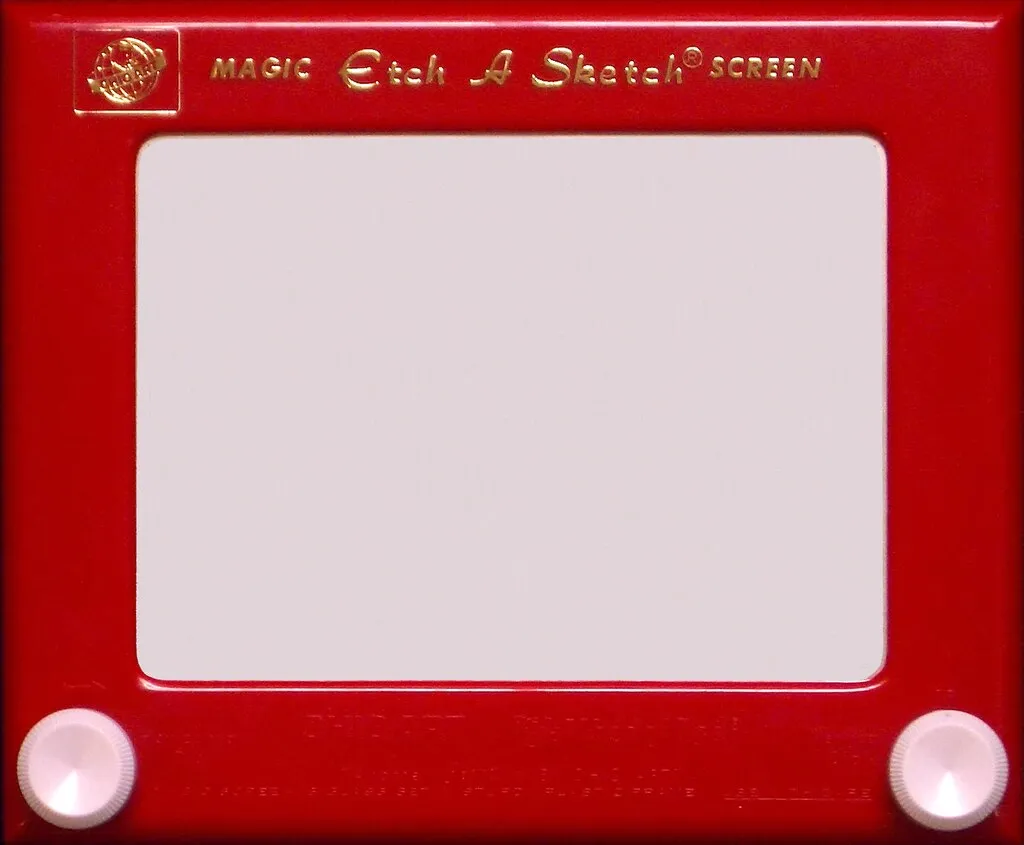
Early road trip items included the Magic Slate Drawing Pad, invented in 1923, which allowed kids to create and erase drawings easily, eliminating the need for paper or crayons. Still in production today, the Magic Slate inspired the introduction of the beloved Etch-A-Sketch Magic Screen in 1960. The Etch-a-Sketch, in particular, was a backseat fixture through the 1980s – demanding patience, fine motor control, and a willingness to shake it all away and start over.
Drawing with paper and pencils was equally common. No app, no undo button, no algorithm suggesting what to draw next. While often viewed negatively, boredom can serve as a catalyst for creative thinking in young children, and research highlights how periods of boredom encourage children to engage in imaginative play, explore their surroundings, and develop self-directed learning skills. The blank page in the backseat was an early training ground for exactly that.
Family Conversation as Entertainment
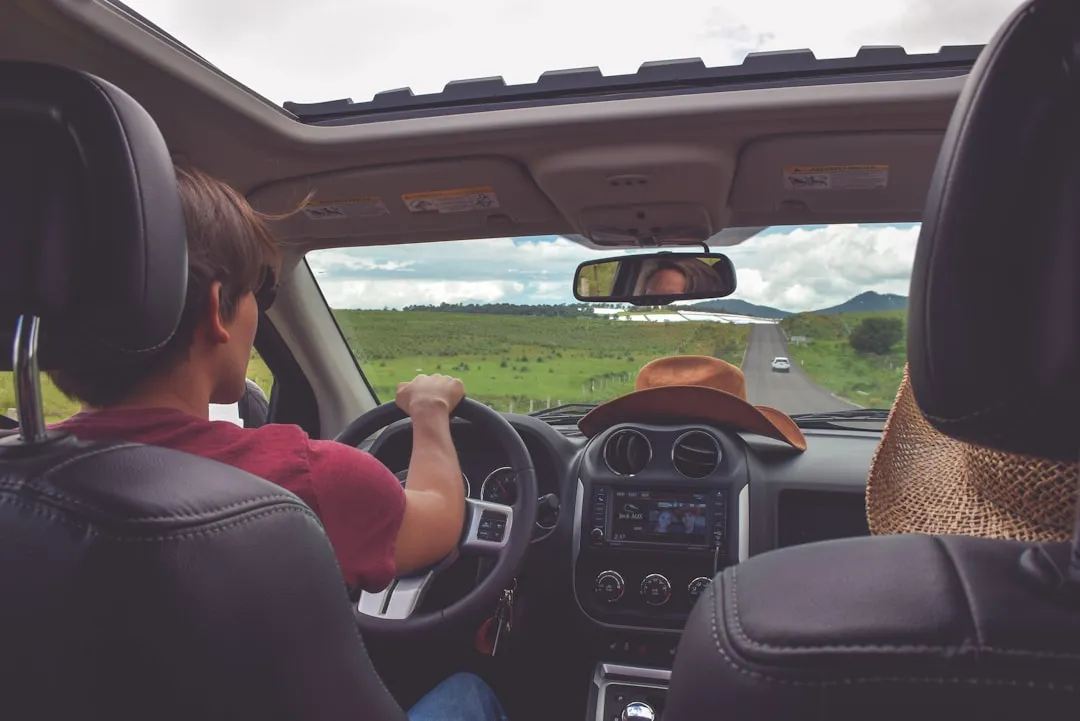
One of the most genuinely shocking things about 1980s car travel, from a 2026 vantage point, is how much of it involved actual talking. Parents and children played verbal games like 20 Questions and I Spy together, without anyone retreating behind a set of headphones. 20 Questions challenged players to guess the object someone was thinking of in 20 yes-or-no questions, with the player providing brief answers and creating an exciting puzzle for the others. This game improved critical thinking skills, sparked creativity, and kept parents sane on the road.
The investment in screen-free car activities provides benefits that extend far beyond peaceful travel. Children develop the ability to self-entertain, problem-solve, and find joy in simple experiences – life skills that will serve them throughout childhood and into adult years. Additionally, these shared experiences create positive family memories and demonstrate that entertainment doesn’t always require electronic devices. In the 1980s, that wasn’t a parenting philosophy. It was just a car ride.
What the Research Now Says About All That Boredom
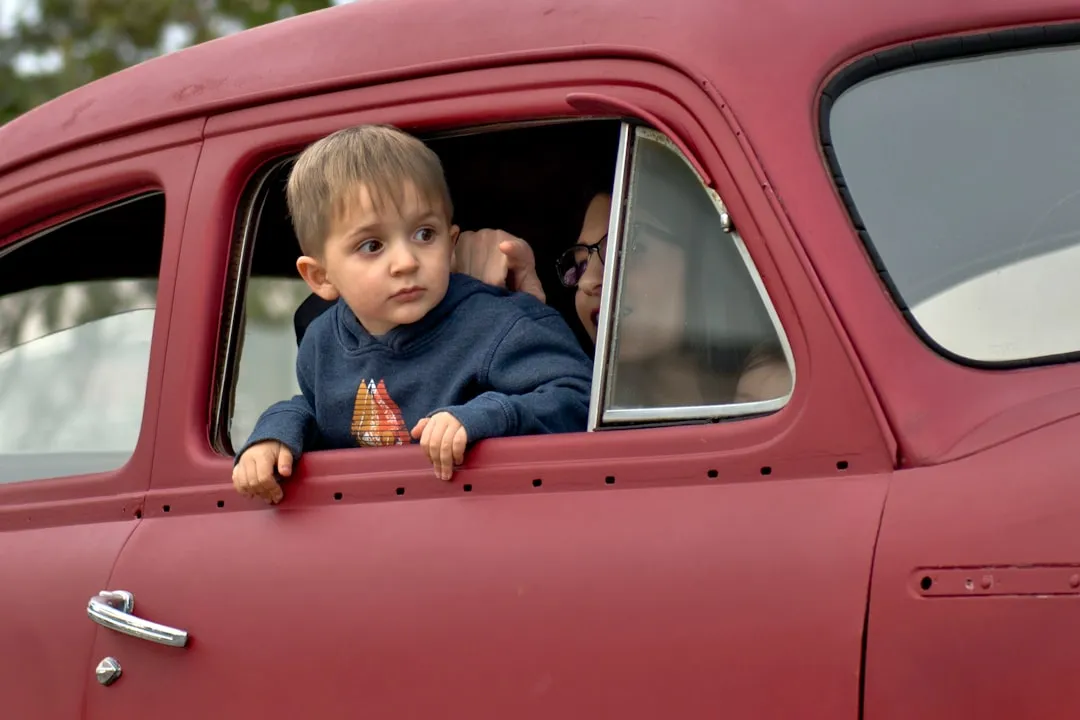
Dr. Teresa Belton explains that tolerating boredom helps children manage discomfort and develop patience, and these are critical emotional regulation skills that prepare kids for real-life challenges where instant gratification isn’t always an option. The 1980s backseat was an involuntary boredom lab. Kids had no framework for what they were practicing. They were just stuck in a car.
Research shows that boredom activates the brain’s default mode network, the same system responsible for daydreaming, imagination, and reflection. When this network is active, the brain starts making creative connections, reprocessing memories, and problem-solving in the background. Downtime gives kids the chance to engage in internal exploration, imagining new games, inventing stories, or just lying on the floor thinking. Replace “floor” with “backseat,” and you have a precise description of the average 1980s road trip.
Where Today’s Kids Actually Stand

The contrast with the present is not subtle. During July 2021 through December 2023, roughly half of teenagers self-reported four hours or more of daily screen time, according to the CDC’s National Health Interview Survey. That’s outside of school hours. As of 2026, as many as nearly all two-year-olds watch screens daily.
Research from Lurie Children’s found that roughly half of parents rely on screen time every day to help manage parenting responsibilities. For many, it’s not just convenience but necessity: one in four parents say they’ve used screens because they couldn’t afford childcare, and more than a third have turned to screens when they couldn’t find childcare. Screens in the car have simply become one extension of an already screen-saturated day. Watching screens leaves children less available to interact or hear words, raising the possibility of language, cognitive, or social delays, according to recent research. One study found that preschoolers who had more screen time than recommended by the AAP had lower development in the part of the brain supporting language and early literacy skills.
The Habit That’s Worth Recovering
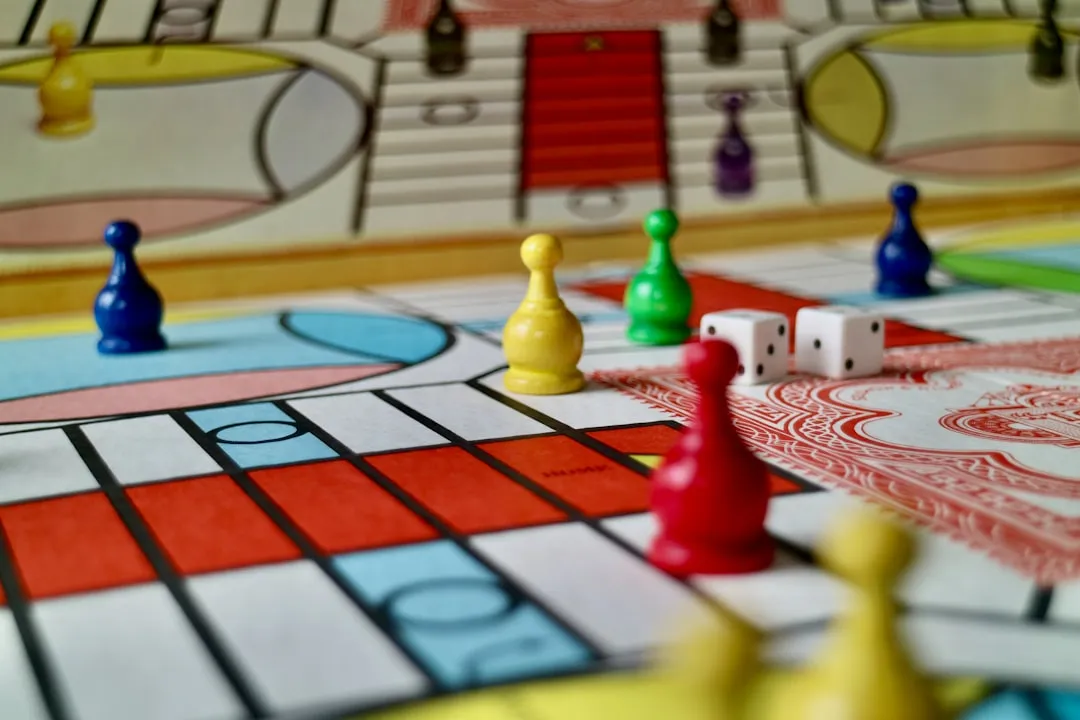
In a world where digital entertainment is everywhere, it is worth raising kids who love old-fashioned delights like board games, reading, and listening to books, and who develop good habits of mind – including on road trips. The 1980s backseat produced that, almost accidentally, through a simple absence of alternatives.
Imagination flourishes when a solution is not already provided. If children consume structured entertainment continuously, they lose the need and opportunity to create their own worlds. Unstructured play, in which children invent rules and scenarios, is fertile ground for creativity. When digital games come with predefined narratives, the possibility of experimenting with one’s own fictional worlds is reduced.
Constant stimulation including near-nonstop screens, notifications, and packed schedules can make it harder for kids and teens to tolerate boredom, focus, and self-regulate. Over time, this can lead to symptoms that look like burnout: emotional exhaustion, irritability, and disengagement from activities they used to enjoy. That outcome was rare in the 1980s backseat, where the only screen was the windshield.
The Long Road Home

None of this is an argument for throwing tablets out of moving vehicles. The research from the American Academy of Pediatrics is actually clear that there’s no research suggesting that using media to occupy children on long car rides causes any harm. The issue isn’t any single car ride. It’s the accumulation of a childhood where every quiet moment has already been filled.
What made the 1980s backseat genuinely different wasn’t the lack of technology. It was the presence of empty time, and what children learned to do inside it. A child who is never bored, whose every moment is structured or stimulated, is a child who never gets the practice of being the source of their own engagement. And that practice matters.
The license plate game is still out there. So is a blank piece of paper. The window still moves. Some of the best habits don’t require a charger, an update, or a subscription – just the willingness to let the miles roll by without rushing to fill them.
AI Disclaimer: This article was created with the assistance of AI tools and reviewed by a human editor.