
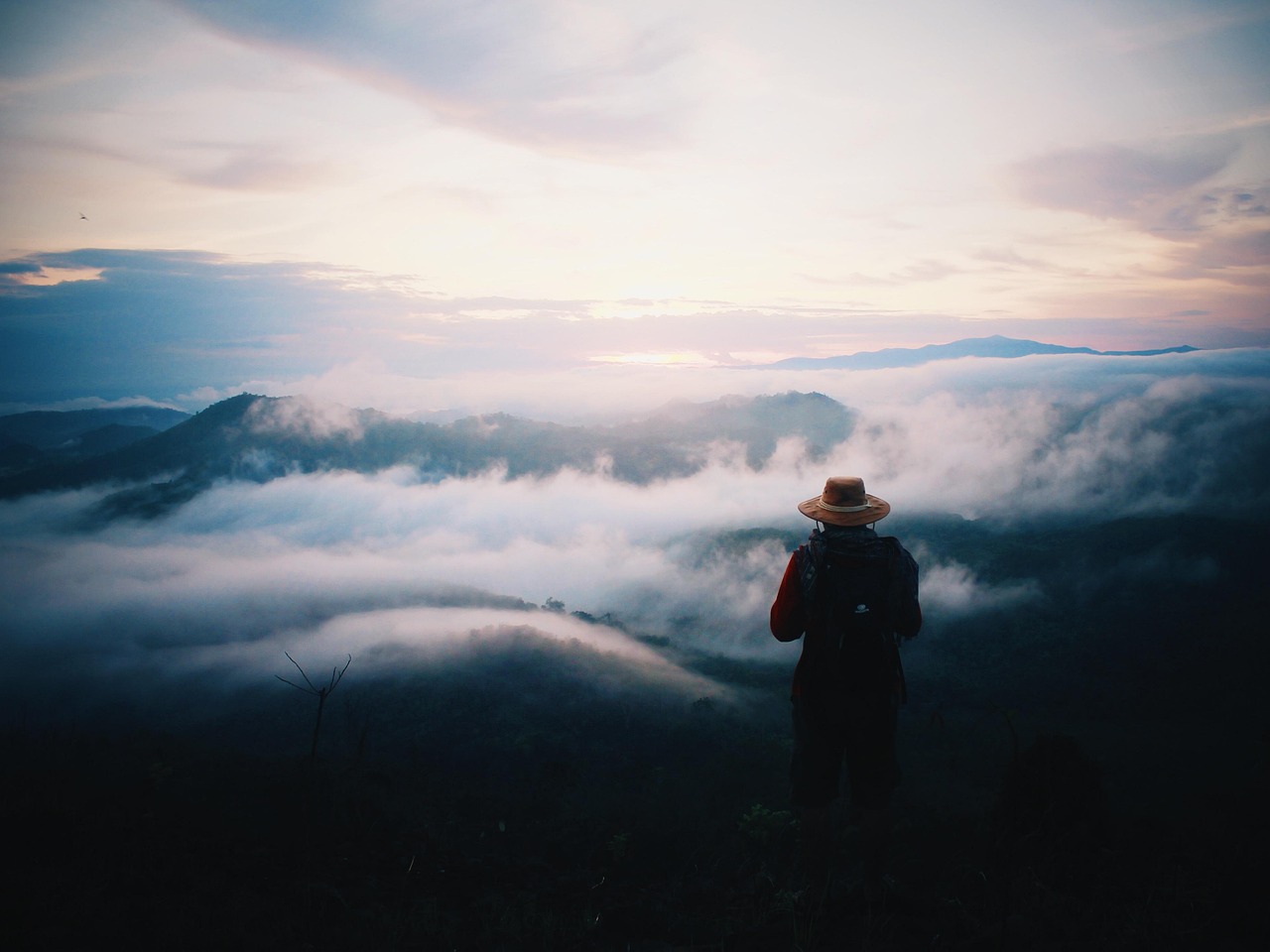

When the annual leave window finally opens, most people don’t agonize for long. They already know, somewhere beneath the spreadsheets and group chats, exactly where they want to go. One person is already picturing salt air and a distant horizon. Another is mentally lacing up their trail shoes. That instinct is not random.
Researchers have spent more than a decade examining why people gravitate so consistently toward one type of landscape over another. What’s emerged is a genuinely compelling portrait: your preferred escape terrain reflects deep-seated traits in how you process the world, recharge your energy, and even manage stress. The science is more specific than most people expect.
The Introvert-Extrovert Split Is More Than a Cliché

According to research published in the Journal of Research in Personality, extroverts prefer the ocean, while introverts gravitate toward mountains. This finding, from a series of studies conducted at the University of Virginia, went beyond a simple survey. Psychologist Shigehiro Oishi and colleagues analyzed a database of more than 600,000 personality surveys across the United States to test whether introversion and extroversion were associated with a state’s geography.
Their findings showed that people who lived in mountainous areas were more introverted than those who lived in flatter states. The landscape and the personality seemed to pull toward each other. The study was built on the psychologist’s hypothesis called “person-environment fit,” which suggests that people choose surroundings that help them fulfill their desires, with mountain lovers seeking isolation and lower population density.
Beach Lovers Crave Connection, Not Just Sunshine

Interestingly, research showed that people prefer beaches over mountains specifically when they wish to socialize, but otherwise an equal percentage of people choose beaches and mountains. This is a subtle but important distinction. It means the beach isn’t simply a warm default; it’s an active social choice.
Beaches were the environment people consistently associated with watching others and socializing. Beach travelers tend to orient outward. They read the room, enjoy ambient noise, and feel energized rather than drained by shared spaces. Beach people are generally active and highly energetic in their daily lives, while people who love mountain vacations are more balanced travelers who love to be around nature.
Mountain People Are Wired for Self-Reflection
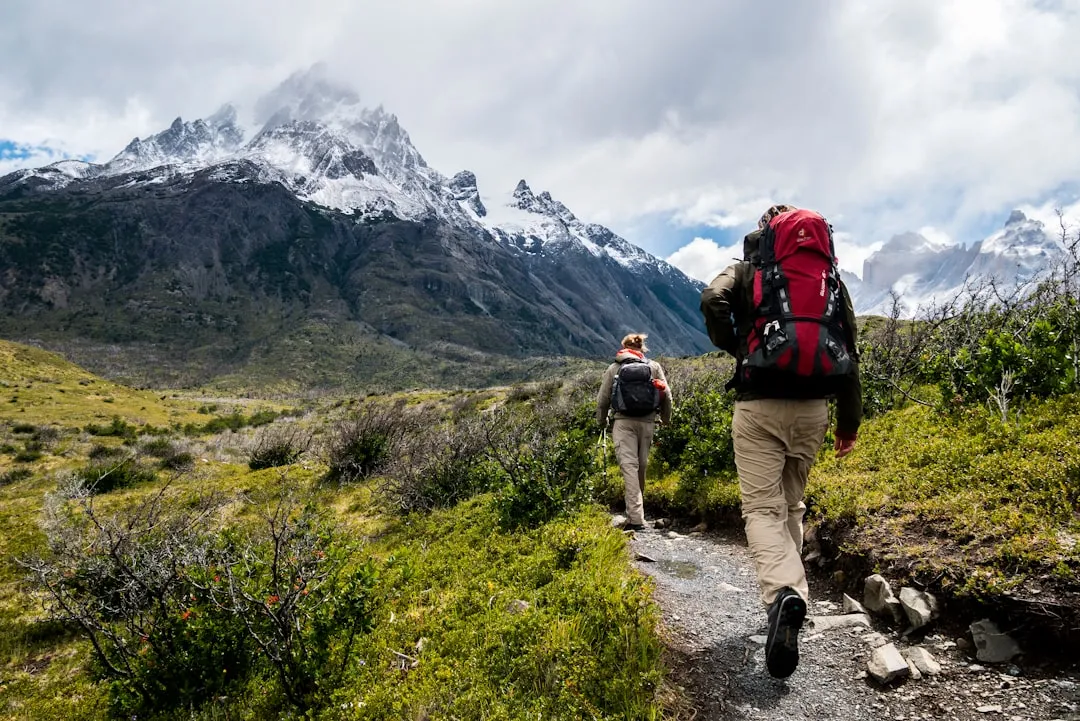
Researchers tested the link between introversion and terrain experimentally by sending participants to a flat open area or a secluded wooded area, finding that introverts were happier in the secluded area, which is consistent with the person-environment fit hypothesis. Mountains and forests offer something specific: they lower the probability of social obligation. For people who need solitude to feel restored, that matters enormously.
Hiking through mountain environments can boost energy and confidence and help people escape their own minds. There’s a particular clarity that comes from elevation, physical effort, and visual distance from everyday life. Research from the University of Utah showed that spending even four days in nature boosts problem-solving skills by roughly half.
Your Personality Traits Show Up in Your Travel Reviews

A 2024 study used realistic data gathered from traveler reviews and comments on hotel stays from TripAdvisor to predict different personality traits and their travel destination preferences, specifically beach or mountain. This is a fascinating methodological shift. Rather than asking people directly, researchers read between the lines of what they wrote about their trips. The language people use when they’re happy on holiday turns out to be a meaningful fingerprint of who they are.
The contribution of this research lies in the identification of multiple dimensions of personality traits and their relationship with preferences for travel locations, and this classification mechanism can assist in effective customer segmentation and marketing strategy. What you reach for to describe a perfect day away from home reveals a great deal more than it seems.
The Big Five Personality Model Maps Neatly onto Landscape Preference
Studies have shown that personality traits may be related to the particular life situations and experiences people choose to get involved in, and tourism research has found clear-cut associations between personality traits and tourism choices, preferences, and satisfaction. The “Big Five” model, which covers openness, conscientiousness, extraversion, agreeableness, and neuroticism, has been one of the most useful tools for understanding these patterns.
Research on Indian travelers found that those high in openness preferred unique, culturally rich destinations, conscientiousness and agreeableness drove meticulous planning and positive group experiences, while neuroticism led to a preference for safe, stress-free locations. Mountain getaways, with their structured trails and predictable conditions, often appeal to those who plan carefully. Beach resorts, with their social hum and flexibility, tend to draw those who are more spontaneous and people-oriented.
Blue Spaces and Green Spaces Deliver Different Mental Health Benefits
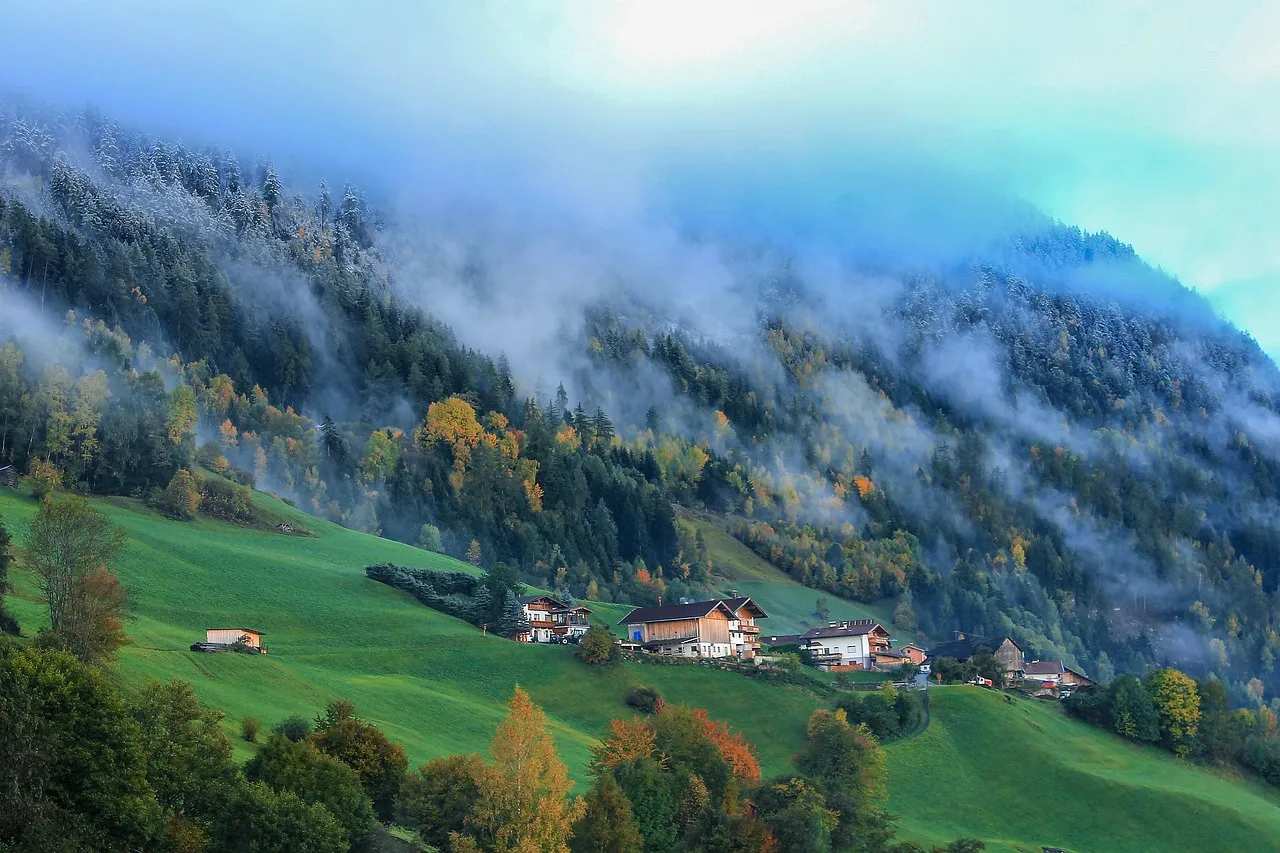
Forests provide stress relief and restoration, mountains offer empowerment and energize the body and mind, and blue spaces near flowing water offer support for mood and trauma recovery. These aren’t interchangeable. Each environment has a distinct physiological and psychological signature, which partly explains why people feel so strongly about their preferred type.
Research through an umbrella review of epidemiological meta-analyses found that green space exposure is associated with reduced all-cause mortality, mental health improvements, and reduced incidence of several diseases. Meanwhile, a systematic review of 34 quantitative studies found positive associations between exposure to freshwater blue spaces and improved subjective wellbeing. Both environments are genuinely good for you. The preference, though, often points to something more specific about what you need to feel whole.
How You Handle Stress at Home Predicts Which Landscape You’ll Choose

The combination of rhythmic movement, fresh air, and the visual expanse of the horizon at the beach triggers a drop in cortisol, the primary stress hormone, and a 2019 study found that spending just two hours in nature per week is enough to lower cortisol levels and increase overall well-being. People who feel emotionally depleted and overstimulated by daily life often instinctively head toward a horizon. The visual vastness of the ocean mirrors the kind of psychological release they’re seeking.
Hiking for only 30 minutes has been shown to reduce stress hormones by as much as roughly a quarter, and walking for longer periods has been shown to improve physiological stress parameters including heart rate variability and cortisol levels. Those who tend to internalize stress, or who want to physically metabolize it through exertion, tend to reach for a trailhead. The mountain offers resistance, and that’s precisely the point.
Age and Travel Style Are Also Part of the Picture

Relaxation remains the most common travel preference globally, with more than half of travelers choosing trips focused on rest and rejuvenation, according to TGM Global Travel Insights 2025, based on a survey of more than 21,000 people. That cuts across both beach and mountain travelers. The underlying motivation for rest is consistent; the disagreement is about which landscape delivers it more completely.
Roughly three out of five travelers aged 55 and over prefer relaxation-focused trips. Older travelers are increasingly choosing mountain retreats as they prioritize physical activity alongside stillness, while beach holidays remain dominant across a broader age range. The generational nuances matter when you’re thinking about what your own pull toward a particular environment actually signals.
Social Media Behavior Tracks Surprisingly Well with Destination Type

A beach person is observed to be more of a social butterfly in the virtual world, clicking selfies, sharing them across social media platforms, and staying glued to the phone, while a mountain person wouldn’t mind ditching the virtual world to connect with the real world around them. This behavioral pattern extends well beyond vacation. People who gravitate toward beaches often have a stronger external orientation generally, valuing how experiences are shared and perceived as much as the experiences themselves.
Mountain travelers, by contrast, often report that one of the primary appeals is the relief of genuine disconnection. Removing digital distractions while in nature encourages deeper thinking and allows the brain to explore creative frameworks, making mountain retreats particularly well-suited for creative thinkers who need to think outside the box. There’s something revealing in which environment you choose when you want to disappear for a while.
Neither Choice Is Better. Both Tell the Truth About You.
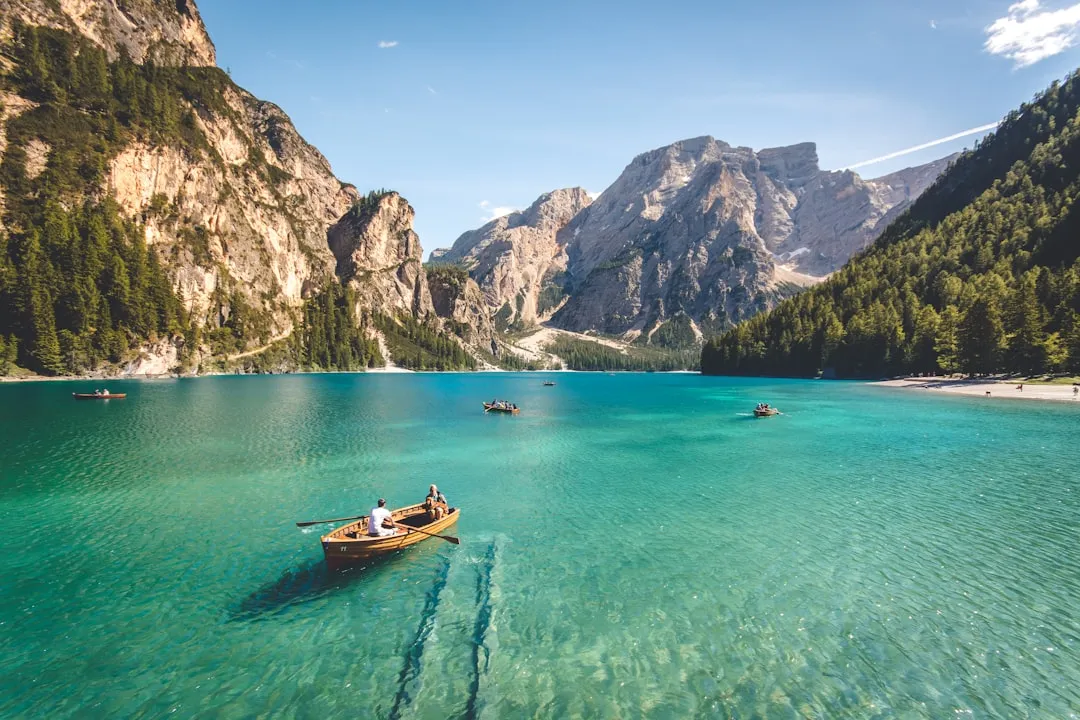
Research found there were no other significant personality differences between those who liked the beach and those who liked the mountains, beyond the introversion-extroversion dimension. That’s worth sitting with. The preference isn’t a judgment about depth, ambition, or emotional intelligence. It’s simply an honest expression of what your nervous system needs to reset.
Research has shown that healthy and highly functioning people with sedentary lifestyles mentally benefit from contact with nature, including improvements in quality of life, satisfaction with life, and mood. The landscape almost doesn’t matter, as long as it’s genuinely yours. Personality shapes the way people move through the world, not just in daily life but especially when they travel, and each personality trait brings its own character to the experience of exploring new places, influencing what feels meaningful, comfortable, or exciting.
The Takeaway
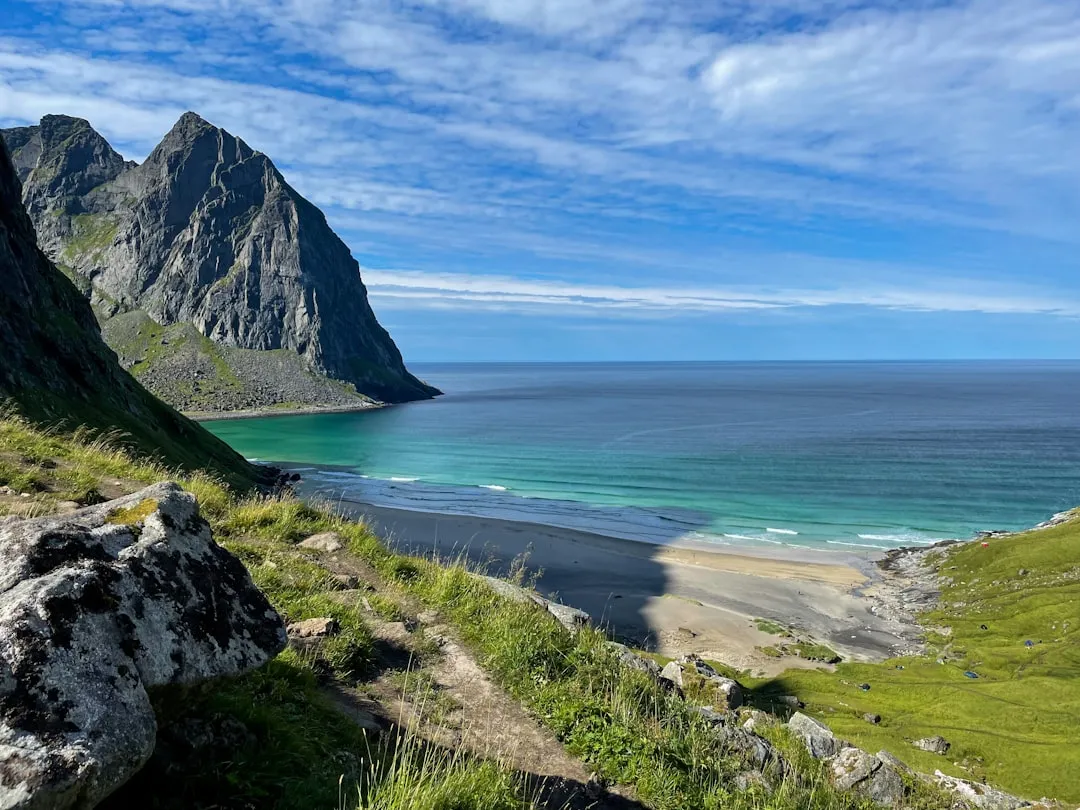
Your gut reaction to “beach or mountains?” is not a trivial preference. It’s a small window into how you recharge, how you relate to other people, and how you process the accumulated weight of ordinary life. The research on this has only grown more specific over recent years, and the patterns hold up across cultures and continents.
The most honest thing to do with that information is probably the simplest: stop second-guessing the pull you already feel. The landscape you keep returning to in your imagination is telling you something worth listening to.
AI Disclaimer: This article was created with the assistance of AI tools and reviewed by a human editor.