


It starts the same way every time. You’re at the checkpoint, running fine on time, and suddenly the conveyor belt stops. Someone a few spots ahead is pulling item after item from their bag while a line of increasingly impatient travelers stacks up behind them. Most of the time, nobody packed anything dangerous. They just packed wrong.
Security lines grind to a halt when someone has to unpack their entire bag, pulling out toiletries one by one, holding up dozens of people behind them. That someone, more often than travelers would like to admit, is themselves. In 2026, with airport security already under pressure from staffing shortages and record passenger volumes, small packing mistakes carry bigger consequences than they used to. Here are the ten most common ones costing travelers time right now.
Burying Your Liquids Bag Too Deep in Your Carry-On
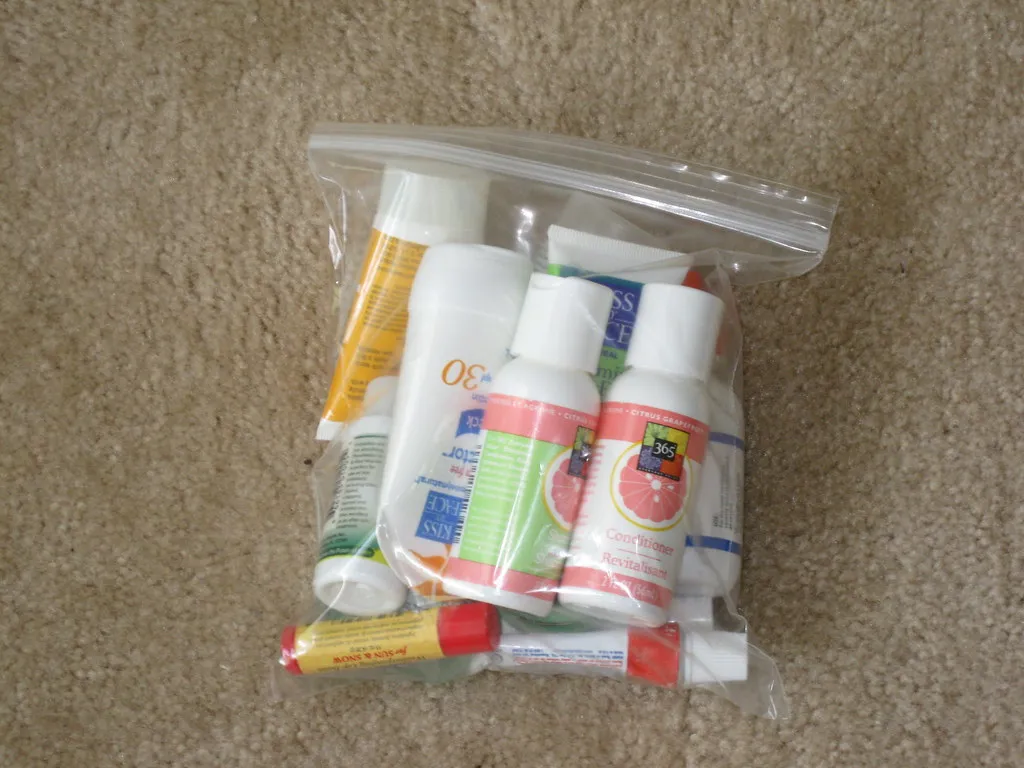
This is the packing error that keeps TSA officers busiest at the checkpoint. The TSA recommends placing your 3-1-1 liquids bag in the front pocket of your carry-on so it’s easy to pull out. Burying it at the bottom of a packed bag virtually guarantees a stressful dig and risks triggering a manual bag inspection.
Leaving liquids inside a bag triggers manual searches that slow security lines and increase chances of additional screening. The fix is simple: keep a dedicated, permanent spot for your liquids and never let it migrate. Investing in a backpack with a dedicated liquid pouch keeps your liquids organized, contained, and quick to pull out at security.
Bringing Oversized Liquid Containers You Forgot Were in Your Bag

Despite clear guidelines, many travelers still pack restricted items, causing avoidable delays. The TSA screens millions of bags daily, and prohibited items remain a frequent issue. In December 2024, the TSA reported a roughly 30 percent surge in confiscated oversized liquid containers compared to the previous year. Many travelers were unaware of the 3.4-ounce limit for liquids in carry-on bags.
The most common reason for extra screening or item confiscation is liquids over the 3.4-ounce limit, and a full-size bottle of shampoo that gets thrown away at the checkpoint costs more than a travel-size replacement would have. If a container exceeds 3.4 ounces, even if it is only partially filled, it is not permitted in carry-on baggage and must be placed in checked luggage.
Misunderstanding the New CT Scanner Rollout
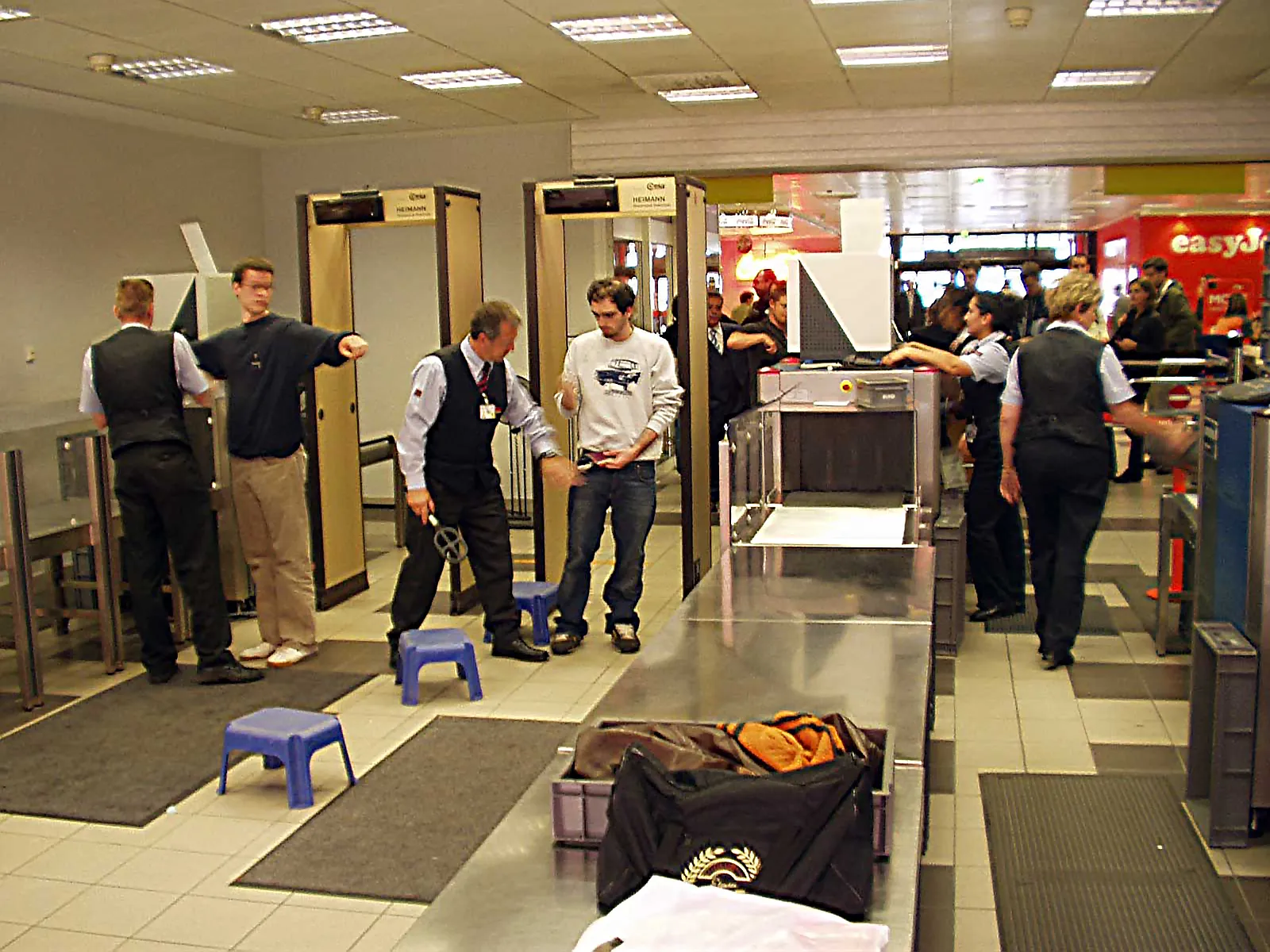
By early 2026, over 90 percent of major U.S. hubs, including ATL, LAX, JFK, and ORD, have replaced traditional X-ray machines with 3D CT scanners that create a three-dimensional image of a bag’s contents that officers can rotate 360 degrees. This has created a real source of confusion: travelers reading about relaxed screening at larger airports assume the rules apply everywhere.
Most regional and secondary airports continue using traditional X-ray machines and strictly enforce 3-1-1 rules with no exemptions. Travelers departing from or connecting through smaller airports should assume standard liquid restrictions apply regardless of news about relaxed policies at major hubs. The confusion stems from a widespread misunderstanding about TSA liquid policy changes that affect only select airports with new technology, while the vast majority of U.S. security checkpoints continue enforcing the traditional 3.4-ounce limit that has been standard since 2006.
Packing a Power Bank in Checked Luggage
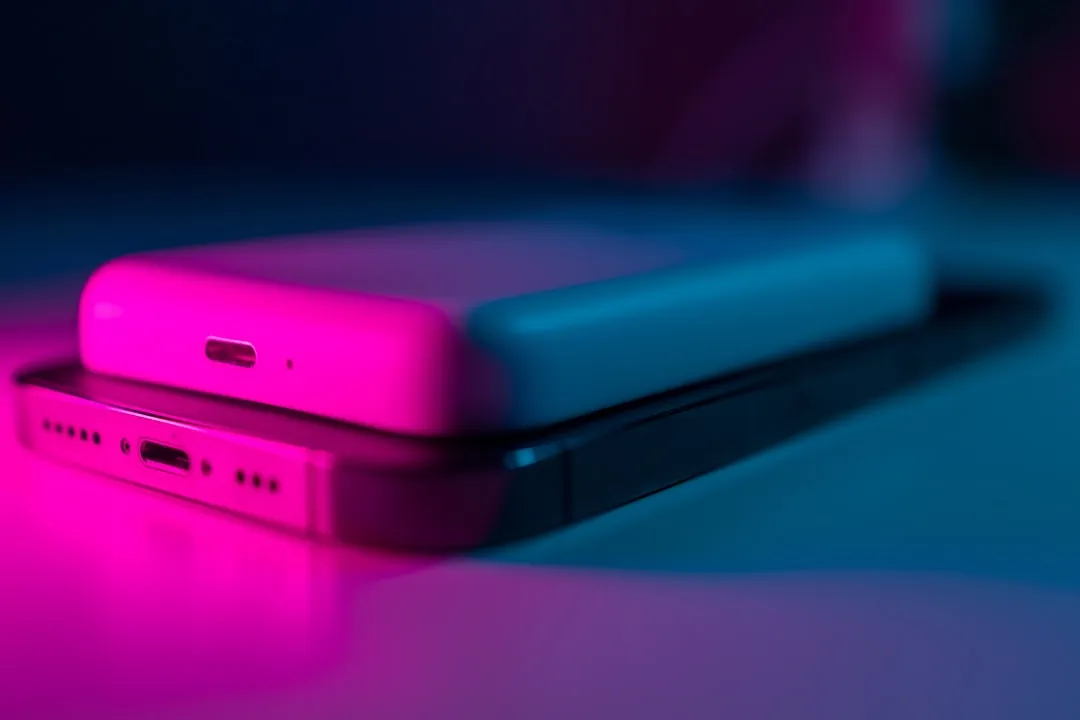
Portable chargers or power banks containing a lithium-ion battery must be packed in carry-on bags. Spare lithium batteries, which include both power banks and phone chargers, are prohibited in checked luggage. Many travelers still find this out the hard way, at the checkpoint or worse, during a bag search after check-in.
If a power bank is found packed in checked luggage and the issue is discovered after the bag was already loaded onto the aircraft, the entire bag is removed and a flight may be delayed while it is unloaded and re-screened. If a carry-on is gate-checked because overhead bins are full, a traveler must remove the power bank and carry it into the cabin personally. It’s a rule many frequent flyers still miss entirely.
Overpacking Your Carry-On Until It Confuses the X-Ray
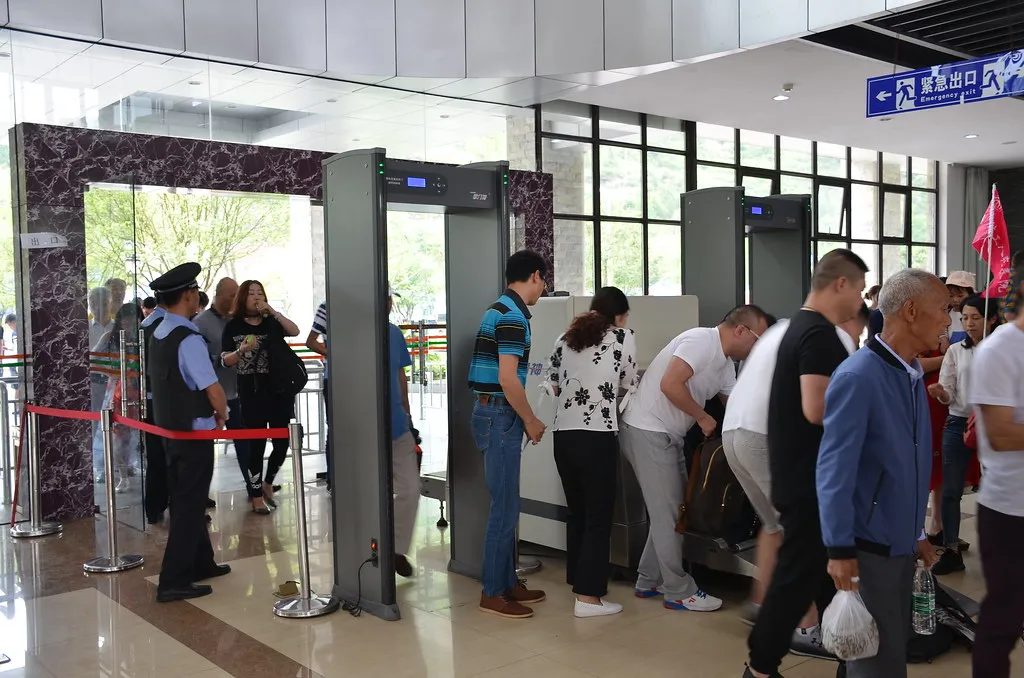
While cramming everything into a carry-on might save on baggage fees, it can cost valuable time at security. Overpacked bags make it harder for TSA agents to see items clearly on X-ray machines, often leading to manual inspections. When agents cannot clearly identify items, they are forced to inspect and repack the bag, which slows everything down.
Cluttered bags confuse X-ray machines and lead to delays. A small mistake can trigger a bag search, a rescan, or an ID delay that snowballs into a missed boarding. Packing in organized layers, as the TSA actually recommends, keeps contents readable to officers on the monitor without stopping the line.
Traveling Without a REAL ID or Acceptable Alternative
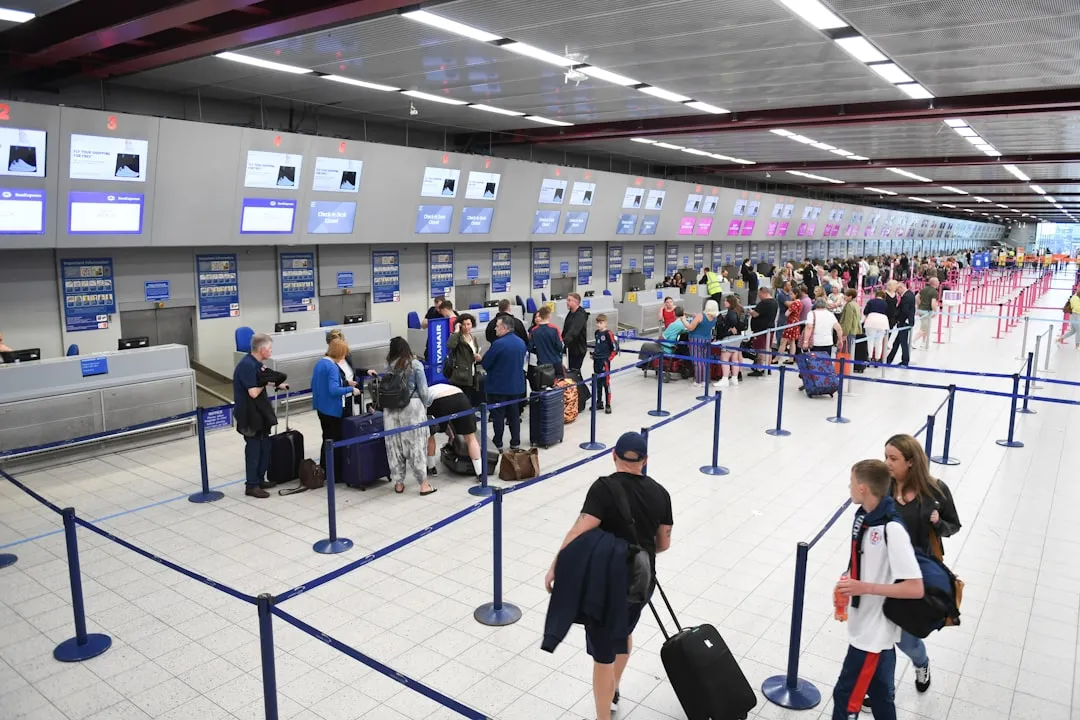
As of May 7, 2025, TSA no longer accepts state-issued driver’s licenses or IDs that are not REAL ID compliant at airport checkpoints for domestic air travel. If you do not have a REAL ID, you can also use other acceptable identification such as a passport. The enforcement has been a persistent source of checkpoint delays ever since.
If you arrive without acceptable ID, as of February 1, 2026, the TSA requires travelers to pay a $45 non-refundable fee to use its Confirm.ID identity-verification process in order to complete security screening. This fee covers a 10-day travel period. This verification process can also take up to 30 minutes, so building in extra time is essential.
Packing Electronics in the Wrong Layer of Your Bag
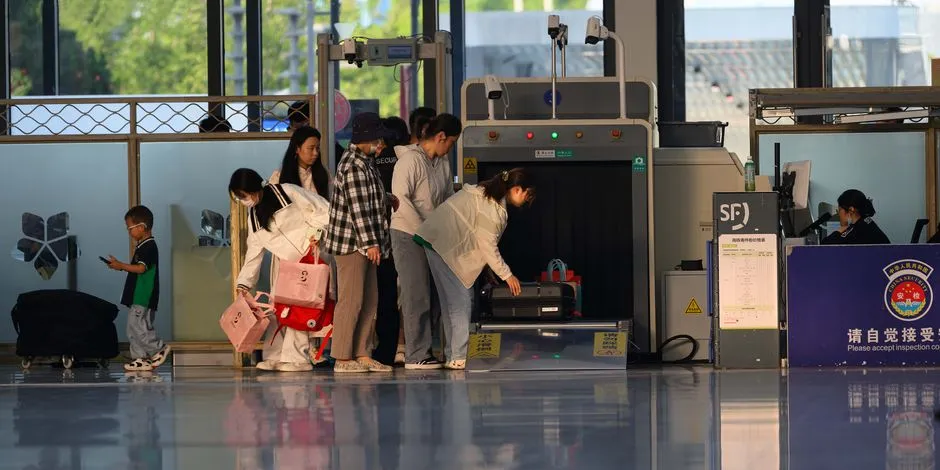
Large electronics have to be pulled out and placed separately into a bin for the X-ray machine, but many travelers pack them at the bottom of their bag under layers of clothes and shoes. This single habit accounts for a surprising number of hold-ups at the belt, because officers flag the bag for manual inspection when they cannot see clearly through the cluttered layers above the device.
The TSA recommends packing items in layers, with shoes in one layer, clothes in one layer, and electronics in one layer, and advises placing large electronics on the top layer of a carry-on for screening accessibility. It takes an extra thirty seconds to pack this way at home and saves several minutes at the checkpoint.
Using Heavy Metal Luggage Tags or Bulky Tracker Holders
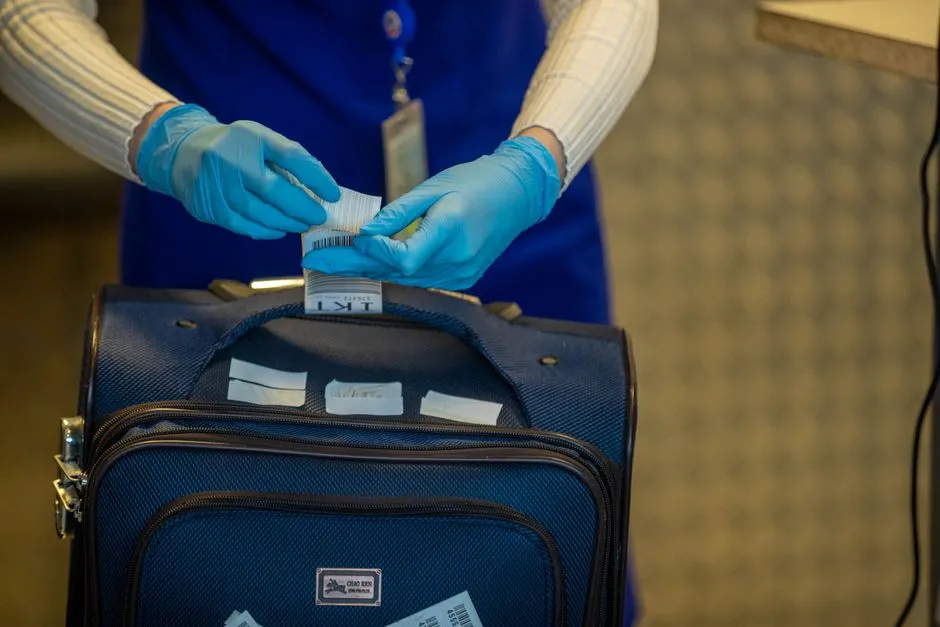
The primary culprit flagged at checkpoints in May 2026 includes heavy, oversized metallic luggage tags and dense tracker holders, with thick non-transparent plastic luggage wraps as a secondary trigger. Dense materials mimic the visual signature of hidden electronic components, leading to automatic baggage rejection and manual bag searches.
Instead of hanging a tracking disc on the outside of a suitcase in a bulky metal holder, tucking it into an interior zippered pocket or placing it deep inside the lining is the recommended fix. The scanner can easily read the bag’s contents, and the tracker will still transmit its location perfectly. Switching to lightweight silicone or clear plastic luggage tags also helps, as these materials are completely transparent to X-ray machines, allowing officers to see right through them on their monitors.
Wearing Complicated Footwear to the Checkpoint
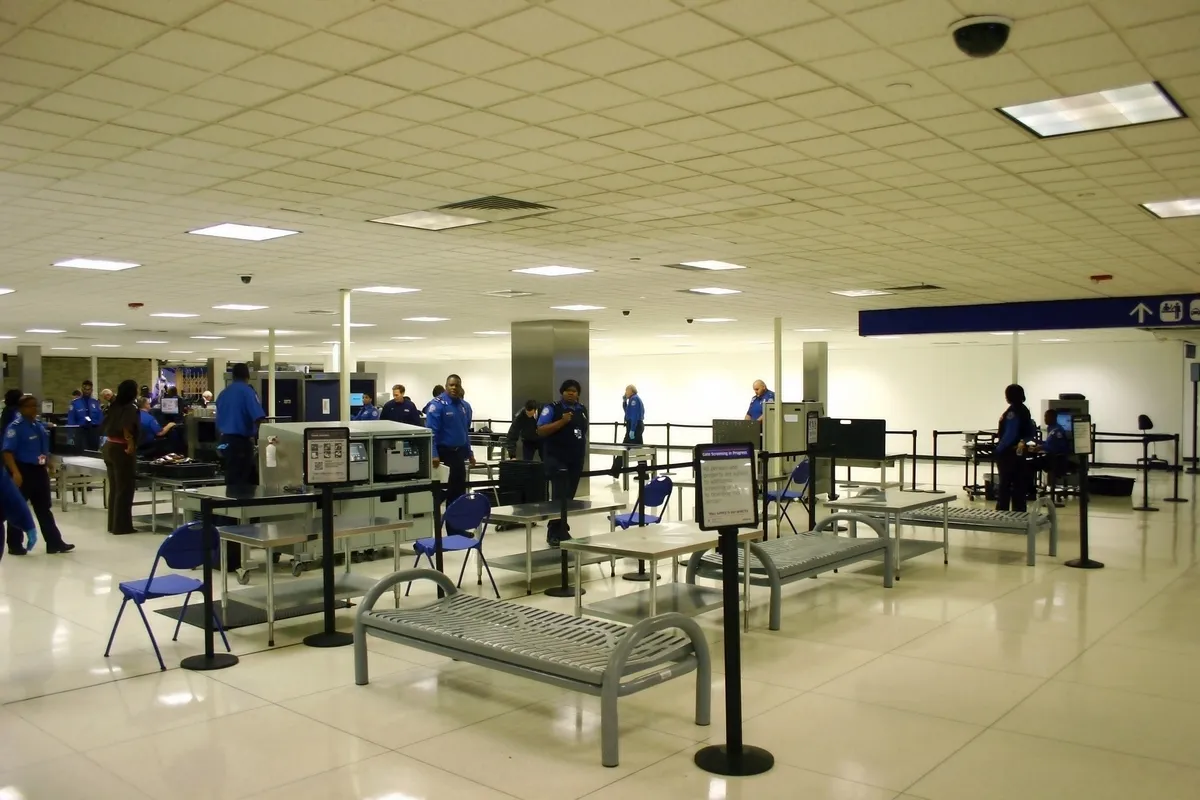
One of the biggest checkpoint experience changes in recent years is that DHS and TSA ended the long-standing shoes-off policy. As of July 8, 2025, passengers can generally keep shoes on at TSA checkpoints, though additional screening may still require removal. This has actually introduced a new problem: travelers wearing footwear that triggers alarms still have to stop and remove their shoes.
Shoes with metal components often still need to be removed during screening, which adds unnecessary time to the checkpoint experience. Accessories like heavy belts, chunky jewelry, or metal watches can also trigger alarms, requiring additional screening. The policy change is a genuine convenience for most travelers, but metal-heavy outfits still create the same old bottleneck.
Not Preparing for the Broader Security Landscape of 2026
Air travel across the United States is facing one of its most challenging periods in recent years, as 2026 brought a convergence of severe weather, a partial government shutdown, and peak demand that stretched airport security lines and on-time flight operations from coast to coast. Individual packing decisions matter more when the system is already under strain.
A partial government shutdown affecting TSA officers caused three-hour-long lines at airport security checkpoints the week of March 8, 2026. Some 2.8 million people were projected to travel on U.S. airlines each day in March and April 2026, adding up to a record projected 171 million passengers, according to the industry group Airlines for America. When the system is carrying that volume, a single bag pulled for manual inspection affects everyone behind it.
In 2026, the fastest travelers are not the ones who rush. They are the ones who arrive prepared, read signs, and avoid guessing what the officer wants next. Using TSA’s “What Can I Bring?” database before packing is a simple, searchable tool that tells you instantly whether an item is carry-on compliant, checked-bag only, or likely to cause a delay.
What This All Adds Up To
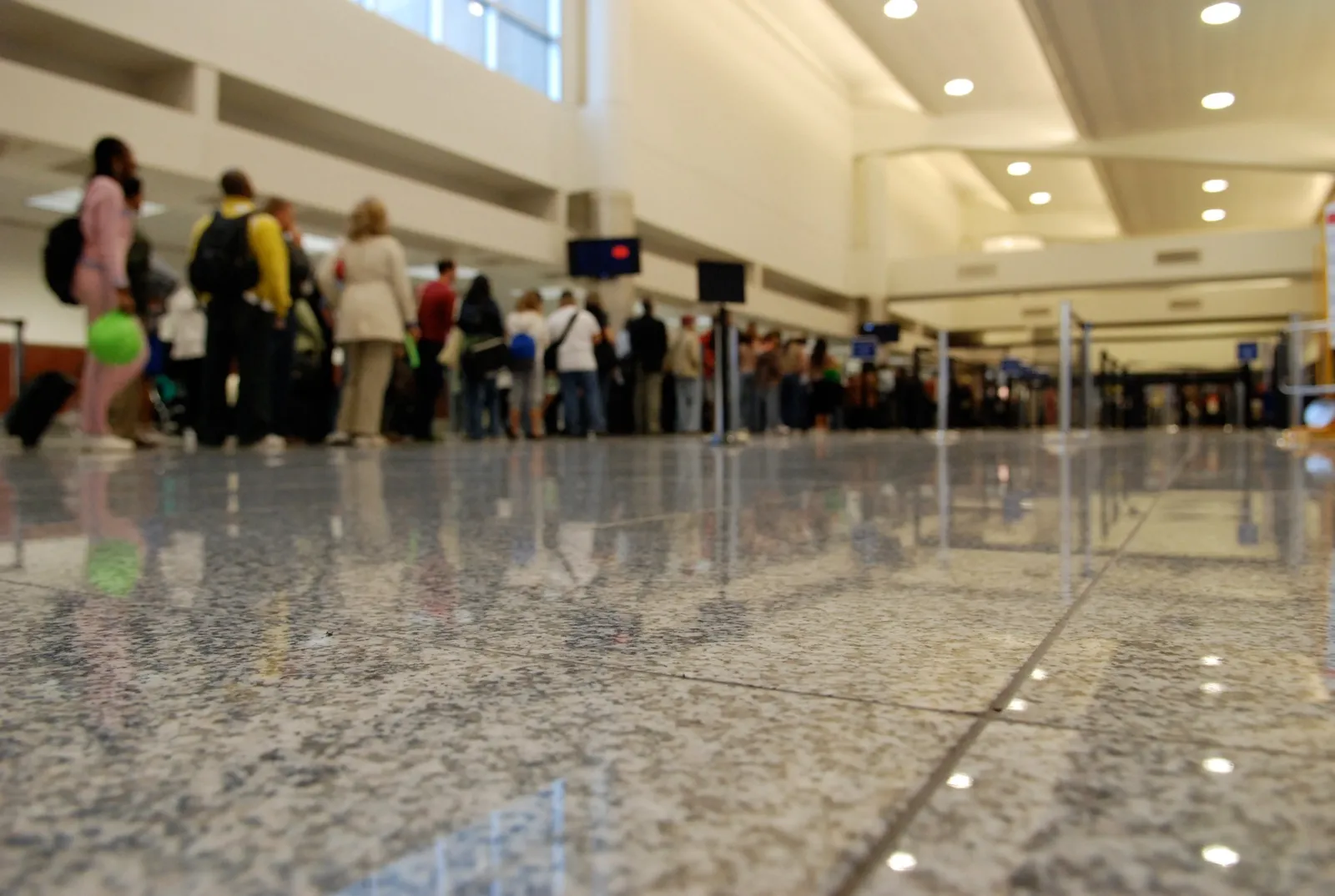
None of these mistakes are dramatic. No one is smuggling contraband or deliberately flouting the rules. These are normal travelers, packing in a hurry, trusting habits that worked on the last trip, or simply missing a policy update. That’s precisely what makes them so persistent.
The checkpoint is an unforgiving place to discover a problem. What takes two minutes to fix at home can take fifteen minutes to sort out while everyone around you watches. Checking your bag against current TSA rules before you leave for the airport isn’t just preparation. In the current environment, it’s the most considerate thing you can do for yourself and for every traveler standing behind you in line.
AI Disclaimer: This article was created with the assistance of AI tools and reviewed by a human editor.