
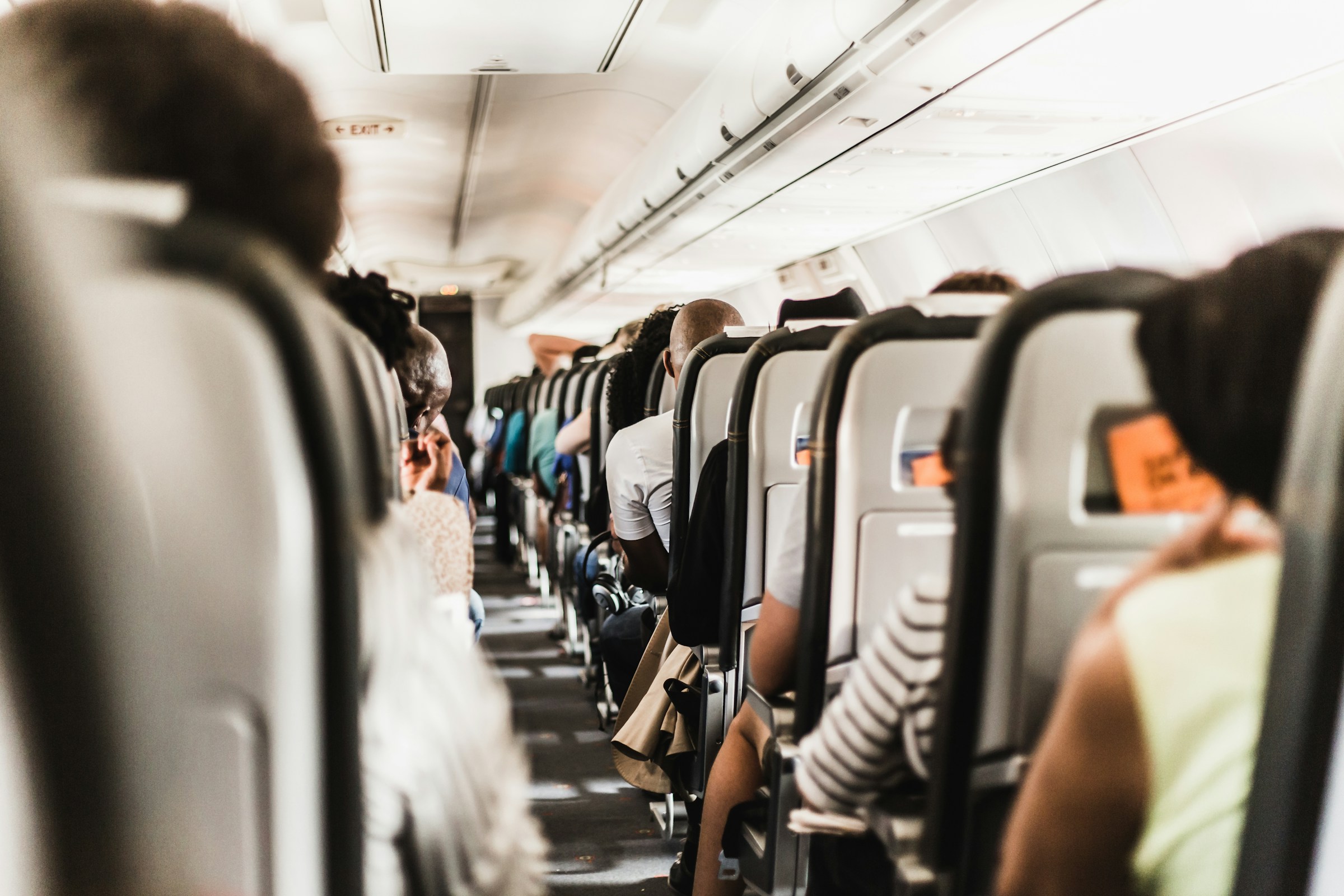

There’s a specific moment during boarding that almost everyone dreads. It’s not the middle seat, not the crying baby three rows back. It’s that passenger who marches through the front of the plane, drops their bag into a perfectly positioned overhead bin, and then strolls all the way back to row 27. You can feel the temperature in the cabin rise almost immediately.
The battle to stake a claim on overhead bin space before the bins fill is testing the patience of an already stressed-out traveling public, and studies show that the airline industry’s shrinking seat situation is already driving main-cabin passengers right to the brink of conflict. The overhead bin has quietly become one of the most contested pieces of real estate in modern air travel, and a few very specific, very avoidable mistakes keep fueling the fire.
How Checked Baggage Fees Started Everything
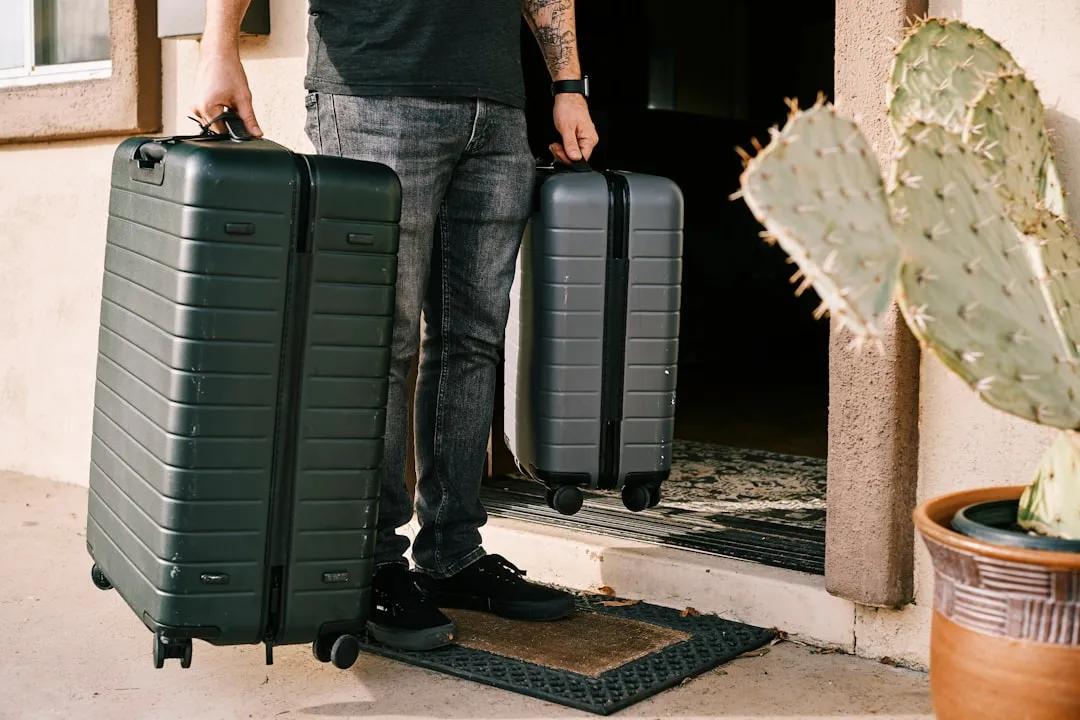
The trouble traces back to 2008, when major U.S. airlines began charging customers for their first checked bag. To avoid paying to place bags in the cargo hold, passengers brought everything but the kitchen sink into the cabin, commencing an era that continues today of passengers fighting to fit their carry-ons into overhead bins.
Before checked bag fees arrived, overhead bin space was fairly abundant, and people were not lining up to get on the plane as early as possible. After implementing those fees, it became cheaper to carry on luggage. Most planes still do not have enough overhead bin space for every passenger to store a bag.
Travelers are increasingly carrying larger carry-on bags to avoid checked baggage fees, further worsening the space limitations. This shift in travel habits highlights the importance of airlines effectively managing overhead bin space, though airlines appear to be struggling to adapt.
The Single Biggest Mistake: Stowing Your Bag Far From Your Seat
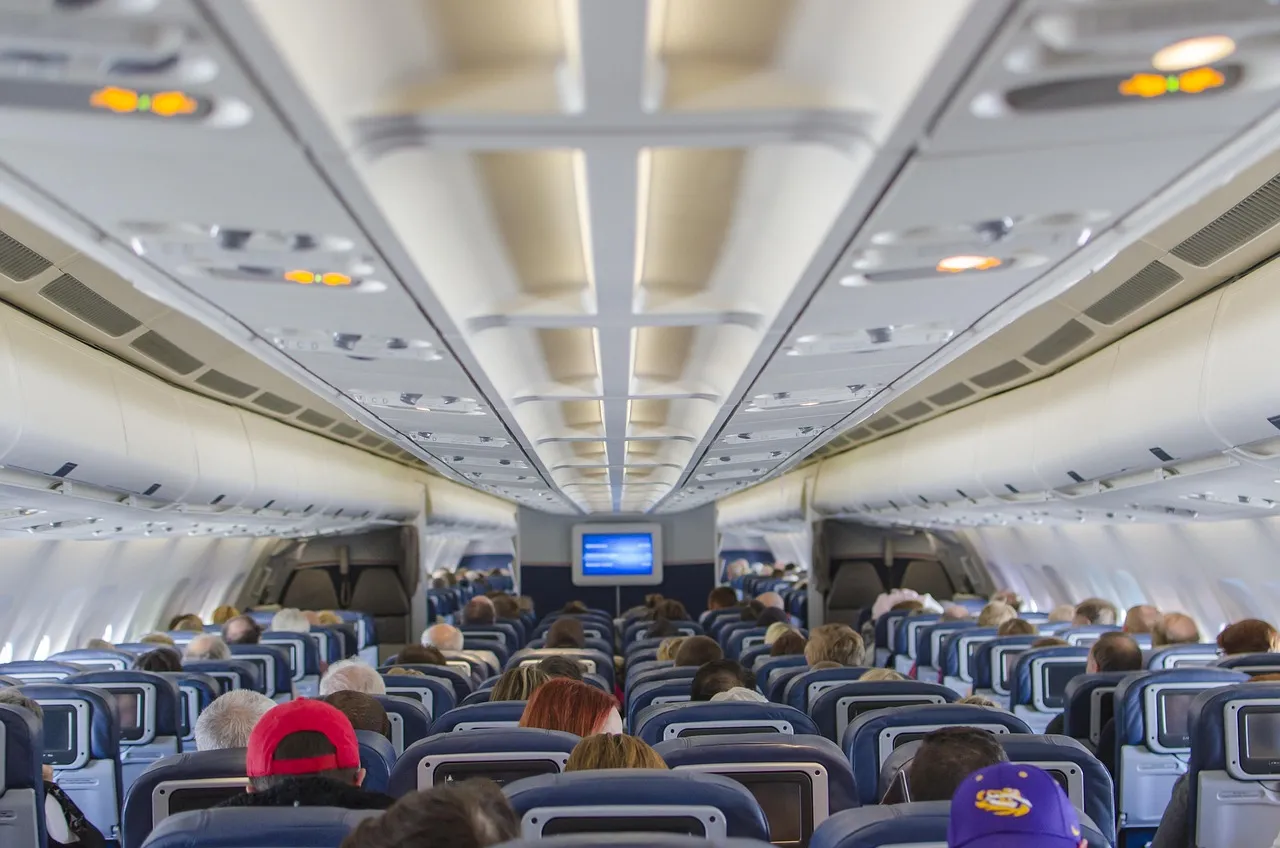
Dropping your bag in the first available bin is rude and slows down deplaning for everyone. While you can technically use it, it makes more sense to save it for a passenger sitting toward the front of the plane. Otherwise, those sitting toward the front have to store their bag in a bin behind their seat, which means everyone may be waiting longer to get off the plane.
A social media post that ignited a lively debate featured a passenger who placed their bag in an overhead bin several rows ahead of their assigned seat, raising sharp questions about the fairness and ownership of overhead bin space during flights.
It is considered poor taste to place your carry-on in the front of the plane if your seat is in the back. Experienced travelers and etiquette experts agree on this point consistently, and yet it keeps happening on nearly every full flight.
Nobody Actually Owns the Space Above Their Seat
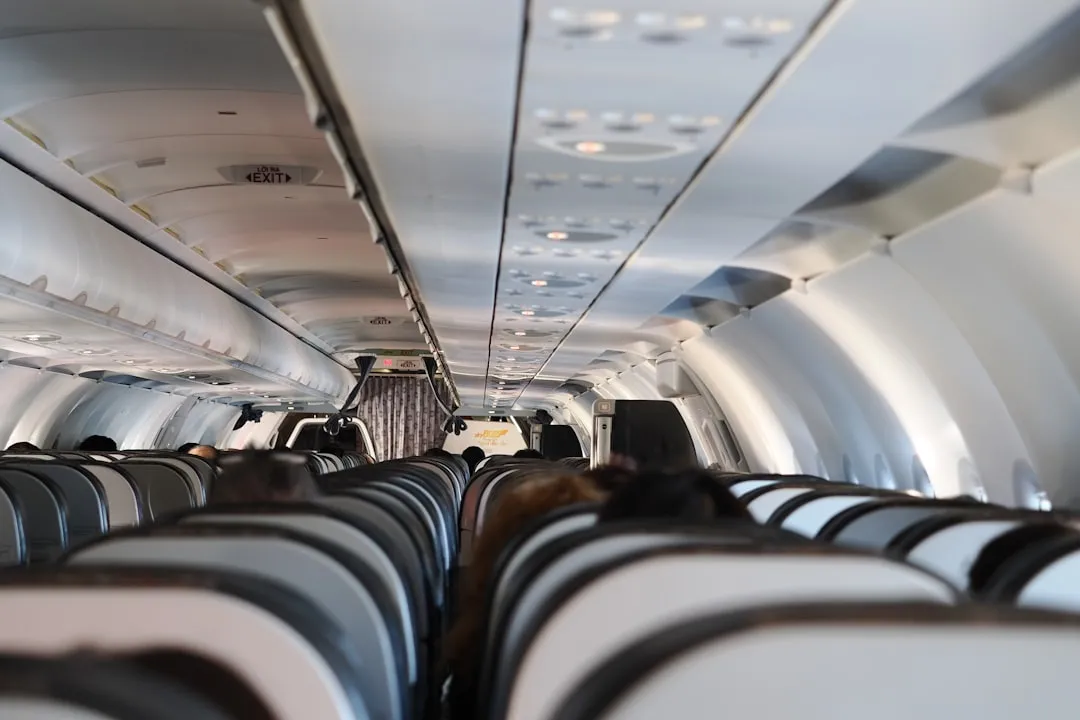
The overhead bin above your seat does not belong to you. Airlines consider overhead bin space to be community space, which means every bin in a particular cabin is fair game.
This shift has created real tension among passengers, since many believe the overhead bin space directly above their seat belongs to them. One travel writer noted that people have this idea firmly in their heads that the space directly above their seat is theirs and they own it, but that’s not actually true, even in first class.
Airplane overhead bins are a shared space in every way, and you’re not entitled to the space above your seat. You should store your bag as close to your seat as possible and in the cabin you’re traveling in, but beyond that, it’s all fair game, and no one should think they’re entitled to any specific area of the overhead bin.
Stowing Both Bags in the Overhead Bin
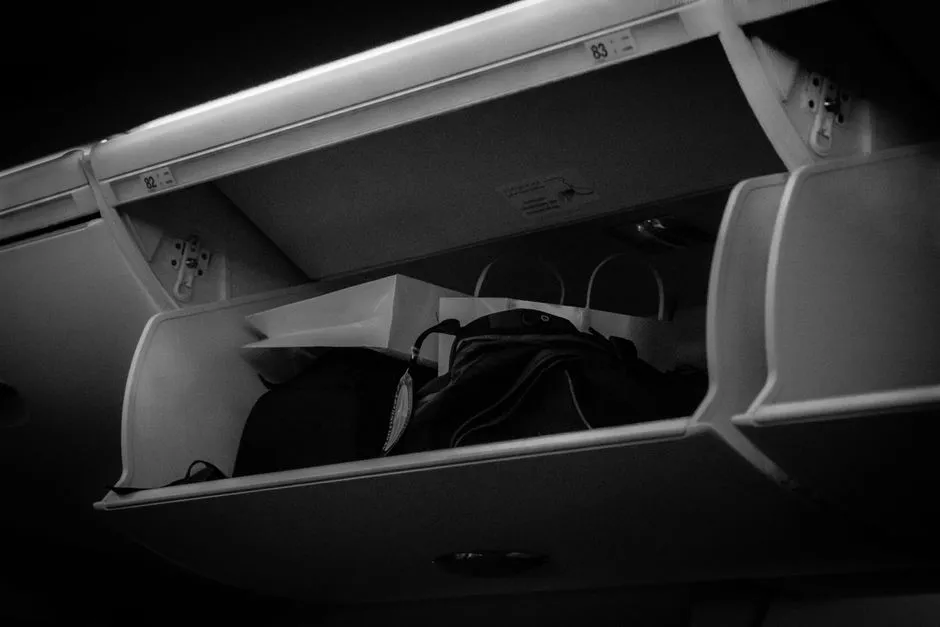
Almost every airline now views overhead bins as storage for larger rollaboards and not for personal items, which should be placed under the seat in front of you. Flight attendants don’t have any problem with personal items being in the overhead bins if there’s plenty of space, but on busier flights, they will ask you to remove smaller bags and jackets to make way for rollaboards. Generally speaking, the overhead bin space is reserved for larger rollaboard-style bags that can’t fit under the seat in front of you.
Putting personal items in the overhead bin can cause space to run out before everyone has finished boarding. If you break this simple rule, you may end up causing unnecessary drama.
Another issue is passengers putting both carry-on bags in the overhead bin. The rule on most airlines is to put your larger carry-on in the overhead bin and the smaller personal item under your seat. This one is widely announced during boarding, yet routinely ignored.
Moving Someone Else’s Bag Without Permission
The most contentious issue observed by frequent travelers is passengers rearranging others’ bags without permission when bins are full. Some passengers bring fragile items onboard, and don’t want their bags moved. If you see a smaller item stowed in the bin, don’t just toss your bag on top of it without asking nearby passengers or flight attendants for permission.
It is ill-advised to move another passenger’s bag unless you get their permission. Even if you think a bag doesn’t belong in the bin, it’s not the passenger’s job to be moving bags from bin to bin. Instead, alert a crew member who will be able to identify a suitable solution.
A frequent flyer and aviation blogger was ejected from an American Airlines flight after he moved someone else’s carry-on bag from one overhead bin to another in a different cabin further down the plane. He admitted that in hindsight he shouldn’t have moved the bag, but thought he was doing the right thing. It turned out the bag belonged to one of the flight attendants, and he was ultimately removed from the flight. That’s a hard lesson.
Using a Cabin You Didn’t Pay For
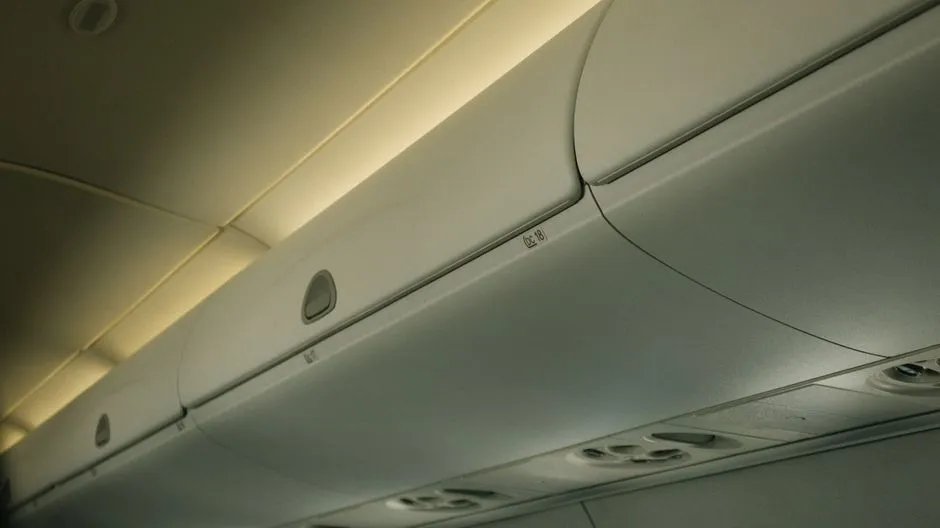
If you are in the main cabin, store your bag in the main cabin. Do not store your bag in other cabins such as first class or premium economy. Many airlines use a plaque to mark bins in first class and premium economy for those passengers only. In many cases, those sitting in those cabins paid extra for their seats, which also includes dedicated overhead bin space for their cabin only.
First Class passengers on Delta Airlines can expect priority access to the overhead bin space above specific rows near the front. These bins are reserved for the exclusive use of those traveling in the premium cabin, and it’s intended that First Class guests will store their carry-on bags in these allocated areas first, before other passengers may use any remaining space.
Placing your bag in a class you have not paid for is considered rude etiquette. In the end, those passengers have priority, and your bag will be checked if all bins in your cabin are full.
Boarding Late and Then Expecting Space
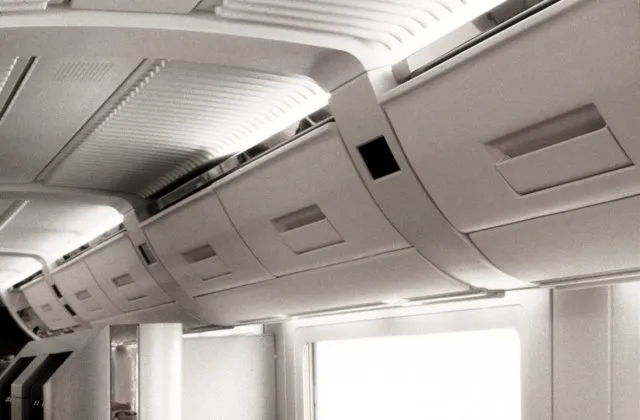
As summer approaches and flights fill up, the fight for overhead bin space intensifies, becoming a prime source of friction among passengers all vying for room for their bags. The unwritten rule of first-come, first-served for bin access often breaks down, especially when planes are full and travelers are pushing the limits of what’s considered carry-on size.
A significant portion of travelers, roughly around one third, are still left without suitable storage space for their carry-on items, a persistent problem that continues to plague passengers even with airline initiatives to upgrade fleets.
Gate agents often fall into one of two extreme camps: some completely fail to enforce carry-on limits, letting people board with significantly more than allowed, while others create total panic by warning that dozens of bags will need to be checked, causing everyone to crowd the gate in hopes of boarding earlier. Getting to the gate early is genuinely one of the most practical things you can do to avoid the whole mess.
Not Stowing Your Bag Correctly in the Bin
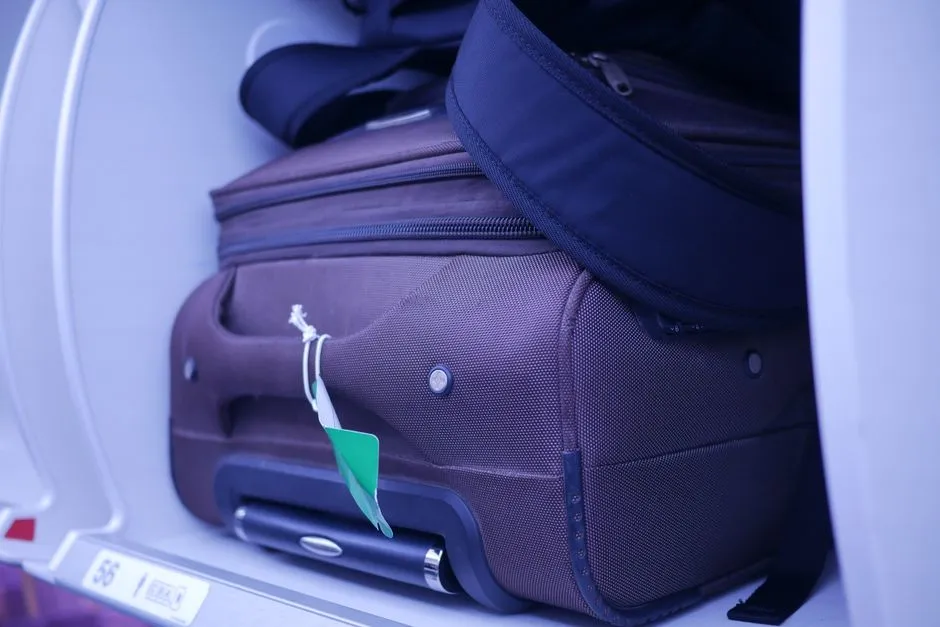
A common frustration is passengers failing to properly stow their bags in the overhead bin, especially on planes with the new Space or Airspace XL bins. These larger bins can hold more bags if packed correctly.
Boeing and Airbus are introducing larger overhead bins, known as Space Bins and Airspace XL Bins respectively, that can fit significantly more bags. While Boeing aircraft could typically only fit 118 carry-ons, their Space Bins are projected to fit approximately 187. Airbus’s Airspace XL Bins are 20 percent larger and can fit 19 more pieces of luggage.
Even where bins are in theory large enough to accommodate a full-sized carry-on bag per passenger, it doesn’t always happen, because passengers still need to be educated to turn carry-ons on their side and sometimes put up more than one item per person. That sideways placement is the difference between a smooth boarding and a gate check at the last minute.
How Changing Airline Policies Are Making Things Worse
After 54 years of “Bags Fly Free,” everything changed at Southwest Airlines on May 28, 2025. The airline shifted from being the most generous among U.S. carriers to joining industry standards with checked bag fees. This transformation shocked frequent flyers who had built travel strategies around Southwest’s signature benefit.
Southwest is reportedly also considering stripping basic economy passengers of their overhead bin access entirely, a move that would force millions of customers to purchase baggage access they currently enjoy for free. Under the proposal, Basic passengers would no longer be permitted a carry-on bag, leaving them with a smaller personal item only. According to reports, the airline is studying the feasibility of this change as a source of higher revenue.
Studies suggest a significant portion of flight delays, with some estimates putting it at roughly one in five, is tied to carry-on luggage issues. If airlines can streamline bin management, it could indeed reduce boarding times and contribute to better on-time performance.
The Bulkhead Row Problem That Catches People Off Guard
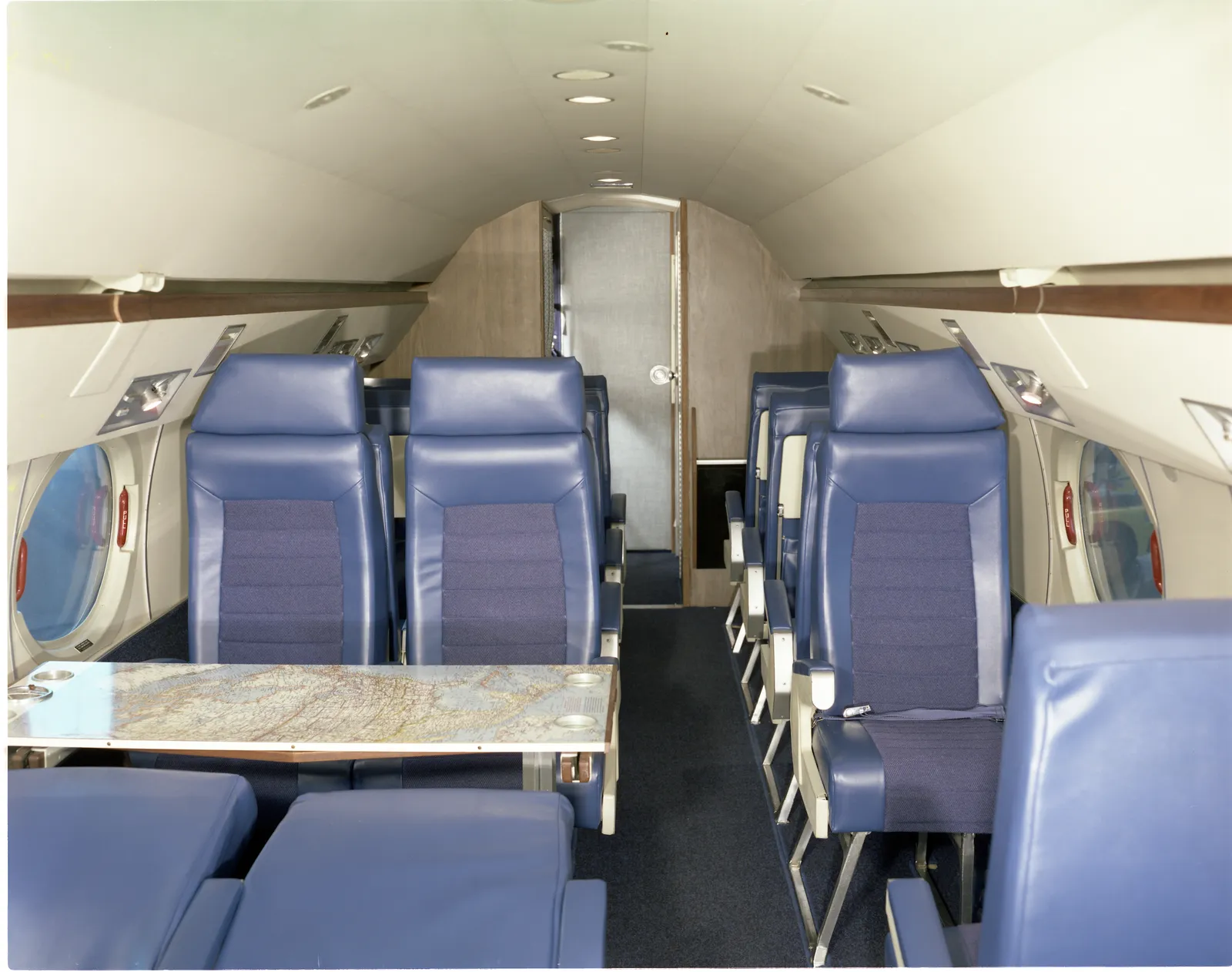
Do not store your bag in the bins above bulkhead seats, even if those seats are in your cabin. Those seats generally do not have space to store a personal item on the floor because there is no seat in front of them. Passengers sitting in bulkhead seats often have to store both their carry-on and personal item in the overhead bin, so they need the extra space.
A small but genuine annoyance is that the overhead bin issue makes selecting row 1 or emergency exit seats on some flights a frustrating choice. Although these seats offer more legroom, the space above row 1 is often already full, and without the option to store bags under the seat in front, hand luggage usually ends up further back.
Another version of this problem arises when a passenger with only a small bag is asked to stow it under the seat to make room for someone else’s larger bag. One Delta passenger shared their frustration publicly: they brought only one small carry-on, no personal item, and were forced to put it under their seat, removing legroom, so someone who boarded after them with a huge hardshell carry-on could fit their bag. They felt penalized for bringing less.
What Actually Fixes the Problem
Understanding and respecting overhead bin etiquette can make a significant difference in ensuring a smoother and more pleasant flight experience for everyone. By being mindful of where and how bags are stowed, being considerate of fellow passengers, and adhering to airline policies, the stress that often accompanies boarding and deplaning can be reduced.
Ideally, your bag should be stowed near your seat for convenience and security. It’s easier to retrieve items, and more importantly, you can keep an eye on your belongings to prevent theft. Keeping your bag close also speeds up deplaning for every single person on the plane, yourself included.
To avoid a gate check, get on the plane as early as possible. Ways to board faster include a premium seat, purchasing priority boarding, or having complimentary priority boarding through airline status or your credit card. It’s not glamorous advice, but it genuinely works.
The Takeaway
The overhead bin conflict isn’t really about luggage. It’s about a broken system, rising fees, and a confined space where every bad decision someone makes ripples directly onto the strangers around them. The rules aren’t complicated: store your bag near your seat, keep your personal item under the seat in front of you, and don’t touch anyone else’s belongings without asking.
During the busiest travel periods, the scramble for baggage room becomes particularly acute, and the unspoken rules of considerate packing and stowing become more important than ever. Poorly utilized bin space or oversized luggage not only creates frustration but can also raise safety issues and increases the chance of passengers being forced to check bags at the last minute.
Most overhead bin fights are entirely preventable. The passengers who never get into them aren’t lucky, they’re just the ones who board a little earlier, pack a little smarter, and resist the urge to treat shared space as their own.
AI Disclaimer: This article was created with the assistance of AI tools and reviewed by a human editor.