
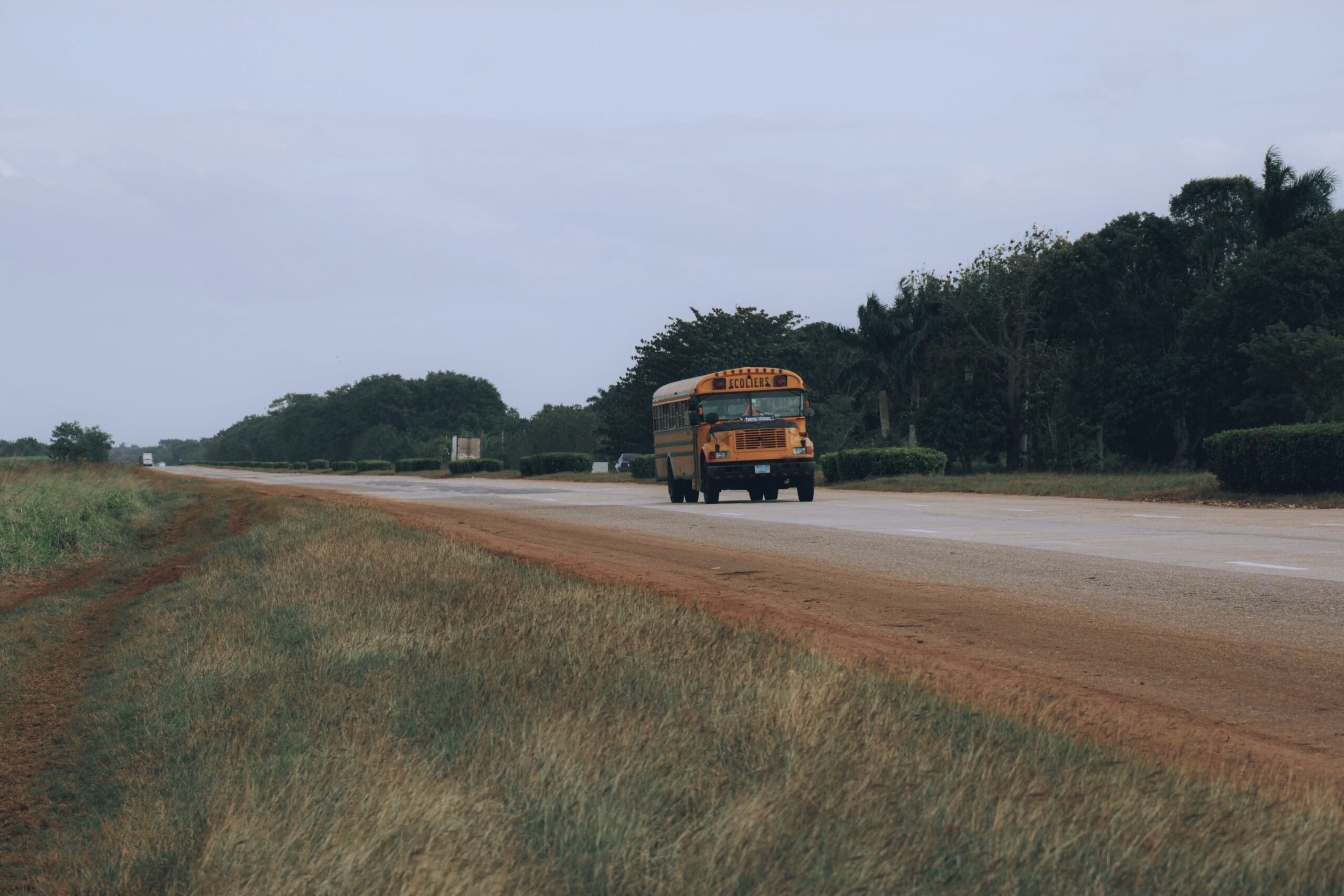

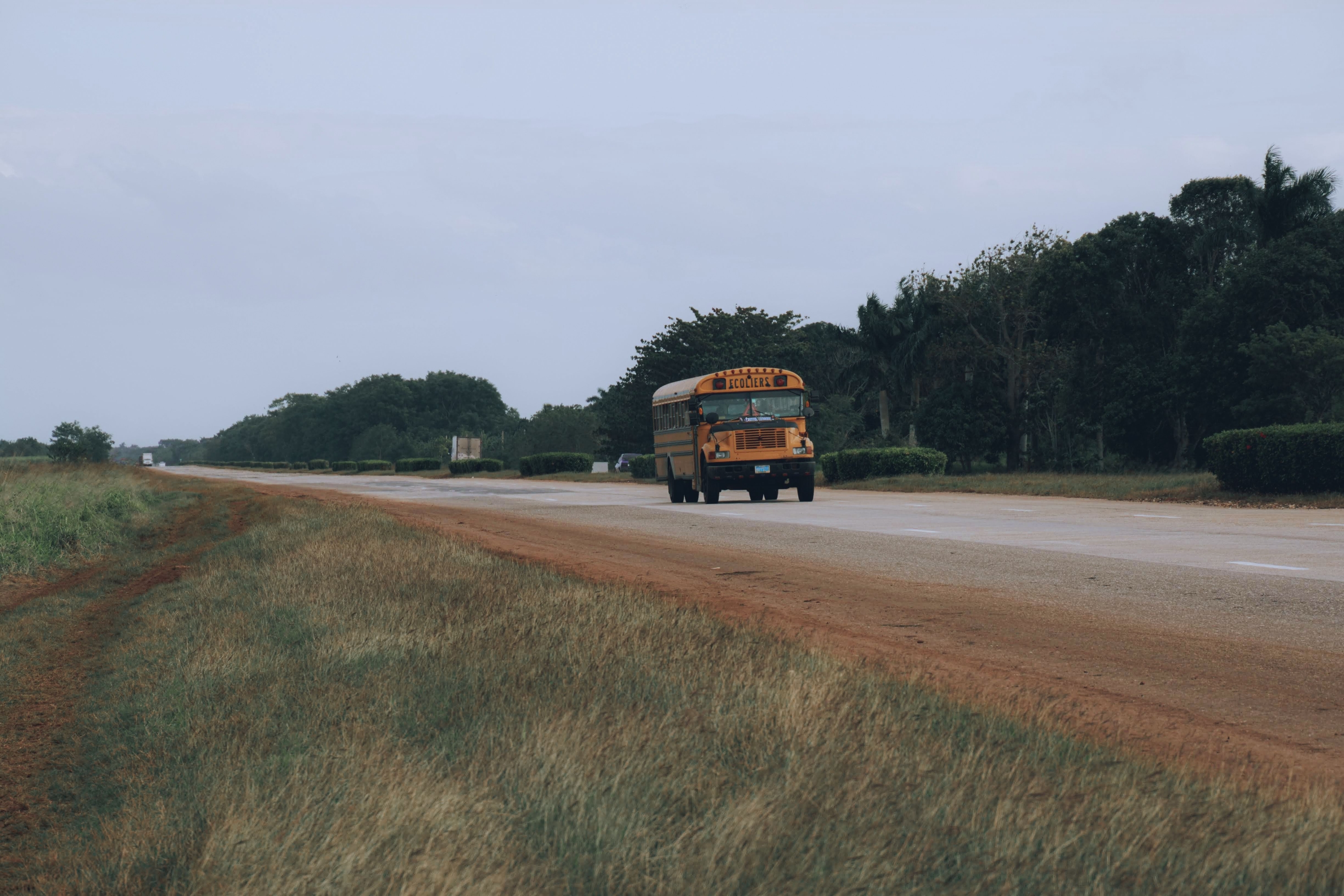
There’s something about a proper road trip that no amount of travel hacking or itinerary optimization can replicate. The freedom of open asphalt, the smell of a new state coming through the window, the small-town diner you stumbled into by accident. Those memories rarely come from planning. They come from a way of traveling that’s slowly been chipped away by convenience.
In a year dominated by digital saturation, Americans are increasingly looking for a different kind of escape: a trip back in time. The idea of combining traditional road travel with the concept of recreating cherished past experiences is emerging as one of travel’s most defining trends. It turns out what many people actually want isn’t more efficiency. It’s more experience. These five old-school road trip habits are worth bringing back, and the data is starting to agree.
1. Pulling Out a Paper Map
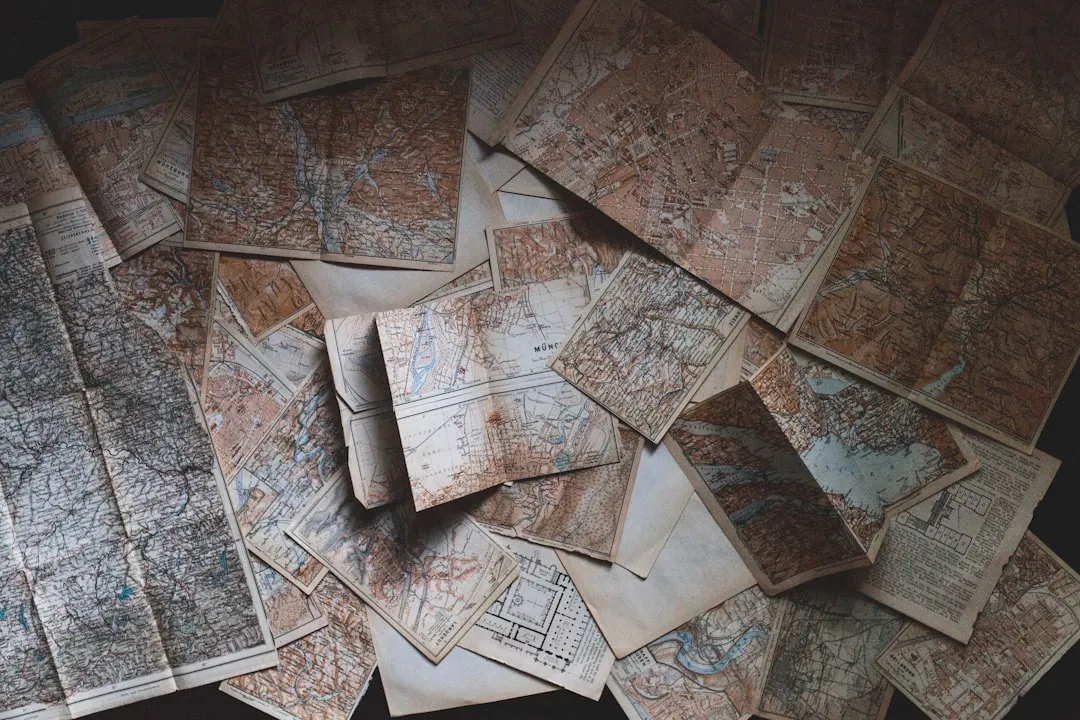
GPS signals get lost and phones die, but paper maps endure. AAA continues to offer paper maps and customized, spiral-bound TripTiks at branch offices, recognizing their value as a dependable, battery-free navigation backup when cell service fails. That practical edge alone is a reasonable argument for keeping one in the glove compartment.
Researchers at the University of Tokyo compared the experiences of people using paper maps versus GPS to navigate a city. Those using GPS looked at their devices roughly a third more of the time, had notably lower scene recognition memory, and were more likely to follow the suggested route without deviation. Paper map users, by contrast, had a richer overall experience because they more often strayed from their planned path to explore things they encountered along the way.
Engaging with maps stimulates the hippocampus, the part of the brain involved in spatial orientation and memory, and can lead to increased mental agility and memory capacity. Getting a little lost was never the problem. It was usually the best part.
2. Eating at Local Diners and Roadside Stops
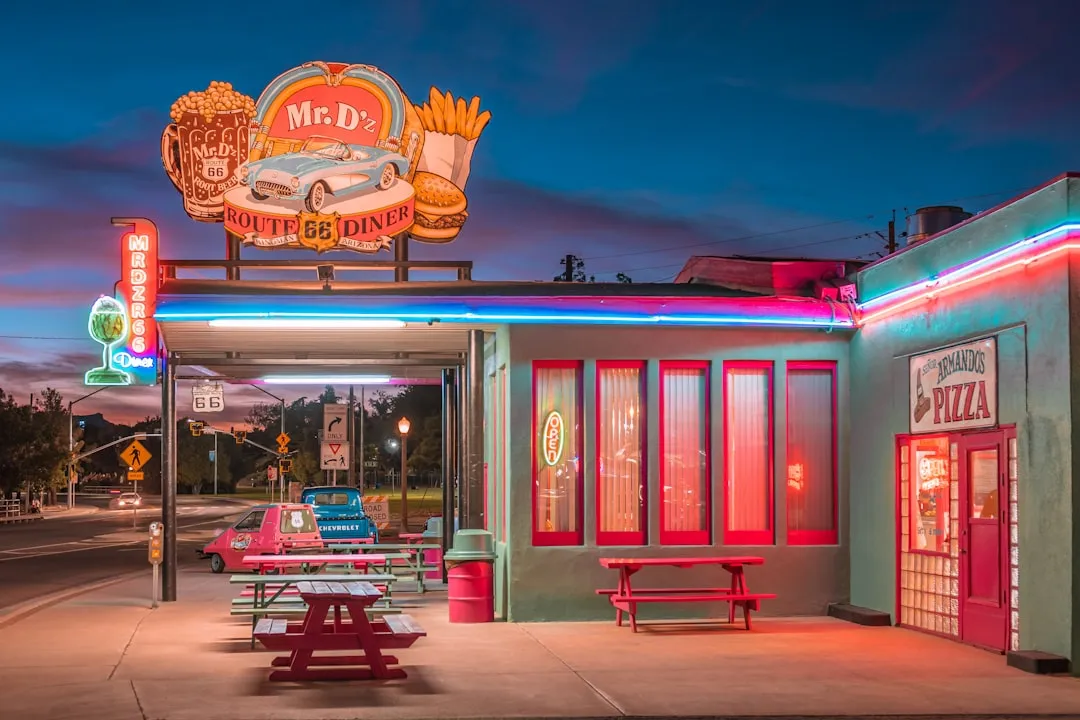
The best old roadside restaurants aren’t really about perfection. They don’t have to be fancy. They win people over because they feel tied to a real place, a highway, or a family tradition that has somehow survived. These diners, drive-ins, barbecue spots, and roadside landmarks preserve the kind of American travel culture people miss, even if they only know it from old family stories.
Places like the Mammoth Orange Cafe, which has been a roadside pit stop since 1966, invite travelers to live out retro dreams and stop by for what regulars call some of the best hamburgers and chili dogs on the route. That kind of permanence is increasingly rare, and worth seeking out.
There’s something people genuinely miss about affordable food, parked cars, and regulars. The scene doesn’t feel engineered by a corporate concept team, and the relaxed roadside atmosphere that once existed everywhere is harder and harder to find. Supporting these places is, in a quiet way, an act of cultural preservation.
3. Driving Without a Detailed Itinerary
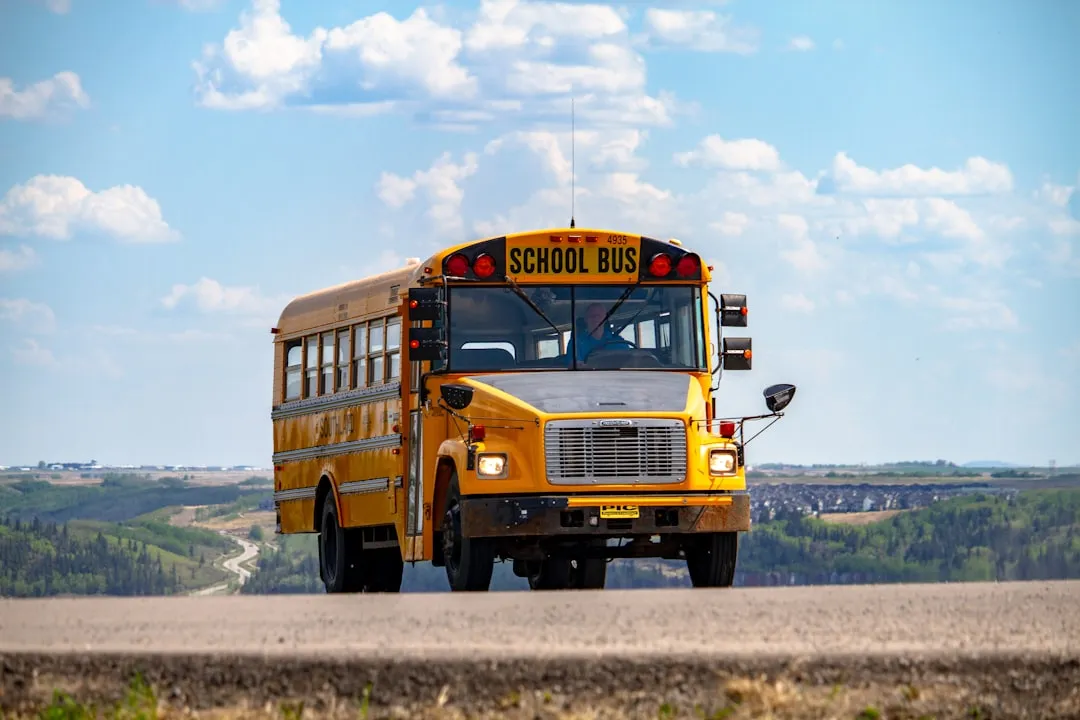
What makes the current road trip revival interesting is that it isn’t driven by one motive alone. Cost matters, of course, but so do flexibility, spontaneity, scenic value, and the simple pleasure of setting your own pace. A traveler can leave early, stop for pie in a small town, detour toward a lake, and change plans without dealing with airline rules or fixed arrival windows.
Part of the road trip appeal is emotional rather than purely financial. Hilton’s 2026 trend report notes that road trip appeal is strongly tied to spontaneity and flexibility. A road trip lets people choose the route, add a night, stop at a diner, detour to a state park, or turn one family visit into a full weekend.
Road trips invite flexibility above almost anything else. Without rigid schedules or constant connectivity, you can follow your curiosity and let the journey unfold in a more relaxed way. That’s a harder thing to manufacture than it sounds, and a looser itinerary is the surest way to allow it.
4. Actually Unplugging on the Road

Digital burnout is the mental, emotional, and physical exhaustion that comes from prolonged screen use. With the average person now spending roughly six hours and forty minutes per day on screens, people are taking increasingly significant measures to unplug, sparking a growing interest in digital detox travel.
The 2025 Hilton Trends Report found that nearly one in four travelers now prioritize avoiding work communications and social media on vacation. Hospitality brands are responding with tech-free retreats and device-free zones. One UK-based digital detox cabin company reported a booking increase of more than two hundred percent over a single year, with the vast majority of guests planning to adopt better digital habits afterward.
Studies show benefits like reduced stress and improved mood can begin after just a day or two of being offline. Think of a digital detox as giving your brain a chance to rest, like a good night’s sleep for your mental health. The road trip used to provide this naturally. It can again.
5. Stopping at Roadside Motels Instead of Chain Hotels
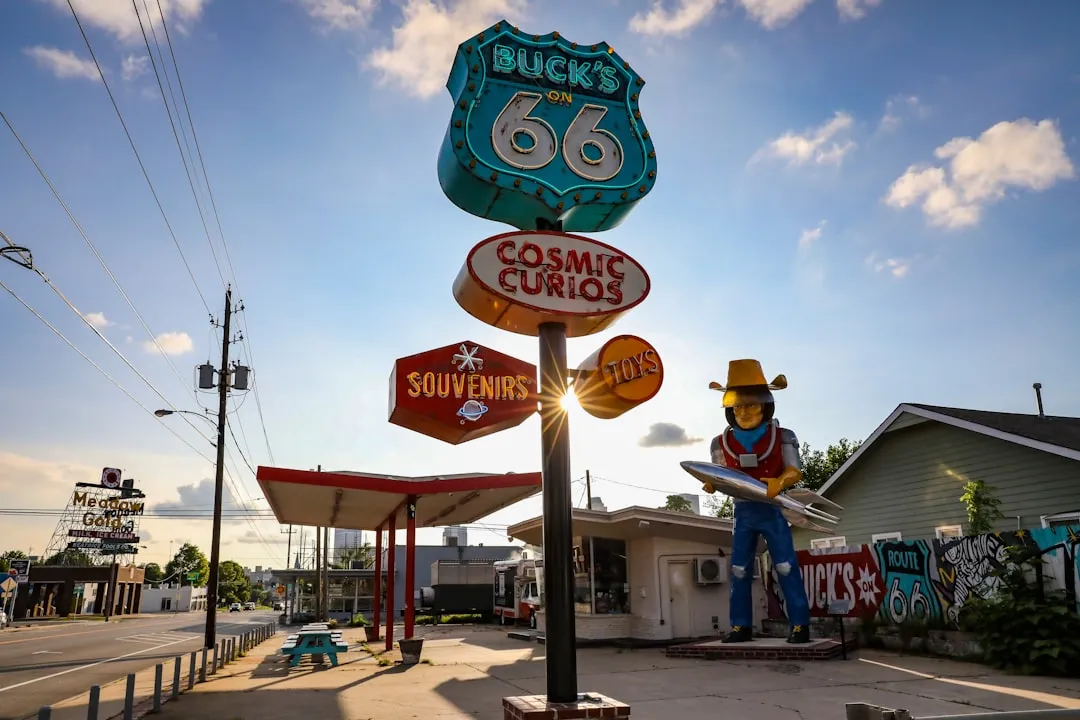
Roadside motels are back in a big way, especially along Route 66 as the Mother Road prepares for its centennial anniversary. The timing feels right. Travelers who’ve spent years booking identical hotel rooms are rediscovering that character, in accommodation as in travel, actually matters.
Among the charming renovated roadside hotels resonating with travelers looking for a dose of nostalgia is the Mystic Santa Fe on Route 66. The Blue Swallow Inn, a meticulously restored historic motor court in Tucumcari, New Mexico, is known for its retro charm and iconic neon sign. El Rancho Hotel in Gallup, New Mexico, once served as a gathering point for Hollywood stars filming Westerns in the area.
In a world that feels increasingly fast-paced and digitally driven, the craving for simplicity, authenticity, and a touch of vintage charm has rarely been stronger. A well-worn motel with a pool and a hand-painted sign delivers exactly that. No loyalty points required.
6. Playing Car Games Instead of Streaming
Before individual screens turned every backseat into a private cinema, a long drive was shared territory. License plate bingo, the alphabet game, twenty questions: these weren’t just ways to pass time. They were a form of collective engagement that kept everyone in the same moment. Research consistently links face-to-face interaction and cooperative play to stronger social bonds, and road trips used to deliver both naturally.
The car is one of the few remaining places where a family or group of friends has nowhere else to be. That captive togetherness, uncomfortable as it sometimes was, produced conversations that never would have happened over a buffered video. According to Campspot survey data, an overwhelming majority of Americans across all age groups express a profound longing for simpler times, with nearly three quarters stating this longing will strongly influence their travel decisions.
Keeping the tablet in the bag for even a few hours won’t break anyone. It might, though, produce a memory that sticks for years.
7. Writing a Travel Journal on the Road

A simple notebook and pen are surprisingly powerful reflection tools. Recording how a trip affects you mentally and emotionally, alongside journey memories, creates something a photo album or camera roll rarely can. It’s a record in your own words, from your own vantage point, unfiltered by an algorithm.
Collecting small mementos along the way, like postcards, leaves, or ticket stubs, and assembling them into a scrapbook creates a tactile document that’s entirely offline. There’s a durability to that kind of memory-keeping that social media posts, buried under newer posts, simply don’t replicate.
Travel journaling also slows things down in a useful way. You notice more when you know you’ll try to describe it later. A sunset becomes a paragraph. A stranger’s offhand comment becomes a detail worth keeping. The writing doesn’t have to be good. It just has to be yours.
8. Taking the Scenic Route on Purpose
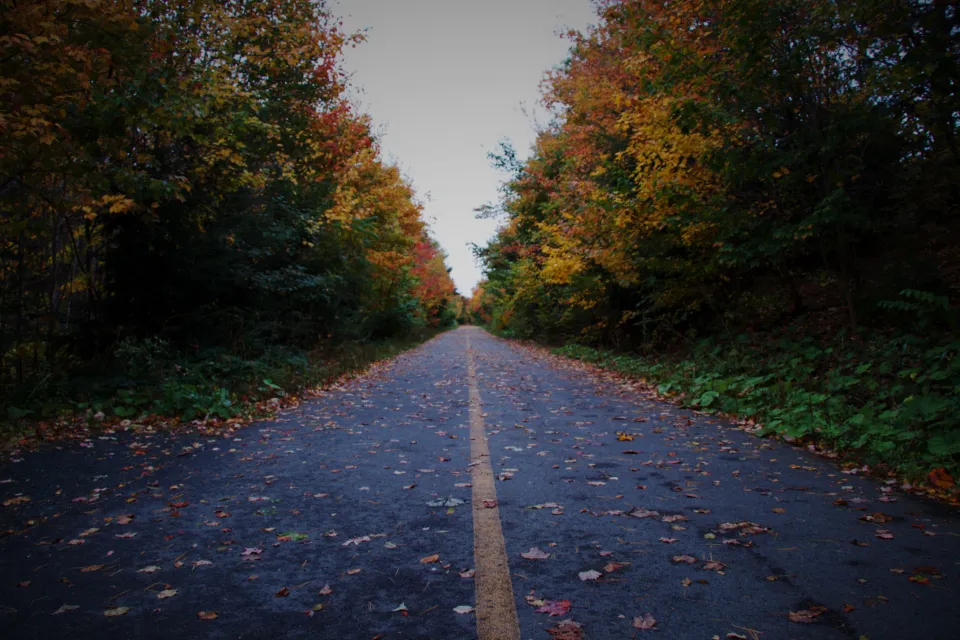
Routes like the Great River Road, following the Mississippi River through small towns and changing landscapes, encourage travelers to slow their pace. Slow speed limits, gentle curves, and scenic overlooks invite you to take it all in rather than race toward the next destination.
GPS almost always defaults to the fastest route, which is rarely the most interesting one. The two-lane road through farmland, the coastal highway with no guardrails, the mountain pass with a pullout every few miles: these aren’t detours. They’re the point. A road trip lets people detour to a state park or stretch a family visit into a full weekend, and that sense of control becomes especially valuable when the rest of the travel system looks busy and increasingly expensive.
The extra hour spent driving through a valley instead of around it has a way of reframing the whole journey. The destination doesn’t change. Your relationship to getting there does.
9. Packing an Actual Road Atlas
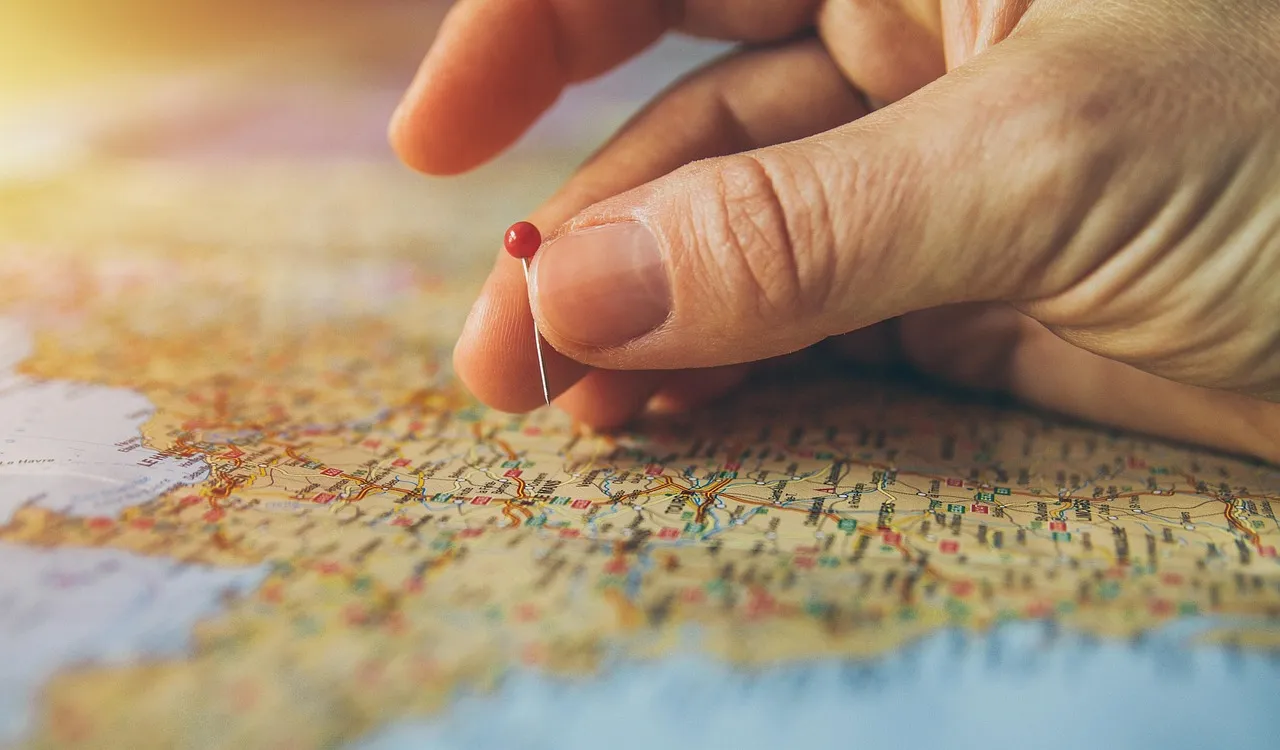
Many road travelers use their Road Atlas to help plan a trip, then use GPS for step-by-step directions while driving, but keep a paper map handy as a backup, especially in places where they might lose signal or their battery dies. That combination turns out to be more reliable than either tool on its own.
A standard road atlas contains maps of every U.S. state and Canadian province, an overview map of Mexico, and detailed inset maps of hundreds of cities and dozens of national parks. That’s a lot of context in one spiral-bound book, and it doesn’t need a data connection. Rand McNally even released a 2026 Road Atlas celebrating both the 250th anniversary of the United States and Route 66’s centennial, with a collaboration from Atlas Obscura included.
Getting the big picture first, using a paper map to understand the lay of the land before switching to GPS for step-by-step guidance, means you arrive more in tune with your surroundings. That spatial awareness is its own quiet reward.
10. Embracing the Unplanned Stop
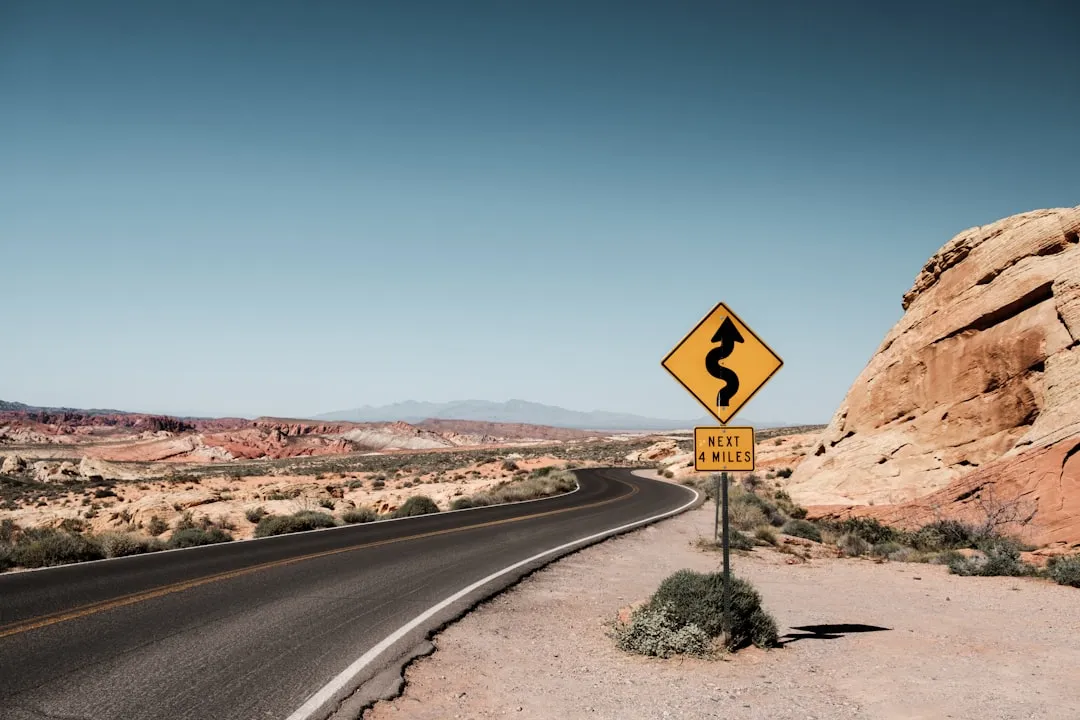
Campspot data shows that some of the most beloved outdoor destinations from several decades ago are making a comeback for current travelers. As part of the emerging recreation vacation trend, campers are gravitating toward nostalgic hotspots that capture the spirit of exploration from the past.
Some roadside stops keep you going on your journey, while others become a destination in themselves. A hand-painted sign for a fruit stand. A historic marker off the shoulder. A viewpoint that isn’t in any guide. These moments can’t be scheduled, and they don’t show up in any optimization algorithm. They only happen when you allow for the possibility that something interesting might be just ahead.
The combination of flexibility, spontaneity, and scenic value has made the road trip feel modern again rather than purely nostalgic, which is a big reason it has re-entered the travel conversation so forcefully in recent years. The unplanned stop is the beating heart of all of it.
The Road Belongs to Those Who Wander It Slowly
The combination of traditional outdoor recreation with the concept of recreating cherished past experiences is emerging as a defining travel trend of our time. The data supports it, but honestly, the logic is simpler than that.
Road trips were never really about getting somewhere. They were about who you became while you were getting there: the meal you didn’t plan, the conversation that ran long, the detour that turned into the best part of the trip. None of that requires a better app. It just requires a willingness to slow down and let the road do what it has always done best.
Leave the detailed itinerary at home. Bring the atlas. Stop at the diner with no reviews. The best road trip memory you’ll ever make is probably waiting somewhere you haven’t planned to be.
AI Disclaimer: This article was created with the assistance of AI tools and reviewed by a human editor.