

There’s something quietly reassuring about the way an older generation approached a trip. Before apps, before real-time updates, before the digital everything, they packed deliberately, planned with care, and left for the airport with a folder of printed papers tucked under one arm. Some of those habits look quaint now. Others, when you look closely, turn out to be genuinely smart.
The irony is that modern travel, for all its technological polish, is arguably more unpredictable than ever. Flights get disrupted more often. Luggage goes missing at record rates. The case for revisiting some of those pre-digital rituals is stronger than it might seem.
1. Buying Travel Insurance Before Anything Else

Your parents likely bought travel insurance without a second thought. It was just part of the booking process, as automatic as packing a toothbrush. That instinct, it turns out, is well supported by data.
American travelers spent $7.71 billion in the travel insurance market in 2025, with the market projected to grow significantly into 2026, reflecting how seriously people are taking trip protection. The numbers behind the claims are even more telling.
Lost and delayed baggage claims rose by a staggering amount from 2024 to 2025, with average payouts for missing luggage reaching $256 in 2025. Meanwhile, emergency medical claims led the way in 2026, representing over a quarter of all paid claims, with an average payout of $1,816 per medical claim.
The U.S. government does not pay medical costs for U.S. citizens traveling abroad, so planning ahead for hospital visits, emergencies, or unexpected expenses is essential. Your parents knew this instinctively. The numbers confirm they were right.
2. Carrying a Paper Map or Physical Guidebook
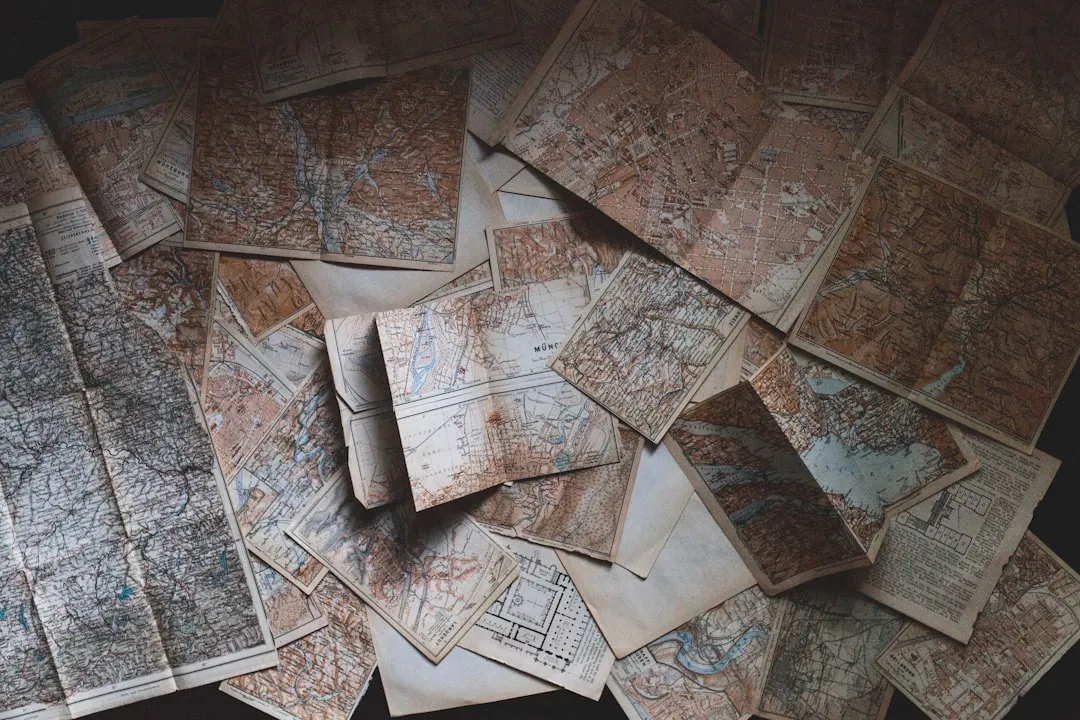
There’s something your parents understood that most smartphone-dependent travelers have quietly forgotten: a map you can hold in both hands gives you the whole picture at once. No zooming, no spinning the screen, no hunting for that little blue dot.
Using paper maps carries cognitive benefits beyond mere navigation. Research suggests that paper maps help users acquire deeper knowledge faster and more efficiently, and interacting with a paper map, tracing routes, and mentally connecting the dots creates a cognitive map in the brain, improving memory and navigation skills.
Reading maps and practicing navigation skills have significant benefits for the brain. Engaging with maps stimulates the hippocampus, a part of the brain involved in spatial orientation and memory, which can lead to increased mental agility and memory capacity.
In a survival situation, or simply when your phone dies on a rural road, paper maps provide a reliable backup to GPS receivers and smartphones. It’s in those moments where you lose battery power or signal that a paper map can be a genuine lifesaver. The old habit holds up.
3. Notifying the Bank Before Leaving Home

It used to be standard practice to call the bank a few days before an international trip. Today, many travelers skip this step and discover mid-trip that their card has been frozen for “suspicious activity,” which is a frustrating and entirely avoidable problem.
Some banks require you to notify them of any upcoming travel abroad to avoid your account being locked due to suspicious activity. It’s also worth checking in with your credit card companies to understand what foreign transaction fees they charge, as well as any perks they may offer for international travel.
This step takes about five minutes. The consequences of skipping it can derail hours of a trip. Your parents called it common sense. It still is.
4. Keeping Some Local Cash on Hand

The dream of a fully cashless trip is appealing, but it doesn’t always survive contact with the real world. Markets in rural Portugal, tuk-tuk drivers in Bangkok, small guesthouses in rural Japan: these places frequently don’t accept cards, and no amount of tap-to-pay confidence will help you there.
If you’re traveling with debit cards and credit cards, your best bet is to withdraw cash from a local ATM upon arrival, since you’ll often get a better exchange rate than at a currency exchange kiosk, and to use your credit card as a backup.
If you’re unsure about what you can afford to spend, setting a daily range and adjusting it per destination makes sense. Keeping tabs on exchange rates and tracking spending in your home currency helps prevent an unpleasant financial surprise mid-trip. It’s old-school budgeting, and it works.
5. Printing Out Confirmation Numbers and Booking Documents
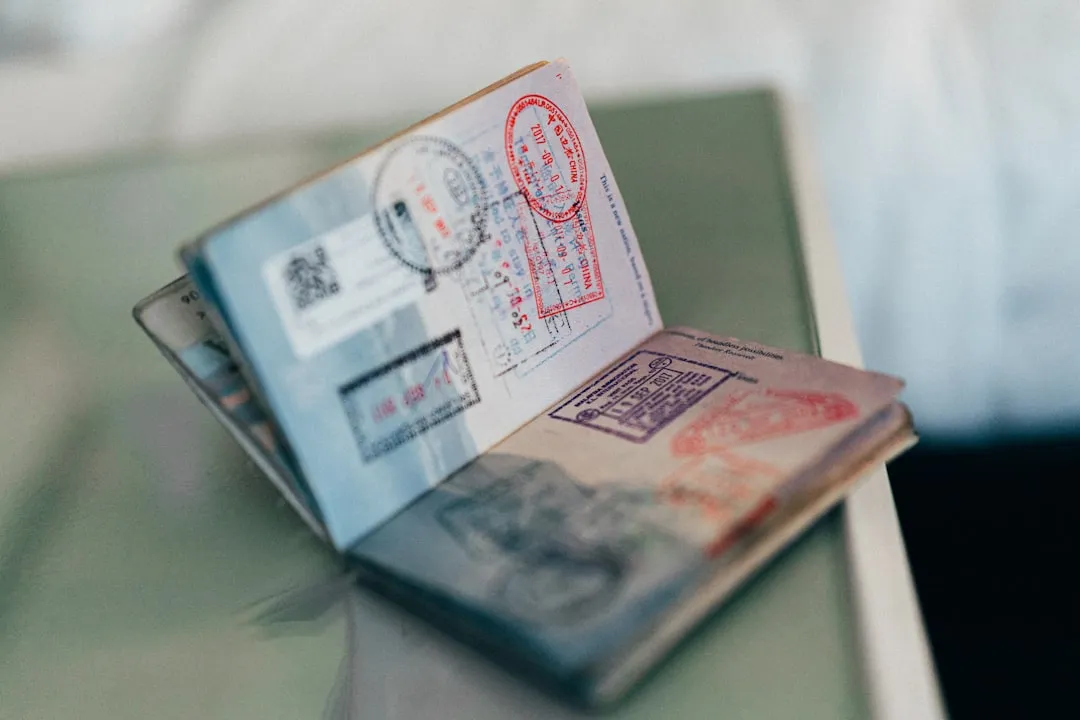
Your parents printed everything. Hotel confirmations, flight itineraries, car rental agreements, all of it went into a labeled folder. It seemed like overkill. Then your phone died at baggage claim.
A surprising number of travel headaches come down to simple organization, or the lack of it. Digging through a bag for a passport at a check-in counter or realizing a boarding pass is buried in an email somewhere adds unnecessary stress to moments that should be routine.
Printed documents don’t require Wi-Fi, don’t freeze, and don’t need a passcode to access. In a long check-in queue or at a border crossing, having a single sheet of paper with your key information is worth far more than the two minutes it took to print it.
6. Arriving at the Airport Earlier Than Necessary
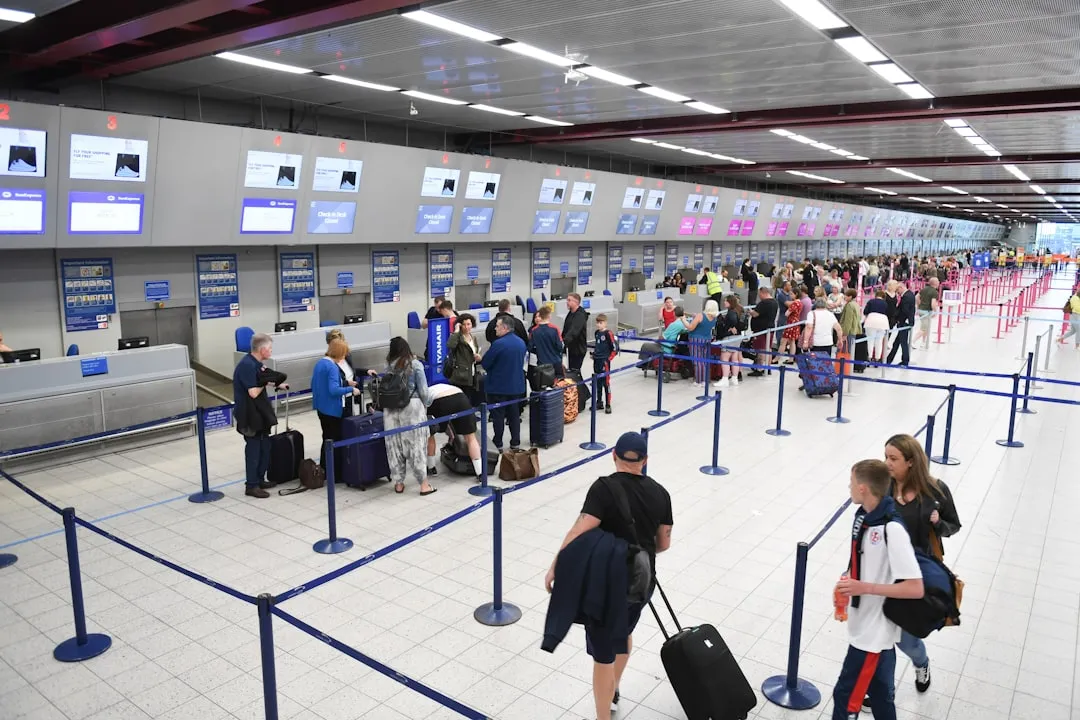
This one gets teased endlessly. The parents who arrived three hours before a domestic flight, who sat happily eating airport sandwiches while everyone else rushed through security. Turns out, they were onto something.
As of October 2025, 99% of TSA PreCheck passengers waited less than 10 minutes in line, according to TSA data. That’s with an enrolled, expedited program. For everyone else, standard security lines can be considerably longer, especially during peak travel periods.
In the summer of 2025, roughly half of travelers noted flight cancellations and delays as their top concern, a notable increase from the previous summer. Getting to the airport early gives you a buffer when things go sideways, and they do go sideways more often than airlines would like to admit.
7. Packing a Small First Aid and Medication Kit

A blister on day one of a walking trip. A headache at altitude. An upset stomach from unfamiliar food. These aren’t dramatic emergencies, but without a few basic supplies, they can genuinely slow a trip down. Your parents almost always had a small kit.
With delays and cancellations increasingly becoming the norm, packing a carry-on bag not only with flight essentials but also for an unplanned overnight stay is wise. This means including travel documents, essential toiletries, devices, valuables, a change of clothes, and medications you cannot live without.
Pharmacies abroad may not stock the brands you’re used to, and a language barrier can make purchasing something as simple as an antihistamine take half a morning. A small preparedness kit is one of those habits that feels unnecessary until the exact moment it isn’t.
8. Using a Travel Agent or Seeking Expert Advice
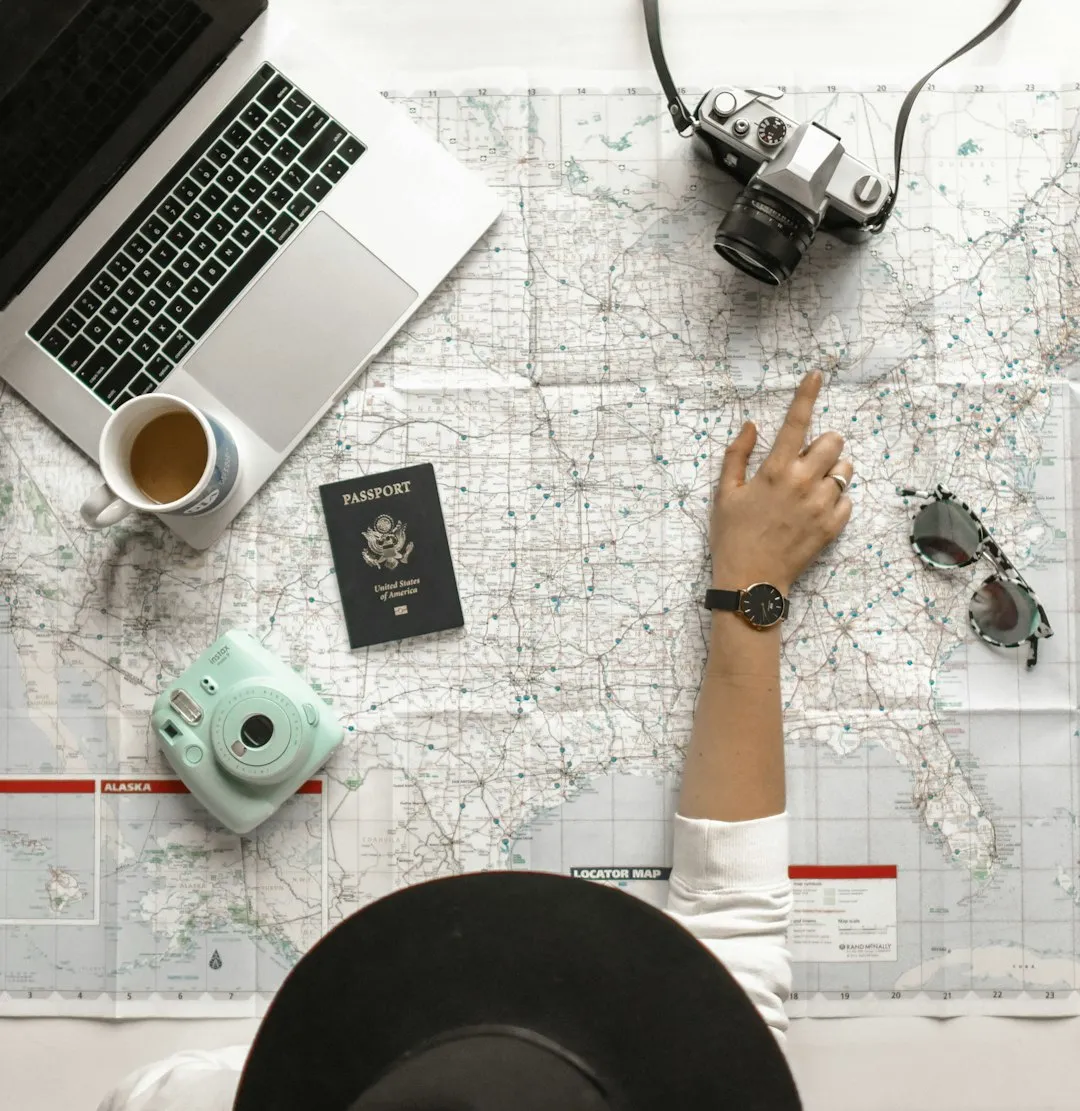
This one has made a quiet comeback, and for good reasons that go beyond nostalgia. Agents who once navigated hold music and fare rules by memory now use live airline tools, disruption dashboards, and waiver alerts. They protect elite perks, spot risky connections, route around strike calendars, and facilitate rebooking while the line to customer service barely moves.
Travel habits evolved significantly in 2024, with a surge in insured trips and a growing preference for international destinations, as the demand for travel insurance grew by around 14%, driven by more expensive itineraries and evolving travel habits. With trip costs rising, having a knowledgeable advocate in your corner when plans collapse has real financial value.
A good travel advisor isn’t a luxury. In increasingly complex travel environments, they’re closer to a practical investment.
9. Researching the Destination Before You Go

There’s a meaningful difference between arriving somewhere knowing nothing and arriving with context. Your parents read guidebooks, clipped articles, maybe watched a documentary. They arrived with some understanding of where they were going, and that made everything land differently.
Guidebooks and atlases give shape to regions in a way a live map rarely does. Travelers who use them circle cafés, mark detours, and adjust plans at the table instead of chasing tiny digital pins on a screen.
Knowing a place’s history, its etiquette, its local rhythms, these things don’t just make you a more informed visitor. They make you a more respectful one. That kind of preparation is at the heart of travel that genuinely connects with a culture rather than simply passing through it.
10. Packing Light and Packing With Intention

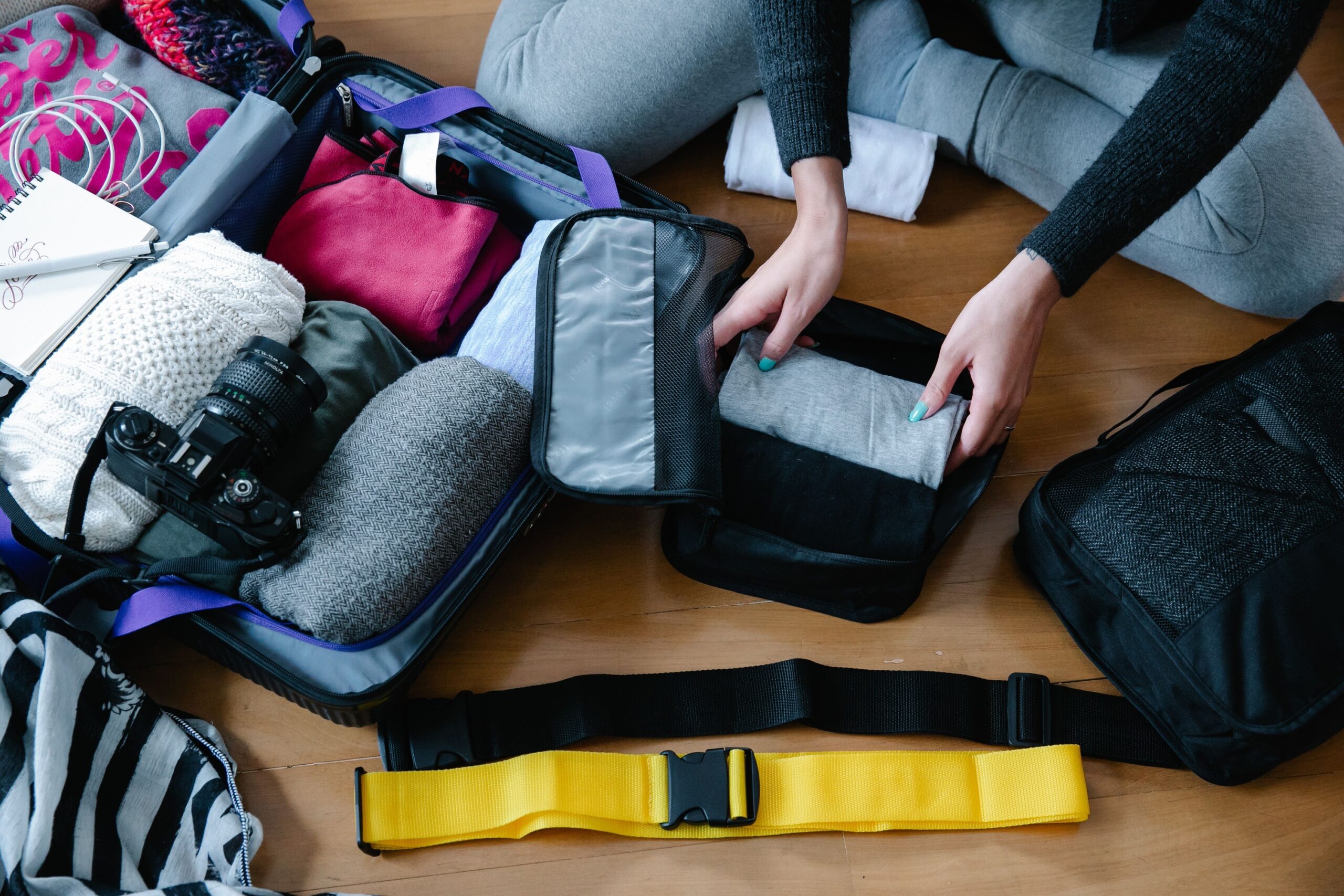
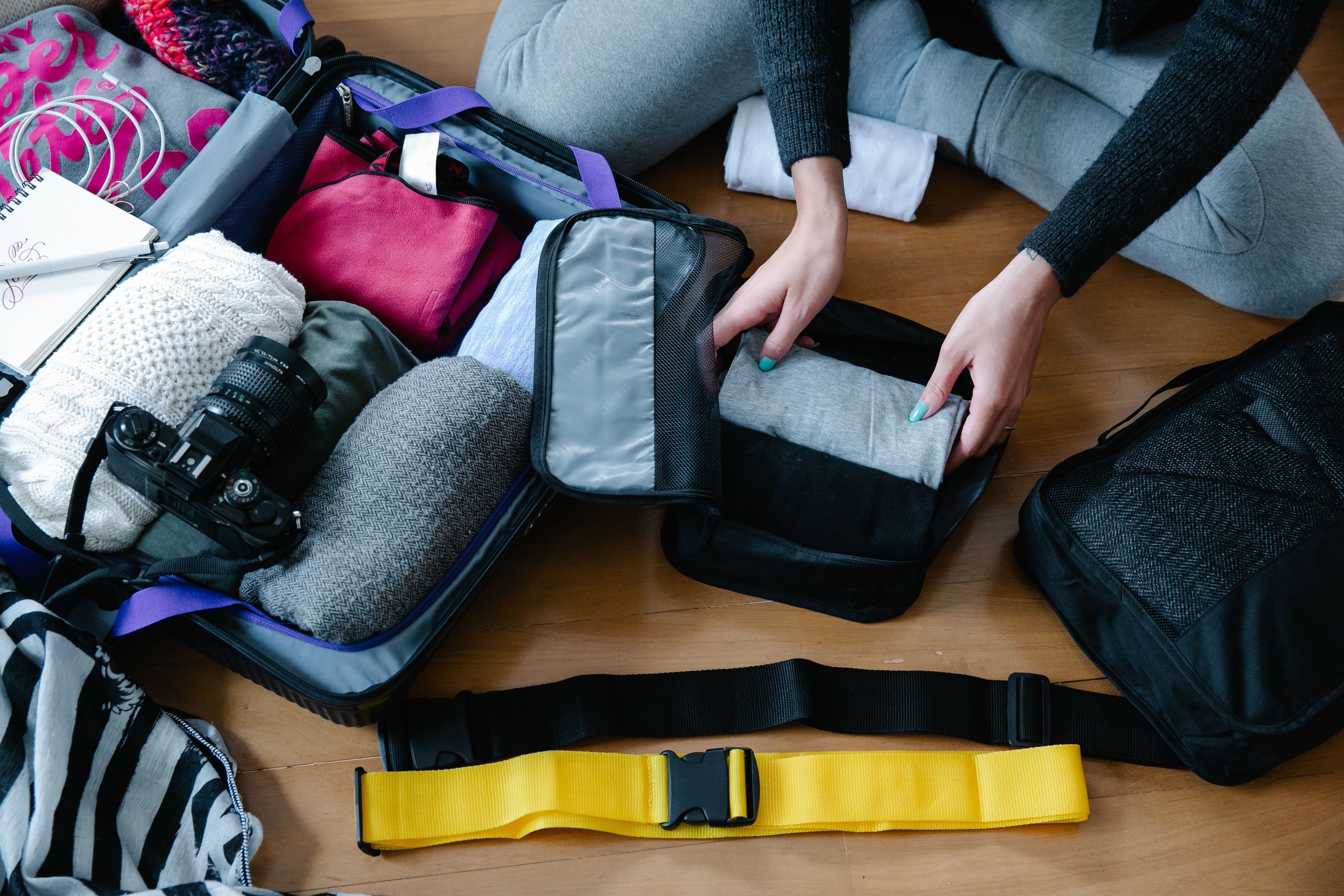
Before rolling luggage became the norm, people thought carefully about what they carried because they had to carry it. That constraint produced something useful: genuine consideration of what was truly necessary.
Thinking about the logistics of your trip beyond the airport, and considering how much you can handle hauling from one place to the next, matters. Whether you check a bag or not, packing light for international trips is something your future self will thank you for.
Nearly a third of Americans have changed their destination choices due to flight prices, while more than a quarter have decided not to travel at all because of airline fees like baggage and seat selection costs. Packing light is no longer just convenient. In an era of punishing baggage fees, it’s financially smart.
The Takeaway

Some of the most reliable travel wisdom isn’t new. It was worked out quietly, over decades, by people who learned from experience that preparation is not anxiety: it’s freedom. When the unexpected happens, and in travel it always does eventually, the traveler who thought ahead simply has more options.
The habits described here aren’t about distrusting technology or romanticizing the past. They’re about layering proven, low-tech resilience underneath the convenience of modern tools. Preparation done at home converts directly into time saved on the road. Your parents figured that out a long time ago.
AI Disclaimer: This article was created with the assistance of AI tools and reviewed by a human editor.