


There’s something quietly remarkable about standing at a spinner rack of postcards in a small coastal shop, turning each one slowly, choosing the right image for the right person. For decades, that ritual felt like it was fading. Phones replaced the need to describe a view. Social media made sharing instantaneous. The postcard, it seemed, had become a relic.
Yet, in 2026, the numbers tell a different story. Travelers are stopping again. They’re picking up a pen. And the postcard stop, that unhurried detour into a gift shop or museum lobby to find just the right card, is making a quiet but meaningful comeback.
A Tradition That Never Fully Disappeared
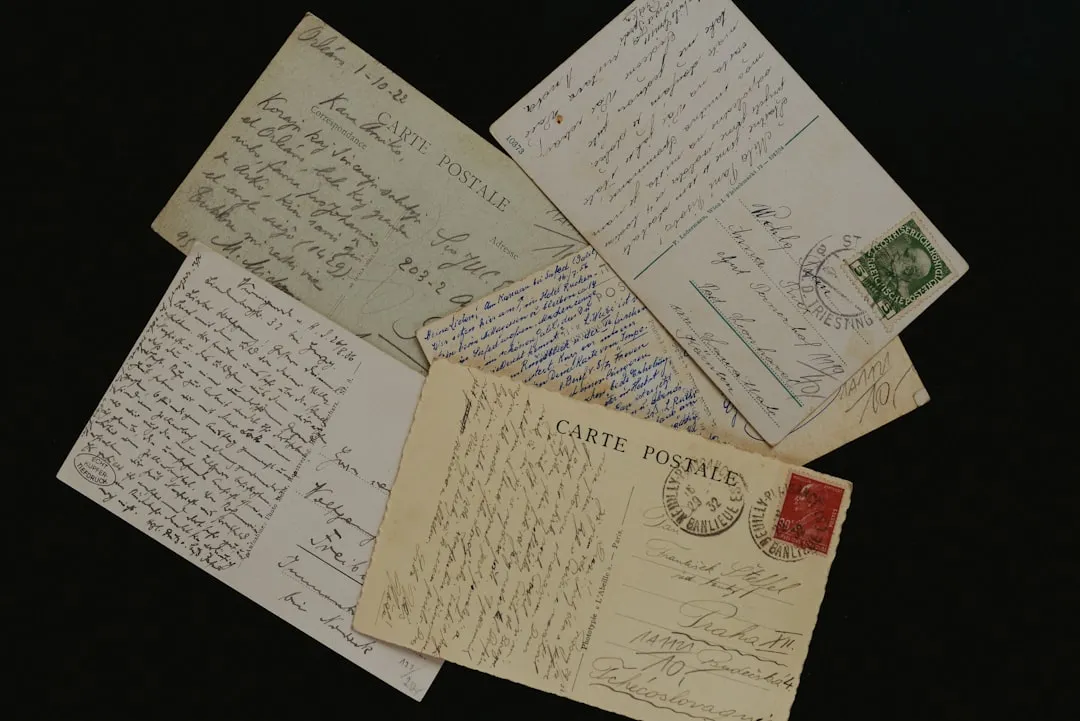
The postcard was never truly gone. More than 2.4 billion presorted postcards were still sent via first-class mail in the US in 2024, even as digital communication surged and postage costs increased. That’s not a dying habit; that’s a tradition holding its ground against powerful odds. That volume is not a niche curiosity fading into oblivion, it is a genuine ritual still holding on.
The global postcard market was valued at roughly 2.6 billion USD in 2024, with expectations to reach 2.8 billion in 2025. These numbers belong to a category that includes travel souvenirs, collectibles, and personal correspondence. Despite the rise of digital communication, physical postcards retain their charm due to their tangible and artistic value.
The Market Is Actually Growing
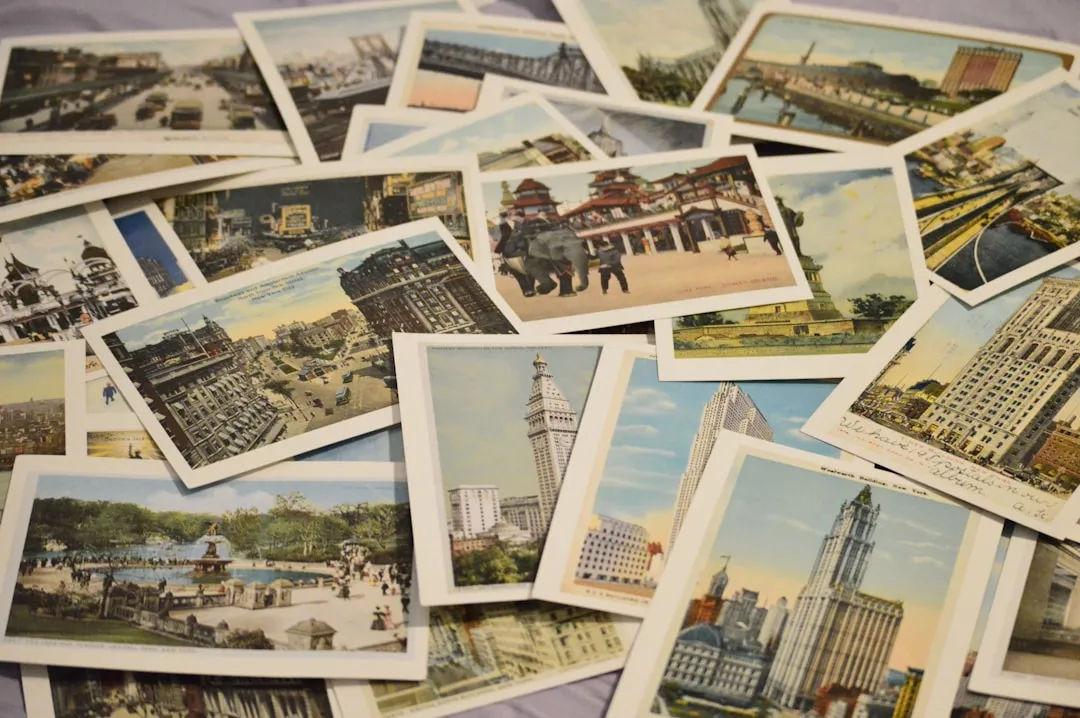
The postcard market is expected to reach over 4.3 billion USD by 2034, growing at a compound annual rate of around 4.3%, driven by global postal and retail distribution channels, with over 12 billion postcards produced worldwide in 2024. That’s a figure that challenges the assumption that physical mail is disappearing.
The global postcard market recorded a production volume of 295,000 tons in 2024, an increase of 1.5% compared to the previous year, while global consumption stood at 299,000 tons, growing by 1.7% year-on-year. Slow, steady growth. Not a boom, but not a collapse either. Driven by growing demand for printed postcards and cards worldwide, the market is set to grow at a compound annual rate of 2.1% in volume and 3.9% in value from 2024 to 2030.
Tourist Stops Are a Surprisingly Big Piece of the Puzzle
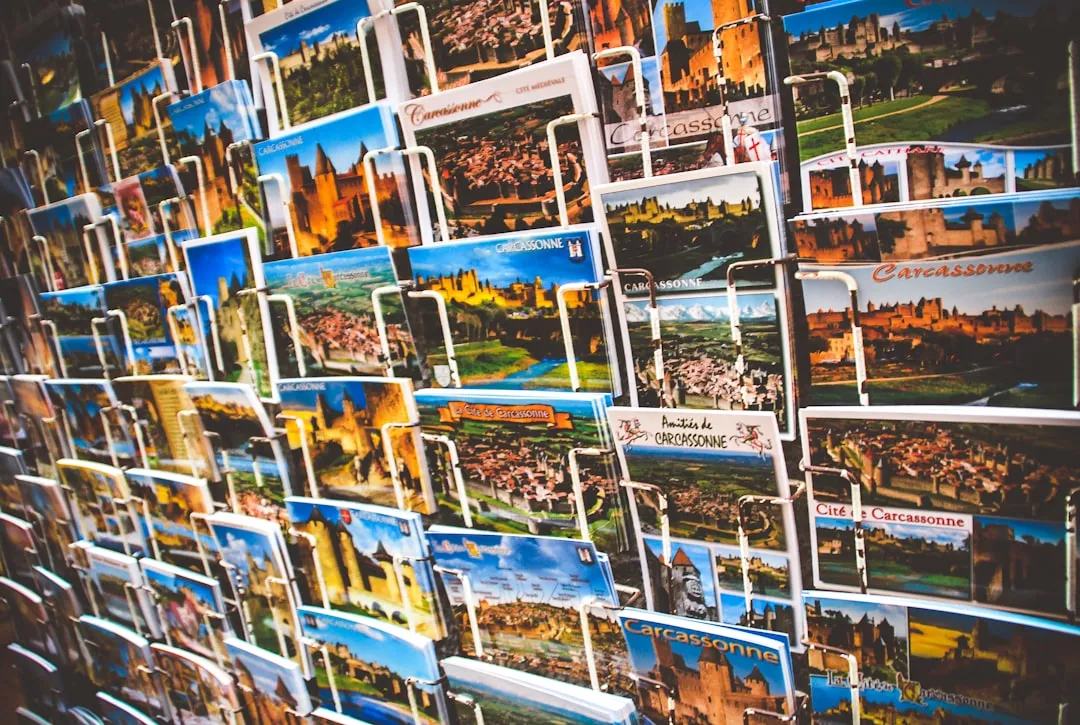
Retail stores account for roughly 40% of total postcard sales globally, while tourist attractions contribute 35%, online shops 15%, and corporate marketing initiatives 10%. That tourist attraction figure is the one that matters most to travelers: more than a third of all postcards sold in the world are bought at the kinds of places people visit on vacation. The postcard stop is, by sheer volume, very much alive.
Tourist attraction sales contribute 35% of the global market share, especially in Europe and Asia-Pacific, with cities like Paris, Rome, Tokyo, and Bangkok reporting postcard sales exceeding 250 million units annually. These aren’t small numbers. They suggest that the ritual of finding a postcard at a meaningful place remains deeply embedded in how people experience travel.
Younger Travelers Are Driving the Revival
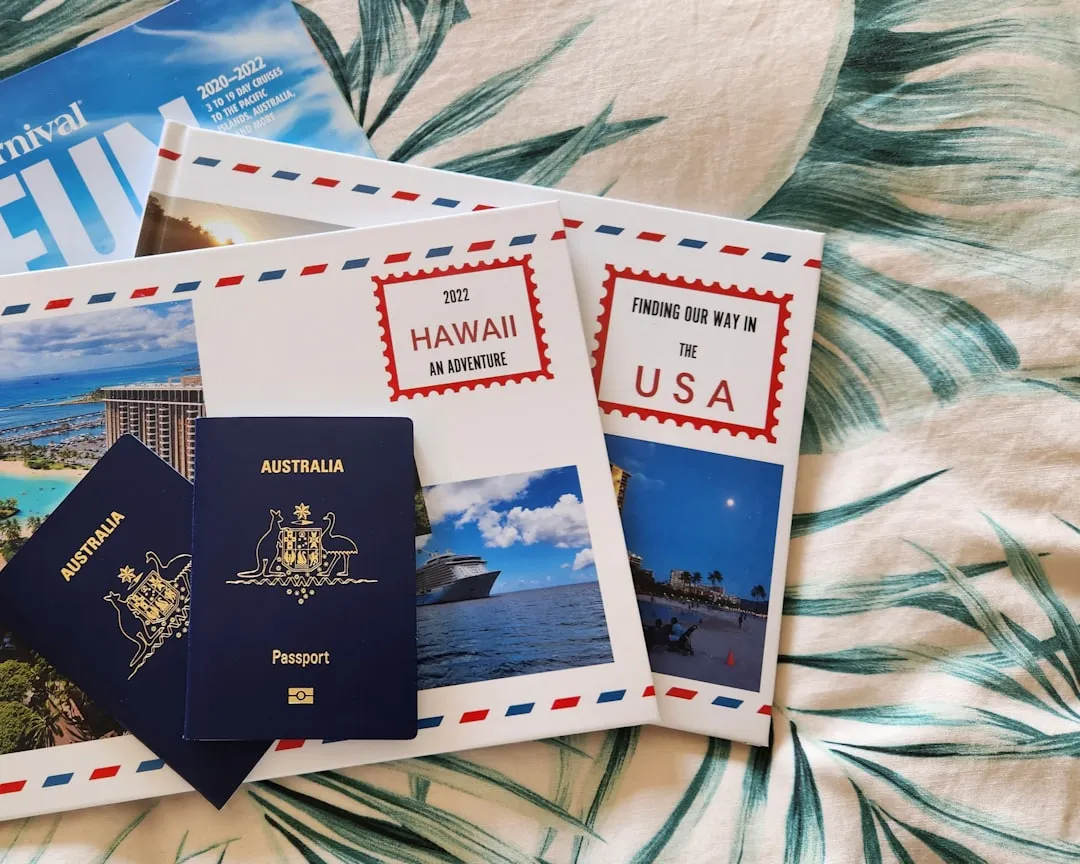
What is particularly interesting is how younger travelers are reinventing the postcard rather than abandoning it. The assumption that Gen Z has no interest in analog rituals turns out to be wrong. More than half of millennials say they do send postcards when they travel, and nearly half of Gen Z travelers do too, with older Gen X travelers sending postcards at a lower rate.
In the world of digitalization, postcards are gaining attraction especially among Gen Z and millennials, who tend to value handwritten notes and physical messages rather than online texts. There’s a real appetite here, not just nostalgia borrowed from older generations. Postcards are experiencing a comeback in certain niche markets, driven by a rising interest in personalized communication and nostalgia, with this resurgence particularly evident among younger generations who value tangible expressions of sentiment over digital interactions.
The Nostalgia Wave Behind It All
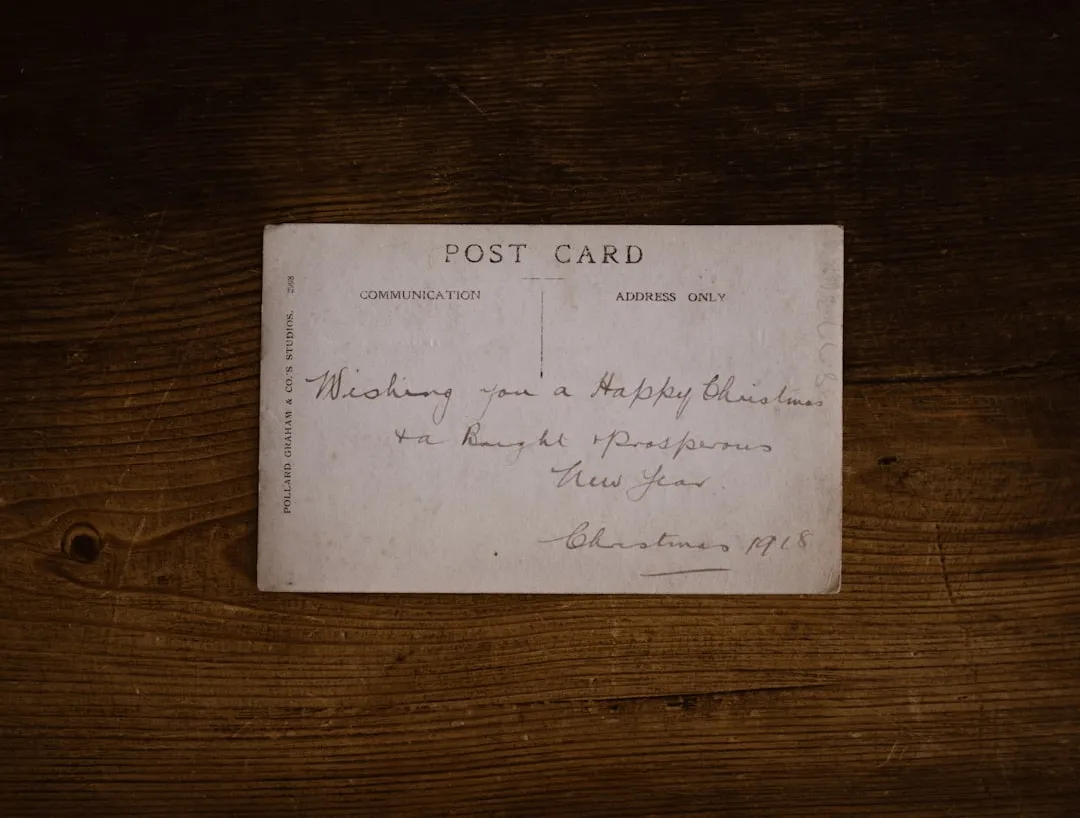
Amid all the cutting-edge newness in modern travel, an interesting counter-travel trend has emerged: nostalgia. This isn’t exclusive to postcards. The 2025 Hilton Trends Report predicted that more than half of travelers with children will want to return to destinations they visited as kids, while Campspot’s 2025 Travel Trends Report also revealed the rise of “nostalgification,” with nearly three quarters of travelers seeking nostalgic outdoor trips.
Returning to places that evoke long-ago memories is becoming a major draw for Gen Z, with a recent study by Contiki finding that 23% of its audience has already taken a nostalgia-fueled trip and 55% have one on their wish list. Within that broader longing for something slower and more tangible, the postcard fits naturally. Travel industry observers note that these analog items play on the sensory nostalgia that many millennial and Gen Z travelers are currently seeking, combining a tactile experience with a sense of connection to a past era, appealing to those who prefer analog moments that encourage slower-paced, immersive experiences.
Screen Fatigue Is a Real Factor

Close to 80% of consumers report feeling that their online experience is oversaturated with digital ads, and note that postcards, brochures, and catalogs stand out precisely because they are so different from the deluge of digital promotions. That weariness extends well beyond marketing. It touches how people want to communicate when they’re away from home.
More than half of consumers say they feel overwhelmed by digital brand messages, while over half say direct mail stands out as “real, valuable, and worth keeping.” The impulse to send a postcard from a beautiful place is, in part, a deliberate step away from the screen. Some younger travelers are consciously unplugging by sending postcards to family and friends, finding that going to the post office has become a meaningful activity, an encounter with people they would not have routinely met otherwise.
Postcrossing and the Online Community Fueling Offline Mail
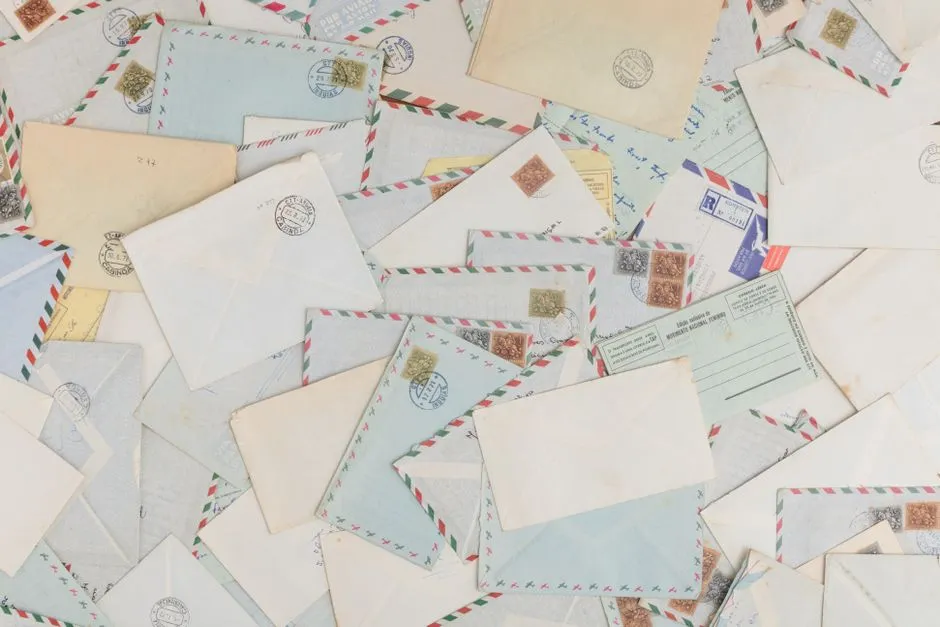
Platforms like Postcrossing are helping keep the spirit of postcard-sending alive, and as of January 2025, the platform had facilitated the exchange of over 80 million postcards, with around a million registered every two to three months. That is a remarkable community built entirely around a piece of paper sent through a letterbox. Postcrossing boasts a diverse international user base, with registered members spanning 209 countries and territories worldwide, and approximately 804,793 members as of November 2025.
In 2024 alone, over 5 million postcards traveled across 224 countries through the Postcrossing platform. World Postcard Day, celebrated on October 1st, saw 83,069 postcards sent on a single day in 2025, a figure that speaks to real enthusiasm, not mere habit. World Postcard Day was established on October 1, 2020, to commemorate the 151st anniversary of the first official picture postcard, issued by the Austrian Post Office on October 1, 1869.
The Emotional Weight of a Physical Card
While only a relatively small proportion of travelers send postcards on every trip, a striking 41% of the general population say they would like to receive them more often, citing “happy,” “remembered,” and “loved” as the emotions most frequently experienced upon receiving one. That gap between sending and wanting to receive is telling. It suggests that the emotional power of the postcard hasn’t diminished at all.
More than half of consumers say receiving mail is a “real pleasure.” A postcard is not a notification. It doesn’t disappear when the screen is locked. Nearly half of consumers keep postcards for future reference, tucking them into bookshelves, onto refrigerators, into travel journals. That kind of retention simply doesn’t happen with a WhatsApp photo.
The Postcard Stop as a Slow Travel Practice
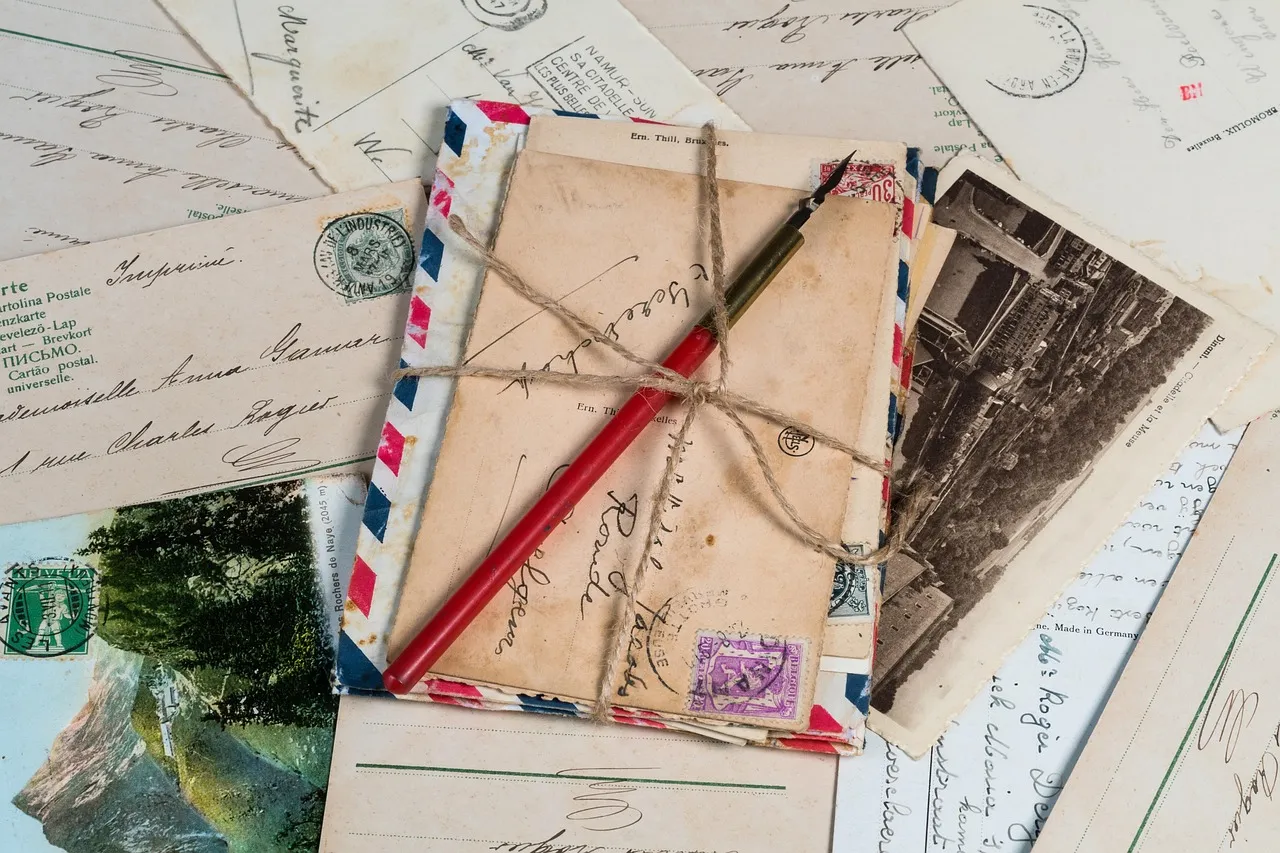
There’s a reason the postcard stop works so naturally within the broader slow travel movement. It requires you to pause, to look at a place carefully enough to choose an image that represents it, and then to think deliberately about who in your life would love to receive it. Many younger travelers are rediscovering the charm of postcards, collecting them from each destination as tangible mementos, framing their favorites or displaying them creatively at home.
Postcards act as memorials and travel mementos as well as creative instruments that draw appeal from travelers, artists, and collectors. The ritual of choosing one, writing it in a café before heading to the post office, is itself a way of being present in a place. Postcards also promote mindfulness, a quality travelers increasingly say they’re looking for when they step away from their routines.
Personalization and Technology Are Quietly Modernizing the Postcard

Technological advancements in printing and design software are enabling consumers to create highly customized postcards, enhancing user engagement and facilitating creativity, which is expected to boost market demand significantly. The format itself is evolving. QR code integration and augmented reality elements are being applied in approximately 15% of postcards produced, allowing businesses and individuals to engage recipients in new ways.
In July 2024, a startup announced a collaboration with local artists to create unique augmented reality postcard designs, aiming to blend traditional postcard aesthetics with modern AR technology, offering recipients interactive experiences that preserve cultural heritage and promote sustainable tourism. The postcard, in other words, doesn’t have to choose between old and new. It can hold both at once.
What This Says About How We Want to Travel
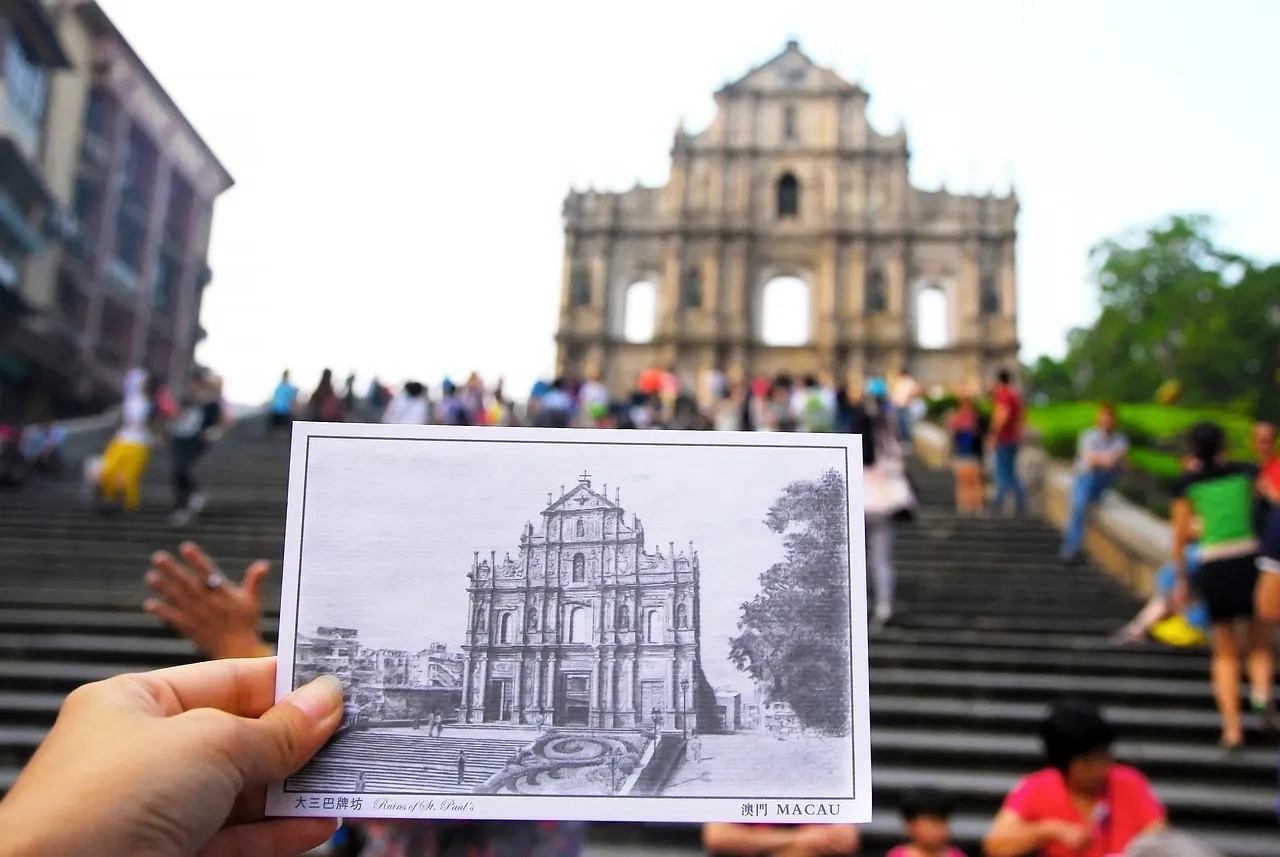
The return of the postcard stop is less about paper and stamps than it is about intention. When someone takes five minutes in a small shop to find the right image, writes a few honest lines in cramped handwriting, and trusts the postal system to carry it across an ocean, they’re doing something that a social media post cannot replicate. They’re choosing a specific person. They’re slowing down.
Amid all the convenience of apps, algorithms, and AI itineraries, a handful of older travel habits are quietly making a comeback, from scribbled postcards to slow, unhurried afternoons in a new city, reminding us that a trip is more than a checklist of sights. The postcard stop belongs firmly in that category. Some of these habits never really left. Others are being rediscovered by a generation that grew up entirely online and is now craving something more tactile.
A Small Ritual with Staying Power
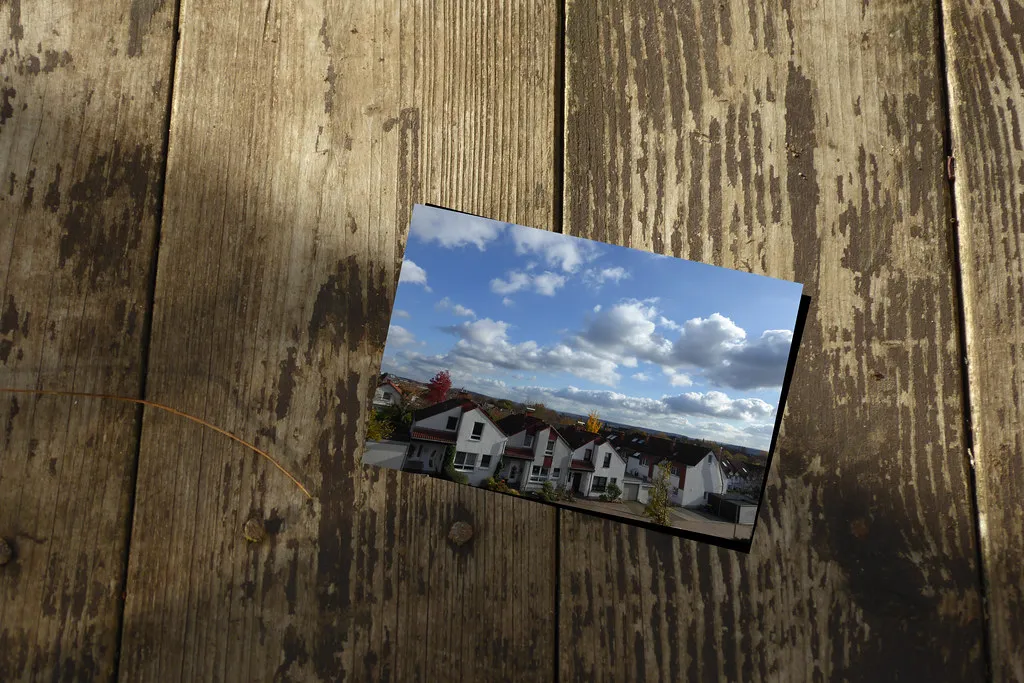
The postcard stop was never just about sending information. It was always about care: the care of choosing, writing, addressing, and sending. In a travel culture that often prizes efficiency and volume over depth, that small act of care stands out more than it ever did.
The numbers are growing. The communities are active. The spinner racks are still turning. Whatever declared the postcard dead probably did so too soon.
AI Disclaimer: This article was created with the assistance of AI tools and reviewed by a human editor.