
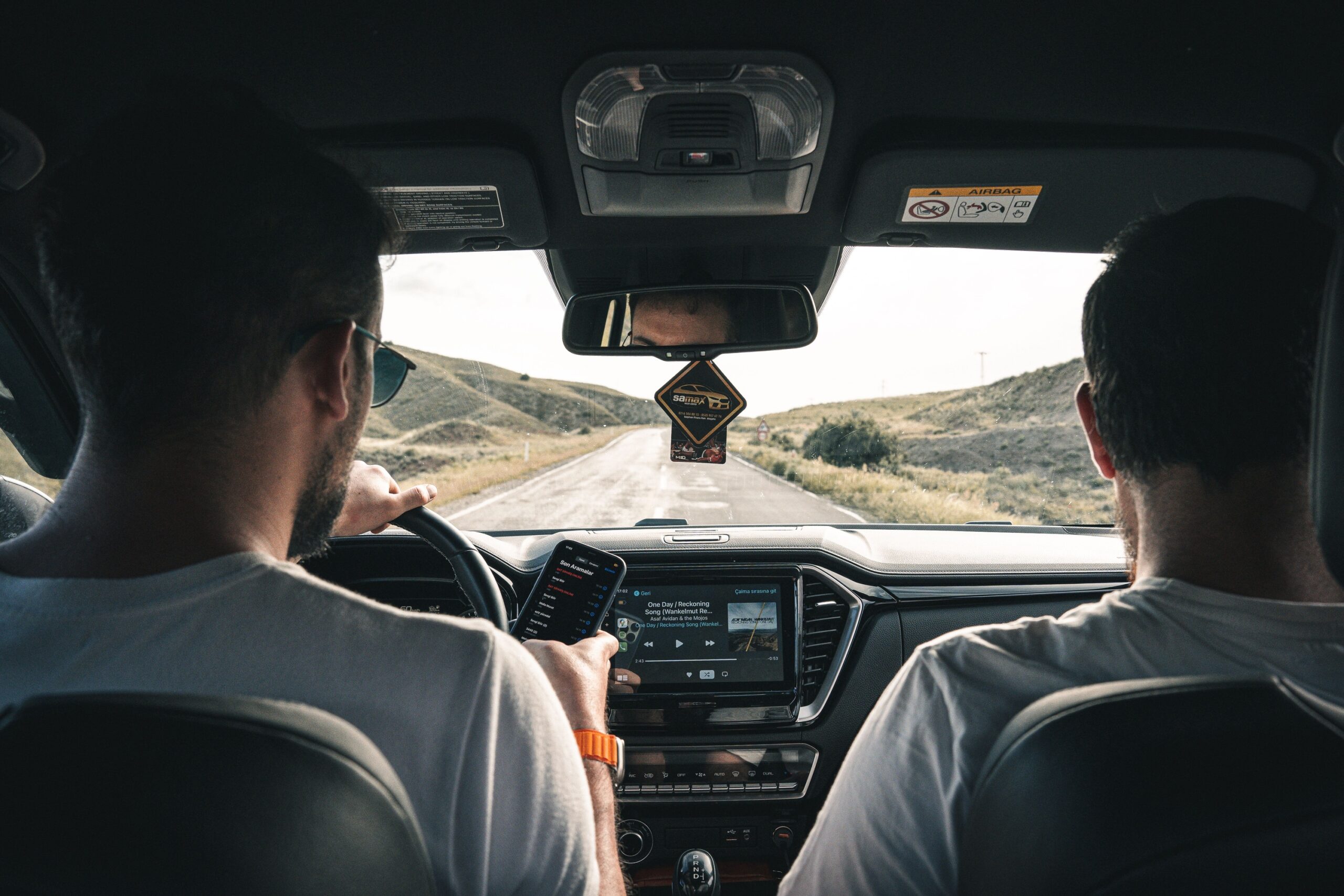

There’s something quietly remarkable happening on America’s highways. Young people are packing their bags, loading up their cars, and heading out on road trips without turning to Google Maps, Instagram, or Spotify’s algorithm to guide them. They’re navigating by paper maps, snapping photos on disposable film cameras, and listening to carefully curated playlists burned onto CDs or recorded onto cassette tapes. For a generation that has never known a world without smartphones, this is a striking turn.
The pull toward analog habits isn’t random. It’s a response to something real – a collective sense of digital exhaustion that researchers, travel experts, and psychologists have been tracking for years. The 90s road trip habit, with its unhurried rhythms and deliberate disconnection, is suddenly looking a lot more appealing than another scroll through an endless feed.
The Mental Health Crisis Behind the Trend

Pew Research data from 2024 shows that nearly half of US teens aged 13 to 17, roughly 48%, view social media’s effects as mostly negative – a figure that had risen sharply from 32% just two years earlier – and 44% have actively cut back on smartphone use. These aren’t small shifts in sentiment. They represent a genuine generational reckoning with technology that once felt thrilling and now often feels suffocating.
BePresent’s 2024 digital wellness report found that 83% of Gen Zers say they have an unhealthy relationship with their phone. A trial published in 2025 by PNAS Nexus, a peer-reviewed journal from the National Academy of Sciences, found that blocking mobile internet access while still allowing calls and texts improved mental health, attention, and overall well-being. The science, in other words, is catching up to what many young people already feel intuitively.
The Dumb Phone Revival: Sales Don’t Lie

From 2021 to 2024, 18 to 24-year-olds led a 148% spike in “brick phone” sales, while their smartphone use dropped 12%, according to a study from the peer-reviewed journal Partners Universal Innovative Research Publication. That’s not a blip. That’s a trend with staying power, backed by hard numbers from an age group that marketers assumed would never voluntarily step away from a screen.
Google Trends data shows that searches for the term “dumb phone” have steadily increased since 2020, and the hashtag #BringBackFlipPhones on TikTok has amassed nearly 59.8 million views. Gen Z is, in fact, the only demographic actively shrinking its digital footprint, according to a 2024 report by payment research firm PYMNTS Intelligence. Road trips, with their long uninterrupted stretches between towns, are a natural setting for this kind of intentional offline experiment.
Anemoia: Longing for a Past You Never Lived

Psychologists call it anemoia: a sense of longing for a time you never experienced, often driven by a desire for comfort, stability, and an idealized simplicity. For Gen Z, the 90s represent something specific – a final analog era before the internet consumed everyday life. They’re drawn to the 1990s as the last analog era in human history, a time when you could end a phone call definitively by snapping your flip phone shut.
A 2023 GWI study found that roughly half of Gen Z feel nostalgic for media from previous decades because it reminds them of simpler times. Despite being born in the 2000s, more than a third of Gen Zers are drawn specifically to 90s-era content, driven by a search for authenticity. On the open road, without a phone buzzing in your pocket, that search for authenticity becomes something you can actually feel.
Disposable Cameras and the Joy of Not Knowing
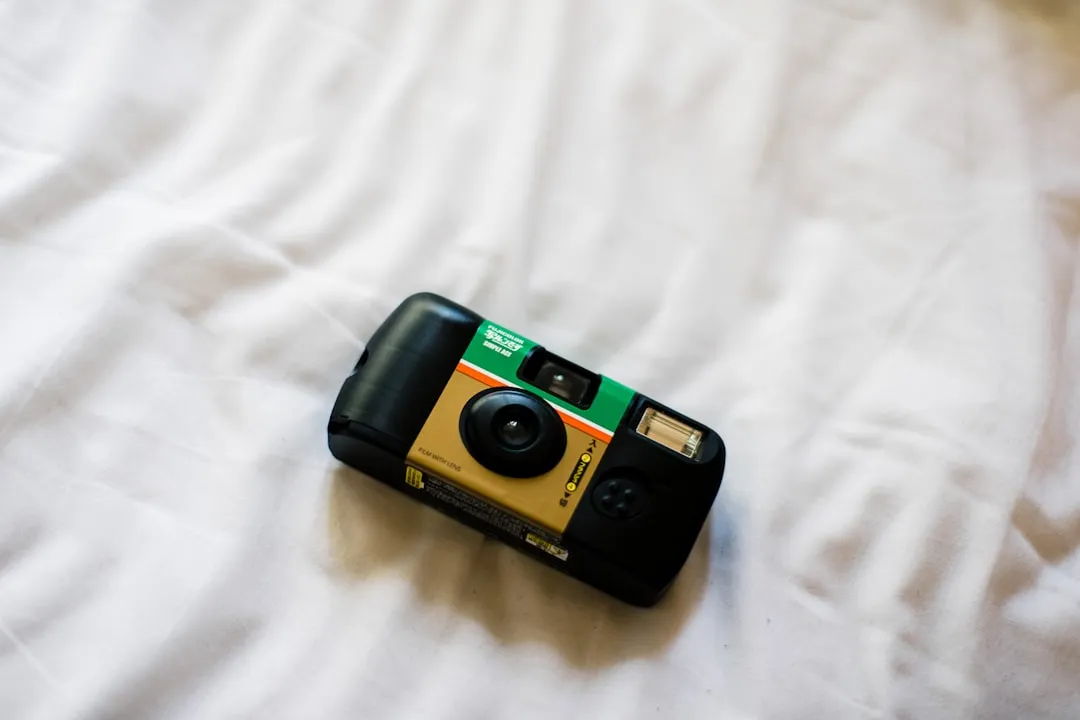
A recent report by data firm ShelfTrend concluded that the disposable camera market was worth over $1 billion USD in 2025, with Gen Z comprising 63% of all consumers. In 2025, 35% of the 42 million active film camera users worldwide were reported to be between the ages of 18 and 30, and online searches for analog photography saw a 41% rise the year prior.
Disposable camera sales have been steadily increasing since 2023, and the photography journal PetaPixel announced 2024 as “film’s best year in decades,” as major brands introduced new cameras in response to renewed demand. There’s something specific about road trips and disposable cameras that click together – you get a limited number of shots, and you have to choose your moments carefully. That constraint is, for many young travelers, the whole point.
Paper Maps and the Pleasure of Getting Slightly Lost

Digital detox destinations are drawing Gen Z in from Koh Samui to off-grid Spanish villages to silent retreats in Karnataka, and GWI notes that 68% of Gen Zers seek digital disconnection as part of travel. Paper maps fit naturally into that desire. Reading a folded road map, tracing a route with your finger, deciding to turn off at an exit that looks interesting – none of that requires a signal or a battery charge.
TravelPulse Canada reported in March 2026 that digital detox travel is increasingly being framed as a way to reconnect with nature, build stronger personal relationships, and create healthier habits around technology use. A paper map also invites conversation in a way that GPS simply doesn’t. Asking a gas station attendant for directions, debating a fork in the road with your passenger – these small moments of human friction are precisely what the 90s road trip was made of.
Mixed Tapes and the Return of Curated Sound
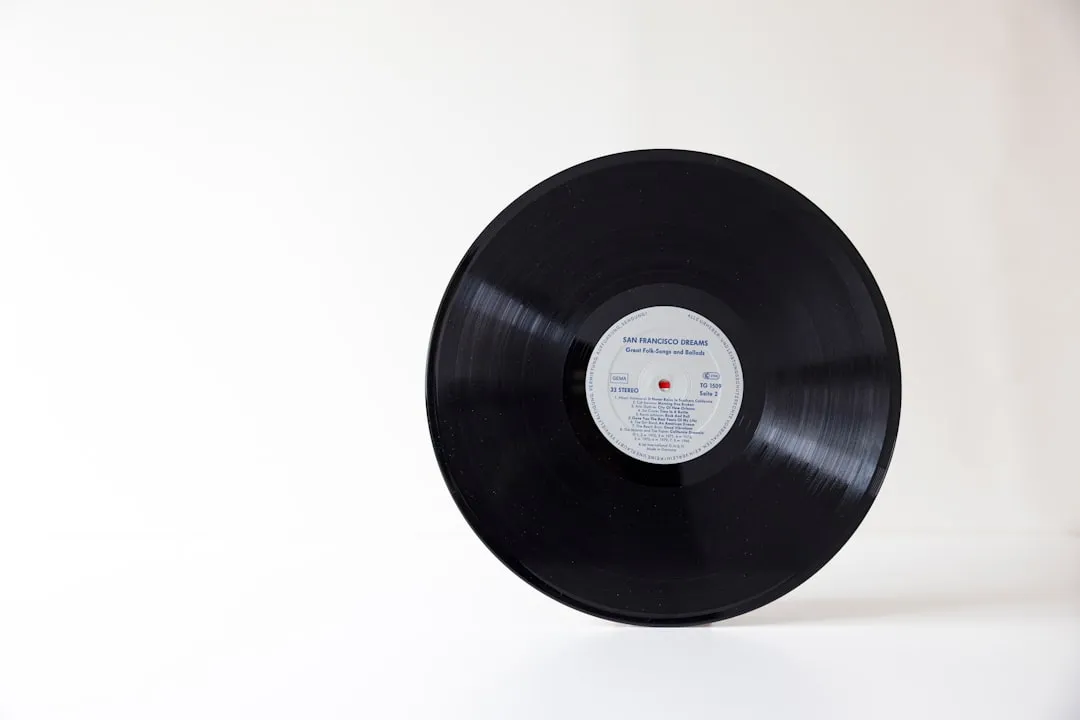
Nearly 60% of Gen Z are now purchasing vinyl records. Although music streaming represents 82% of revenues generated in the music industry, vinyl record sales have been rising for over a decade, crossing the $1 billion threshold in the US. The instinct behind vinyl and the instinct behind a road trip mixtape are identical – choosing what you listen to, in a specific order, without an algorithm deciding for you.
CDs and cassettes have followed a similar arc. Dumb phones aren’t the first technology that Gen Z has nostalgically revived, alongside retro digital cameras, Polaroids, and Game Boys. The mixtape, however, carries a particular emotional weight on a road trip. It signals that someone thought carefully about the journey before it even started – and that’s a very different feeling from pressing shuffle.
Digital Detox Cabins and Off-Grid Stays Are Growing Fast

Analog and “pre-smartphone” experiences, including digital detox cabins and phone-free clubs, are scaling fast, and Unplugged, the UK’s first digital-detox cabin company, has expanded from a handful of locations in 2020 to over 50 in 2026. These cabins have become popular destinations for Gen Z road trips, serving as endpoints for journeys specifically planned around disconnection.
Gen Z travelers are clear about digital detox being a priority on trips: “Half my friends’ bachelor and bachelorette trips are now ‘no phones in the villa’ weekends instead of Vegas bottle service,” said one Gen Z senior account executive interviewed by Reader’s Digest in late 2025. The road trip, historically, was always about the journey as much as the destination. Choosing a cabin with no Wi-Fi as that destination is a logical extension of the same philosophy.
Y2K Aesthetics and the Search for Authenticity on the Road
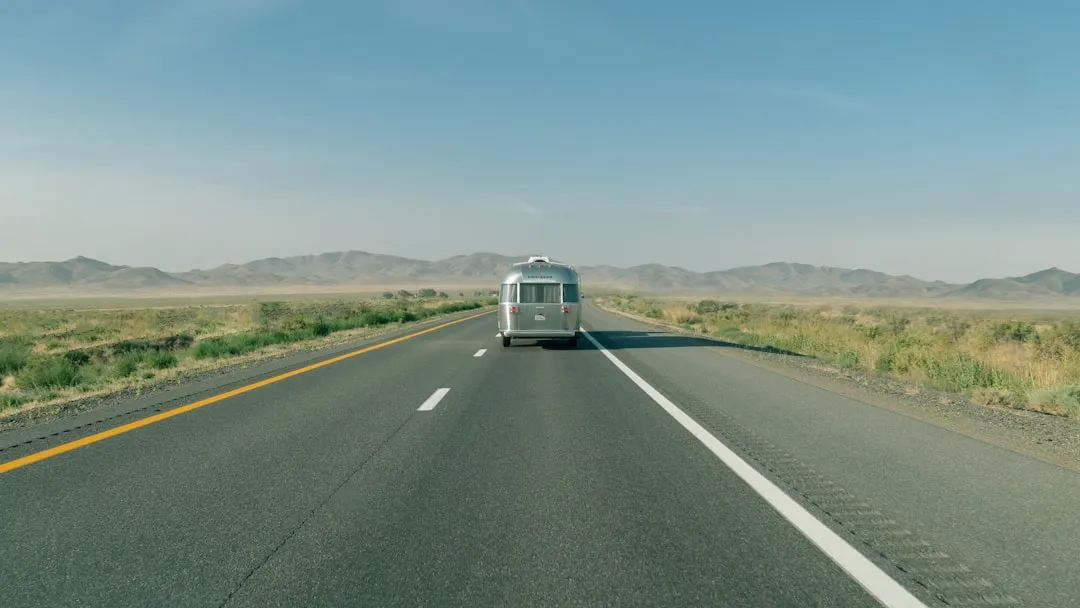
Searches for Y2K aesthetics shot up 891% since November 2024. In 2025 alone, over 11.7 million Instagram posts carried the hashtag #nostalgia, and Google searches for “90s movies” had doubled since 2015. This aesthetic hunger is directly connected to how Gen Z now travels – choosing visual experiences that feel imperfect, grainy, and real over the hyper-curated imagery that defined Instagram’s peak years.
Gen Z’s pull toward analog photography is a clear sign of a broader cultural shift, with over 333 million views for #analogphotography on TikTok, leading a nostalgic yet innovative return to simpler technology. On a road trip, that means pointing a disposable camera out the window at a gas station sign, or photographing a diner table with friends without any concern for whether the lighting is flattering. There is a version of this trend that is purely performative, but the people who are actually sustaining analog practices tend to describe them as retreats from performance rather than additions to it.
The Dopamine Diet and Reclaiming Attention
A 2024 Pew study found that nearly half of American teens are online “almost constantly,” and searches for a “digital detox vision board” have trended up by 273%, with “digital detox ideas” also up by 72%. According to a survey by ExpressVPN, 46% of Gen Zers are actively taking steps to limit their screen time. A road trip without a smartphone isn’t deprivation – it’s a structured opportunity to reclaim what attention actually feels like.
Experts are dubbing this shift the “dopamine diet,” noting that smartphones trigger the same chemical reactions in the brain as drugs and alcohol. Breaking that cycle, even for a few days on the road, produces measurable benefits. Dr. Christina Lee from Kaiser Permanente notes that any form of digital detox has proven health benefits, including improved sleep, better mood, and reduced anxiety. A road trip, in this reading, isn’t just a vacation. It’s a reset.
Governments Are Stepping In, Accelerating the Shift
Government is catching up with this generational mood. From Australia and France to Denmark, Norway, Malaysia, Indonesia, India’s Karnataka, and China, governments worldwide are restricting social media access for minors, accelerating the analog pivot for the next generation. Regulatory pressure is essentially doing externally what Gen Z has been trying to do internally for years – creating distance between young people and the attention economy.
The global social-media-blocker app market is projected to grow from $1.47 billion in 2025 to $5 billion by 2035. For many in Gen Z, romanticizing the past isn’t just a trend – it’s survival. Road trips are a lived expression of that survival instinct: windows down, phone in the glove box, a map spread across the dashboard, and somewhere worth going at the end of it.
The Bigger Picture: A Generation Reclaiming the Road
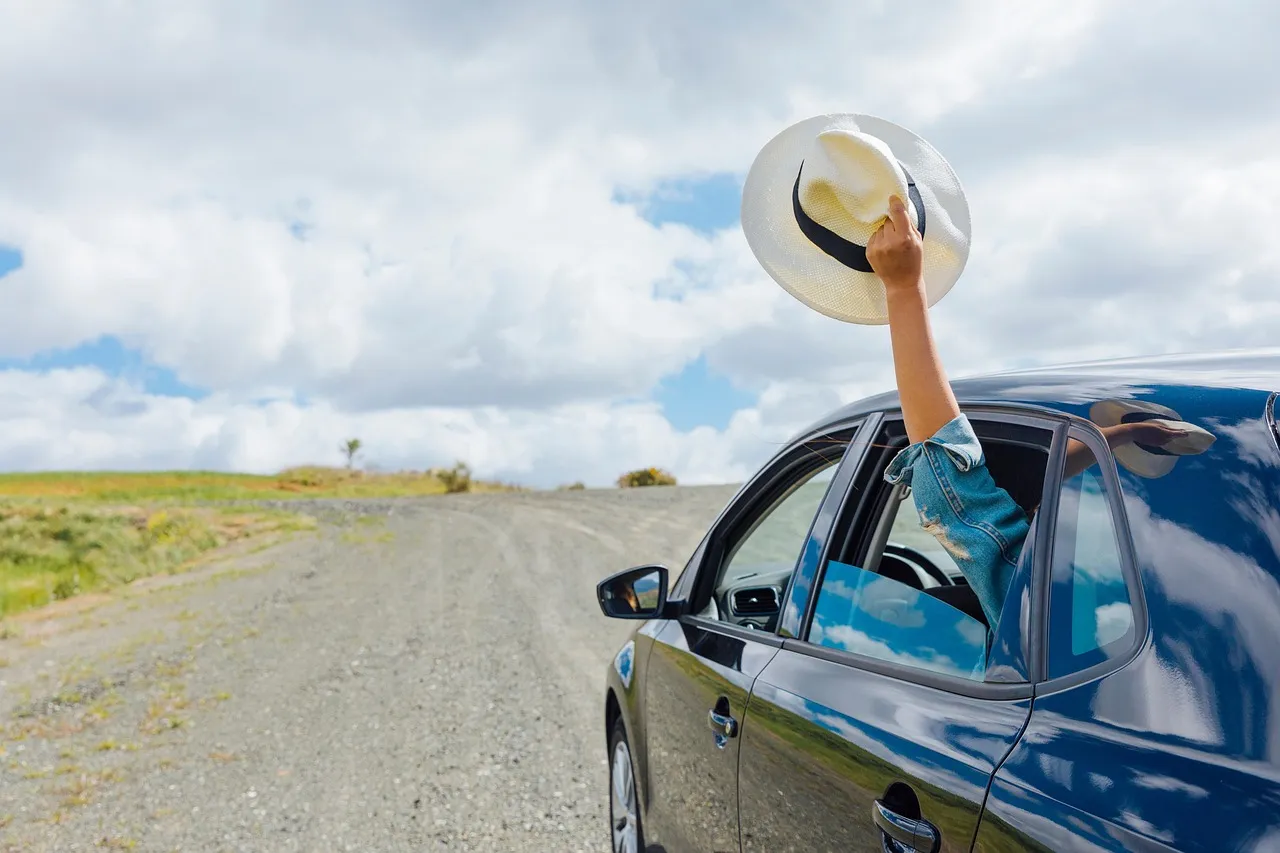
What makes this 90s road trip revival genuinely interesting is that it isn’t about rejecting technology outright. The healthiest relationship with technology in 2026 looks like a deliberate distribution of attention across domains that serve different functions, with analog domains protected from the relentless optimization pressure that digital platforms exert. Road trips, by their nature, enforce that balance beautifully.
This isn’t a trend rooted in pure nostalgic yearning for the past. Instead, it reflects young people rejecting algorithms, breaking free from the alienation of social media, and reacting to childhoods spent on Zoom and TikTok – a deliberate move to redefine how they engage with the world. The disposable camera, the paper map, and the handwritten playlist aren’t costumes. They’re tools for a different kind of presence.
The road, in the end, hasn’t changed. What has changed is who’s on it, why they’re there, and what they’ve chosen to leave behind at home, charging on the nightstand, waiting for their return.
AI Disclaimer: This article was created with the assistance of AI tools and reviewed by a human editor.