
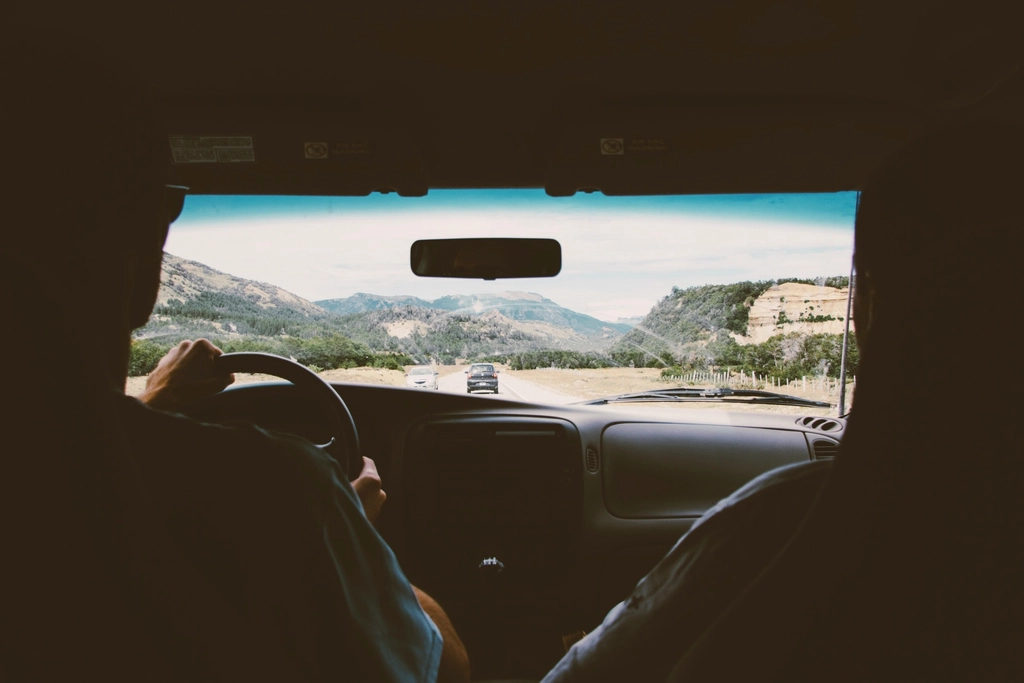

There’s a moment nearly every driver has experienced. You wave someone into your lane, or pull aside on a narrow road, and they just drive on without so much as a glance back. No nod, no hand lift, nothing. It stings, oddly. Not because the gesture was complicated, but because it required so little and meant so much.
That simple acknowledgment, the “thank you wave,” was the quiet social contract of the road during motoring’s golden era. It kept highways civil, strangers connected, and the act of driving something closer to a shared experience than a competition. Somewhere along the way, we lost it. The question worth asking in 2026 is whether we can actually get it back.
The Golden Age of the Road and What It Actually Meant
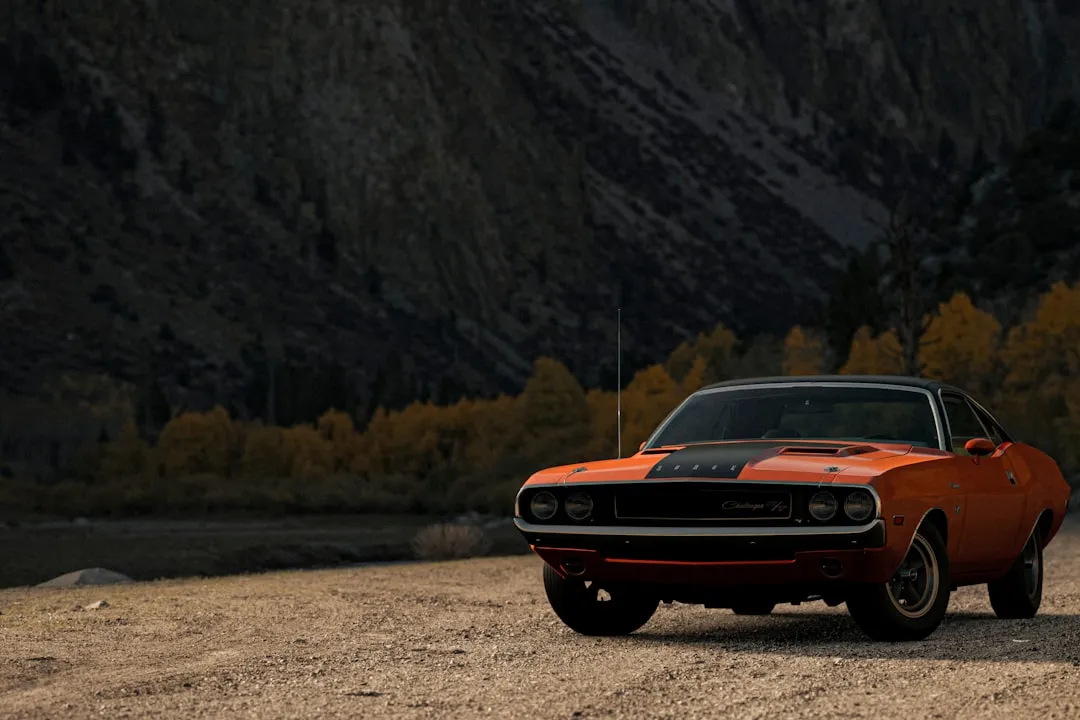
The Golden Age of Motoring began in the 1920s and lasted well into the 1960s and 1970s, when motorists abandoned the leisurely two-lane roads where anything might be discovered in favor of high-speed interstate highways. It was an era defined not only by chrome and tailfins, but by a shared sense of novelty and even wonder about what the open road could offer.
The post-World War II era was a golden age for automotive styling, with America experiencing unprecedented economic prosperity, and cars reflecting that national optimism. Drivers were fewer, roads were slower, and the simple act of crossing paths with another vehicle felt worth acknowledging.
During the early 1950s, the post-war economy established a middle class in which disposable income and time for leisure were commonplace, and because of this economic boom, consumerism flourished, ushering in the Golden Age of the automobile. That culture of abundance also carried a culture of courtesy, a sense that you were all out there together, discovering something new.
What the Thank You Wave Actually Was
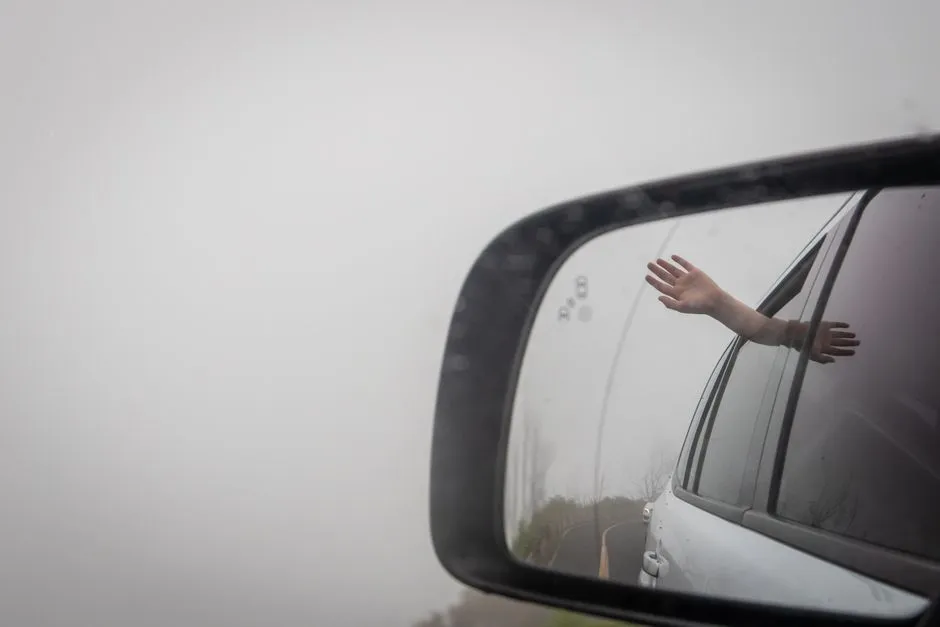
If someone was kind enough to let you out of a neighborhood or parking lot, the thank you wave was an acknowledgment of their unnecessary, but very welcome, courtesy. It cost nothing. It took less than a second. A single raised hand or two fingers lifted from the wheel was the universal shorthand for “I see you, I appreciate you.”
Driving etiquette refers to the unwritten or unspoken rules that drivers follow, and the term dates back to the early 1900s and the use of horse-drawn carriages. The wave was among the most enduring of those unwritten rules, carrying forward a tradition of mutual respect that predated the automobile itself.
A simple knowledge of driving etiquette goes a long way. The thank you wave was proof of that idea in its purest form. It didn’t require eye contact or conversation. It worked across the language barrier of a closed car window.
How Road Civility Started to Disappear
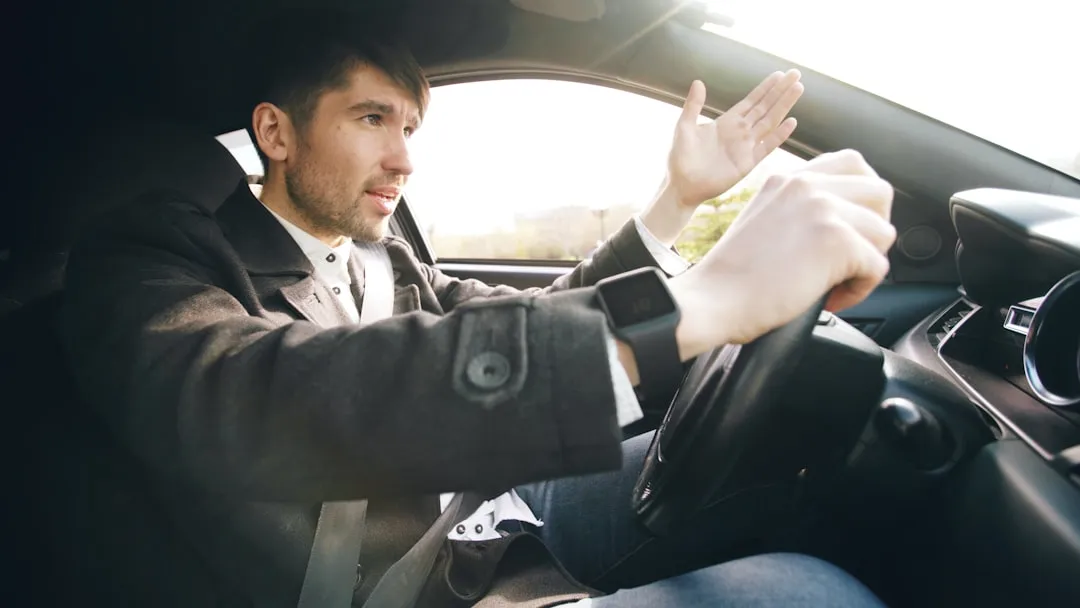
Motorists behaving badly has its roots in the same thing that plagues internet civility: anonymity. Once we slip into the driver’s seat and close the door, we feel sealed off from the rest of the world, and the sense of being in a protected pod sometimes gives us license to act in ways we would be ashamed of at more public, face-to-face gatherings.
Drivers may feel more comfortable displaying aggressive behaviors such as tailgating, honking, cutting people off, or making rude gestures if they believe they will never see that person again. That anonymity eroded the very foundation that made road courtesy feel natural and necessary.
Road manners are extremely important, as many people spend a good part of their day in their cars, and in today’s world, rudeness compromises safety in more ways than one. The shift was gradual, but it became measurable, and the data eventually caught up with what drivers had long sensed.
The Data Behind Today’s Broken Road Culture
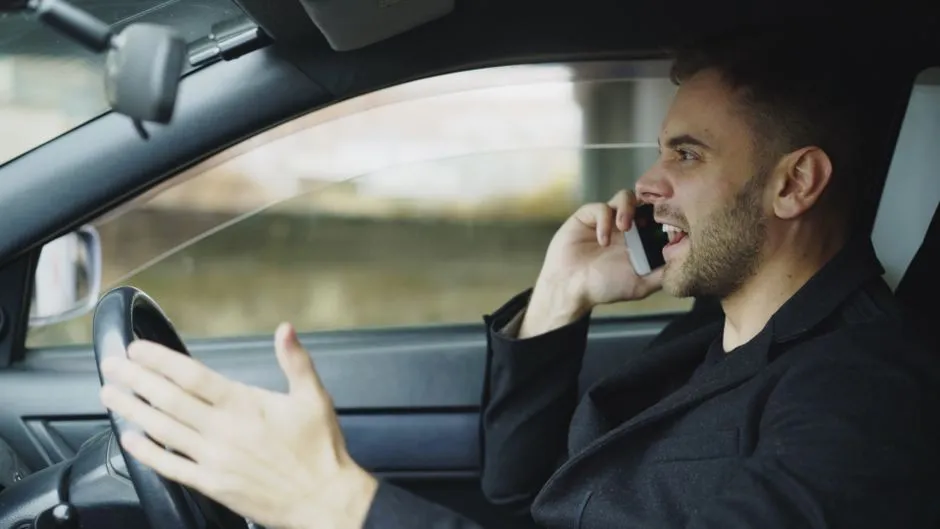
A staggering 96% of drivers admit to engaging in aggressive driving behaviors over the past year, according to a 2025 study from the AAA Foundation for Traffic Safety. That number is difficult to sit with. It means that almost everyone on the road, in some form, has contributed to the decline.
Roughly two thirds of all traffic fatalities are caused by aggressive driving, according to the NHTSA. There has been a roughly fivefold increase in reported cases of road rage over the last ten years. The trend is not subtle.
Cutting off other vehicles is up 67% since 2016, and honking out of anger is up 47%, according to the same AAA Foundation study. These aren’t just annoyances. They represent a measurable erosion of the daily social fabric of the road.
When Courtesy Becomes a Safety Issue
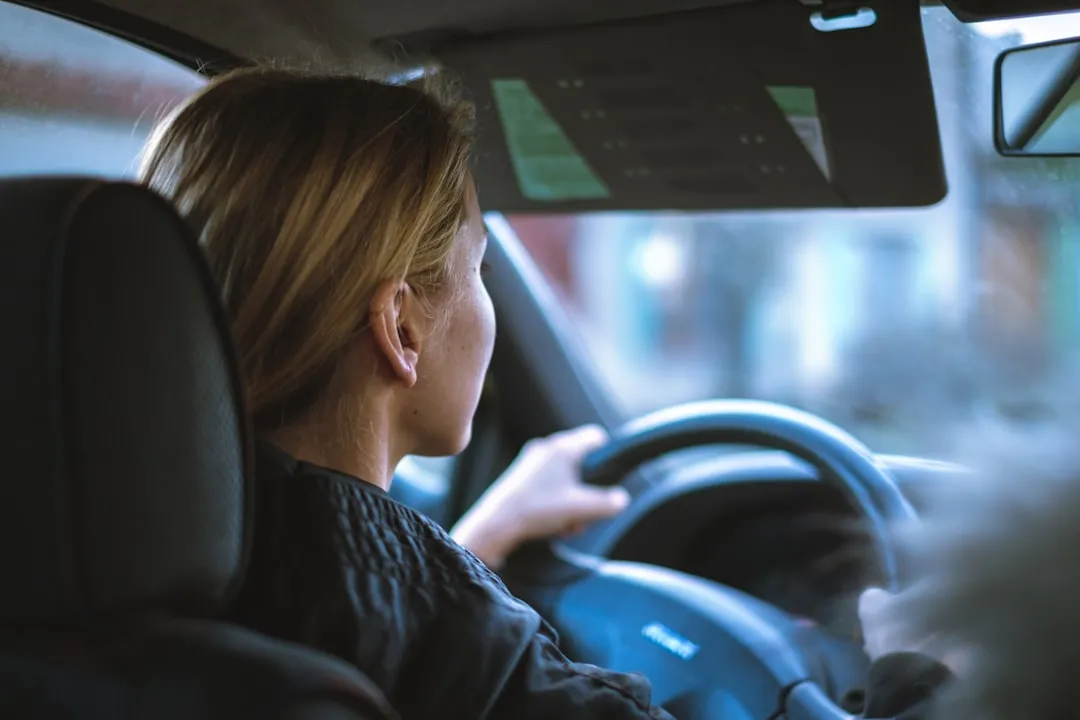
Nearly half of drivers who have experienced aggressive behavior on the road have admitted to responding with aggressive behavior of their own. Incivility compounds itself. One missed wave, one cut-off, one aggressive honk can set off a chain of reactions that escalates far beyond the original moment.
Aggressive driving is contagious: drivers who experienced higher levels of aggressive driving also had higher levels of engagement in aggressive driving themselves. The research from AAA is clear on this point. What we do behind the wheel does not stay behind the wheel.
The AAA Foundation for Traffic Safety concluded that road etiquette and manners can be a protective factor against aggressive driving, and that encouraging good road etiquette may be one of the most effective ways to reduce aggressive driving and road rage. Courtesy, in other words, is not soft. It is strategic.
Smartphones Added Another Layer of Disconnection
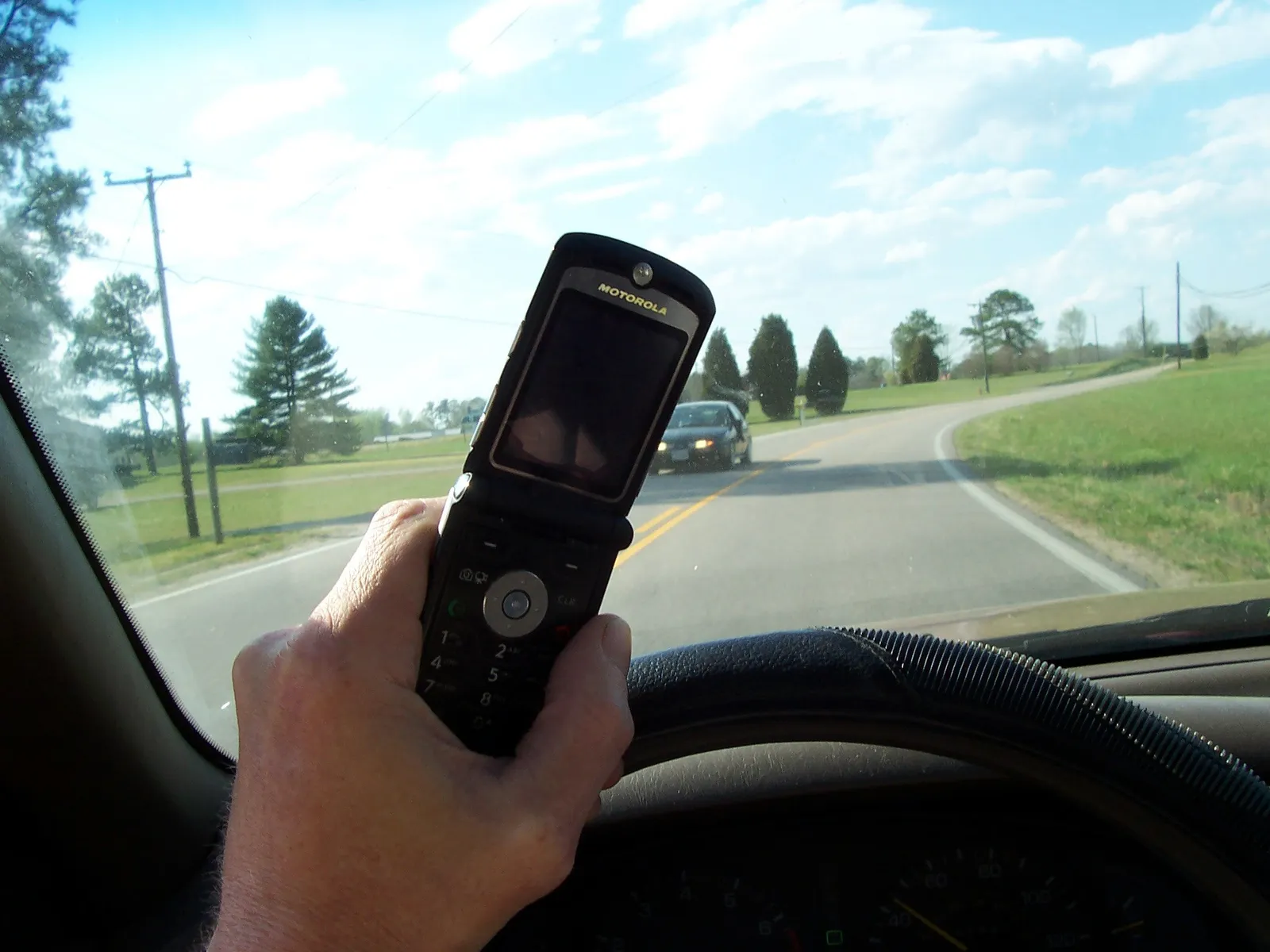
Texting is the most alarming distraction behind the wheel. Sending or reading a text takes your eyes off the road for 5 seconds, and at 55 mph, that’s like driving the length of an entire football field with your eyes closed.
At least 3,208 people were killed and an additional 315,167 people were injured in motor vehicle traffic crashes involving distracted driving in 2024, according to the National Highway Traffic Safety Administration. A driver watching a screen cannot see the person who just let them merge. The wave never gets given because the moment is never noticed.
There is a troubling disconnect between perception and behavior: 93% of drivers know handheld cell phone use is dangerous, yet 27% admit to sending texts while driving and 38% report reading them. Awareness alone hasn’t closed the gap. Something else has to change.
The Psychological Weight of Being Acknowledged
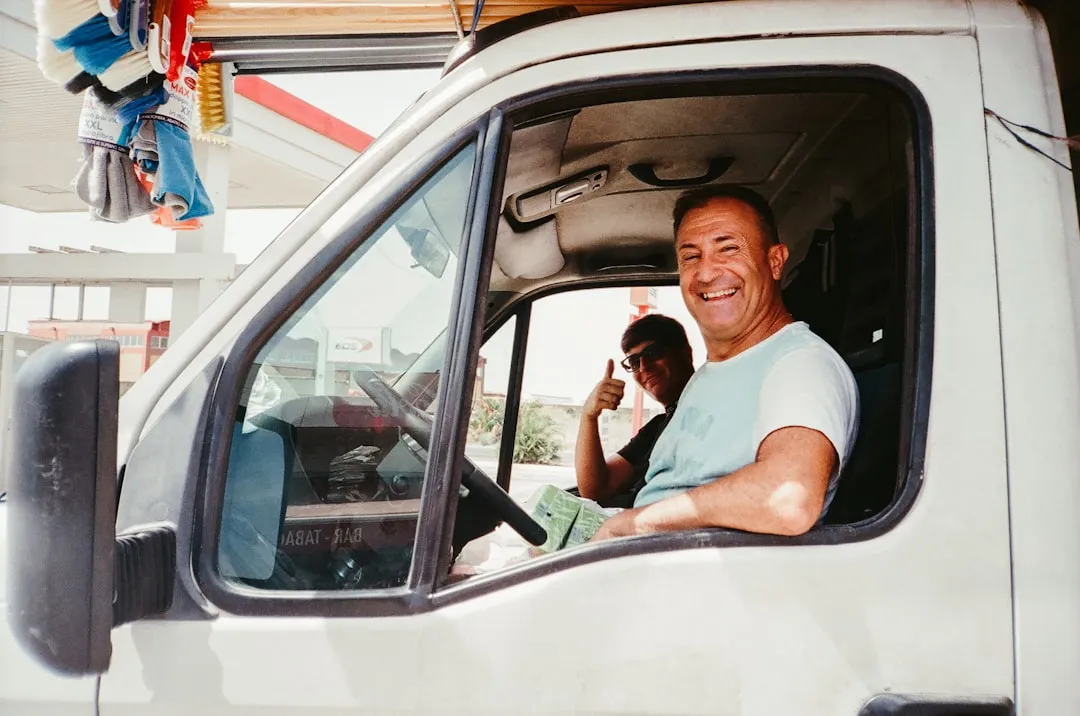
Not giving a wave effectively says, “Of course you stopped. I’m entitled.” That silent message of entitlement lands, even if the driver receiving it can’t articulate exactly why it bothers them. Humans are wired to notice when a social cue is offered and when it isn’t.
You can’t control how other people respond, act, or react, but driving with courtesy, respect, and patience can go a long way toward defusing incidents before they occur. A wave takes less than a second, but it reframes the interaction from transactional to human.
The Emily Post Institute, one of the oldest authorities on American etiquette, has noted for decades that developing patience and practicing defensive driving is key when on today’s roads. The thank you wave is both an expression of patience and an act of defensive driving. It signals good faith before tension has any chance to form.
What Younger Drivers Are Missing
Over 30% of adults between 19 and 24 years old reported driving aggressively, significantly more than any other age group. These are drivers who learned to navigate roads during a period of peak distraction and pandemic-era stress, without the cultural transmission of older road norms.
Gen Z and Millennials are more likely to engage in aggressive driving than Gen X and Boomers, and also experience more frustration when driving. That frustration is partly a product of congestion and modern stress, but it’s also partly a product of never having been shown a different way.
A recent survey by the Pew Research Center found that 63% of Americans say people in their community are driving more aggressively compared with five years ago. The perception matches the data. The culture on the road has shifted, and the shift runs generationally deep.
There Are Encouraging Signs Worth Noting
The picture isn’t entirely bleak. Cambridge Mobile Telematics released data showing distracted driving dropped 8.6% in 2024, marking the second consecutive year of improvement, with CMT estimating this reduction helped prevent 105,000 crashes, 59,000 injuries, 480 fatalities, and $4.2 billion in economic damages.
On a positive note, tailgating is down 24% and yelling at other drivers is down 17% since 2016, according to the AAA Foundation’s 2025 study. Some behaviors are improving, which suggests the road culture isn’t entirely fixed or immovable.
Today, 30 states and the District of Columbia have hands-free laws in effect, and in the states that introduced those laws in 2023, distracted driving decreased by an average of nearly 12%, preventing an estimated 31,000 crashes and 140 fatalities. Legislation creates the conditions for better behavior. Community norms have to fill in the rest.
Why Reviving the Wave Is Still Worth It in 2026
The thank you wave won’t end road rage. It won’t make congestion disappear or fix broken infrastructure. What it does, consistently and reliably, is remind both drivers in an interaction that they are sharing the road with a person, not an obstacle.
AAA advises drivers to allow other drivers to merge as needed and to use the horn responsibly, avoiding blaring it unnecessarily or excessively. The underlying principle of those guidelines is identical to what the wave embodies: treat the other driver as someone with equal standing on the road.
The AAA Foundation for Traffic Safety found that encouraging good road etiquette may be the most effective way to reduce aggressive driving and road rage. A cultural norm, once it spreads, doesn’t require enforcement. It becomes self-sustaining. The golden age of motoring didn’t have a law mandating the wave. People just did it, because it was the decent thing to do, and that decency was contagious in the best possible way.
The Takeaway
Reviving the thank you wave doesn’t require a campaign or an app or a legislative session. It requires only the decision, made the next time someone lets you in, to lift your hand. That’s the whole instruction.
The Golden Age of Travel was not golden because the cars were better or the roads were emptier. It was golden, in part, because drivers saw each other as participants in the same shared journey rather than competitors for the same limited space. That perspective is still available to any driver who wants it.
The data shows clearly that road courtesy reduces aggression, that aggression compounds itself, and that small gestures carry real consequences. A raised hand takes less than a second. Its effects, when multiplied across millions of daily interactions, are anything but small.
AI Disclaimer: This article was created with the assistance of AI tools and reviewed by a human editor.