

There’s a small but consequential decision hiding inside every hotel stay, one that most travelers make without a second thought. It happens when you pick up the phone or tap a button on an app and ask for fresh towels, a full linen change, or a complete daily room clean – sometimes for the second or third time in a single stay. The act feels harmless, even expected. After all, isn’t that what hotels are for?
The reality is more layered. Requesting unnecessary housekeeping services carries real consequences for the environment, for overworked staff, and for the wider hospitality system. That doesn’t mean you should never ask. It means it’s worth understanding exactly what that request sets in motion – and when holding off is the smarter, more responsible choice.
The Request in Question: Asking for a Full Daily Room Clean When You Don’t Need One
The housekeeping request you should think twice about is demanding a full daily room service when your room is largely tidy and you’re staying multiple nights. This isn’t about lowering standards or accepting a dirty room. It’s about recognizing that laundry and housekeeping are some of the biggest energy drivers in hotels, and traditional practices like cleaning every room daily regardless of need are becoming less sustainable.
Daily linen service is one of the most deeply embedded habits in hotel housekeeping, and one of the most expensive ones that guests do not actually want. Most hotel guests staying multiple nights do not expect fresh towels every 24 hours. They expect a clean room. The distinction is subtle but important, and it shapes how much water, energy, and human effort gets spent on your behalf.
The Water Cost Is Real and Measurable

According to the Environmental Protection Agency, hotels in the U.S. account for roughly fifteen percent of the country’s commercial water use. While much of that is swallowed by landscaping and the hotel kitchen, laundry makes up sixteen percent of total hotel water use.
Hotel Intel puts a number to each load of laundry averted: thirteen gallons of water saved per avoided wash. That adds up fast across a property with hundreds of occupied rooms. A hotel with 150 rooms can save 210,000 gallons of water annually with a towel and linen reuse program. That figure is hard to dismiss.
What It Costs the Hotel to Clean Your Room Each Day
According to data from Optii Solutions, a hotel operations platform, the average cost to service a standard leisure room came to $9.42 before the pandemic. That figure has since grown by over seven percent to $10.12.
The cost of an unnecessary laundry cycle runs deeper than the water bill. Each avoided load saves water, hot water heating energy, detergent, sewer discharge fees, linen mechanical stress, and housekeeping labor time. The Holiday Inn in Burlington, North Carolina documented nearly $20,000 in annual savings from a single six-minute reduction in per-room housekeeping time achieved through towel and linen reuse alone.
The Strain on Housekeeping Staff Is Already Severe
According to a survey fielded by the American Hotel and Lodging Association between December 2024 and January 2025, 65 percent of hotels reported active staffing shortages, with housekeeping the most frequently cited department at 38 percent. This is the context into which every unnecessary cleaning request lands.
A 2024 systematic review found that musculoskeletal disorder prevalence among hotel housekeepers was high, with the most affected areas being the lower back, shoulders, and wrists/hands. Housekeepers in hotels encounter various occupational hazards daily. One significant risk is injury from lifting heavy objects such as mattresses or furniture. Repetitive motions like bending and stretching can lead to musculoskeletal injuries. Every unnecessary service call adds to that physical toll.
The Linen Change Request and Its Ripple Effects
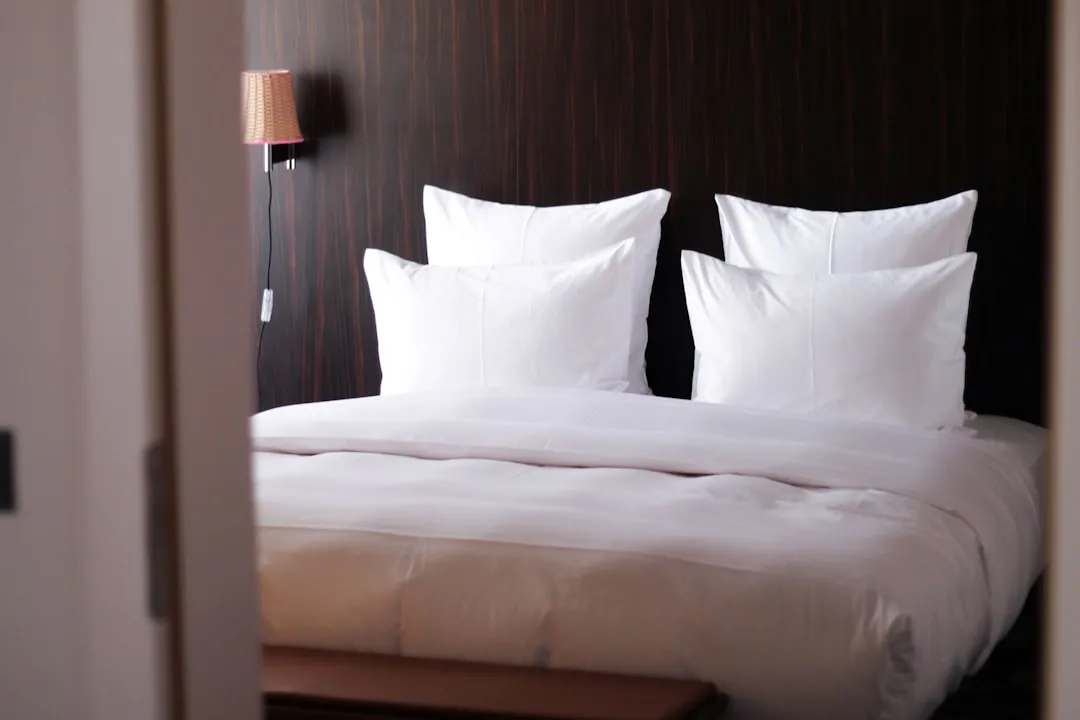
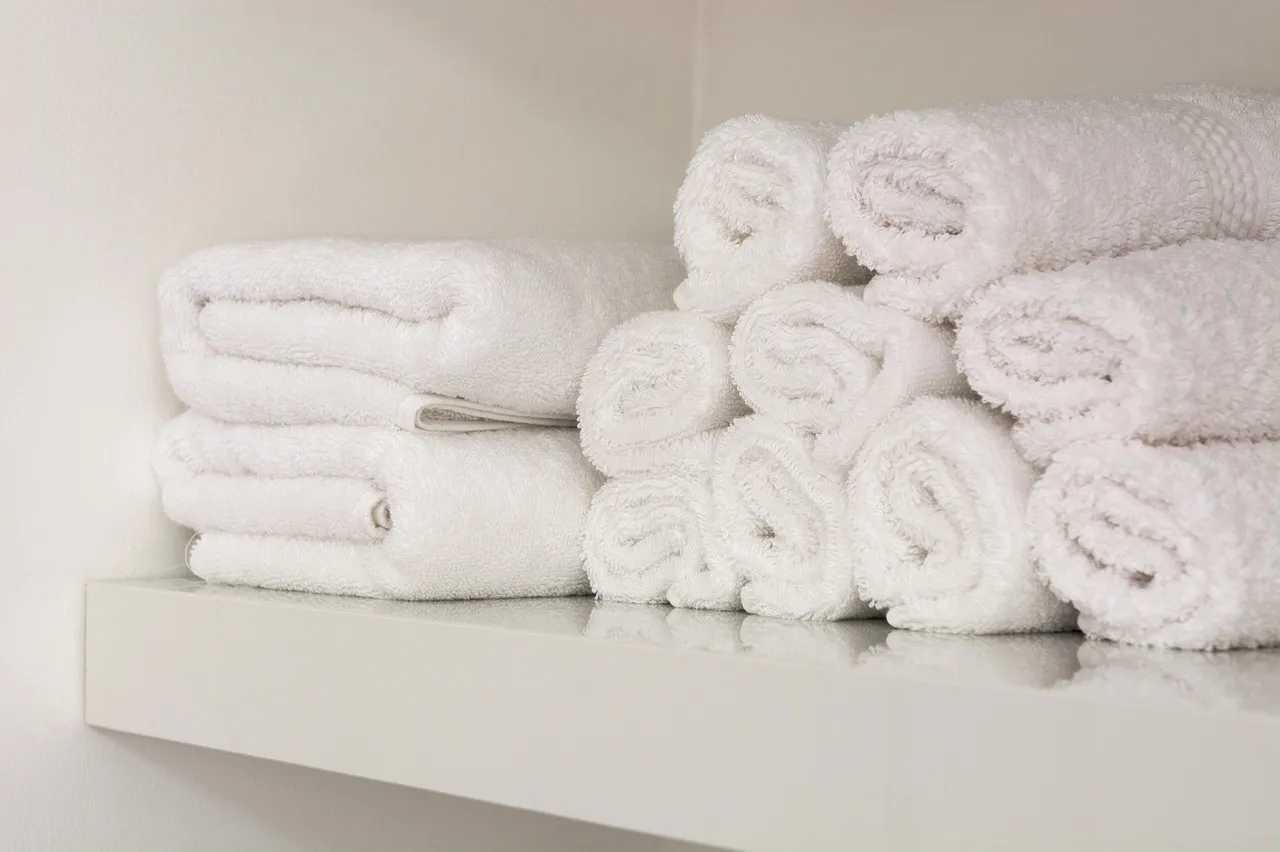
According to the American Hotel and Lodging Association, asking guests to participate in reuse programs reduces the number of loads of laundry – as well as related water, sewer, energy, and labor costs – by 17 percent. That reduction only materializes when guests cooperate.
Less frequent washing also means less wear on fabrics, prolonging their life and reducing replacement costs. Most sustainability guidelines and brand standards recommend a mandatory linen change every three to four days regardless of guest preference, with optional daily changes always available on request. Requesting a change on day two of a three-night stay, without genuine need, bypasses all of that.
The Scale of Hotel Waste Puts Individual Requests in Perspective
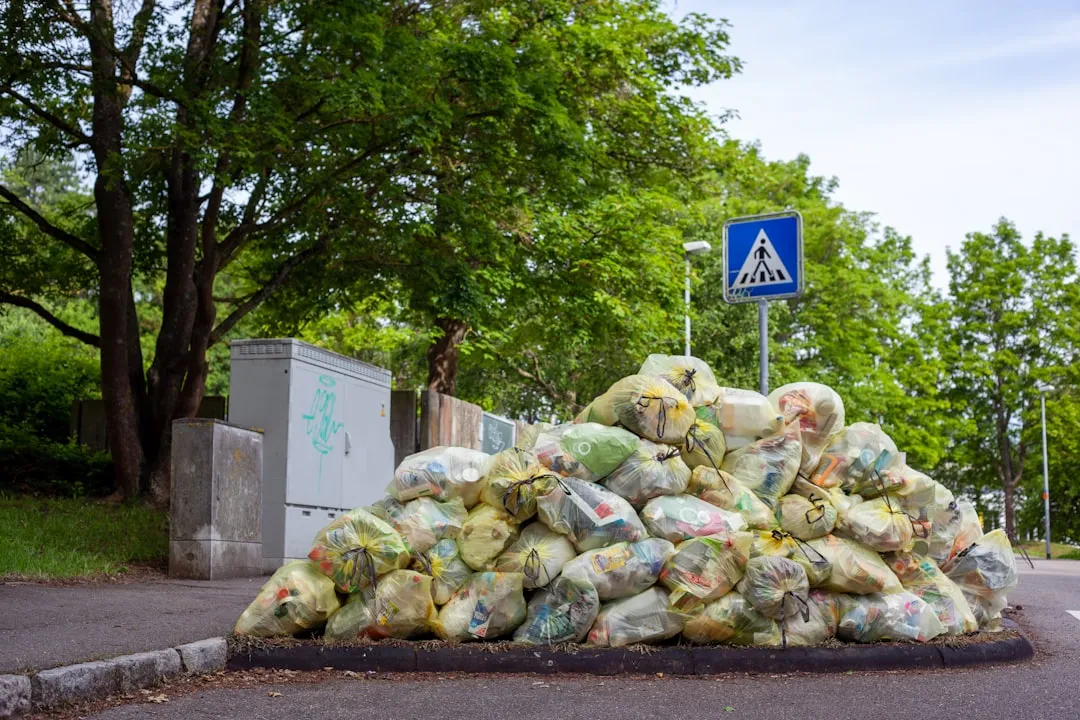
The hospitality industry generates significant amounts of waste and consumes substantial energy and water resources. A typical 100-room hotel produces approximately 25 tons of waste annually and uses enough energy to power 50 homes.
Waste volume varies by property size and service level, but full-service hotels can generate several kilograms of waste per occupied room each day. Food and beverage operations typically contribute the largest share, followed by housekeeping. When housekeeping requests multiply unnecessarily, that second-place ranking climbs quickly.
Skipping the Daily Clean Doesn’t Mean Sacrificing Comfort
Skipping daily housekeeping reduces water, energy, and chemical use, promoting eco-friendly practices. Guests enjoy more privacy and control over their stay with flexible cleaning options. For many travelers, especially those on multi-night business trips or quiet getaways, less intrusion is genuinely preferable.
Some guests value privacy and minimal interruptions – no knocks at the door during their stay. Flexible housekeeping lets guests control their experience and preserves a sense of privacy. Opting out of a daily clean isn’t a compromise; for many people, it’s actually the preferred experience.
The Worker Side of This Debate Is Complicated and Worth Knowing

The picture isn’t entirely straightforward. Unionized housekeepers have waged a fierce fight to restore automatic daily room cleaning at major hotel chains, saying they have been saddled with unmanageable workloads, or in many cases, fewer hours and a decline in income.
The option to decline daily room cleaning is one that many hotels have encouraged as environmentally friendly, but it is also a way for them to cut labor costs and cope with worker shortages since the pandemic. Unionized housekeepers say this has led to unmanageable workloads and a decline in income. This is a genuine tension. The answer isn’t to flood the request queue; it’s to support fair staffing policies while still being thoughtful about what you genuinely need.
What Guest Participation Actually Looks Like in Practice

According to a report published by Hotelier India, roughly 55 percent of travelers are now adopting eco-friendly habits, including participating in towel reuse initiatives. That’s a meaningful shift from where the industry stood a decade ago.
The best motivator for linen reuse, according to a study by social psychologist Noah Goldstein, was a card in the room that cited specifically what percentage of hotel guests who had stayed in that same room had participated in the water-saving program. Guests who participate in a hotel’s sustainability efforts report that they are more satisfied with their stay than guests who chose not to participate. Doing less, in this case, genuinely feels better.
When You Absolutely Should Make the Request
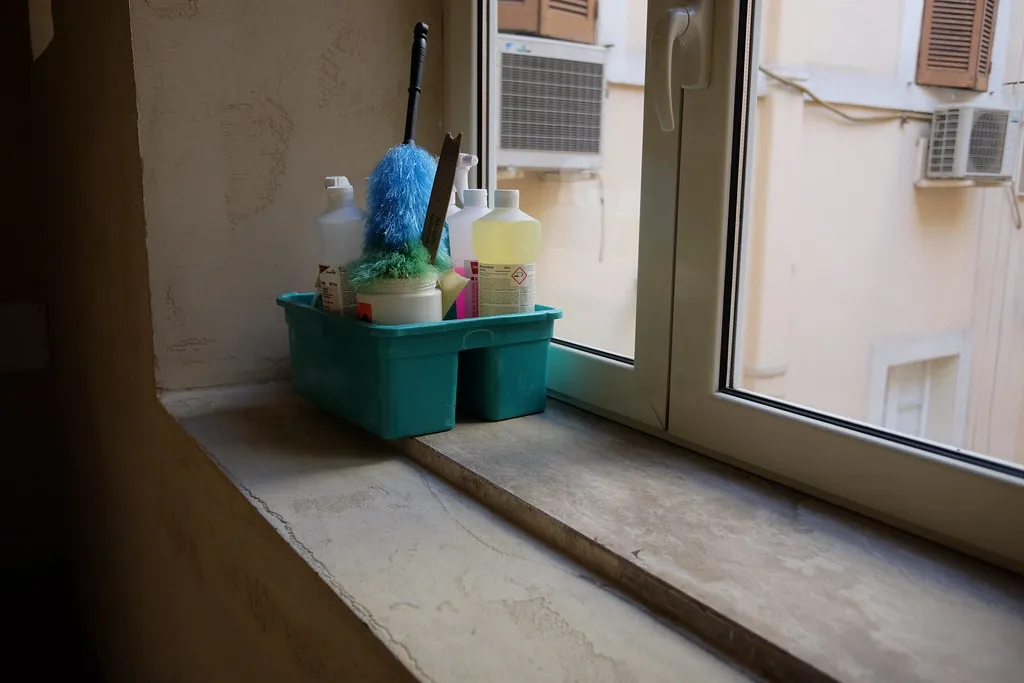
None of this means you should endure an unclean room in silence. If your room has a genuine hygiene issue, if towels or bedding are soiled beyond reasonable reuse, or if you have a health condition that requires a higher standard of sanitation, requesting service is entirely appropriate. If your hotel does not offer the option to opt out of daily cleaning, simply hang a “Do Not Disturb” sign on your door and notify housekeeping or the front desk.
A clear protocol helps: a hung towel means leave it, a floor towel means replace it, and a guest request always overrides the default. Knowing how the system works means you can use it precisely and confidently, asking for exactly what you need and no more. That’s not austerity – it’s informed hospitality.
The Takeaway

The hotel housekeeping request you should never make unless absolutely necessary is the reflexive, habitual one – the daily full-service clean requested simply because it’s available, not because the room actually needs it. The evidence is consistent: hotels that implement water and energy conservation measures, reduce waste, and engage both staff and guests in sustainability efforts can achieve significant cost savings while minimizing their impact on the environment.
Guests who pause before picking up the phone, hang up a towel instead of dropping it, and ask themselves whether the request is genuinely necessary are part of that picture. Travel is one of the great privileges of modern life. Using it thoughtfully – even in small, quiet ways – is part of what makes it worth taking seriously.
AI Disclaimer: This article was created with the assistance of AI tools and reviewed by a human editor.