
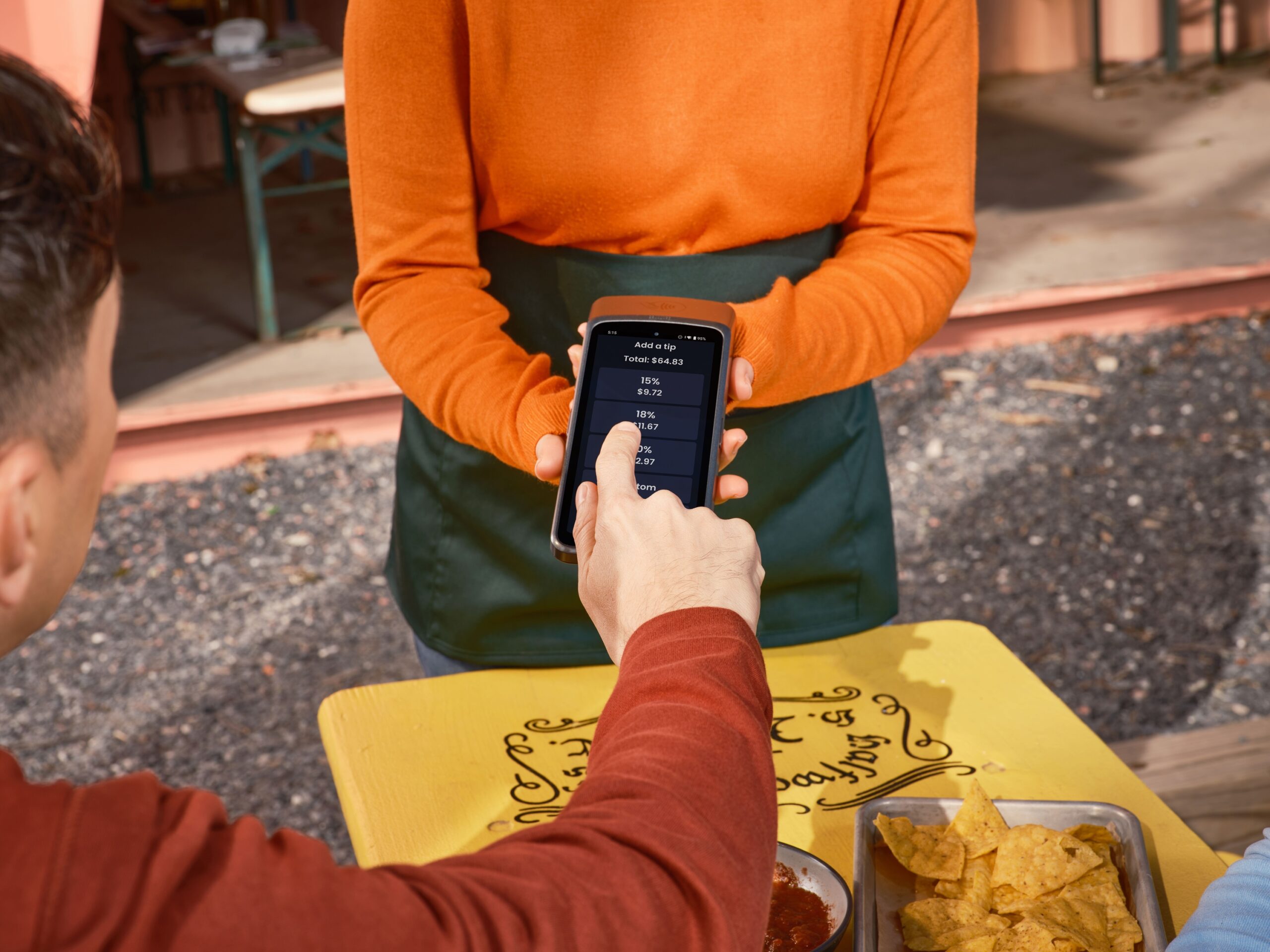

Tipping feels deceptively simple until you’re standing in a foreign city, staring at a bill that doesn’t have a tip line, or back home facing a tablet screen suggesting 30 percent at a counter where you picked up your own food. For most travelers, tipping is one of those habits they carry from home without questioning whether it actually fits where they’ve landed.
The gap between what travelers assume and what local customs actually expect is surprisingly wide. Whether you’re dining in Tokyo, tipping in New York, or navigating a coupon dinner in Chicago, the unwritten rules shift beneath your feet in ways that can quietly embarrass you or, worse, shortchange someone who depends on your generosity.
1. Tipping in Countries Where It’s Considered Rude
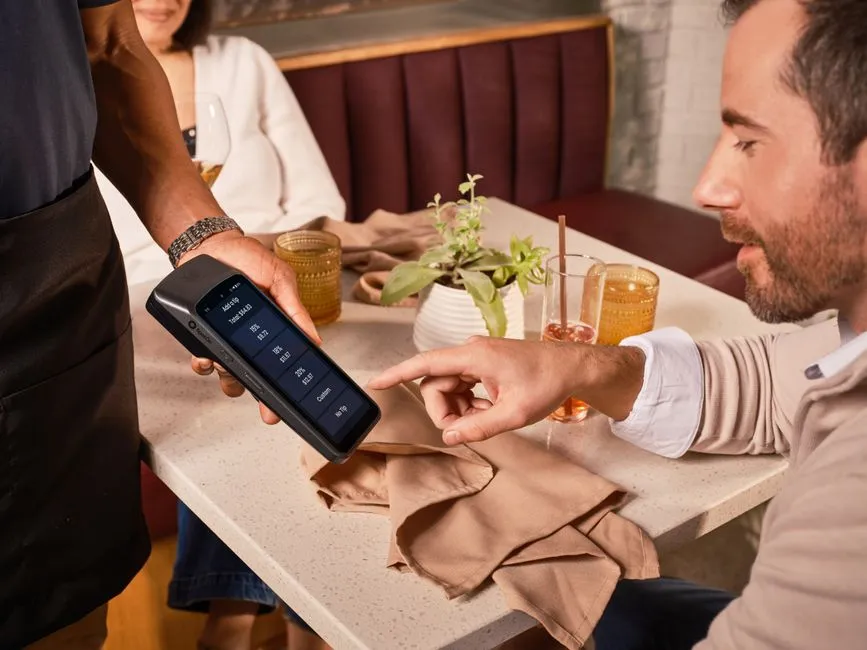
One of the most common blunders travelers make is pulling out extra cash for a tip in countries where doing so is genuinely unwelcome. In countries like Japan, South Korea, Sweden, Norway, and Iceland, tipping is not customary or is outright discouraged. Many visitors from the United States assume a generous tip communicates appreciation everywhere, when in reality it can communicate something entirely different.
In Japan, tipping is not usually expected, and attempts to leave a tip will almost certainly be turned down. Because tipping isn’t part of daily culture in Japan, an unexpected gratuity can sometimes cause confusion or even embarrassment. In Japan, it’s thought that by dining out or drinking at a bar, you are already paying the establishment for good service.
Iceland is the big exception to general European norms. It has a firm no-tipping culture, and restaurant staff are well paid. In fact, you likely won’t even see a line for a tip on the credit card bill. Leaving money on a table in Reykjavik won’t offend anyone gravely, but it signals a certain unfamiliarity with the culture.
2. Calculating the Tip on the Post-Tax Total Instead of the Pre-Tax Subtotal
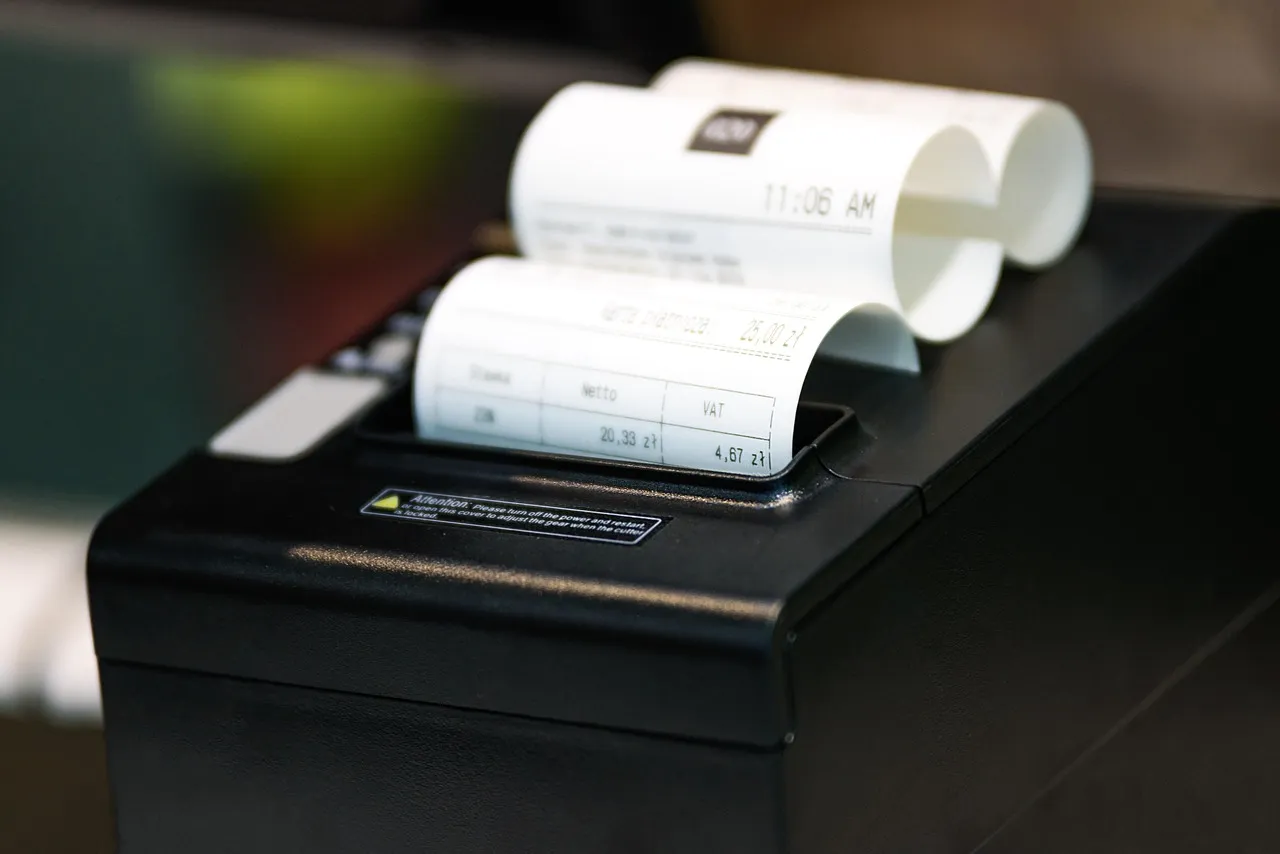
Standard etiquette says to calculate your restaurant tip on the pre-tax subtotal, not the total after sales tax. The reasoning is straightforward: tax goes to the government, not your server, so there’s no reason to tip a percentage on it. Most diners never give this a second thought, but digital payment screens have made the mistake far easier to commit.
Many point-of-sale systems present suggested tip amounts as percentages, but the dollar figures next to those percentages are often calculated on the post-tax total. When the screen offers “20% = $21.60” on what was a $100 meal with $8 in tax, the system has quietly used $108 as its base. The major POS platforms give restaurant owners the option to calculate tips either before or after tax, and not all owners choose the pre-tax setting.
The Emily Post Institute and other etiquette authorities recommend pre-tax tipping as proper etiquette. The fix is easy: look at the subtotal printed on your receipt, do the math yourself, and use the custom tip field. It takes seconds and keeps the calculation honest.
3. Tipping on the Discounted Amount After Using a Coupon or Deal
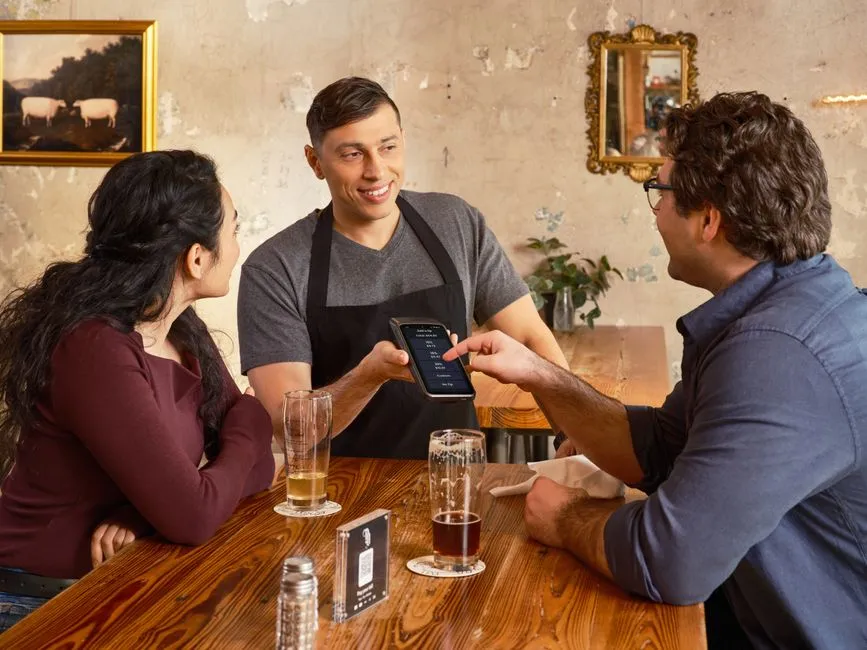
Using a Groupon or restaurant promotion is a perfectly reasonable way to dine, but there’s a widespread mistake that follows it. From Emily Post to Lizzie Post, the guidance is consistent: tip on what the meal would have cost at full price, not on what you actually paid after discounts, coupons, or comps. The reasoning is simple: tips compensate service, and service doesn’t diminish when prices do.
Research by Professor Michael Lynn of Cornell University’s Nolan School of Hotel Administration, published in the Journal of Applied Social Psychology, consistently shows that diners anchor tips to the amount they pay, not the value they receive. Across multiple restaurant studies, Lynn found that discount users tip roughly a quarter less than full-price diners in absolute dollar terms. The percentage stays similar, but it’s applied to a smaller base. The result: servers working tables with coupons earn significantly less per cover.
If you use a coupon, gift card, or restaurant week deal that cuts a $100 meal to $60, you should still tip on $100. The server did $100 worth of work. The discount came from the restaurant or a promotion, not from any reduction in labor.
4. Assuming the Baseline Is Still 15 Percent in the U.S.

Many travelers, especially those who haven’t dined out in America recently, operate on the old assumption that leaving around 15 percent is a fair tip. That threshold has quietly moved. While 15 percent was the standard tip amount for many years, those days appear long gone, as Toast data shows the average tip at full-service restaurants has hovered between 19 percent and 20 percent since at least 2018.
The new standard sits between 18 and 22 percent for full-service dining. Payment platforms now default to suggested tip options that start at 18 percent and often go as high as 25 or 30 percent. This isn’t just social pressure. Under American federal law, the minimum wage for employees who also earn tips is just $2.13 an hour.
The average tip at a full-service restaurant in the U.S. is 19.3 percent as of Q1 2026. Full-service tips dipped to a seven-year low of 19.1 percent in Q2 2025, then recovered before ticking up to 19.3 percent in Q1 2026. Arriving with a 15 percent habit at a full-service restaurant today reads as a genuinely below-average tip by current norms.
5. Double-Tipping When a Service Charge Is Already Included
Some travelers, trying their best to be generous, end up tipping twice without realizing it. Some restaurants will add a gratuity automatically if you’re with a large party or during a public holiday. If the bill reads “gratuity included,” you’re not required to pay extra. The same logic applies to restaurants that add automatic service charges, which have become more common in recent years.
If a service charge is already added, extra tipping is optional if that charge is gratuity. If it’s a non-tip service fee rather than gratuity, consider adding a tip. These two line items can look nearly identical on a receipt, which is exactly why checking matters. A service charge labeled as a “kitchen fee” or “hospitality fee” may not reach your server at all.
Americans broadly oppose automatic service charges. About seven in ten adults say they oppose businesses including automatic service charges or tips on customers’ bills, regardless of group size. Only about one in ten favor such charges. That sentiment is understandable, but the practical solution is simply to read your bill carefully before deciding whether to add anything extra.
6. Undertipping or Not Tipping at Counter-Service Restaurants
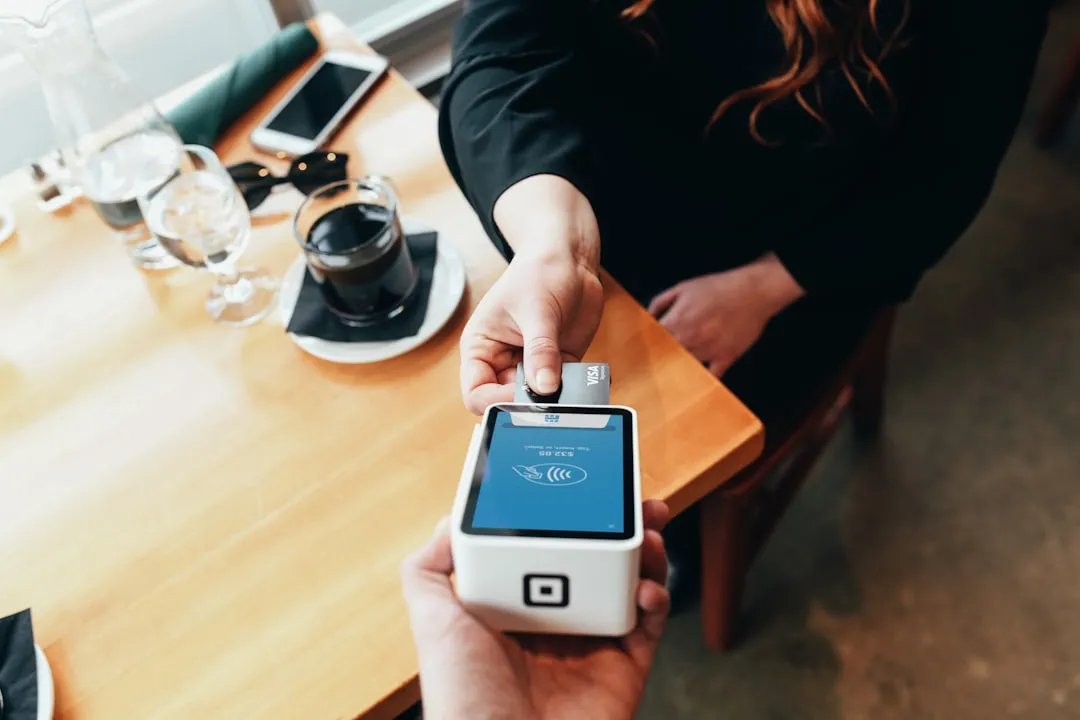
The rise of tablet screens at coffee counters, fast-casual spots, and food trucks has created genuine confusion about when tipping is expected versus merely prompted. This phenomenon, called “tip creep,” means digital payment screens now prompt tips at places that never traditionally expected them: self-serve yogurt shops, airport kiosks, and online retailers.
A useful shortcut: if a human serves you directly at a sit-down table, tip 18 to 20 percent. If you order at a counter and carry your own food, tipping is optional. Workers at counter-service spots typically receive a full hourly wage unlike their full-service counterparts, which changes the calculus.
At least once a week, 44 percent of consumers tip at establishments where they don’t think it’s customary or warranted, according to a 2025 Popmenu survey of 1,000 U.S. consumers. That pressure to tap a tip option on every screen is real, but it doesn’t mean every screen represents a traditional tipping context. Knowing the difference helps you tip where it genuinely matters most.
7. Thinking Tip Fatigue Is a Personal Problem

Travelers who feel overwhelmed by tipping prompts everywhere they go aren’t being stingy. The frustration is real and widely documented. Two thirds of consumers say they are fed up with tipping, up from 60 percent the previous year and 53 percent in 2023. Consumers estimate they are asked to tip for different services at various establishments roughly ten times a month on average.
A 2024 Pew Research Center survey found that 72 percent of Americans say tipping is expected in more places than five years ago. International visitors arrive into this environment with even less context. Visitors from Japan, South Korea, and Scandinavia come from countries where tipping is unnecessary or even offensive. Visitors from France, Germany, and Spain come from countries where a few coins on the table is generous. Arriving in a country where 20 percent is the minimum at a restaurant creates genuine confusion and anxiety.
Recognizing this broader context matters because it helps travelers make deliberate choices rather than reactive ones. Tip fatigue doesn’t justify skipping a gratuity at a full-service restaurant. It does justify pressing “no tip” at a self-service kiosk.
8. Tipping in the Wrong Currency When Traveling Abroad
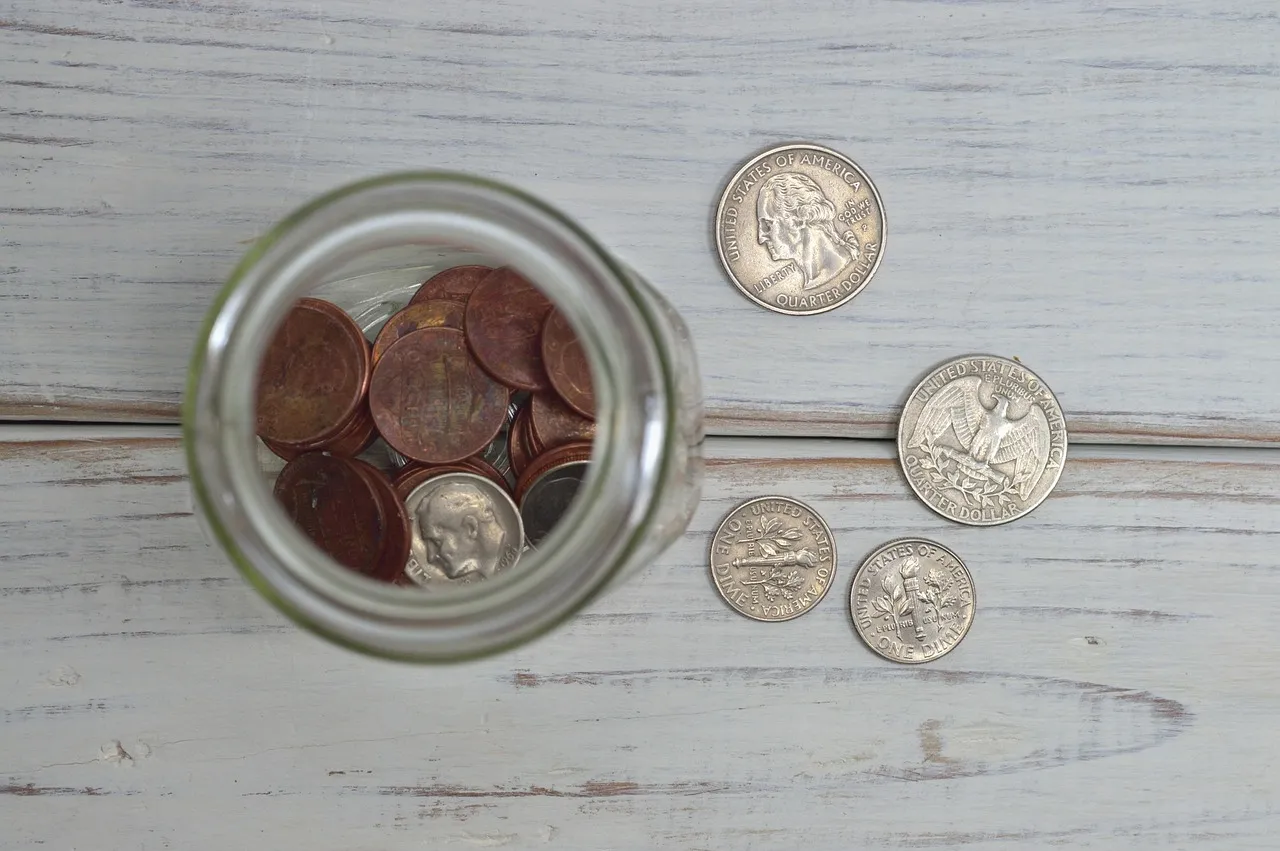
American travelers abroad often hand over a few dollar bills as a tip out of habit, assuming the gesture translates. In many cases, it doesn’t translate as intended. Always tip in cash and in the currency of the country you are visiting. A server who receives U.S. dollars at a restaurant in rural France or rural Mexico may face the inconvenience of currency exchange, often at a loss.
In less touristy areas, local service providers may prefer tips in the local currency. While they might accept foreign currency, they may not have an easy way to exchange it, or they could incur a loss when converting it into their local currency. Tourist hotspots closer to international hubs are sometimes exceptions. Service workers in most countries prefer being tipped in the national currency, but that’s not the case in Peru, where workers prefer American dollars. Mexicans accept tips in both dollars and pesos.
9. Tipping the Same Everywhere in the U.S., Regardless of State

It’s tempting to apply one universal rule to every American dining experience, but tipping habits and even expectations differ notably by state. Delaware tips the most, averaging 22.1 percent overall, while California tips the least at 17.3 percent, according to Toast platform data tracking over 171,000 restaurant locations.
Many states set their own tipped minimum wage well above the federal floor, and several states including California, Oregon, Washington, Minnesota, Montana, Nevada, and Alaska require employers to pay the full state minimum wage before tips. In those states, the moral weight behind a tip shifts somewhat, since servers aren’t starting from a $2.13 per hour base. That said, tipping remains a deeply embedded cultural norm across the entire country, regardless of local wage laws.
Travelers moving between cities should also know that urban dining centers like New York and Chicago have been actively debating and changing tipped minimum wages at the municipal level. Chicago has aimed to eliminate the tipped minimum wage by 2028. Checking local context matters more in the U.S. than many visitors realize.
10. Penalizing the Server for Problems That Weren’t Their Fault

When something goes wrong at dinner, the tip is often the first thing that takes the hit. That’s a natural impulse, but it frequently punishes the wrong person. Think carefully about who was actually at fault. A slow kitchen isn’t your server’s doing, and docking their tip for a problem they didn’t create is penalizing the wrong person.
For most people, tipping is first and foremost about service. Around three quarters of adults say the quality of the service they receive is a major factor in deciding whether and how much to tip. Service quality, though, is narrower than the overall dining experience. Food taking too long to arrive, an incorrect order from the kitchen, or a dish that doesn’t match the menu description are often entirely outside a server’s control.
There are many reasons you may get free food or drinks at a restaurant: a comped drink after the wrong one was delivered, a meal covered for a long wait, or a birthday dessert. Regardless of how you got the free food, you should tip on a total that includes the free items. The standard guiding principle is simple: tip based on the service and labor invested in your experience, not based on the final number printed on your receipt.
The Takeaway
Tipping is one of those seemingly personal decisions that actually carries real weight for someone else’s livelihood. For most servers, tips aren’t a bonus, they’re the job. According to the National Restaurant Association, tips constitute roughly 71 percent of a server’s total compensation on average. Getting the etiquette right is less about following rigid rules and more about understanding whose income depends on your awareness.
The most important step any traveler can take is a simple one: research tipping customs before you arrive somewhere new, whether that’s a different country or a different region of your own. According to a Global Rescue survey, even the most well-traveled individuals make tipping mistakes. Survey respondents admitted that tipping inappropriately was a top 10 mistake they have made while traveling internationally.
Awareness costs nothing. A little preparation before your next trip or your next dinner out can make a genuine difference to the people serving you, and to your own confidence at the table.
AI Disclaimer: This article was created with the assistance of AI tools and reviewed by a human editor.