

There’s a category of travel advice that lives somewhere between folklore and fact. Your grandmother told you to wear tight socks. A coworker swears by ginger candy. The guy in the seat next to you on the Tokyo flight kept getting up to walk the aisle every two hours like clockwork. It all sounds a little old-fashioned, maybe even eccentric.
The thing is, some of these habits have been quietly validated by real clinical research. Not all of them, and not without nuance, but enough to make a second look worthwhile. Here are five remedies that have moved from the realm of folk wisdom into something with genuine evidence behind them.
1. Slipping on Compression Socks Before You Board

For decades, compression socks were mostly associated with hospital patients and long-haul truck drivers. Frequent flyers who wore them were considered overly cautious, or perhaps a little fussy. That reputation has shifted significantly.
A Cochrane review looked at data from nearly 3,000 people across 12 randomized clinical trials and found high-certainty evidence that wearing compression stockings reduced the risk of symptomless DVT when traveling on a flight of more than four hours. That’s not a small or poorly designed study pool. That’s some of the strongest evidence you can get in travel medicine.
Prolonged sitting slows venous blood return from the lower legs to the heart, causing fluid to pool and fatigue to set in. Compression socks counter this by applying graduated pressure from ankle to knee, actively supporting circulation while seated. For most healthy adults on flights over six hours, they’re genuinely useful. Airline passengers hoping to reduce DVT risk should look for socks with a pressure range within 10 to 30 mmHg.
2. Sipping Ginger to Calm an Uneasy Stomach

Ginger has been used for nausea across cultures for a very long time. Traditional Chinese medicine, Ayurvedic practice, and the remedies of countless grandmothers all point to this root when the stomach misbehaves. As it turns out, there’s a reasonable body of research supporting this one.
Four randomized controlled trials involving 469 participants found that ginger was administered in doses ranging from 500 to 2,000 mg, with three of those trials reporting a significant decrease in nausea and vomiting compared to placebo. The evidence isn’t perfect, and it does vary by dose and study design, but the overall picture is encouraging.
According to a comprehensive systematic review, ginger is a reasonably safe, well-tolerated, and effective treatment for motion sickness. Importantly, no significant side effects were noted across the reviewed trials, confirming that ginger is both effective and tolerable in treating motion sickness. Ginger tea, ginger chews, or capsules before a flight are all workable options, though you’d want to check with your doctor if you’re on any blood-thinning medications.
3. Drinking Water Steadily Throughout the Flight
Telling someone to “just drink more water” feels almost too simple to take seriously. Yet the physiology of what happens inside a plane cabin makes this piece of advice more important than it sounds.
Cabin humidity often drops below 20 percent, well under the 40 to 60 percent you’d find at home, meaning your body loses water faster through both breath and skin. Mild dehydration can occur with the loss of just 1.5 percent of your body’s water level, and low humidity also dries out sinuses and mucous membranes, which play an important role in protecting the body from airborne diseases.
With cabin air running at just 10 to 20 percent humidity versus around 35 to 65 percent on the ground, the body loses moisture more quickly through skin and airways, and the pressurized cabin combined with long periods of sitting can increase the risk of mild dehydration. Sipping water consistently through the flight, rather than waiting until you feel thirsty, is the practical takeaway. Drinking something with electrolytes can also help you stay balanced, and experts recommend drinking regularly even before thirst sets in to compensate for fluid loss.
4. Getting Up and Walking the Aisle Every Couple of Hours
There’s always at least one passenger who seems unable to sit still on a long flight, pacing the aisle with what looks like restless energy. Turns out they might have the right idea, even if they don’t know the clinical reason for it.
Lengthy flights increase the risk of DVT as passengers move less and blood flow is reduced. The World Health Organization estimated that about one in every 6,000 healthy people develops symptoms of a blood clot after flights lasting more than four hours, and more may be asymptomatic. Regular movement helps counter the effects of prolonged sitting before they compound.
Doctors recommend that all passengers walk up and down the aisles to promote blood circulation. Moving your calves every one to two hours is a practical way to lower clot risk during flight. You don’t need to do a full workout. Standing, stretching, and walking even a short distance down the cabin is enough to keep circulation moving and reduce that heavy, leaden feeling that sets in after hour five.
5. Taking Melatonin to Reset Your Clock After Crossing Time Zones
Melatonin has been around long enough in travel circles to feel like folk remedy territory. Frequent flyers have passed around advice about it for years, often with wildly inconsistent dosing instructions. The actual research behind it is more solid than the folklore suggests.
In a review of 10 studies, melatonin was found to decrease jet lag in people crossing five or more time zones in 9 out of 10 cases. This decrease was seen when melatonin was taken close to the local bedtime at the destination. The direction of travel matters too: eastward travel causes more severe jet lag than westward travel and requires a different protocol.
Meta-analysis using a random effects model confirmed that melatonin reduced self-reported jet lag following both eastbound and westbound flights, showing statistically significant results in both directions. A common evidence-based approach involves taking 0.5 to 5 mg at the destination’s local bedtime, not based on your home time zone, and continuing for three to five nights after arrival. It’s not a miracle cure, but for longer international trips, the evidence genuinely supports it.
Why These Five Remedies Survived
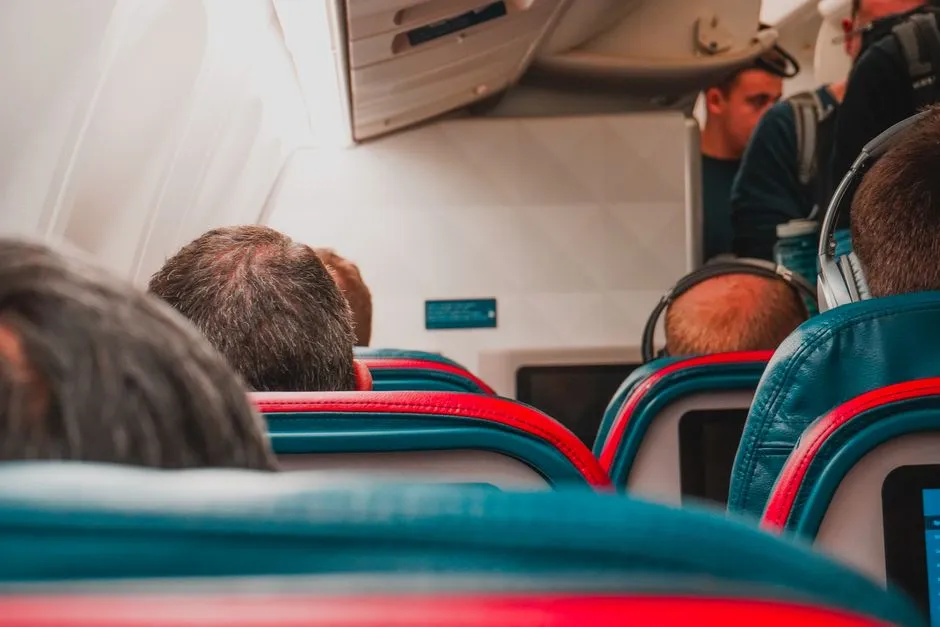
Most old-wives remedies don’t hold up to scrutiny. This quintet is different not because they’re ancient or intuitive, but because the underlying biology actually supports them. They address real, documented physiological challenges that flying creates: circulatory slowdown, nausea from motion and cabin pressure, dehydration from dry air, and circadian disruption from crossing time zones.
None of them require expensive gadgets or prescription access. They’re accessible, low-risk, and in most cases well-tolerated. That combination is rarer than it sounds in travel health advice.
A Practical Note Before You Board
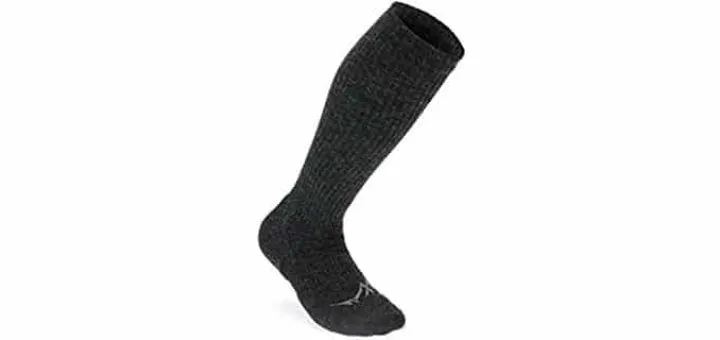
While these remedies are supported by research, individual circumstances vary. People with a history of DVT, circulation problems, or varicose veins should consult a doctor about compression levels before flying. Anyone with a history of circulation issues, varicose veins, or previous DVT should have a doctor advise them on compression level, potentially above the standard 15 to 20 mmHg travel recommendation.
Similarly, there is no universal standard dosage for ginger, but 1,000 to 1,500 mg per day divided into multiple doses is often recommended, and it’s best to speak with your healthcare provider before using ginger to ease persistent nausea. For melatonin, the timing of administration depends on many factors including the resetting effects required, the time of the flight, and your personal chronotype and desired sleep time.
The Takeaway
The most durable travel advice tends to be the kind that was never really about trends in the first place. Drink water. Move your legs. Wear something that supports your circulation. Settle your stomach with ginger. Help your body find its new rhythm after landing. These aren’t glamorous strategies, but they’re grounded in real physiology and now supported by genuine clinical evidence.
Sometimes the person who seemed overprepared on the flight, with the funny socks and the ginger chews, arrives feeling considerably better than everyone else. There’s a quiet satisfaction in that.
AI Disclaimer: This article was created with the assistance of AI tools and reviewed by a human editor.