
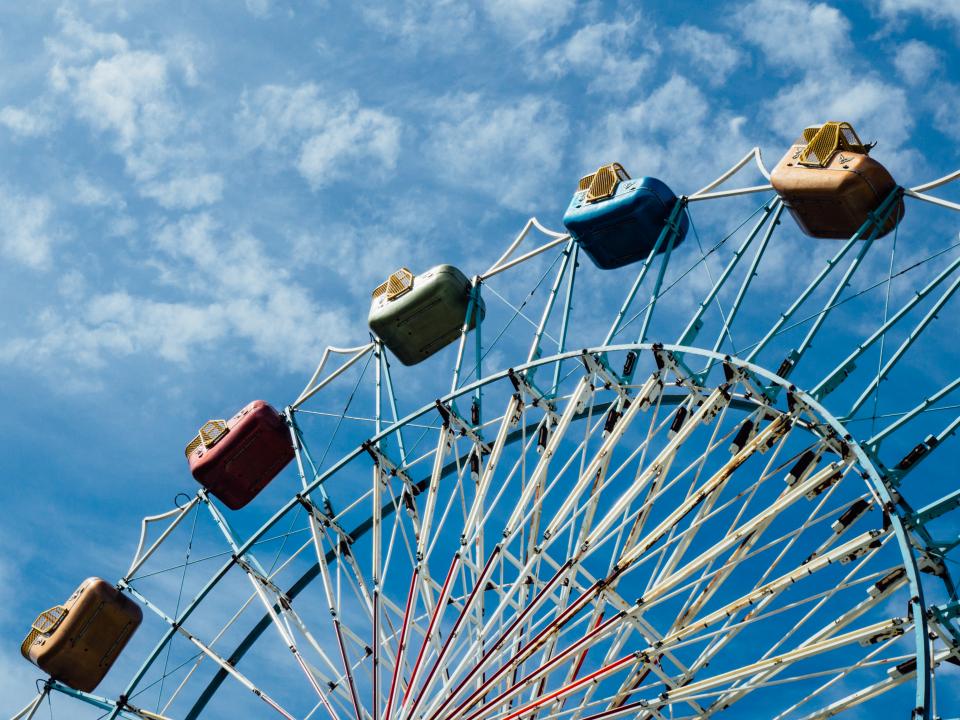

There’s something revealing about which line you run to first when you walk through the gates of a theme park. Some people sprint toward the tallest coaster on the skyline. Others pause to study the park map, targeting the most story-rich dark ride. A few head straight for the log flume, wet clothes be damned, just for the pleasure of something refreshing and familiar. These instincts aren’t random.
Psychologists who study personality and thrill-seeking behavior have found genuine connections between the experiences we crave and the psychological traits we carry through daily life. Your ride preference is a small but honest signal of who you are and how you move through the world. Here’s what the science and ride culture suggest.
The Roller Coaster: You Thrive Under Pressure
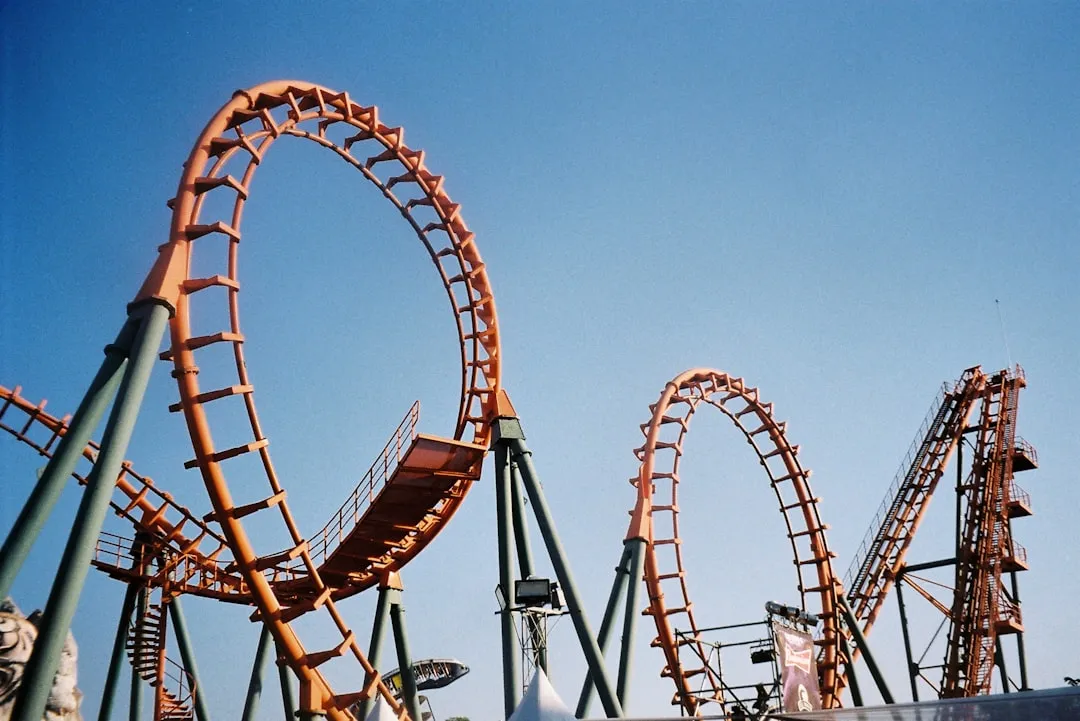
Thrill-seeking is a well-documented personality trait, often called sensation seeking. It’s defined by the search for varied, novel, complex, and intense sensations, and people with this trait love to explore new things, even if it means taking risks. Roller coaster lovers tend to score high on this scale. They’re the ones who read the job description twice and then apply anyway, or book the flight before they’ve arranged accommodation.
Thrill-seekers aren’t primarily motivated by danger. They’re driven to conquer new challenges and soak up every experience life has to offer, and they simply don’t let danger dissuade them. That approach extends far beyond the park queue. It’s the same mentality that pushes people toward demanding careers, bold conversations, and decisions most others would delay indefinitely.
When you push your boundaries in a controlled way, you can foster incredible personal growth. High sensation seekers often find that safe adventures provide profound mental health benefits. Facing a challenge and overcoming it builds a deep sense of self-worth. The coaster is, in a real sense, a compressed rehearsal for exactly that.
The Dark Ride: You Value Story Over Speed
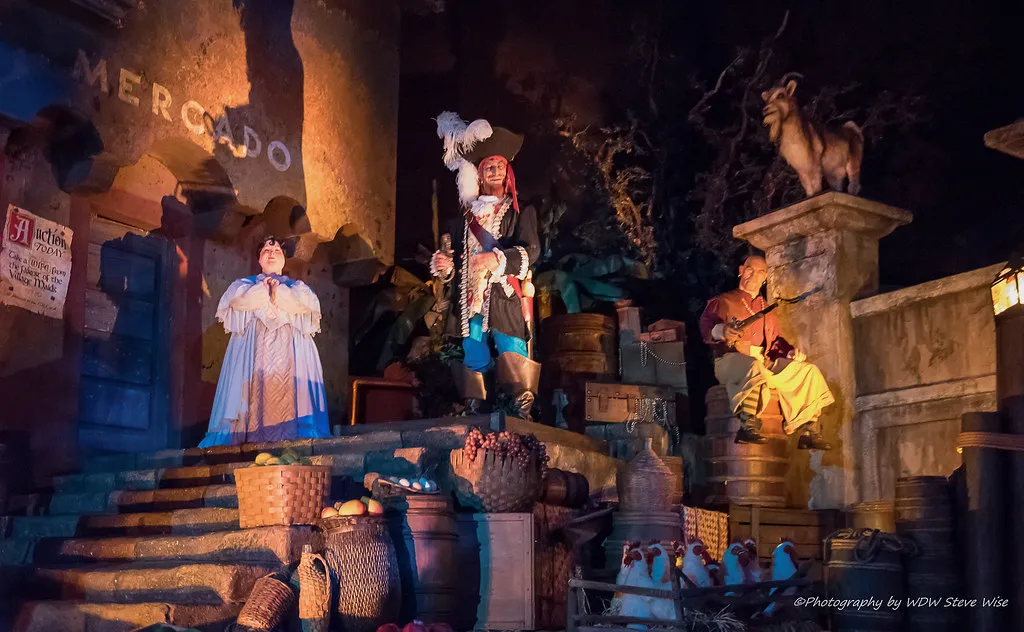
A dark ride is an indoor amusement ride on which passengers aboard guided vehicles travel through specially lit scenes that typically contain animation, sound, music and special effects. Dark rides are intended to tell stories, with thematic elements that immerse riders, which unfold throughout the course of the attraction. People drawn to these rides are rarely in a hurry. They want the full experience, not just the highlight reel.
Dark ride fans tend to be the readers in the room, the ones who stay for the credits, the people who ask follow-up questions in conversations because they want to understand, not just hear. Experience-seeking types enjoy unusual experiences like theatre, circus and magic, and dark rides are precisely the theme park equivalent of that instinct.
Modern attractions in this genre vary widely in technical sophistication. Smaller-scale rides often feature simple animation and sounds used since the genre’s early days, while more ambitious projects feature complex animatronics, special effects and ride vehicles utilizing cutting-edge technology. Fans of these rides appreciate that range. They’re drawn to craft and intention, wherever they find it.
The Log Flume: You Know How to Let Go
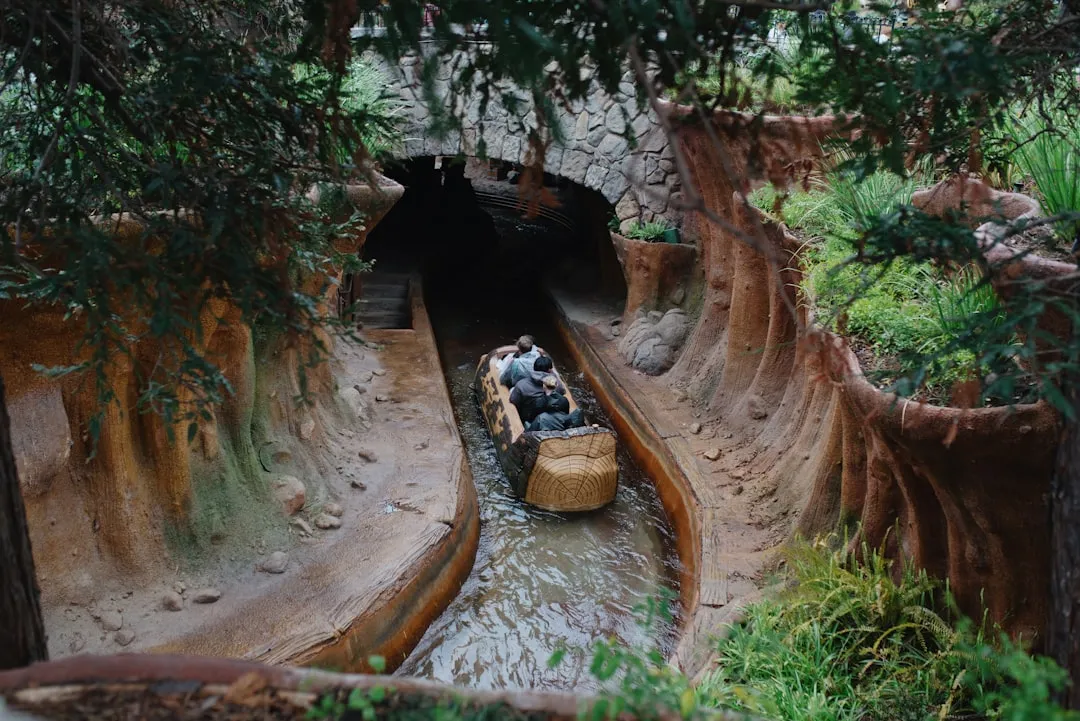
Known all over the world, the log flume is an industry classic and guest favourite. With a steep drop and a big splashdown, this ride looks intimidating yet offers the perfect amount of thrills for the whole family. It lends itself well to fun storytelling, limited only by imagination. People who gravitate toward it tend to be the easiest to travel with. They’re not chasing extremes, but they’re absolutely not sitting on a bench either.
The log flume lover understands that getting a little wet is part of the deal, and they’ve made peace with that. In life, they’re often the ones who commit fully to plans without obsessing over every possible outcome. Part of the thrill of a log flume is the sensation of slowing down without stopping so quickly that you hurt yourself. That’s a decent metaphor for a balanced life philosophy.
The ride usually culminates with a rapid descent and splashdown into a body of water, which may happen more than once. It provides people with a way to get wet and cool off on a hot summer day. Log flume fans embrace the moment. They’re rarely the ones trying to control the splash.
The Haunted Mansion-Style Ghost Ride: You’re Comfortable With the Unknown
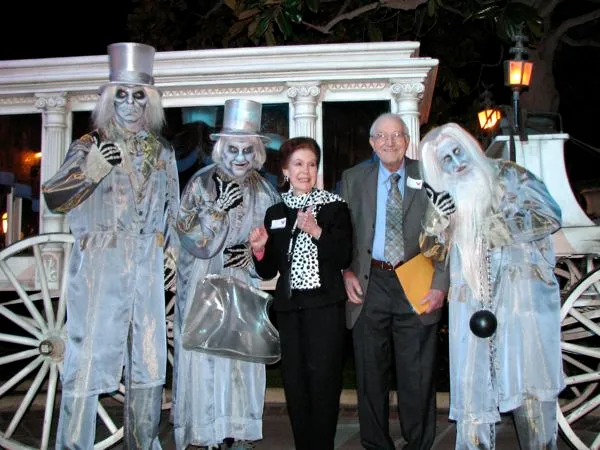
Appearing as early as the 19th century, dark ride experiences include tunnels of love, scary themes and interactive stories. Dark rides are intended to tell stories, with thematic elements that immerse riders, which unfold throughout the course of the attraction. People who love ghost train attractions tend to have a high tolerance for uncertainty, and often a well-developed sense of humor about it too.
Fans of rides like Disney’s Haunted Mansion are perfectly comfortable sitting in the dark waiting for something unexpected. The Haunted Mansion invites riders into a manor inhabited by 999 happy haunts. It is a creepy but cheerful ride, known as Disney’s family-friendly version of a classic ghost train. That tone – creepy but cheerful – often describes the fans themselves.
This comfort with ambiguity frequently translates into greater flexibility in real life. These are the people who adapt well when plans fall through, who can hold two contradictory ideas at once, and who rarely need every detail resolved before moving forward. They’ve learned that surprises, even unsettling ones, are usually survivable.
The Spinning Rapids Ride: You Love Shared Adventure
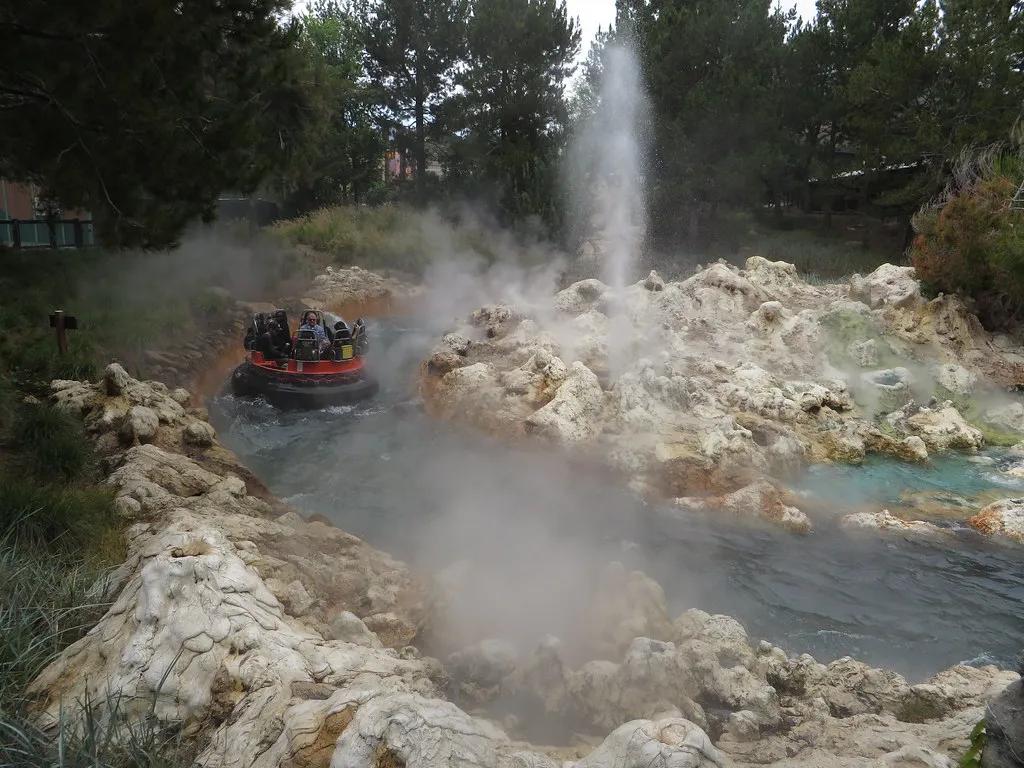
Research suggests that excitement and adrenaline may increase attraction in the case of strangers, and affection in the case of couples. The excitement from a roller coaster ride or a suspenseful experience may intensify emotion later, so adventurous, spontaneous, and exciting experiences may help bond people together. Rapids ride fans seem to know this intuitively. They’re not looking for a solo rush. They want the whole group to experience it together.
Park guests enjoy the river raft ride as they are splashed while their rafts encounter turbulent waters, quiet pools, dark tunnels, and near-miss waterfalls. In spinning rapids rides, centrifugal forces press riders against the back wall of rafts as they swiftly spiral down the flume. Who gets soaked most is entirely random, and fans of this ride find that chaos genuinely funny. That acceptance of randomness is telling.
Roller coasters and group thrill rides have a way of bringing people together. Riders share the thrill and adventure of surviving what feels like an extreme experience. For rapids ride devotees, that shared survival is the entire point. They’re community-builders at heart.
The Go-Kart Track: You’re Quietly Competitive
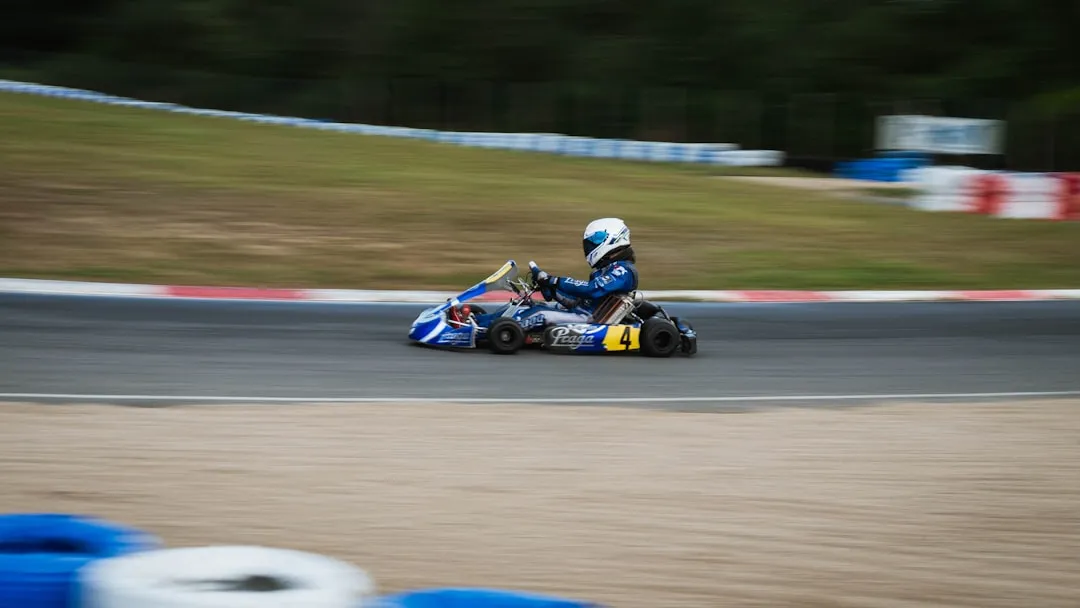
Go-karts are one of the most popular rides in the amusement park, designed to simulate racing. The people queuing for them are rarely the loudest in the park, but watch them on the track and the competitive streak surfaces quickly. They want to win, they keep score, and they remember exactly who beat them last time.
Go-kart fans tend to be goal-oriented in daily life, comfortable with performance metrics, and motivated by measurable improvement. They’re the type who quietly trains for months before running a race rather than announcing it on social media first. The process matters to them, but so does the result.
What’s particularly interesting is the controlled nature of the attraction. Unlike a coaster where you simply hold on, a go-kart puts real skill in the driver’s hands. Whether you like any particular type of ride may depend on your personality. Researchers suggest that when it comes to thrill-seeking behavior, there’s a spectrum of personality types. Go-kart fans sit confidently in the middle of that spectrum, wanting challenge but also control.
The Slow Scenic Boat Ride: You’re a Patient Observer

A water transportation system water ride provides a relaxing voyage that allows guests to immerse themselves in the story of your park. People who actively enjoy the slow, scenic float through animatronic landscapes are a rare and underrated breed. They’re not bored. They’re paying attention to things everyone else rushes past.
These are the travelers who linger in museum galleries rather than checking them off a list. They’re drawn to details, to atmosphere, to the particular quality of light in a scene. In conversations they ask good questions and then actually wait for the full answer. Patience is genuinely their default mode, not a performance.
On a ride, people’s emotions are constantly in flux, between extreme excitement, delight, and joy all the way through to terror. The critical thing about thrill is that thrill isn’t an emotion itself. It is the change in emotions. Slow ride fans are content with a steady emotional register. They don’t need the sharp swings, and that says something quietly profound about how they live.
The Free-Fall Drop Tower: You Face Fear Directly
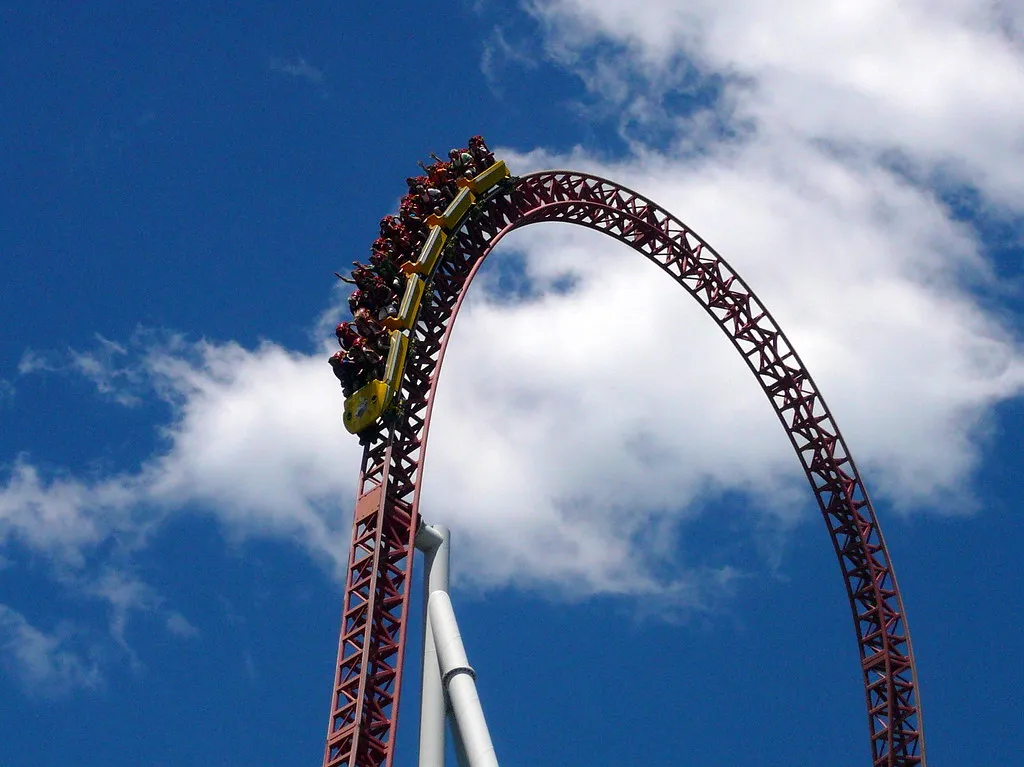
Physical signs of fear such as a pounding heart, faster breathing and an energy boost caused by the release of glucose are known collectively as the fight-or-flight response. Researchers who measured the heart rates of riders on a double-corkscrew coaster in the 1980s confirmed that a roller coaster ride is likely to trigger this response. Drop tower fans deliberately put themselves in that position and choose not to flinch.
There’s something almost meditative about the drop tower experience. You climb, you pause, you look out. Then gravity takes over completely and there’s nothing left to do except experience it. People who love this ride tend to be decisive in life. When a hard moment arrives, they prefer to face it cleanly rather than delay or deflect.
Facing a challenge and overcoming it builds a deep sense of self-worth. It teaches you that you are capable of handling stress and uncertainty. Drop tower fans seem to return to this lesson regularly, as if they need the occasional reminder that the worst part is always the anticipation.
The Interactive Shooting Dark Ride: You Want to Influence the Outcome

Interactive dark rides feature a component that allows riders to be involved in the attraction’s story. The first interactive dark ride ever built is El Paso at the Belgium theme park Bobbejaanland. The vast majority of interactive dark rides are shooting dark rides, which require riders to aim and shoot at targets throughout the ride using handheld or vehicle-mounted light guns. These are not passive people. They want agency, even inside an amusement ride.
Successfully shooting a target usually triggers special animation, such as flashing lights or moving the target. The more targets riders hit, the higher their scores at the end of the ride. Fans of this format are tracking their performance in real time and adjusting. That’s not so different from how they approach most things in daily life: with a running internal scorecard.
These riders struggle to fully enjoy experiences they can’t affect. They’re problem-solvers, project managers, and enthusiastic participants in anything that rewards attentiveness. Research shows that enjoyment significantly shapes attitudes toward interactive ride formats, which in turn drives the intention to return. For this personality type, the ride is only good if they performed well in it.
The Simulator or VR Ride: You Embrace New Technology With Curiosity
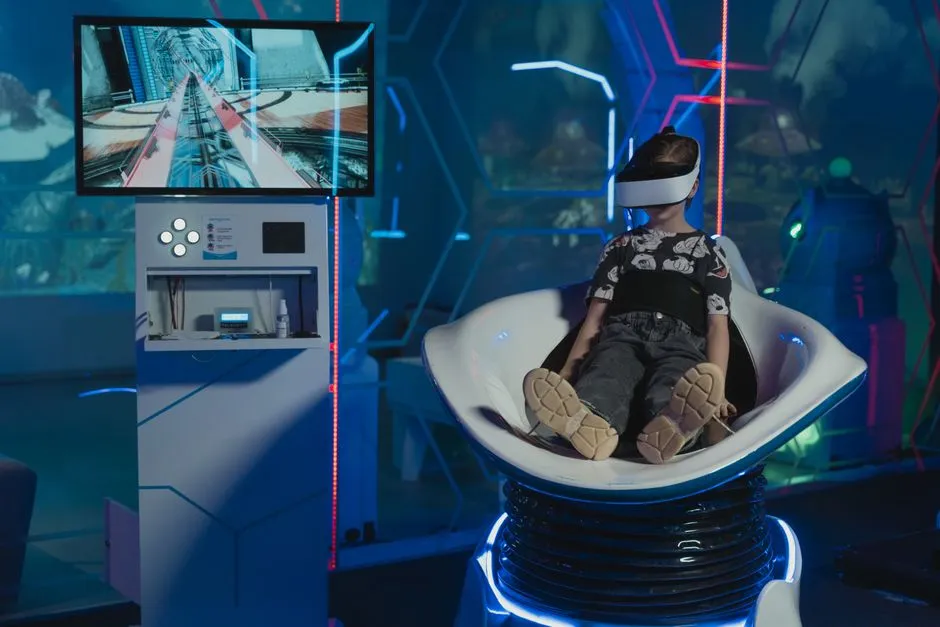
The VR ride simulator provides a short-form, passive, and non-interactive simulator experience, incorporating synchronized motion, 360-degree visuals, and fantasy-themed content. Unlike gamified or educational VR contexts, this setting offers a distinctive opportunity to explore mental and affective engagement within a high-turnover commercial leisure environment. People drawn to this type of attraction are genuinely curious about what technology can do. They’re the early adopters in their social circles.
The design emphasizes entertainment and emotional arousal over narrative complexity or user control, situating the ride within a passive yet affectively rich context. Simulator fans are comfortable surrendering some control in exchange for a rich sensory experience, a trade-off that mirrors how they often approach emerging tools and unfamiliar situations in life.
Research findings show that enjoyment significantly shapes attitudes toward VR ride simulators, which in turn drives revisit intentions. For simulator fans, novelty alone isn’t enough. The experience has to actually deliver. They’re enthusiastic about new things, but they’re also honest evaluators. That combination, curiosity plus discernment, tends to serve them well.
The Takeaway
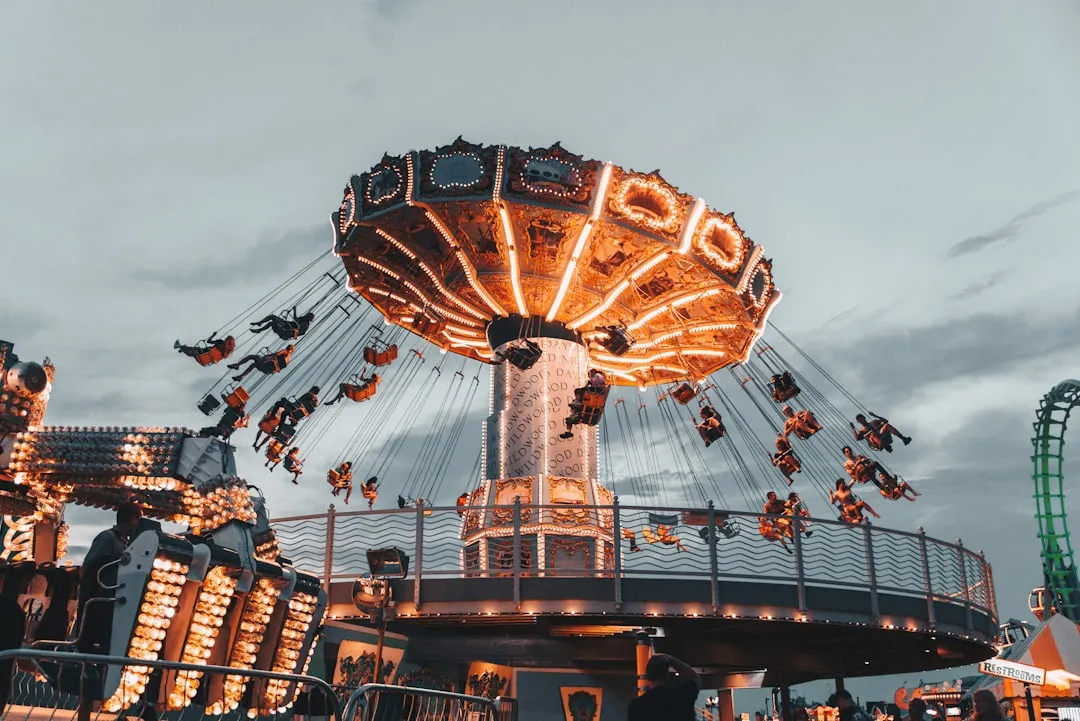
None of this is a rigid personality test, and the science makes clear that our perception of risk and all of these psychological factors vary throughout our lifetime. They can also vary with other events in our life, such as having children, which can alter this sort of psychological profile. The coaster lover at 22 might be the dark ride devotee at 45, and that shift isn’t a contradiction.
What’s consistent is the instinct itself. People enjoy different theme park experiences thanks to a combination of speed, conquering fear, and the positive effects associated with a rise in physiological arousal, but also story, community, control, and patience. The full range of human personality shows up in those queues.
Pay attention to where you go first next time. Not to diagnose yourself, but simply to notice. There’s often more honesty in a gut instinct than in a dozen careful reflections.
AI Disclaimer: This article was created with the assistance of AI tools and reviewed by a human editor.