
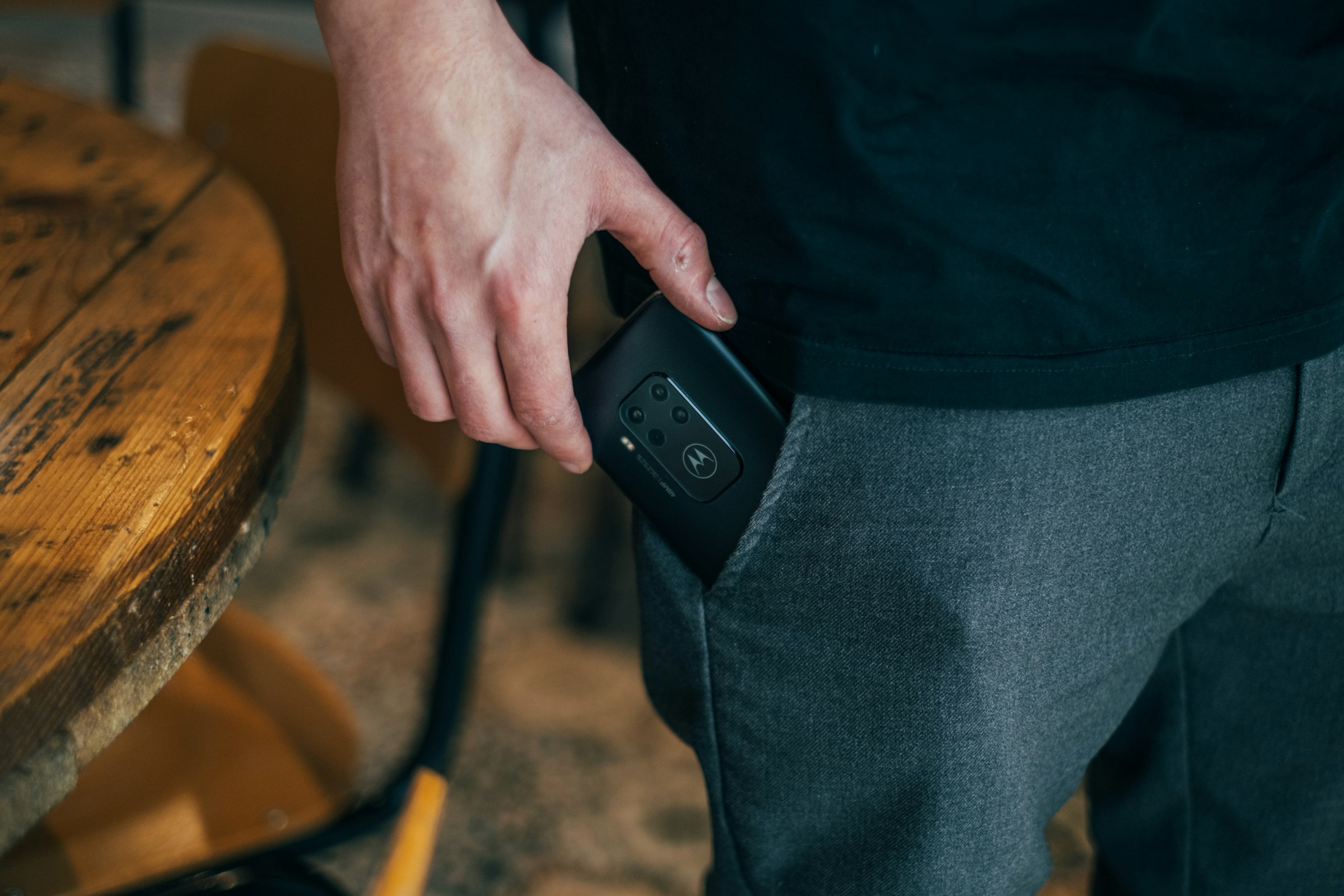

Most travelers pack sunscreen, a travel adapter, and a camera. What they don’t always pack is a clear-eyed understanding of just how quickly their phone can disappear. Smartphones have become the single most targeted item tourists carry, and it’s not hard to see why. A phone is a digital lifeline: it holds your itinerary, travel documents, banking access, and a lifetime of memories. Lose it in a foreign country and the damage rarely stops at the hardware.
Organized crime groups pay up to £200 per stolen phone, and many devices are funneled to markets where they’re dismantled or reprogrammed. In some regions, stolen phones shipped abroad cannot be remotely blocked through standard international mechanisms. The black market for stolen devices is, in short, thriving. The five destinations below keep appearing in travel advisories, police reports, and verified research for exactly this reason.
1. Spain: The Unofficial Phone Theft Capital for Tourists
Among UK travelers who have had their phone stolen abroad, Spain tops the list, with nearly a fifth of all holiday phone thefts occurring there. France follows at around fourteen percent, with both countries hosting frequently visited cities like Barcelona, Madrid, and Paris.
Spain is a notable hotspot for tourists more broadly: eighteen percent of holiday phone thefts reported by UK travelers happen there, and Madrid actually has a higher per capita phone crime rate than London.
The European Pickpocketing Index 2024 shows Spain with 111 instances of theft per million visitors, with Barcelona seeing theft accounting for roughly six in ten crimes in the city, occurring largely on streets and public transport, particularly around La Rambla, La Boqueria market, the metro, and around the Sagrada Família. Over 100,000 pickpocketing incidents occurred in Barcelona in 2023, accounting for nearly half of all crimes that year.
During peak tourist season, Barcelona is estimated to see between 200 and 300 phones stolen per day. Those aren’t isolated incidents. They reflect a well-organized, deeply familiar ecosystem of theft that targets distracted visitors.
2. Italy: Europe’s Number One Pickpocketing Nation

Italy topped the European Pickpocketing Index with 478 mentions of theft per million visitors, according to Quotezone’s 2024 research, placing it well ahead of France at 251 and Spain and Germany at 111 each.
In Rome alone, there were over 2,000 reported robberies in 2024, a rise of more than half compared to 2019. Pickpocketing incidents surged to 33,455 cases that same year, marking a jump of nearly seventy percent. Those numbers are not abstract statistics. They represent phones pulled from jacket pockets while tourists gazed at the Colosseum.
The Trevi Fountain, which draws roughly 18,000 visitors an hour, was identified as the worst single site for pickpocketing, with the Colosseum and Pantheon close behind. Milan’s Duomo and Florence’s Gallerie degli Uffizi also made the list for the highest volume of stolen items.
A 2022 legal reform in Italy known as the Cartabia reform placed the burden on victims to both report a crime and appear in court – a requirement that many tourists cannot meet, which has potentially emboldened thieves knowing charges can be dropped. That legal nuance is worth knowing before you go.
3. France: Where the Eiffel Tower Comes with a Pickpocket Warning

Paris remains one of the world’s most notorious cities for phone theft, with the U.S. State Department’s May 2025 advisory explicitly warning that pickpocketing and phone theft are common in crowded areas, and around 2,000 American travelers report their passports stolen or lost in Paris each year.
The Eiffel Tower has become the place where pickpockets are most reliably encountered, given the sheer concentration of tourists. Other major attractions like the Arc de Triomphe, Notre-Dame Cathedral area, the Louvre, and the Musée d’Orsay all appear prominently in theft reports. The Paris Metro has become particularly notorious, with thieves taking advantage of overcrowded trains and their rapid sliding doors.
The French capital logged over 35,000 theft-related incidents in 2024, primarily involving pickpocketing and bag snatching. Paris accounted for the bulk of France’s 251 pickpocketing mentions per million visitors in the Quotezone index. France ranks second in Europe, and the gap between Paris and the rest of the country is significant: the problem is almost entirely concentrated in the capital.
4. Brazil: Hundreds of Thousands of Stolen Phones Every Year

Brazil reported over 850,800 stolen phones in 2024, reflecting a persistent nationwide challenge driven by high smartphone adoption rates and organized resale networks. That figure translates to roughly 2,300 stolen phones every single day across the country.
In Rio de Janeiro specifically, cell phone snatching is the number-one tourist threat. The Instituto de Segurança Pública recorded 21,423 phone robberies in 2024 – up nearly forty percent from 15,496 the previous year. Those are only the reported cases.
Pickpocketing, phone snatching, and petty theft are the most common crimes against tourists in Brazil overall, occurring mainly on public transport, crowded beaches, and tourist centers. Comparing the first quarter of 2024 with the first quarter of 2025, most Latin American countries experienced a thirty percent increase in device theft, with several nations documenting fifty percent more cases.
The theft of a single device can turn its owner into a victim many times over. Criminals empty accounts, steal identities, apply for online loans, and ransom files. Losses can start at around $300 and climb as high as $300,000 per victim. In Brazil, the hardware theft and the financial fraud that follows it are often two stages of the same crime.
5. Thailand: Bangkok Ranked the World’s Top Pickpocket Hotspot for 2025

Bangkok has officially been ranked the world’s number one pickpocket and scam hotspot for 2025, recording 9.82 scam and pickpocket mentions per 1,000 reviews. The Thai capital’s tourism boom has created fertile ground for criminals, with the Grand Palace ranked as the worst tourist site on the planet for crime, receiving more mentions of scams and theft in visitor reviews than any other destination globally.
Other popular spots like the Wat Pho temple complex and Chatuchak Weekend Market have also stood out for their volume of pickpocketing and scam reports. These aren’t fringe locations. They’re the very places that draw visitors to Thailand in the first place.
In Southeast Asia more broadly, destinations like Bangkok, Ho Chi Minh City, and Manila frequently appear in travel advisories for their high incidence of mobile phone theft. Thailand’s particular challenge is the combination of enormous tourist volumes, cultural and language barriers that discourage reporting, and seasoned criminal networks that operate across the country’s major sites.
Why Tourists Are Always the Primary Target

Travelers rely heavily on their phones for navigation, translation, bookings, and photos. This frequent, visible use in unfamiliar environments makes them more vulnerable. Tourists also tend to carry newer, higher-end devices than locals, making them especially appealing targets.
Professional pickpockets can lift a phone in seconds. A common method involves a stranger asking for directions or dropping something nearby, while an accomplice lifts the phone from a pocket or bag during the momentary distraction. The technique is practiced, fast, and largely invisible to bystanders.
The Data Security Problem Nobody Talks About Enough

A stolen phone is now a skeleton key to personal and corporate data, and organized crime knows it. This reframing matters. Phone theft stopped being a simple property crime years ago.
Mobile phones often contain sensitive personal and corporate data that thieves can misuse for unauthorized purchases, identity theft, phishing scams, and corporate data breaches. Once a thief has physical access to a phone, the attack surface is wide open: banking apps, email accounts, cloud storage, authenticator apps, and VPN credentials.
In 2024, Europol dismantled a criminal phishing network that had compromised over 480,000 victims worldwide, with stolen phones serving as a launchpad for credential harvesting. The link between physical theft and digital crime is no longer theoretical.
How Stolen Phones Move Around the World
According to reporting from Trustonic, stolen devices are frequently shipped to China, Dubai, Algeria, Morocco, Romania, and Bulgaria, where they are resold, dismantled for parts, or reprogrammed for reuse.
Organized crime groups pay meaningful sums per stolen phone, and many devices end up in markets where they can be dismantled or reprogrammed. Some destination countries are not members of the global database used to block stolen devices by their unique IMEI number, meaning phones shipped there cannot be remotely blocked through the standard international mechanism.
Once a device crosses certain borders, recovering it or preventing its misuse becomes practically impossible. That’s a significant structural problem, and it’s one reason the black market for stolen smartphones continues to grow.
What the Insurance Claims Tell Us
Among all mobile phone insurance claims submitted over the three years from 2022 to 2025, eight percent were due to theft, with Apple iPhones accounting for nearly two-thirds of those claims, reflecting both their popularity and high resale value. The average cost to replace a stolen phone now stands at around £543.
Notably, one in five theft victims admitted to not reporting their phone stolen because they didn’t have insurance, while sixteen percent didn’t know or understand the reporting process in the country where the theft occurred. Underreporting is a genuine problem, which means every official statistic likely undercounts the true scale.
Research by Quotezone in May 2024 found that the vast majority of UK tourists say they feel they have to take active steps to protect themselves and their valuables from pickpockets while abroad. Awareness is growing. Whether it’s translating into changed behavior on the ground is another question.
Simple, Verified Steps That Actually Reduce Risk
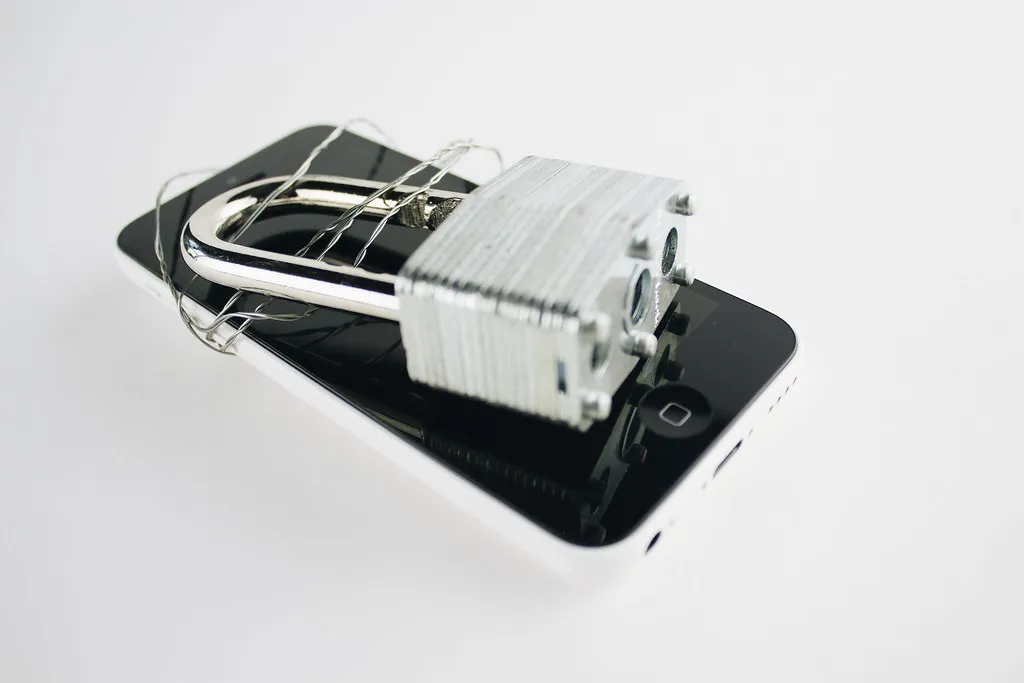
According to a Global Rescue survey, the most widely used method for preventing phone theft among experienced travelers is simply keeping the device hidden while in public, used by nearly half of those surveyed. Others use Face ID, fingerprint security, or complex passwords. A smaller group enables remote tracking and erasure features.
Proactive steps that security professionals recommend include setting a strong lock screen, using password managers, enabling multi-factor authentication, encrypting sensitive data, and regularly backing up data to a secure cloud. None of these are complicated. Most take less than ten minutes to set up before you board your flight.
If your phone is stolen while traveling, report it to local authorities immediately and file a police report. That documentation is essential for both potential device recovery and any insurance claims. Using a tracking tool like Apple’s Find My iPhone or Android’s Find My Device to remotely erase your data should be your next immediate step.
The Takeaway

None of these five countries should be removed from a travel wish list because of phone theft. Spain’s coastlines, Italy’s architecture, France’s culture, Brazil’s energy, and Thailand’s temples are genuinely extraordinary. The risk of phone theft is real, verifiable, and growing, but it’s also largely manageable with the right habits.
The more important shift is mental. For years, phone theft was treated as a simple property crime. That framing is dangerously outdated. A stolen phone is now a skeleton key to personal and corporate data, and organized crime knows exactly how to use it. Treating your device with the same care you’d give your passport is no longer overcautious. It’s just travel-smart.
Know the hotspots. Lock the screen. Keep the phone out of sight in crowds. And if the worst happens, act fast. The first few minutes after a theft determine almost everything about how much damage actually gets done.
AI Disclaimer: This article was created with the assistance of AI tools and reviewed by a human editor.