


There’s a particular kind of chaos that lives inside airports. Departure boards that refresh constantly, security lines that snake without warning, and the low hum of collective anxiety that fills every terminal. Even experienced travelers feel it. The good news is that what happens before you ever reach the airport can change everything about how you experience it.
A well-built morning ritual is one of the most quietly powerful tools a traveler can carry. It doesn’t require a lot of time, and it doesn’t demand perfection. It just asks you to start your day on your own terms, before the airport starts running it for you.
The Scale of Airport Anxiety Is Larger Than You Might Think

Air travel is, objectively, an extraordinary thing. You board a machine in one city and step off in another, sometimes across an ocean, sometimes just a few time zones away. Yet the experience of getting to and through an airport regularly strips people of their sense of calm.
According to a 2023 study reported by The Hill, roughly four in ten Americans report some level of anxiety when it comes to air travel. In raw numbers, about 25 million people in the U.S. experience some form of anxiety connected to flying. That’s not a niche problem. That’s a shared human experience.
Common triggers tend to include a fear of turbulence, crowded terminals, or the general uncertainty of travel. Travel industry surveys from Expedia in 2024 noted a 15 to 20 percent increase in reported flight anxiety in the post-pandemic period, suggesting that even returning travelers are navigating these feelings with less resilience than before. A structured morning ritual, it turns out, directly addresses the root of much of this stress.
Your Brain Is Wired to Crave Predictability

There’s a neurological reason why routine feels so reassuring on a travel day. When you follow predictable patterns, your brain’s anxiety control center, the amygdala, actually calms down, creating a sense of safety and control. This isn’t self-help philosophy. It’s how your nervous system is structured.
When you follow predictable patterns, the amygdala calms, and research shows that consistent morning routines significantly lower cortisol levels, your body’s primary stress hormone. The science is clear: your morning routine isn’t just about productivity, it’s about creating the neurological foundation for peak cognitive and emotional performance all day long.
A study published in the Journal of Neuroscience found that people who maintain consistent morning routines show increased activity in the prefrontal cortex, the brain’s command center for emotional regulation. For a traveler facing the unpredictability of airport life, this kind of mental preparation is not a luxury. It’s practical armor.
The Night Before Is Part of the Morning Ritual

A strong morning travel ritual actually begins the evening before. Packing your bag with intention, organizing your documents, and setting out what you’ll wear are all extensions of the same calming practice. Planning what to wear the night before can help save time, and when the clock is ticking and you have somewhere to be, the fear of a missing item can throw everything off.
Two nights before a long-haul flight, it helps to prioritize sleep as much as you do packing. Dimming screens and avoiding alcohol, which fragments rest even if it helps you fall asleep, makes a genuine difference. Treat pre-departure sleep as a travel essential, not an afterthought.
Prioritizing a nutritious diet, quality sleep, and necessary vaccinations at least one to two weeks before a trip effectively strengthens the body’s immunity against unfamiliar viral strains encountered during travel. The night-before routine isn’t just logistical. It’s the foundation of how you’ll feel at 5 a.m. when your alarm sounds.
Waking With Intention, Not With Urgency

The way you start your day plays a crucial role in setting the tone for your mental state, and taking time in the morning to center yourself can make a profound difference in how you navigate the rest of your day. On a travel morning, this couldn’t be more relevant.
The real magic of a grounded morning routine is that it lets you start your day with intention rather than letting the day run away from you. Rushing out the door in a panic immediately puts your nervous system into reactive mode, the worst possible state for navigating a busy terminal, a confusing security lane, or an unexpected gate change.
A thoughtfully crafted morning routine can serve as a foundation for better mental health, and by beginning your day with intention, you can create a sense of calm, clarity, and control that carries into your daily interactions and tasks. Give yourself that buffer time. Even twenty minutes of unhurried morning movement makes the airport feel less like a sprint and more like a walk you chose to take.
Breathwork: A Pocket-Sized Tool for Terminal Tension
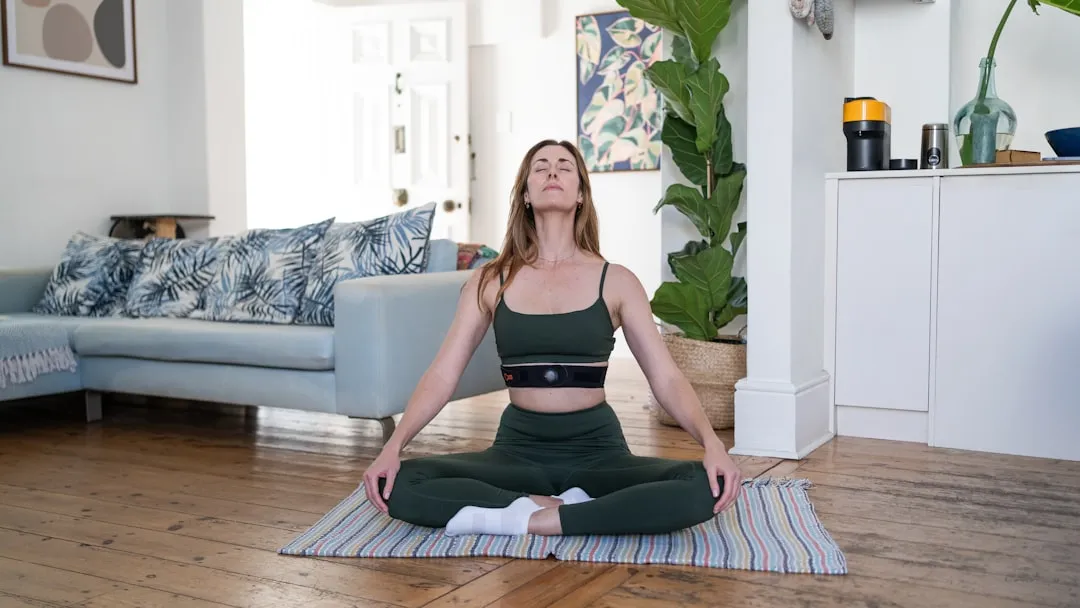
One of the most accessible elements of any morning ritual is controlled breathing, and its effects on stress are well-documented. Research indicates that slow, nasal, diaphragmatic breathing significantly improves vagal tone, parasympathetic activity, and emotional control, while reducing cortisol, anxiety, and stress.
Breathing-oriented approaches use either attention toward or active control of breath, and because the perception of body states is thought to be an integral component of emotion generation, these breathing techniques may be key in addressing the disconnect between the brain and body during anxious moments. A few minutes of slow, deliberate breathing before you leave for the airport is one of the simplest habits you can build into your travel morning.
The beauty of breathwork is that it travels with you. The theoretical basis for mindfulness includes its ability to regulate the hypothalamic-pituitary-adrenal axis, reducing cortisol release and thereby alleviating the physiological and psychological symptoms associated with stress and anxiety. Whether you practice it at your kitchen table or in a quiet corner of a departure lounge, the effect is real.
Hydration as a Non-Negotiable Morning Habit

It seems almost too simple, but hydration is one of the most commonly neglected aspects of travel preparation, and its impact on how you feel inside an airport is significant. Flight dehydration is one of the most underestimated stressors, and the low humidity inside a plane cabin is typically 10 to 20 percent, drier than most deserts.
Starting hydration loading two to three days before departure, prioritizing quality sleep, and packing a wellness carry-on are all part of smart pre-travel prep. Drinking water consistently in the hours before you arrive at the airport means you’re not playing catch-up once you board. Your body, and your mood, will thank you.
Key morning behaviors, such as hydration, physical activity, nutrition, and mindfulness, work synergistically to improve daily mental and emotional functioning. Think of your morning water glass not as a health trend but as a travel essential in exactly the same category as your passport.
Movement and Light Exposure Reset the Nervous System

Evidence shows that circadian-aligned morning routines support cognitive performance and mood regulation by stabilizing sleep-wake rhythms and neurobiological processes. Getting natural light exposure and gentle movement early in the morning is one of the most effective ways to stabilize your internal clock before a travel day.
Even a ten-minute walk outside before heading to the airport accomplishes something meaningful. Simple practices like mindful breathing, connecting with nature, and gentle movement create intentional calm before exploring new destinations. That calm doesn’t evaporate the moment you walk through the terminal doors. It stays with you.
Regular engagement in yoga and tai chi significantly decreases cortisol secretion, and mind-body exercises promote parasympathetic nervous system activation especially through breath-focused practices and slow movement. You don’t need a yoga studio. A few stretches and a short walk in the morning air are enough to shift your nervous system out of fight-or-flight before the airport has a chance to trigger it.
Organizing Documents and Essentials Reduces Decision Fatigue

One of the hidden stressors of airport travel is the sheer number of small decisions you have to make: which bag to grab, where your passport is, whether you packed the right charger. Each micro-decision draws on the same cognitive resources you need for navigating unfamiliar terminals and reading departure boards quickly.
Having all travel documents and essentials organized in advance is key to reducing last-minute panic, with more than half of surveyed travelers naming this as a central stress-management strategy. A morning ritual that includes a final document check, a consistent bag layout, and a calm departure sequence removes the friction that leads to that sinking feeling at security.
Creating an intentional morning routine can significantly boost mental health by reducing stress, improving mood, and building emotional resilience to carry you through the day with clarity and calm. The mental bandwidth you preserve through an organized morning is exactly what you’ll need when your gate changes twenty minutes before boarding.
Arriving Early as an Extension of Your Ritual
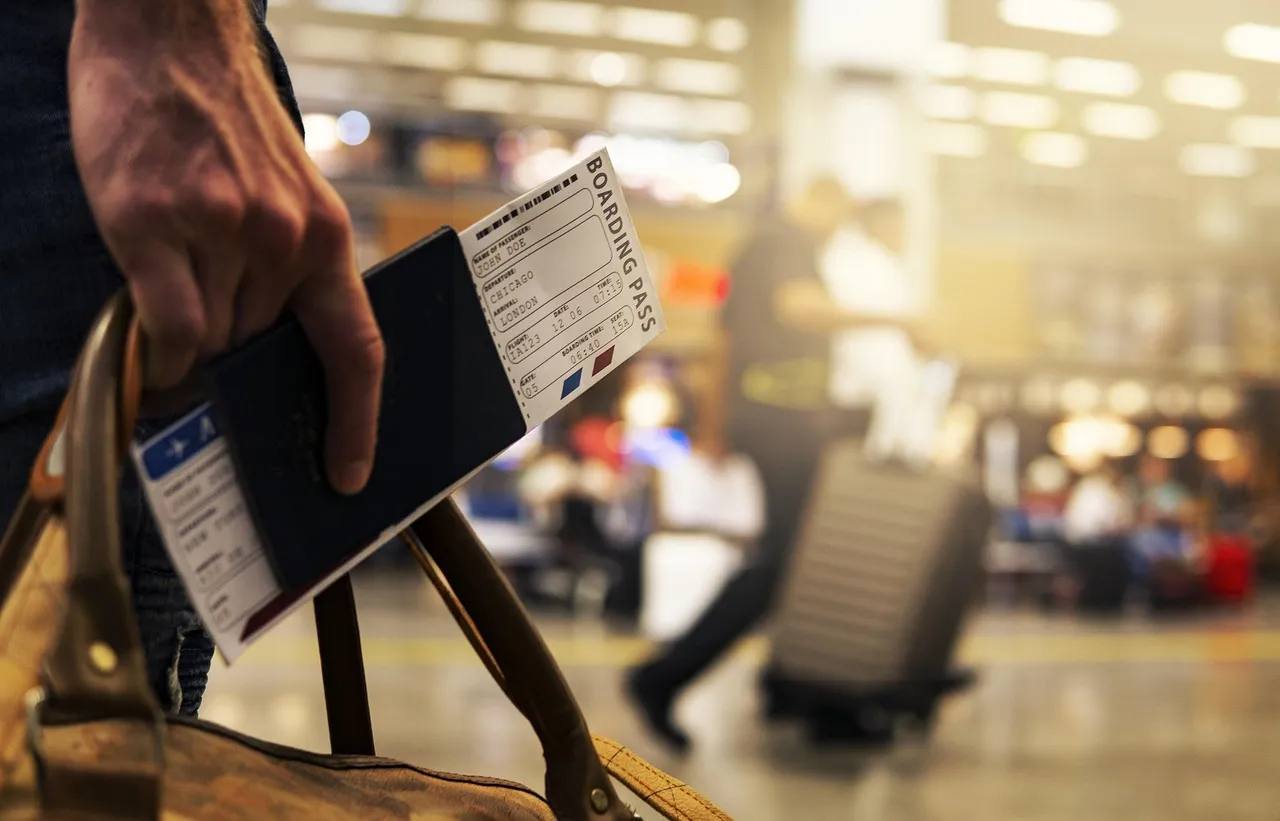
Arriving early at the airport is not just practical advice. When it becomes a consistent part of your travel routine, it transforms the airport experience entirely. Research data from airport surveys shows that around six in ten travelers say arriving early helps alleviate stress. That’s a remarkably high number, and it makes intuitive sense.
When you’ve built time into your morning to move slowly, eat a real meal, and check your essentials without rushing, arriving early becomes a natural outcome rather than a frantic scramble. Booking flights early and planning for longer layovers also lessens anxiety for many travelers. The extra time you buy yourself before a flight is essentially time you’re buying for your nervous system to stay regulated.
At Chicago O’Hare, ranked the most stressful airport in the U.S. for 2026, more than a quarter of flights run behind schedule, which means buffer time is not paranoia. It’s wisdom. A traveler who arrives early, feels prepared, and has started the day with intention is almost always the calmest person at the gate.
Consistency Is What Makes the Ritual Work

The real power of a morning travel ritual isn’t any single element within it. It’s the repetition. When you do the same calming sequence before every trip, your brain begins to associate that sequence with safety, readiness, and ease. The routine becomes its own signal.
Neural pathways work like well-worn trails through a forest. Each time you follow your morning routine, you’re strengthening these neural paths, making them more efficient and automatic, and studies show that established pathways reduce activity in the brain’s stress centers by up to 20 percent. The more you practice the ritual, the more powerful it becomes.
Whether it’s a few moments of mindfulness, light exercise, or a nutritious breakfast, small habits can help you feel more focused, less stressed, and better equipped to handle life’s challenges, and over time, these intentional practices can boost overall emotional resilience and mental clarity. That resilience is exactly what makes the difference between a traveler who unravels at a gate change and one who simply adjusts, checks the board, and finds a seat.
A Ritual Worth Keeping, Wherever You Land

Airports will always have their moments of chaos. Delays happen. Queues form. Weather does what it wants. None of that is within your control, and surrendering the illusion that it is can itself be a form of relief. What you can shape is the state you arrive in, and that begins long before you reach the terminal.
A morning ritual built around hydration, light movement, intentional breathing, organized essentials, and a calm departure is not a complicated prescription. It’s a simple acknowledgment that the way you start your day shapes everything that follows. The research on stress, cortisol, and neural predictability supports this clearly.
Travel is one of the most expansive, perspective-shifting things a person can do. The airport is just the doorway. Arrive there rested, prepared, and grounded, and you’ll find the door swings open far more easily than you expected.
AI Disclaimer: This article was created with the assistance of AI tools and reviewed by a human editor.