
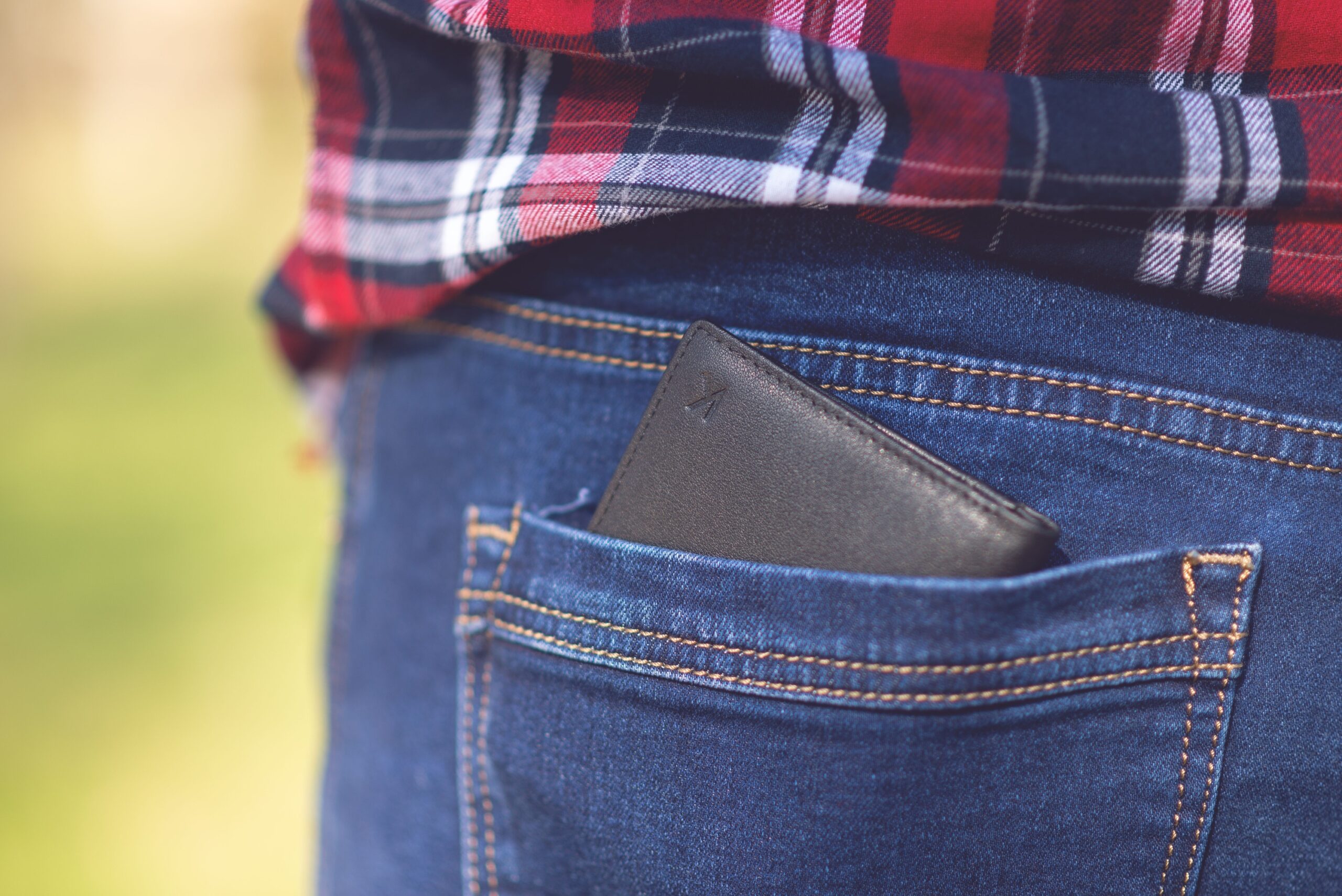

Most travelers spend days planning what to see and where to eat. Very few spend any real time thinking about what their bag is saying to the people watching them. Thieves, pickpockets, and opportunists read tourists the same way a good salesperson reads a room. Your luggage, your pockets, your jewelry, and even your body language are broadcasting information before you’ve spoken a single word.
The mistakes that make travelers vulnerable aren’t dramatic. They’re quiet, habitual, and almost universal. Understanding them doesn’t mean traveling in fear. It means traveling with awareness, which is a very different thing.
Using Brand-New, Flashy Luggage That Screams “Expensive”
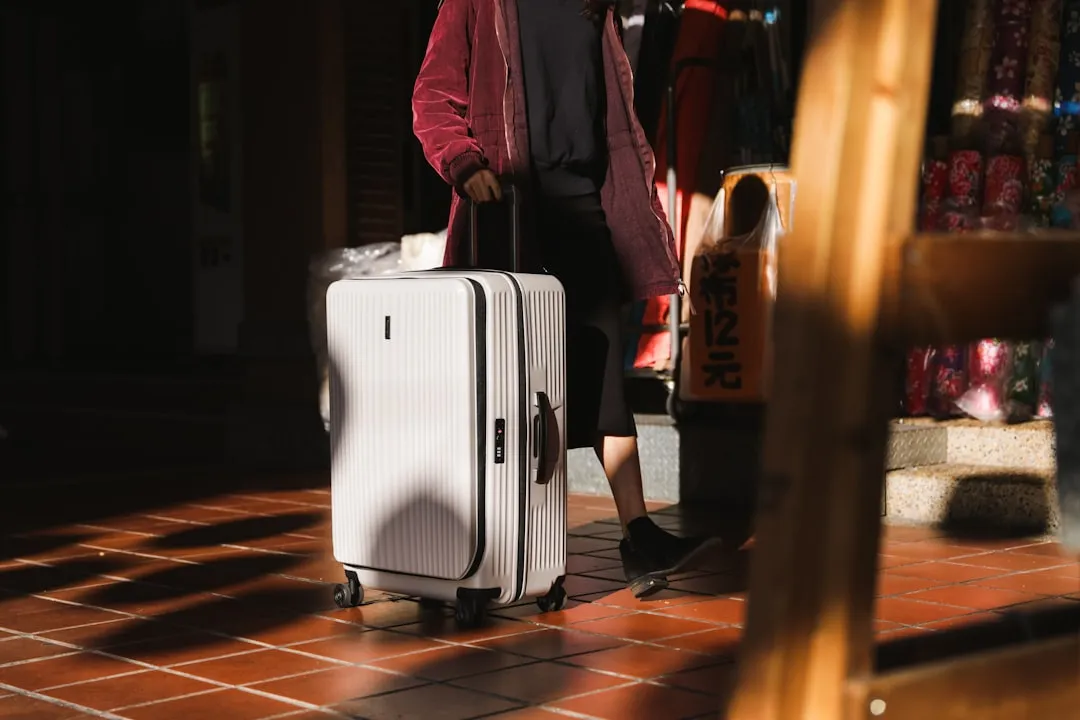
It’s not the contents of the bag that give it away to a thief, but what’s visible on the outside. A pristine, high-end suitcase rolling through a crowded train station is a quiet advertisement. With luggage theft rising, a simple mistake like using flashy or brand-new suitcases may signal valuables inside.
Experts advise blending in with ordinary, worn-looking luggage to reduce the risk of theft while traveling. This isn’t about buying cheap gear. It’s about not letting your bag stand out from the crowd. A scuffed, modest-looking case is far less interesting to a thief scanning a baggage carousel than a gleaming designer alternative.
Packing Valuables in Checked Luggage
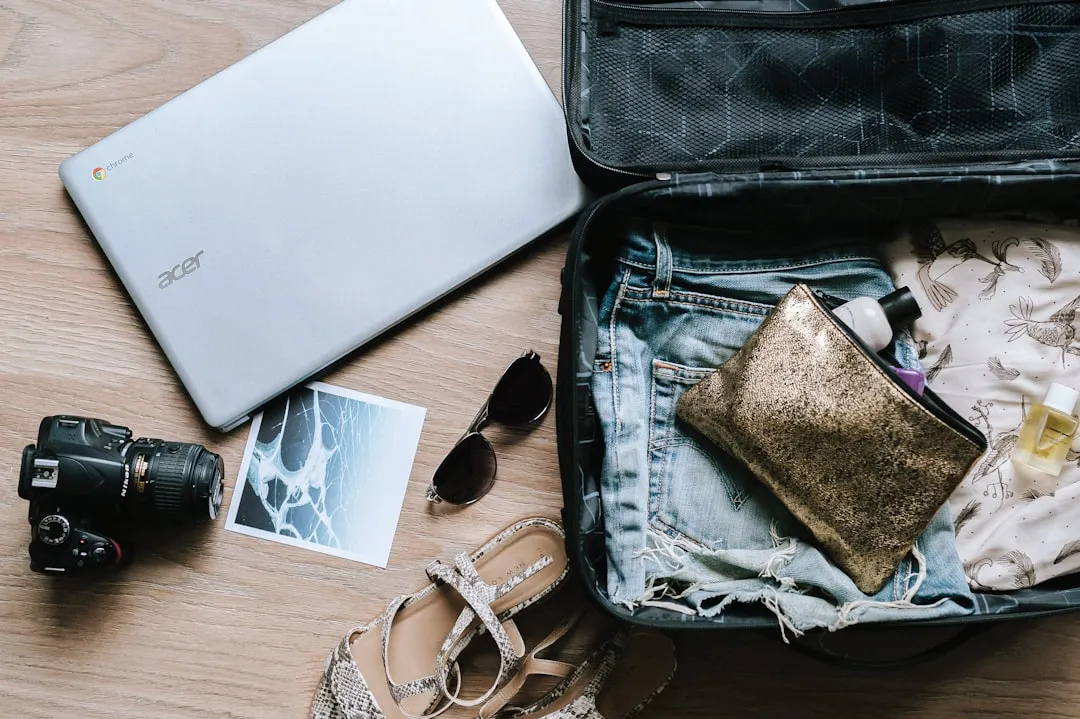
Once a bag is checked, control over its contents disappears. Airlines limit compensation for lost or damaged luggage, and high-value items often fall outside coverage. Jewelry, electronics, and important documents left inside a checked bag are effectively out of your hands for hours at a time.
Traveling with jewelry in your checked luggage has a much higher likelihood of loss or theft. The same principle applies to passports, extra cash, and any device with sensitive personal data. Keep what matters most in your carry-on, where it stays within your sight.
Wearing Fine Jewelry That Catches the Wrong Kind of Attention

A survey conducted by Jewelers Mutual Insurance Group found that roughly one in five travelers experienced a loss or theft of fine jewelry, with only one percent of them recovering the lost item. That’s a sobering figure. The real problem is that most travelers don’t consider the risk before they pack their most treasured pieces.
In 2025, authorities in Italy, Spain, and France dismantled a luxury theft network in Ibiza where two organizers directed street thieves remotely, showing how professional and cross-border these operations have become. It is always safest to leave valuable jewelry at home in secure storage and travel with travel jewelry instead. Wearing understated pieces that you wouldn’t miss if lost is a practical and entirely reasonable approach.
Keeping Your Wallet or Phone in a Back Pocket
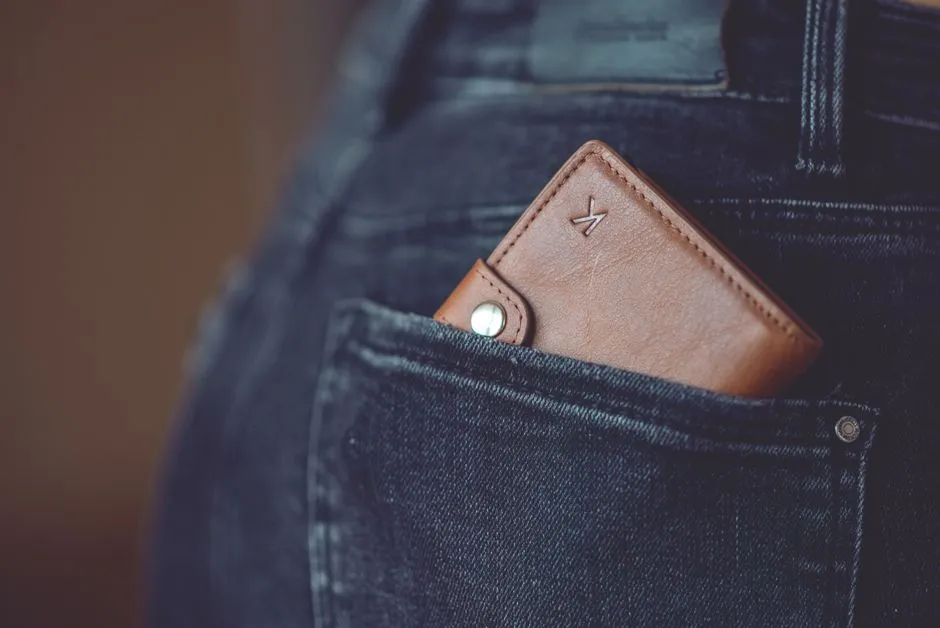
Pickpockets thrive in crowded spaces where tourists go, and their favorite maneuver is distraction, like bumping into someone or spilling coffee. A wallet sitting in a back pocket in that environment might as well be gift-wrapped. The distraction takes two seconds. The theft takes one.
According to a 2025 study by Radical Storage analyzing over 13,000 tourist reviews, Paris ranks first globally, accounting for roughly one in six of all theft-related mentions. In Rome, pickpocketing incidents surged to 33,455 cases in 2024, marking a dramatic increase. Front pockets, money belts, and cross-body bags with zippers facing inward are all meaningful upgrades over a back pocket in these environments.
Overpacking Until Your Bag Controls You
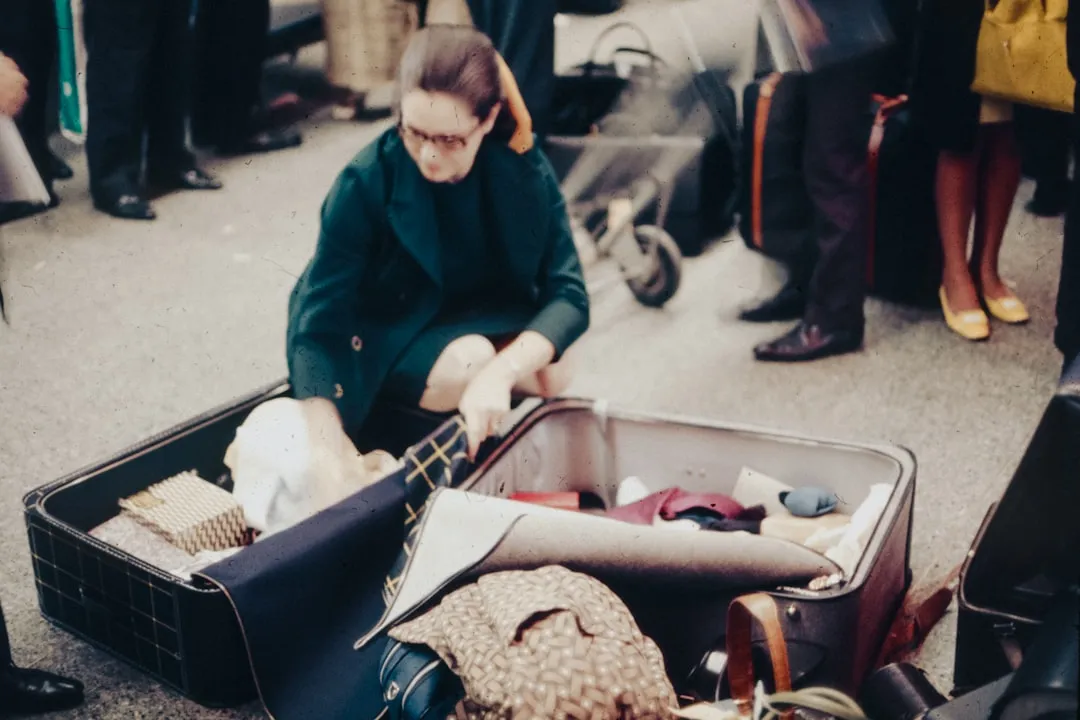
According to the Global Rescue Traveler Sentiment and Safety Survey, overpacking consistently tops the list of traveler mistakes, with nearly one in three respondents admitting they brought too much luggage. The safety dimension here is often missed entirely. A heavy, overstuffed bag slows you down, distracts your attention, and limits your ability to react quickly in crowded or unfamiliar spaces.
Experts say anxiety, attachment to home, and fear of being unprepared fuel overpacking habits. Overpacking creates stress through heavier bags, airline fees, delays, and more to manage during travel. When you’re wrestling with too much luggage at a metro station or a busy market, you become exactly the kind of distracted, flustered target that opportunists watch for.
Displaying Expensive Electronics Carelessly

Travelers are big targets for identity theft because of all the information and devices they constantly carry around. A laptop open on a café table, a phone balanced on a restaurant ledge, or a camera strap swinging loosely while you photograph a monument are all common sights, and common vulnerabilities.
Many data breaches happen when laptops, phones, or tablets are stolen or lost. This is called a physical breach, and the amount of information involved can be massive. Beyond the cost of replacing the device, the personal and financial data stored on it can cause damage that lasts well beyond the trip itself. Keep devices secured, not displayed.
Not Knowing That Seasonal Crowds Spike Theft Risk

In Barcelona, pickpocket rates spike considerably during July and August when tourist density triples, according to local police reports from 2024. Peak travel season and peak theft season are the same season. This overlap is predictable, well-documented, and still surprises most travelers when it catches them off guard.
The European Pickpocketing Index 2024 shows that, by mentions of pickpocketing per million visitors, the leaders are Italy, France, Spain, Germany, and the Netherlands. Knowing your destination’s risk profile before you arrive allows you to pack and plan with greater intention, choosing anti-theft bags, adjusting what jewelry you bring, and staying more alert in high-traffic zones.
Ignoring the Risk of Transportation Hubs

Pickpockets not only target tourist attractions and public spaces that attract visitors, but also linger around transportation hubs, looking for those who seem unfamiliar with local trains, buses, or subways. Airports, train stations, and busy metro platforms are particularly high-risk moments because travelers are almost always distracted, managing bags, checking phones, looking for gates.
The U.S. State Department’s May 2025 advisory warned that pickpocketing and phone theft are common in crowded areas, while about 2,000 American travelers report their passports stolen or lost in Paris each year. Keeping your passport and travel documents in a secure inner pocket or money belt, especially during transit, is one of the simplest and most effective precautions available.
Putting Your Home Address on an External Luggage Tag
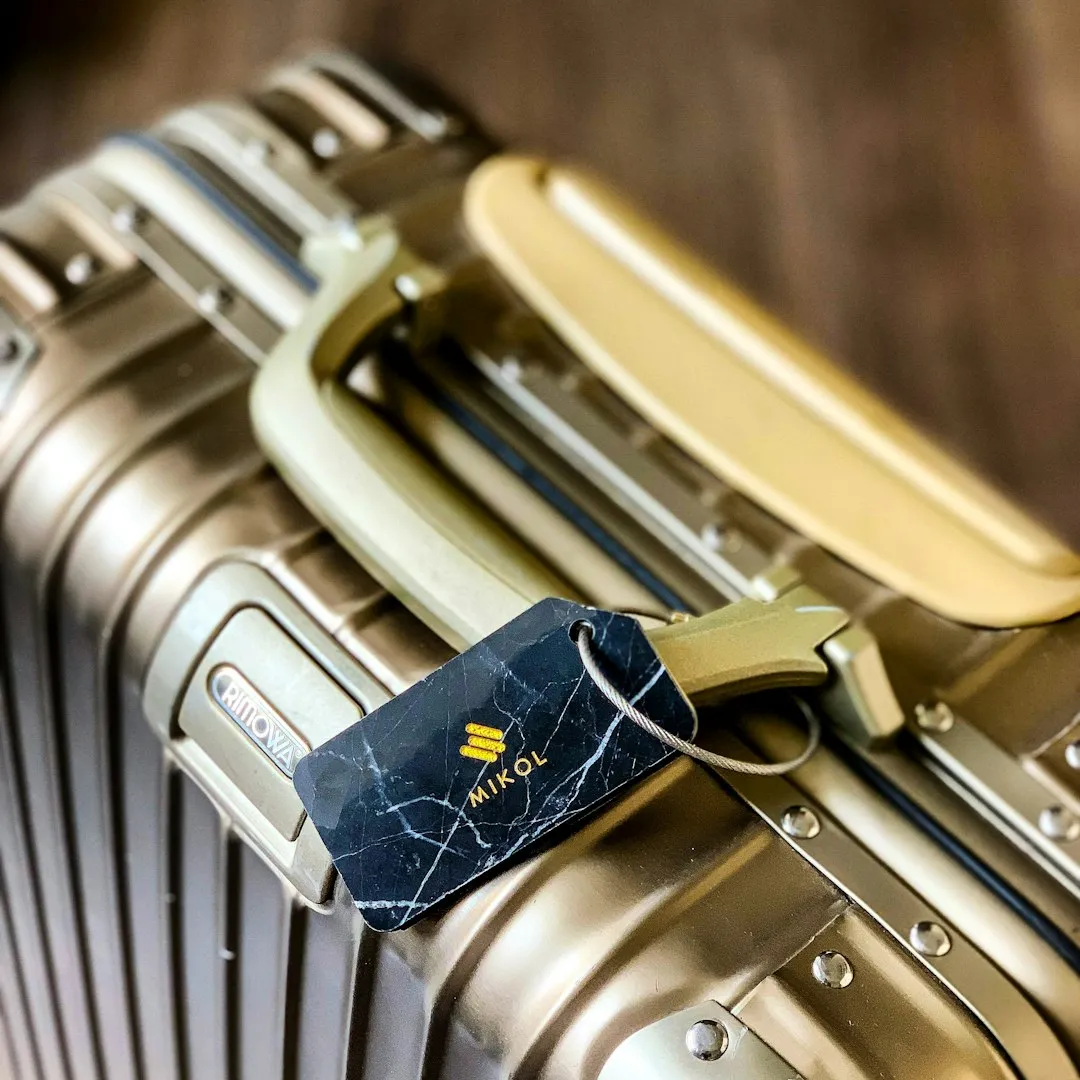
Most travelers attach a luggage tag with their full home address printed in clear view. The intention is practical. The result, however, is that anyone who handles or observes your bag now knows your home is unoccupied for the duration of your trip. This is a detail that organized theft networks have been known to exploit, particularly in regions where baggage handling involves multiple strangers.
A simple fix is to use your email address and phone number on your luggage tag instead of a street address. Alternatively, use a tag with a flap that conceals the details from casual view. Once a bag is checked, control over its contents disappears, but you can still control what information is visible on the outside of it from the moment you leave home.
Trusting That It Won’t Happen to You
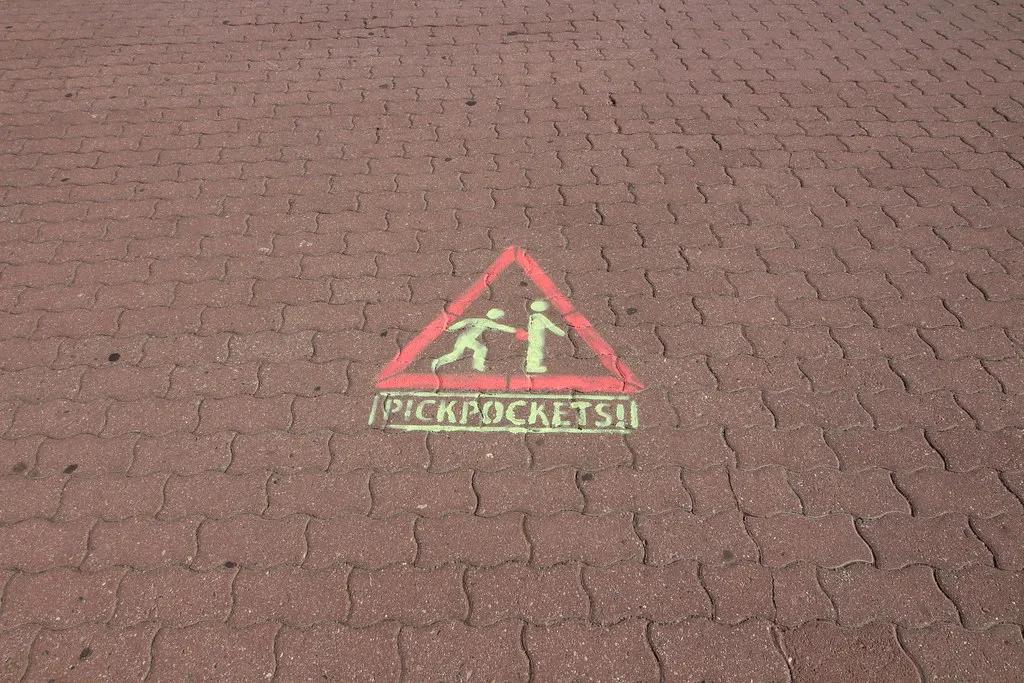
Every year, millions of travelers lose valuables to thieves who understand something most of us don’t: our brains are predictable, especially when we’re out of our element. Tourists walk around with a unique combination of distraction, excitement, and vulnerability that creates the perfect storm for theft. Overconfidence is genuinely one of the most common vulnerabilities.
Pickpocketing is the most common crime against tourists: it’s easy to commit in crowds and often goes unreported. Bangkok has officially been ranked the world’s number one pickpocket and scam hotspot for 2025, with the Grand Palace receiving more mentions of scams and theft in visitor reviews than any other destination globally. The geography changes, but the pattern doesn’t. Awareness is not paranoia. It’s simply the most underrated item you can bring on any trip.
The Takeaway
None of these mistakes require dramatic solutions. Most of them are corrected with small, deliberate choices made before you leave home. Swap the conspicuous luggage for something understated. Move your wallet to a front pocket. Leave the heirloom ring in a secure drawer at home. Pay attention at train stations.
Responsible travel includes looking after yourself well enough to actually enjoy where you are. The goal isn’t to pack in fear. It’s to pack thoughtfully, so that the only thing anyone takes from your journey is inspiration.
AI Disclaimer: This article was created with the assistance of AI tools and reviewed by a human editor.