
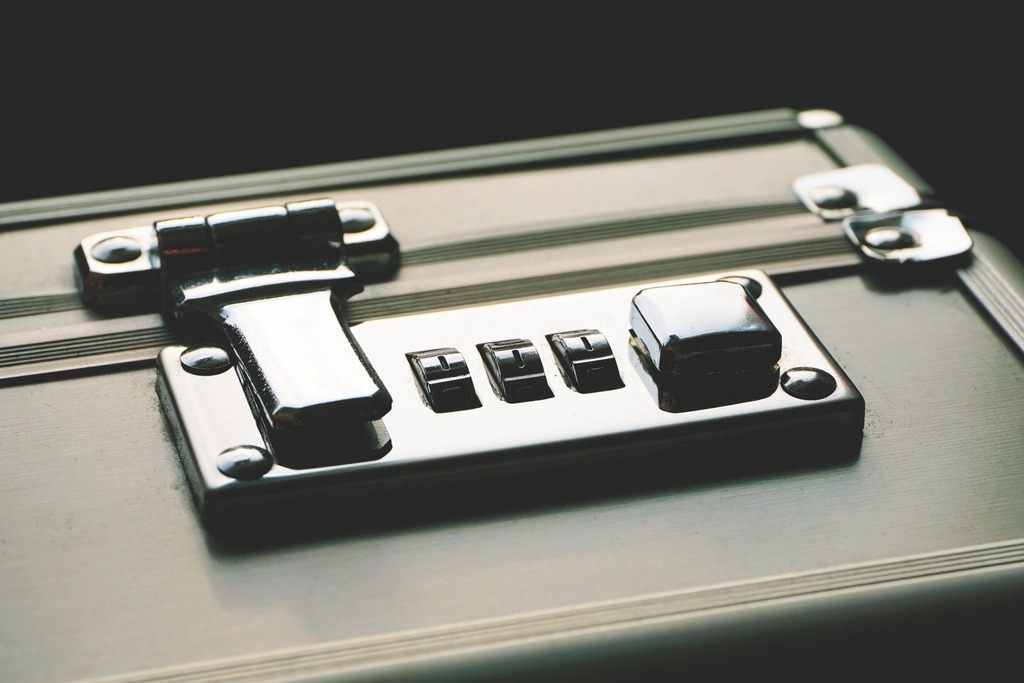

Most travelers clip a lock onto their suitcase zipper and feel a quiet sense of relief. It feels responsible. It looks secure. The problem is that this ritual of security theater has a gap wide enough for a practiced thief to exploit in under ten seconds, without damaging the lock or leaving a single trace of entry.
The reassurance that a luggage lock provides isn’t entirely imaginary. It does deter opportunistic, impatient thieves. But the specific vulnerabilities that most locks carry are poorly understood by the vast majority of travelers, and that gap in knowledge is exactly what makes them a target.
The Pen Trick That Bypasses Every Zipper Lock Instantly
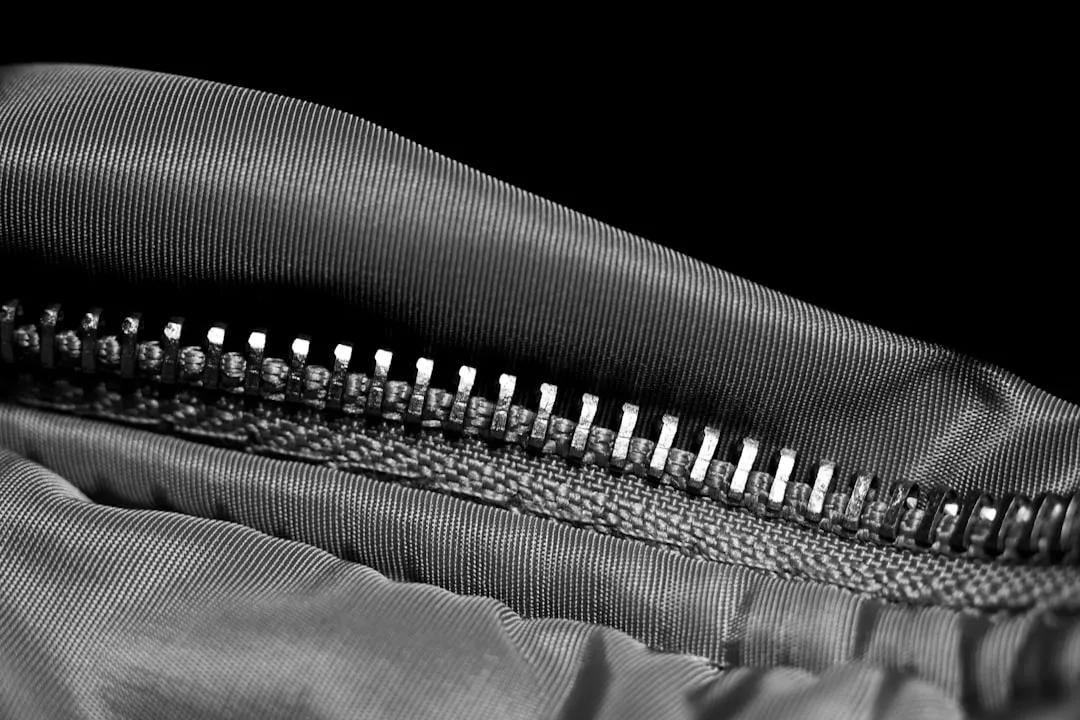
A common ballpoint pen can bypass even the most robust luggage locks in mere seconds. Criminals exploit a simple mechanical flaw by inserting the pen’s tip between the zipper teeth and gently dislodging them. The lock itself never gets touched. It just becomes irrelevant.
Most suitcase zippers are vulnerable to this pen trick. The thief can rummage through the bag and then slide the zipper pulls back over the gap to reseal it, leaving no sign of entry. You collect your bag at baggage claim, the lock is exactly where you left it, and you don’t discover the loss until you’re at the hotel.
As demonstrated publicly by a TSA agent in a widely shared video, the sharp tip of a pen is all a thief needs to stab through the zipper material and slice it open, completely bypassing TSA locks. This type of theft can happen at any point in the journey, while luggage is with baggage handlers, while it sits on the carousel, or even in an overhead bin.
TSA Master Keys Have Been Compromised
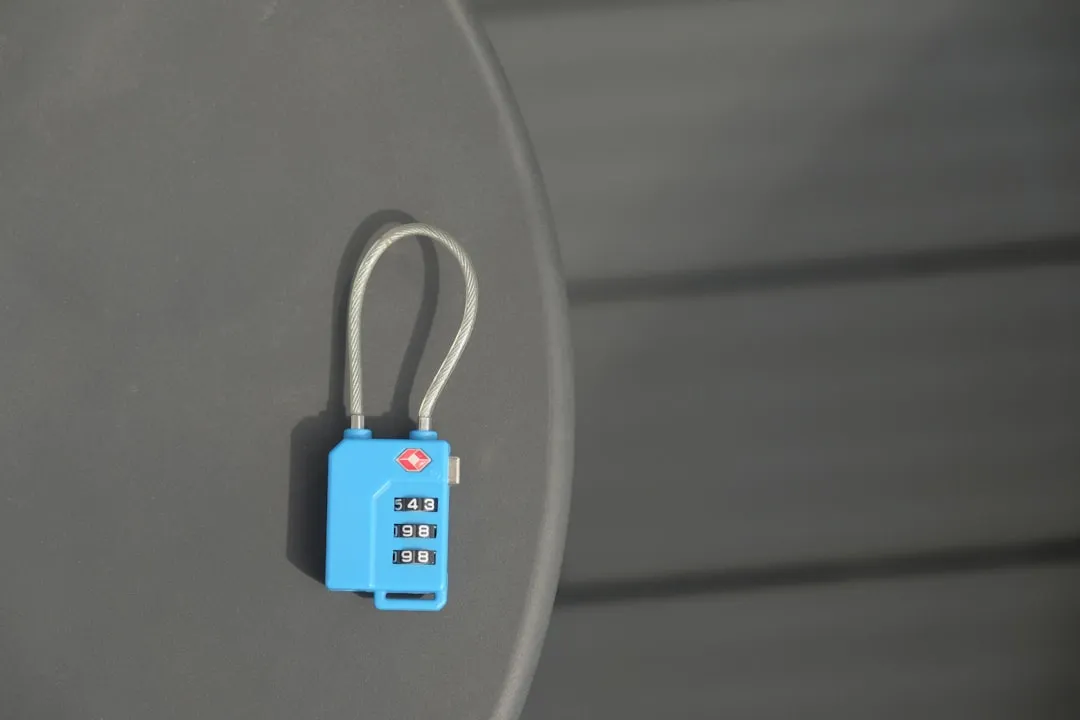
TSA master keys have made their way onto the internet, which means that all TSA-approved locks are potentially insecure. This has posed serious new problems for airport security teams and left travelers more at risk than ever before.
The universal keys used by TSA agents to access these locks have been leaked and are readily available online. With a 3D printer and access to those designs, anyone can open TSA-approved locks and completely compromise a piece of luggage. This is not a theoretical risk. The files are publicly accessible.
While it’s common knowledge to locksport enthusiasts how weak TSA-approved locks are, the average traveler is mostly unaware of it. That information asymmetry is exactly what makes the mistake so persistent and so costly.
Combination Locks Are Easier to Crack Than Most People Realize
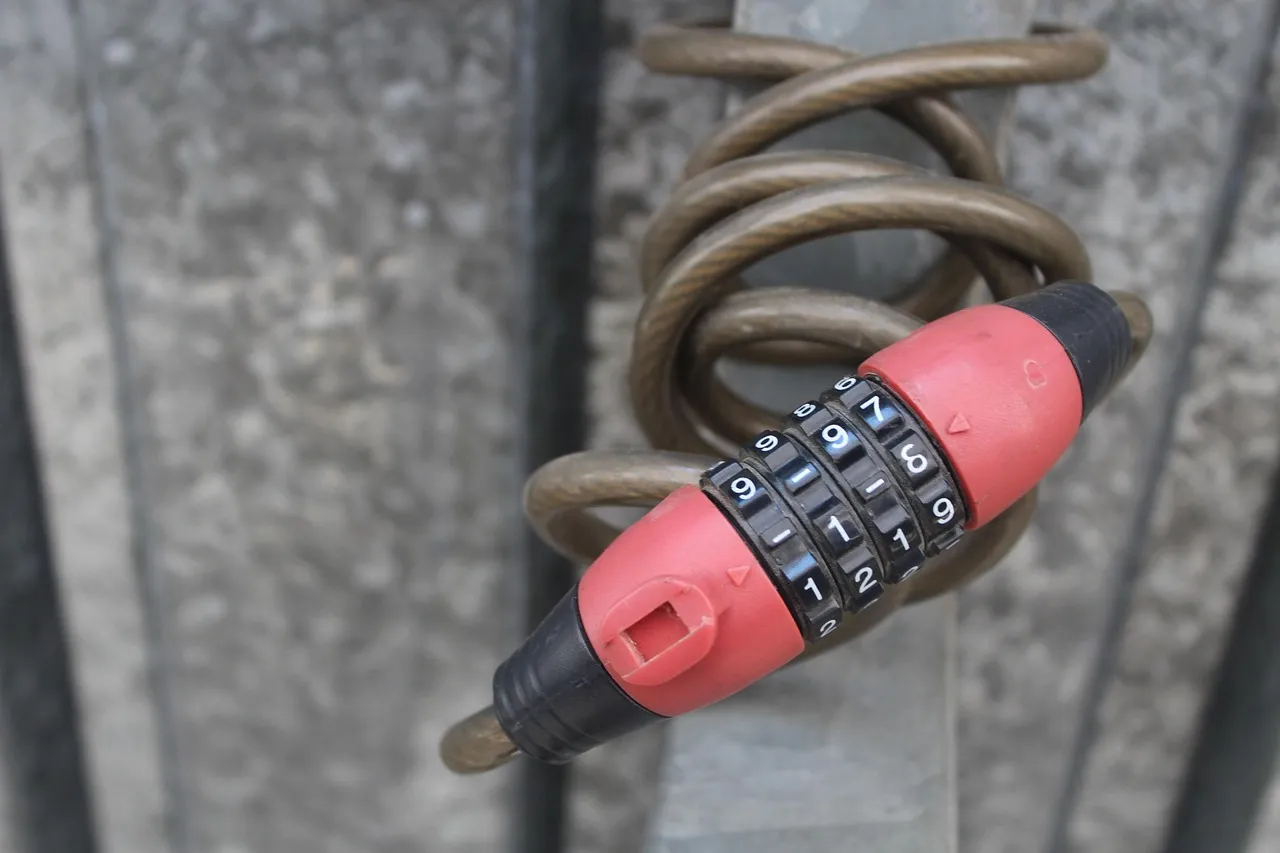
Combination locks are surprisingly easy to tamper with. Many can be opened with only simple tools or by feeling the subtle clicks in the lock mechanism as the dial turns. Videos and tutorials available online even show step-by-step instructions for picking open these locks, making them unreliable for serious security.
Combination locks avoid the hassle of keys but can be cracked with time or skill. Key locks are straightforward but vulnerable if duplicate keys exist. Cable locks add flexibility by securing multiple zippers together but can be cut quickly with bolt cutters. Each lock type has its own failure point.
Thieves Know That Locks Signal Valuables
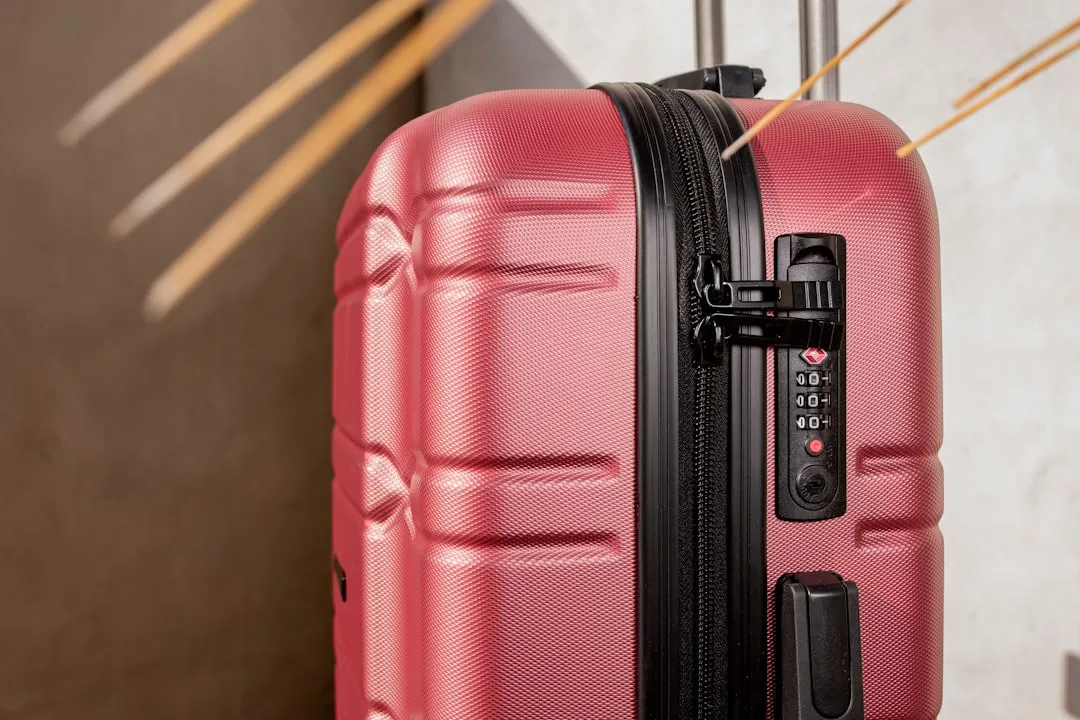
Some thieves may actually be attracted to a suitcase that has a lock on it, because they view it as a sign that there is something extra valuable on the inside. The very act of locking luggage can function as an advertisement to the wrong kind of person.
The psychology at play is unsettling. A zippered suitcase with a visible lock practically signals that something valuable is worth protecting, and that visual cue alone makes the luggage a prime target. Thieves working busy airports scan for exactly these cues.
The vulnerability begins the moment a traveler arrives at the airport. Professional thieves stalk departure areas specifically to identify high-value targets based on their gear and behavior. A shiny combination lock on a premium suitcase is the kind of detail they notice.
Theft by Airport Employees Is the More Likely Scenario
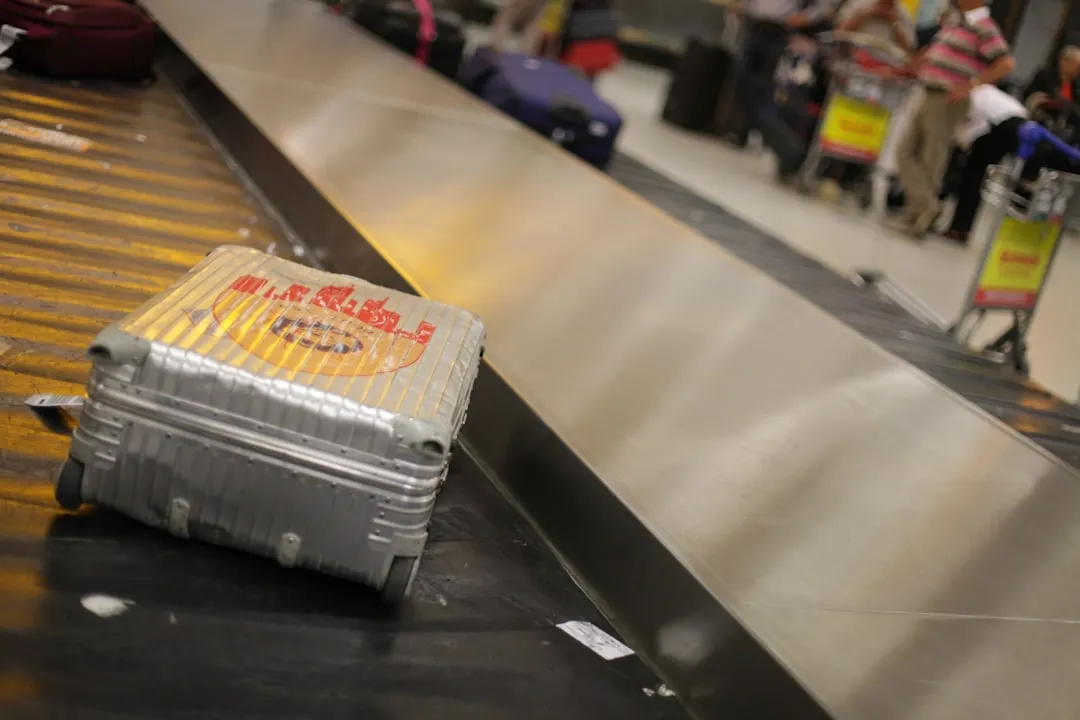
After luggage is checked in and handed off to airport and TSA employees, there is no effective way for the passenger to guard against theft. The data suggests that theft by employees is more likely than theft by other people.
Theft from luggage requires time, because the thief needs to open the bag and search for valuables. As a result, this kind of theft usually occurs in restricted areas where the criminal can get some privacy. That is precisely the environment behind the check-in belt, away from any traveler oversight.
Damaged or pilfered luggage accounts for roughly one in five mishandled bags globally, while permanently lost or stolen bags represent about eight percent of mishandled baggage worldwide. SITA estimates that baggage mishandling costs the global aviation industry approximately five billion dollars annually. Reports of pilfering by baggage handlers, airport workers, and ground staff continue to raise concerns in several countries.
The Scale of the Problem Is Bigger Than Official Numbers Suggest
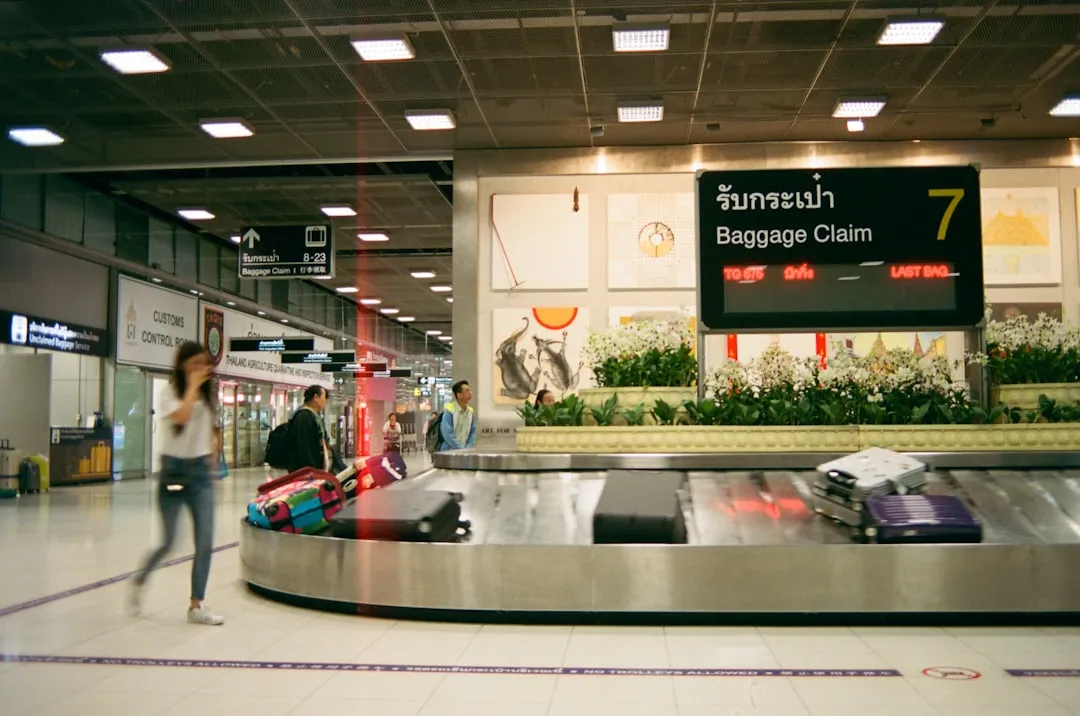
Adequate data about airport theft is often hard to find. Luggage theft falls into the mishandled luggage category, which also encompasses damaged, lost, and delayed bags. That grouping makes it difficult to isolate the actual theft figure.
In 2024, the global mishandled baggage rate was 6.3 bags per 1,000 passengers, representing roughly 33.4 million mishandled bags, despite global passenger traffic reaching a record 5.3 billion travelers. Even a small theft percentage of that total represents an enormous number of affected travelers.
Many passengers may not even report theft when it happens, or they may not realize it on time, or they may simply assume they misplaced the missing item themselves. The real volume of luggage theft is almost certainly higher than any publicly available statistic reflects.
Non-TSA Locks Cause a Different Problem at Security
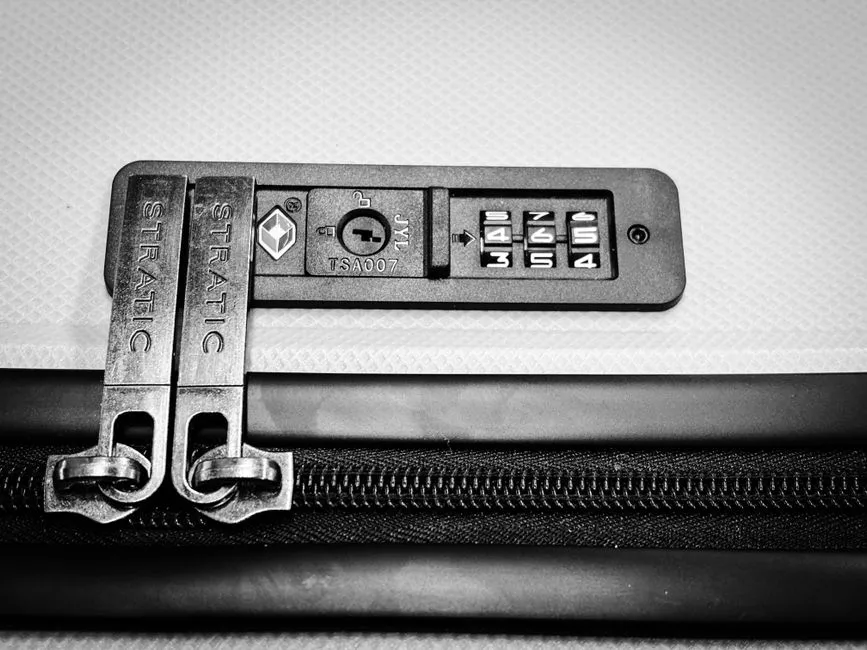
When TSA agents need to inspect luggage, they can unlock and relock a TSA-approved lock using a master key. This prevents forced entry and keeps the suitcase intact. That sounds ideal, but the compromise of those master keys complicates the picture significantly.
If a passenger is no longer near their luggage when the bag is checked, there is no one available to provide the key or combination for access. In those instances, the lock may need to be destroyed so that security agents can access the luggage. A cut lock is money wasted and a bag left unsecured for the remainder of the journey.
Your Suitcase Shell Matters More Than Your Lock
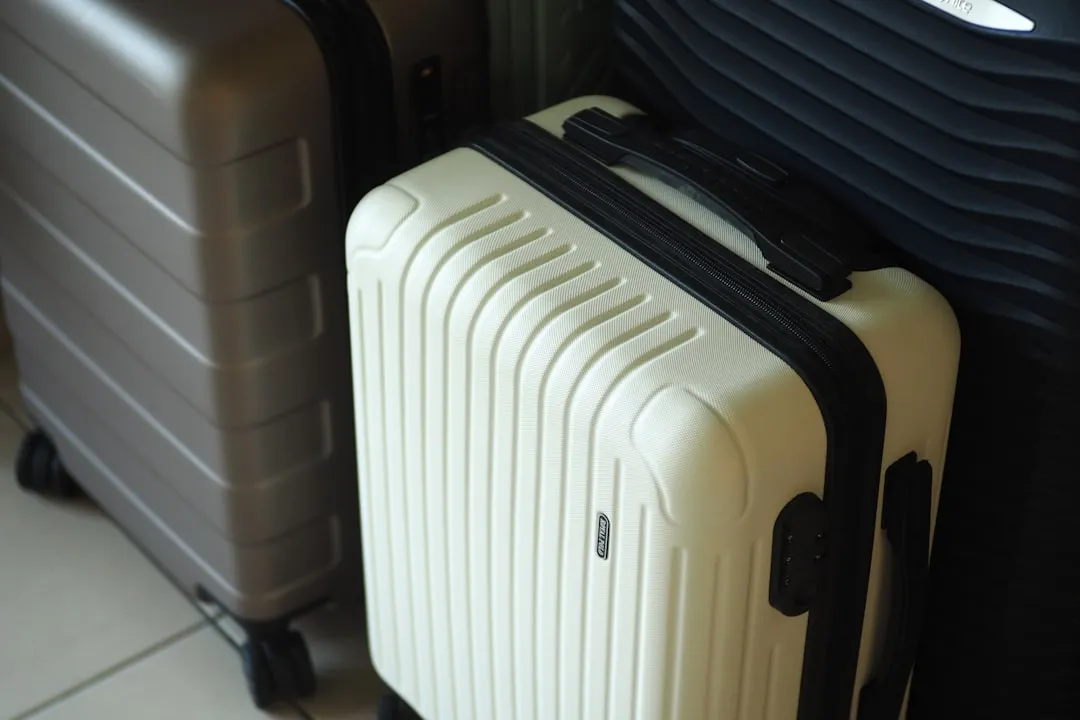
Hard-shell suitcases with multi-point locking mechanisms offer significantly greater protection. Supplementing existing luggage with adjustable steel strap locks can create an additional, visible deterrent. The deterrent effect of these measures is real, even if they are not entirely foolproof.
Determined thieves can still break a lock or puncture a zipper if given the chance. The clearest advice for protecting genuinely valuable items is to avoid packing them in checked luggage entirely and keep them in a carry-on for maximum safety.
Zipper-less luggage is secured using a TSA-approved passcode lock built into the frame, with no external zipper access points at all. The seams are secured with durable multi-point latches, making this style of case significantly harder to breach through casual tampering.
The Growing Market for Anti-Theft Luggage Reflects Growing Awareness
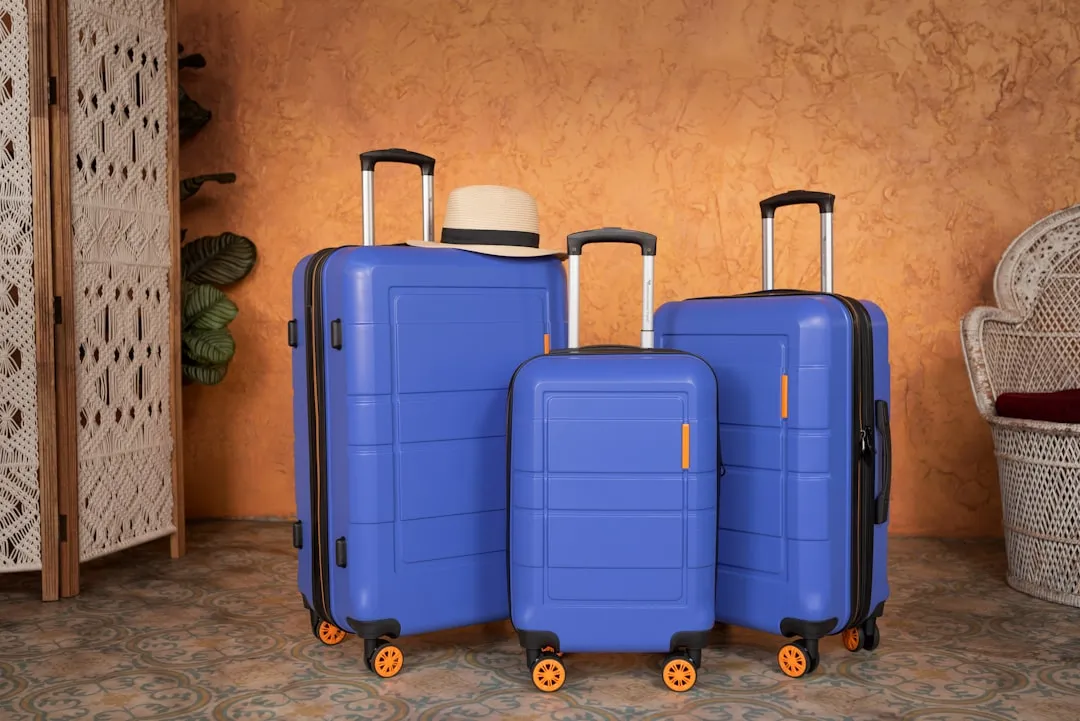
The global anti-theft luggage market was valued at roughly four billion dollars in 2023 and is projected to reach nearly eight billion dollars by 2032, expanding at a compound annual growth rate of 7.5 percent. That sustained growth reflects how seriously travelers are now taking the issue.
The market surpassed 46 billion dollars in 2024, with the broader anti-theft segment growing alongside rising global travel volumes. The demand signals that more people are moving beyond the false comfort of a standard combination lock and looking for structural solutions.
Smarter Habits That Actually Reduce Your Risk
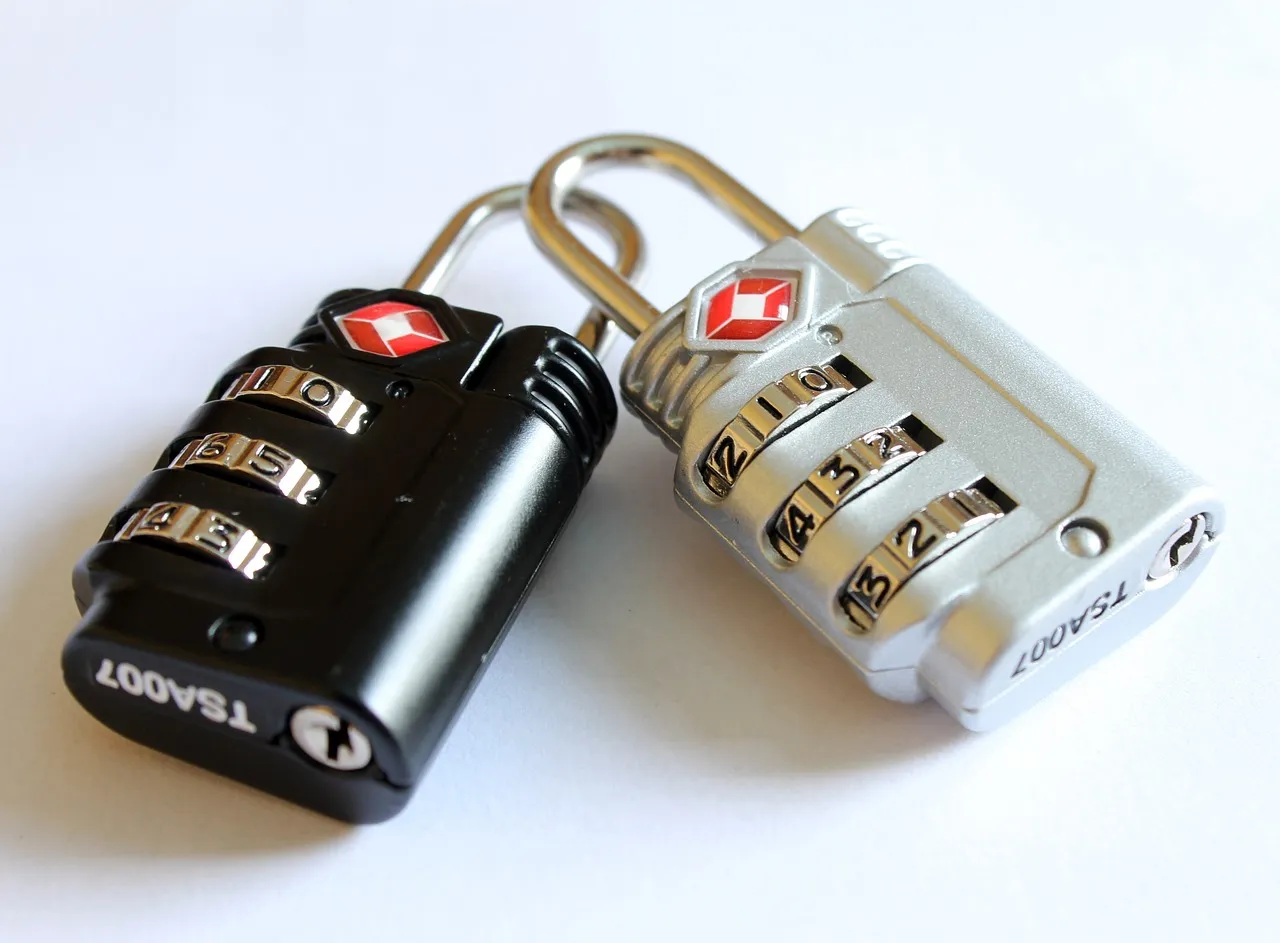
High-theft environments like busy international airports require layered security tactics. Using lockable, slash-resistant luggage and keeping valuables in inner compartments can meaningfully reduce risk. No single measure eliminates the threat on its own.
Locks can still discourage casual thieves looking for the easiest available target, and they help keep luggage closed to prevent accidental spillage. Used alongside hard-sided luggage or tamper-evident straps, they form part of a more robust layered defense. The keyword is “layered.” A single padlock is not a strategy.
Luggage theft remains one of the more common hassles travelers face, especially in busy airports, train stations, and hotel lobbies. Approximately 5,000 luggage theft incidents were reported at major U.S. airports alone in 2025. Common scenarios include unattended bags at crowded terminals, grab-and-run thefts in transit hubs, and tampering during baggage handling. Staying aware of your surroundings in these spaces is one of the most effective and underrated forms of protection.
What Responsible Packing Actually Looks Like
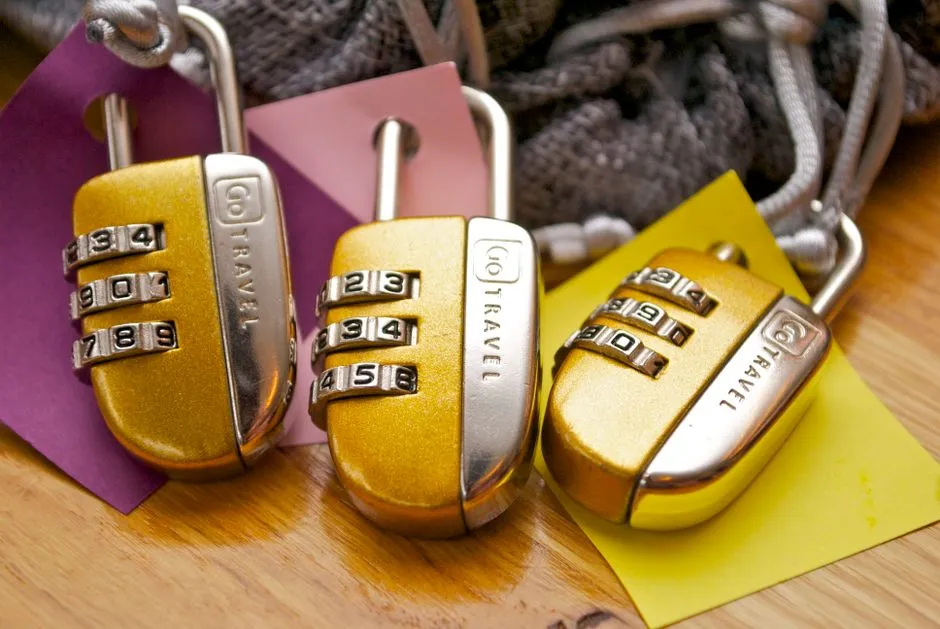
The honest answer is that no lock will turn a soft-sided zippered suitcase into a vault. The pen trick alone demonstrates that the security of standard travel luggage rests on a mechanical assumption that stops holding true the moment someone decides to test it.
Practical protection looks like this: keep genuinely irreplaceable or high-value items in your carry-on, choose hard-sided luggage when checking bags, consider zipper-less designs for long or high-risk routes, and use tamper-evident wrapping or straps as a visible deterrent. A TSA lock is still worth using, because deterring the casual opportunist is meaningful. Just don’t mistake the click of a combination dial for actual security.
The travelers who tend to arrive with everything intact are the ones who understood early on that a luggage lock is a signal, not a solution. Building habits around structural protection and careful packing is what genuinely keeps belongings safe, and that shift in thinking costs nothing at all.
AI Disclaimer: This article was created with the assistance of AI tools and reviewed by a human editor.