
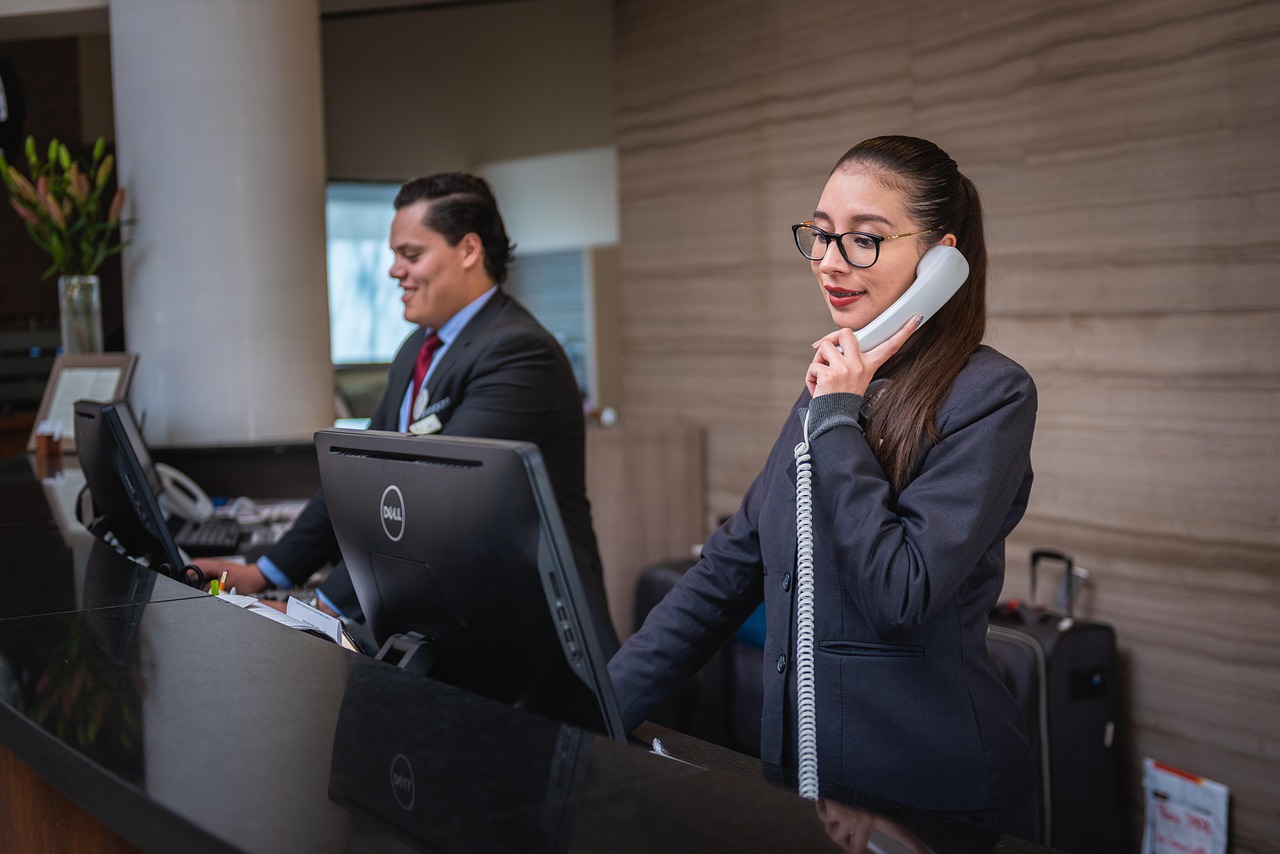

There’s a moment in nearly every hotel lobby that experienced concierge staff recognize immediately. A traveler leans across the desk, voice slightly louder than needed, and asks something that quietly reveals far more than they intend. That single question can signal nervousness, inexperience, or a surprising degree of vulnerability to anyone within earshot who isn’t hotel staff.
Travel crime is not a fringe concern. The FTC recorded $274 million in losses from travel, vacation, and timeshare scams in 2024 alone. Meanwhile, according to a European Union Agency for Fundamental Rights report published in June 2024, pickpocket incidents affected nearly one in five travelers in major European cities. The hotel lobby, it turns out, is not always a safe haven. Here’s what seasoned hospitality professionals quietly observe, and what every traveler should understand before they open their mouth at the front desk.
The Question That Gives Everything Away

The single question that most reliably signals a vulnerable traveler, according to experienced front desk staff, is some version of: “Is this neighborhood safe?” or “Where should I avoid going?” Asked aloud in a busy lobby, this instantly broadcasts that the guest is unfamiliar with the area, likely a first-time visitor, and possibly traveling alone. It’s not a bad question to ask in private, but doing so publicly is a different matter entirely.
Scammers and street criminals specifically target travelers at their most disoriented moment, right after arrival, when they’re dealing with language barriers, foreign signage, and a natural drop in mental alertness after hours of transit. Announcing your unfamiliarity in a crowded lobby effectively hands that information to anyone listening.
“Where Are You Traveling Alone?” – The Solo Traveler Signal
A close second is any variation of loudly confirming you’re traveling solo. Mentioning that you’re alone, that nobody is expecting you until tomorrow, or that you haven’t told anyone your specific plans yet creates a profile that bad actors actively scan for.
Solo travelers, especially those aged 21 to 37, often carry smaller bags and keep smartphones in hand, making them easier targets. Confirming your solitude verbally at a hotel desk compounds the risk significantly. When traveling for business or pleasure, it’s important to always be conscious of the fact that hotels are targets for criminals, and the mentally unstable alike.
Asking About “How Much Cash You’ll Need”

Asking the concierge how much cash to carry for the day seems practical enough. In the wrong context, though, it signals that you’re likely carrying a meaningful amount on you right now, or plan to soon. It also subtly reveals your budget range and spending habits to whoever is nearby.
Pickpockets assume that tourists carry lots of cash and that they are sufficiently preoccupied with their unfamiliar surroundings to be vulnerable. Volunteering financial cues at the front desk essentially confirms what opportunistic criminals already assume. Use the hotel phone or app to ask sensitive questions privately whenever possible.
The “Is My Room Number Safe to Share?” Trap
Some travelers, trying to be helpful, openly repeat or confirm their room number while asking for assistance. Experienced hotel security professionals take a very different approach. Some security-conscious travelers write down their name and phone number and hand it to staff with their reservation printout, specifically so that hotel staff keep the conversation to a minimum and avoid revealing personal information out loud.
Face-to-face check-in conversations are a crucial part of hotel safety and security, and in-person interaction has the power to deter a terrible or dangerous situation – but the concierge staff can only do so much if a guest is already broadcasting sensitive details. Your room number is not something that should travel across a lobby in a normal speaking voice.
Real-Time Social Media Check-Ins at the Desk
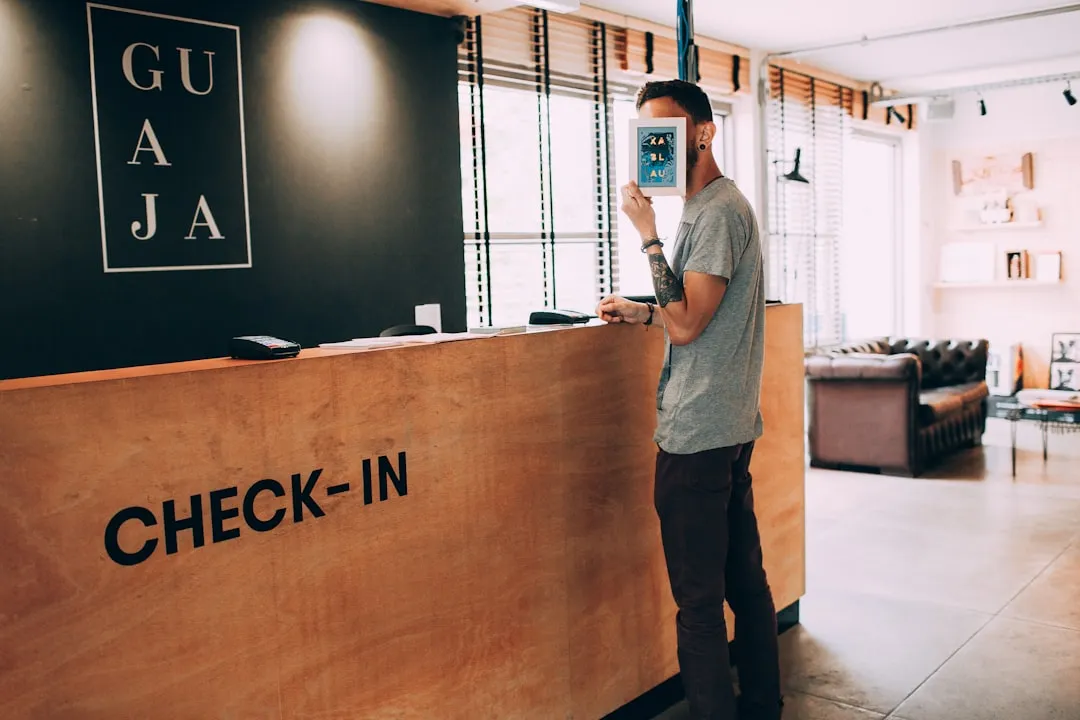
This one plays out slightly differently, but the concierge desk is often where travelers stop to post their arrival photos. Tagging your exact hotel, your room view, and your itinerary in real time is a modern version of the same old mistake.
Security professionals advise being mindful about what you share on social media, noting that posting real-time updates that reveal your exact location or room view can unintentionally advertise where you’re staying. Consider waiting until you’re back home to post detailed information about your trip. Sharing your travel plans in real time could also alert burglars that your home is unoccupied, adding a second layer of risk that many travelers don’t think about.
Asking Strangers in the Lobby for Directions

Concierge staff consistently notice guests turning to other lobby visitors for directions or recommendations rather than approaching the desk. The problem is obvious in retrospect: you have no way of knowing who those strangers are or what their intentions might be.
Travelers are sometimes told by seemingly helpful strangers that their chosen hotel is overbooked, dirty, or located in an unsafe area, with the “helpful” individual offering to redirect them elsewhere – and then receiving a commission for bringing new business to a partner establishment. When someone presents a convenient solution, it’s easy to accept just to keep moving, but this plays on a subtle fear that something has already gone wrong with your plans – and that doubt opens the door for manipulation.
Loudly Discussing Your Itinerary

Mentioning specific departure times, excursion plans, or how long you’ll be away from your room is another reliable signal that experienced concierge staff notice. It’s information most guests share innocently, not realizing the full audience that lobby conversations attract.
Scammers target tourists from the moment they arrive until they leave. Knowing that a room will be empty from 9 a.m. to 6 p.m. is exactly the kind of operational intelligence that opportunistic criminals look for. Keep detailed itinerary conversations brief and quiet, or save them for your room.
Showing a Passport or Valuables Unnecessarily
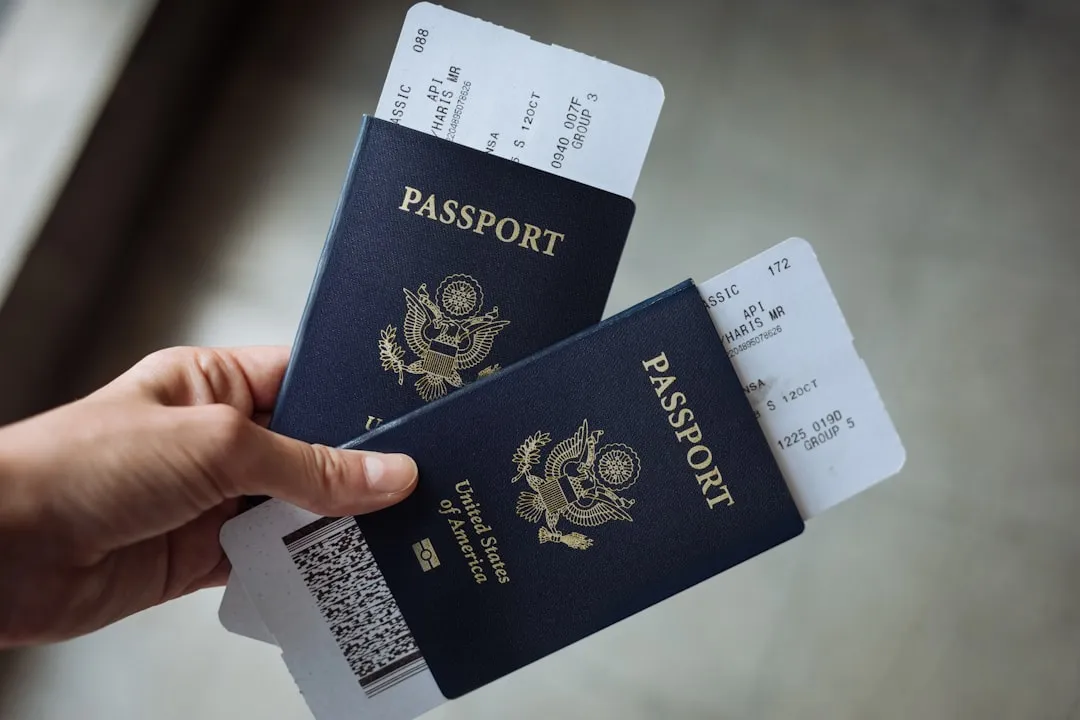
Some travelers pull out their passport at the desk when a hotel key card or booking confirmation would do. Others fan through a wallet visibly loaded with cash or multiple credit cards while searching for their loyalty number. These small habits are noticed far more widely than guests realize.
Security advisors consistently recommend using anti-theft bags and keeping wallets and phones out of back pockets, and avoiding distractions from street shows and surveys. The lobby is an extension of the street in this sense. Jet-lagged and aimlessly distracted tourists are an easy target for petty thieves, and visible valuables accelerate that risk considerably.
Asking for Unofficial Taxi or Transport Help
When travelers ask a hotel doorman or an unfamiliar person in the lobby to arrange a taxi informally, rather than booking through the hotel or a verified app, they open themselves up to a well-documented range of scams. Unscrupulous taxi drivers have long been overcharging unwitting tourists, and even booking through an app can leave you vulnerable if you’re not careful about which service you’re using.
A cunning “accommodation closed” scam leaves travelers stranded on sidewalks with their supposed hotels either unavailable or nonexistent, while taxi drivers, strangers at train stations, and even fake “hotel employees” seize moments of confusion to redirect travelers to overpriced or unsafe alternatives. Always book transport through verified channels and confirm with the hotel directly.
Using Public Hotel Wi-Fi for Sensitive Transactions
This is perhaps the most underestimated risk of the modern hotel stay. Many travelers ask the concierge for the Wi-Fi password the moment they arrive, then immediately log into banking apps or email accounts. Cybercriminals frequently target travelers through public Wi-Fi networks in hotels, airports, and cafés.
Security briefings from specialist firms describe hospitality as a high-value target, in part because hotels manage payment cards, identity documents, loyalty profiles, and travel patterns across millions of guests. Analyses released in 2024 and 2025 estimate the average cost of a data breach in the hospitality sector in the multimillion-dollar range, with the majority of incidents traced to compromised credentials and weaknesses in third-party platforms. Using a personal VPN on hotel networks is no longer optional for savvy travelers.
The Takeaway
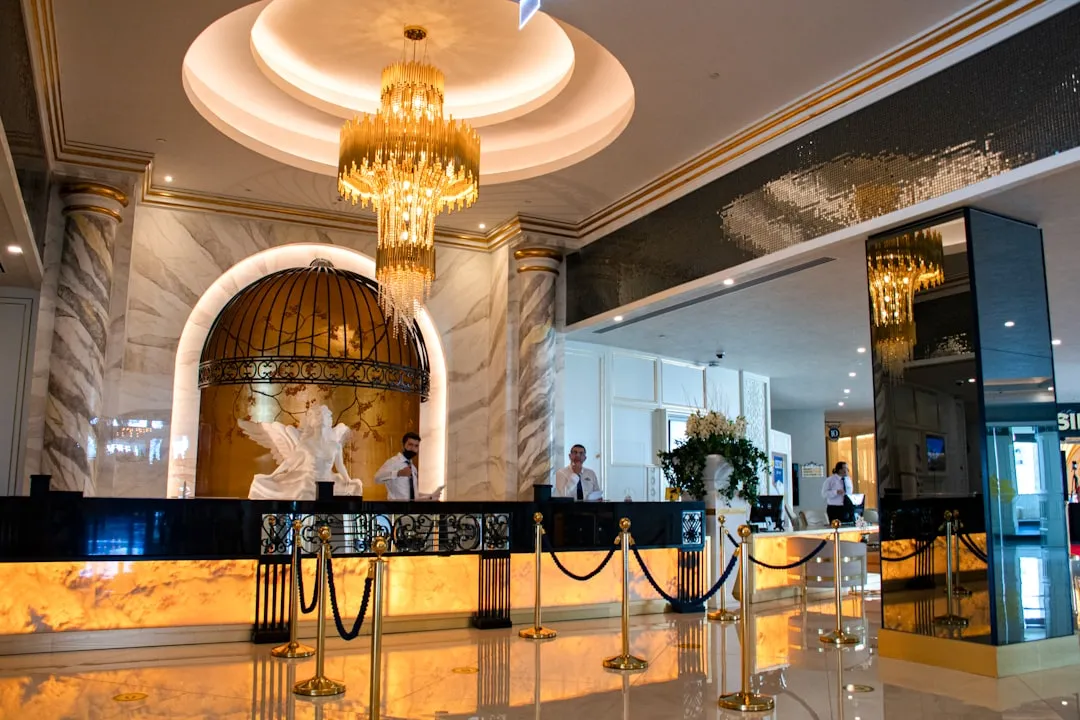
None of this means that travelers should become paranoid or stop asking for help. Concierges exist precisely to assist, and the overwhelming majority of hotel lobbies are genuinely safe spaces. The point is more subtle: what you say, how loudly you say it, and to whom you say it in a public setting matters more than most travelers appreciate.
Every staff member from housekeeping to concierge should ideally serve as a security ambassador, able to answer guest questions about security measures confidently and professionally, communicating protocols in a way that emphasizes guest benefit. Meeting that professionalism halfway, by keeping sensitive conversations private and staying aware of your lobby audience, is one of the simplest and most effective things any traveler can do.
Travel thoughtfully. Ask your questions quietly. The best trip is the one where nothing interesting happens to your wallet.
AI Disclaimer: This article was created with the assistance of AI tools and reviewed by a human editor.