
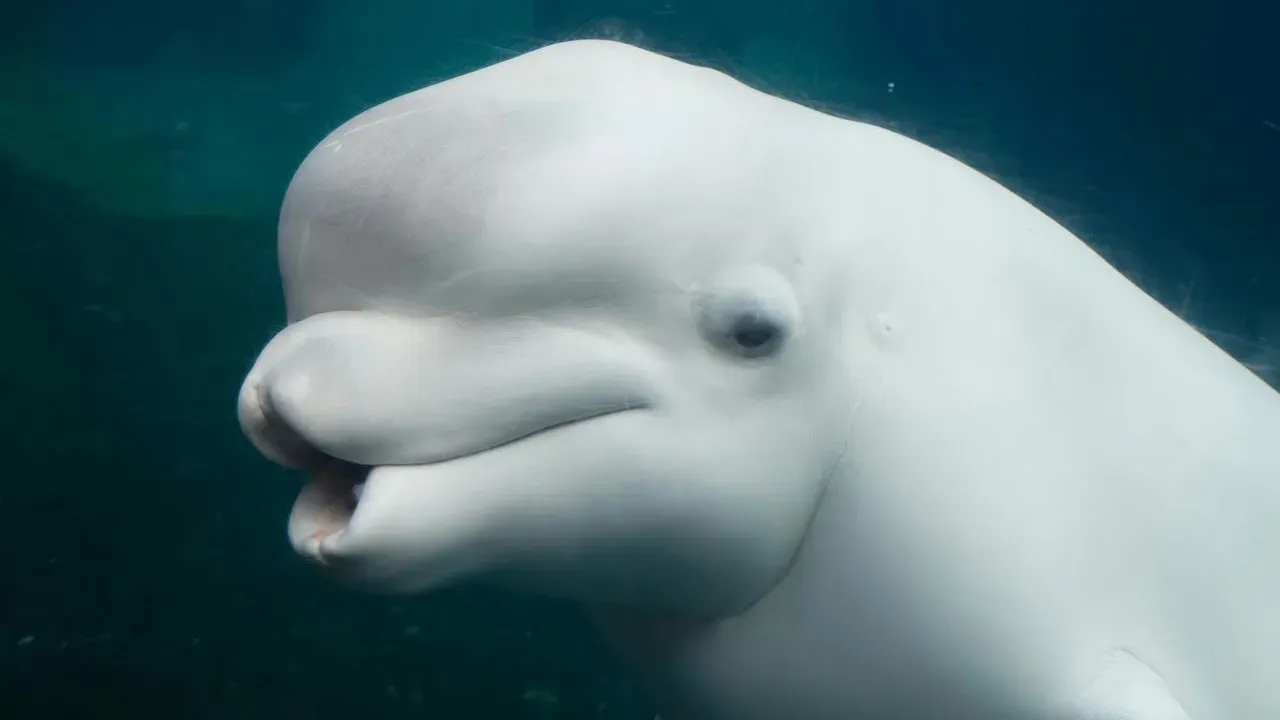

The closure of Marineland Canada has set in motion a major relocation effort for its beluga population. Thirty whales have completed the journey to two established American facilities, where they are now settling into their new environments. This transition affects the animals directly and shapes how visitors at these institutions will encounter them going forward.
Practical Outcomes of the Facility Closure
Marineland Canada’s decision to shutter its operations created an immediate need to find suitable long-term placements for the belugas under its care. The relocation process prioritized the animals’ safety and well-being during transport. Both receiving institutions have established records of managing marine mammal programs, which allowed the move to proceed in a structured manner.
Stakeholders in this shift include the whales themselves, the staff teams at each destination, and the broader network of facilities that coordinate marine mammal care. The timeline reflects careful planning rather than haste, with the animals now reported to have arrived without incident. Such transfers highlight the logistical and regulatory considerations that accompany any large-scale change in animal housing.
Settlement at Shedd Aquarium in Chicago
The Shedd Aquarium has integrated a portion of the relocated belugas into its existing marine mammal exhibits. Staff there focus on acclimation protocols that account for the animals’ prior living conditions and individual needs. Visitors to the Chicago institution can observe the belugas as part of ongoing educational and conservation programming.
This placement adds to the aquarium’s long-standing collection while providing the whales with stable, professionally managed surroundings. The facility’s urban location makes it accessible for a wide range of travelers interested in marine life. Over time, the new residents are expected to become part of the daily rhythm of the exhibits.
Integration at SeaWorld San Antonio
SeaWorld San Antonio has welcomed the remaining belugas from the group. The Texas facility maintains specialized habitats designed for beluga care, including temperature-controlled pools and enrichment activities. The arrival expands the park’s beluga population and continues its established approach to animal management.
Travelers planning visits to the San Antonio area now have an additional opportunity to see these whales in a setting that emphasizes both display and behind-the-scenes care standards. The institution’s scale allows for dedicated spaces that support the animals’ transition. Staff continue to monitor health and behavior as the whales adjust.
Key Considerations for Future Care and Visitation
Several practical elements define the next phase for these whales and the people who will encounter them:
- Continued health monitoring by veterinary teams at both locations.
- Adaptation of enrichment and social grouping based on observed behaviors.
- Public education programs that place the relocation in the context of broader marine mammal management.
- Opportunities for visitors to learn about the logistics of moving large aquatic animals across borders.
These steps reflect the operational realities of maintaining beluga populations in accredited settings. The relocation underscores how facility closures can ripple through the network of institutions that house marine mammals.
Human Implications of the Transition
For travelers and local communities, the presence of these belugas at accessible U.S. sites creates new points of connection with marine wildlife. People who visit the Shedd Aquarium or SeaWorld San Antonio will see animals that have recently navigated a significant change in their circumstances. This shared story can deepen appreciation for the complexities of animal care across different facilities.
The outcome leaves open questions about how similar situations will be handled in the future and what standards will guide placements when parks close. Observers can follow updates from the institutions involved as the whales continue to adapt.
AI Disclaimer: This article was created with the assistance of AI tools and reviewed by a human editor.