
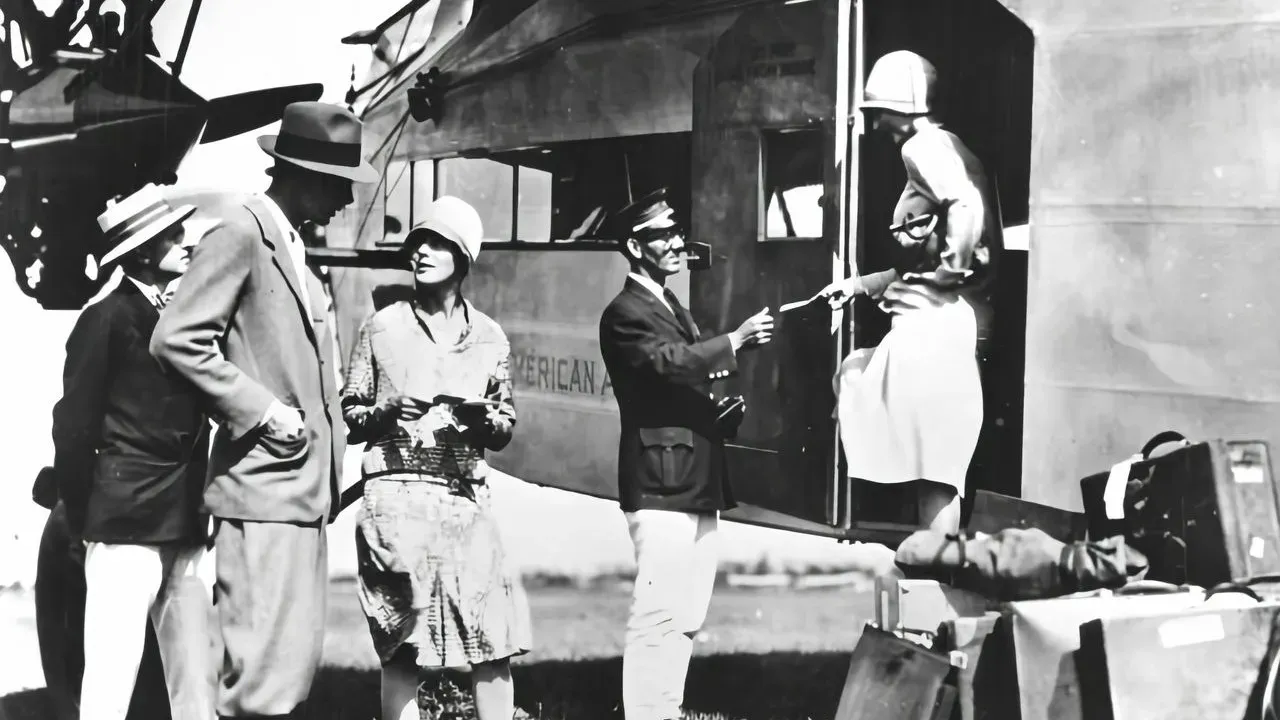

On July 22, 1926, at Mitchel Field in Garden City on Long Island, Babe Ruth stepped onto the airfield and accomplished something no one had done before. An airplane circled 300 feet overhead and released a baseball. Ruth tracked its descent and made the catch cleanly. The moment captured the imagination of New Yorkers and landed on the front page of The New York Times, adding one more layer to the city’s long tradition of bold public spectacles.
The event unfolded as a carefully staged demonstration of skill and nerve. Ruth, already a national figure with the Yankees, agreed to the challenge on what would become the exact centennial date observed today. Contemporary accounts note that he succeeded on his seventh attempt that day, underscoring both the difficulty and the determination involved.
The Daredevil Nature of the Feat
Catching an object dropped from a moving aircraft required precise timing and spatial awareness. The ball fell at high speed from a height that left little margin for error. Observers at the time recognized the physical risk; a miscalculation could have resulted in serious injury. Ruth’s success highlighted the same athletic instincts that defined his playing career, yet this particular achievement stood apart because it took place far from any ballpark.
The stunt also reflected the era’s growing fascination with aviation. Airplanes were still novel to most people, and combining flight with baseball created a memorable image of progress and possibility. New York, with its busy harbors and emerging airports, provided a fitting stage for such an experiment.
Where the Story Lives On in the New York Area
Travelers interested in this slice of local history can begin on Long Island. Garden City and the surrounding communities preserve connections to early aviation through preserved airfields and nearby museums. A visit to the region offers a chance to stand on ground once used for military and civilian flight operations in the 1920s. Further exploration might include stops at baseball landmarks across the broader metropolitan area.
Sites associated with Ruth’s Yankees career remain accessible, allowing visitors to connect the airplane catch to the larger narrative of the sport in New York. Walking tours or self-guided routes through historic neighborhoods provide context without requiring special arrangements. – Mitchel Field area in Garden City for the original location
– Aviation history exhibits on Long Island
– Yankee Stadium vicinity and related baseball heritage sites in the Bronx
– Public parks and waterfront areas that evoke the open-air spirit of the 1920s
Why This Story Continues to Draw Interest
The anniversary invites reflection on how New York has long embraced unusual public moments that blend sport, technology, and spectacle. For travelers, it serves as an entry point into the region’s layered past rather than a single-day event. Spending time in Garden City or nearby communities reveals quiet reminders of early flight alongside the everyday rhythms of Long Island life. Responsible visitors can deepen their experience by supporting local historical societies and museums that maintain these stories. Such choices help sustain the places where these events occurred and encourage ongoing preservation efforts.
A Lasting Sense of Wonder
A century after the ball fell from the sky, the image of Ruth making that catch still prompts the same question it did in 1926: how did he manage it? For those who travel to the New York area with curiosity about its distinctive chapters, the story offers a tangible link between past daring and present-day exploration. The fields and skies above Long Island continue to hold that moment, ready for new generations to discover.
AI Disclaimer: This article was created with the assistance of AI tools and reviewed by a human editor.