

There’s a particular kind of memory that only food can create. Not the memory of a landmark or a museum, but the feeling of sitting somewhere unfamiliar, with a bowl of something extraordinary in front of you, realizing that a single dish can tell you more about a place than almost anything else could.
More than two thirds of travelers say local cuisine is an essential part of their journey, and that number keeps growing. The global food tourism market is projected to reach USD 230 billion by 2027, which signals something simple: people aren’t just traveling to see the world anymore. They’re traveling to taste it. These six dishes are not ranked by popularity or novelty. They’re here because each one carries a culture, a history, and a flavor that genuinely changes how you understand the place it comes from.
Ceviche – Lima, Peru
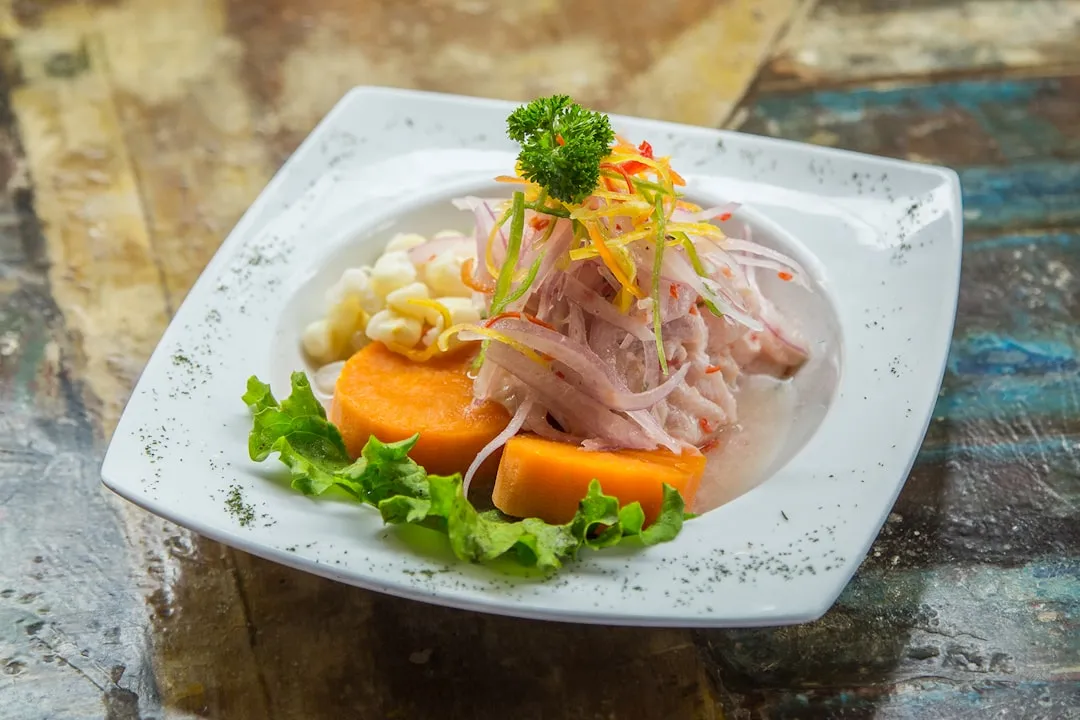
Few dishes anywhere carry the cultural weight that ceviche carries in Peru. It’s a dish of fresh fish cured in citrus juices and spiced with chili peppers, and its roots go deeper than most people expect. National Geographic describes how ceviche likely originated around 3,000 years ago on the northern coast of what is now Peru, near a town called Huanchaco.
In December 2023, UNESCO inscribed the practices and meanings associated with ceviche on its Intangible Cultural Heritage of Humanity list. The recognition emphasizes ceviche’s role in cultural identity, highlighting the importance of artisanal fishers, traditional female cooks in cevicherías, and the regional variations that strengthen local identities and require the safeguarding of sustainable fishing practices.
Lima is called the culinary capital of Latin America, and for ceviche lovers, it remains the unmatched destination. Travelers flock to coastal cities like Lima, Trujillo, and Piura to savor the freshest ceviche prepared by skilled chefs. The dish is living proof that simplicity, done with intention, is a form of genius.
Tom Yum Kung – Thailand
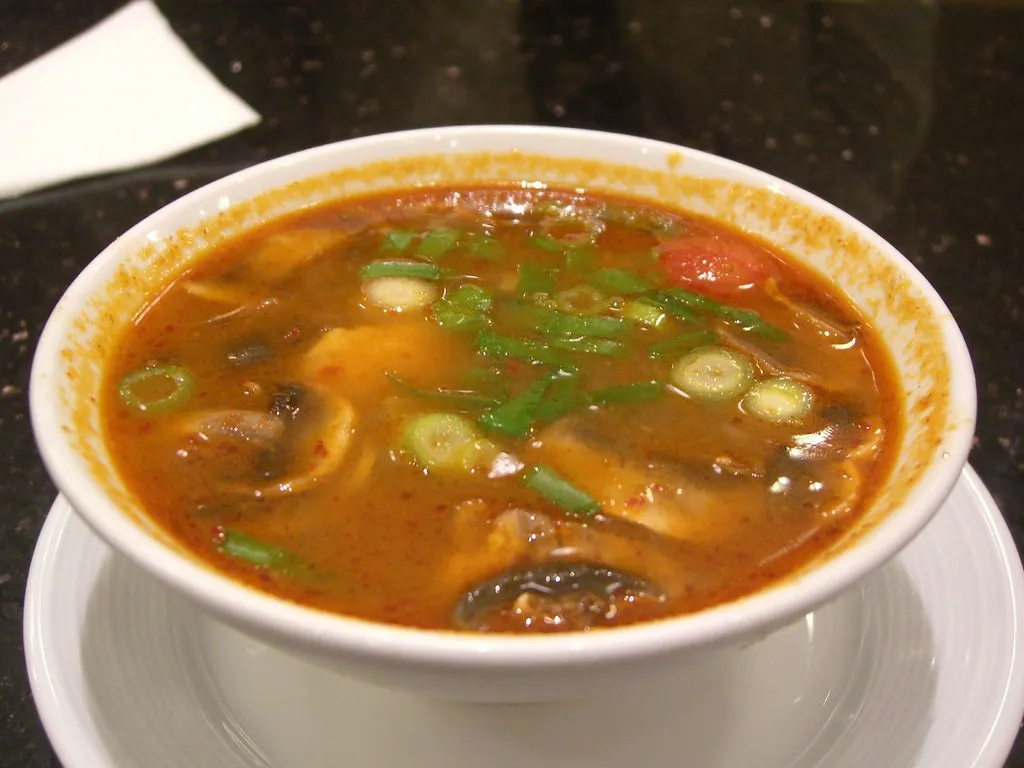
On 3 December 2024, UNESCO’s Intergovernmental Committee for the Safeguarding of Intangible Cultural Heritage decided to inscribe Tom Yum Kung on its Representative List of the Intangible Cultural Heritage of Humanity. That recognition felt long overdue for anyone who has ever tasted a proper bowl of it. This achievement marks the dish as the first Thai food to receive such an honour, and the only one currently included.
Tom Yum Kung, a hot-and-sour shrimp soup, is one of the most famous of all Thai dishes and is said to reflect the simplicity and the way of life of Thai people in farming communities, especially those along rivers and canals. The name is derived from the words “tom,” meaning to boil, and “yum,” meaning the mixing of ingredients.
From spicy chili to citrusy zest and soothing herbs, the dish embodies Thailand’s perfect balance of flavors. Strolling the streets of Chatuchak or Chinatown markets for a steaming bowl is one way to experience it, though regional variations can be found in local eateries in Phuket or Chiang Mai. There’s a reason it earned global recognition – a single spoonful holds an entire philosophy of flavor.
Neapolitan Pizza – Naples, Italy
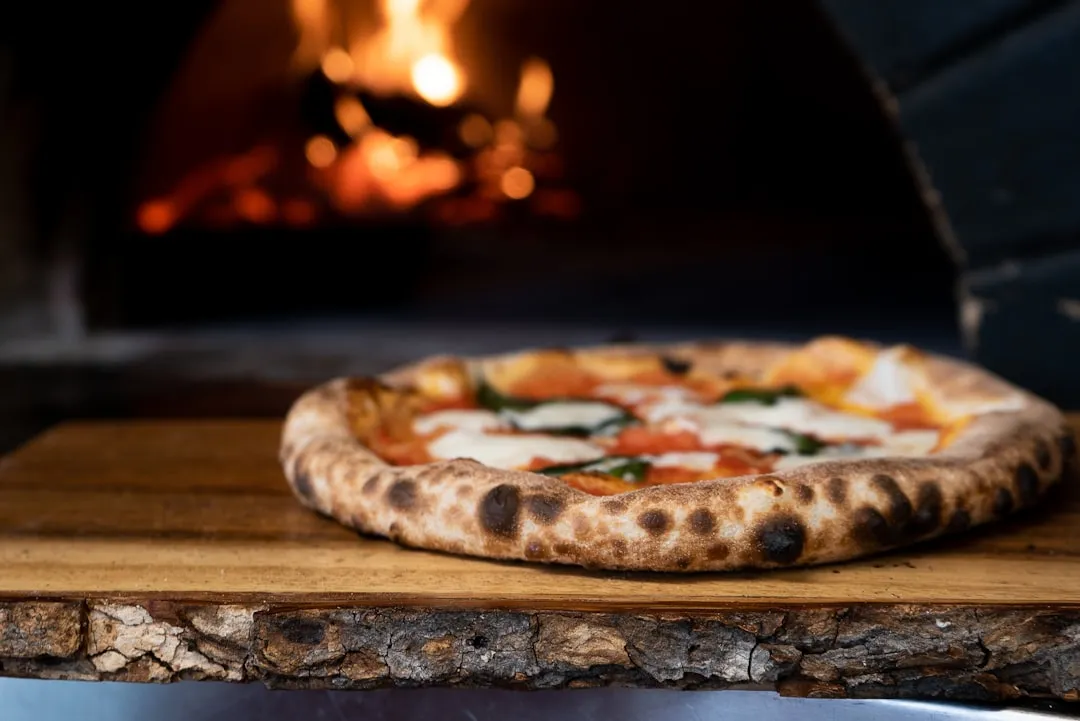
Italian cuisine sits at the very top of global rankings, tied with Japanese food at a rating of 4.65 according to TasteAtlas, celebrated for its fresh ingredients, diverse flavors, and regional variations. At the heart of that legacy sits Neapolitan pizza, the original version of a dish that has been replicated billions of times across the planet, rarely with the same result. Pizza Napoletana holds a rating of 4.8 on TasteAtlas, making it one of the highest-rated dishes in the world.
Naples is where this dish has to be experienced. The dough, the san Marzano tomatoes, the buffalo mozzarella, the high-heat wood-fired oven – none of it translates cleanly to kitchens elsewhere. Dishes like pasta alla norma and the broader Sicilian and southern Italian culinary tradition have helped shape Italian food’s reputation as the European Region of Gastronomy 2025.
Eating pizza directly in Naples isn’t just about the taste. It’s about understanding why a dish this simple became a global obsession. The city’s neighborhood pizzerias, many of them unchanged for generations, carry that answer on every plate they send out.
Sushi – Japan
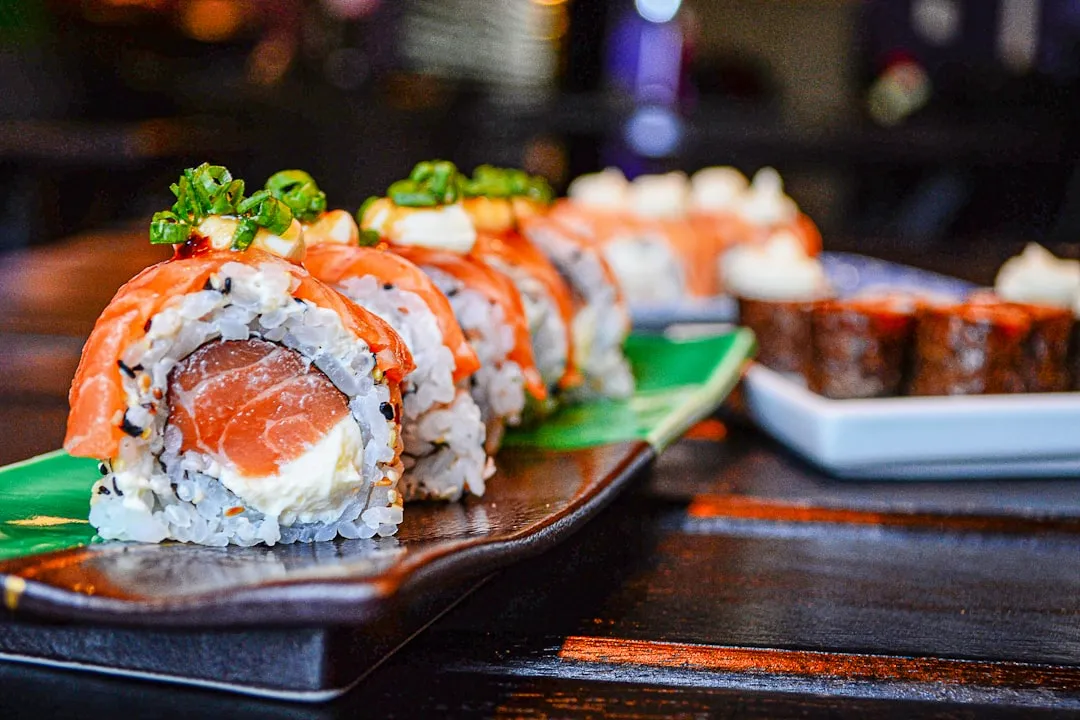
Japan’s cuisine tied for the top spot with Italy in TasteAtlas’s 2024 rankings, and Japanese food is all about precision, fresh ingredients, and perfect balance, whether it’s the melt-in-your-mouth sushi, rich ramen, or crispy tempura. Sushi in particular represents something close to a culinary philosophy. Every region has its own delicious twist, making each bite feel like a new discovery, and that dedication to detail and flavor keeps Japan at the top of everyone’s must-eat list.
There’s a genuine difference between sushi eaten in Tokyo and sushi eaten anywhere else in the world, and the gap is harder to explain than it is to taste. The fish quality, the rice temperature, the way a skilled itamae (sushi chef) reads what you want next – it’s an experience that goes well beyond food. Japan consistently ranks among the top food tourism destinations in the world.
Whether at a high-end omakase counter in Ginza or a standing sushi bar in Tsukiji, the experience in Japan carries a specificity that no export version fully replicates. It rewards patience, curiosity, and a willingness to simply trust the chef.
Kimchi – South Korea
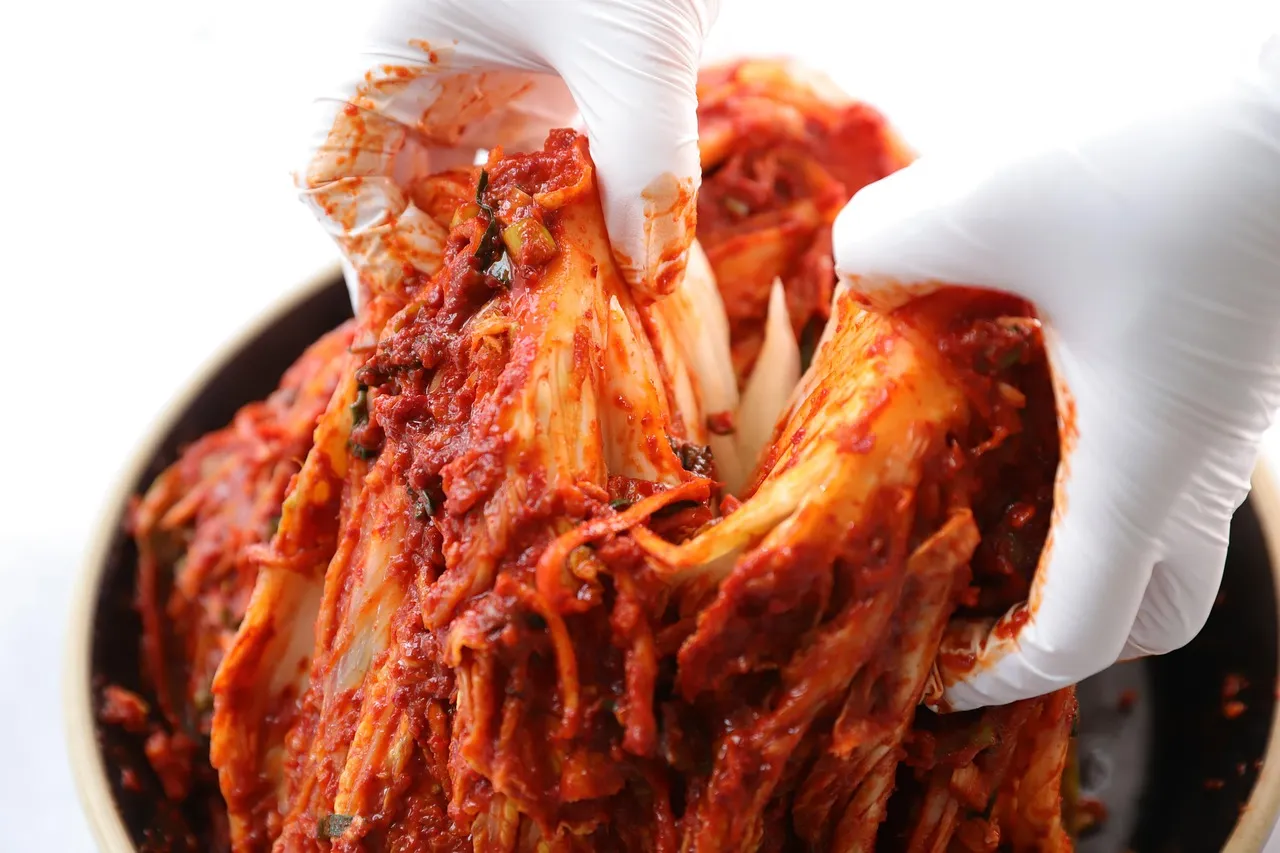
Kimchi is Korea’s most popular pickled side dish, recognized as intangible cultural heritage in 2024, and with over 200 regional varieties, it’s a fermented dish made from Napa cabbage or radishes, often featuring ingredients like gochugaru, or Korean chili flakes. The dish is present at virtually every Korean meal, from breakfast to late-night street food stops. It is not a garnish or an afterthought. It is central.
The annual festival of kimchi-making, kimjang, is celebrated in November, where families together prepare large batches of the dish, symbolizing unity and tradition. Gwangju, known as a foodie city in southwest Korea, is the perfect place to taste this 3,000-year-old culinary heritage.
Experiencing kimchi in Korea means understanding it differently. It’s not just the taste – it’s the layers of fermentation, the regional variation between households and provinces, and the fact that every batch carries someone’s hand in it. That intimacy is difficult to find in a jar on a supermarket shelf halfway around the world.
Couscous – North Africa
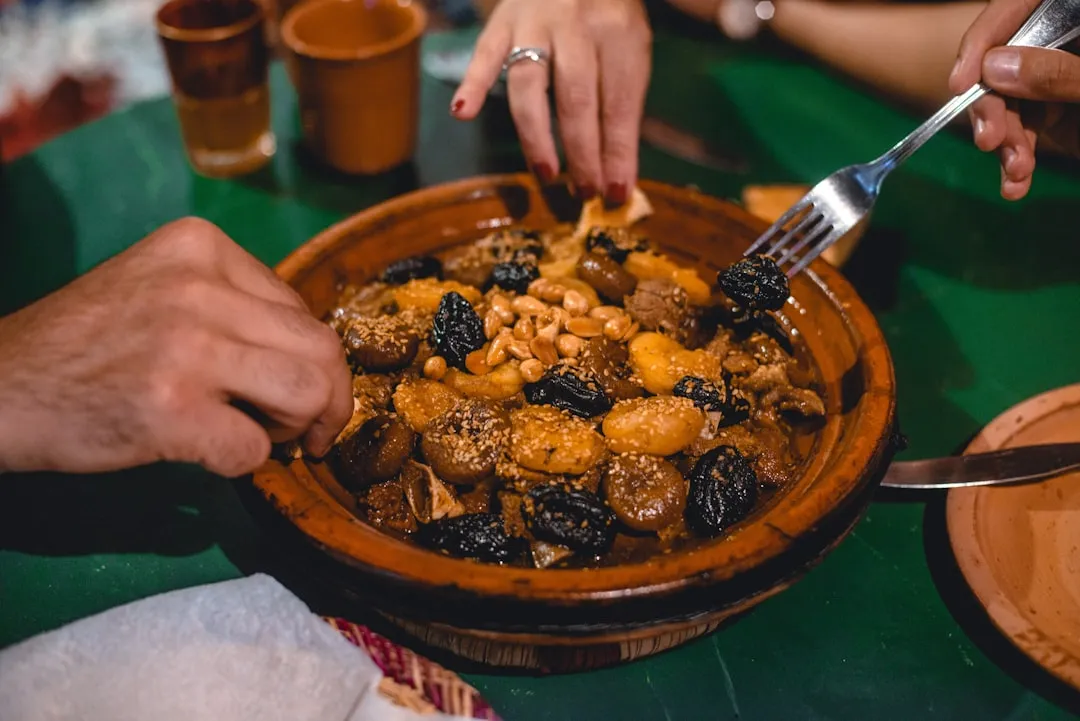
The knowledge, method, and practices associated with the preparation and consumption of couscous are now inscribed on UNESCO’s Intangible Cultural Heritage list, following a joint bid presented by Algeria, Mauritania, Morocco, and Tunisia, marking the first time the four countries worked together on a gastronomic cultural project. That joint effort speaks to something meaningful: this dish belongs to a region, not just a single border.
The making of this dish dates back to roughly the 3rd century BC by the Amazigh, the first inhabitants of the region, and is recorded in written format from the 13th century. There are dozens of different preparations, and the dish is made by people at every level of society. In Morocco, it’s typically served on Fridays after prayers, functioning as a social ritual as much as a meal.
Sitting down to a shared plate of hand-rolled couscous steamed over a fragrant broth, with slow-cooked vegetables and tender lamb, is one of those experiences that resists translation. Food tourists increasingly seek out culinary destination experiences that go beyond mere sustenance, craving the stories, techniques, and heritage behind each dish, understanding that food is a universal language that can reveal a great deal about a place and its people. Couscous embodies exactly that kind of depth.
Why These Dishes Matter Beyond the Plate
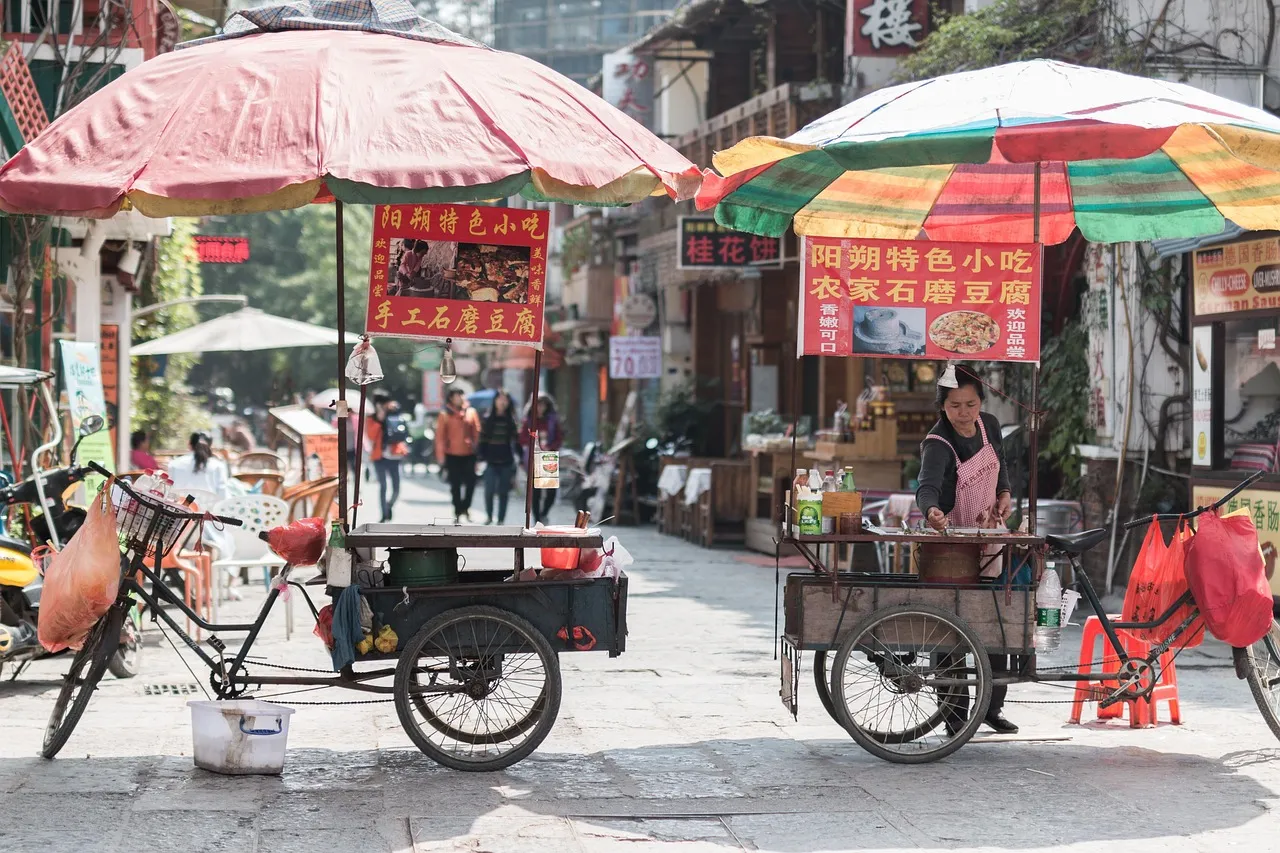
Over 65% of travelers now consider local cuisine an essential part of their journey, and food experiences are reshaping the way we explore the world, turning culinary adventures into one of the fastest-growing segments of travel. That shift reflects something genuine: the best meals leave impressions that outlast almost any other travel memory.
Each of these six dishes carries official recognition, deep cultural roots, and a flavor profile that depends heavily on where it’s made. They’re not interchangeable with their exported versions. The 2024 TasteAtlas rankings serve as a reflection of the diverse and rich tapestry of global gastronomy, highlighting the importance of culinary heritage and the evolving tastes of food enthusiasts around the world.
Responsible culinary travel means more than just eating well. It means visiting the neighborhoods and local establishments where these traditions live, supporting the artisans and cooks who keep them alive, and approaching each dish with the genuine curiosity it deserves. Food is a universal language that can reveal a great deal about a place and its people – and these six are among the most eloquent conversations you’ll ever have.
A Note on Where to Experience Them

Finding these dishes in their truest form means seeking out the source. Lima’s cevicherías, Bangkok’s riverside stalls, a neighborhood pizzeria in Naples, a standing sushi counter in Tokyo, a kimjang gathering in Gwangju, or a Friday lunch in Marrakech – these contexts are part of the dish itself. In 2023, the top food tourism destinations included Italy, France, Japan, Thailand, and Mexico, which mirrors almost exactly where the most celebrated and UNESCO-recognized culinary traditions tend to live.
The practical advice is straightforward. Eat where the locals eat. Ask questions. Don’t rush. A meal taken with genuine curiosity, in the right place and the right spirit, is the closest thing to effortless cultural understanding that travel offers.
The Takeaway
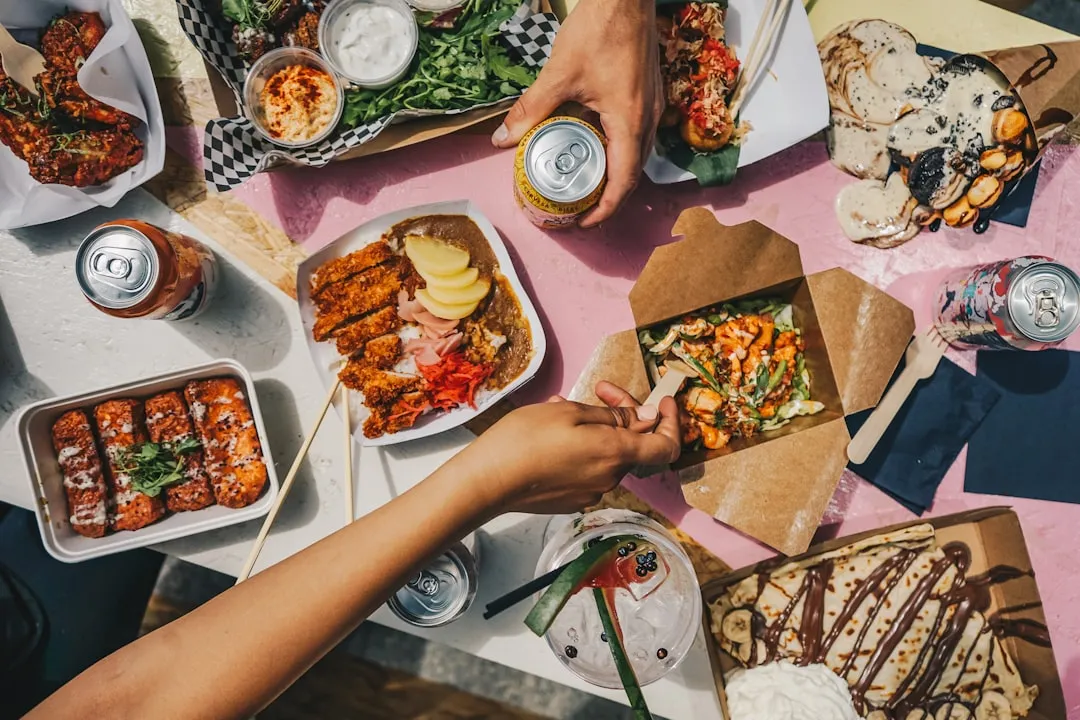
A bucket list built around food isn’t frivolous. It’s one of the most direct ways to understand the world. These six dishes aren’t here because they’re trendy or photogenic, though most of them are. They’re here because each one represents a living culture, a landscape, a set of hands that learned from other hands, and a flavor that simply cannot be fully reproduced outside its home.
You don’t need a Michelin-starred restaurant to have a meaningful food experience. You need an open palate, a willingness to be somewhere unfamiliar, and enough respect for the tradition in front of you to pay attention. These six dishes will reward exactly that.
AI Disclaimer: This article was created with the assistance of AI tools and reviewed by a human editor.