
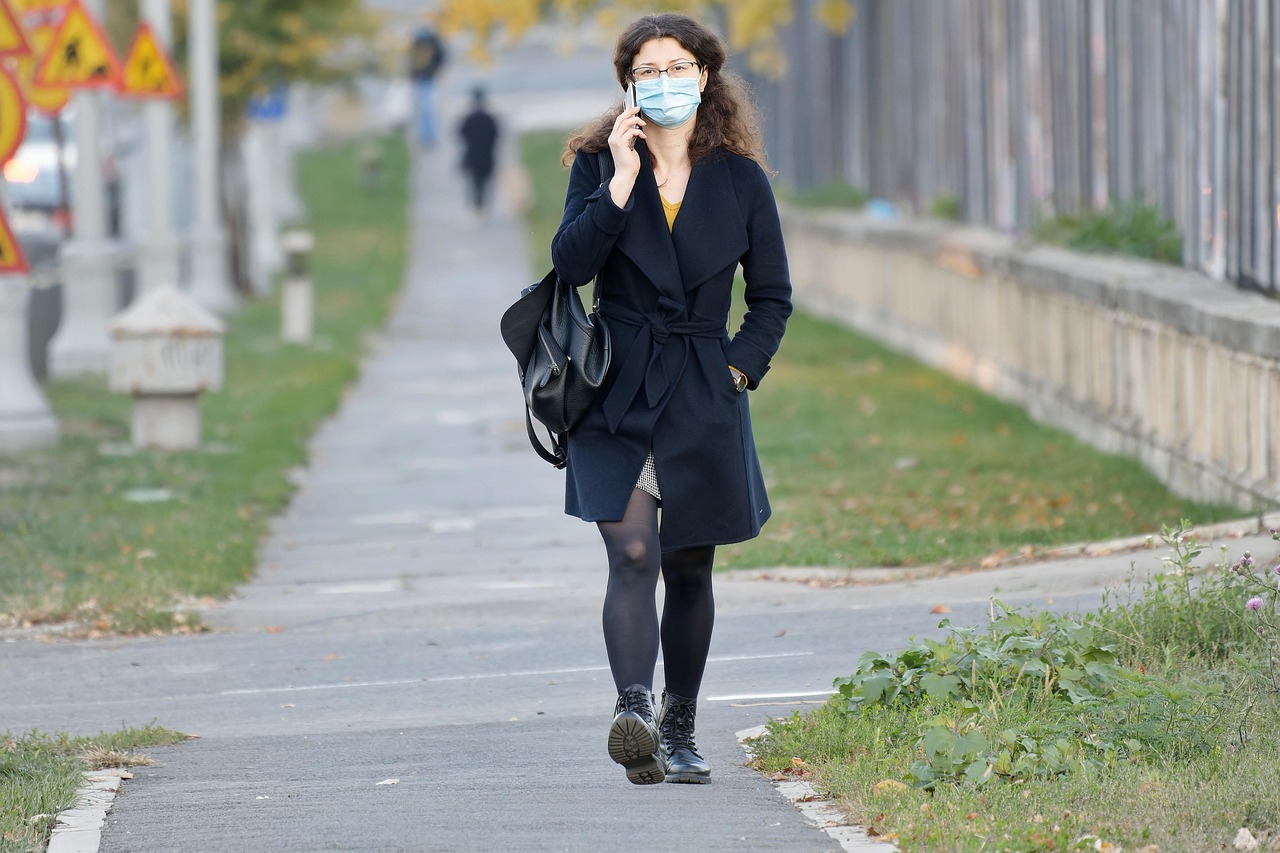

Most people assume theft happens because of bad luck. Wrong place, wrong time. The reality is more deliberate than that, and considerably more unsettling. Thieves don’t wander through tourist crowds hoping for a random opportunity. They observe, assess, and select. The whole process takes only seconds.
Pickpockets decide before they ever touch you whether you look like an easy mark. That decision takes roughly one second. They scan a crowd, read body language, and move toward whoever seems the most distracted, confused, or unaware. Understanding exactly how that selection works is the first genuinely useful step any traveler can take.
The Scale of the Problem Is Larger Than Most Travelers Realize
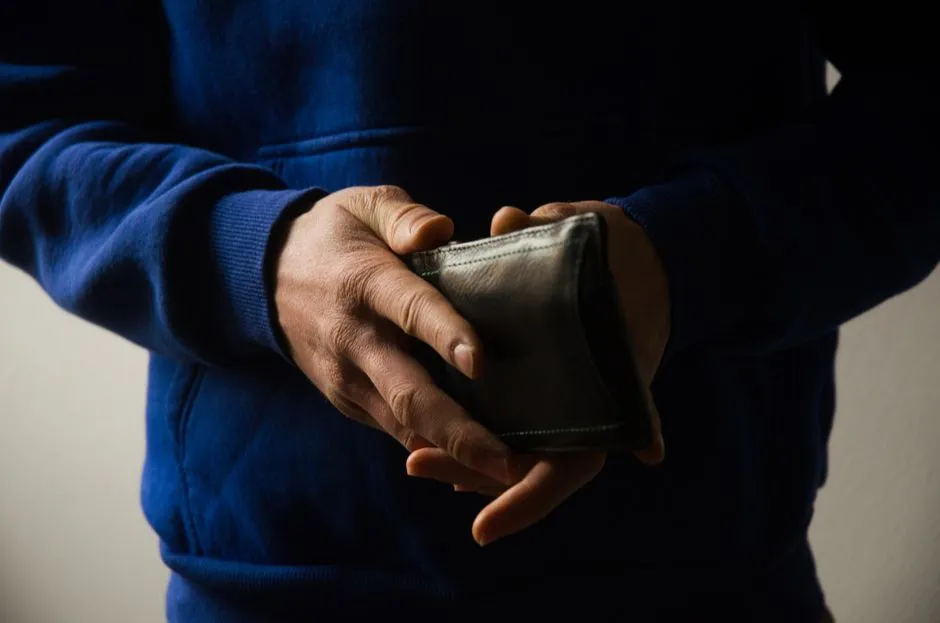
Upwards of 400,000 pickpocketing incidents occur per day globally, with approximately 3,000 pickpocket incidents reported each month in New York City alone. Those numbers are hard to wrap your head around. It’s worth sitting with them for a moment before assuming it’s the kind of thing that only happens to careless people.
Over 100,000 pickpocketing incidents occurred in Barcelona in 2023, accounting for nearly half of all crimes reported that year. In Rome, there were over 2,000 reported robberies in 2024, a rise of more than half compared to 2019, with pickpocketing cases surging to over 33,000, marking a dramatic increase. These aren’t abstract figures. They represent real travelers whose trips were derailed in one careless moment.
Barcelona’s police reported a 25% increase in pickpocketing incidents during the first half of 2024 compared to the previous year, according to data from the Mossos d’Esquadra. Knowing which cities carry the highest risk helps, but it doesn’t fully protect you. The behavior that signals vulnerability travels with you wherever you go.
How Your Gait Broadcasts Vulnerability Before You Say a Word
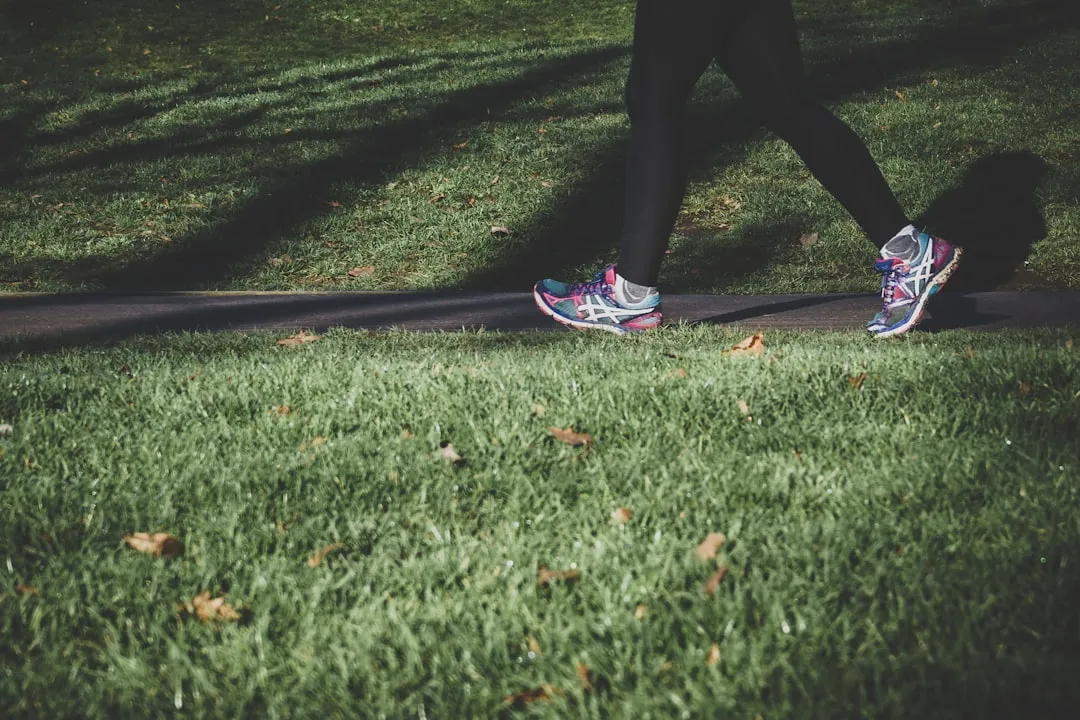
In 1981, a notable study showed a group of convicted felons video footage of pedestrians walking down a street in New York City. Researchers found a clear consensus on who the felons would choose to attempt to rob. But the big surprise was that targets weren’t chosen based on height, size, gender, or any other physical attribute. Instead, they were selected based on their attitude and body language.
According to researchers Grayson and Stein’s analysis, non-victims walked with a stride length proportional to their height, moving with a natural flow. The inmates heavily targeted people who walked with a jerky, disjointed motion. To a predator, a lack of bodily harmony signals a lack of physical confidence.
The biggest indication of vulnerability is a person’s gait. Gait includes hip sway, stride length, speed, arm sway, and bounce. Overall, gait characteristics accounted for a large proportion of the variance in perceived vulnerability ratings, with slow walking speed and foot movement uniquely predicting both rape and mugging vulnerability. This research isn’t theoretical. It has direct implications for how you move through a busy square in Rome or a packed metro station in Paris.
Looking Down Is the Single Biggest Signal You Can Send
Targets often appeared to be dragged along by their limbs, leaning too far forward or slumping backward. This was heavily compounded by downward-facing eyes, signaling to a predator that the person had zero situational awareness.
We embody our mindset with our posture and, without even being aware we’re doing it, project vulnerable body language as we walk down the street. When we’re confident we walk tall, look ahead, and move with purpose; when we aren’t, we hunch over, look at the pavement, and hope no one notices us.
The problem is that tourists have powerful reasons to look down constantly. Maps, phone screens, cobblestones, guidebooks. Every glance downward is a brief advertisement of inattention. Avoiding staring at your phone, looking lost, or wearing headphones is essential. The moment your gaze drops, you become a candidate.
The Phone in Your Hand Is a Beacon, Not Just a Distraction
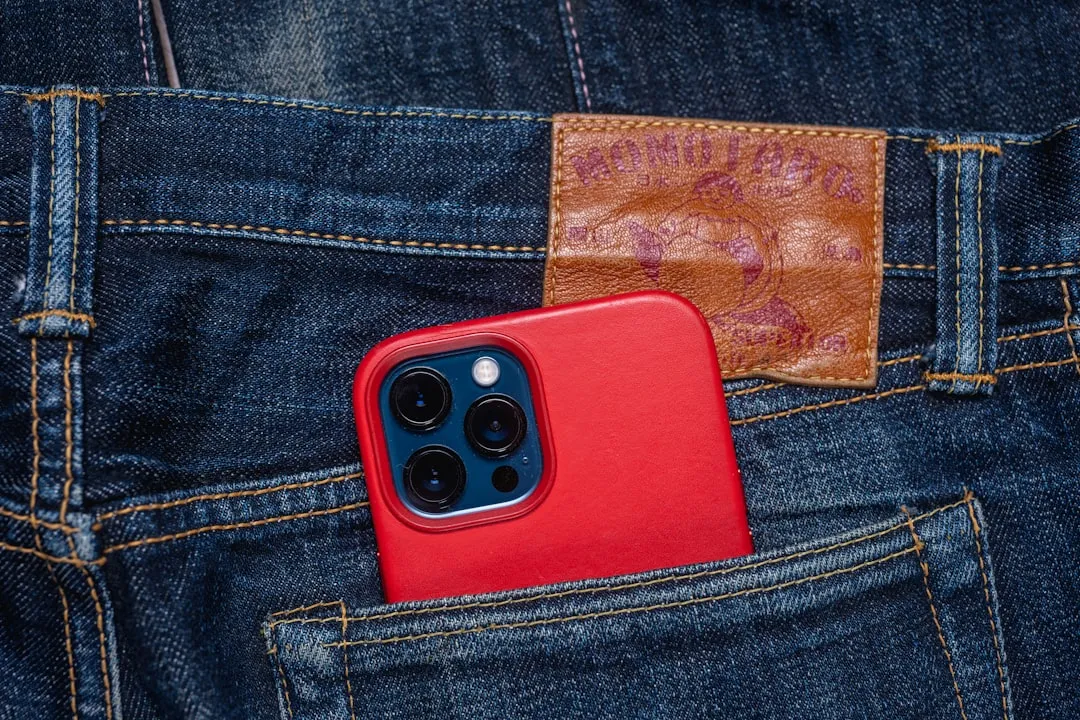
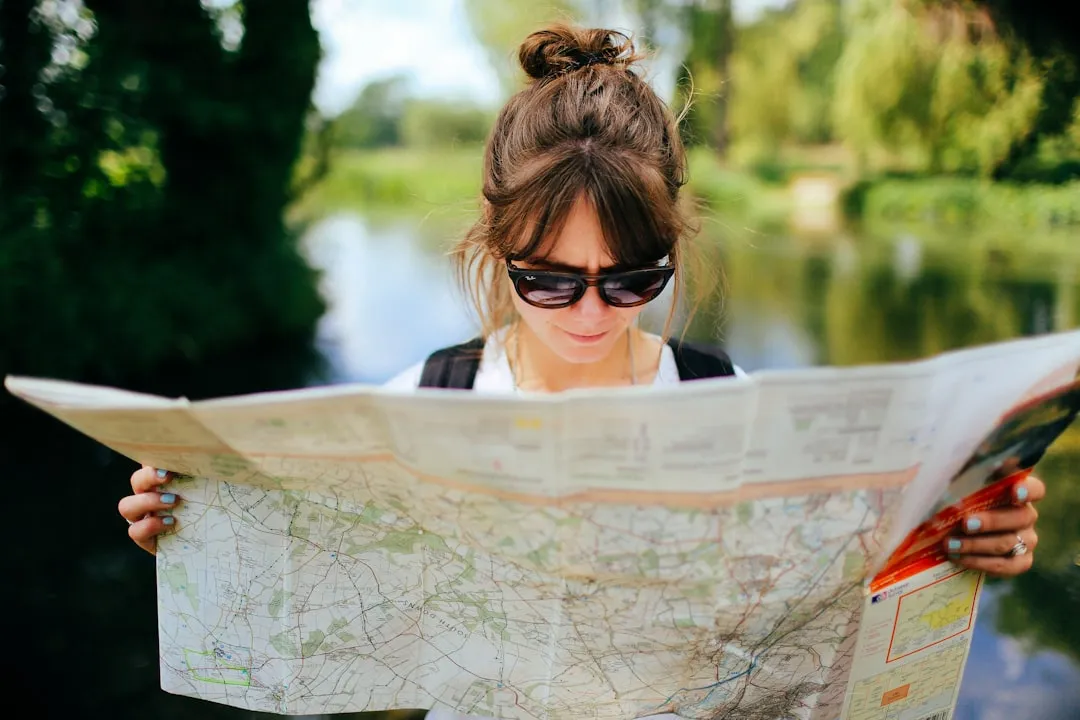
Pickpockets target individuals who appear distracted, tired, or preoccupied, especially someone engrossed in their smartphone or reading a map. The phone serves a double function here. It marks you as distracted, and it signals that you’re carrying something worth stealing.
A camera or large phone, often in hand or hanging around the neck, signals you might be distracted and easy to approach. If you’re holding a map or guidebook, especially in a busy area, it’s an obvious sign that you’re unfamiliar with your surroundings, making you an easy target for pickpockets.
If you’re glued to your phone, lugging around a large bag, or scanning a map, you’re a prime target. Pickpockets observe patterns: who seems least aware of their surroundings, who’s rushing or distracted by conversations, or who’s carrying valuables in obvious places. Step aside, check your map briefly, pocket the phone, and only then continue walking. That simple habit closes off a significant window of vulnerability.
Transitions Are When You’re Most Exposed
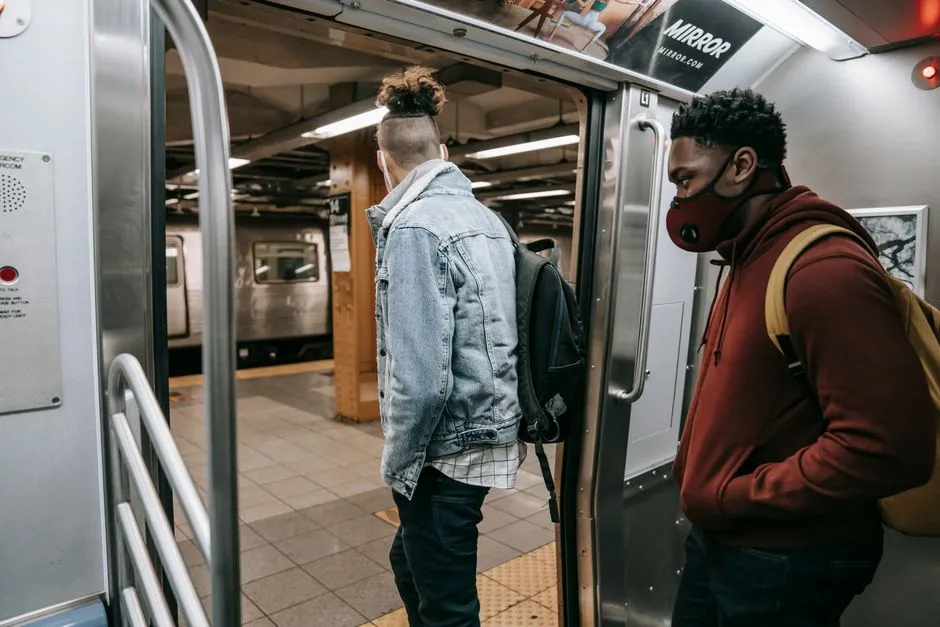
If you get off a train in a city you’ve never visited before, you’ll need time to adjust to your surroundings, and that’s exactly when pickpockets strike. People are most disoriented when they move from one environment to another.
Professional pickpocket training covers psychological manipulation, crowd dynamics, escape routes, and target selection. Advanced practitioners learn to read body language, identify valuable items, and execute thefts during specific psychological moments when victims are most vulnerable. Arrivals at train stations, exits from airports, and transitions between landmarks are precisely those high-vulnerability windows.
The fix isn’t complicated but it does require intention. Before you step out of any transit hub, pause somewhere off to the side. Put your bag in order, study your route for a few minutes, and walk out already knowing where you’re heading. Purposeful movement from the very first step communicates a different kind of traveler.
The Distraction Technique Only Works If Your Guard Is Already Down
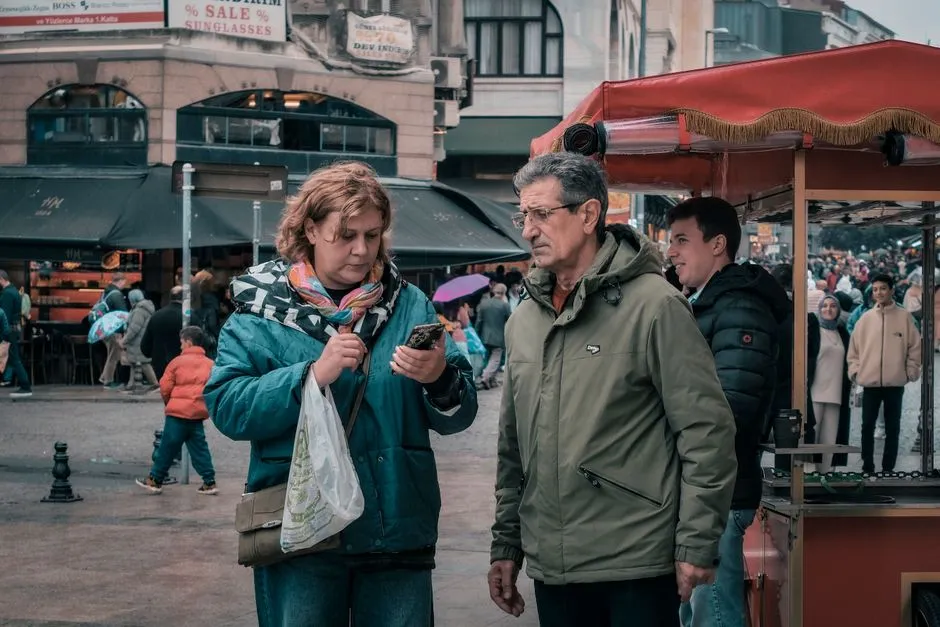
Pickpockets often team up in large groups, with one gang member distracting the mark with a fake tourist survey or by accidentally spilling something, while their accomplice grabs items from unguarded pockets or bags, sometimes cutting through bag material.
Some operations include specialized roles: spotters who identify targets, bump artists who create distraction opportunities, extractors who perform the actual theft, and handlers who immediately take stolen items to prevent recovery if the theft is detected. What looks like a casual crowd is sometimes a coordinated team that’s already identified you as a likely candidate before the distraction even begins.
When something unexpected happens, like someone bumping into you or spilling something on you, your brain focuses on that event. During that split second, you’re not thinking about your phone or wallet. Pickpockets know this and use it to take advantage of the moment. Staying physically composed and not reacting with sudden, visible alarm is part of the same body language discipline that makes you a less appealing target in the first place.
Jewelry and Visible Wealth Change the Calculation

A shiny diamond on your finger or a pretty gold necklace will attract the attention of pickpockets. They may not go for the jewelry itself because it could be too risky, but it shows them you’re likely carrying valuables and may inspire them to go for your pockets and purse.
Often, the easiest marks are those who stand out. Tourists who wear flashy jewelry, expensive-looking bags, or leave wallets bulging in back pockets are practically handing out invitations. Visible wealth isn’t just about attracting theft directly. It shifts how potential thieves read the overall risk-reward calculation when they’re scanning a crowd.
Wearing clothing or accessories that are too “touristy,” like bright logos, over-branded hats, or fanny packs, can give you away. Locals typically dress more casually, and pickpockets can use your appearance to spot you from a distance. Blending in isn’t about deception. It’s simply about not announcing your outsider status from a hundred feet away.
Confident Posture Is a Learned Habit, Not a Personality Trait

Women who were not selected as targets “walked with a gait that tended to be more natural to their body,” moved at the same pace as those in the immediate area, with their shoulders back and chins up, asserting a general sense of confidence.
Responsibility for assault always lies with the criminal, but understanding how they make decisions can help prevent future or repeated victimization. By making a simple adjustment in your walk, you can realistically lower your likelihood of being targeted.
Power posing, demonstrating confidence through body language, can deter potential attackers by projecting self-assurance and dominance. It takes one second to shift from looking like prey to looking like someone who is simply not worth the risk. You don’t need to perform bravado. Shoulders back, chin level, eyes ahead, stride steady. That’s the whole formula.
Where Your Bag Is Positioned Reinforces Your Body Language Signal

If you’re spaced out, distracted, preoccupied, or vulnerable in any way, it shows. Pickpockets will gauge your weak points such as an exposed back pocket or a half-opened bag. They look at your body language and what you’re engrossed in.
On pants, front pockets are a much safer holding place than back pockets, which is a pickpocket’s specialty. Regarding bags, a shoulder bag isn’t going to be as safe as a crossbody purse. Wearing your bag in front of you and keeping it close is important; you can protect it further by wearing it underneath your jacket.
The physical position of your valuables also influences how you carry your body. When your bag is behind you or casually slung to one side, your posture often shifts to match. Bringing your bag to the front naturally adjusts your stance, keeps your hands closer to your belongings, and reinforces the same awareness signal your walk should already be sending.
Tourist Hotspots Require a Different Level of Deliberate Awareness
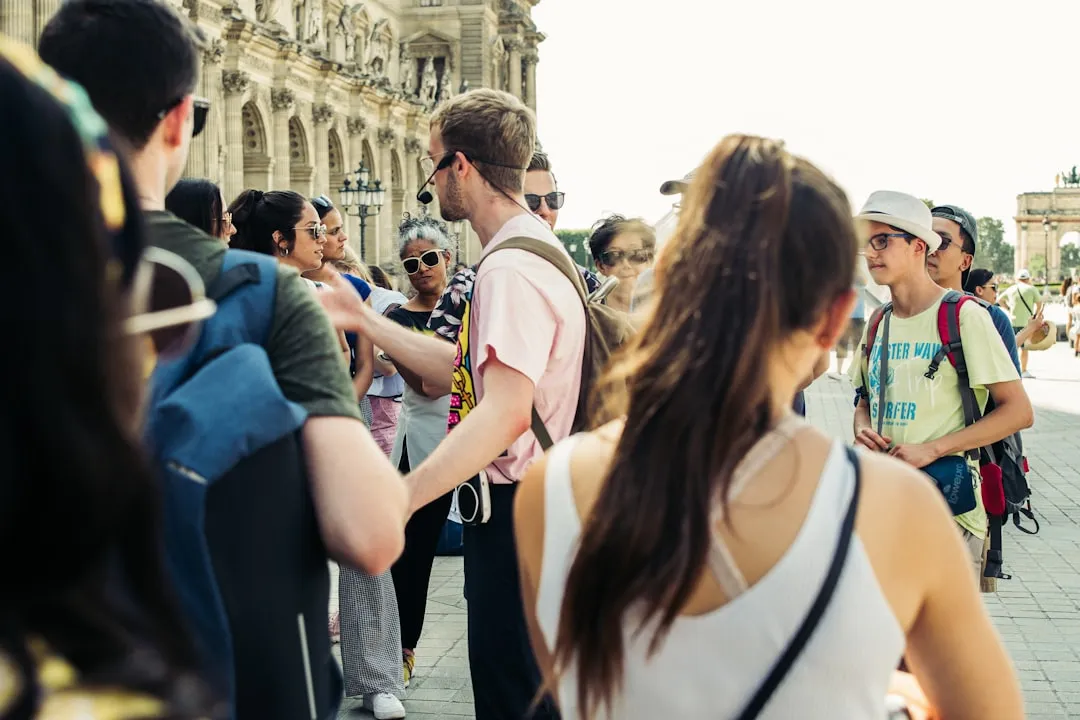
Pickpockets identify their targets by observing visual cues, like someone distracted or preoccupied, making them easier to approach. They often use distraction techniques, such as bumping into you or asking for help, to divert your attention. By paying close attention to surroundings and body language, they spot someone who’s less aware, making it easier to steal without detection.
Data from Rome’s municipal police released in mid-2024 indicated that crimes against tourists jumped by approximately 30% year-over-year, with the Trevi Fountain, Colosseum, and Termini train station being particular hotspots. These are places where the combination of awe, novelty, and crowds creates exactly the kind of dispersed attention that makes tourists readable as targets from a distance.
Paris remains a notable concern, with the U.S. State Department’s May 2025 advisory warning that pickpocketing and phone theft are common in crowded areas, while about 2,000 American travelers report their passports stolen or lost in Paris each year. High-profile sites deserve heightened physical composure, not less. The instinct to relax when you’re somewhere beautiful is understandable. It’s also exactly what makes those moments the most risky.
The Takeaway: One Habit to Carry Everywhere

The single thread running through all of this research is consistency. Thieves aren’t looking for someone who looks scared or suspicious. They’re looking for someone who looks unaware. Pickpockets target individuals who appear lost, confused, or distracted, so staying alert and confident in unfamiliar surroundings is crucial. Those who exude self-assurance and remain aware of their environment are less appealing targets.
That awareness doesn’t need to be anxious or hypervigilant. Walking at a natural pace, keeping your chin up, scanning your surroundings with calm attention, and positioning your belongings close to your body are habits that cost nothing and require no training. They’re small physical adjustments that communicate one quiet message to anyone watching: this person notices things.
Responsible travel includes taking care of yourself. The places worth visiting are overwhelmingly safe when you move through them with awareness rather than distraction. The goal isn’t fear. It’s presence, which, as it turns out, is its own form of protection.
AI Disclaimer: This article was created with the assistance of AI tools and reviewed by a human editor.