
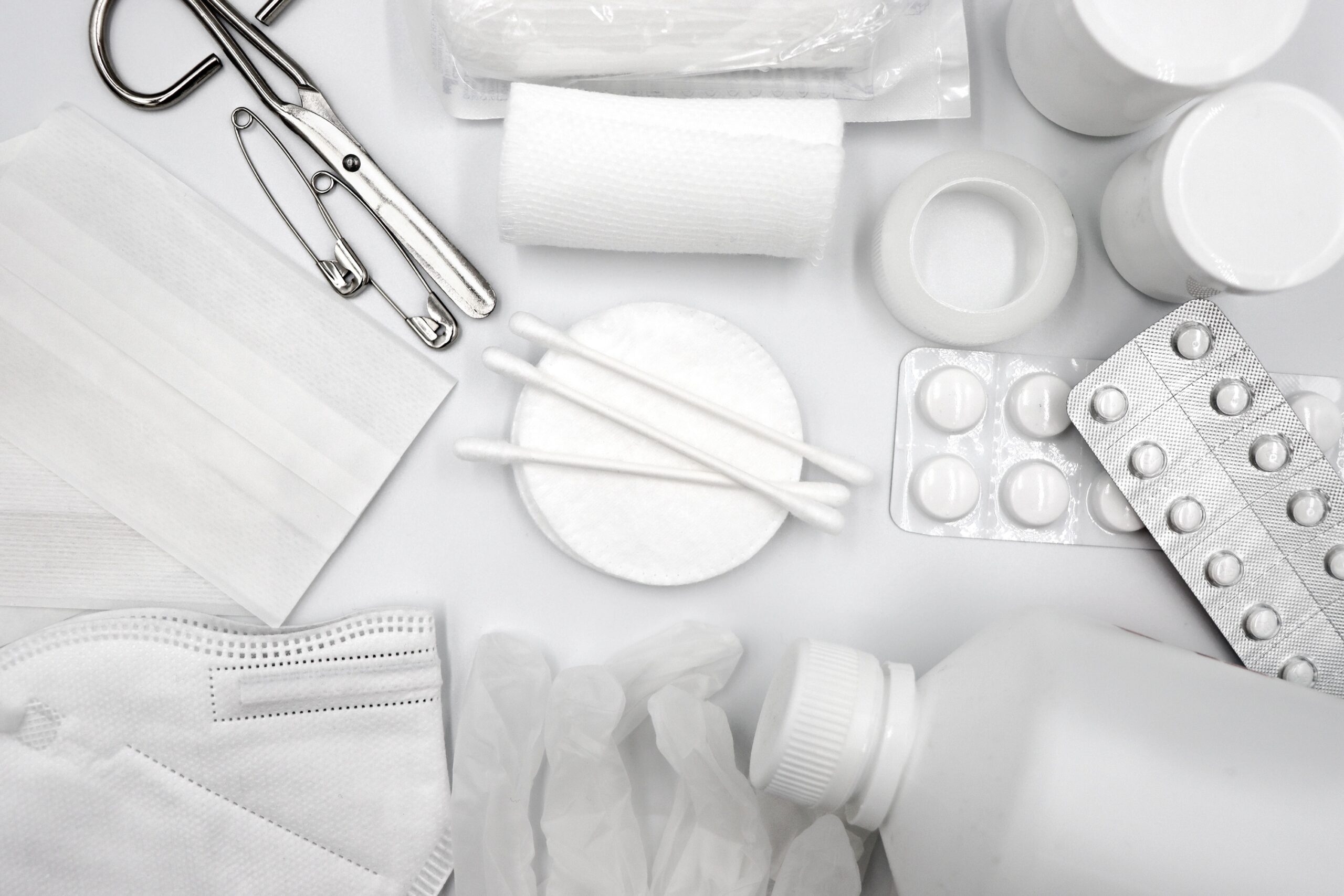

Travel nursing has become one of the fastest-growing sectors in American healthcare. Between 2018 and 2024, the number of travel nurses increased from 33,000 to more than 175,000, a shift that reflects both growing demand and a real appetite among nurses for mobility, variety, and purpose-driven work. These professionals move between assignments every few months, often across state lines or internationally, and they carry clinical knowledge most travelers never have.
That clinical background changes everything about how they pack. A nurse doesn’t just throw a box of bandages into a bag and hope for the best. They think through scenarios, prioritize by frequency of use, and build a kit that’s both lean and genuinely capable. Here’s what that process actually looks like.
Start with the Right Container
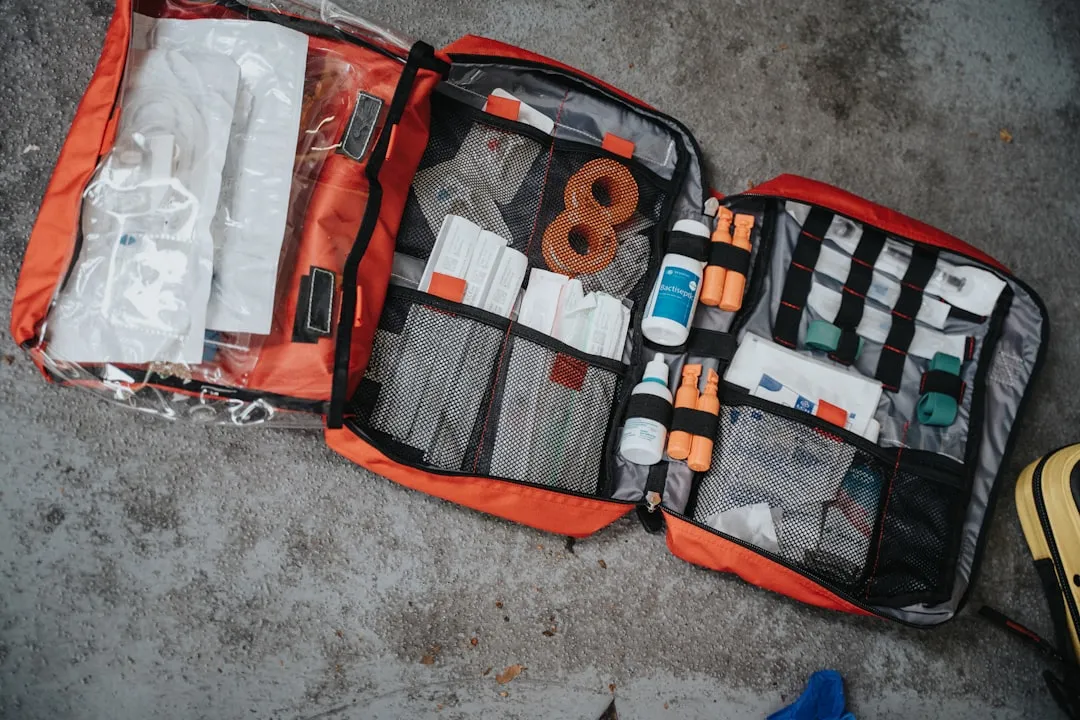
The best first aid kits are simple but varied, with a range of dressings and equipment to deal with the basics. Before worrying about what goes inside, experienced travel nurses pay careful attention to the container itself. It needs to be compact enough for carry-on luggage, durable enough to survive checked bags, and organized enough that you can find what you need quickly.
A roll-style pouch or a structured zip case with labeled compartments tends to work best. Waterproof materials are worth the slight extra weight, especially for nurses taking assignments near coastal regions or traveling during monsoon seasons. Storing medications and first aid supplies in a durable container is a standard recommendation from the CDC Yellow Book 2026, and nurses who’ve learned this the hard way tend to agree.
Wound Care Comes First
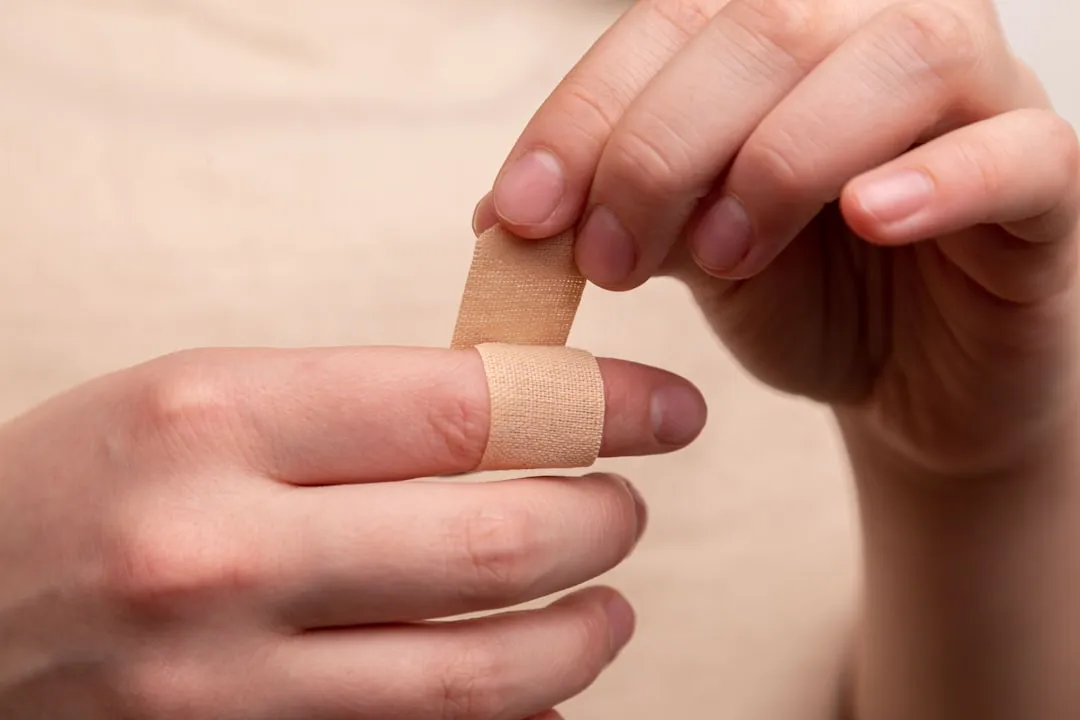
The most common form of minor injury is a cut or a graze, so it’s always a good idea to carry a handful of adhesive bandages in a variety of sizes. Travel nurses build their wound care section with purpose: multiple bandage sizes, sterile gauze pads, and medical tape form the foundation. A thoughtful approach covers two angles: being equipped to deal with cuts, bruises, sprains, and breaks, and stocking up on over-the-counter medicines for issues such as pain, fever, dehydration, nausea, and vomiting.
Gauze is essentially a sterile swab used to clean a wound or soak up blood, and it can be taped onto a bleeding wound to apply pressure. It’s important to apply only sterile gauze to a wound and not keep reapplying the same piece. Always wipe away from the wound rather than into it to avoid contamination. This is clinical knowledge most non-nurses simply don’t carry with them on the road.
Antiseptic Wipes and Wound Cleaning Supplies
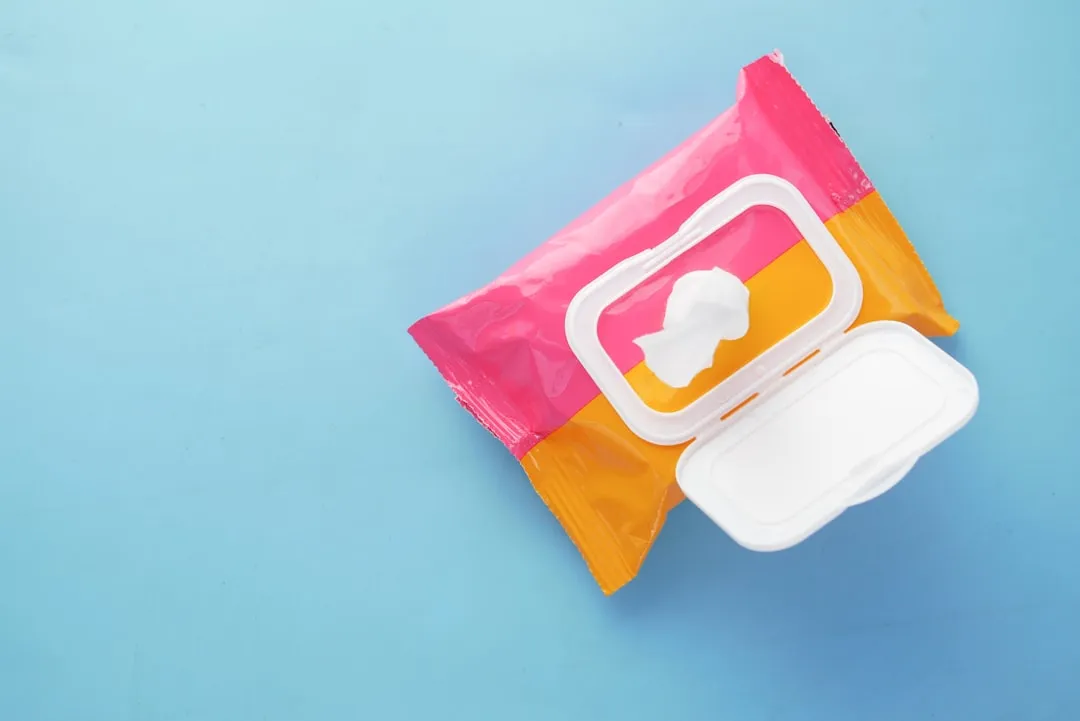
Antiseptic wipes are an absolute essential in any good pack. No one wants a cut or wound to get infected, and antiseptic wipes are perfect for cleaning it before applying a dressing. Travel nurses tend to pack a generous supply, knowing these are the items used most frequently. Antiseptic wipes are designed to reduce or eliminate microbes from the skin or surfaces. When injuries occur, especially in outdoor or unsterile environments, the risk of contamination is high, and antiseptic wipes provide a quick and efficient way to clean wounds and reduce the chances of infection.
The best way to clean a wound is with soap and water, so a saline solution guarantees the water is clean. If water isn’t on hand, antiseptic wipes in the kit can clean a wound immediately. Getting the bacteria out fast can prevent infection. Nurses often double up with both saline and wipes, knowing that remote or rural environments don’t always offer clean running water.
Pain Relief and Fever Management
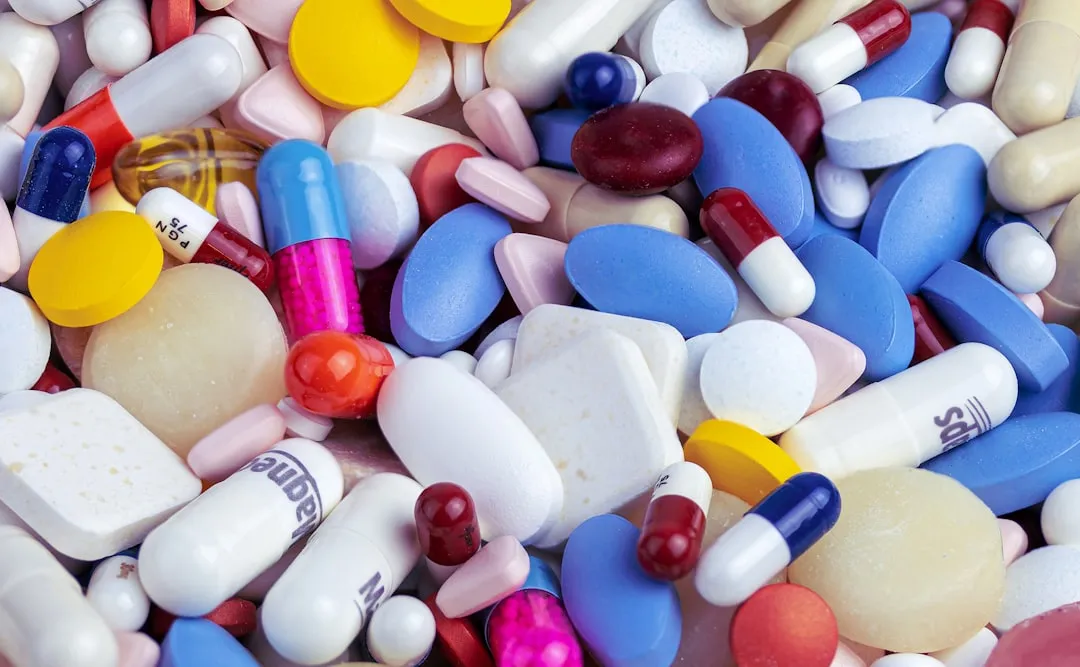
Acetaminophen, ibuprofen, or aspirin relieves headaches, pain, fever, and simple sprains or strains. Travel nurses pack both options rather than choosing one, since acetaminophen and ibuprofen target pain and fever through different mechanisms and can be alternated safely in adults. Packing TSA-approved single-dose packets of pain relievers like acetaminophen or ibuprofen helps manage headaches, muscle aches, or fever without taking up unnecessary space.
Experienced nurses also know that a low-grade fever doesn’t always mean a pharmacy visit. Having reliable pain and fever management on hand can make the difference between a manageable evening and a frantic search for a drugstore in an unfamiliar city. It’s one of the smallest items in the kit with one of the highest rates of actual use.
Allergy and Antihistamine Supplies
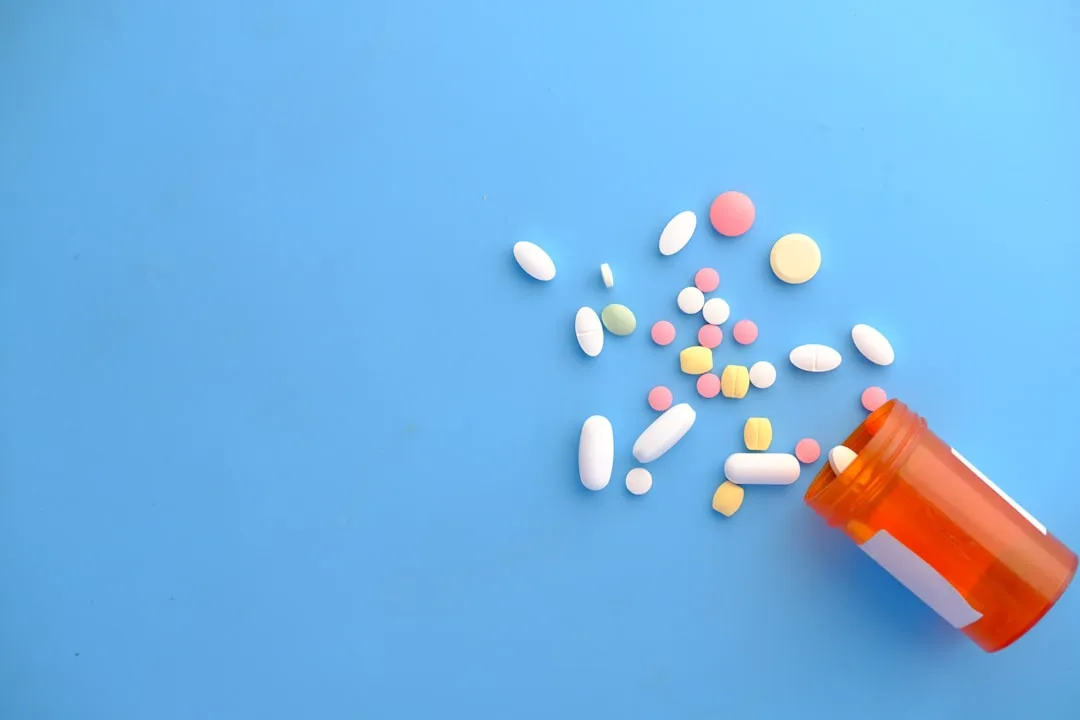
Including a small container of antihistamine tablets for allergies or insect bites, following TSA guidelines for quantity, is a practical addition to any travel kit. For nurses, this is non-negotiable. Allergic reactions can escalate quickly, and having an antihistamine available within seconds rather than minutes can matter. Hydrocortisone cream to relieve irritation from rashes, calamine lotion to relieve itching and irritation from insect bites and poison ivy, and insect repellent round out this section of the kit.
Nurses assigned to outdoor or tropical locations are particularly attentive here. A reaction to an insect bite, a plant, or a new food can range from mildly uncomfortable to genuinely dangerous. Carrying both a topical cream and an oral antihistamine covers the full range of mild-to-moderate reactions and buys time if something more serious develops.
Gloves, Tweezers, and Precision Tools
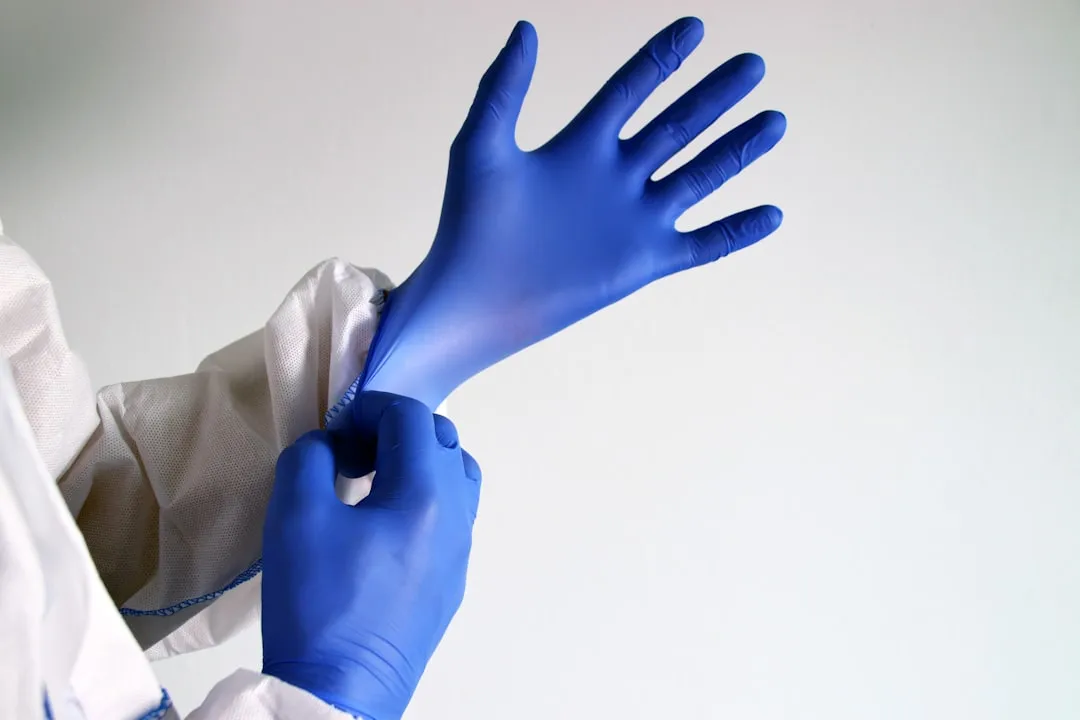
Disposable rubber gloves protect hands and reduce the risk of infection when treating wounds. Travel nurses never leave home without a few pairs. Nitrile gloves are the standard choice, offering latex-free protection with a reliable fit. Tweezers are another essential item, useful for pulling out splinters, getting out little bits of stone or dirt when cleaning a wound, or any number of other practical uses.
When applying topical antibiotics to smaller wounds, tweezers can assist in placing gauze or bandages accurately without contaminating the area with fingers. This is exactly the kind of clinical reasoning that separates a nurse-built kit from a generic drugstore purchase. Small tools like medical scissors, a digital thermometer, and safety pins also earn their place in the kit through repeated real-world use.
Gastrointestinal Remedies for Travel-Related Illness
What you pack in your first aid kit depends on where and how long you plan to travel and the medical care available there. For gastrointestinal issues, the calculus is simple: traveler’s diarrhea is one of the most common illnesses affecting people who cross borders. Oral rehydration salts are lightweight, inexpensive, and effective. Oral rehydration solution packets appear consistently on clinical packing lists including those from Cigna’s reviewed health resources.
Anti-nausea medication, antacids, and loperamide for diarrhea form the GI triad that most travel nurses carry without hesitation. The human body needs a lot of water to function well. Exercise, especially in warm climates, can make the body run through more water than usual, and if it’s not replaced, dehydration may set in. Nurses understand dehydration risk at a physiological level, which is why hydration support is taken seriously from day one of any trip.
Respiratory Protection and Infection Prevention
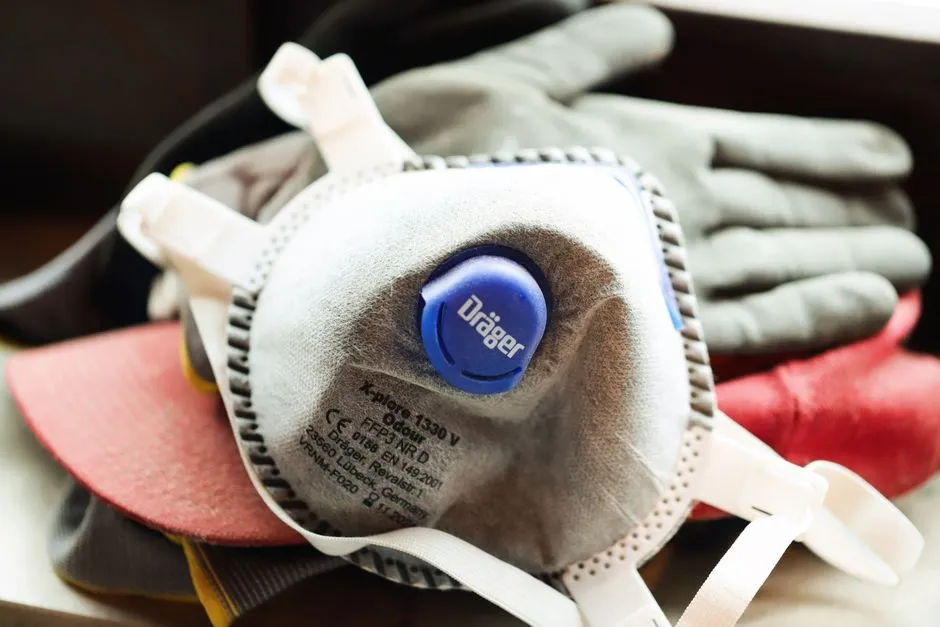
Wearing a highly protective mask like an N95 with head straps in high-risk settings like planes is a considered precaution worth building into any travel routine. Travel nurses who move between hospitals and clinics are especially mindful of respiratory transmission. An extended kit for a group going to a remote area, including items that may be brought by a licensed medical professional, is one of the two kit types outlined by the CDC Yellow Book 2026.
Hand sanitizer is another constant in a nurse’s travel kit. Antibacterial hand wipes or an alcohol-based hand sanitizer is consistently recommended by Johns Hopkins Medicine as part of any traveler’s supply list. For a nurse who’s spent a career reinforcing hand hygiene as a frontline defense, this particular item feels less like a travel precaution and more like a professional habit.
Documentation and Medications in Original Packaging
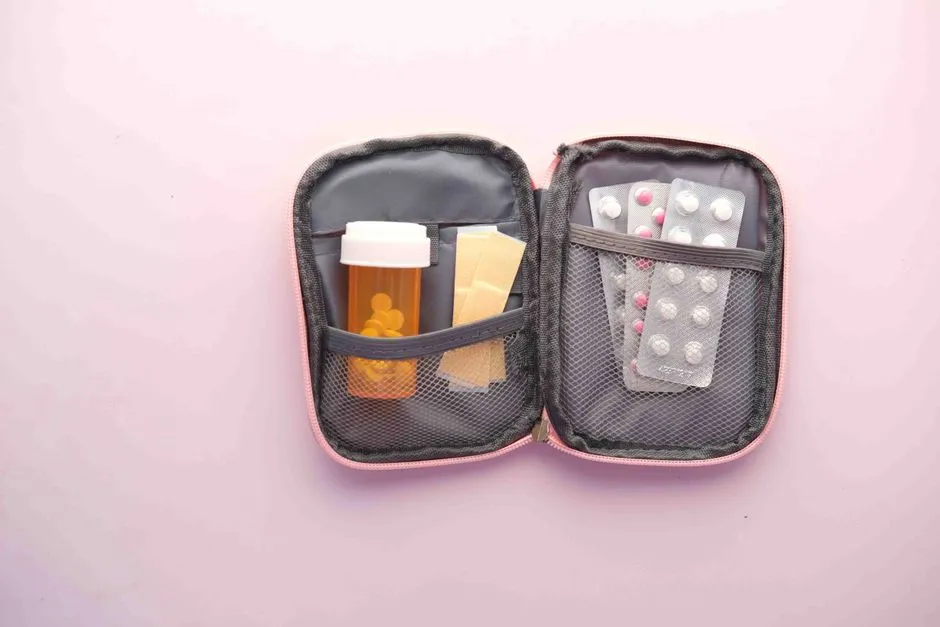
Carrying all medicine in its original container with clear labels that identify your name and dosing schedule is guidance from Johns Hopkins Medicine that travel nurses follow rigorously. Customs officials in many countries require it. Narcotics and psychoactive medications for personal use should be carried in the original prescription container and are limited in many countries to a 30-day supply or less.
The CDC Yellow Book 2026 recommends personalizing the contents of a travel health kit based on the availability of local medical care and evacuation, the itinerary, planned activities, duration of the trip, and the medical expertise in the group. Travel nurses take this one step further by carrying a brief medical summary that lists their diagnoses, regular medications by generic name, and known allergies. It’s a small document that can make a significant difference in an emergency abroad.
Knowing What to Leave Out and When to Restock
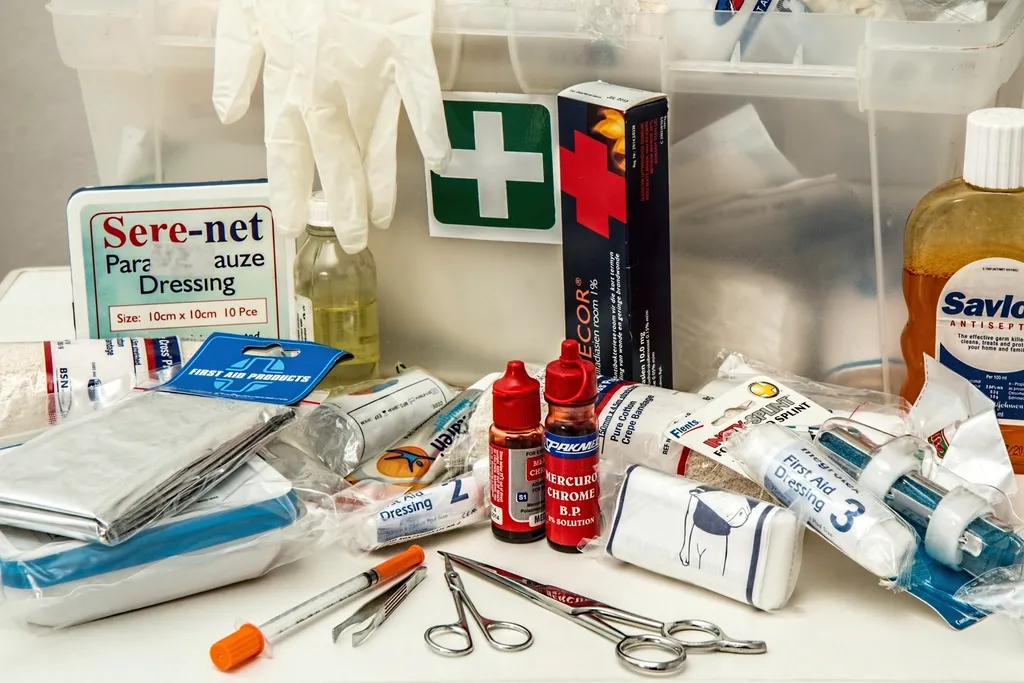
Each trip is a little different. Before jetting off to a new place, making sure the kit is still well-stocked, that medications haven’t expired, and that there are appropriate items specific to the destination is the final discipline of any well-prepared traveler nurse. Over-packing a first aid kit is a real risk. Heavy, bloated kits get left in checked luggage, which means they’re inaccessible exactly when they’re needed most.
Just a small handful of key items will suffice for most packs. Like most basic items, they are easy to replace at any pharmacy when you run low. The smartest travel nurses build kits that cover the high-frequency situations while trusting that pharmacies exist in most corners of the world. All travelers should bring a personal first aid kit with basic medical supplies that depend on the traveler’s health history and type of trip. The goal of a travel health kit is to allow management of common minor illnesses and injuries, treatment of recurring problems, and continuity of care. That goal, articulated by the CDC, is exactly what an experienced nurse already carries in their thinking before they ever open a bag.
The Takeaway
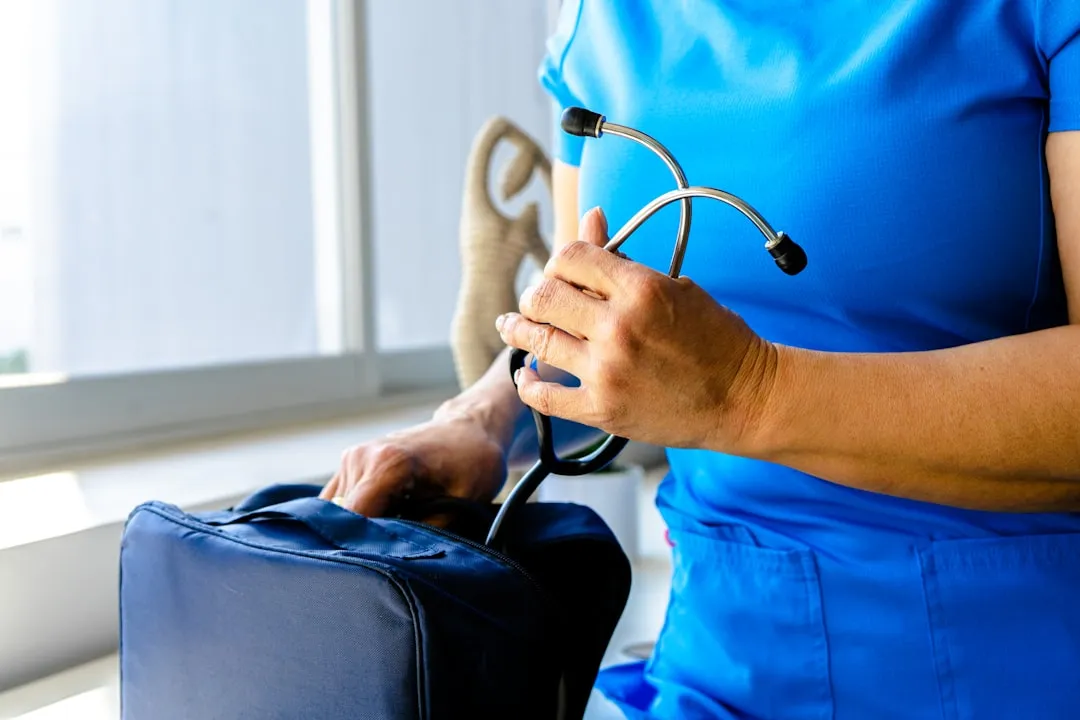
What makes a nurse’s travel first aid kit different isn’t an exotic list of supplies. It’s the clinical reasoning behind each choice. Every item earns its weight. Every category reflects a real scenario. The kit stays lean because the person packing it understands what can genuinely go wrong on the road and what can wait until a clinic opens in the morning.
With travel nurse numbers having grown from 33,000 to more than 175,000 between 2018 and 2024, there’s a rapidly expanding community of clinicians who know how to care for themselves and others far from familiar hospital walls. Their kits aren’t just luggage accessories. They’re a quiet form of professional confidence, packed with hard-won experience and genuine care.
AI Disclaimer: This article was created with the assistance of AI tools and reviewed by a human editor.