
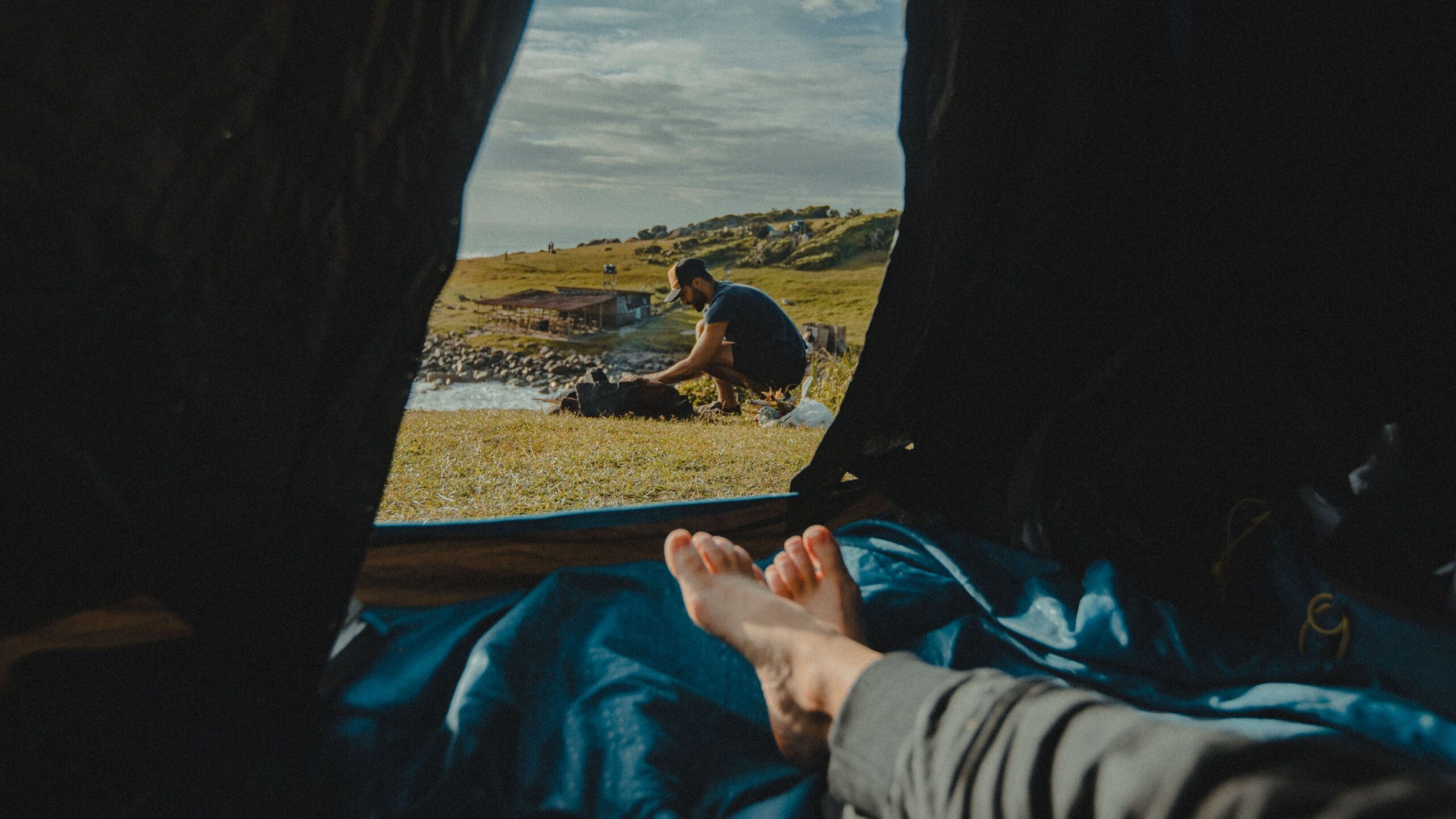

There’s a pattern you’ll notice among people who’ve logged years of nights under the stars. They’re rarely the ones poring over campsite maps searching for the most scenic overlook or the closest parking. Instead, they’re quietly scanning for the blue lines on a topo map – rivers, streams, lakes. Proximity to water isn’t just a preference; for experienced campers, it’s a core planning decision that shapes everything from logistics to the quality of sleep.
The reasons run deeper than simple convenience. Water shapes the landscape around it, determines what wildlife shows up, affects the air temperature at dusk, and brings a set of practical advantages that only become obvious once you’ve camped enough times without it. Here’s a close look at why veterans of the outdoors rarely pitch a tent far from a flowing or still water source.
Hydration Is the Foundation of Everything Outdoors
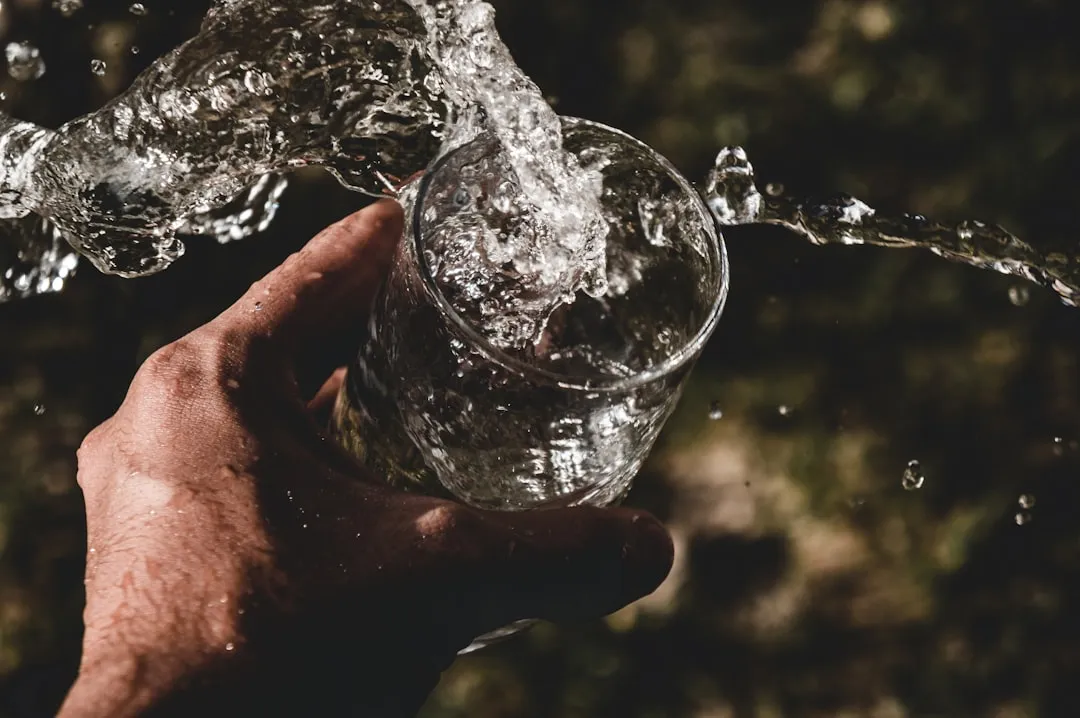
A dependable guideline for any camping trip is two gallons of water per person per day, a baseline designed to cover drinking, cooking, and hygiene needs in a single figure. That’s a lot of weight to carry into the backcountry. Camping near a reliable water source removes the burden of hauling every drop you’ll need from the trailhead.
It’s easy to become dehydrated in the wilderness – water is less immediately available than at home, and you’re typically exerting yourself more than average, a double challenge that means many hikers and campers aren’t actually drinking enough water. Having a stream or lake close to camp means you can replenish without rationing. That freedom makes a longer trip genuinely comfortable rather than just survivable.
Cooking and Camp Chores Become Far Easier
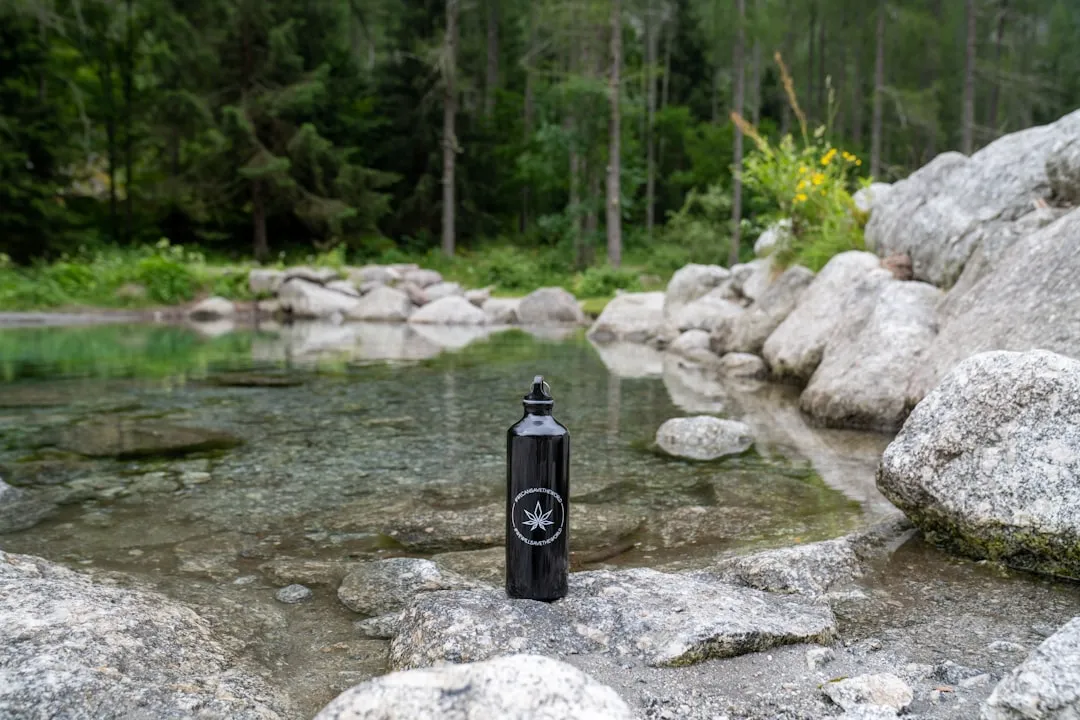
Boiling water for meals, washing cookware, and even basic personal hygiene all require more water than most first-timers expect. When camping at high activity levels, in heat, or at elevations above 8,000 feet, you need to adjust your supply upward, and water-heavy tasks like cooking dehydrated meals and basic hygiene add up quickly.
When a stream is within reasonable reach, experienced campers can treat and collect water as needed rather than carrying exhaustive reserves. Using water filters reduces the need for single-use water bottles, which contribute to plastic waste, making a camp near water not only more practical but also more environmentally sound. It’s one of those small decisions that quietly improves the whole experience.
Natural Water Sources Attract Rich Wildlife
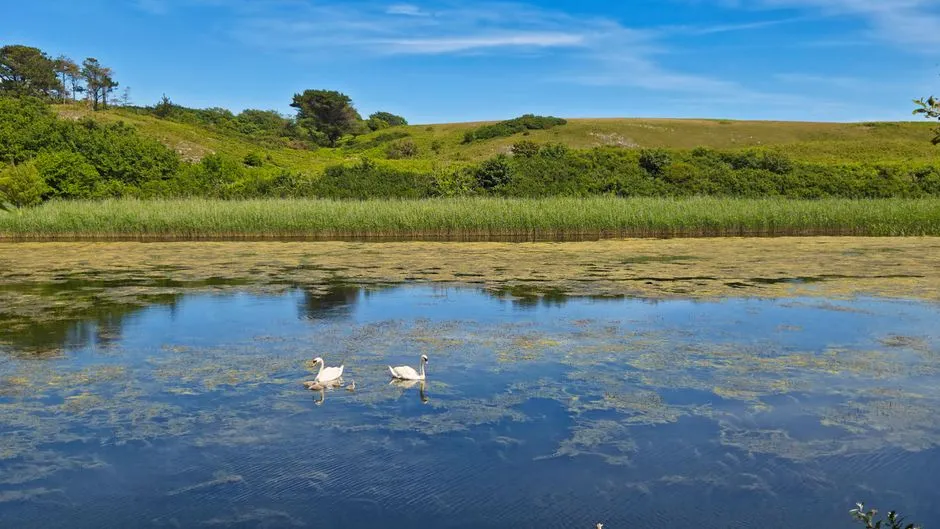
Water attracts a variety of wildlife, offering excellent opportunities for observation and photography. Birds, fish, and other animals are often more abundant near water, providing an enriching experience for nature enthusiasts and photographers. Wake up early near a quiet lake or stream and you’ll often find herons, otters, and deer before the rest of the world stirs.
Surveys of overnight campers consistently report the strong draw of camping near water for its utility, scenic beauty, fishing and swimming opportunities, relaxing sounds, and opportunities to see wildlife and explore shorelines. For many people, that wildlife connection is precisely what they came for. Camping near water makes that encounter far more likely without any extra effort.
The Sound of Water Genuinely Improves Sleep
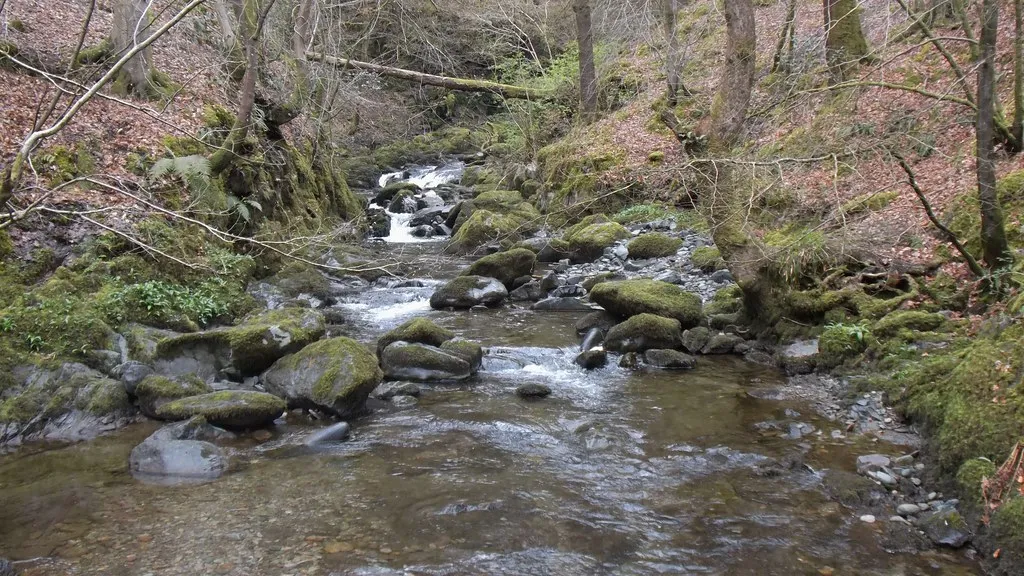
Humans evolved for hundreds of thousands of years surrounded by natural soundscapes including flowing water, rustling leaves, and birdsong. The hum of traffic and the buzz of electronics are, in evolutionary terms, entirely new. A growing body of research suggests that exposure to natural sounds triggers measurable changes in our physiology: reduced stress hormones, lower blood pressure, decreased heart rate, and shifts in nervous system activity toward rest and recovery.
The gentle sounds of water have a calming and therapeutic effect. The rhythmic lapping of waves or the babbling of a brook can help reduce stress and promote relaxation. Falling asleep to the sounds of water can lead to a more restful night’s sleep. For campers who struggle to adjust to sleeping outdoors, a nearby stream can make all the difference between a rough night and a deeply restorative one.
Water Sources Serve as Natural Navigation Landmarks
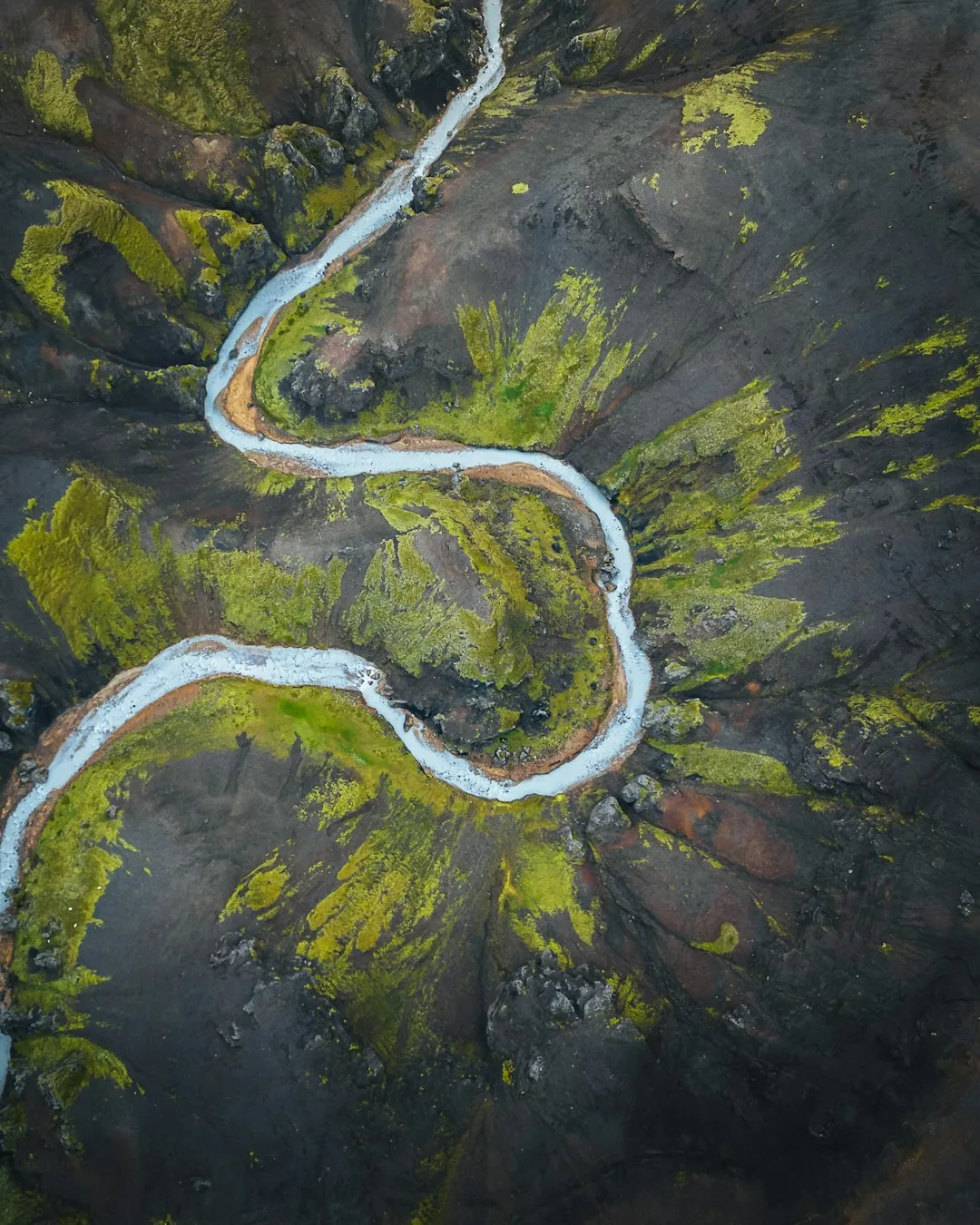
Rivers and streams don’t just provide water – they provide orientation. Watercourses typically appear on topographic maps with reliable accuracy, making them among the most trustworthy natural landmarks for backcountry navigation. Experienced campers know that following a drainage downstream almost always leads back to a trail, road, or valley.
Researching water sources in your area before you go – knowing where rivers, lakes, and streams are relative to your campsite – is part of solid pre-trip planning. In unfamiliar terrain, setting up camp near a mapped water source means you always have a confirmed reference point. That alone can be a genuine safety asset in low-visibility conditions or when trails become harder to follow.
Emergency Preparedness Gets a Meaningful Boost
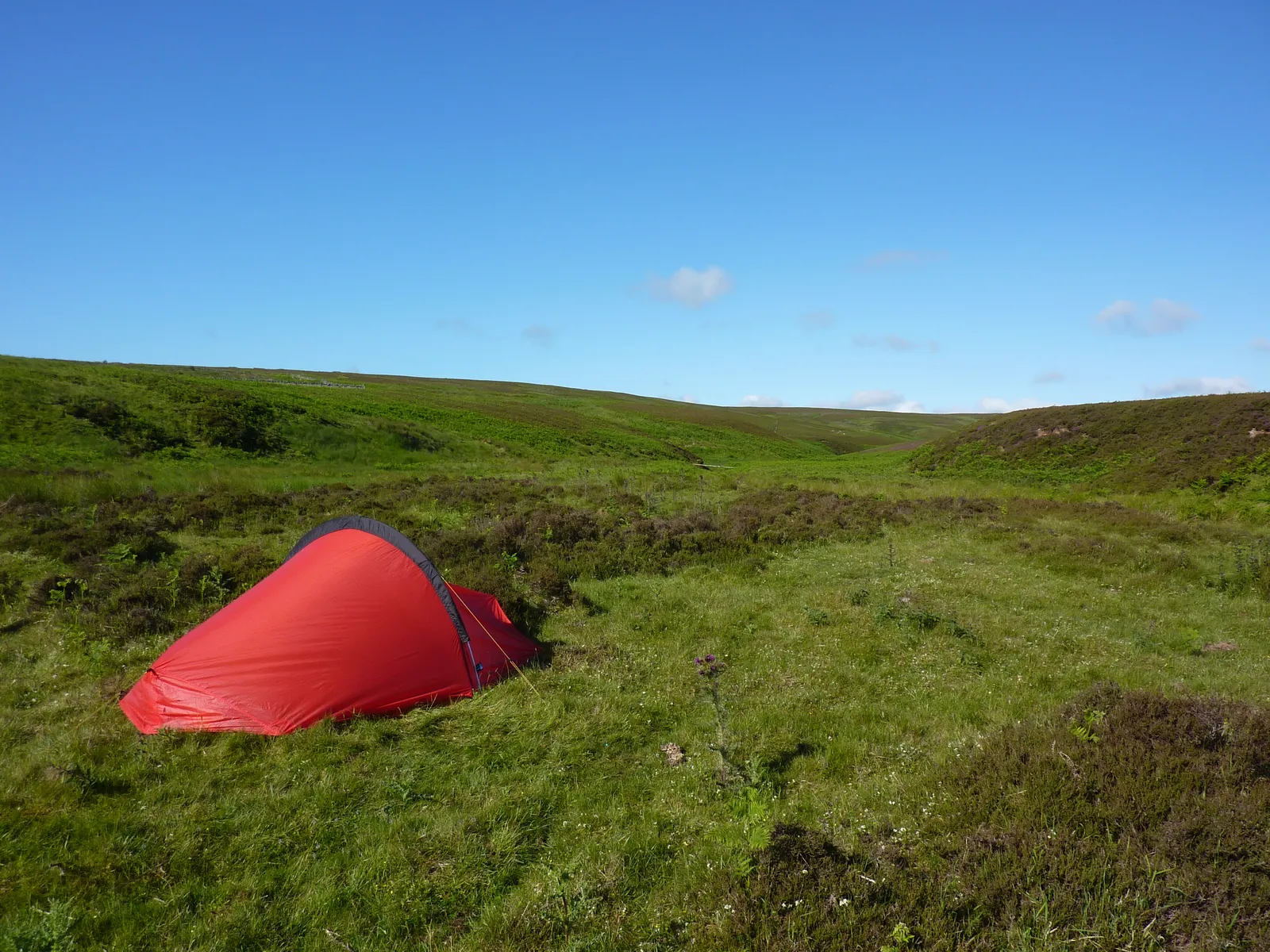
Water is essential for more than just quenching thirst; it is the backbone of your safety and comfort in the outdoors. Misjudging your needs can quickly turn a thrilling adventure into a difficult situation. Experienced campers take this seriously. In an emergency – an injury, an unexpected extra night out, or an illness – having a nearby water source can mean the difference between a manageable situation and a genuine crisis.
Many outdoor accidents happen because people underestimate water consumption. Factors such as heat, physical exertion, and limited access to clean water increase dehydration risk. Choosing a site near water isn’t pessimism – it’s the kind of quiet preparation that defines experienced backcountry travel. You hope not to need it as a backup, but you’re glad it’s there.
Water Treatment Is Non-Negotiable – But Manageable
There is no easy way to tell whether a pristine-looking stream near your camp is harboring a gut-seeking microbe. If any animal, including humans, can reach an area, so can disease-causing microorganisms. This is exactly why experienced campers treat all natural water before drinking it, no matter how clean it looks.
Drinking contaminated water can lead to serious illnesses such as giardiasis, cryptosporidiosis, and viral hepatitis. Understanding how to purify water effectively is a critical camping skill. Boiling water for at least one minute kills germs and is the safest way to sanitize drinking water. If boiling is not possible, a combination of disinfection and filtration is the best option. Seasoned campers carry a filter or purification tablets as standard gear – with a nearby source, those tools become genuinely useful rather than hypothetical.
The 200-Foot Rule: Proximity Without Damage
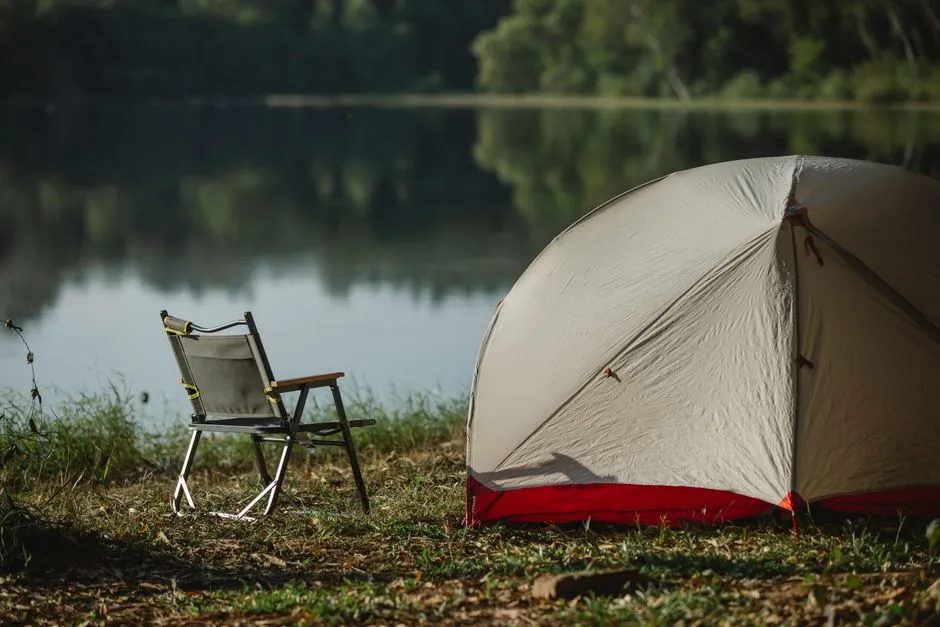
Choosing a site near water doesn’t mean pitching your tent on the bank. For more than 20 years, the Leave No Trace Center for Outdoor Ethics has consistently recommended camping a minimum of 200 feet from any water source. This isn’t just regulatory etiquette – it protects riparian ecosystems that are some of the most biologically productive and fragile environments in any landscape.
The 200 rule says you should be at least 200 feet from water, trails, and other camps when you camp, cook, wash, or go to the bathroom. Two hundred feet is about 70 big steps, 66.7 yards, or 61 meters. This distance helps protect water quality and prevents contamination from human waste and other pollutants, and also minimizes disturbance to riparian ecosystems. Experienced campers know exactly how to balance proximity with responsibility.
Water Moderates Temperature and Creates More Comfortable Camps
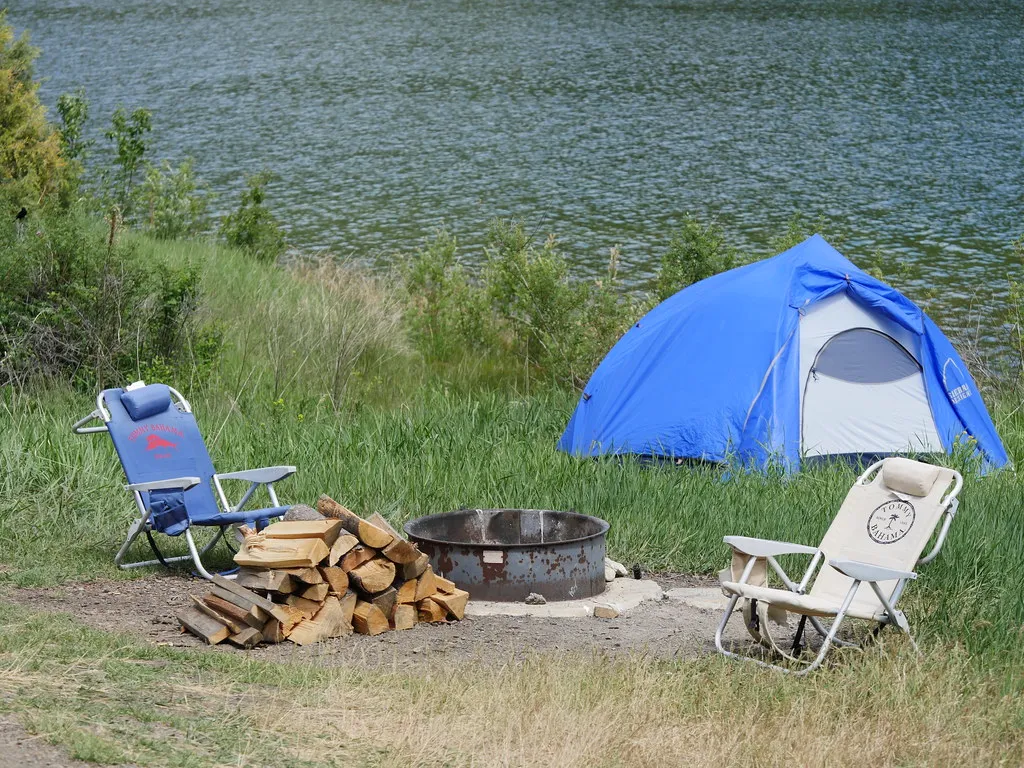
Bodies of water – particularly lakes and wider rivers – absorb and release heat more slowly than the surrounding land. This thermal mass effect tends to buffer temperature swings overnight, meaning a campsite near water often stays warmer on cold desert nights and slightly cooler on hot summer evenings than a dry site on exposed terrain.
The sound of water can be incredibly soothing. Whether it’s the gentle lapping of waves, the flow of a river, or the stillness of a lake, water bodies provide a tranquil environment perfect for relaxation. That environmental comfort extends to the feel of the air itself – riparian zones tend to hold more humidity, which can make breathing easier at altitude and reduce the parched feeling that some dry campsites produce by morning.
Recreation Opportunities Open Up Naturally
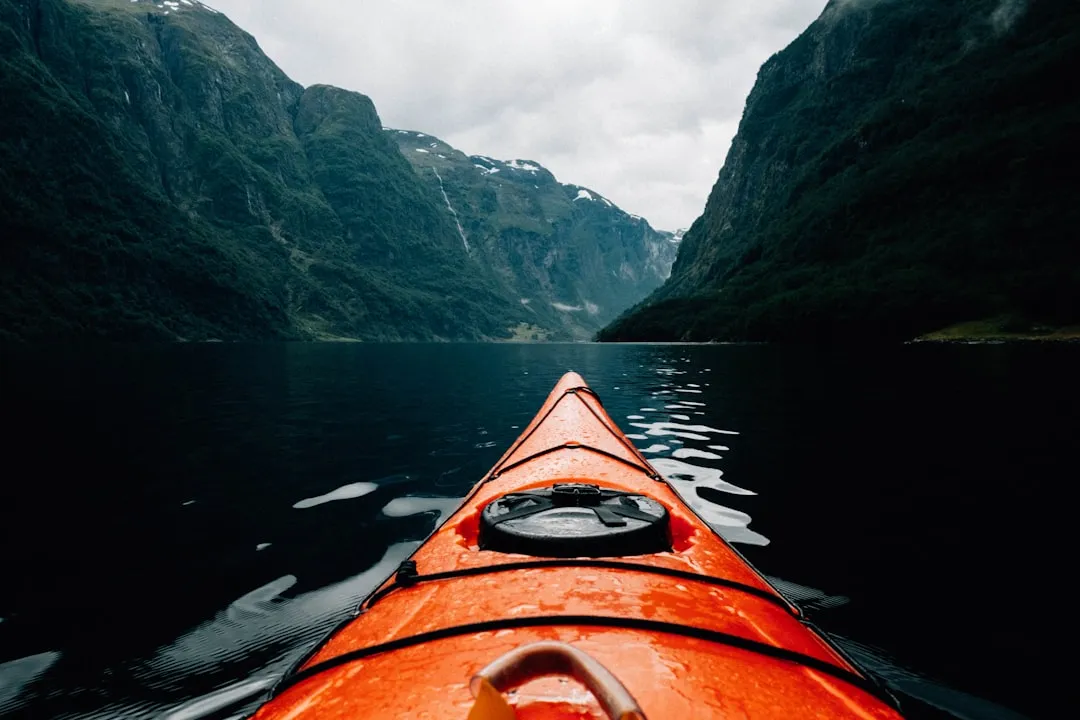
Camping near water provides endless opportunities for recreational activities. Swimming is a popular and refreshing way to cool off on a hot day. Many water bodies also offer options for water sports such as kayaking, canoeing, paddleboarding, and windsurfing. These activities provide great exercise and fun for all ages.
Fishing is another favorite pastime for those camping near water. Whether you’re an experienced angler or a beginner, fishing offers a relaxing and rewarding experience. It can also be a practical activity, providing fresh fish for your meals. That last point matters more than it might seem on a longer trip – a fish caught for dinner is one fewer meal you had to carry in. Water makes the campsite do more work for you.
The Takeaway
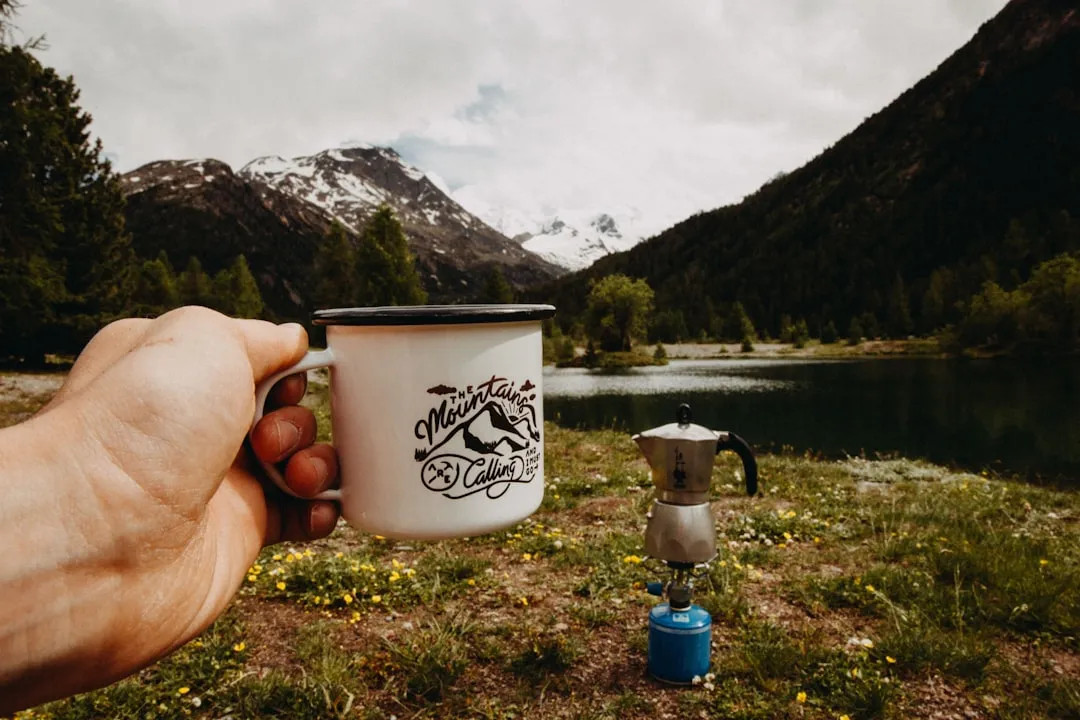
The choice to camp near water isn’t accidental or purely aesthetic. It reflects a deeper understanding of how comfort, safety, navigation, and enjoyment all converge around reliable access to water. Every experienced camper who makes this choice has learned – usually the hard way, at least once – just how much the presence or absence of water shapes every hour of a trip.
Carry your filter, respect the 200-foot buffer, treat what you collect, and leave the banks undisturbed. Do that, and camping near a water source rewards you with easier meals, better sleep, richer wildlife encounters, and a genuine safety margin. That’s a lot of return for one smart site selection decision.
AI Disclaimer: This article was created with the assistance of AI tools and reviewed by a human editor.