
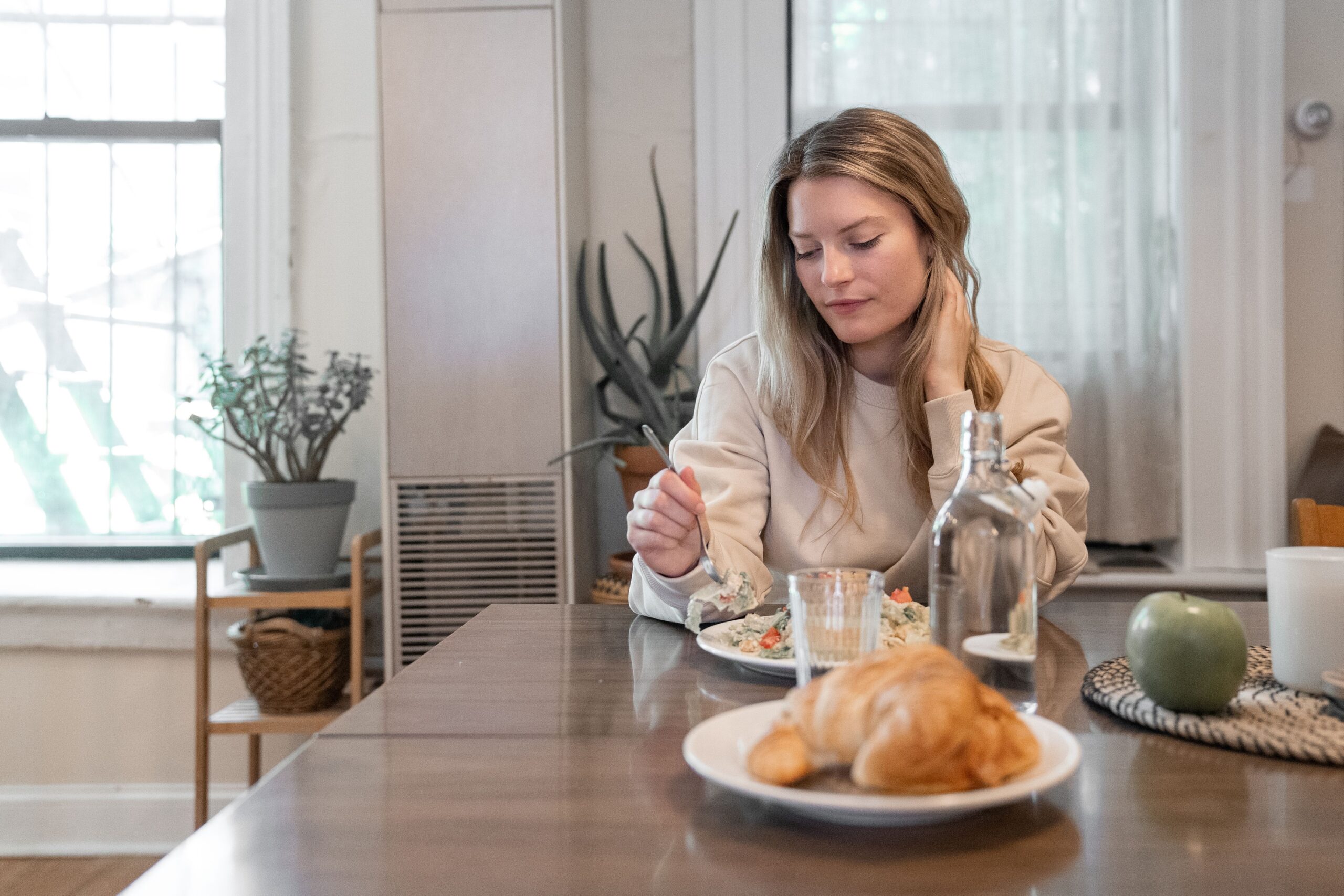

There’s a quiet confidence that certain travelers carry into any restaurant in the world, whether it’s a neighborhood bistro in Lisbon or a noodle counter in Tokyo. They sit down, they order without hesitation, and they look perfectly at ease. Watching them, you might assume it’s a personality trait. It usually isn’t.
More often, it comes down to one simple, repeatable habit: being warmly and genuinely friendly, to the staff, the space, and themselves. That single shift in posture, both literal and emotional, changes the entire experience of dining alone.
Solo Dining Is More Common Than You Think
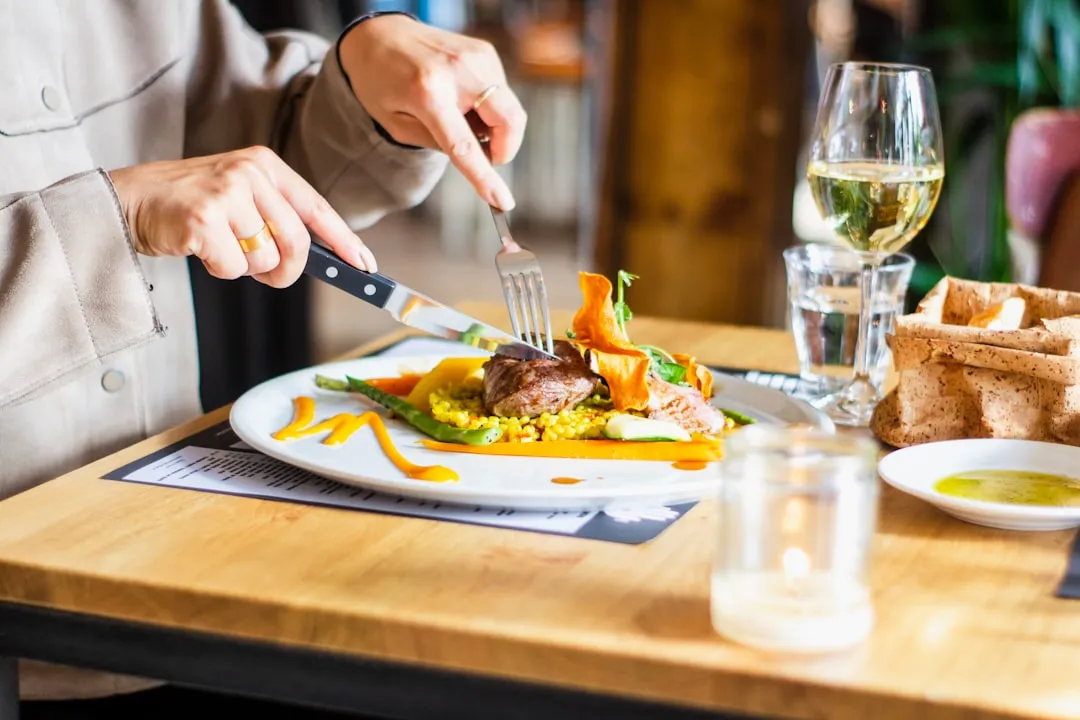
The idea that eating alone at a restaurant is somehow unusual is quietly losing ground. Roughly one in five Americans now say they typically dine alone, according to TouchBistro’s 2025 Diner Trends Report. That number has been edging upward steadily, and it reflects something real about how modern life is organized.
The trend is especially pronounced among younger demographics, with nearly half of millennials and a similar share of Gen Z consumers preferring to dine alone at least weekly. Solo diner reservations spiked by twenty-two percent in Q3 2025 compared to the same period in 2024, according to Toast’s restaurant data.
Whether a solo diner is new to eating alone or a seasoned pro, many have one thing in common: they’re often from out of town, with over sixty percent of Americans choosing to dine solo mainly when traveling alone. Knowing you’re in good company, even statistically, is a small but real comfort.
Why Friendliness Is the Habit That Actually Works
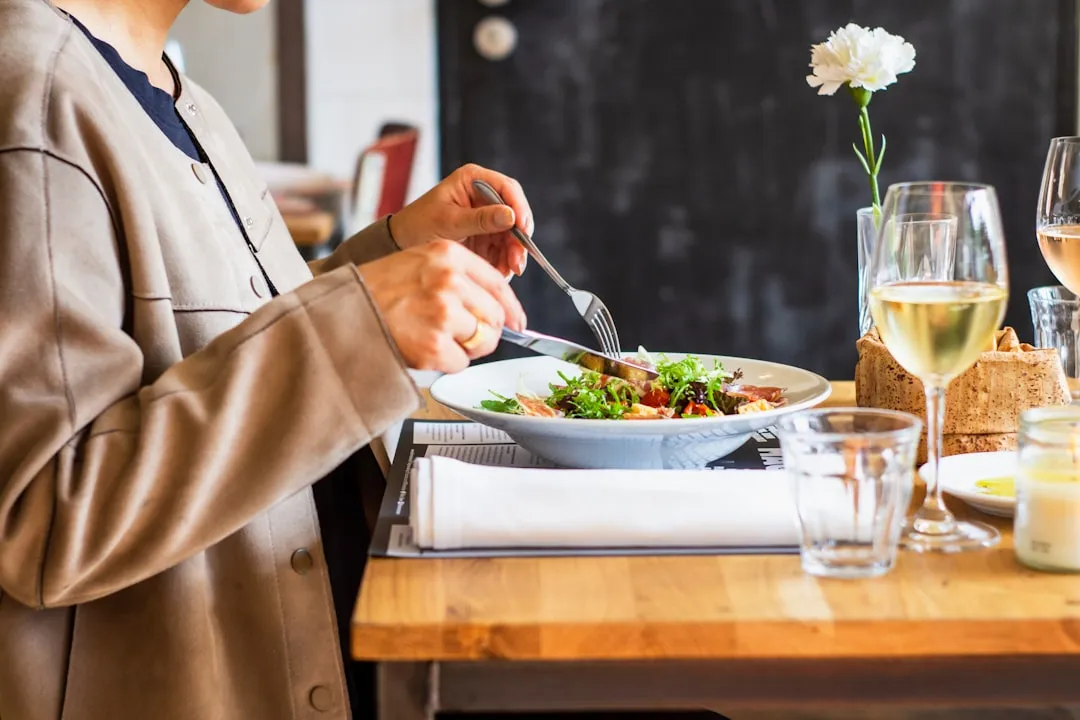
Of all the tools a solo diner can reach for, genuine friendliness toward staff is the one that transforms the experience most reliably. Engaging with the staff can greatly enhance your solo dining experience, making it more interactive and enjoyable, as chatting with waitstaff, bartenders, or even chefs can add a personal touch to your meal.
When you show interest in the people who are serving you, it often leads to richer, more rewarding conversations, with staff sharing stories about the restaurant, insights into the menu, and even personal anecdotes that make your experience unique, which not only helps to pass the time but also makes you feel more connected to the place and its people.
This isn’t about performing extroversion or forcing small talk. It’s about a simple, human exchange that signals: I’m here, I’m relaxed, and I’m glad to be in your restaurant. That energy tends to come back to you.
What Research Says About Staff Warmth and Solo Comfort
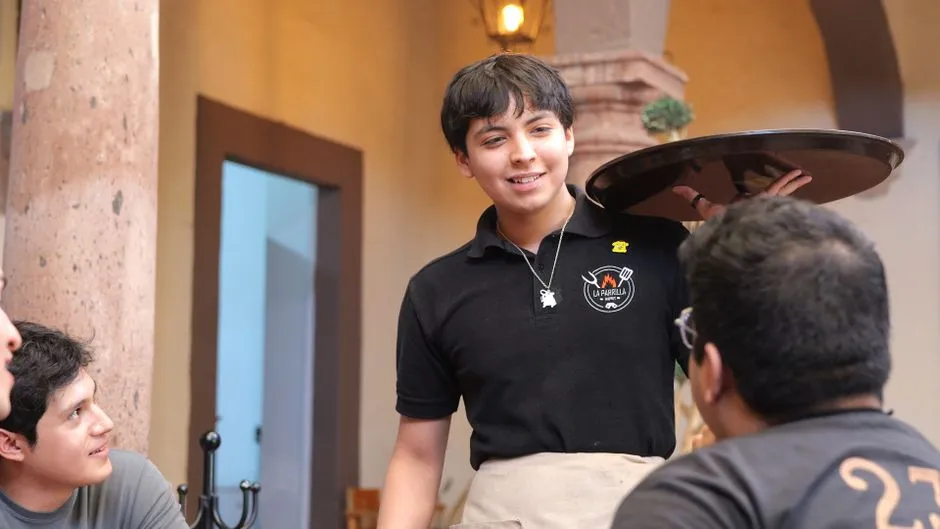
The relationship between staff behavior and solo diner comfort isn’t just anecdotal. A peer-reviewed mixed-methods study on solo dining published in academic research showed something worth noting. Within the service dimension, staff friendliness, professional behavior, and their ability to make diners feel comfortable ranked highest in importance to solo diners.
Solo-friendly menus and portion size were also perceived as highly important, though the human element consistently came first in diner priorities. Physical environment and decor, by contrast, ranked lower. What solo diners crave most, it turns out, is the sense that someone sees them and is glad they’re there.
The Bar Seat and Counter: Your Best Friends
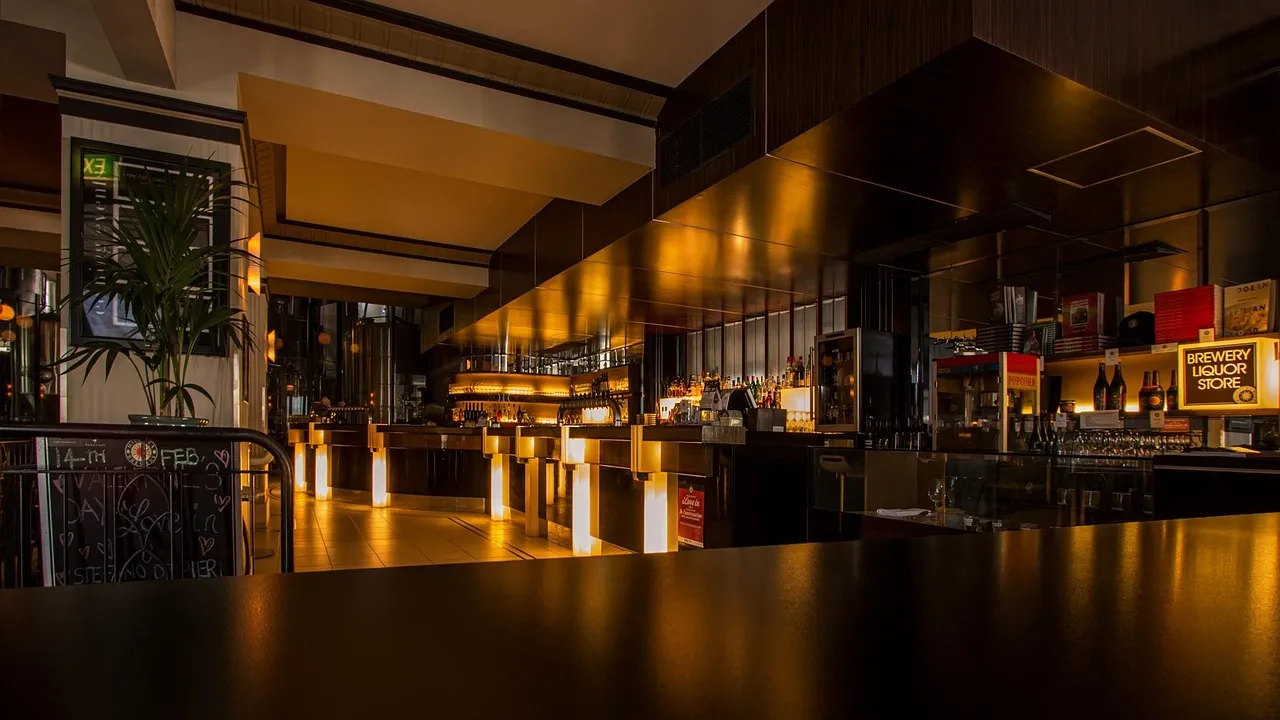
When booking, mentioning you’re dining alone and asking for a comfortable seating option, like a cozy corner, a spot with a nice view, or a seat at the bar, sets the experience up well, since the bar offers a relaxed and social setting for solo diners. This isn’t a consolation prize. Counter and bar seating are genuinely ideal for eating alone.
You can have a light conversation with the bartender or simply enjoy watching the restaurant’s activity, and the bar area often feels more dynamic and social. When asked where they feel most comfortable eating alone, respondents in a Toast survey pointed first to coffee shops, followed closely by full-service restaurants and fast casual spots.
How to Engage Staff Without Overstaying Their Attention
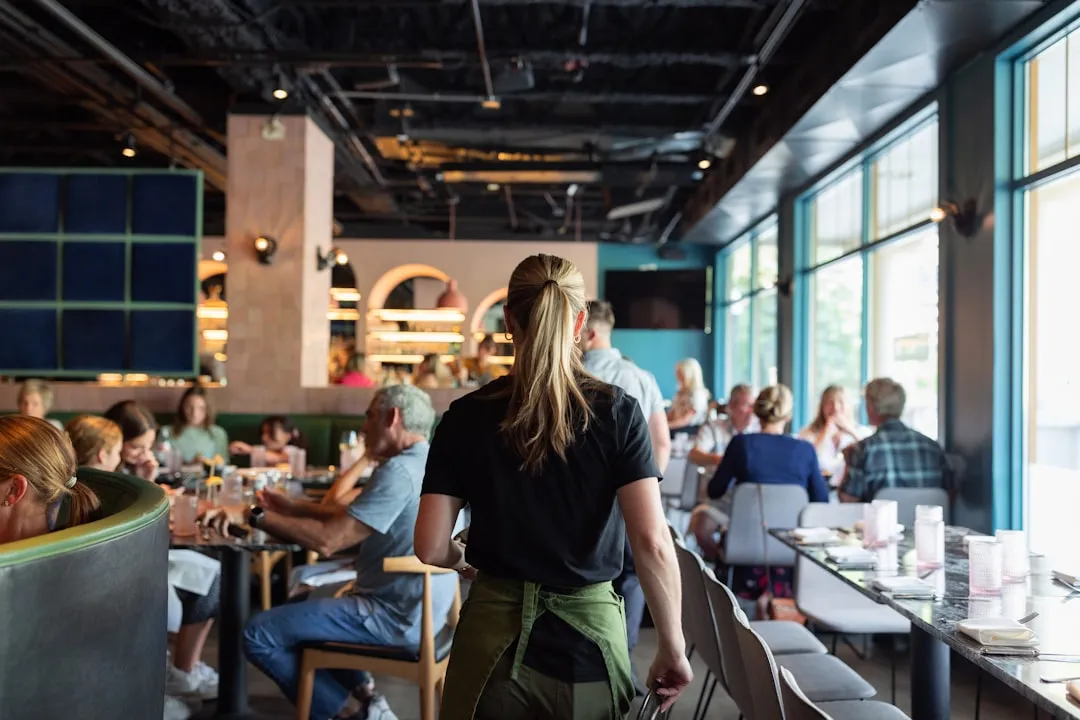
There’s a light art to this. When dining alone, you may feel prompted to start a conversation with restaurant staff, whether a bartender or server, but while short conversations are fine, you don’t want to dominate their time. Being friendly means being considerate of how busy they are, which actually makes the interaction more enjoyable for both sides.
As you interact with restaurant staff, being friendly and open can lead to more attentive service and even provide someone to chat with during your meal, which helps create a welcoming atmosphere and makes you feel more at ease. Asking a question about a dish or a local recommendation is often the most natural opener there is.
A simple “please” and “thank you” goes a long way with restaurant staff, and feeling free to ask for recommendations keeps the interaction light and purposeful. It costs nothing and tends to change the entire texture of the meal.
Overcoming the Fear of Being Watched
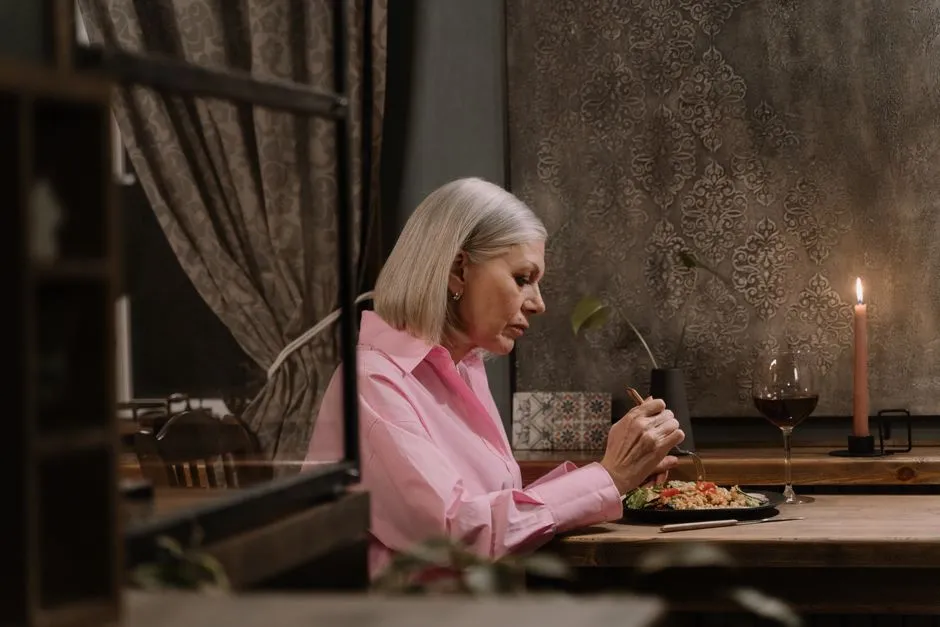
Many solo diners wrestle with an internal monologue about whether people feel sorry for them, or whether they’ll be seen as an inconvenience to the staff, and this fear of perceived judgment can be a significant barrier. It’s worth naming that directly because it’s very common, and almost entirely unfounded.
Most people are far more focused on their own meals than they are on you, and that moment of self-consciousness usually fades after the first few bites. Shifting your mindset to treat solo dining as self-care and a chance to observe and recharge is one of the most effective tools available.
Bring Something, But Stay Present

Many solo diners find comfort in bringing along some form of distraction or activity, and a book, journal, or magazine can be excellent companions, helping to pass the time while also serving as conversation starters if you’re open to interacting with others. A physical book, in particular, tends to invite organic exchanges with staff in a way a phone screen rarely does.
A book, sketchpad, or crossword can give your hands something to do and make you feel more comfortable, and it can also signal to your nervous system that you’re okay. A podcast or a quick text to a friend can be comforting too, though it’s worth not getting so lost in your phone that you miss the experience around you.
The Mindfulness Angle: Solo Meals as Full Presence
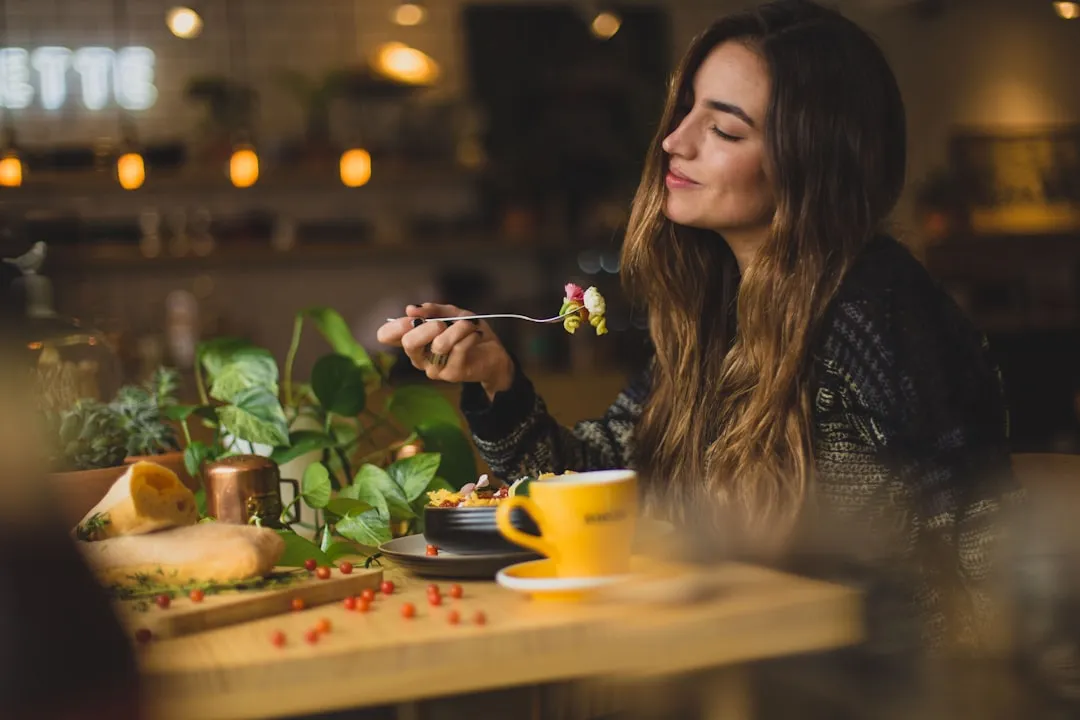
Solo meals can allow space for mindfulness, reflection, and emotional regulation, especially when your days are filled with constant stimulation. This is something that gets overlooked in conversations about solo dining. A meal alone, done intentionally, is one of the quieter forms of self-care available to travelers.
Eating solo can be a great mindfulness tool, since without conversation or external distractions, you’re more likely to notice the textures and flavors of your meal, and you may also become more aware of your body’s hunger and fullness cues. Solo dining offers a unique opportunity to practice mindfulness and be fully present in the moment, taking the time to savor each bite of your meal and paying attention to the flavors, aromas, and textures.
How the World’s Solo Dining Culture Can Inspire You
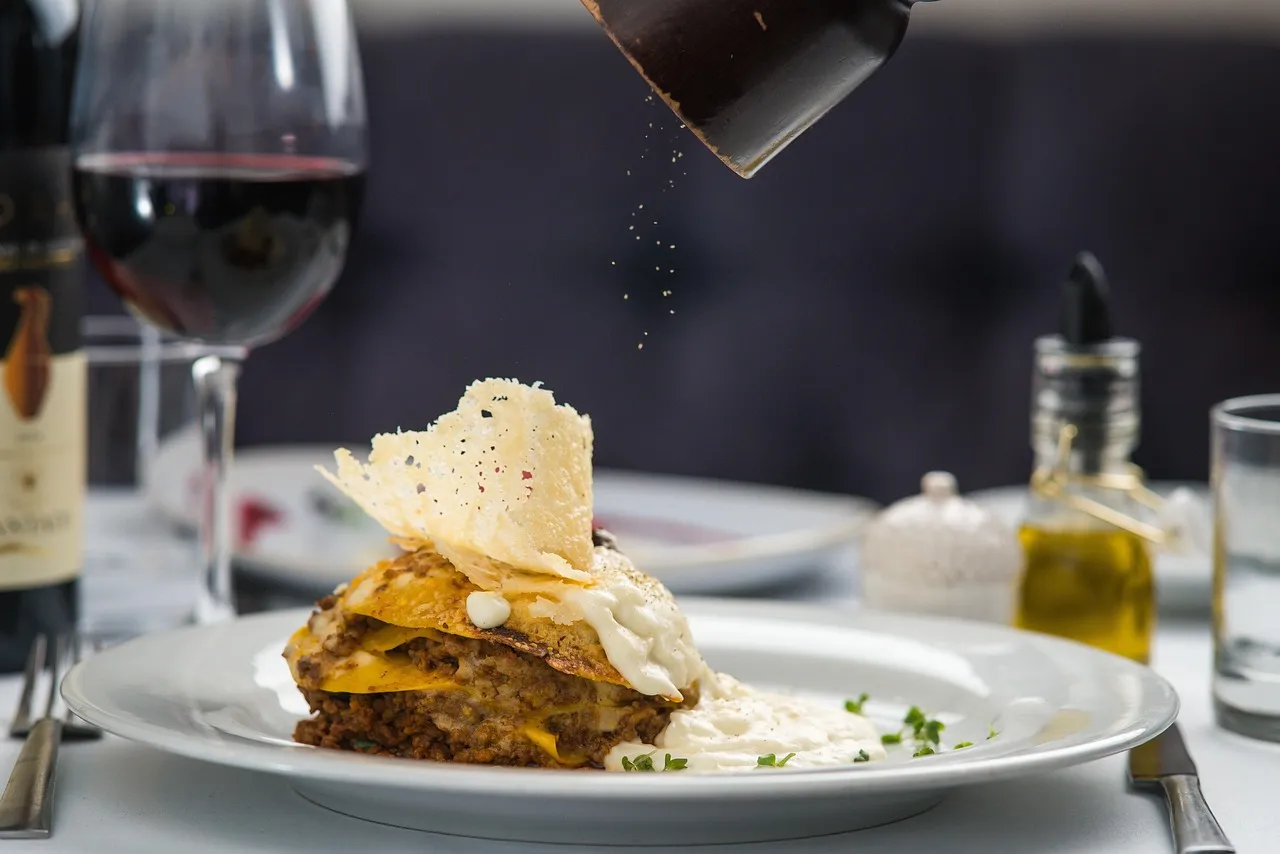
In many cultures, solo dining is embraced as an act of independence and reflection, with countries like Japan having restaurants designed specifically for individual diners. These spaces, from solo ramen booths to counters with privacy partitions, treat the single diner as a fully valued guest, not an afterthought.
Europe, Australia, the United States, and now Asia have all documented recent increases in solo consumptive restaurant dining behavior, representing an emerging worldwide restaurant industry trend. Restaurants are responding. Providing comfortable solo-friendly seating, smaller-portion dishes, tasting menus, and engaging experiences like open kitchen views are all ways operators are adjusting to this growing group of diners.
Loneliness vs. Solitude: Knowing the Difference

Loneliness is people’s biggest barrier to dining alone, with nearly half of survey respondents in OpenTable’s research citing it as their main concern. That’s a real and honest barrier. The key distinction, though, is that loneliness and chosen solitude are fundamentally different emotional states.
The big difference is whether eating alone is a conscious choice or a sign of deeper social isolation, and eating alone is likely to serve your mental health if it genuinely feels restful or enjoyable, while if you’re eating solo because you feel disconnected or unseen, it may be worth exploring those patterns. Friendliness, directed outward toward staff or inward as self-compassion, is the thread that runs through both.
A Habit Worth Building, One Meal at a Time
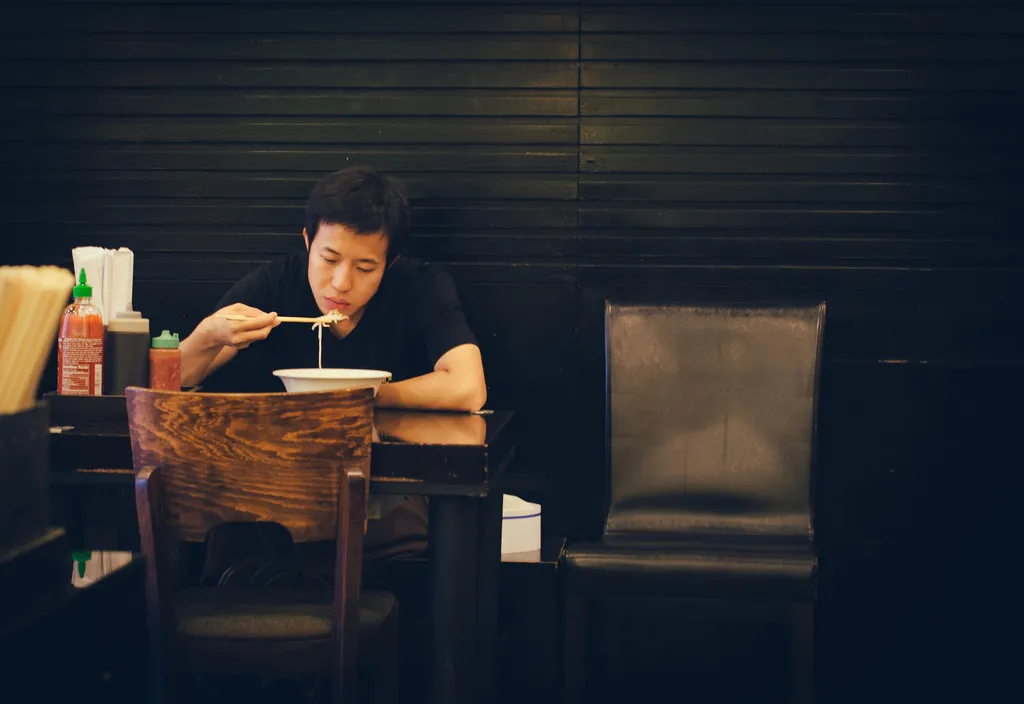
Solo dining comfort isn’t something that arrives fully formed. Confidence grows with repetition. If the idea of dining alone feels overwhelming, starting small and gradually working your way up is the most sustainable path, beginning with a coffee or quick bite at a café during off-peak hours, then expanding to different types of restaurants over time.
Adopting small rituals that communicate calm and confidence, such as sitting facing the room for people-watching, keeping an open posture, and making brief eye contact with staff when food arrives, reduces awkwardness and projects that you belong. None of this requires performing a version of yourself you’re not.
It can be genuinely empowering to eat out alone, as it pushes back against social scripts that tell us we always need to be in groups, partnered, or performing, and sitting down at a table alone and deciding you’re allowed to enjoy your meal without shame is self-trust in action. That’s the real habit. Everything else follows from it.
The Takeaway
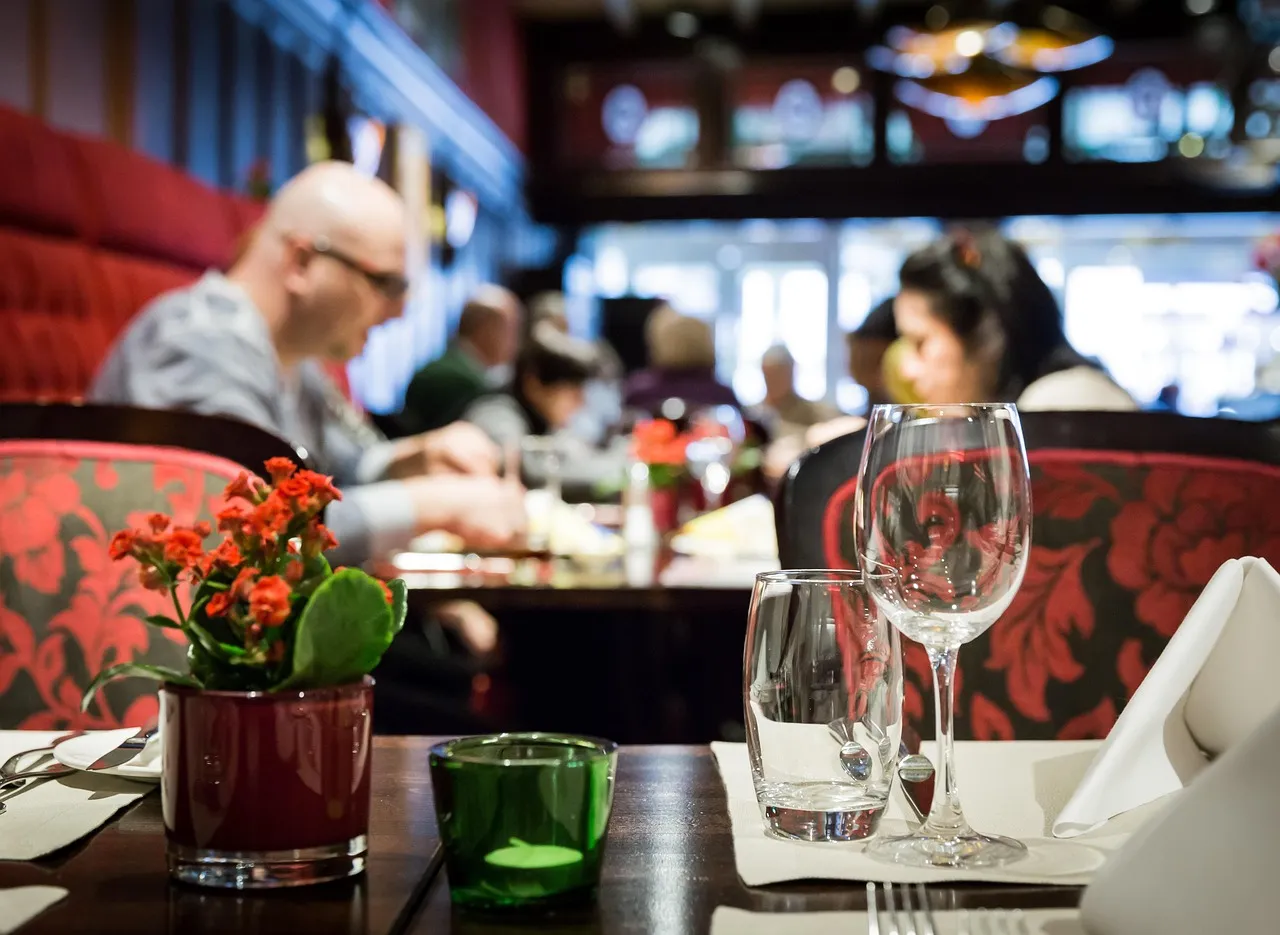
The friendliest habit a solo diner can practice isn’t really about impressing anyone. It’s a quiet decision to be warm, to be present, and to treat every meal as something genuinely worth showing up for. Staff notice it. The experience shifts around it. Over time, that habit becomes second nature, and the world starts to feel like a place full of very good tables for one.
AI Disclaimer: This article was created with the assistance of AI tools and reviewed by a human editor.