
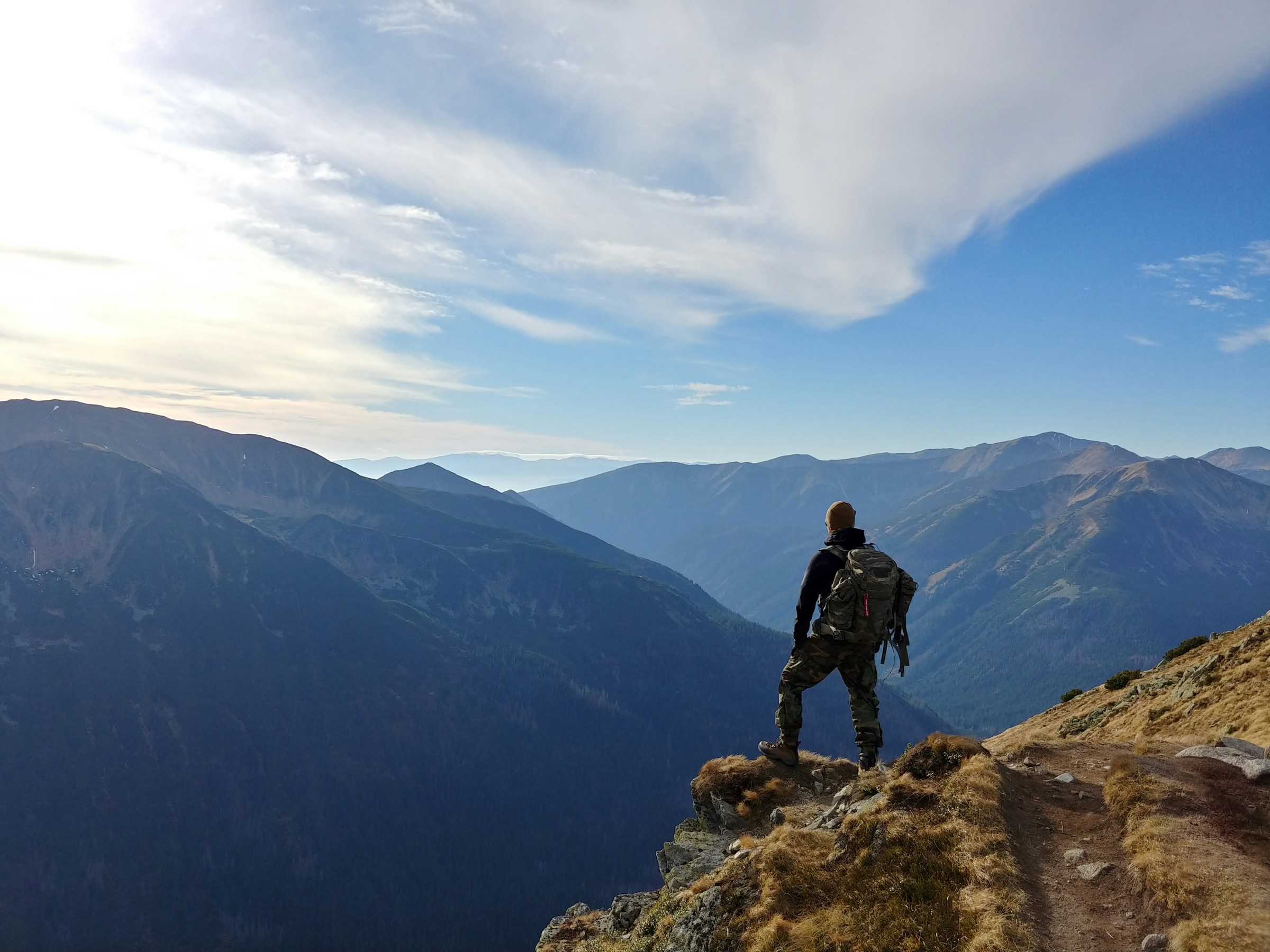

Solo hiking is one of the most rewarding ways to experience the American wilderness. No compromises on pace, no waiting at trailheads for a group to reassemble, no noise beyond what the land itself offers. The freedom is real, and so is the responsibility that comes with it.
Choosing the right park matters enormously when you’re on your own. Crowd levels, trail infrastructure, cell coverage, and wildlife profiles all shape how safe and genuinely peaceful a solo hike feels. Visitation numbers hit a new record in 2024, with the National Park Service’s more than 400 sites welcoming a total of 331.9 million recreation visits. Most of that pressure lands on a handful of famous parks. The ones below go largely overlooked, and that’s precisely what makes them worth your full attention.
Isle Royale National Park, Michigan
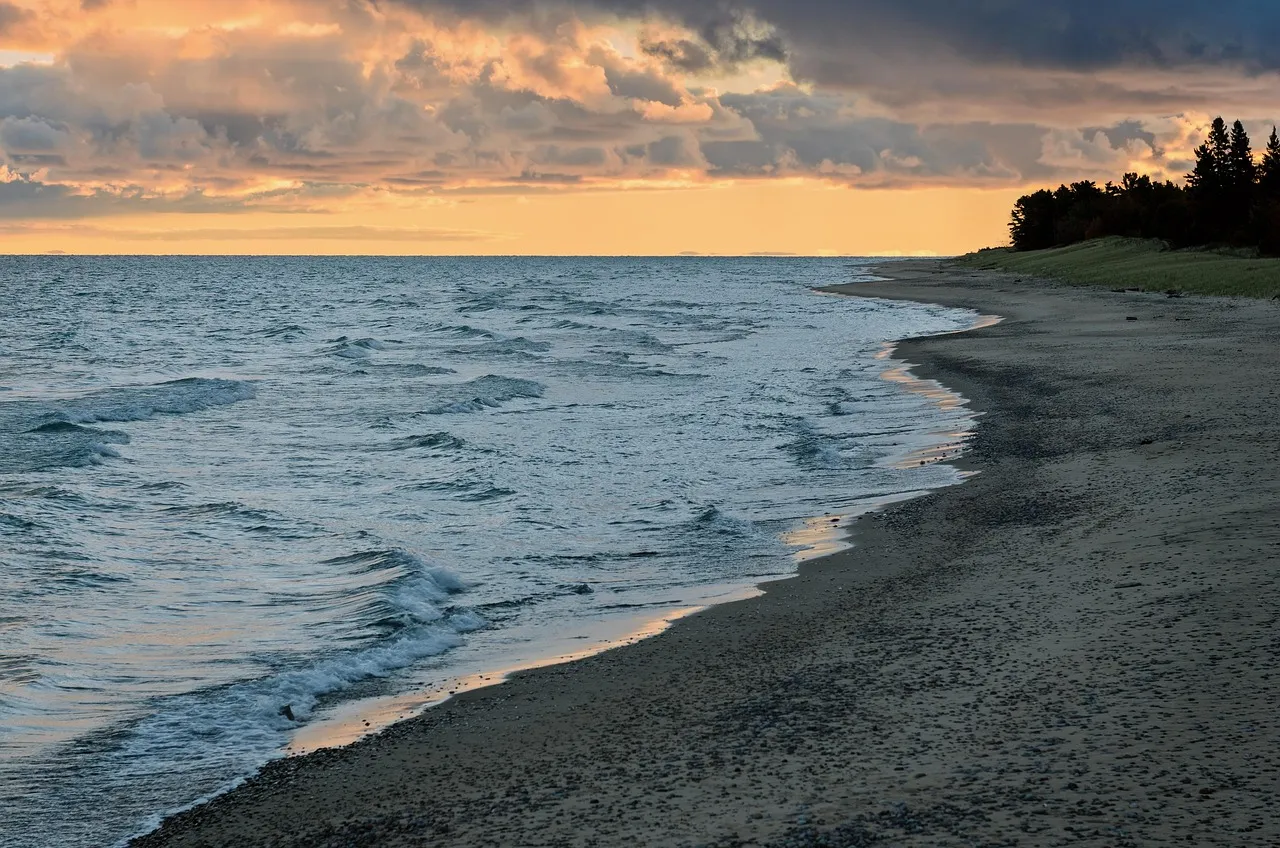
This remote island in Lake Superior hosted just 28,806 visitors in 2024. Accessible only by boat or seaplane, Isle Royale offers remarkable solitude and a unique ecosystem isolated from the mainland. That logistical barrier is actually a gift for solo hikers: the people who make it here tend to be prepared, serious, and respectful of wilderness norms.
The island is famous for its wolf and moose populations, extensive hiking trail network, and opportunities for kayaking along its rugged shoreline. The island is 48 miles long by 9 miles across, so there are plenty of forest hiking opportunities, and there aren’t even any bears to worry about. There are moose and a small number of wolves, but no predators that hikers should be concerned about.
The park is open from mid-April through October and is only accessible by boat or seaplane. For the most solitude, visit in late April or October.
North Cascades National Park, Washington
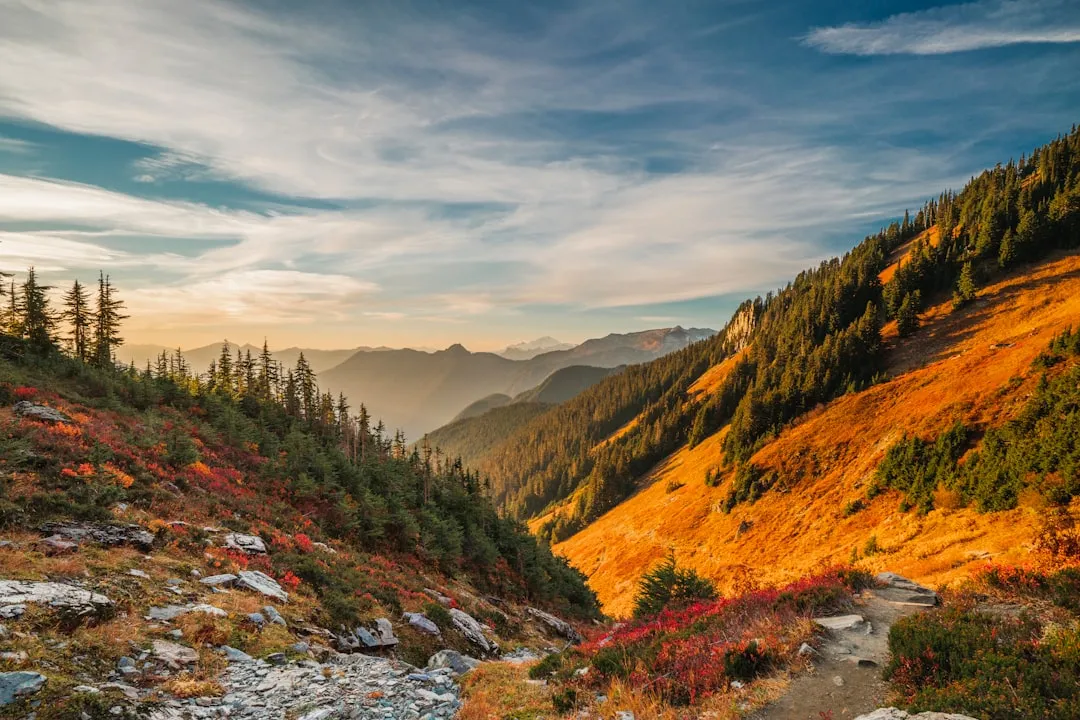
Despite its breathtaking beauty, North Cascades remains one of the least-visited national parks, largely due to its remote location and challenging terrain. That combination makes it a genuinely quiet experience even in midsummer, when most other Pacific Northwest parks are packed.
North Cascades National Park is one of the least trafficked national parks in the country, making it an ideal locale for introspection and self-reflection. The park holds over 300 glaciers and more than 400 miles of trails ranging from accessible valley walks to serious alpine climbs. In 2026, the final three miles of Cascade River Road are open July through October only, so checking current trail conditions and road closures on the National Park Service website before visiting is essential.
Guadalupe Mountains National Park, Texas
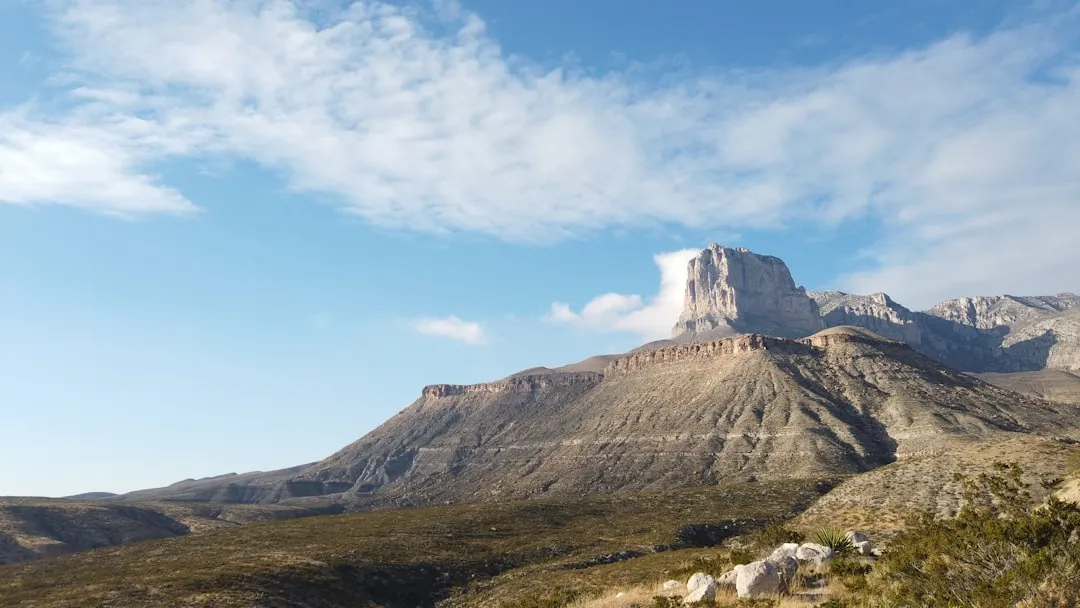
Just over 206,000 people visited Guadalupe Mountains last year. This West Texas park offers rugged desert scenery, rewarding hikes, and sweeping views. For context, a park like Great Smoky Mountains draws well over ten million visitors in the same period, which puts Guadalupe’s quietness in sharp perspective.
This park boasts the four highest peaks in Texas and the world’s most extensive Permian fossil reef. Guadalupe Mountains Wilderness has more than 80 miles of trail, including a hike in the Salt Basin Dunes that rise 100 feet from the desert floor. Summer is the least busy season due to extreme heat, with temperatures often exceeding 100°F. Spring and fall are busier but still quiet compared to most parks. Be prepared for strong winds year-round.
Congaree National Park, South Carolina
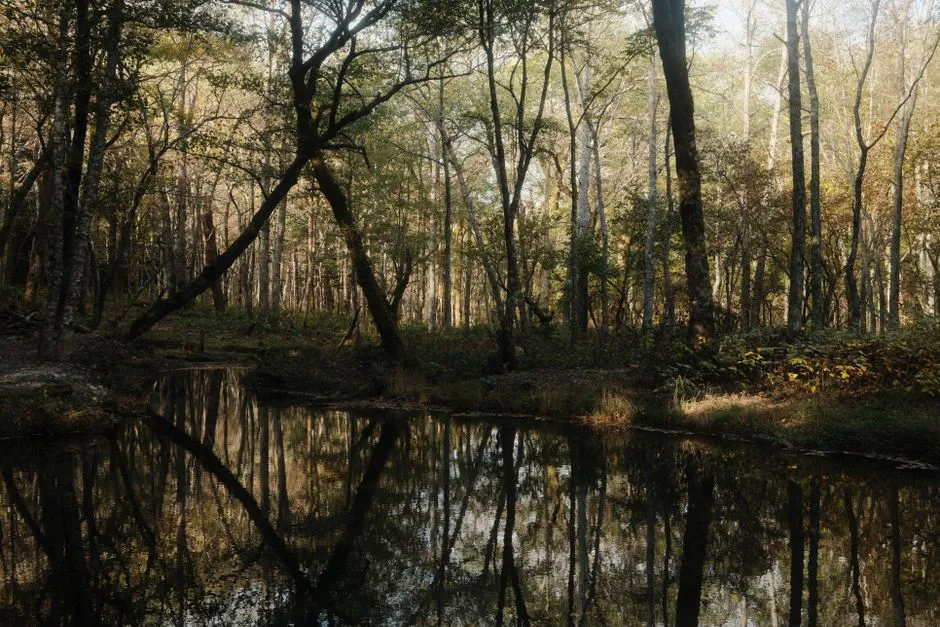
Congaree National Park protects the largest remaining tract of old-growth bottomland hardwood forest in the United States. The park’s unique floodplain ecosystem features towering bald cypress trees draped in Spanish moss, creating an enchanting, primeval landscape. It is the only national park in South Carolina, and it remains deeply underappreciated.
Visitors to Congaree can explore the park’s 25 miles of hiking trails, or take to the water on a guided canoe or kayak tour. The park also offers excellent opportunities for birdwatching, with over 200 species recorded, as well as a chance to spot other wildlife such as river otters, deer, and the elusive bobcat. The Boardwalk Loop Trail is an accessible, 2.4-mile elevated walkway that winds through the heart of the park’s ancient forest. For a solo hiker, walking that boardwalk at dawn, when mist sits low over the cypress roots, is genuinely unforgettable.
Great Basin National Park, Nevada
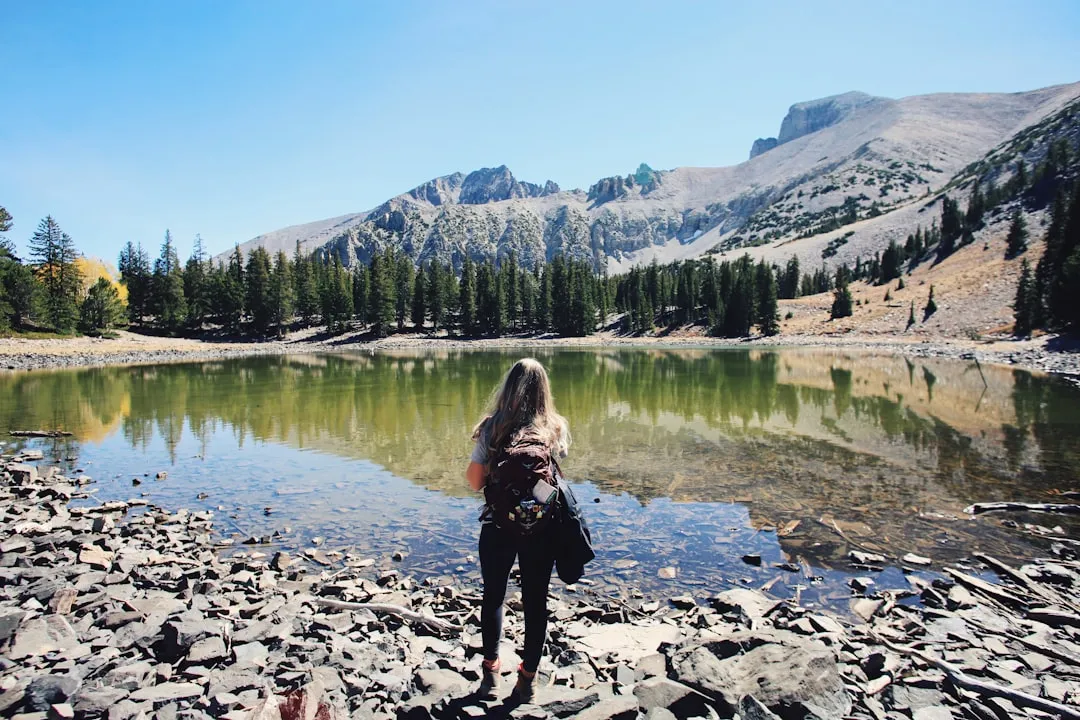
Hiking in Great Basin National Park flies under the radar compared to other more famous national parks, but that means you can find solitude and escape the crowds while exploring the ruggedly beautiful landscape. It sits in eastern Nevada near the Utah border, far from major travel corridors, which keeps visitor numbers consistently low.
Unlike most national parks, there is no fee to enter Great Basin because it doesn’t receive enough yearly visitors, and at the trailhead you’ll mostly have the place to yourself. Wheeler Peak, the crowning summit of the park, is the second highest peak in Nevada at 13,044 feet. Hiking here provides a variety of options to challenge yourself to summit a peak or simply go for a stroll among ancient bristlecone pine trees.
Theodore Roosevelt National Park, North Dakota
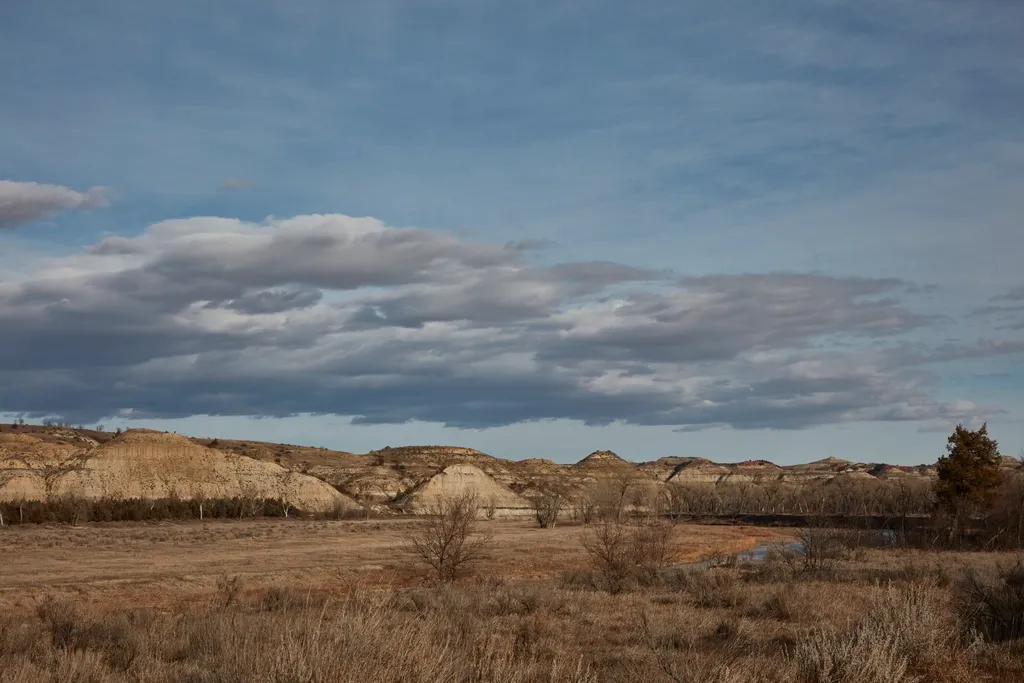
Theodore Roosevelt National Park saw 729,893 visits in 2025, which sounds like a lot until you remember it’s spread across two units 70 miles apart and an entire summer of long daylight hours. In practice, many trails here feel remarkably empty even on holiday weekends.
The park is a picturesque wilderness of grasslands and badlands, where bison, feral horses, and elk roam the landscapes, hiking trails meander through the colorful bentonite hills, and scenic roads take visitors to numerous stunning overlooks. Theodore Roosevelt National Park climbed significantly in safety rankings, reaching a 7.37 safety index and ranking as the fourth safest national park in 2024. That safety profile, combined with low crowds, makes it an excellent choice for anyone heading out alone.
Voyageurs National Park, Minnesota
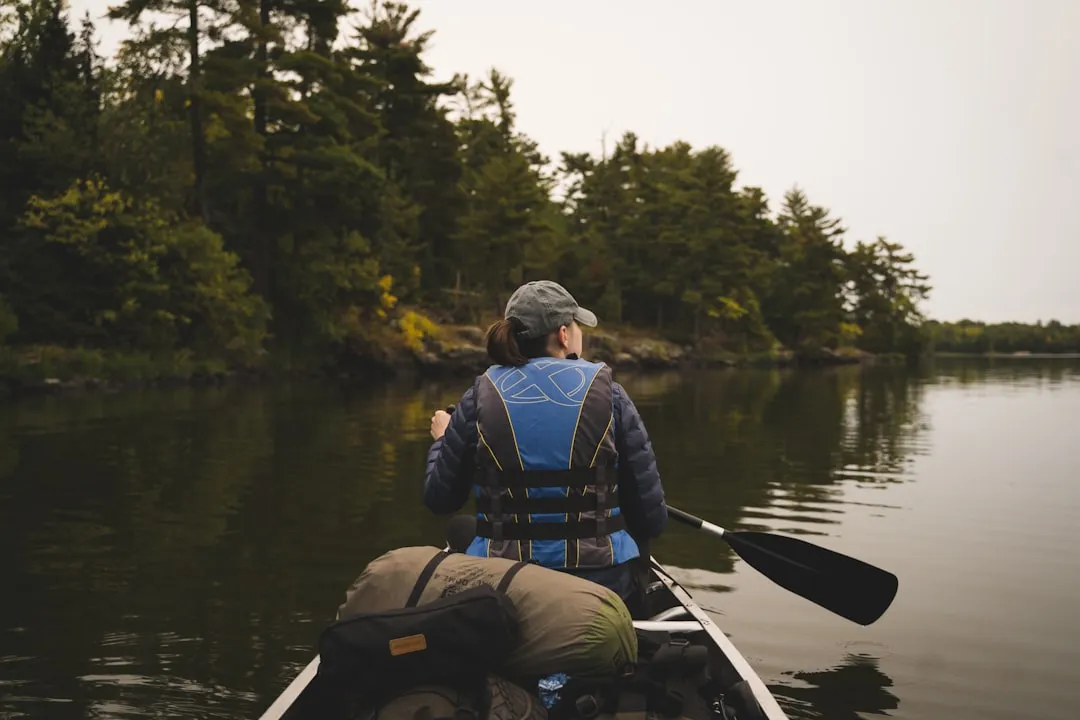
Voyageurs National Park is Minnesota’s only national park, established in 1975, and recorded 206,326 visitors in 2025. Its water-dominated landscape is unlike almost anything else in the national park system, with roughly two-fifths of the park consisting of interconnected lakes.
The park has several boat ramps and visitor centers on its periphery, though the main body of the park is only accessible by boat or, in the winter, by snowmobile, ski, or snowshoe. For solo hikers who also enjoy paddling, Voyageurs offers a rare kind of immersive quiet. It is consistently ranked among the eight least crowded national parks in the lower 48 states. The combination of water access requirements and northern Minnesota’s distance from major population centers keeps it genuinely uncrowded.
National Park of American Samoa
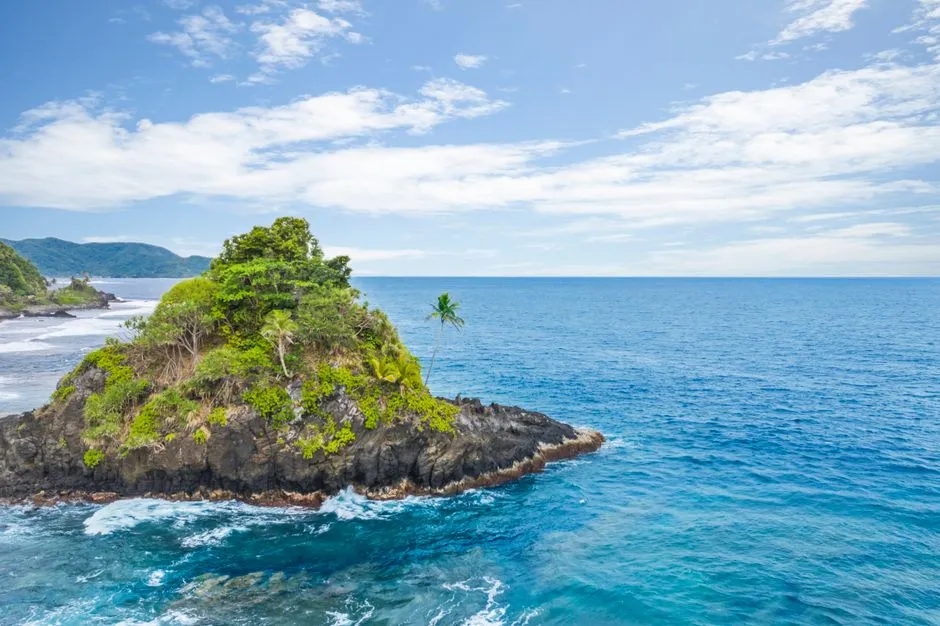
With just 22,567 visitors in 2024, this tropical park remains one of America’s best-kept secrets. Located on three islands in the South Pacific, it preserves pristine rainforests, coral reefs, and Samoan cultural sites. Visitors can hike through lush jungle to stunning ocean vistas, snorkel among vibrant coral gardens, and experience fa’asamoa – the Samoan way – in villages within and around the park boundaries.
From a safety standpoint, this park stands at the very top of the rankings. The National Park of American Samoa is not only a safe place for coral reefs and Samoan culture, but also for visitors, with no deaths, missing people, or rescue missions on record. It went from ranking fourth safest in the previous year to being crowned the safest U.S. national park in the 2024 safety analysis. The remoteness that keeps visitor numbers low also filters for well-prepared, intentional travelers.
Badlands National Park, South Dakota
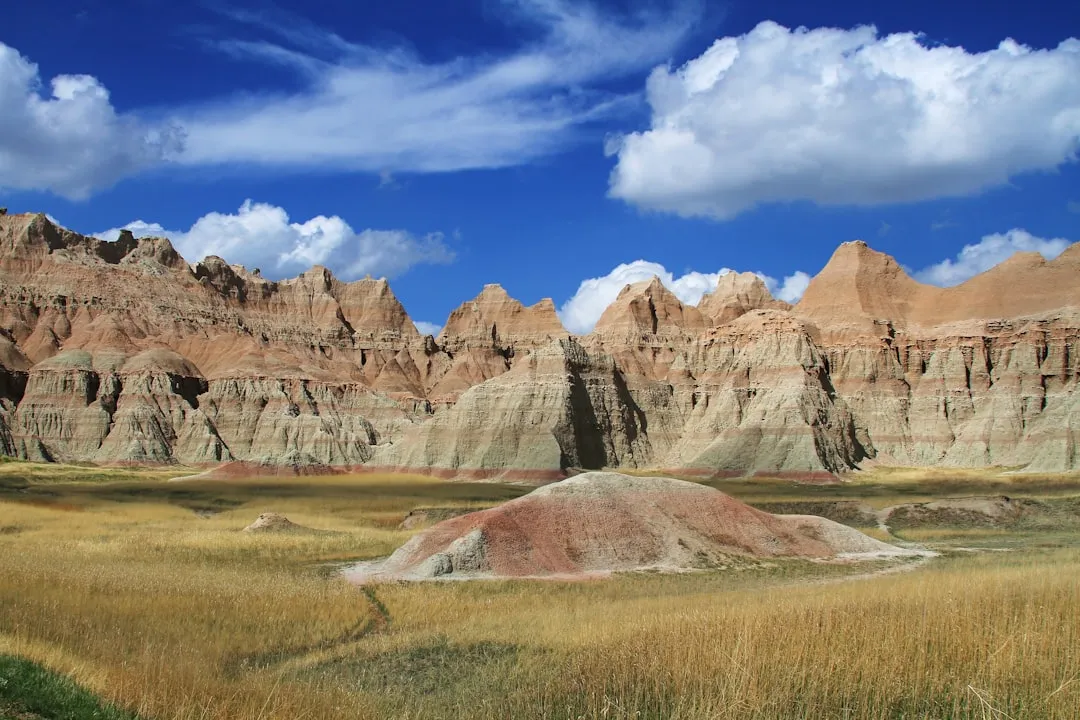
Badlands National Park is known for its rich fossil beds and unique wildlife. The length of the trails and proximity to the highway is what makes it ideal for solo travelers. There’s also genuine reassurance in knowing you won’t be far from a main road if conditions change unexpectedly, which matters when you’re hiking alone.
An accessible park with good signage on hiking trails, two visitor centers, and plenty of wildlife viewing, Badlands makes for an ideal place to take a solo trip. The numerous hiking trails range in skill, accommodating new hikers to the most experienced. The park is home to bison, antelope, deer, prairie dogs, and numerous bird species. It’s one of those places where a solo hiker of almost any experience level can find a suitable route and return feeling genuinely accomplished.
Channel Islands National Park, California
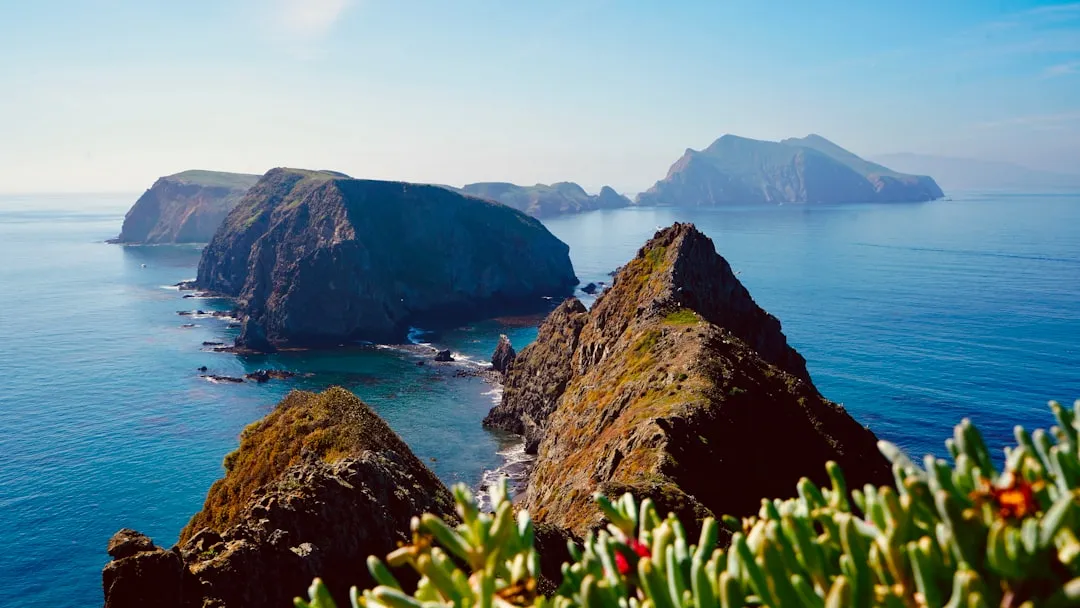
Five islands off the Southern California coast make up Channel Islands National Park, which saw just over 227,000 visitors in a recent year. Sea caves, kelp forests, beaches, and wildlife, including island foxes and seals, make it a standout. Despite its proximity to Los Angeles, the boat or plane ride required to reach any of the islands dramatically reduces casual visitor traffic.
Stretching over five islands and the surrounding ocean, Channel Islands National Park offers opportunities to hike, snorkel, kayak, birdwatch, and more. The island fox, found nowhere else on earth, is one of the more quietly moving wildlife encounters available in the entire American park system. For a solo hiker who values ecological uniqueness alongside genuine solitude, this park delivers both with little competition on the trails.
A Note on Solo Hiking Safety
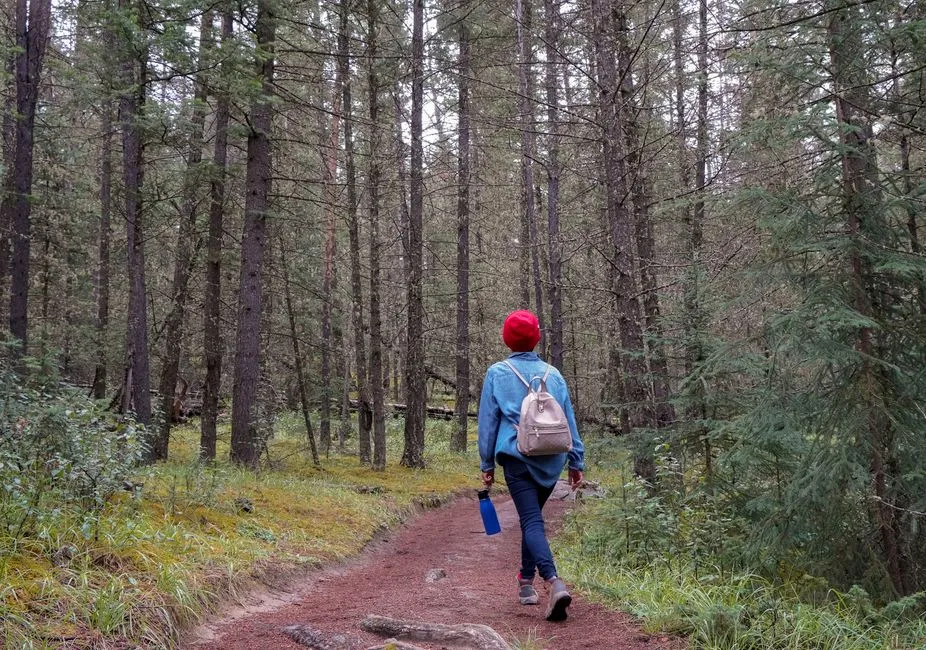
A comprehensive safety analysis examined up to 16 years of data on total deaths, missing persons, search and rescue missions, trail closures, park ranger presence, number of visitors, and proximity to hospitals to determine which parks are safest. The quieter parks on this list tend to score well precisely because lower foot traffic correlates with fewer incidents overall.
That said, lower crowds also mean less chance of another hiker passing by if something goes wrong. Carrying a personal locator beacon, filing a trip plan with a trusted contact, and checking trail conditions with each park’s visitor center before heading out are all habits worth building. Parks with low visitation numbers during the summer often have limited transportation options and are in more remote locations, which makes self-sufficiency a genuine priority rather than a suggestion.
Finding Your Quiet
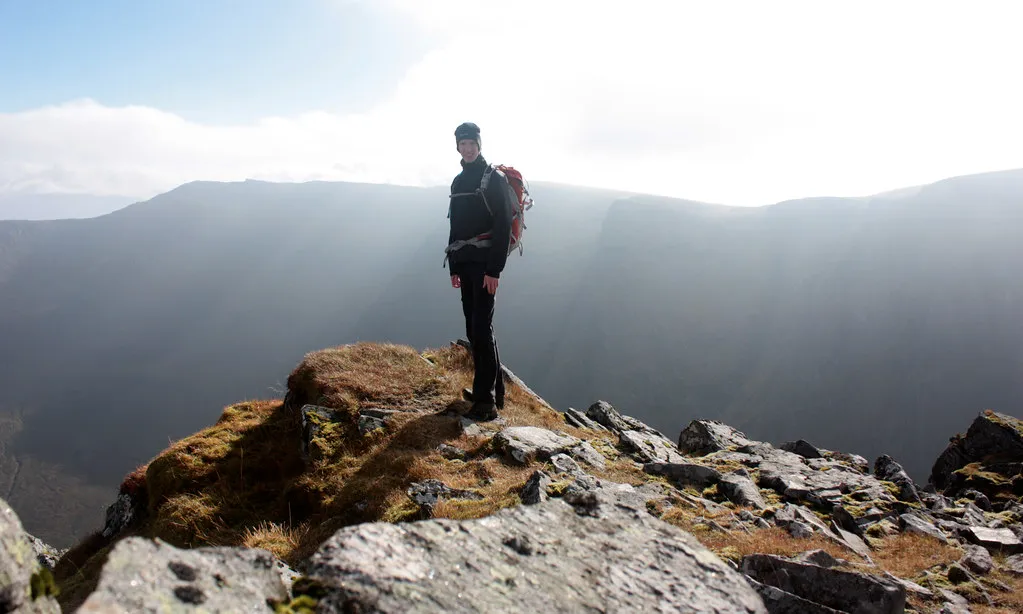
With reservation systems ending at popular parks, 2026 is geared up to be a crowded summer for the National Park Service. The timing for discovering these overlooked parks has never been better. The contrast between a trail you share with hundreds of strangers and one you walk mostly alone is not a small thing. It changes how you hear the landscape, how you think, and how you return.
The parks above offer that rarer experience without requiring extreme expedition planning. Some ask for a boat ride, some ask for a long drive, and some simply ask that you look past the famous names on the brochure. Low visitation doesn’t mean low quality. These parks offer stunning landscapes, unique experiences, and room to breathe. That room to breathe is exactly what solo hiking is for.
AI Disclaimer: This article was created with the assistance of AI tools and reviewed by a human editor.