
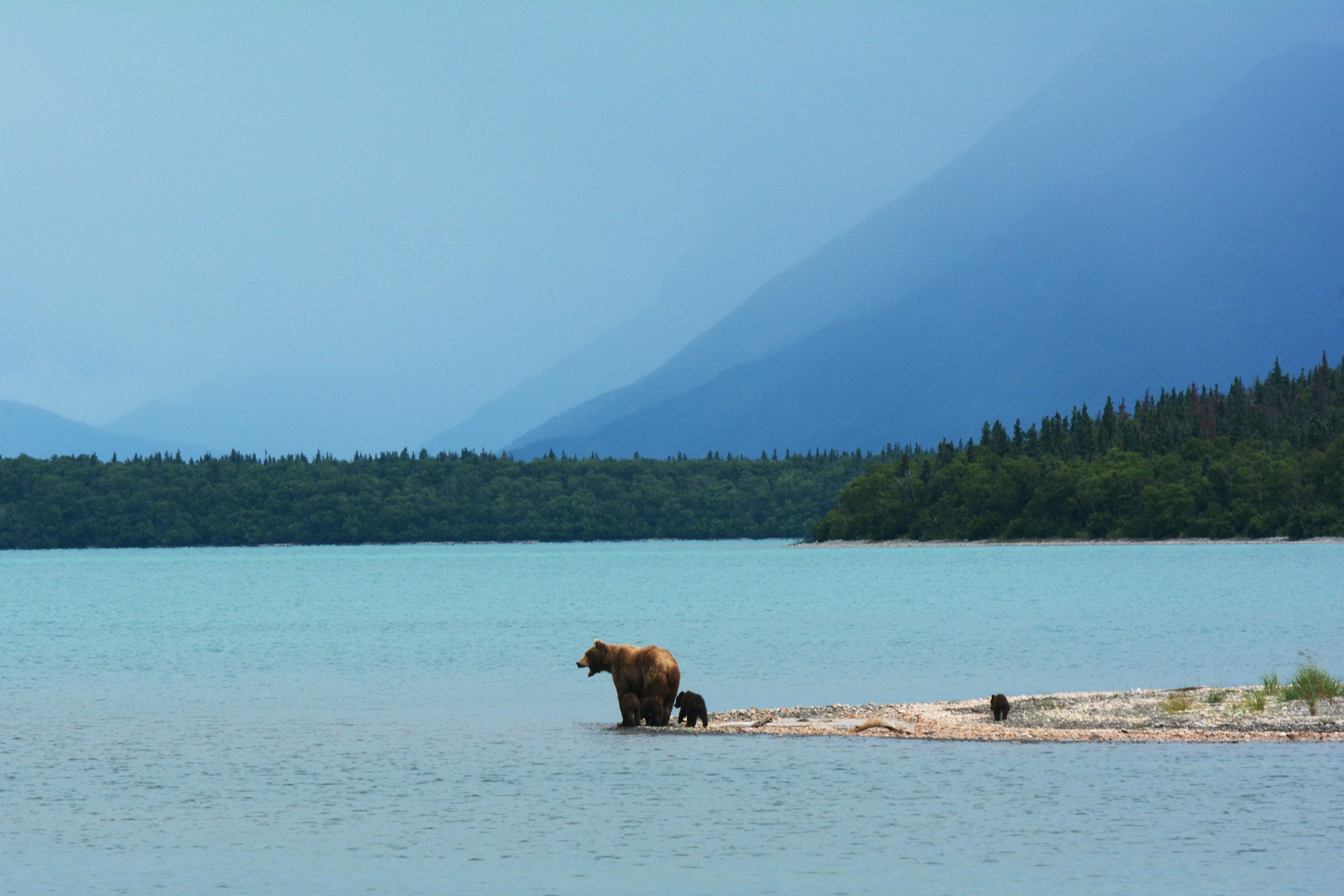

Most people who camp in wild places never have a serious wildlife encounter. That’s not luck. It’s almost always the result of one consistent, repeatable habit that experienced campers treat as non-negotiable: managing every scent around camp before dark.
The logic is straightforward. Animals wander into campsites because something smells interesting. A clean campsite is a boring campsite, and boring is exactly what you want. Understanding why animals approach, and what removes their reason to do so, changes the way you think about your entire evening routine in the outdoors.
The Single Habit That Changes Everything
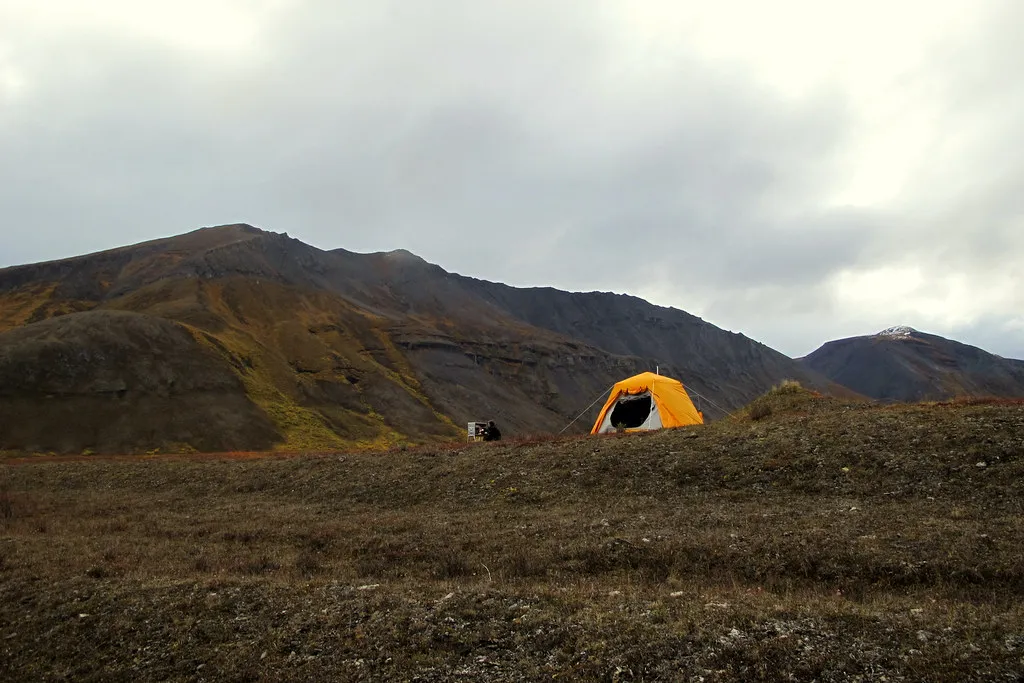
The one habit that makes the biggest difference is this: secure every scented item before nightfall, not right before bed. Bears are more likely to explore between dusk and dawn, so cooking and packing up food and attractants before dusk is a foundational step. It sounds minor. In practice, it’s the difference between a quiet night and an unwanted visitor circling your tent at midnight.
A study of over 700 large carnivore incidents found that roughly half were preceded by preventable human behavior such as unsecured food, off-leash dogs, or recreating at dawn or dusk. That figure puts things in sharp perspective. The danger is rarely the wilderness itself. It’s the small habits we skip when we’re tired after a long day on the trail.
The Triangle Method: A Proven Camp Layout
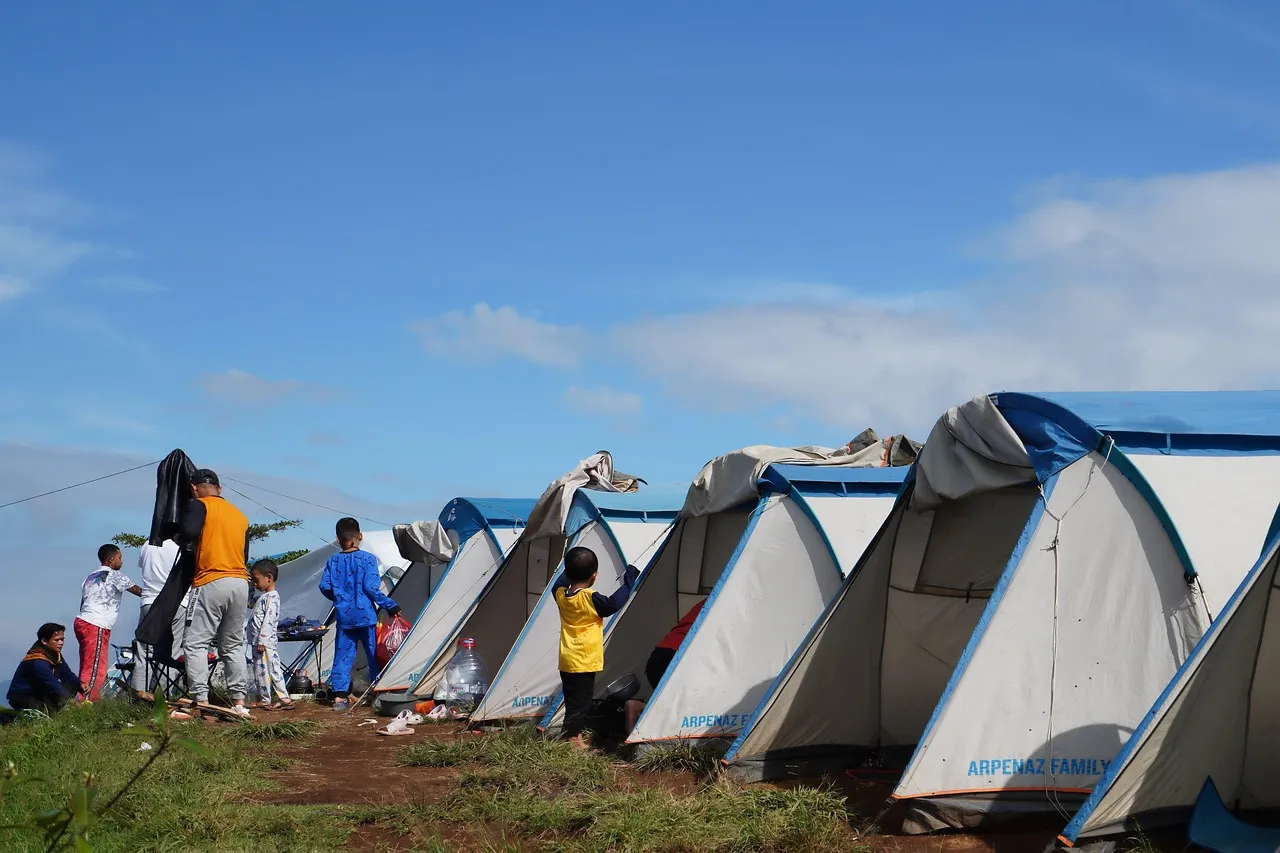
The Triangle Rule is a proven method for minimizing wildlife encounters, especially with bears, by separating your sleeping area, cooking site, and food storage into three distinct points forming a triangle. Each point should be at least 100 feet apart, ensuring that food smells and trash don’t attract animals to your tent.
The direction of the wind also matters in this equation. The wind should not blow from the kitchen area toward your tent, so food odors do not pass over where you are sleeping, and if an animal does come for the food smell, it will be directed away from your sleeping area. This is one of those setup details that costs you nothing extra but pays dividends all night long.
In many national parks and wilderness areas, separating food storage from sleeping areas is a legal requirement, and violations carry real fines. The Triangle Method isn’t just good practice. It’s increasingly the law.
Why Proper Food Storage Reduced Bear Incidents Dramatically
In Minnesota’s Boundary Waters Canoe Area Wilderness, documented bear encounters were on the rise, averaging 58 cases per year between 2021 and 2023. In 2024, the U.S. Forest Service stiffened the rules for storing food and other “smellables” like garbage, soap, and toothpaste, citing increased interactions between humans and bears in search of food.
While many canoe campers already hang food packs from trees, the Forest Service’s order was more exacting: visitors must hang food at least 12 feet above the ground and 6 feet out from a tree trunk, or store it in a specially certified bear-proof container.
The results were striking. Visitors reported fewer than 10 brushes with bears after the 2024 season, down from the prior average of 58 per year. Over two seasons, the Forest Service noted a sharp decrease in reported conflicts, justifying the continuation and enforcement of the mandate. Better storage habits, applied consistently, drove that outcome.
Smells You Don’t Think About Are Still a Problem
Sleeping scent-free matters more than most campers realize. That means not using, eating, drinking, or storing anything with an odor in your tent or sleeping bag, including bug spray, deodorant, toothpaste, mints, and lotions. These items might seem trivial, but to wildlife, they register as strongly as a meal left out on the picnic table.
Cooking smells cling to fabric and can attract bears, making the clothes worn while making dinner poor choices for pajamas. Storing your “cooking clothes” in an airtight bag or container reduces the risk of wildlife catching a whiff.
Colorado Parks and Wildlife specifically advises campers not to sleep in the clothes they cooked in, and to store those clothes with their food rather than keeping them in the tent. It’s one of the most overlooked details in campsite safety, even among seasoned outdoor travelers.
Never Store Food in Your Tent
Food storage when camping is especially important, as evidenced by documented cases of black bears getting into tents where food was being stored. Bears are quick learners with an excellent sense of smell, and when food is improperly stored, they can easily find it.
A widely reported case involved predatory behavior from a grizzly that exhibited signs of food conditioning. The bear entered a campsite after detecting food stored in bicycle saddle bags just ten feet from a sleeping camper, returned later that night, and killed the camper inside the tent. Investigators concluded the bear was food-conditioned and had shifted into predatory behavior.
The National Park Service is unambiguous on this point. Food, garbage, and all other scented items must be secured immediately upon arriving at your campsite, and food must never be stored in your tent or backpack. No exceptions, regardless of how tired you are or how short the stay.
Don’t Rely on Fire to Eliminate Food Scraps
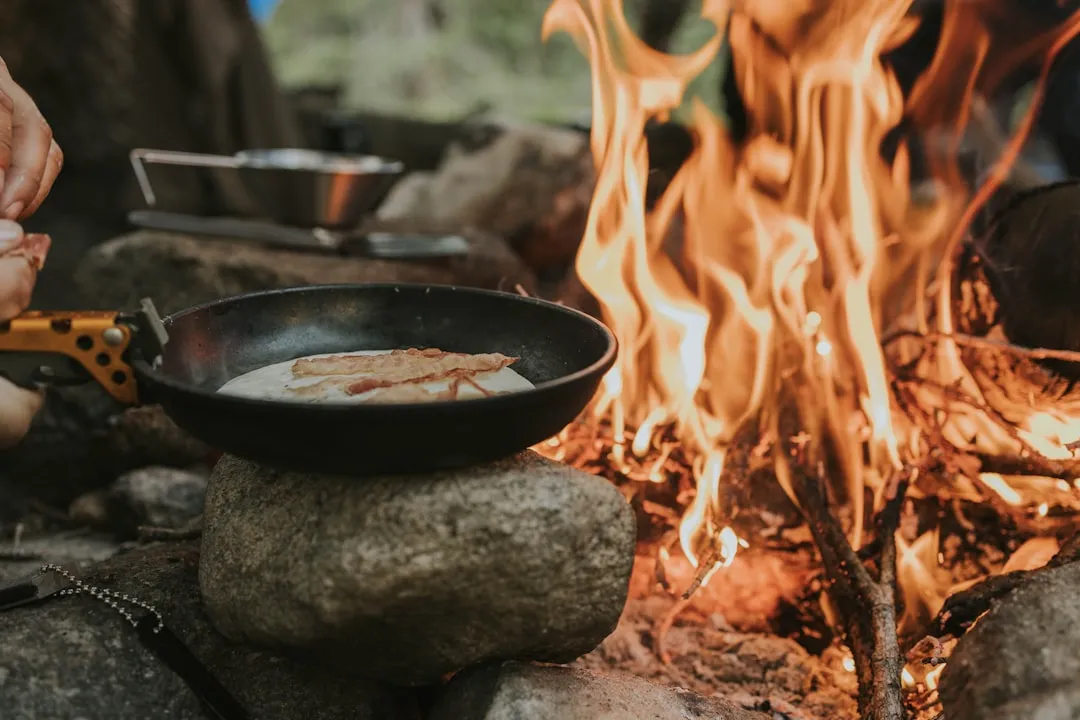
A common campsite myth is that burning food waste in the campfire neutralizes the scent. It doesn’t. Burning organic matter completely requires a very hot fire, far hotter than most campfires can produce. Partially burned matter will still draw wildlife into camp.
Equally important: do not bury food scraps or pour cooking grease on the ground or in your fire pit. Both practices leave odor trails that linger for hours and can bring curious animals directly to the spot where you’re sleeping. Pack it in, pack it out, and resist the temptation to use fire as a disposal method.
The Role of Noise in Deterring Wildlife
Making noise while moving around camp alerts wildlife to your presence so they can move away before you get close. Animals don’t want to surprise you any more than you want to be surprised by them.
The sound of people talking, laughing, and moving around is one of the most natural wildlife deterrents available. Animals hear you coming and simply go the other direction. Normal conversation volume is enough. You don’t need to be theatrical about it. Just don’t go silent the moment dinner’s over.
Making noise during movements and upon arrival at your campsite, whether by talking loudly, using bells, or whistles, prevents surprise encounters by alerting animals to your presence and giving them the opportunity to move away naturally.
Choosing Where to Camp Matters as Much as What You Do There
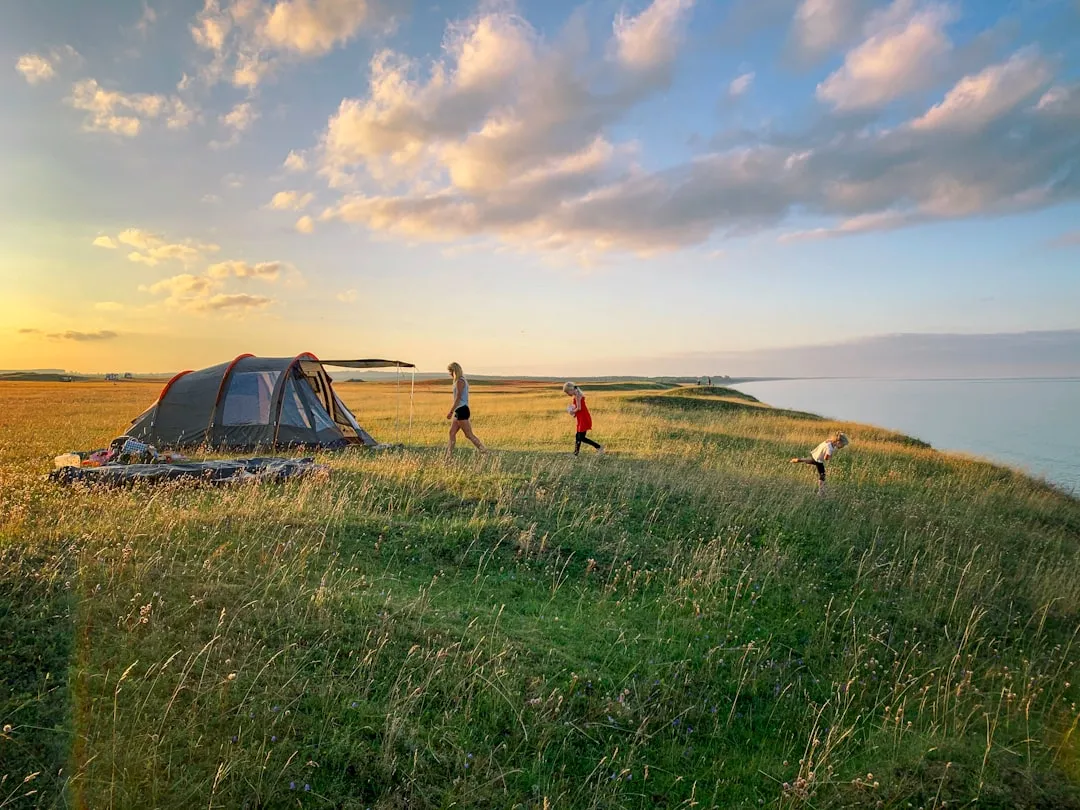
Camping too close to water sources is ecologically unsound and poses a safety risk. Lakes and rivers act as highways for wild animals. All creatures that come to drink at night will use these sources, and setting up a tent nearby either blocks their passage or draws them directly toward you.
Analyzing the area before setting up your campsite lets you foresee potential dangers. Fresh paw prints, clawed tree trunks, or animal droppings indicate that the area has an active wildlife habitat. Taking five minutes to read the landscape before unloading your pack is one of the simplest risk-reduction steps available.
Water sources attract snakes, mosquitoes, raccoons, and bears, and wooded areas are equally active with insects, snakes, raccoons, and bears. Neither type of location needs to be avoided entirely, but proximity matters, and distance from these features buys you peace of mind.
The Consequences When Wildlife Becomes Habituated
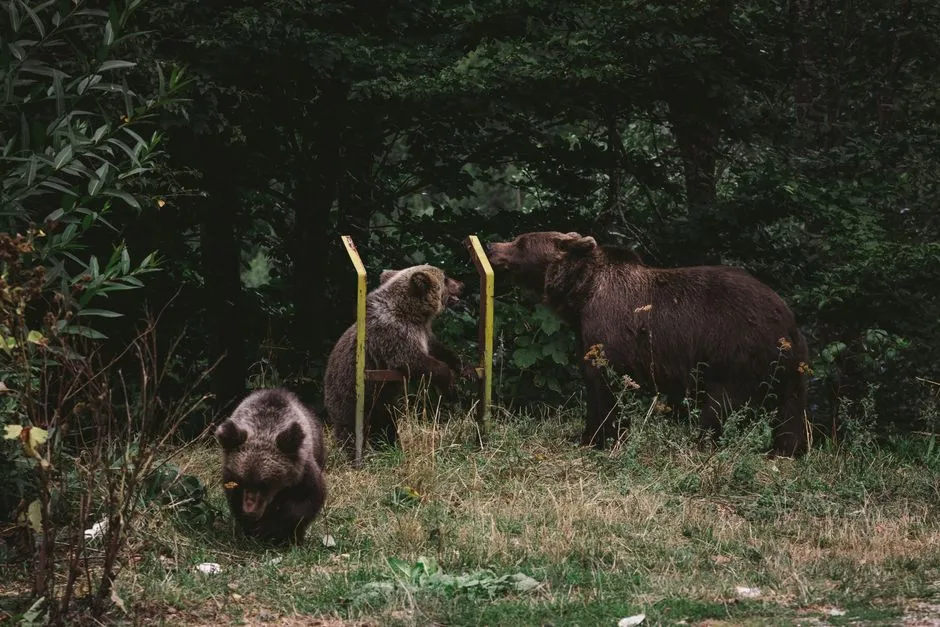
Following proper food-handling and storage protocol in bear country isn’t just about protecting yourself. A bear habituated to seeking out human food has a good chance of being killed by wildlife authorities given the potential danger it poses to people, so being sloppy about food etiquette can lead directly to that bear’s removal.
When this happens, it never turns out favorably for the bear. A bear conditioned to food accidentally supplied by people often leaves wildlife officials no other choice but to put the animal down to ensure public safety. That’s a weight worth carrying into your campsite planning. Good habits protect people and animals equally.
Bears can travel great distances to return to a known food source. Relocated bears frequently return within days to areas where they found food before. That behavioral persistence is the reason one careless night at a campsite can create a long-term problem for every camper who visits that site after you.
Pets, Shiny Objects, and Smaller Animals
Pet food can also attract bears and other wildlife to your campsite. Any pet food left out after feeding should be secured immediately. This catches many campers off guard. A dog bowl left out overnight is every bit as much of an attractant as a bag of trail mix sitting on the picnic table.
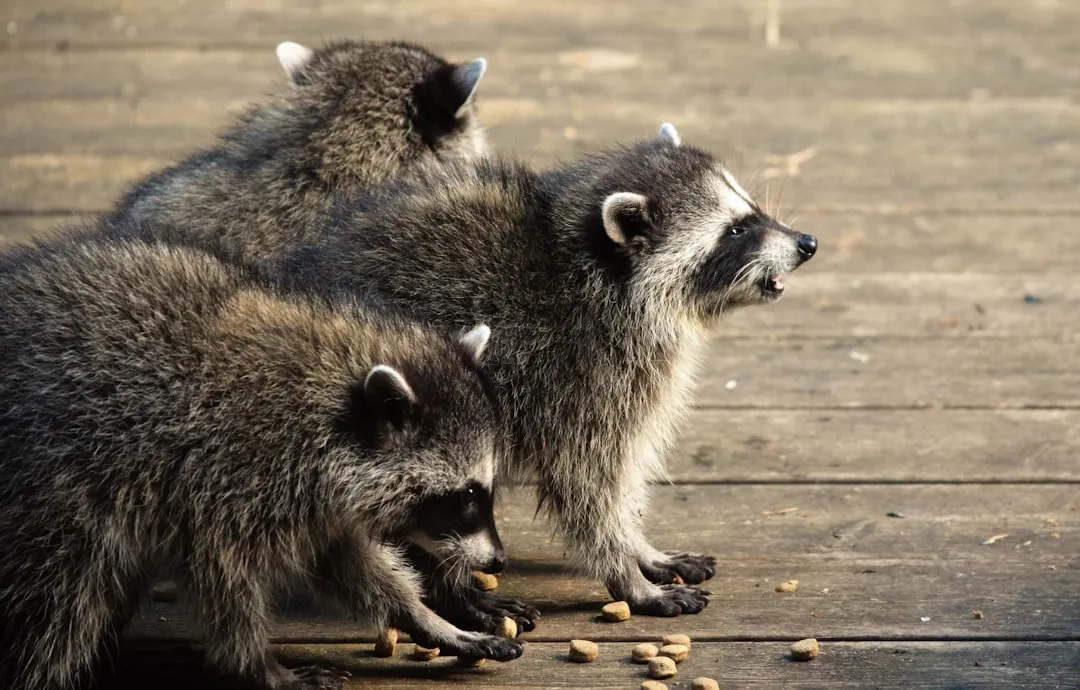
Shiny objects like aluminum foil, tin cans, jewelry, keys, and cutlery stored in plain sight can attract raccoons, which are bold, resourceful, and remarkably persistent. Raccoons don’t need the same kind of elaborate deterrents as larger wildlife, but they’ll exploit any opening you leave them.
Raccoons and squirrels are completely deterred by proper food storage. They cannot open a bear canister or a bear box. Store your food properly and they have nothing to work with. It’s one area where the solution is genuinely simple and completely effective.
A Quiet Night Is Something You Create
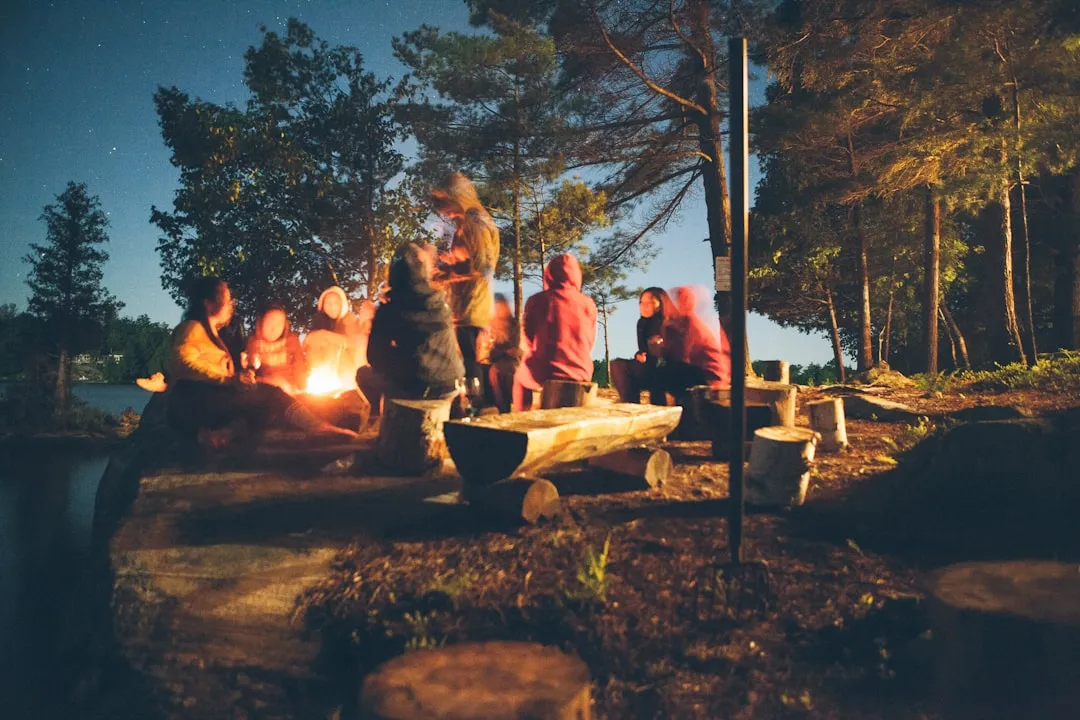
Wildlife encounters at night are rarely random. They follow a chain of small decisions made throughout the day, most of which involve scent, food, and the distance between where you eat and where you sleep. The campers who wake up to an undisturbed camp aren’t just fortunate. They’re consistent.
The habit isn’t complicated. Secure everything with a smell before the light fades. Set up your sleeping area away from where you cook. Use the triangle layout. Change out of your cooking clothes. Be honest about what belongs in your tent, which is nothing edible, nothing scented, nothing that tells an animal there’s a reason to come closer.
Responsible camping in wild places has always been a two-way arrangement. We get the beauty and the quiet. The animals get to stay wild, unhabituated, and safe. That exchange only works when we hold up our end, one night at a time.
AI Disclaimer: This article was created with the assistance of AI tools and reviewed by a human editor.