


Most people arrive at the beach thinking about sunscreen, playlists, and where to set up a good spot near the water. The last thing on their mind is crime. That comfortable mental state, though, is precisely what opportunistic thieves are counting on.
Beach theft is not a niche problem or something that only happens in extreme cases. It’s a rising pattern across some of the world’s most visited coastlines, and the habits that make travelers vulnerable are surprisingly consistent. Here’s what the data and real-world patterns actually show.
Leaving Your Bag Unattended While You Swim
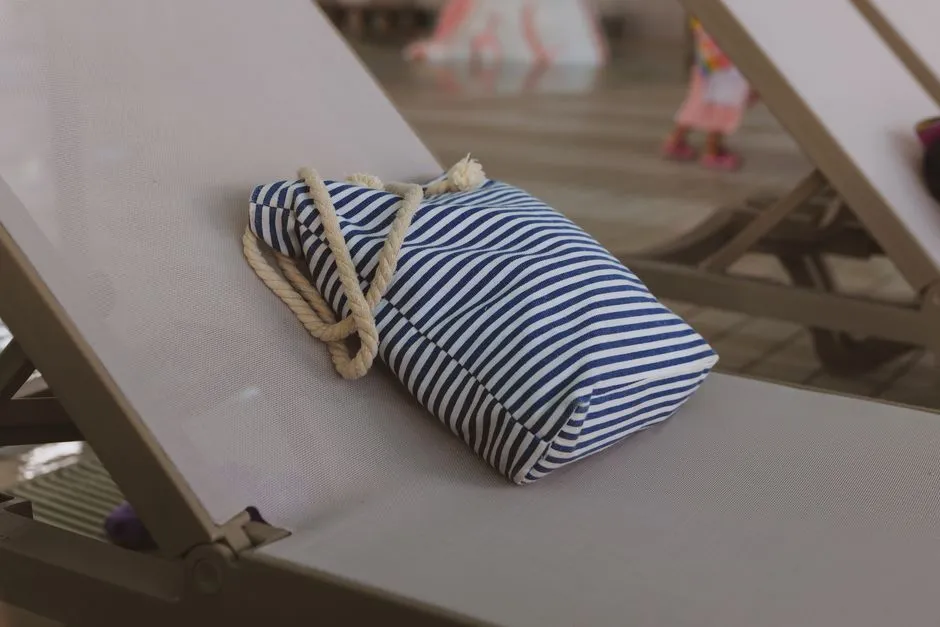
Roughly three quarters of beach theft incidents involve unattended bags on the sand while the owner was swimming, making it the single highest-risk pattern for beachgoers. It’s an almost unavoidable situation: you can’t watch the shore and enjoy the water at the same time. Some thieves specialize specifically in stealing beach bags and valuables from people who leave them unattended while swimming or walking.
Beach theft accounts for an estimated fifteen to twenty percent of all tourist property crime in coastal destinations worldwide, and the core vulnerability is simple: swimmers cannot simultaneously watch their belongings on shore and enjoy the water. The fix, however, is straightforward. Waterproof body pouches or dry bags worn while swimming remove the problem entirely.
Overpacking Your Beach Bag With Valuables
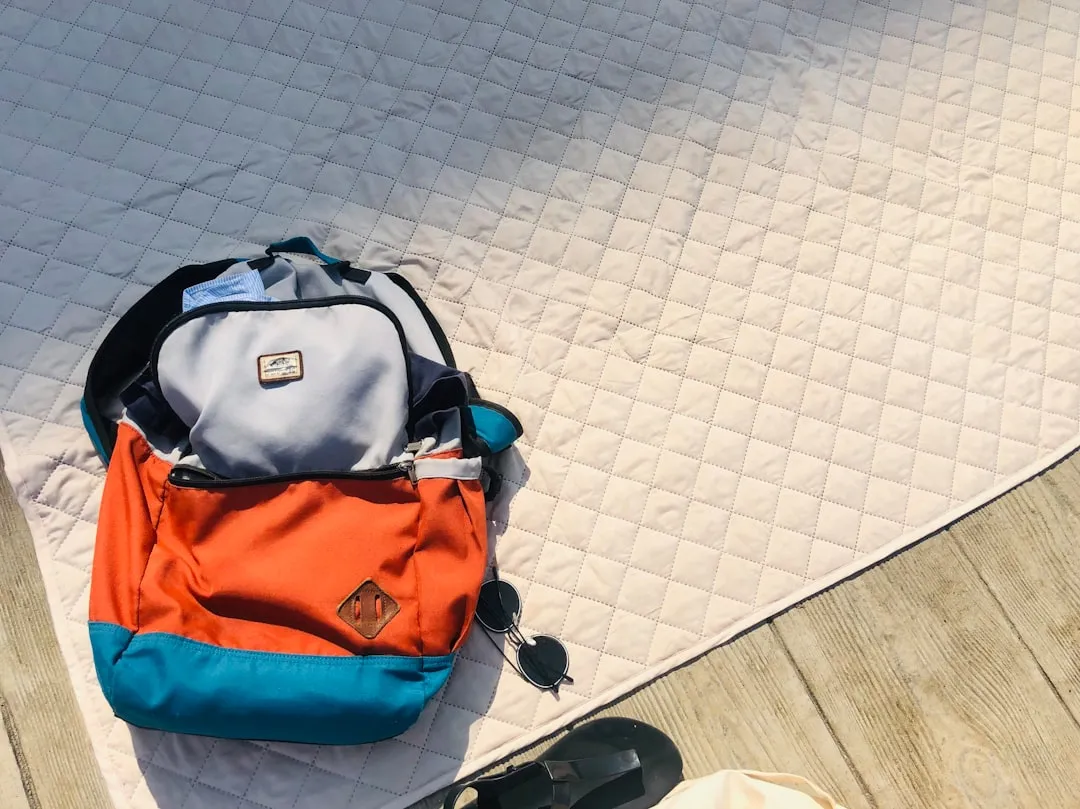
A bulging beach bag packed with a wallet, passport, jewelry, a laptop, and a full camera setup is not just heavy – it’s a signal. Criminals tend to look for people who appear distracted, overloaded with bags, unfamiliar with their surroundings, or less able to react quickly. The more valuable things you visibly carry, the more attractive a target you become.
Effective beach security requires a layered approach: minimizing what you bring, using waterproof body-worn carriers for essentials, and employing a buddy system or secure storage for items that must stay on land. Leaving your passport, extra credit cards, and unnecessary cash locked at your accommodation is not paranoia. It’s just good judgment.
Placing Your Bag in Plain Sight on Open Sand

The most common tactic beach thieves use is to wander crowded beaches looking for unattended bags. A brightly colored tote sitting openly on the sand, clearly away from its owner, is about as inviting as it gets. Even people taking a quick nap while they sunbathe are a prime target.
Positioning matters more than most people realize. Sitting closer to lifeguard stations or to other families with children tends to reduce risk, simply because there are more eyes around. Isolated beaches may seem like a safe bet, but fewer witnesses also means fewer deterrents for would-be thieves.
Trusting the “Quick Swim” Mentality

There’s a very common reasoning that goes: “I’ll only be in the water for five minutes, it’ll be fine.” Five minutes is more than enough time. Beach theft tactics have evolved beyond the simple grab-and-run, and often use sophisticated techniques to separate visitors from their valuables.
A common tactic involves one person creating a scene or asking for help while their partner quickly and quietly rifles through unattended bags. By the time you return to your towel, the theft is already done and the thieves are long gone. The speed and coordination of organized beach theft teams make the “just a minute” approach genuinely risky.
Handing Your Phone to a Stranger for a Photo
Beware of overly friendly strangers who offer to take group photos with your phone or camera. They may run off with your device, or have an accomplice watch where you store it so they can snatch it later. It’s one of the oldest distraction techniques, and it still works because people want to believe others are simply being kind.
A selfie stick or asking families with young children for help tends to be a much safer alternative. Mobile phones remain a favored target for beach and tourist-area thieves, so securing them properly is crucial. It’s also worth noting that even a momentary distraction while someone else handles your device gives a nearby accomplice all the window they need.
Ignoring the Scale of the Problem at Popular Beach Destinations

Many travelers still treat beach theft as an abstract risk rather than a concrete one. The numbers tell a different story. Barcelona’s city police reported a twenty-five percent increase in pickpocketing incidents during the first half of 2024 compared to the previous year, according to data from the Mossos d’Esquadra. The La Barceloneta Beach Metro Station alone experienced a concerning forty-seven percent jump in theft reports.
Rome experienced a surge of over thirty-three thousand pickpocketing cases in 2024, making iconic tourist sites among the most dangerous spots globally for petty theft. Spain’s Guardia Civil also reported a twelve percent rise in beach-area thefts during the summer 2025 high season, with Mallorca, Costa del Sol, and the Canaries leading the regional data. These are not fringe statistics.
Wearing Expensive Jewelry and Accessories to the Beach

Wearing your best jewelry to the beach is a habit that quietly elevates your risk. Visible watches, gold chains, and designer sunglasses left on a towel are among the fastest items to disappear. In a time where we rarely leave the house without money and at least a smartphone, theft at the beach is a legitimate concern for summer travelers.
The practical advice is simple: leave anything irreplaceable at home or in a hotel safe. Sentimental items carry emotional weight that no insurance policy can fully cover. Going to the beach with only what you can afford to lose is not a pessimistic mindset – it’s a realistic one that takes the actual environment into account.
Using Distraction Devices Like Headphones

Wearing headphones at the beach is enjoyable, but it removes one of your most important sensory defenses. When your hearing is blocked, you’re less likely to notice someone moving unusually close to your belongings. Headphones can distract you from being aware of someone approaching, and on a crowded beach where ambient noise is already high, that gap in awareness matters.
This doesn’t mean you can’t listen to music. It does mean that when you’re settled and watching your gear, one earbud out and a clear sightline to your bag makes a real difference. Awareness is the simplest and cheapest theft deterrent available.
Relying on Locals or Strangers to “Watch Your Stuff”
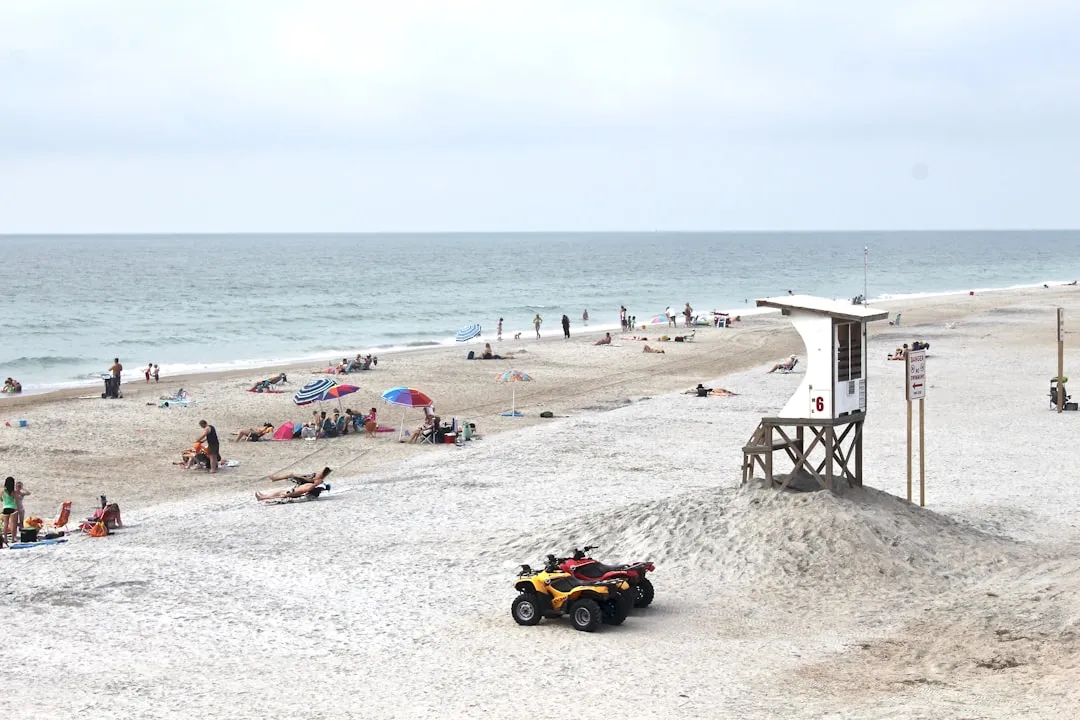
Asking a nearby stranger to watch your bag while you swim seems practical, but it carries real risk. You could choose the sweetest-looking person to watch your phone and they could be part of an organized group. Nothing is ever entirely safe, and misplaced trust on a beach is one of the more common ways valuables disappear.
From quick grab-and-go thefts to organized schemes targeting tourist areas, protecting your valuables requires more than just hiding them under a towel or relying on informal arrangements. If you’re traveling solo, investing in tracking devices like Apple AirTags or Tile trackers, placed somewhere discreet inside your bag, gives you at least a chance of recovery if something does go wrong.
Underestimating Organized Beach Theft Rings

The Las Ramblas district and Sagrada Familia area in Barcelona have become known hunting grounds for organized theft rings that specifically target distracted visitors, and many incidents now involve sophisticated gangs working in coordinated teams, with some even using children as decoys. This isn’t opportunistic crime carried out by lone individuals. It’s structured, practiced, and increasingly professional.
In Rio de Janeiro, armed robberies on Copacabana Beach increased by forty percent during the peak tourist season in 2024 compared to the previous year, with thieves often working in organized groups. In Hawaii, police reported over one hundred and sixty thefts in Waikiki during April 2024 alone, while Cyprus police investigated dozens of beach theft cases across various beaches in just a few months. The scale, spread, and organization of beach theft has grown considerably, and the habits that make travelers vulnerable are well known to those who exploit them.
Travel Smarter, Not Just More Carefully

There’s no reason to let the reality of beach theft overshadow the genuine joy of a day by the water. The destinations themselves remain beautiful and worth visiting. Awareness, though, is the foundation of a good trip rather than an afterthought.
Simple changes to a few habits, such as carrying a waterproof pouch into the water, leaving unnecessary valuables at your accommodation, and staying attentive to your surroundings, remove most of the risk. The beach bag habits that make people easy targets are not difficult to unlearn. They just require the same thoughtfulness that you’d bring to any other part of the journey.
AI Disclaimer: This article was created with the assistance of AI tools and reviewed by a human editor.