
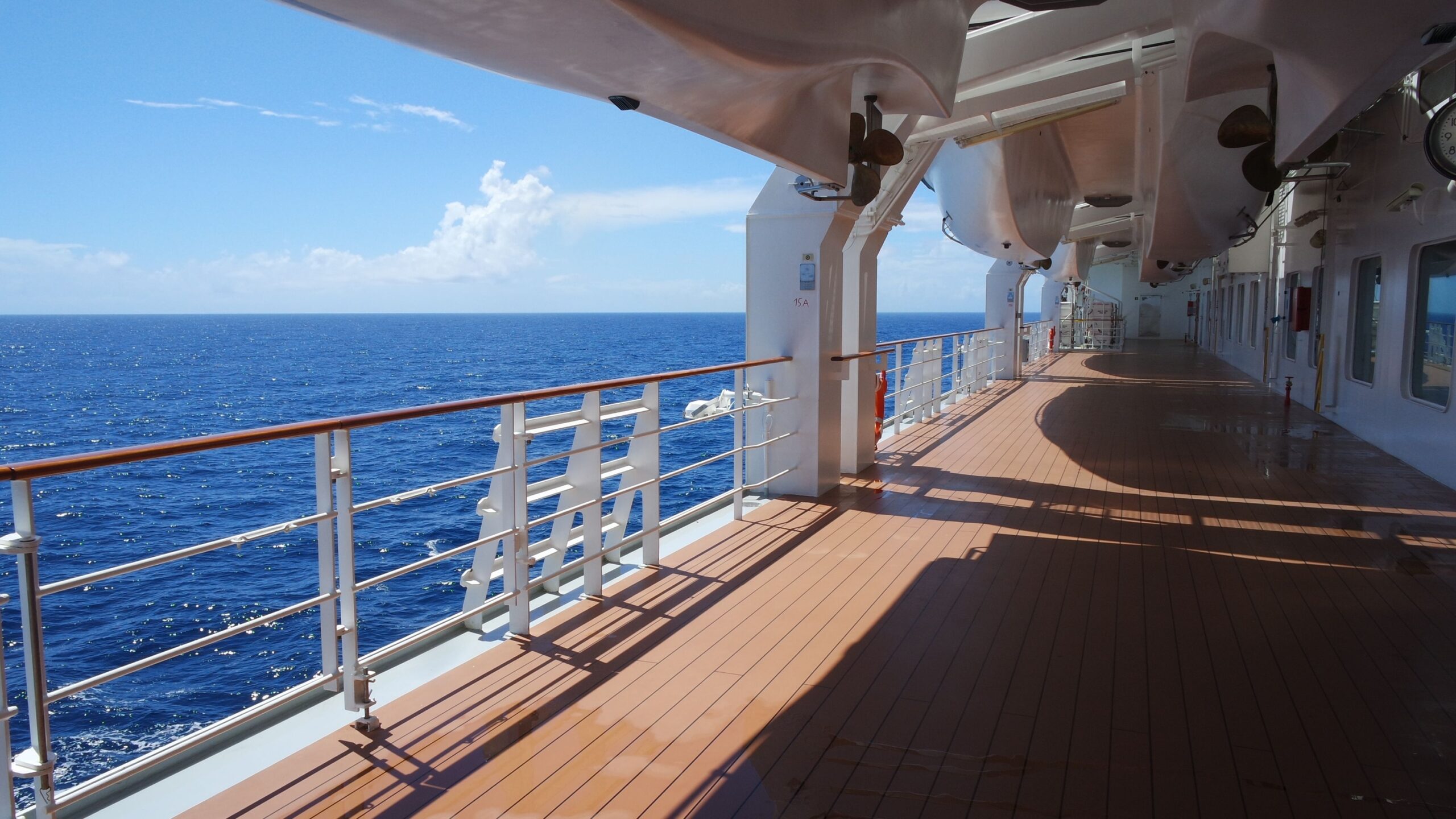

It sounds harmless enough. You’ve just stepped out of the pool, the sun is warm, the deck is right there beneath your feet, and shoes feel like the last thing you need. Yet this is precisely the moment that cruise ship medical staff and safety professionals flag most consistently as the start of something going very wrong.
Barefoot walking on deck is the single most common behavioral habit that cruise staff point to when asked about preventable passenger injuries. It’s not a dramatic risk like rough seas or a medical emergency. It’s an everyday choice, made dozens of times per voyage, by passengers who simply don’t realize what’s under their feet.
The Numbers Behind Onboard Injuries Are More Sobering Than Most Passengers Expect
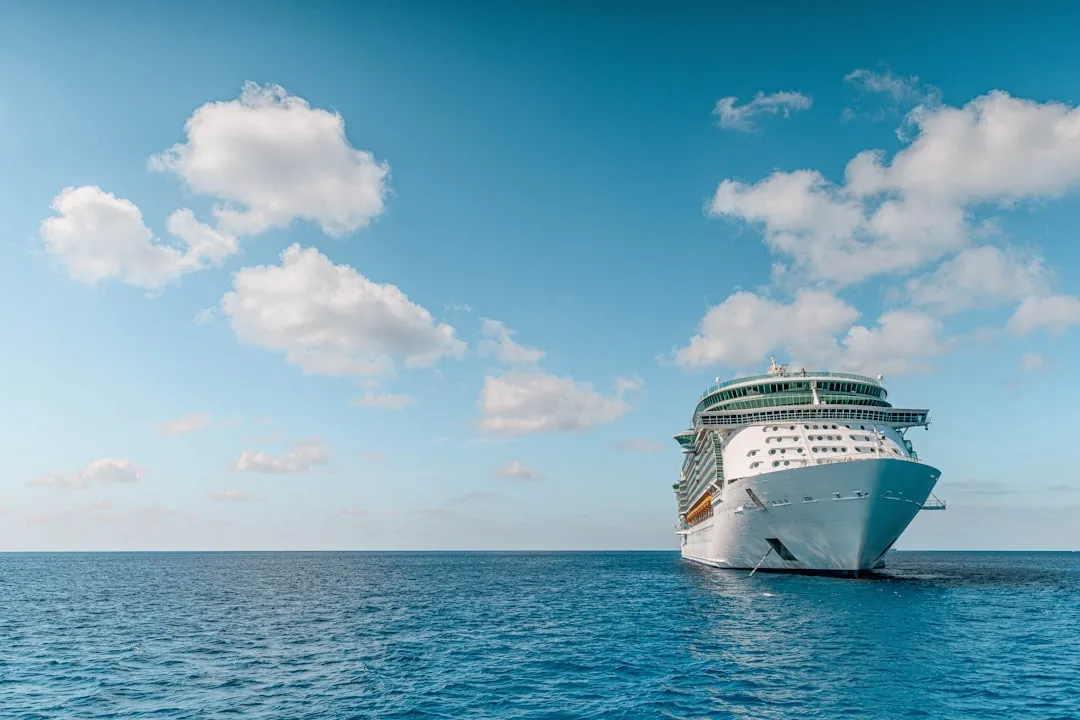
According to survey data, nearly one in ten travelers have been personally injured during a cruise. That’s a remarkably high figure for an industry built on the promise of effortless relaxation. The sheer density of people moving across wet surfaces in unfamiliar surroundings creates conditions that even attentive passengers underestimate.
The most common injuries onboard a cruise ship are slips, trips, and falls, with approximately 45 percent of all injuries onboard cruise ships falling into this category. Combine that with the fact that 65.3 percent of injuries occur onboard ships while 31.1 percent happen during shore excursions, and the picture becomes clear: the deck itself is the most dangerous place on your vacation.
The Pool Deck Is Ground Zero
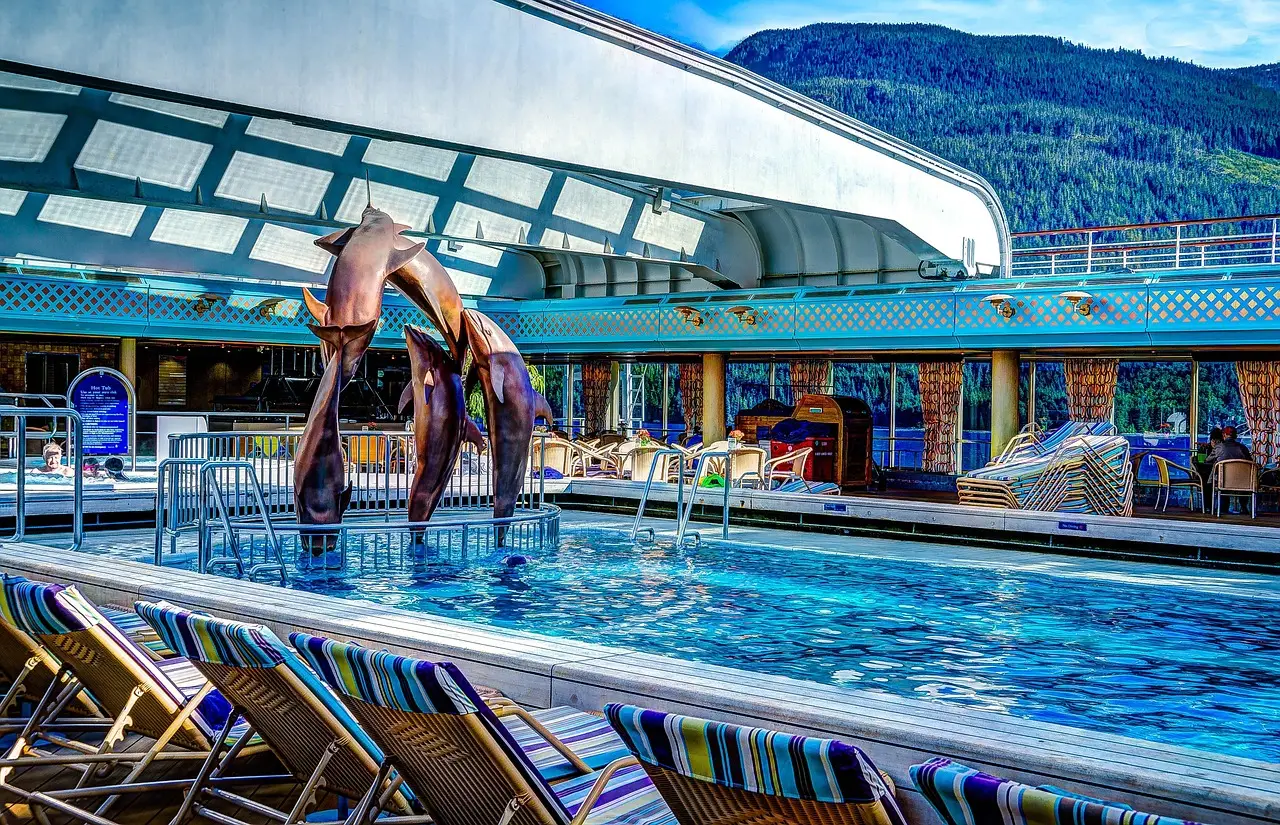
According to survey findings, swimming pool areas or decks were the most dangerous places on cruises. Similar to pools on land, pools on ships can quickly become dangerous or deadly, with nearly 31 percent of those injured on ships saying it happened on an outdoor deck or pool.
Wet pool areas, polished stairs, and sudden ship movements create perfect conditions for falls. The lido deck, with its mix of dripping swimmers, sunscreen-slicked tiles, and constant foot traffic, is where cruise medical staff tend to see the most repetitive injury patterns. It’s not exceptional weather or equipment failure. It’s ordinary behavior in a high-risk environment.
Walking Barefoot Is the Habit Staff Single Out Most Often
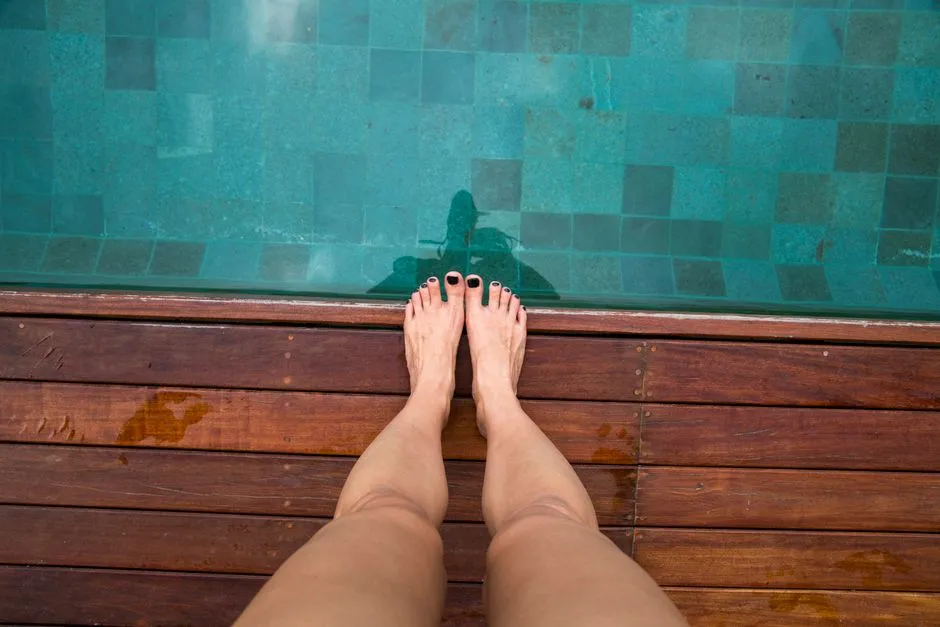
Cruise staff universally frown upon one habit that transcends borders: bare feet away from the pool area. Even though many cruise lines allow informal attire, a general rule on most cruise ships is not to walk around barefoot.
Water parks, hot tubs, and jacuzzis are notorious for slick surfaces. The combination of water, soap, and sunscreen creates a dangerous environment for anyone walking barefoot or in flip-flops. Crew members who work pool decks regularly report seeing the same sequence: a passenger steps out of the water, takes a few barefoot strides across a tile surface, and goes down hard.
Hot Deck Surfaces Have Become an Urgent and Growing Hazard
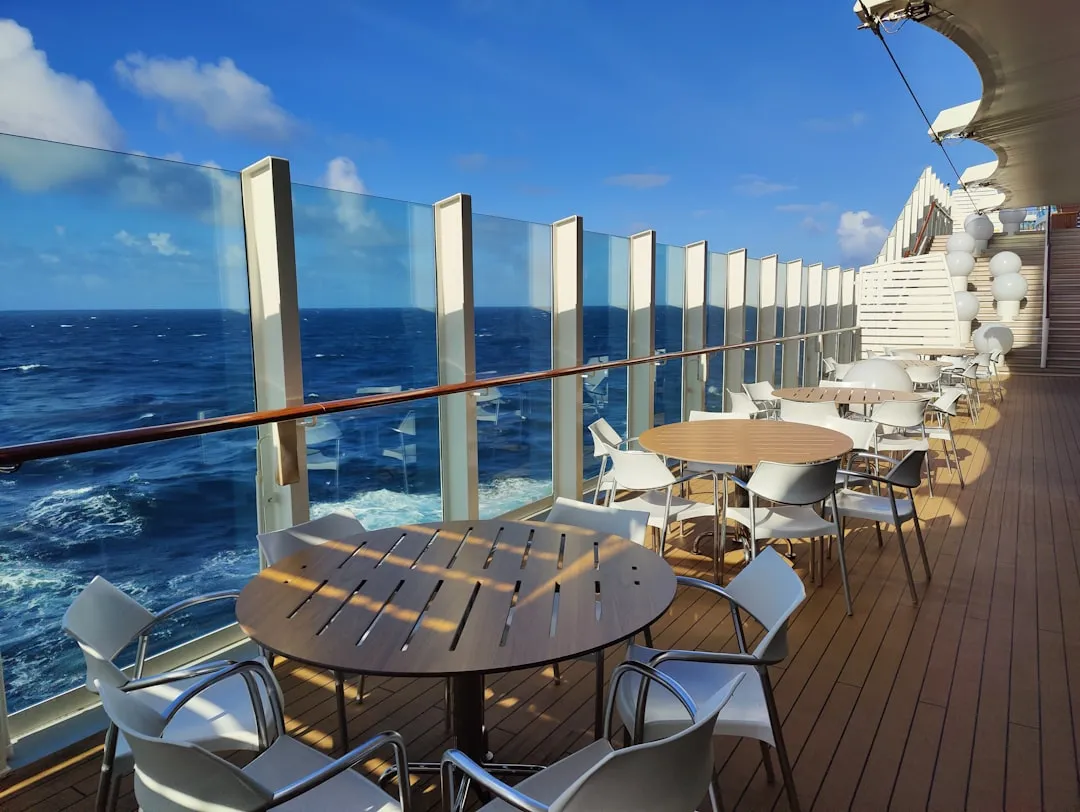
Sun decks on cruise ships are built with materials like teak, composite decking, and dark-colored tiles that absorb and retain heat under direct sunlight. Combined with reflective glare off the water and minimal airflow in certain deck areas, surface temperatures can soar well above safe levels within minutes.
When passengers walk barefoot from a pool, lounge chair, hot tub, or waterslide, they may not realize the deck surface is hot enough to cause injury until the damage has already occurred. Hot deck injuries can be serious enough to qualify as first, second, or even third-degree burns, with symptoms including blistering, swelling, intense pain, and in serious cases, nerve or tissue damage.
Real Cases Show Just How Quickly This Can Go Wrong
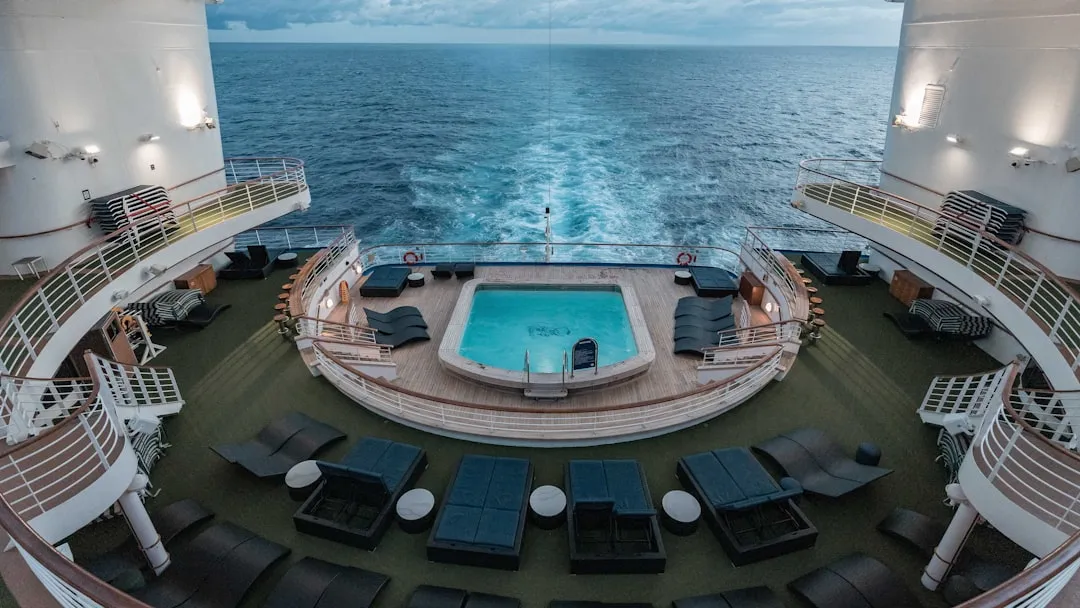
One documented incident occurred on August 4, 2024, while a passenger was relaxing at the Havana Pool area on Deck 5 of the Carnival Horizon. The floor in the open deck area, constructed with Bolidt Future Teak flooring, allegedly reached temperatures high enough to cause second-degree burns. The passenger walked barefoot between his lounge chair and the pool several times, unaware of the extreme heat due to the lack of any posted warnings or protective mats.
By August 8, he developed a fever and sought medical treatment at the ship’s infirmary, where a doctor diagnosed him with a second-degree burn. The wound became infected with strep bacteria, which ultimately led to the surgical amputation of two toes. That trajectory, from poolside to amputation, began with a single shoeless walk across a sunny deck.
Stairwells Are the Other Hidden Danger Zone
In a published case series of cruise ship passengers admitted to a Level I trauma center, all eight patients suffered injuries from falls, five of which were in stairwells. Concussions were the most common injury. Stairways on cruise ships concentrate risk: they’re steep, often crowded, and commonly navigated by passengers in flip-flops or bare feet after time at the pool.
Whether moving between decks or boarding and disembarking, stairs and gangways pose real risks. Loose handrails, worn carpeting, or poorly marked steps can result in severe injuries. The National Transportation Safety Board has specifically flagged stairways on passenger vessels as a serious concern, noting cases where passengers suffered broken necks and brain hemorrhages after losing footing on ship staircases. (When one vessel unexpectedly struck a dock, passengers lost their balance and fell, causing head injuries, fractured ribs, and cuts. The most severely injured passenger fell down a stairway and suffered a broken neck, brain hemorrhage, and lung collapse.)
The Demographics Matter: Older Passengers Face Amplified Risk
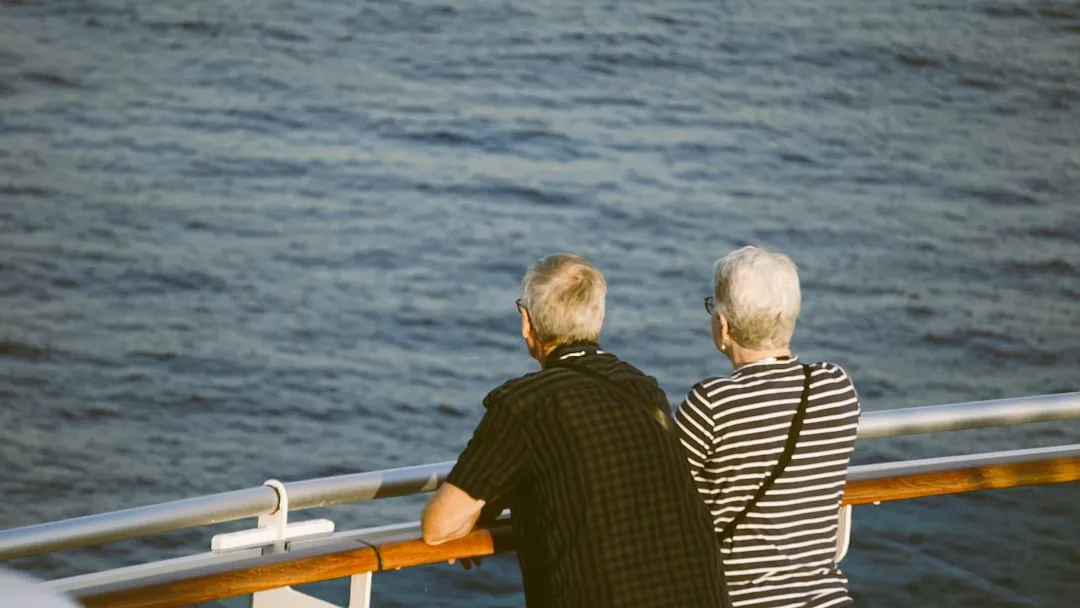
The most common injuries aboard cruise ships requiring hospitalization occur in the geriatric population as a result of a ground level fall. Most commonly, the injuries are long bone fractures, with femur fractures occurring most frequently and accounting for over half of all injuries sustained.
The average age of a cruiser is 46, according to the 2024 State of the Cruise Industry Report. A significant portion of passengers, though, are well into their sixties and seventies. Resources and protocols for pre-hospital management of cruise ship injuries should prioritize these patients, and fall prevention measures for this demographic should be mandatory aboard all cruise ships, as researchers have noted. Bare feet on slick surfaces are especially perilous for those with reduced balance or bone density.
Rough Weather Multiplies the Risk Dramatically
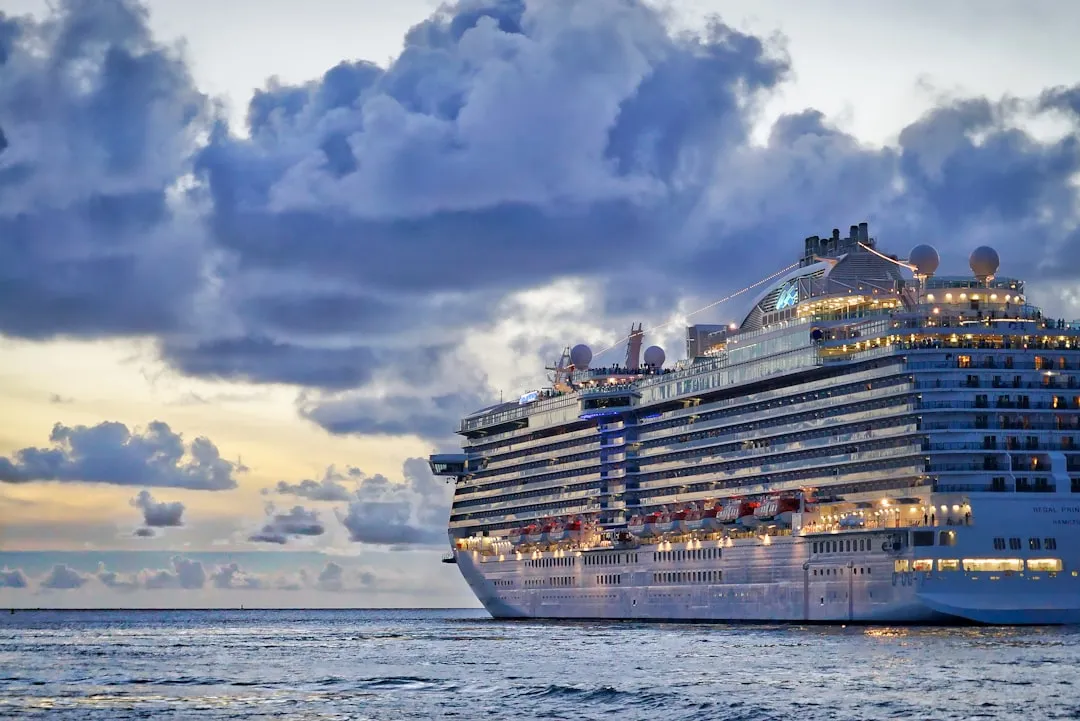
When a cruise ship encounters rough seas, sudden movements can lead to serious injuries. A November 2023 incident highlighted these dangers when violent storms with winds up to 63 miles per hour resulted in over 100 passenger injuries on a single vessel. When a ship rolls unexpectedly, anyone without proper footwear and access to a handhold is essentially at the mercy of physics.
The marine environment adds risks that simply don’t exist on land, including corrosion from salt water, sea spray, and water tracked into high traffic areas from pool areas. Surfaces that feel stable on a calm afternoon can become treacherous the moment conditions change. Shoes that grip matter far more than most passengers assume.
What Cruise Lines Recommend, and What Some Now Require
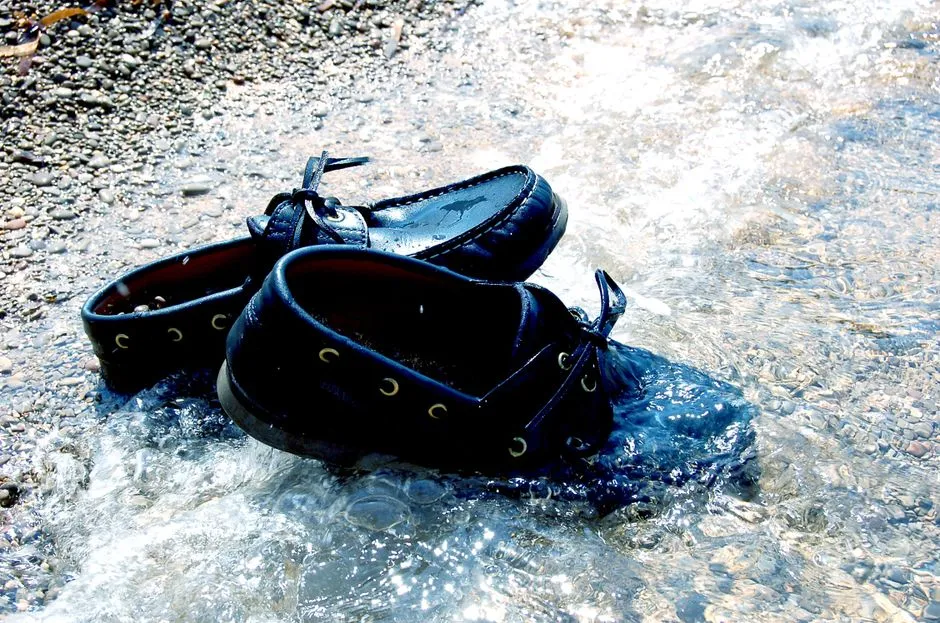
Cruise safety guidance consistently advises wearing nonslip shoes on deck to avoid accidental falls. Shoes with good traction can help prevent slips on wet or slick surfaces, and crew members actively encourage this, particularly near pools, spa areas, and stairwells. Some lines have moved beyond recommendations.
Some cruise lines, including the newer Virgin Voyages ships, now require water shoes on the pool deck. Cruise operators generally provide safety guidelines for passengers using pool and recreational areas, including recommendations for appropriate footwear and caution during wet or slippery conditions. The gap between guidelines and actual passenger behavior, however, remains wide.
Alcohol Plays a Quiet but Consistent Role

Enjoying all-inclusive food and drinks is part of the cruise experience, but overindulgence can lead to accidents. Cruise safety experts recommend passengers know their limits with alcohol and pace themselves to avoid slips, trips, and falls. The combination of bare feet, a wet pool deck, and a few afternoon drinks is one that cruise medical staff recognize immediately.
Passengers can do a lot towards preventing a slip, trip, or fall by holding on to railings where available, wearing non-slip shoes throughout the ship, and drinking in moderation. These three steps together address the most commonly observed risk cluster: no footwear, no handhold, and impaired judgment.
The Fix Is Simpler Than Most People Expect
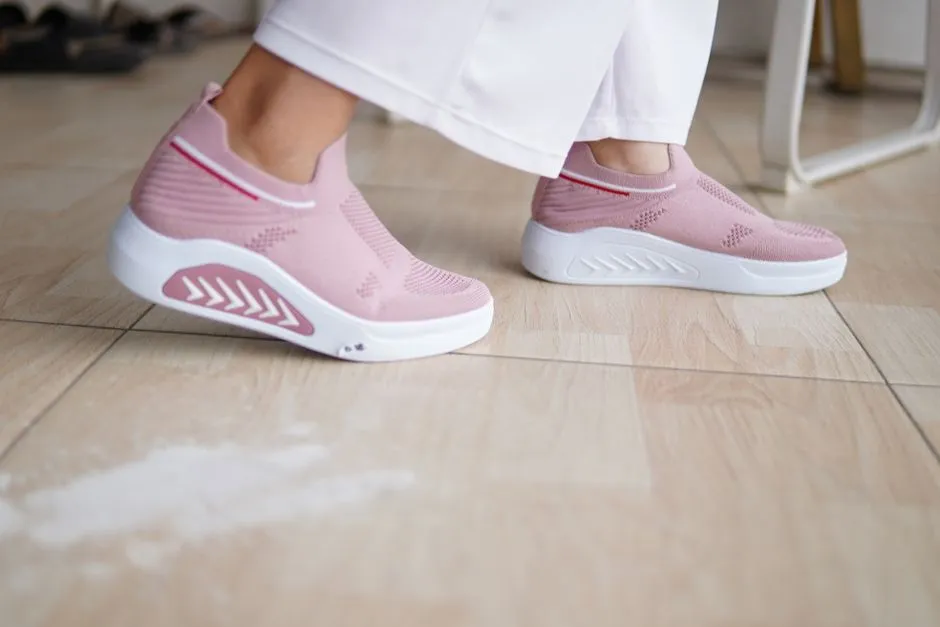
Wearing non-slip shoes, especially on wet surfaces like pool decks, is one of the most effective protective measures available. Paying attention to signs indicating wet floors and avoiding running reduces risk significantly. Using handrails when going up or down stairs, especially if the ship is moving, is equally important. None of this requires special equipment or advance planning.
Frequent cruisers and crew alike recommend wearing at least a pair of flip-flops or boat shoes, which are slip-resistant and waterproof, to protect feet while on the ship. The irony is that this is one of the most preventable injury categories on any cruise. The information is available, the solution is low-cost, and yet the same barefoot habits lead to the same medical center visits, voyage after voyage.
A Simple Habit Worth Rethinking Before You Board
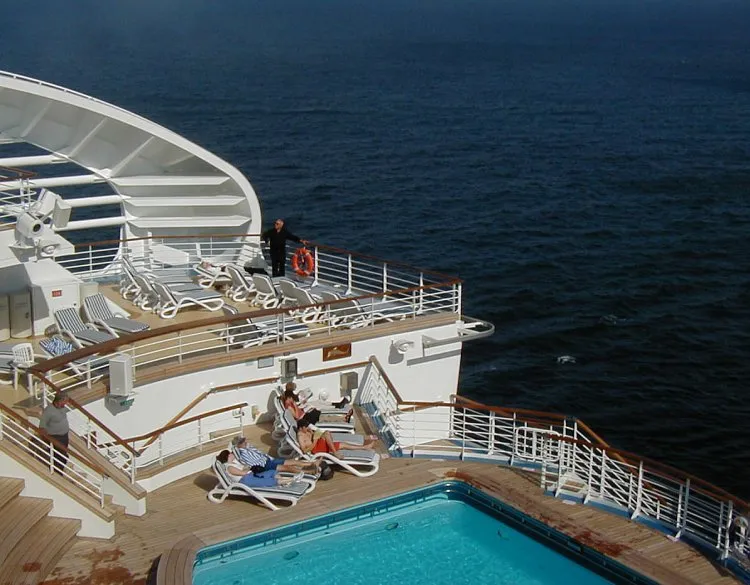
Most cruise injuries don’t happen dramatically. They happen in the ten steps between a lounge chair and a pool, on a Tuesday afternoon, in calm seas, on a ship that otherwise runs flawlessly. Most accidents, illnesses, and injuries aboard cruise ships are preventable.
The habit cruise staff flag most is also the easiest one to change. Pack a solid pair of water shoes or rubber-soled sandals and treat them as essential gear, not optional. The deck beneath your feet looks like a place to relax. Experienced crew know it can be something else entirely.
AI Disclaimer: This article was created with the assistance of AI tools and reviewed by a human editor.