


Most people pack their bags carefully. They research hotels, map out restaurants, load their phones with offline maps. But the one thing that changes the texture of a trip more than any reservation? Five words in the local language, learned the week before you fly.
It sounds almost too simple. Yet the evidence, from language researchers, behavioral studies, and surveys of thousands of real travelers, points consistently in the same direction: a handful of memorized phrases shifts your experience from observer to participant. Here is why the smartest travelers make this a non-negotiable part of their pre-departure routine.
Locals Notice the Effort, Even When the Words Are Imperfect

People in local communities feel appreciated whenever they find a visitor attempting to speak their language, no matter how few words it includes. That genuine respect can become a real foundation for trust between two strangers.
Research from Preply found that nearly half of travelers surveyed feel they are treated more positively by locals when they speak, or even just try to speak, the local language. That’s a meaningful shift in hospitality, sparked by nothing more than a mispronounced hello.
The attempt to communicate in the local tongue, no matter how clumsy, is almost always appreciated, and it often produces a warm, humanizing moment between visitor and host.
A Greeting Unlocks Doors That English Cannot Open

Language in travel isn’t about flawless grammar. It’s about signaling that you’re here to engage. A simple greeting in the local tongue, hello, please, thank you, often earns warmer responses and opens doors that remain shut to monolingual visitors.
Knowing even a few words of the native language is one of the best ways to have a richer, more personal experience with local culture. The heart of a culture lies in the hands of locals, and the most effective way to reach them is through their own tongue.
Think of it this way: in a busy market or a neighborhood café, the vendor who hears you attempt even a broken greeting will treat you differently than the traveler who points at a menu and shrugs. The language is a door; the phrases are the key.
It Makes Everyday Navigation Dramatically Easier
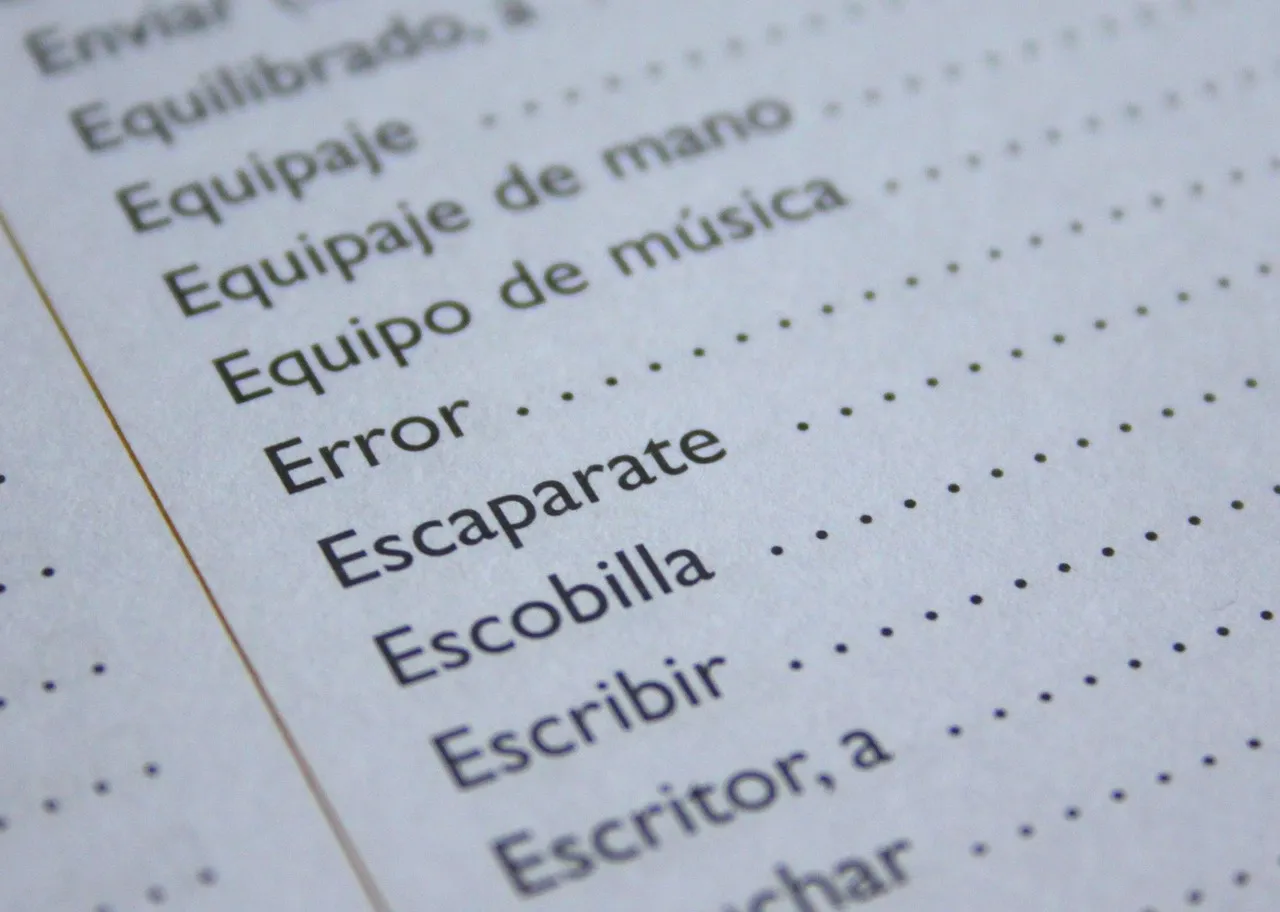
Nearly half of travelers surveyed by Preply say that knowing even basic phrases in the local language makes it easier to manage everyday situations, from ordering food and checking into accommodations to handling unexpected emergencies. Those practical skills smooth out the travel experience in ways that translation apps simply can’t replicate in real time.
The Council of Europe’s Common European Framework of Reference defines A1 to A2 as “survival” levels, which is precisely what most trips require. In practice, targeting around fifty to one hundred travel-ready expressions covering greetings, numbers, directions, food phrases, and polite lifesavers gives a traveler everything they need.
Asking a train conductor a simple question in their language, or reading a street sign with basic comprehension, gives you a kind of independence that no phone app can fully replicate when the signal drops.
The Emotional Payoff Is Real and Measurable

Almost half of travelers surveyed say that speaking even a little of the local language helps them enjoy their trip more through meaningful interactions, from chatting with market vendors to understanding cultural references that tourists might otherwise miss entirely.
Research also found that roughly two-fifths of travelers report that even basic language knowledge helps reduce stress and anxiety while abroad. That’s not a trivial finding. Travel anxiety is real, and any tool that eases it is worth the ten minutes of prep time.
Making genuine connections with people from different cultures and different languages is deeply rewarding. Communicating with locals in their home language evokes a sense of joy and accomplishment that creates friendships and memories that last far beyond the trip itself.
Language Anxiety Is Holding Millions of Travelers Back

A comprehensive Preply survey of over 1,500 American adults conducted in 2025 found that roughly two-thirds of Americans planning trips want to learn local languages while traveling, yet nearly one-third deliberately choose destinations where English is dominant, which significantly limits their options from the start.
The same study found that more than one in four Americans feel scared or intimidated speaking a foreign language abroad. Four of the five most daunting destinations for American travelers are in Asia, with China topping that list, followed by Japan, South Korea, and Thailand.
The irony is that those destinations, often the ones triggering the most hesitation, are also the places where a few memorized phrases tend to produce the most generous and enthusiastic responses from locals. The effort, however small, is always visible.
Trust Is Built Through the Native Tongue

Researchers have long shown that people respond more positively when addressed in their native language. CSA Research’s widely cited “Can’t Read, Won’t Buy” series found that nearly three-quarters of consumers prefer information in their own language, a trust effect that extends well beyond commercial contexts.
Language learning for travel is not just about memorizing words and phrases. It’s about understanding the culture and connecting with people on a level that translation tools can only approximate.
Trust in a destination is built incrementally, through small moments. A vendor who sees you try to say the name of a local dish correctly is more likely to walk you through what’s fresh today. Those moments compound quietly into a trip that feels genuinely lived rather than merely observed.
Cultural Respect Is Part of Responsible Travel

Linguistic values sit at the core of any culture. By learning something about a language’s customs, beliefs, and social dynamics, travelers can more fully appreciate and participate in local life rather than viewing it from a distance.
Travelers increasingly shift away from overcrowded tourist spots and move toward more authentic, immersive travel experiences that allow genuine connection with local cultures. This involves supporting local communities, dining at local eateries, and participating in local customs and traditions.
Learning five phrases before landing is one of the quietest forms of cultural respect available to any traveler. It signals that you came to participate, not just to consume. That distinction matters, to communities and to the quality of your own experience.
The Language App Boom Means Preparation Has Never Been Easier
The global language learning app market was valued at roughly 6.3 billion dollars in 2024 and is projected to reach nearly 24.4 billion dollars by 2033, reflecting just how seriously people around the world are taking language preparation.
The best language learning app depends on your learning style and schedule, but travelers typically benefit most from apps with short lessons, offline access, and real-world speaking practice. Many opt for Babbel for structured learning, Duolingo for gamified daily practice, or Pimsleur for audio-based lessons during a commute.
A good language learning app lets you learn in short bursts, on flights, in cafés, or between meetings, which means even the busiest traveler has no reasonable excuse to land completely unprepared.
Five Phrases Build a Foundation, Not Just a Phrase Book

Research into how language shapes the international tourism experience found that even limited fluency in the local language consistently acts as a facilitator of positive experiences, while a complete lack of language knowledge created barriers that inhibited those same experiences.
A good command of at least a few words in the host language makes a real difference when traveling abroad, facilitating social interactions and knowledge transfer. That ability helps travelers immerse themselves in the local community and appreciate the authenticity of the host culture.
Five phrases won’t make you fluent. They will, however, make you a guest rather than a stranger. Hello, please, thank you, where is, and how much these five alone carry you through a surprising percentage of daily encounters abroad.
The Habit Changes How You Travel Long-Term
Travel contributes to learning, and learning makes travel more meaningful. Research published in the International Journal of Tourism Research confirms a positive relationship between the depth of a travel experience and learners’ attitudes toward continued, lifelong learning.
As travel becomes more accessible and the world remains interconnected, speaking even a little of the local language has never been more valuable, not just for long-term travelers or expatriates, but for anyone who wants to go beyond being an average tourist.
Learning a language builds empathy and open-mindedness, qualities that compound across every trip you take and quietly reshape how you see unfamiliar places. Travelers who start this habit before one trip almost always carry it into the next.
The Takeaway

Five phrases is not a fluency target. It’s a declaration of intention. It tells a destination, before you’ve even arrived, that you came with curiosity and respect rather than assumption. That posture, more than any itinerary, is what separates a traveler who returns changed from one who merely returns.
The prep time is small. The return, in warmer receptions, richer encounters, and a quieter confidence navigating somewhere genuinely unfamiliar, is large. Pack your bags carefully. Then spend ten minutes with a phrase app. Both matter.
AI Disclaimer: This article was created with the assistance of AI tools and reviewed by a human editor.