


There’s a kind of quiet assurance that experienced travelers carry. They move through unfamiliar airports, unpredictable streets, and languages they’ve never spoken with a steadiness that can look like natural talent. It isn’t. It’s built – carefully, trip by trip, through habits and knowledge that compound over time.
Studies show that while crime is a top concern for solo travelers, most people still feel safe when they plan intentionally rather than react to fear-driven headlines. That distinction, between reactive fear and proactive awareness, is at the heart of how seasoned travelers operate. What follows is a look at the specific practices that build that confidence.
They Start with Destinations That Build a Foundation
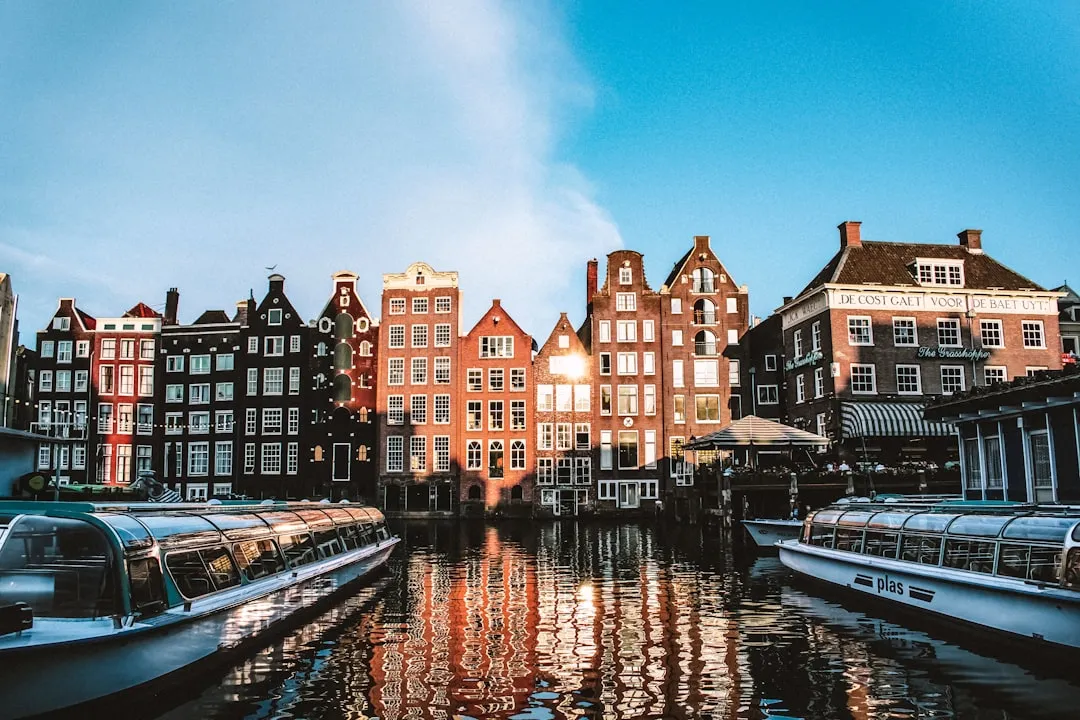
The most experienced travelers didn’t begin their journeys in complex, high-risk environments. They started somewhere forgiving and infrastructure-rich, then gradually widened their range. If you’re brand new to solo travel, starting with countries in the top safety tiers gives you space to build confidence in places where systems work and infrastructure is reliable.
Starting with the right scope matters enormously. A weekend alone in a city you don’t know well is a meaningful psychological experiment. You don’t need to book a six-month trip to Southeast Asia on your first attempt. The confidence that comes from navigating a well-mapped European city transfers gradually to destinations that require more adaptation and resilience.
They Research with Genuine Depth Before Every Trip
Travelers should research conditions and accessibility issues at their destination before departure to learn what risks they could face and make plans to mitigate those risks abroad. Experienced travelers don’t treat this as optional or superficial – they read recent traveler reports, check government travel advisories, and look into local health and transport conditions specifically relevant to their itinerary.
Experts advise that you research your destination and understand any potential health risks, political or social tensions, and weather or climate patterns. Travel safety trends in 2026 show that while travel remains statistically safe, the factors influencing traveler safety have grown more complex. As trips become more digitally connected and shaped by world events, safety now involves digital hygiene, climate awareness, and geopolitical savvy supported by thoughtful planning.
They Treat Pre-Trip Planning as a Personal Safety Strategy
The foundation of any solo trip starts well before you pack your bags. Think of this preparation stage as designing your personal safety strategy and a safety net – the stronger you make it now, the better protected you’ll be later. Experienced travelers identify emergency contacts, understand local medical infrastructure, and know exactly who to call if something goes wrong.
Geopolitical instability remains the top concern for travelers, with roughly a third citing it as their most significant travel risk. Economic instability and terrorism follow closely behind. Knowing these risks in advance means you can plan contingencies instead of being caught off guard. It’s the difference between being prepared and being lucky.
They Make Safety Habits Second Nature
The key is developing safety habits that become second nature. Experienced travelers don’t think consciously about every safety decision on the road – the habits are already embedded. They instinctively choose well-lit routes, secure their accommodation at night, and keep one earbud out in busy urban areas to stay aware of their surroundings.
Using all door locks and alternative locking devices, keeping windows locked when away, and securing valuables are practices that solo travelers rely on consistently. These aren’t paranoid behaviors. They’re practical rituals that reduce friction and free up mental energy so you can actually enjoy where you are.
They Use Technology as a Genuine Safety Tool
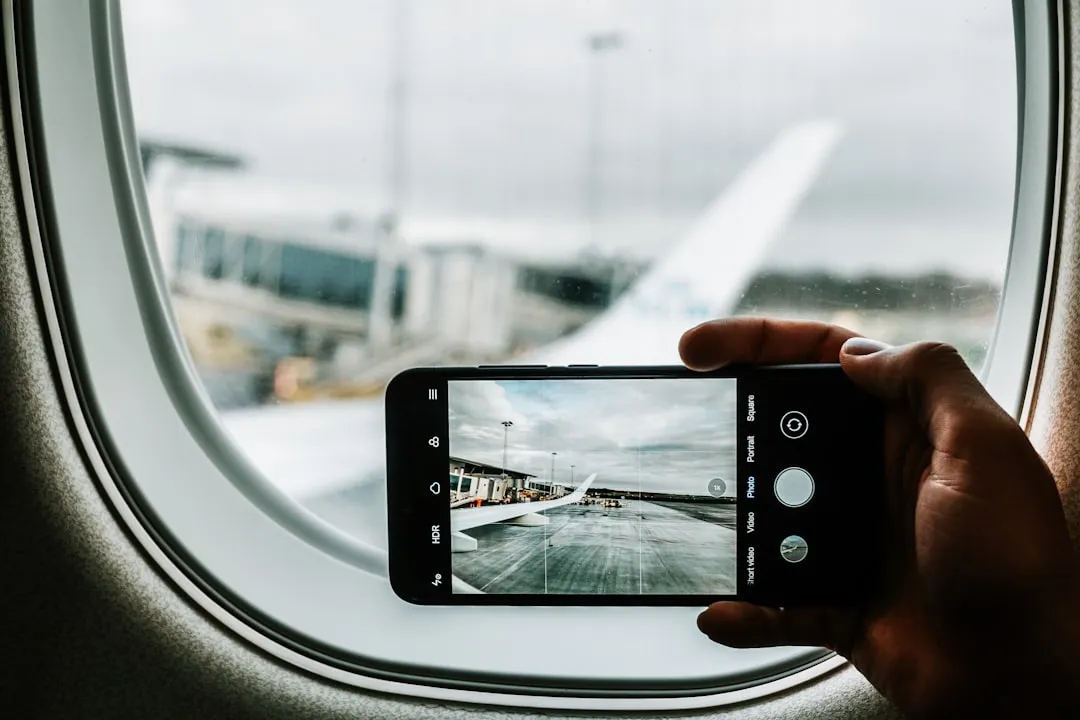
Technological advancements, including AI translation, real-time tracking, and safety alerts, are transforming travel by increasing safety and control for travelers. Experienced travelers integrate these tools deliberately rather than relying on instinct alone. Real-time translation apps, offline maps, and ride-tracking features have quietly become standard parts of how confident travelers move through unfamiliar places.
In 2025, roughly one in seven travelers reported using generative AI to plan their trips, up from about one in ten in 2024. These tech-savvy travelers are leveraging AI to research activities, attractions, destinations, and dining options, and even to make bookings based on AI recommendations. Airbnb, recognizing the scale of solo travel, added new safety features to their app, including the ability to share a reservation itinerary with a trusted person and get tips for traveling safely in the local area.
They Invest in Proper Travel Insurance
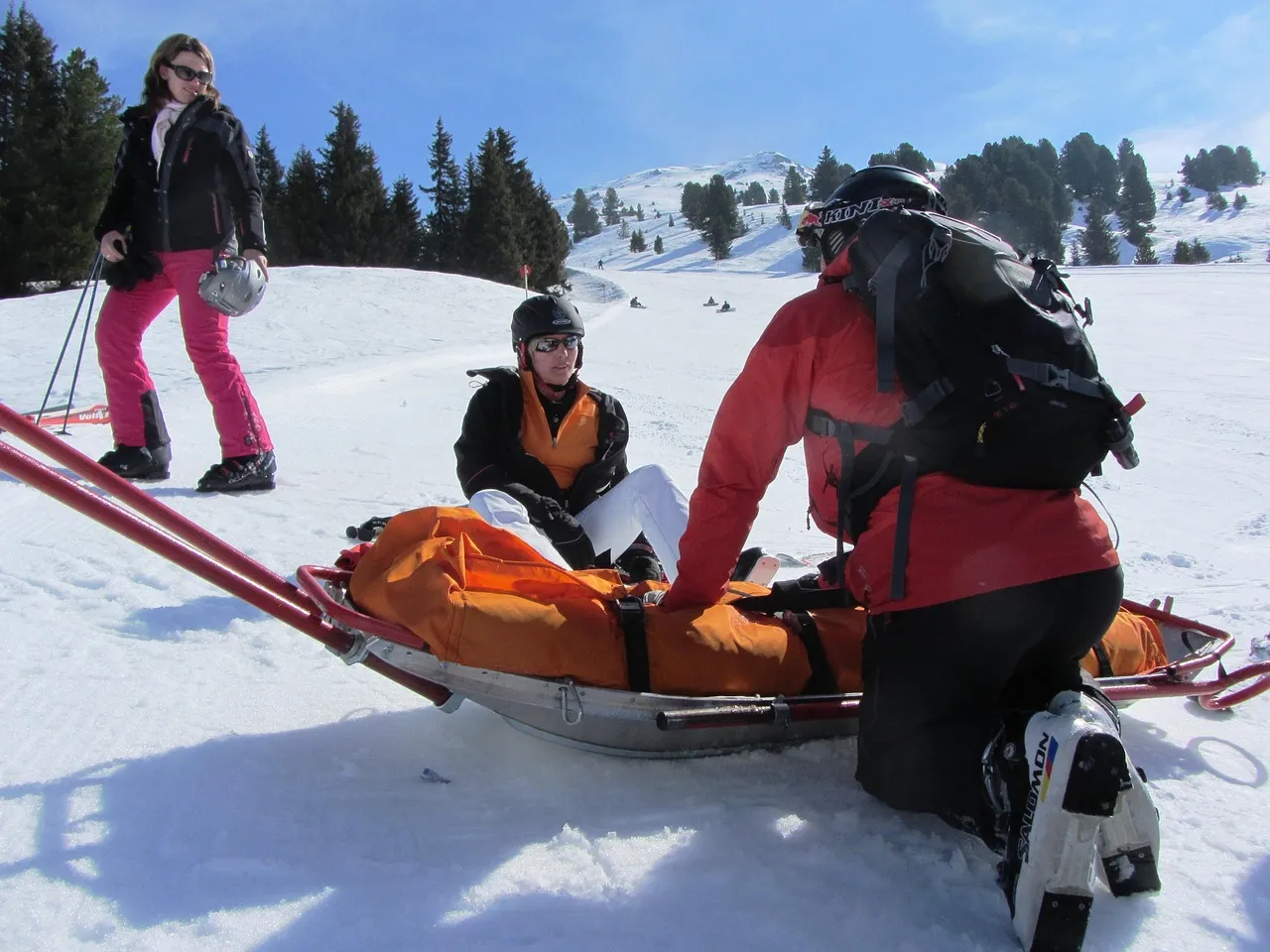
One of the clearest markers of an experienced traveler is that they never skip travel insurance. Traveler demand for trip protection increased in early 2025, with travel insurance quote requests up at least 32% year over year and purchases of more flexible protection options rising by more than 30%. That growth reflects a broader shift in how travelers understand risk.
World Nomads reported that roughly 70% of policy sales in 2024 were attributed to solo travelers, marking a steady rise compared to previous years. According to IMG’s 2025 Travel Outlook Survey, more than half of respondents reported that getting sick or having an accident while traveling was their number one worry. Covering that risk with a solid policy transforms anxiety into manageable contingency planning.
They Build Situational Awareness, Not Just Caution
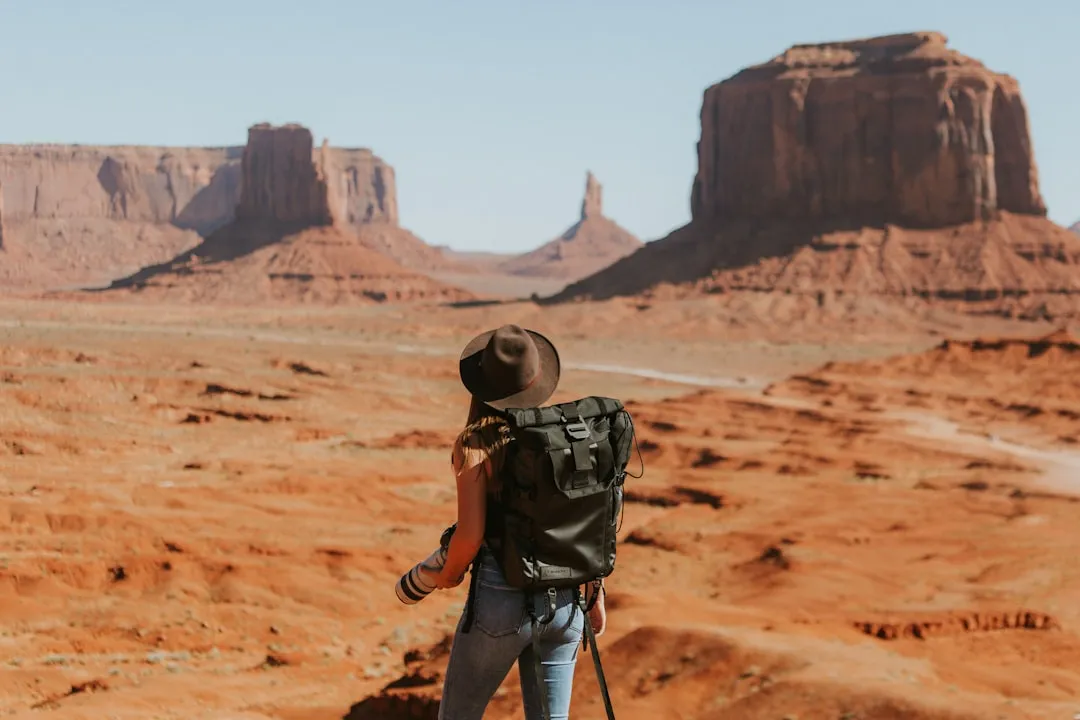
There’s an important difference between being cautious and being aware. Caution can tip into paralysis. Situational awareness, on the other hand, is active and calm. Along with the independence of solo travel comes heightened concern for travel safety, and a recent Global Rescue Spring 2025 Traveler Sentiment and Safety Survey confirms what many experienced globetrotters already know: safety concerns are now one of the most significant factors shaping how and where solo travelers move.
Experienced travelers watch for patterns – which streets feel consistently busy and safe, how locals behave during certain hours, when a neighborhood shifts in character. Despite safety being identified as one of the top concerns, roughly seven in ten solo travelers report actually feeling safe while traveling alone. That gap between concern and experience is bridged by awareness, not avoidance.
They Understand That Confidence Comes from Repetition
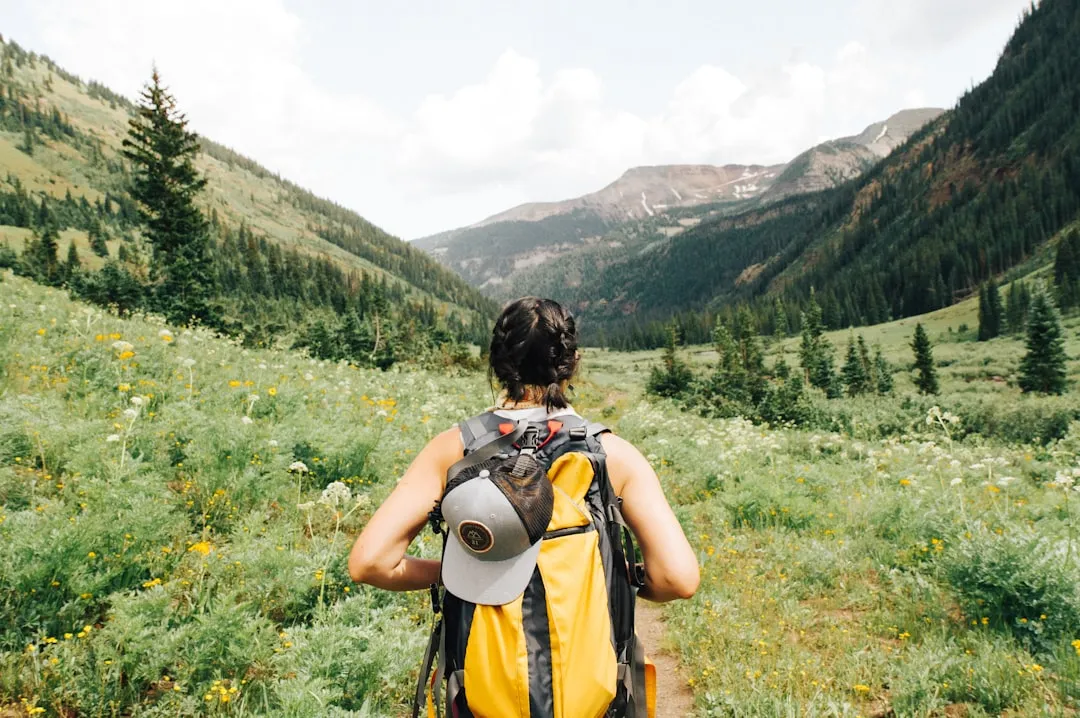
Research demonstrates that solo travelers consistently report increased self-confidence following independent travel experiences. The constant stream of novel challenges – navigating unfamiliar transportation systems, communicating across language barriers, managing logistics independently – provides repeated mastery experiences that strengthen self-efficacy.
The brain updates its predictions based on experience, and the experience of successful solo problem-solving is a powerful counter to anxious forecasting. Mental toughness built this way has specificity – it’s not generic confidence, it’s a well-founded belief grounded in actual history. Each resolved challenge, each navigated delay, each unfamiliar city successfully crossed becomes evidence that you can handle the next one.
Data from Hostelworld’s 2025 State of Solo Travel report shows that roughly two thirds of first-time solo travelers plan to travel more – once they’ve done it, they’re hooked. The confidence loop is self-reinforcing.
They Understand the Real Shape of the Gender Safety Gap
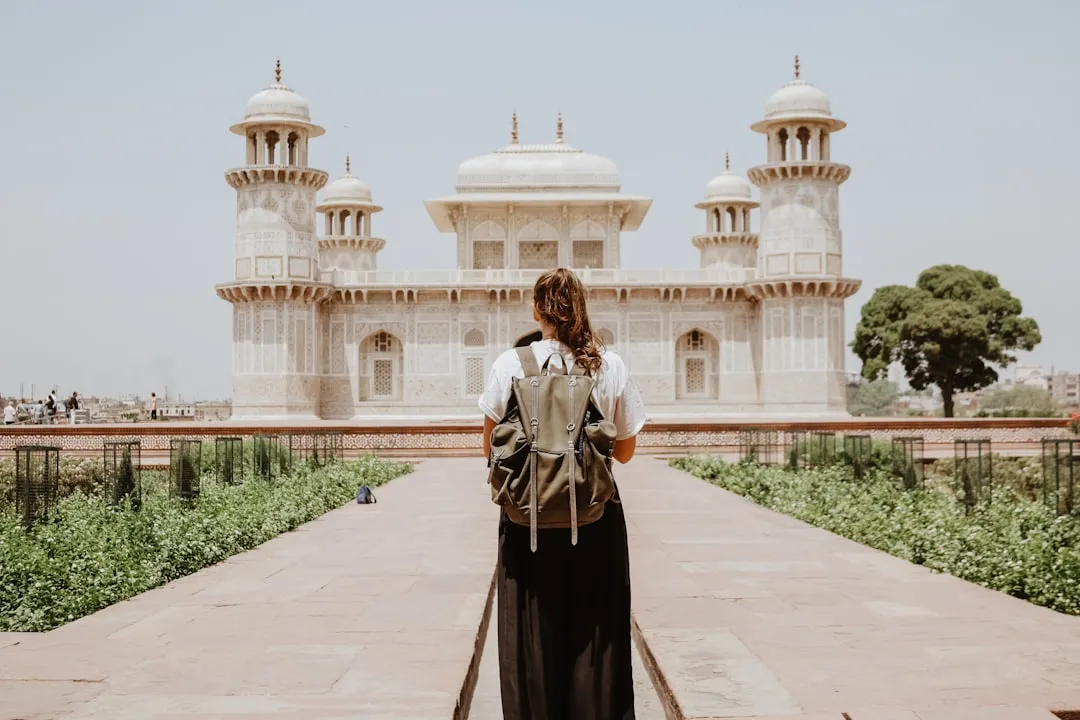
Confidence in travel is not evenly distributed, and experienced travelers acknowledge that honestly. The gender gap is real: 55% of women say safety is a concern, while only 18% of men, according to Hostelworld’s 2025 research. Among women who have never been on a solo trip, three quarters worry about their safety – but that concern drops to just over half for experienced solo travelers.
Women account for the majority of solo bookings across all ages, a product of increased empowerment and confidence in safety to travel alone. A recent survey of Gen Z women found that more than half are interested in traveling abroad alone, and an overwhelming majority stated they have been influenced by the travels of others. The industry is responding: Intrepid Travel’s “Women’s Solo Travel” initiative launched dozens of female-only departure dates across popular destinations with enhanced safety protocols, female guides, and accommodation safety features specifically addressing women’s solo travel concerns.
They Travel More, Which Itself Creates Competence
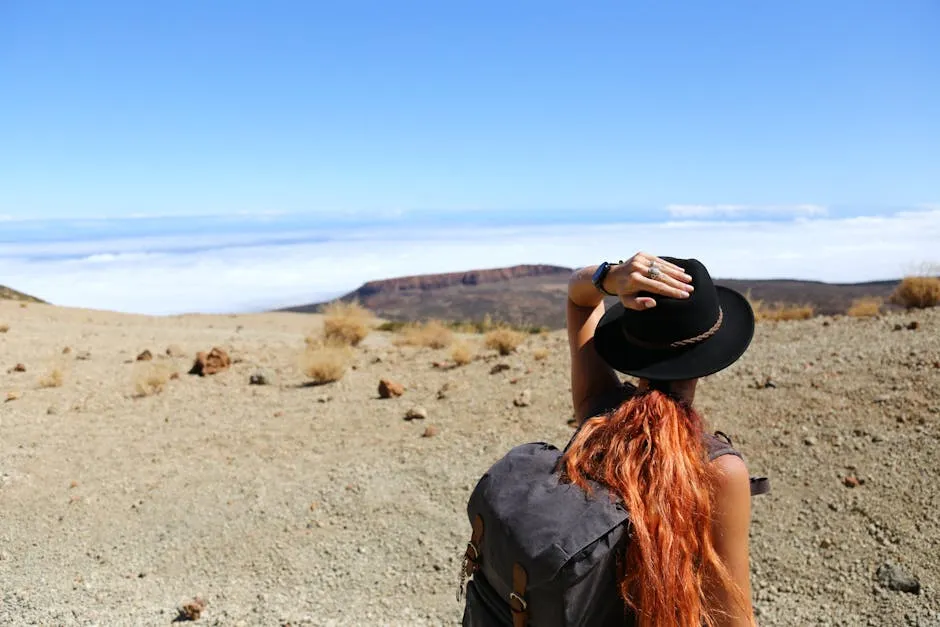
Perhaps the most straightforward truth about how experienced travelers build confidence is simply this: they travel frequently, and frequency compounds into competence. Data from Solo Traveler World shows that roughly a quarter of surveyed solo travelers had taken two trips in the last year, and nearly half had taken three or more. The more trips you take, the more situations you’ve already navigated – and the less new terrain can genuinely surprise you.
The increasing recognition of mental health benefits associated with solo travel represents a primary growth driver for the market. Solo travel provides therapeutic benefits including stress reduction, confidence building, and personal reflection opportunities that align with growing wellness tourism trends. A survey of U.S. travelers found that roughly seven in ten cited solo travel as important for their mental health and wellness. These aren’t incidental benefits – they’re part of why experienced travelers keep going back out into the world.
The Takeaway
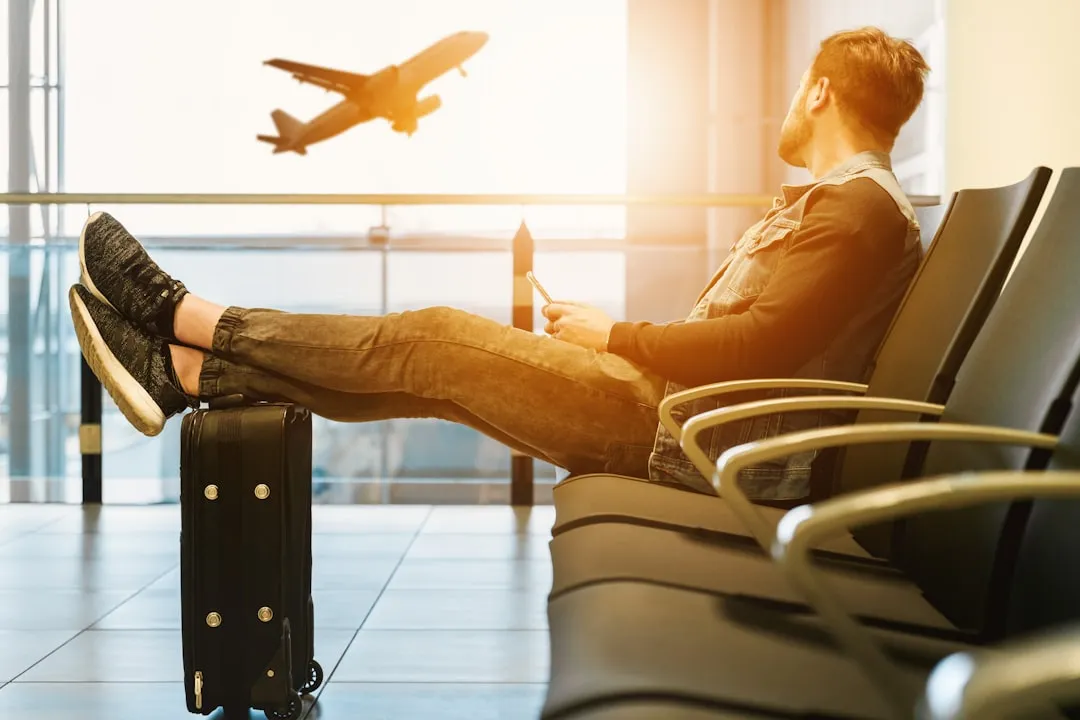
Travel confidence isn’t a personality type. It’s an accumulation of habits, knowledge, and experience that anyone can build deliberately. With proper preparation, situational awareness, and the right tools, you can explore the world with confidence and peace of mind. The travelers who seem fearless aren’t born that way.
They simply started somewhere manageable, paid attention, made mistakes that didn’t define them, and kept going. A growing cultural shift shows that the vast majority of experienced travelers now favor experiences over material possessions, with more opting for international adventures rather than physical assets. That reorientation toward experience, earned through honest preparation and respectful engagement with the world, is where lasting confidence lives.
AI Disclaimer: This article was created with the assistance of AI tools and reviewed by a human editor.