


There’s a fine line between being switched on and being wound up. Travel has a way of pushing you toward both at once. New environments demand attention, but the sheer volume of variables – delayed flights, unfamiliar streets, language gaps – can tip that healthy alertness into something edgier.
The good news is that this balance isn’t just wishful thinking. Research and practical experience both point to specific habits that keep you tuned in to your surroundings without sending your nervous system into overdrive. What follows are ten strategies that genuinely work.
Understand the Difference Between Alertness and Anxiety

A little nervousness before or during travel is completely normal. That mild jolt of adrenaline can be useful, giving you the energy to stay attentive and prepare properly. The problem arises when that edginess outlasts its usefulness.
Travel anxiety is a specific type of distress experienced either in anticipation of a trip or during the journey itself. While it’s normal to feel a bit uneasy when stepping out of your comfort zone, anxiety can transform your excitement into dread.
Alertness, by contrast, is calm and purposeful. It’s noticing the exit signs in a train station or keeping your bag on your lap in a crowded café – not catastrophizing every unknown. Recognizing the difference between these two states is the first step to managing both.
Plan Thoroughly, But Leave Room to Breathe
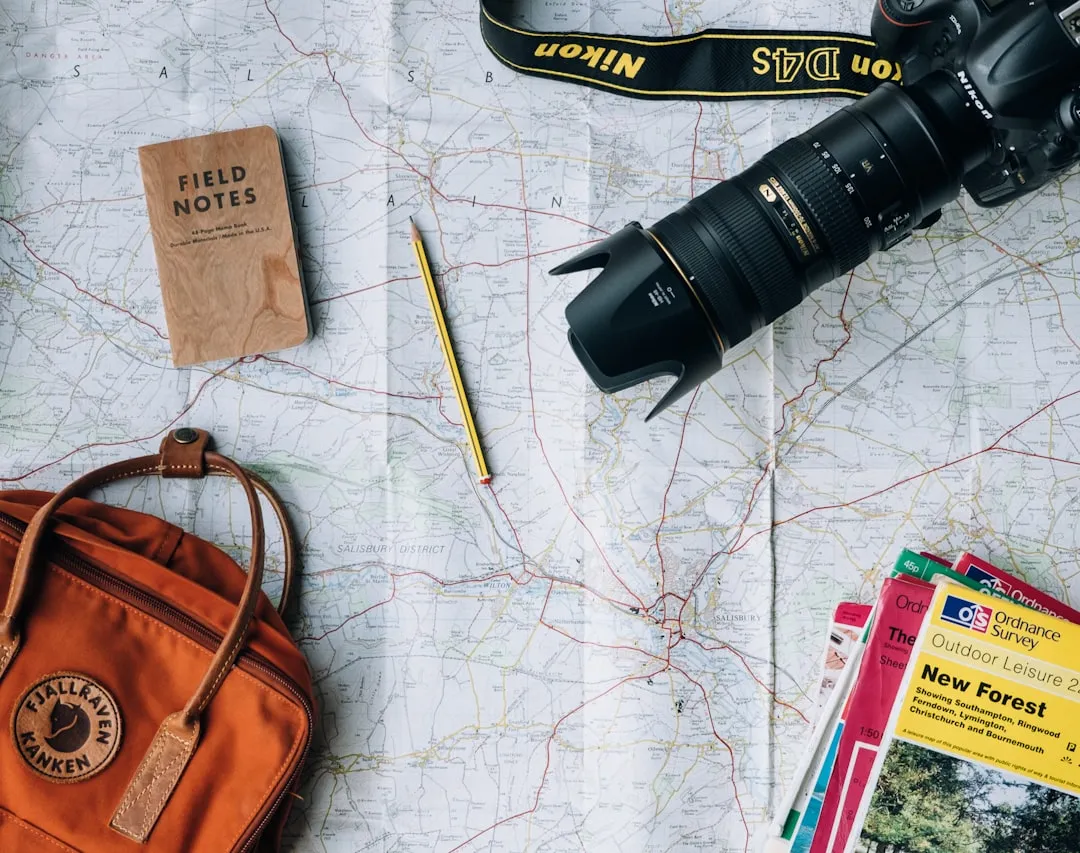
Thorough preparation and planning can greatly reduce travel-related anxiety. A realistic travel itinerary can minimize feelings of overwhelm, helping you stay focused and in control. Researching your destination thoroughly can also foster familiarity and reduce apprehension.
Planning ahead can prevent unnecessary panic moments, like realizing your passport has expired or that your hotel has no record of your booking, and it can also create more space for spontaneity in your day-to-day because the essentials are already handled. That said, overplanning can backfire if it leaves no room for rest or change.
Think of a good travel plan less as a script and more as a safety net. The structure keeps you from feeling adrift, while the flexibility keeps you from feeling trapped. Both qualities support a relaxed, alert mind.
Rethink Your Relationship With Caffeine

Many travelers reach for an extra coffee to push through fatigue or jet lag. It’s a reasonable instinct, but the science around it is more nuanced than most people realize.
A meta-analysis published in Frontiers in Psychology found that caffeine intake was significantly associated with an increased risk of anxiety in healthy people, and that caffeine can produce or exacerbate anxiety in adults with pre-existing anxiety disorders.
With frequent consumption, substantial tolerance develops to the anxiogenic effect of caffeine, even in genetically susceptible individuals, but no net benefit for alertness is gained, as caffeine abstinence reduces alertness and consumption merely returns it to baseline. For most travelers, moderating caffeine intake rather than relying on it heavily is the smarter play.
Build in Buffers and Arrive Early
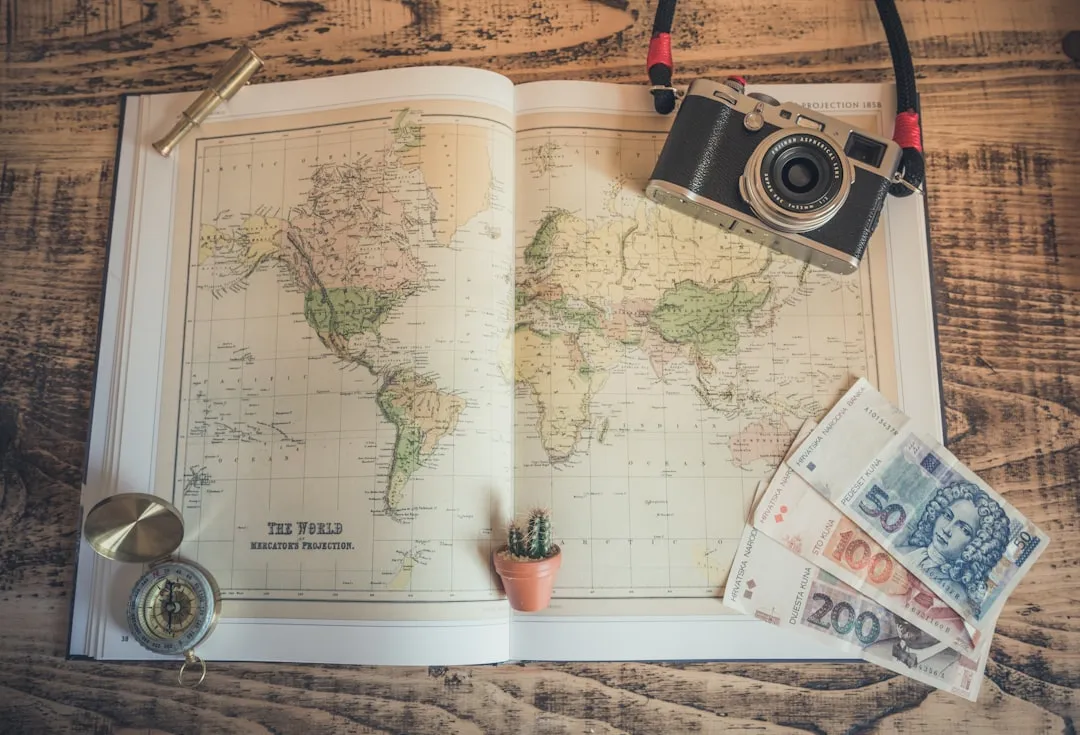
There’s nothing more stressful than running for a train or plane. Planning to be early for everything when you travel means you won’t be panicked at the last minute. Arriving early can be the difference between calmly waiting to depart and scrambling to catch the next one. Even a 15-minute cushion can help you stay calm if something runs late.
This isn’t just common sense. It’s a physiological choice. When you’re rushing, your body releases cortisol. When you arrive with time to spare, you have a chance to observe your environment, locate exits, identify your connections, and settle. That’s genuine alertness. The rushed version is just panic with luggage.
Use Controlled Breathing as a Real-Time Reset
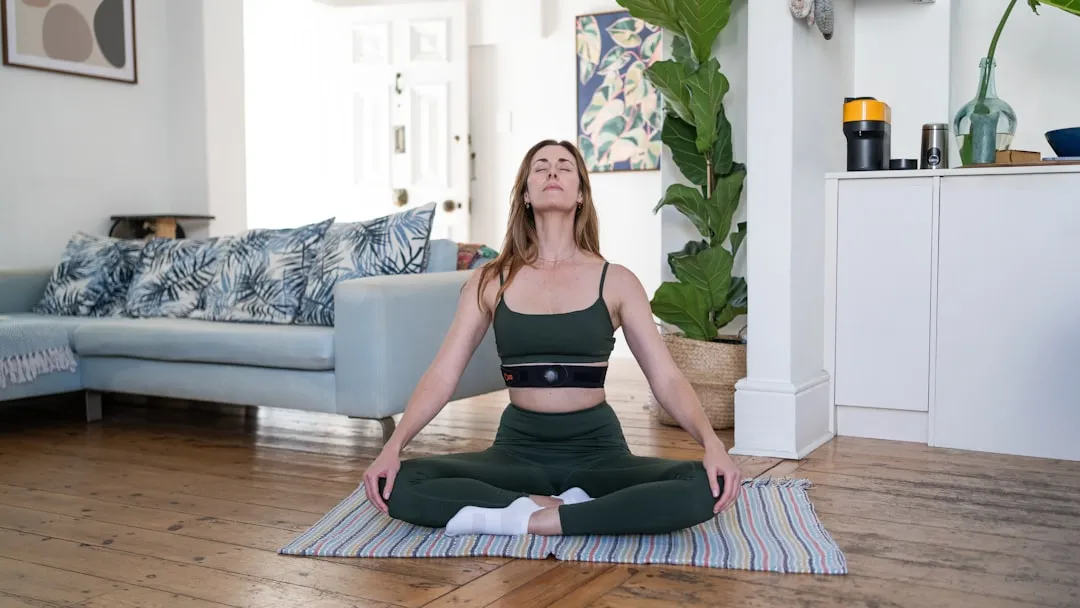
Breathing is one of the few physiological processes you can consciously control, and that makes it a remarkably practical tool on the road. It costs nothing, requires no equipment, and works almost anywhere.
When tension rises, whether at security, in traffic, or in a queue, making sure your exhales are longer than your inhales helps calm your nervous system down. Inhaling for four counts and exhaling for six is one effective pattern.
This kind of extended exhale activates the parasympathetic nervous system, effectively countering the fight-or-flight response. A few deliberate breath cycles in a crowded airport can bring your focus back without making you drowsy or disengaged.
Practice Situational Awareness, Not Hypervigilance

There’s a meaningful difference between noticing your surroundings and obsessing over every potential threat. Skilled travelers tend to stay softly attentive rather than rigidly watchful. The former feels natural; the latter is exhausting.
Travel heightens everything, and awareness is just a gentle way of staying present without losing the wonder. That framing matters. Awareness rooted in curiosity feels very different from awareness rooted in fear, even if the observable behavior looks similar from the outside.
Practical habits that support this include choosing seats with good sightlines on public transport, noting where emergency exits are in unfamiliar buildings, and keeping valuables secured without becoming paranoid. Calm observation, not surveillance mode.
Protect Your Sleep, Even in Transit

Fatigue and anxiety are closely linked, and this relationship gets worse on the road. Heavy caffeine use can create a cyclical pattern where poor sleep heightens anxiety and anxiety further disrupts sleep. Travel already disrupts your sleep rhythms enough without adding stimulants into the mix.
Long-haul travel involving significant time zone changes leads to a complete reversal of the dark and light cycle, causing significant circadian rhythm and sleep disturbances. Protecting your rest through eye masks, earplugs, or strategic napping is not an indulgence. It’s a cognitive necessity.
Research has consistently shown that mindfulness interventions enhance sleep efficiency, improve subjective sleep quality, and reduce pre-sleep arousal. Even a short guided body scan before bed in a hotel room can meaningfully improve the quality of your rest while traveling.
Stay Hydrated and Eat With Intention

Dehydration is easy to overlook when you’re navigating a new city or sitting on a long-haul flight, but its effects on concentration and mood are well documented. Staying hydrated is especially important during flights and outdoor activities.
Skipping meals or loading up on airport snacks creates blood sugar fluctuations that can mimic anxiety symptoms, making it harder to distinguish between genuine concern and a physiological blip. Eating regular, balanced meals keeps your baseline steadier.
The combination of hydration and nourishment isn’t glamorous travel advice, but it underpins everything else on this list. A well-fed, well-hydrated traveler simply thinks more clearly and reacts more calmly to the inevitable surprises that travel brings.
Engage With Your Destination Mindfully

Intentional travel that involves novelty, psychological detachment, and active engagement produces measurable reductions in anxiety markers including cortisol, blood pressure, and self-reported anxiety scores.
If you’re feeling anxious in a new environment, embracing what’s right in front of you helps. Immersing yourself in learning about a new language, new foods, or meeting new people redirects attention outward in a healthy, grounding way.
A landmark study on psychological detachment found that cortisol reduction from a vacation is driven primarily by psychological detachment from daily stressors, not physical distance. This means sitting on a beach while mentally reviewing tomorrow’s emails produces far less benefit than a genuinely present, engaged trip closer to home. Showing up for where you actually are, rather than where your mind keeps wandering, is the core skill.
Know When to Lean on Structure and When to Let Go

If you rely on routines, predictability, or control to feel safe, travel can feel like a threat, even when it’s supposed to be exciting. Your system is alert to all the variables, but that’s something you can work with when you know what you’re dealing with.
Travel can be full of surprises, some good, some not so good. Trying to be flexible and go with the flow is one of the most effective adjustments you can make. Flexible travelers tend to convert disruptions into moments of discovery rather than sources of dread.
In a survey of over 1,500 working adults, the American Psychological Association found that most people return from vacation feeling more motivated and less stressed. The capacity to hold structure loosely, to plan but not grip the plan, is what keeps you engaged with the world around you rather than fighting it.
The Takeaway

Staying alert on the road doesn’t require a constant state of vigilance. It requires presence, and presence is actually incompatible with anxiety. When you’re genuinely absorbed in where you are and what’s around you, worry tends to quiet down.
The habits described above work together rather than in isolation. Sleep, hydration, breathing, and flexible planning all support the same goal: a nervous system that’s responsive rather than reactive, curious rather than fearful.
The smartest travelers aren’t the ones who’ve eliminated uncertainty. They’re the ones who’ve learned to stay clear-headed within it.
AI Disclaimer: This article was created with the assistance of AI tools and reviewed by a human editor.