
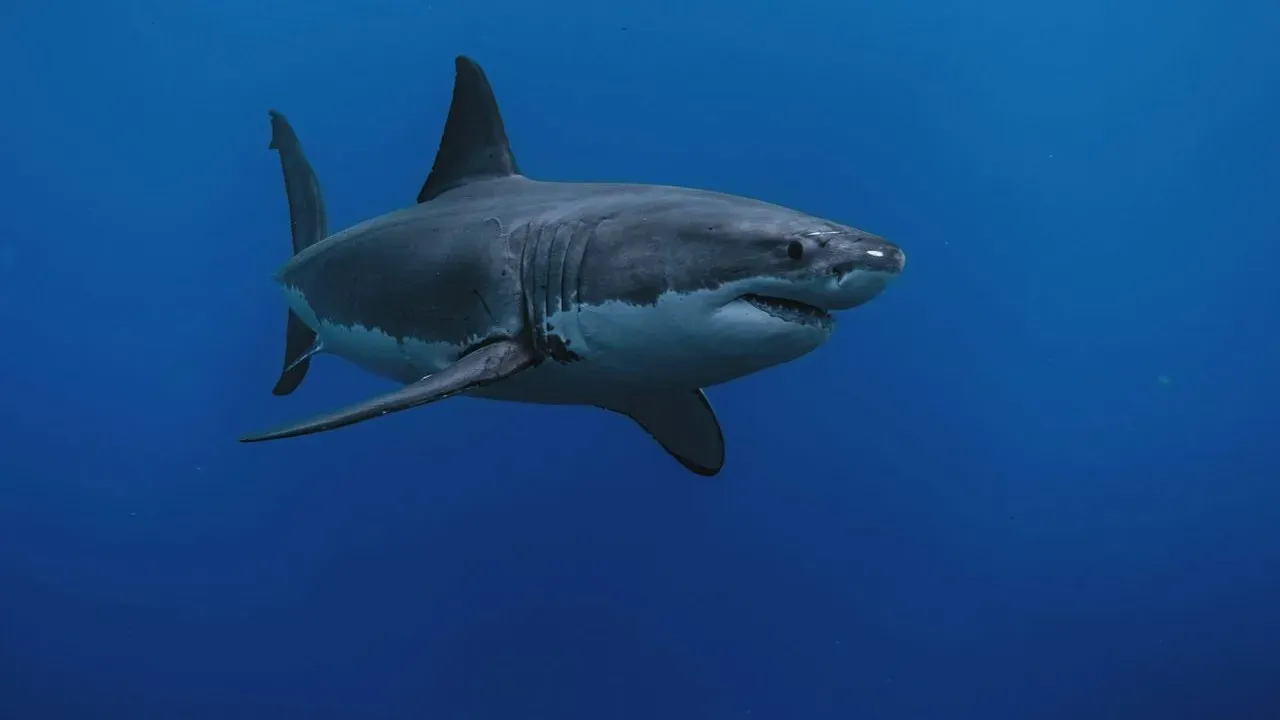

Guadalupe Island sits roughly 150 miles off Mexico’s Baja California coast, a volcanic outpost surrounded by some of the clearest waters in the eastern Pacific. Divers who travel there gain rare access to great white sharks in their natural environment through carefully managed cage diving operations. The setting combines dramatic underwater visibility with a growing emphasis on conservation-minded tourism that supports local research and protection efforts.
The Island’s Distinct Marine Setting
Guadalupe Island rises steeply from the ocean floor, creating nutrient-rich upwellings that attract a variety of marine life. The surrounding waters remain remarkably transparent for much of the year, often allowing visibility beyond 100 feet. This clarity turns each descent into an extended observation window rather than a brief glimpse.
Seasonal currents bring cooler, nutrient-dense water that supports the food chain sustaining the sharks. Operators time trips to coincide with peak presence periods, typically between late summer and early winter. The remote location keeps visitor numbers modest compared with more accessible coastal sites.
Approaching the Encounters Responsibly
Modern cage diving at Guadalupe Island follows strict protocols developed in partnership with marine biologists. Participants remain inside reinforced cages while the vessel drifts in established viewing zones. No baiting or feeding occurs during many operations, reducing the chance of altering natural behavior.
Operators require certified divers and briefings on marine etiquette before each trip. These measures help maintain the sharks’ natural patterns while giving travelers a safe, respectful vantage point. The focus stays on observation rather than interaction.
Supporting Research and Local Stewardship
Fees from permitted dives contribute directly to tagging programs and population monitoring conducted by Mexican and international scientists. Data collected helps track migration routes and assess the health of the regional white shark population. Tourism revenue also funds equipment and training for local crews who serve as guides and safety personnel.
Community involvement extends to education initiatives that highlight the ecological role of apex predators. Visitors often leave with a clearer understanding of how protected marine areas benefit both wildlife and coastal economies. This model demonstrates how carefully managed wildlife tourism can align economic incentives with conservation goals.
Practical Considerations for Travelers
Trips depart from Ensenada or other Baja ports and typically last several days to account for weather and travel time. Participants should expect variable sea conditions and prepare with appropriate layers and motion-sickness remedies. Most operators supply the cages, weights, and basic gear, though divers bring their own certification cards and personal equipment.
Advance booking is essential because permits limit the number of vessels allowed at the island each season. Travelers who choose operators with transparent conservation policies help reinforce the standards that keep the experience sustainable over time.
Guadalupe Island continues to offer one of the most reliable places on the planet to observe great white sharks without compromising their habitat. The combination of clear water, regulated access, and direct support for research creates an encounter that rewards preparation and respect. Those who make the journey return with a deeper appreciation for the Pacific’s apex predators and the quiet work required to protect them.
AI Disclaimer: This article was created with the assistance of AI tools and reviewed by a human editor.