
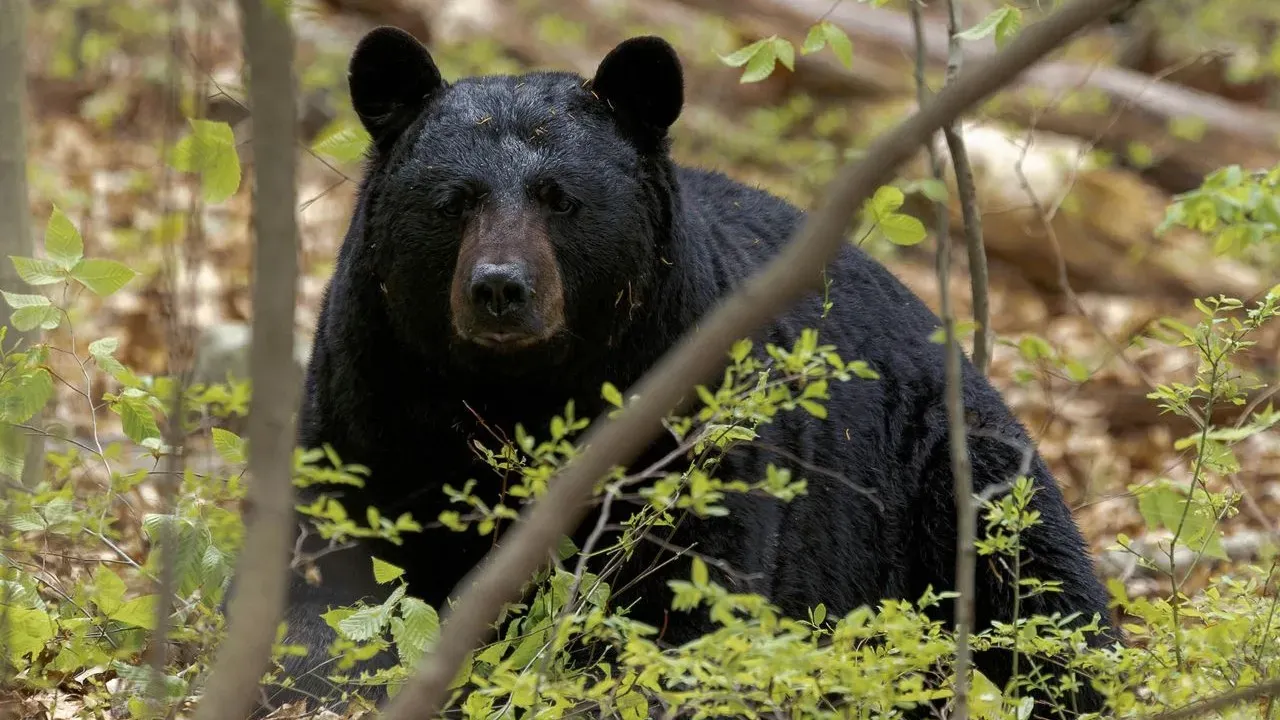

Lake Tahoe – Nevada wildlife officials have introduced a distinctive fur-covered solution designed to support safer coexistence between residents, visitors, and the region’s black bear population. The initiative reflects a measured response to increasing bear activity in one of the country’s most visited mountain-lake destinations. It underscores a broader commitment to balancing human enjoyment of the area with respect for its natural inhabitants.
The Enduring Appeal of Lake Tahoe’s Landscape
Lake Tahoe draws travelers year-round for its clear alpine waters, surrounding peaks, and extensive trail networks. The basin offers opportunities for hiking, boating, and quiet reflection amid forests that remain home to a variety of wildlife. Black bears have long been part of this ecosystem, moving through the same woodlands and meadows that attract people seeking outdoor recreation. The presence of bears adds a layer of authenticity to the experience of visiting the region. Travelers who prepare responsibly often report memorable, respectful encounters that highlight the value of preserving natural habitats alongside tourism.
Recognizing Patterns of Bear Activity
Black bears in the Lake Tahoe area have adapted to the availability of food sources near developed zones. This behavior has led to more frequent sightings and occasional conflicts as both populations share the same terrain. Officials monitor these trends closely to identify practical ways to reduce unnecessary interactions while allowing bears to remain in their natural range. The situation illustrates a common challenge in popular natural destinations where human presence has grown alongside stable or recovering wildlife populations. Thoughtful management helps maintain the ecological balance that makes the area special.
Nevada’s Fur-Covered Initiative
Nevada wildlife officials have developed and begun deploying a fur-covered solution aimed at addressing the issue directly. The approach focuses on practical deterrence methods that encourage bears to stay away from human spaces without causing harm. Details of the method emphasize its non-lethal nature and alignment with broader conservation goals. Implementation involves coordination with local communities and property owners. The strategy represents an evolution in wildlife management that prioritizes education, prevention, and minimal intervention. Early observations suggest it offers a promising complement to existing practices such as secure trash storage and public awareness campaigns.
Visiting Responsibly in Bear Country
Travelers planning time at Lake Tahoe can contribute to successful coexistence by following simple guidelines. Proper food storage, maintaining clean campsites, and keeping a respectful distance from wildlife all play important roles. Many local organizations provide up-to-date resources on bear safety that enhance both visitor enjoyment and animal welfare. These practices allow guests to appreciate the destination’s natural richness while supporting the long-term health of its ecosystems. The result is a more meaningful connection to the place and its wildlife.
AI Disclaimer: This article was created with the assistance of AI tools and reviewed by a human editor.