
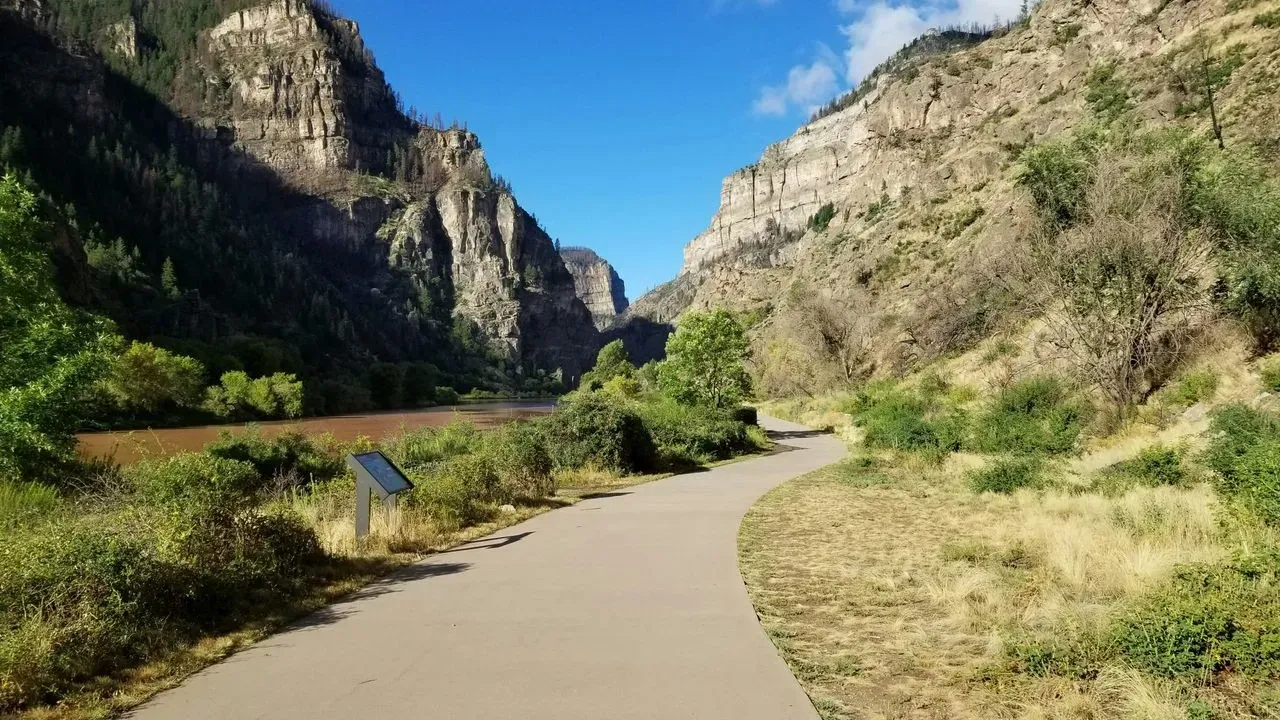

Colorado maintains an extensive network of protected lands that support outdoor recreation across varied terrain. A recently opened site south of Denver now adds a canyon setting to the options available to visitors, featuring steep rock walls and distinctive formations that shape the landscape. This addition expands public access in a region already known for its outdoor resources.
Why New Public Land Matters
Opportunities to designate fresh open spaces remain uncommon in many parts of the country. The new site south of Denver contributes to that limited supply by preserving a canyon environment for hiking and quiet appreciation of natural features.
Residents and travelers alike benefit when additional acreage receives protection and becomes available for responsible use. Such developments help distribute recreational pressure while safeguarding the geological elements that define the area.
Features of the Canyon Setting
The terrain includes dramatic views framed by steep rocky walls that rise along the trail corridor. Unique rock formations add visual interest and illustrate the geological processes that formed the canyon over time.
A paved path provides a straightforward route through the space, allowing visitors to focus on the surroundings without technical demands. The combination of canyon depth and open sky creates a distinct sense of scale for those who walk its length.
Approaching the Visit Responsibly
Travelers can prepare by checking current access details and any guidelines issued by managing agencies. Standard practices such as staying on designated paths and packing out all waste help maintain the quality of the site for future users.
Early or midweek visits often align with quieter conditions, supporting a more measured experience amid the rock formations and canyon walls. Awareness of seasonal weather patterns further supports safe and enjoyable outings.
Context Within Colorado’s Landscape
The state continues to balance growth with conservation across its public lands. This newest addition south of Denver fits into that ongoing effort by protecting a specific canyon feature while extending recreational choices near a major population center.
Over time, such sites contribute to a broader network that connects urban areas with natural environments. The result is incremental progress toward preserving distinctive geological settings for continued public benefit.
AI Disclaimer: This article was created with the assistance of AI tools and reviewed by a human editor.