


Amusement parks are genuinely magical places. They’re also enormous, extraordinarily loud, and filled with tens of thousands of strangers moving in every direction at once. For families trying to stay connected across all that space and noise, the challenge is real.
That tension between adventure and coordination is exactly where walkie-talkies have quietly carved out a loyal following. More and more families are packing them alongside their sunscreen and snacks, for reasons that go well beyond novelty.
The Scale of the Crowd Problem

Walt Disney World’s Magic Kingdom has held its title as the world’s most-visited theme park for nearly two decades. In 2024, it welcomed just under 17.84 million guests through its gates, which works out to roughly 48,800 people every single day. That’s not a crowd. That’s a city.
The combined attendance of the world’s top 25 parks reached 246 million total visitors in 2024, clearly surpassing pre-pandemic figures for the first time. For families, those numbers translate directly into longer queues, tighter walkways, and a much higher chance of losing track of each other.
On average, amusement parks experience a peak capacity utilization rate of about 80% during peak season crowds. Visiting during a school holiday or summer weekend means navigating a park that’s operating close to its absolute limit.
Children Really Do Get Separated From Their Families

Nearly two out of three parents admit they’ve temporarily lost sight of their child at a crowded venue. Theme parks rank as the single highest-risk environment for parent-child separation. That’s a striking figure, and it’s one that puts many families on edge before the first ride even starts.
At a large commercial park like Disney World, an average of 11 children go missing each day, and the average time they spend separated from their family is around 30 minutes. Thirty minutes can feel considerably longer when you’re a frightened parent scanning a crowd of thousands.
According to the C.S. Mott Children’s Hospital National Poll on Children’s Health, most parents (79%) reported talking with their child about what to do if they got lost or separated at an amusement park, while 21% either did not or did not remember having that conversation. Walkie-talkies fit naturally into that kind of pre-trip safety planning.
Instant Communication Without Depending on Cell Coverage
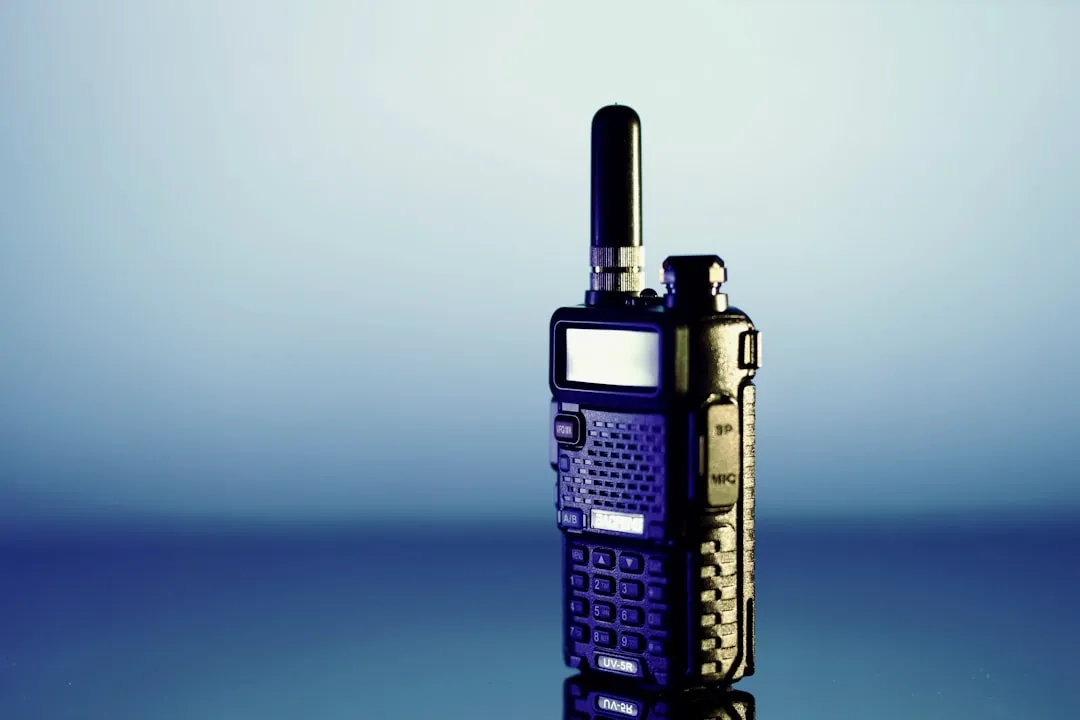
A walkie-talkie allows families to stay connected even when cellular service becomes unreliable or unavailable entirely. In crowded areas, cell phones might not always be the most reliable form of communication. Both of those things are true simultaneously at a packed summer theme park.
Two-way radios are handheld communication devices that allow users to transmit and receive voice messages in real time, using private radio frequency bands. Because they do not rely on mobile phone networks, they continue to work effectively even in built-up areas and in locations with lots of background noise and data traffic.
Families, church groups, and business groups can enjoy the convenience of contacting all members of their group at the touch of a button. That single-button simplicity is the kind of thing that genuinely matters when you’re mid-ride queue, hands full, and trying to locate a teenager who wandered toward the snack stand.
How Range Works in a Real Park Setting
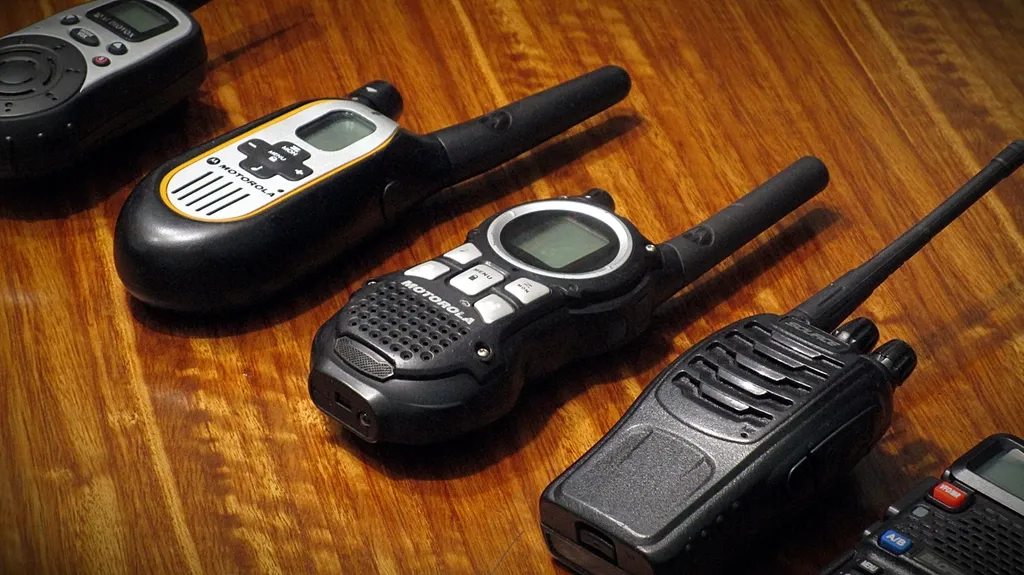
FRS walkie-talkies commonly advertise a range of up to 3 miles in open areas such as rural areas, suburbs, or seaside locations with no shelter. In cities, towns, or mountainous environments, the practical range narrows to between 0.5 and 1.5 miles. Weather, buildings, obstacles, and other circumstances can all affect communication distances.
Indoors, realistic range drops to 80 to 300 meters depending on walls and interference. Outdoors in open areas, mid-tier units perform at around 400 to 600 meters. Advertised “2 km” claims typically assume ideal lab conditions, not real environments full of buildings and crowds.
For most families, a few hundred meters of dependable range is plenty. At a theme park, the distances between rides, food courts, and meeting points rarely exceed that, making standard FRS consumer radios a sensible fit.
No Monthly Bill, No Data Plan Required
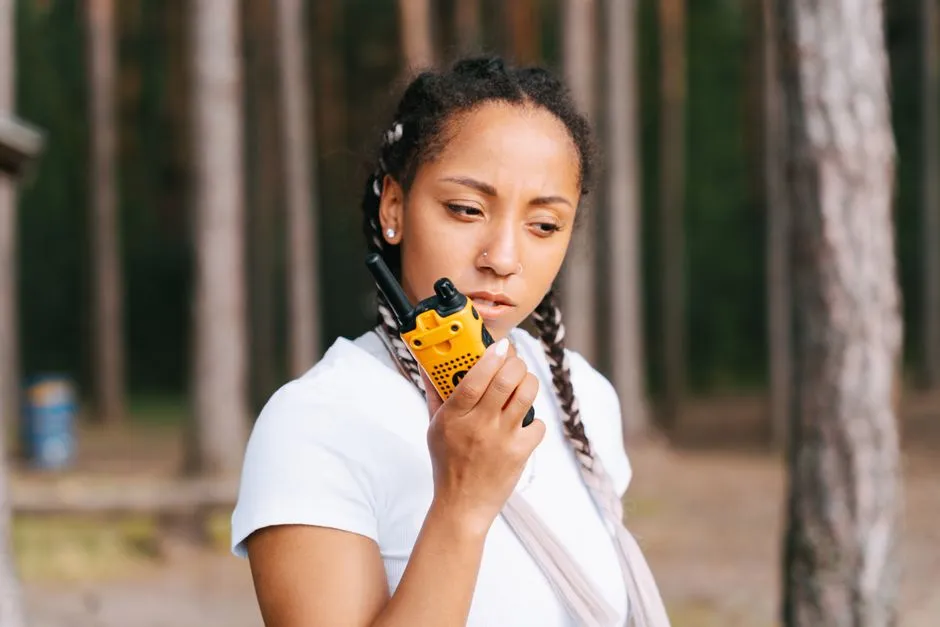
FRS (Family Radio Service) radios, which are the consumer-grade models most families use, traditionally operated at half a watt of power and have since been upgraded to 2 watts. They work well for local transmissions and are the natural starting point for family use.
GMRS (General Mobile Radio Service) devices offer higher power levels from 1 to 5 watts. They do require an FCC license, but as of April 2022, that fee was reduced to $35, covers the entire family, and is valid for 10 years. For families who visit parks frequently or use radios on camping trips too, the upgrade is worth exploring.
Unlike smartphones, neither option comes with a monthly subscription. You buy the hardware once and the radios are ready to use whenever you need them, trip after trip.
Battery Life That Keeps Pace With a Full Park Day
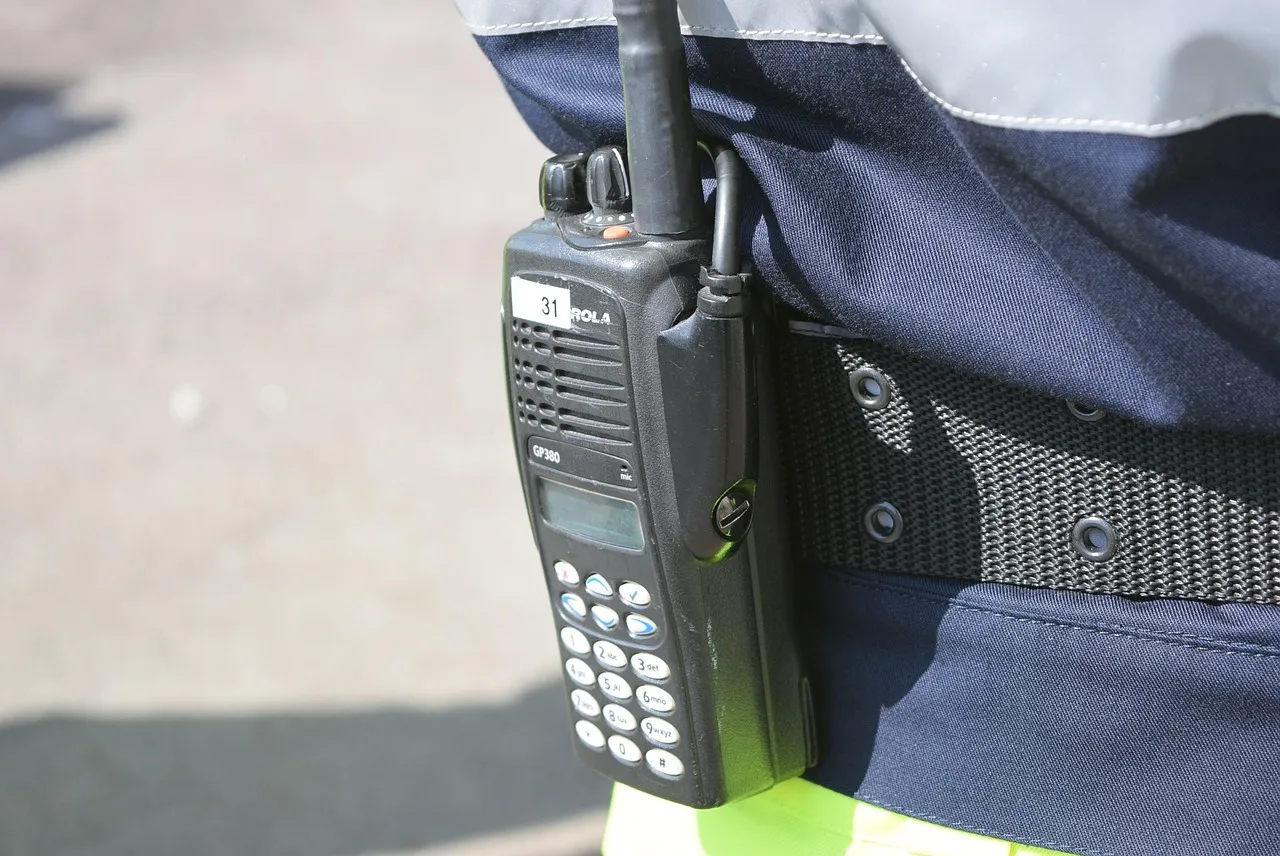
Amusement park walkie-talkies designed for all-day use are built to last an entire shift on a single charge, allowing full connectivity throughout the day. That’s a meaningful advantage over smartphones, which can drain quickly when being used heavily in signal-poor environments.
Some rechargeable models offer a standby time of up to 72 hours and deliver reliable connectivity up to 5 miles in open areas, narrowing to 0.6 to 1.5 miles in urban environments with buildings and streets. A full-day park visit sits well within those parameters.
Top-rated FRS radios in recent independent reviews, such as the Rocky Talkie Mountain Radio, earned high marks for battery life of up to 4 days, rugged build quality, and clear audio. Families don’t need that level of performance for a day at Six Flags, but it illustrates how capable even consumer-grade options have become.
Kids Actually Enjoy Using Them
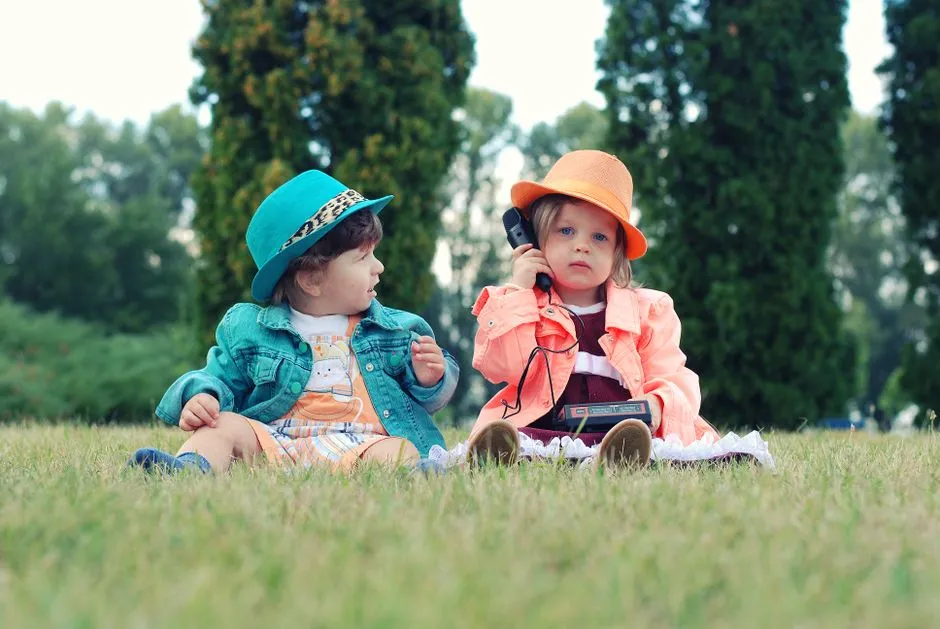
This point might seem small, but it matters more than parents expect. A safety tool that children actively resist using isn’t much of a safety tool. Walkie-talkies sidestep that problem almost entirely.
A review analysis of over 1,200 verified purchase reviews found that 68% of four-star or higher reviews mentioned “my child asked to use it without prompting,” suggesting strong intrinsic motivation rather than just novelty appeal. Children genuinely like the push-to-talk format.
Kids’ walkie-talkies operate on license-free frequencies, feature lower transmit power, and include child-oriented ergonomics such as rounded edges, oversized buttons, and visual or audio feedback cues. Their primary function is short-distance voice communication during supervised, active play in environments where line-of-sight distance rarely exceeds 100 meters. They’re designed to feel intuitive for small hands.
Practical Coordination Beyond Just Emergencies

Communication while visiting theme parks is important for both the safety and enjoyment of everyone in the group. Two-way radios are an excellent way for groups to stay in touch while visiting amusement parks. That daily coordination benefit tends to get overlooked in conversations that focus only on worst-case scenarios.
A visit to an amusement park like Disneyland or Legoland can be overwhelming, and walkie-talkies help families stay connected while maximizing the fun. Splitting up to hit different rides, meeting at a specific food cart, or coordinating when someone needs a break becomes genuinely easy.
Amusement parks involve large areas where family members naturally spread out, and walkie-talkies allow parents to communicate with children nearby, coordinate with other adults in the group, and respond quickly if plans change unexpectedly. That kind of flexibility takes real pressure off the day.
Rugged Enough for the Environment
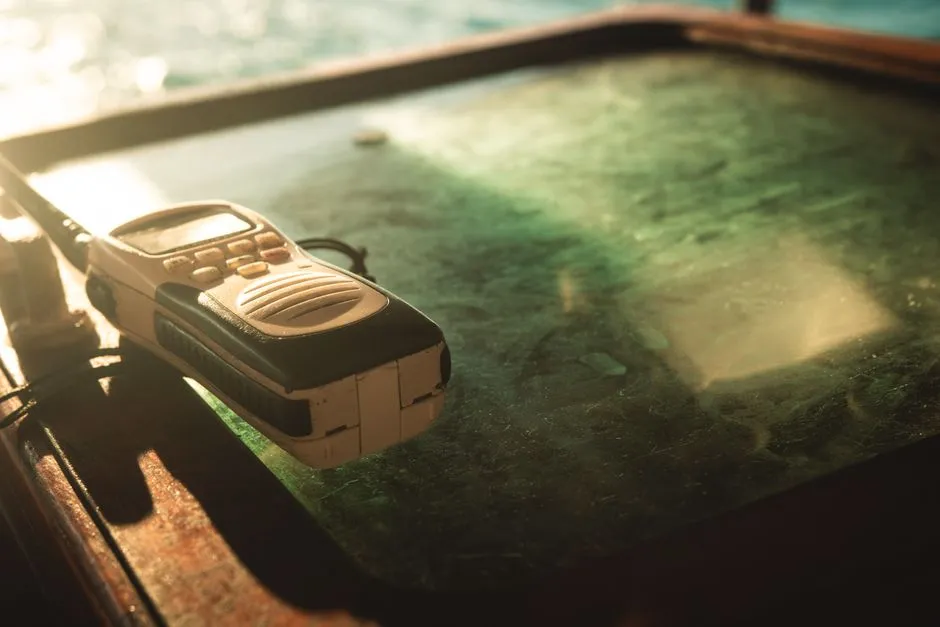
Theme parks are demanding environments for electronics. Ice cream drips, water ride splashes, dropped devices, and hours of handling by excited children all take their toll. Consumer walkie-talkies have evolved meaningfully to handle those conditions.
Rugged walkie-talkie models are particularly useful in damp environments such as water parks, featuring waterproof, shockproof, and dustproof casings that protect against splashes, drops, and damage. Choosing a rugged model is a wise move in any environment where communication devices might be dropped or soaked.
There is now a wide variety of two-way radios available, ranging from simple analogue models through to sophisticated options that can encrypt conversations, cancel background noise, track locations via GPS, and even make group calls. Families have real choice at every price point.
A Simple Tool That Reduces Parental Stress

The emotional dimension of a park visit matters too. Parents who feel confident about staying connected tend to enjoy the day more. That’s not a small thing when you’ve spent months saving for a family vacation.
Even when parents plan to maintain constant supervision, situations occur where children get separated from their parent. It is important to always have a back-up plan, and pre-trip planning that includes safety rules, check-in times, and meeting locations can help ensure trips are both fun and safe for all. A walkie-talkie is exactly the kind of practical backup plan families are looking for.
In an increasingly connected world, walkie-talkies are making a strong comeback, proving to be indispensable communication tools for a wide range of users, from outdoor enthusiasts and event planners to families with children. Their resurgence in family use at parks and outdoor venues reflects something genuine: sometimes the older, simpler technology just works better.
The Takeaway

Walkie-talkies aren’t a nostalgic quirk. They’re a practical, affordable, and dependable answer to a problem that millions of families face every time they walk through a theme park gate. The crowds are real. The separation risk is real. The cellular congestion is real.
A good set of FRS radios costs less than one park ticket, needs no subscription, runs all day on a single charge, and gives children something they’re actually motivated to carry and use. That combination is hard to beat.
For families who want to spend less time worrying about where everyone is and more time actually enjoying the day together, it’s a modest investment that pays off from the first moment someone cheerfully announces over the radio that they’re finally at the front of the roller coaster queue.
AI Disclaimer: This article was created with the assistance of AI tools and reviewed by a human editor.