

Most people spend weeks planning a trip, hunting for cheaper flights, comparing hotel prices, and clipping digital coupons. Then they land at the airport, rush to the currency exchange kiosk, and quietly hand over a significant chunk of everything they just saved. It happens constantly, and the loss is almost never visible on a receipt.
Currency fees are uniquely stealthy. They don’t show up as a bold surcharge. They hide inside exchange rates, card processing systems, and ATM interfaces. Understanding where the money actually goes is the first step to keeping more of it in your pocket.
The Airport Kiosk Trap
Walking off a long-haul flight, groggy and disoriented, the glowing currency exchange kiosk feels like a solution. It is, technically, but a costly one. Airport kiosks and tourist-area exchanges often mark up rates by eight to ten percent or more.
Airport exchange locations operate with significantly higher overhead costs and convenience premiums, and providers know that travelers arriving or departing often have limited alternatives and little time to compare options. As a result, the airport exchange rate is typically among the least favorable available.
One comparison survey across five major UK airports found that travelers converting £1,000 into US dollars would lose out on an average of £165 compared to using an off-airport exchange. The airport that offered the least value was Stansted, with survey data collected between January and February 2025.
The “Commission-Free” Sign That Isn’t
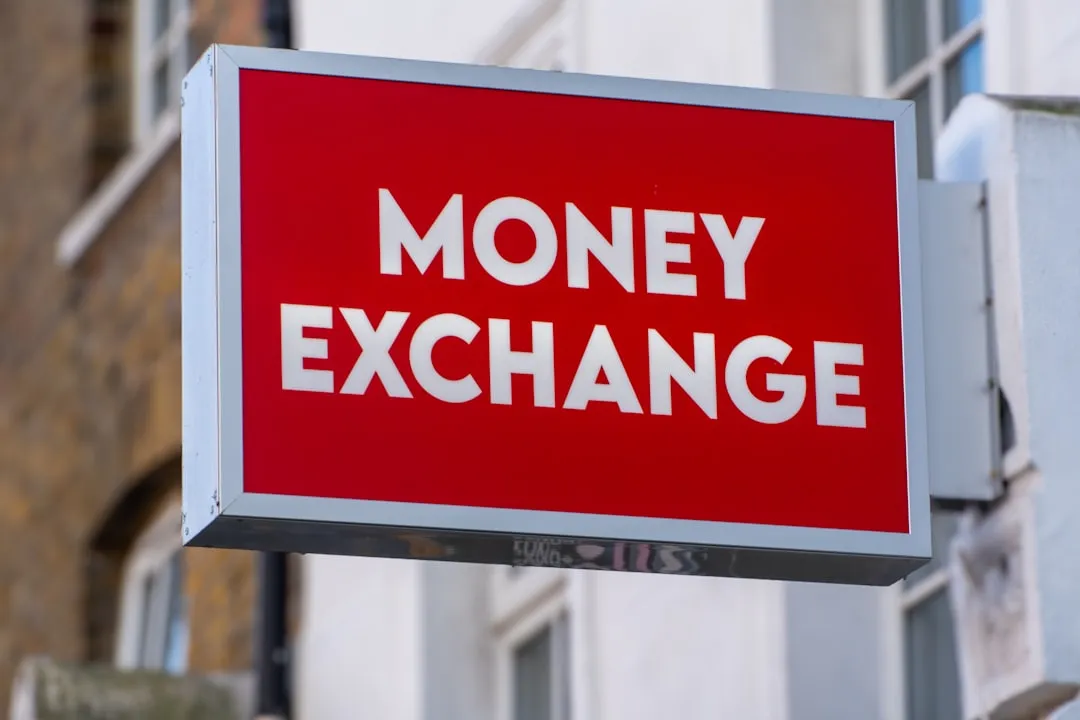
When you spot a sign advertising commission-free service at a currency kiosk, it can be tempting to head straight there. There’s a catch, of course. Money changers have to make money somewhere.
Signs advertising “no commission” or “zero fees” don’t tell the full story. The cost gets embedded in the exchange rate itself, which typically sits three to five percent below the mid-market rate. That mid-market rate is the real rate you’d see if you searched on Google or XE.com right now.
Beware “0% commission” signs. The cost is hidden in the rate itself. It’s a simple marketing sleight of hand, and it works because most travelers don’t know what the actual mid-market rate is at the moment they’re exchanging.
What Dynamic Currency Conversion Is Actually Doing to Your Bill
Imagine finishing a meal in Rome and the card terminal asks whether you’d like to pay in US dollars rather than euros. It sounds convenient. It is not a favor. Dynamic Currency Conversion, or DCC, typically embeds a significant markup in the exchange rate, often three to seven percent above interbank rates.
German consumer organization Stiftung Warentest sent investigators to eleven countries where DCC was offered and found that in all cases, the price consumers paid increased, by amounts ranging from 2.6% to 12.0%. There have also been reports of more extreme examples, including DCC rates as high as 18.0%.
British consumers traveling abroad are being charged £500 million every year in dynamic currency conversion fees. That’s not a rounding error. That’s a structural problem with how payment terminals are designed and presented to tired, distracted travelers.
The Double Hit at ATMs Abroad
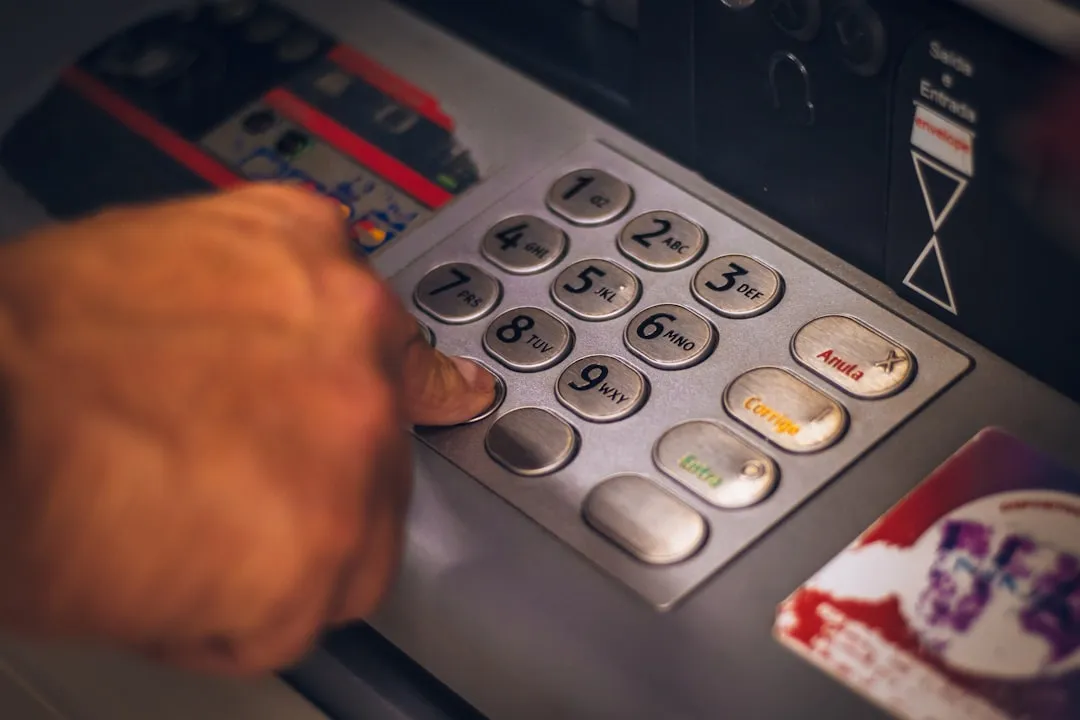
Withdrawing cash from a local ATM abroad feels like the sensible, independent move. Often it is, but only if you know how the fees layer on top of each other. International withdrawal fees can be combined with local bank surcharges, resulting in double or even triple charges.
Using the wrong ATM can hit you with a double-whammy of fees: one from the ATM owner and another from your own bank. Major banks can charge $10 to $15 per foreign withdrawal plus three percent on exchanges, which amounts to roughly $50 in fees per $1,000 exchanged.
The good news is that this is one of the more avoidable problems. Checking whether your bank has partnerships with any international banks before you leave home can significantly reduce these costs. Some digital banks and select traditional institutions, like Charles Schwab, still refund all international ATM fees worldwide.
Your Regular Bank Isn’t Neutral Either
Even travelers who skip the airport kiosk and use their home bank card abroad are not necessarily getting a fair rate. Banks and payment processors often bake a markup of three to five percent into the exchange rates they offer. It’s called the “spread,” the profitable gap between the real market rate and the one you actually receive.
Your bank’s exchange rate typically includes a two to three percent markup over the interbank rate, which is the rate banks use when trading with each other. Most customers have no idea this is happening, because nothing on a statement explicitly labels it as a fee.
Many travelers think all banks offer similar exchange rates. In reality, rates can vary by up to five percent between banks, and online banks typically offer better rates than traditional branches. Shopping around before departure genuinely matters here.
Foreign Transaction Fees: The Quiet Percentage That Adds Up
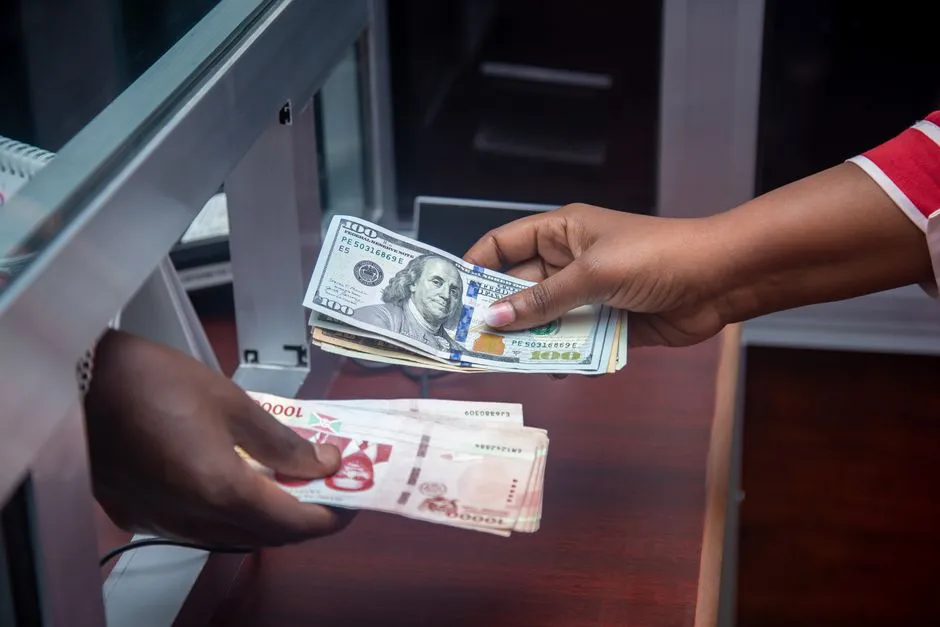
A foreign transaction fee is a charge that your credit card issuer or bank adds to your bill when you use your card to make a purchase in a foreign currency. This fee is usually a percentage of the purchase amount, typically around one to three percent.
Foreign transaction fees cost one to three percent of each purchase or withdrawal processed outside of the U.S., and the average fee sits at 1.59% in 2026, according to WalletHub’s Credit Card Landscape Report. That percentage feels harmless on a single coffee, but it accumulates across every restaurant, museum, taxi, and hotel.
While even a three percent fee might not seem expensive at first glance, charges can quickly add up. If you make $5,000 in purchases abroad using a card with a three percent foreign fee, you will be charged an extra $150 on your next statement.
Hidden Markups and the Traveler Who Doesn’t Check
Research published in late 2025 illustrated the problem with real numbers from a specific market. Malaysians are losing between RM200 and RM350 per overseas trip to exchange rate markups they never see, even as they spend up to two days hunting for the best travel deals.
New research by international money app Wise reveals that while roughly a third of Malaysian travelers claim to save over RM500 by chasing promotional deals, only about two-fifths prioritize checking exchange rates when booking. The pattern reflects a broader truth: travelers obsess over flight costs and barely glance at currency margins.
The culprit is hidden exchange rate markups. Many providers mark up the exchange rate three to six percent above the real mid-market rate and pocket the difference, without clear disclosure on receipts or booking confirmations.
Hotel Currency Conversion: Another Layer You Might Miss
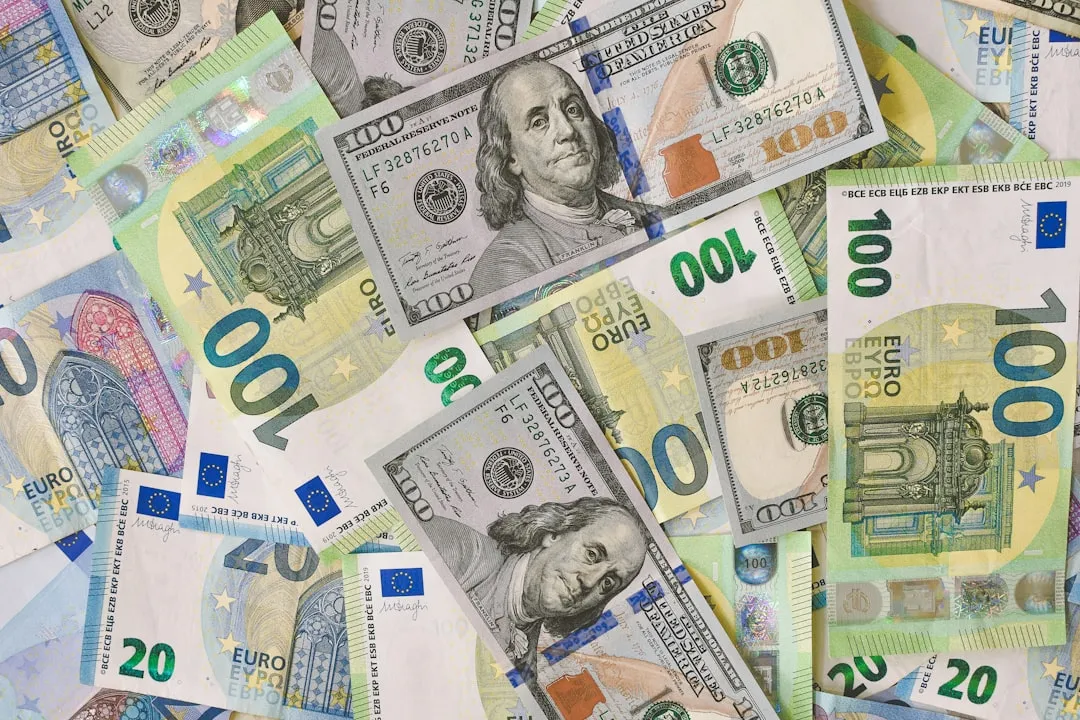
Hotels are often overlooked as a place where currency costs accumulate. Settling a bill at the front desk, prepaying for room charges, or simply running a card at the hotel restaurant all involve the same hidden mechanics. It is advisable to avoid exchanging currency at airports or hotels, as their exchange rates are often less favorable.
According to MoneySavingExpert, hidden currency costs can quietly eat away three to five percent of your total trip spend. For a two-week trip with a $4,000 budget, that’s potentially $120 to $200 gone before you even think about it.
Some hotels also automatically apply DCC when you pay by card at check-out, often without clearly asking your preference. Visa requires merchants and ATMs to clearly display transaction details and give cardholders a choice to accept or decline currency conversion, and must not choose on your behalf. In practice, not everyone follows the rules.
The Mid-Market Rate: What You’re Actually Entitled To Know
Understanding the mid-market rate, sometimes called the interbank rate, is genuinely the most practical thing a traveler can learn before a trip. It’s the midpoint between what buyers and sellers are paying for a currency at any given moment, and it’s publicly available on Google, XE.com, or any central bank website.
Researching the mid-market rate before your trip gives you a baseline to detect inflated margins. Monitoring international rate fluctuations also helps you understand whether current rates are favorable for converting your currency in advance.
Even small differences in conversion rates can significantly impact your travel budget if you exchange larger amounts, making comparison an essential step in financial planning. Knowing the real rate before you stand at any counter puts you in a fundamentally different position than most of the people in line around you.
Smarter Choices That Actually Help

There are practical, well-documented ways to reduce what you lose to currency fees. The clearest option is choosing a card with no foreign transaction fees. Foreign transaction fees are usually one to three percent of the purchase amount, with three percent being common. If you spent $3,000 at a hotel, you could be looking at an additional $90 charge, just from the fee alone. Switching to a no-fee card eliminates that entirely.
If you do need cash at the airport, exchange only enough for a taxi or bus to your hotel. Using ATMs inside the arrivals hall can also offer a better rate than the kiosk. Limiting how much you exchange in high-markup environments is a straightforward way to reduce losses.
Savvy travelers know that declining DCC, a choice honored in about seventy percent of cases in Europe, is the key to getting the true market rate. Always choose to pay in local currency when a card terminal gives you the option. It’s a simple, costless decision that consistently results in a better outcome.
The Bigger Picture

Currency fees don’t feel like a crisis in the moment. A slightly unfavorable rate here, a small processing charge there, a DCC acceptance at a restaurant because the screen was confusing. None of it registers as a significant loss until you add it all up at the end of a trip and realize the numbers don’t match what you expected to spend.
All of these hidden charges can shrink your travel budget before you even notice. That’s exactly what makes them worth paying attention to before you leave home. The information needed to protect yourself is freely available. The mid-market rate is a Google search away, no-fee cards exist across most markets, and declining DCC costs absolutely nothing.
Traveling thoughtfully has always meant more than choosing where to go. It means arriving prepared, so the experience you actually planned is the one you actually have.
AI Disclaimer: This article was created with the assistance of AI tools and reviewed by a human editor.