
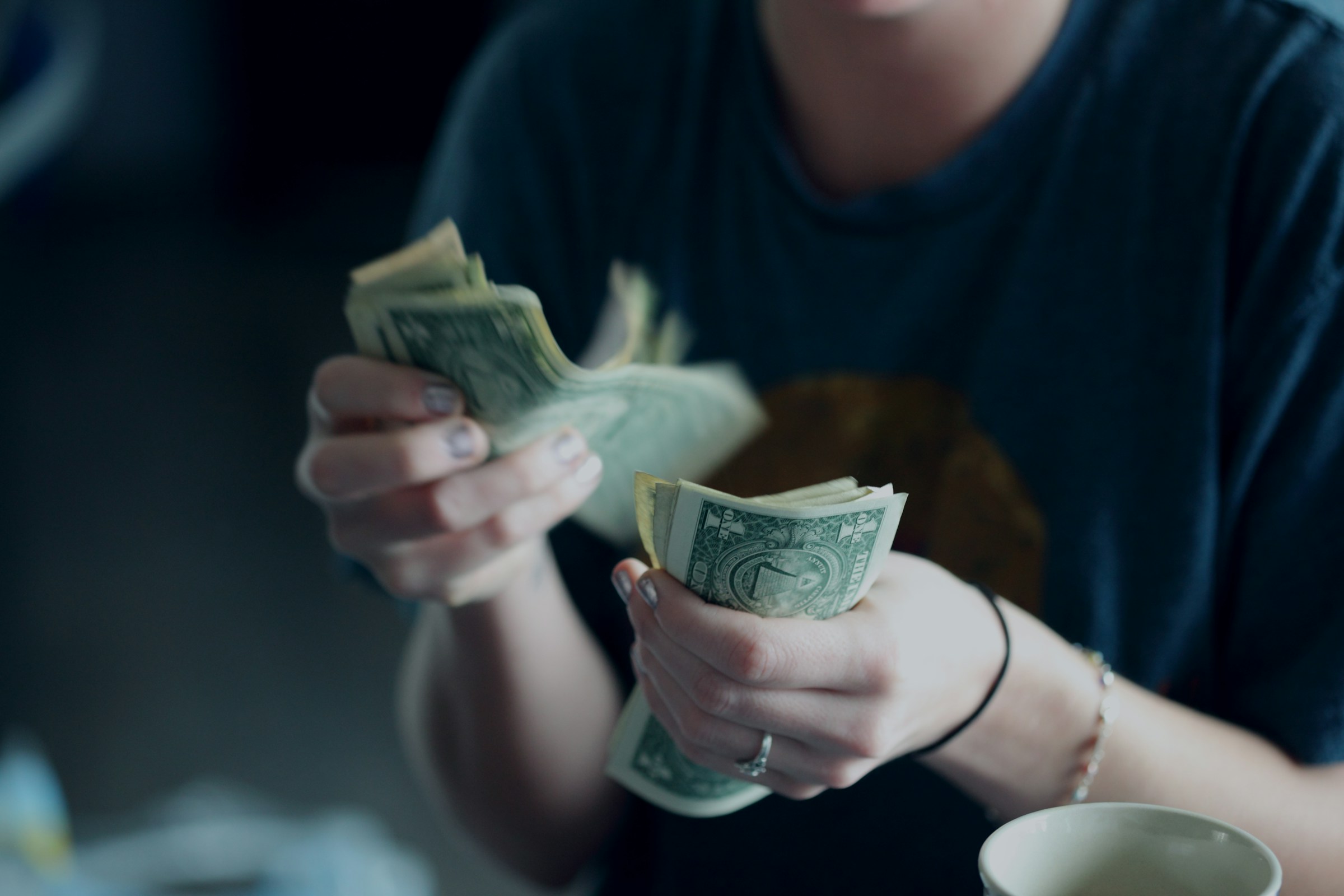

There’s a quiet financial shift happening in international travel right now, and most people are only half aware of it. Currency movements have reshaped the cost of visiting entire regions, turning once-pricey destinations into genuinely accessible ones and rewarding travelers who do a little homework before they book.
The global travel landscape in 2026 is increasingly influenced by currency movements, particularly the continued strength of the United States dollar against several major world currencies. The practical effect on the ground is real: your food, accommodation, and transport can cost a fraction of what you’d spend at home, simply because the math is working in your favor. Here are five countries where that equation is most compelling right now, along with the specific strategies that protect every dollar you exchange.
Why Currency Strategy Matters More Than Ever in 2026
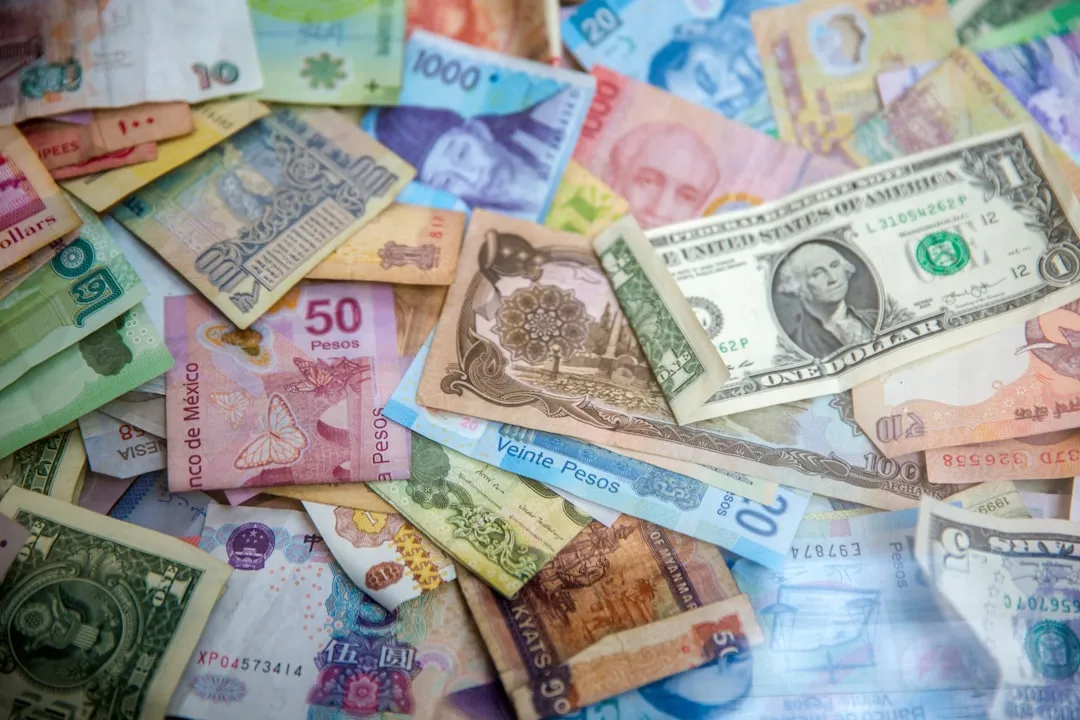
According to TD Bank’s 2024 Travel Survey, nearly 90 percent of Gen Z and millennial travelers say that exchange rates play a role in their vacation decisions. That figure says something meaningful about how travel planning has evolved. People aren’t just searching for great destinations anymore; they’re searching for destinations where their budget does more work.
When planning international travel, the exchange rate between the U.S. dollar and a foreign currency can be just as influential as airfare or hotel prices. Even a small shift in currency value can make a destination significantly more affordable or unexpectedly expensive for American travelers. Understanding this before you book can save you hundreds of dollars on a two-week trip without any sacrifice to the quality of experience.
Vietnam: Where the Dollar Goes Remarkably Far
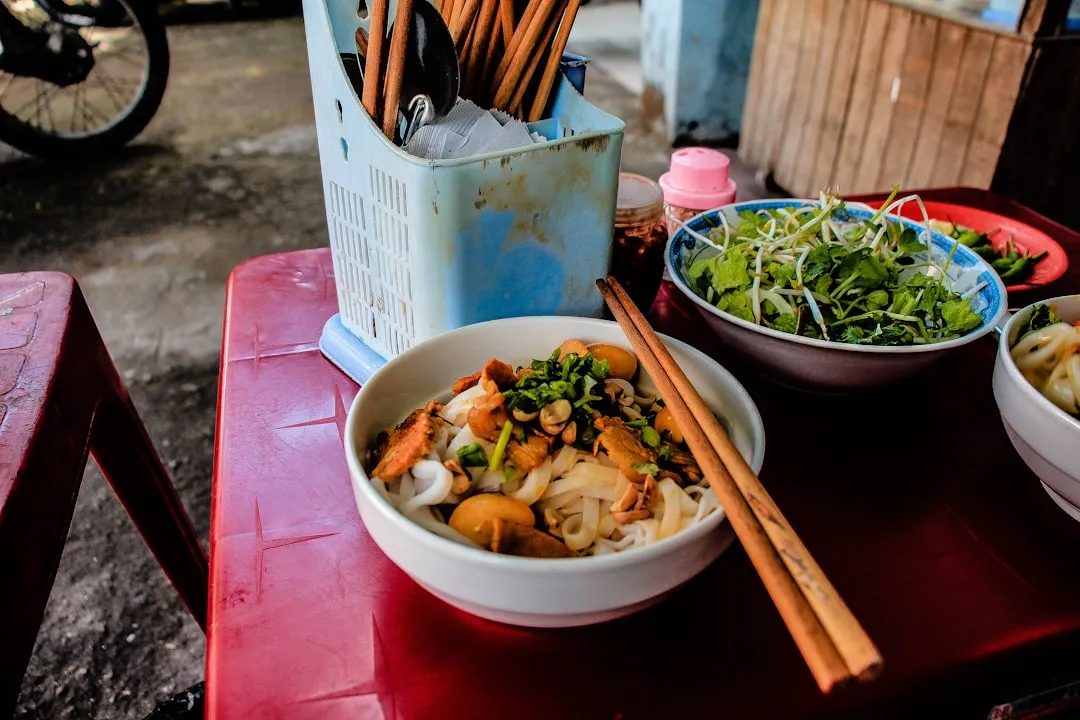
If one country defines budget travel in 2026, it is Vietnam. Daily budgets of $25 to $40 are realistic, local meals often run a few dollars, and a bowl of pho or a banh mi from a street stall can cost a dollar or two. The Vietnamese dong is one of the most favorable currency pairings for dollar-holders anywhere in the world.
Vietnam offers one of the most favorable exchange rates, with approximately 23,000 Vietnamese dong per 1 U.S. dollar. This allows for incredibly affordable living costs, including meals for as little as $1. Beyond the numbers, what makes Vietnam particularly compelling is how much cultural richness that budget unlocks. Long bus and train rides connect Hanoi, Hue, Da Nang, Hoi An, and Ho Chi Minh City without the need for flights.
Thailand: A Reliable and Culturally Rich Value Destination
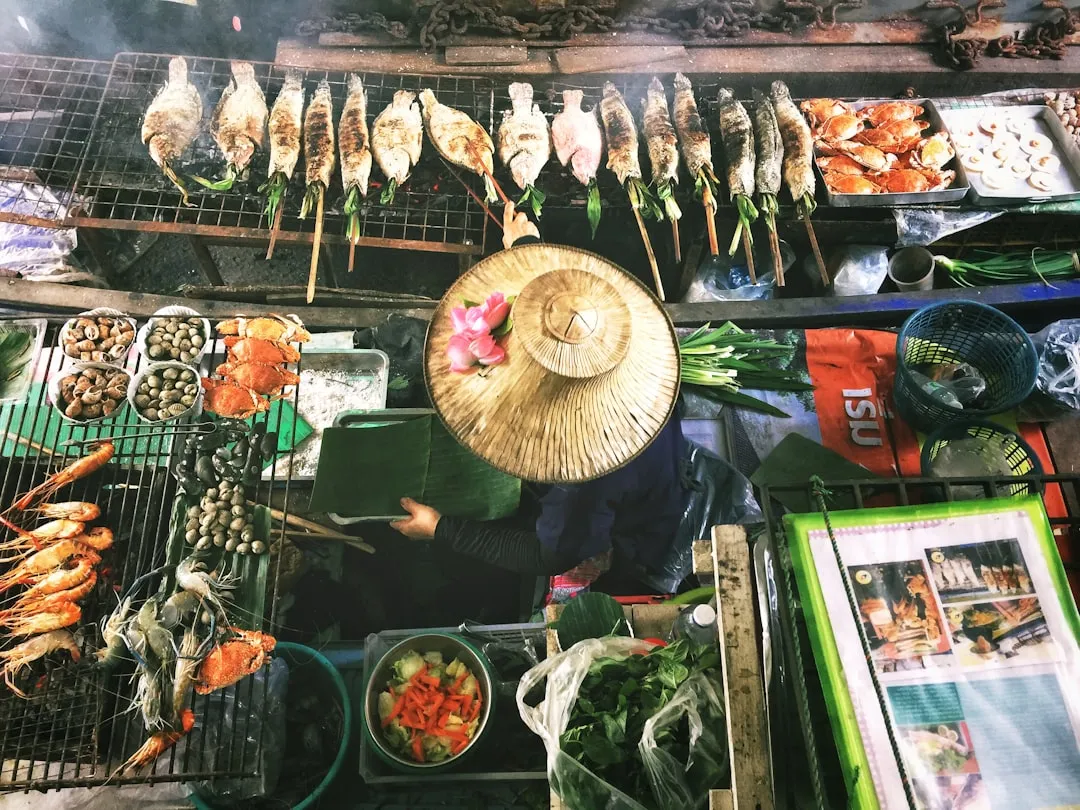
A favorable exchange rate and low cost of living combine to make Thailand an enduring hot spot among budget-minded international travelers. The country has held this reputation for decades, and the fundamentals behind it have not changed significantly. Travelers find a favorable exchange rate of about 32 Thai baht to 1 U.S. dollar. Costs for lodging and food can be extremely low, with street food available for less than $2.
Thailand also offers beautiful beaches, historical temples, and vibrant markets, enhancing the travel experience while keeping expenses low. The value extends across accommodation tiers too. A solid guesthouse in Chiang Mai or a beachfront bungalow in the Gulf Islands can cost a fraction of what equivalent lodging would run in Western Europe. The cheapest countries to visit in 2026 once your feet are on the ground include Vietnam, Thailand, and Nepal, requiring daily budgets as low as $20 to $35.
Mexico: Strong Value With Regional Nuance
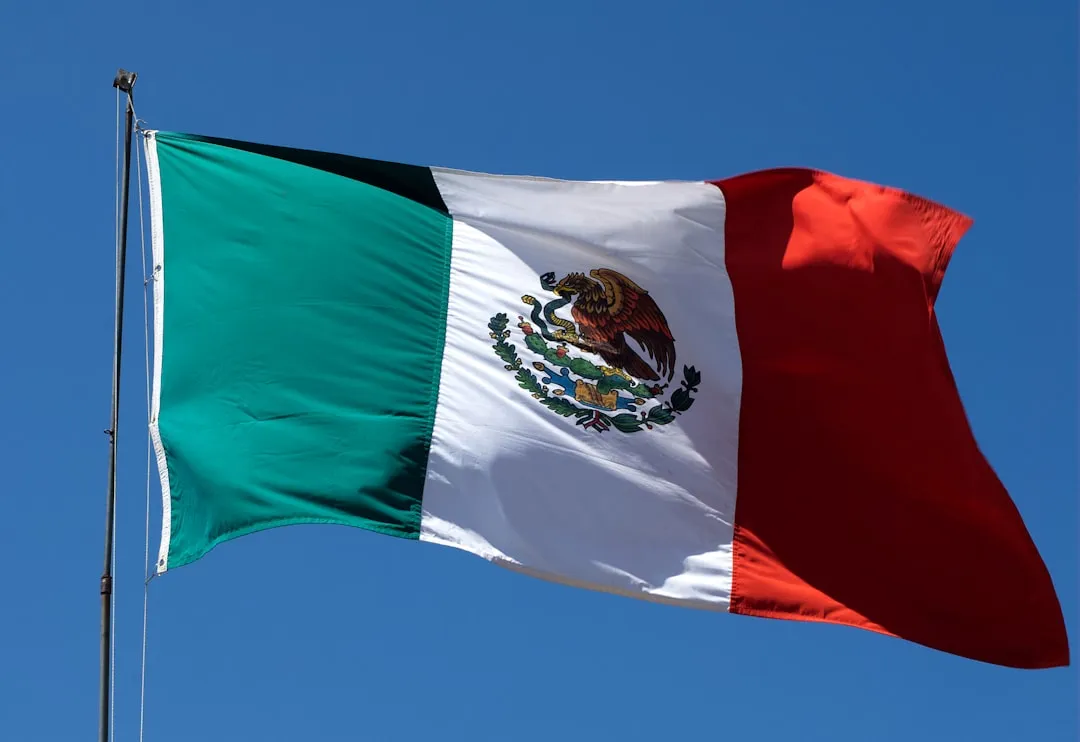
Currency shifts across multiple global economies have strengthened purchasing power in destinations like Mexico, making it significantly more affordable in 2026. Shifts in global currency markets are reshaping travel affordability, as weaker local currencies in destinations such as Mexico are significantly boosting the purchasing power of foreign visitors. Mexico’s proximity to the U.S. keeps flights affordable, which means the favorable exchange rate has an even bigger net effect on overall trip cost.
Several destinations carry elevated U.S. State Department travel advisories, and Mexico varies sharply by region. That’s worth noting plainly. Oaxaca, the Yucatan Peninsula, and Mexico City’s central neighborhoods are widely visited and have well-established tourism infrastructure. Checking the current advisory for your specific region before travel is sensible practice, not cause for alarm. A favorable rate allows you to dine better, book more activities, or upgrade accommodations, and Mexico is one of the clearest examples of that principle in action.
Colombia: A Rising Star for Currency-Conscious Travelers
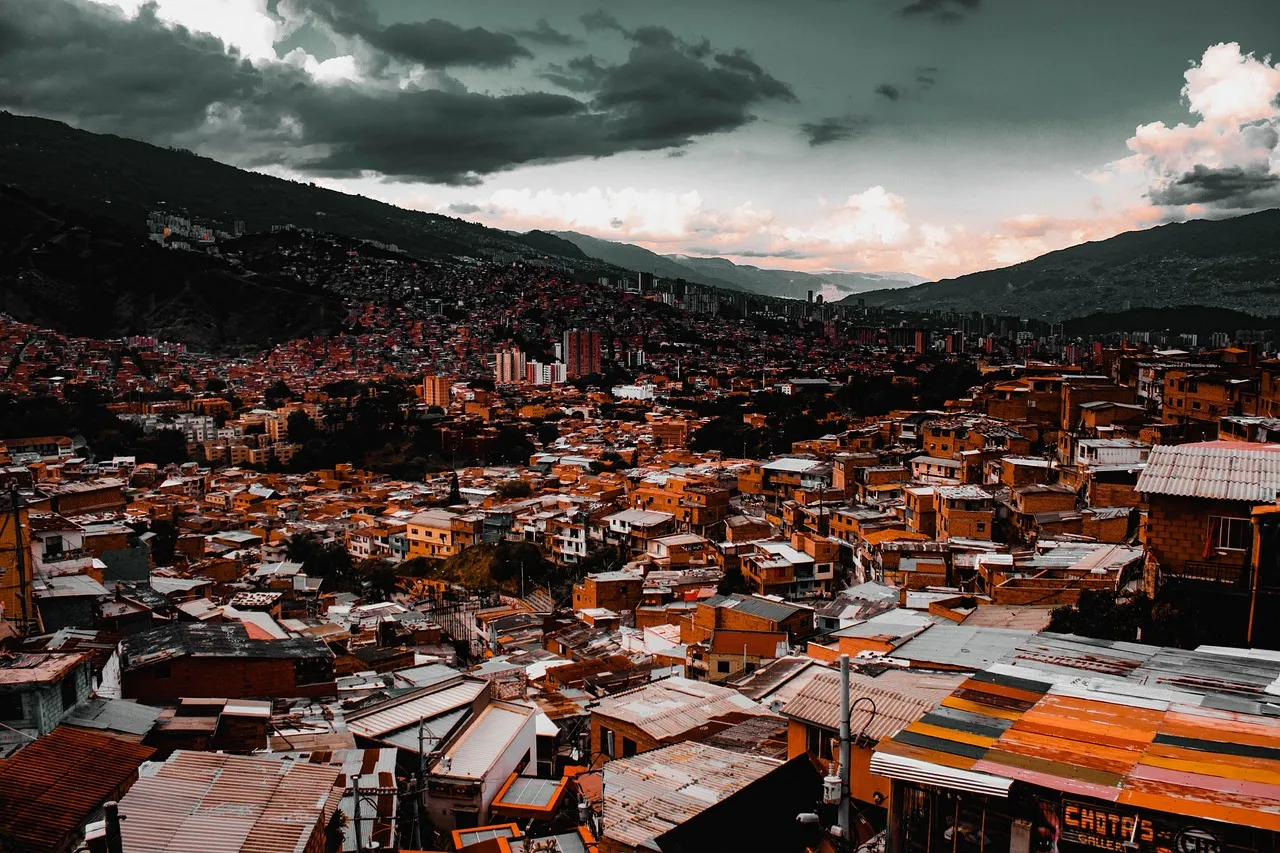
Rising inflation in the United States combined with strong U.S. dollar purchasing power is driving travelers toward destinations where money stretches significantly further. Countries such as Colombia are emerging as top-value destinations, reshaping international tourism through currency dynamics in 2026. Medellín, Cartagena, and the Coffee Region have all seen meaningful growth in international visitor numbers over recent years.
The U.S. dollar is strong against most currencies in 2026, particularly the Argentine peso, Turkish lira, Colombian peso, Thai baht, and Vietnamese dong. In Colombia specifically, that translates to affordable boutique hotels, excellent coffee culture, and farm-to-table dining experiences that would carry a luxury price tag elsewhere. In Colombia, vibrant cities and diverse attractions await. Tourists often find local cuisine and transportation to be economically friendly.
Japan: The Yen’s Long Weakness Benefits Visitors
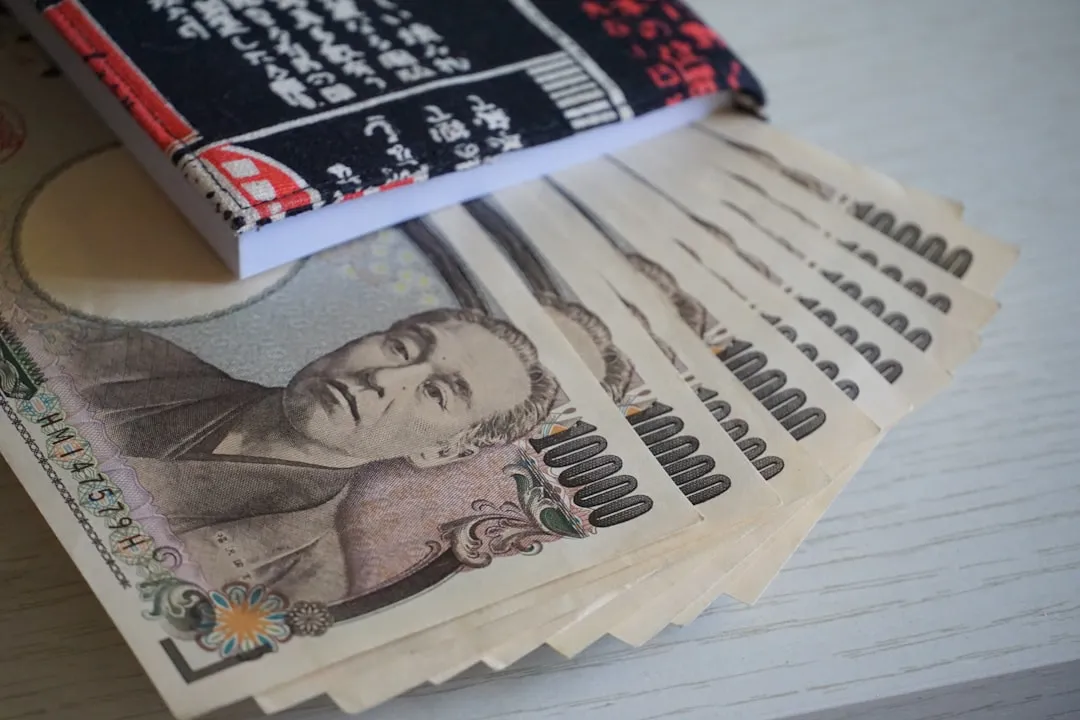
International flights to Japan remain expensive, and peak-season tourism in cherry blossom and autumn periods can raise prices. Despite this, Japan remains one of the strongest value long-haul destinations in 2026. The yen has remained weak against the dollar for an extended period, making a country that once felt financially out of reach genuinely accessible for many travelers.
The U.S. dollar is strong against most currencies in 2026, particularly the Japanese yen, trading at levels that make Japan’s world-class train system, pristine ryokan stays, and remarkable food culture far more affordable than the destination’s reputation might suggest. Destinations with weaker or more flexible currencies are witnessing increased interest due to improved affordability in accommodation, dining, and experiences, and Japan fits that description precisely right now.
The Airport Exchange Counter Trap
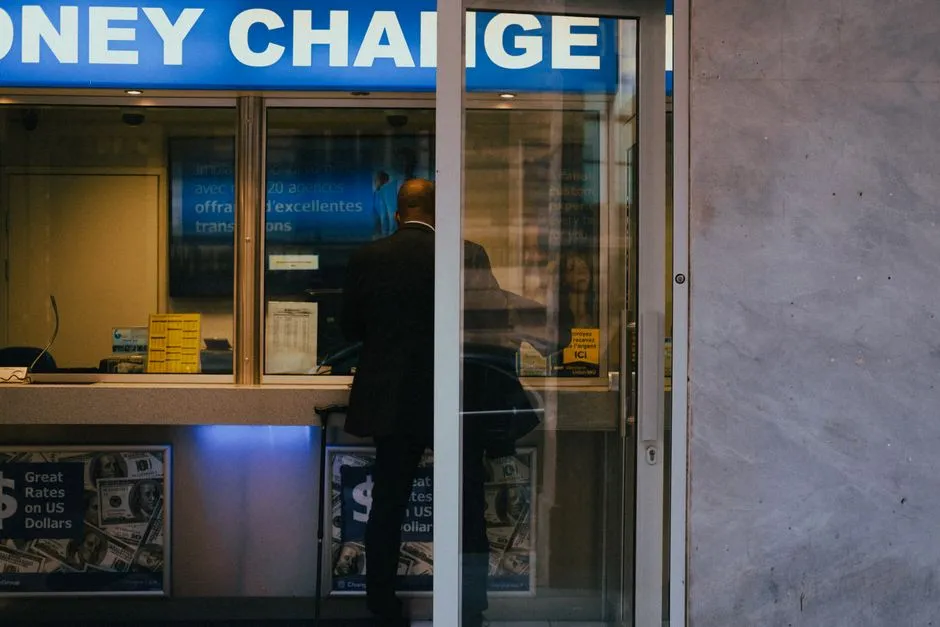
Airport exchange counters are notoriously expensive, with some charging spreads of 10% or more. This is the single most avoidable travel money mistake, and it costs unprepared travelers a meaningful chunk of their budget before they’ve even left the terminal. The convenience of an airport kiosk feels reassuring, but that convenience comes at a real price.
Avoid airport exchange counters if you can, since they typically offer the worst rates and the highest fees. Once you arrive, one of the best ways to get local currency is through a bank ATM. In most cases, this gives you a far better rate than exchange kiosks or airport counters. A reasonable compromise is to exchange just enough at the airport to cover an immediate taxi and first-night necessities, then use a bank ATM once you’re settled.
How to Use ATMs Smartly Abroad
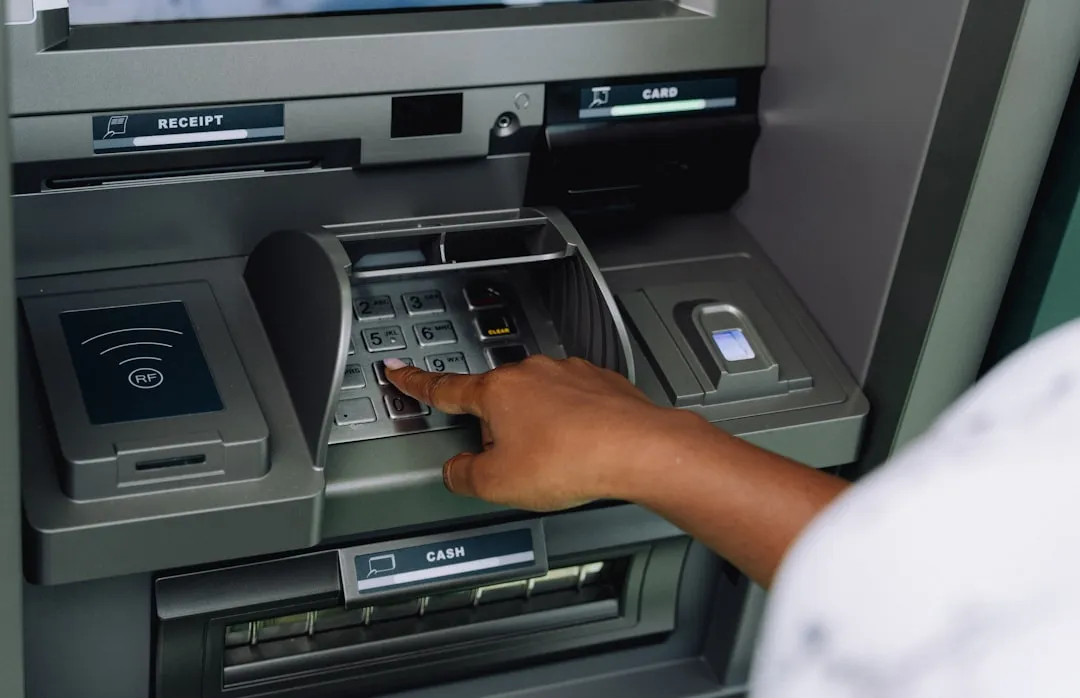
A typical withdrawal abroad runs three fees simultaneously: a flat charge from your home bank (often $3 to $5), a surcharge from the operator of the foreign ATM ($3 to $8), and a currency conversion markup of 1 to 3 percent baked into the exchange rate. Stacked together, those costs can quietly eat into the exchange rate advantage you traveled all that way to benefit from.
Try to use ATMs connected to major banks and avoid standalone machines in busy tourist areas. Withdrawing larger amounts less often can also help reduce repeated ATM fees. It’s also worth checking whether your home bank has international partnerships. Charles Schwab and Capital One still refund all ATM fees worldwide, which makes them genuinely useful travel banking tools for frequent international travelers.
Dynamic Currency Conversion: Say No Every Time
It’s called Dynamic Currency Conversion, or DCC, and it works by offering to do you a favor you don’t want. When a merchant or ATM abroad asks if you’d like to pay in your home currency rather than the local one, the offer feels helpful. It isn’t. The conversion rate applied is almost always worse than what your card would give you automatically.
Merchants abroad sometimes offer to process card payments in the cardholder’s home currency instead of the local one. Always decline this and choose to pay in the local currency. The whole thing can cost you 5 to 10 percent more than it had to. On a two-week trip with regular card use, that number adds up to a genuinely noticeable loss.
Fintech Tools That Protect Your Exchange Rate
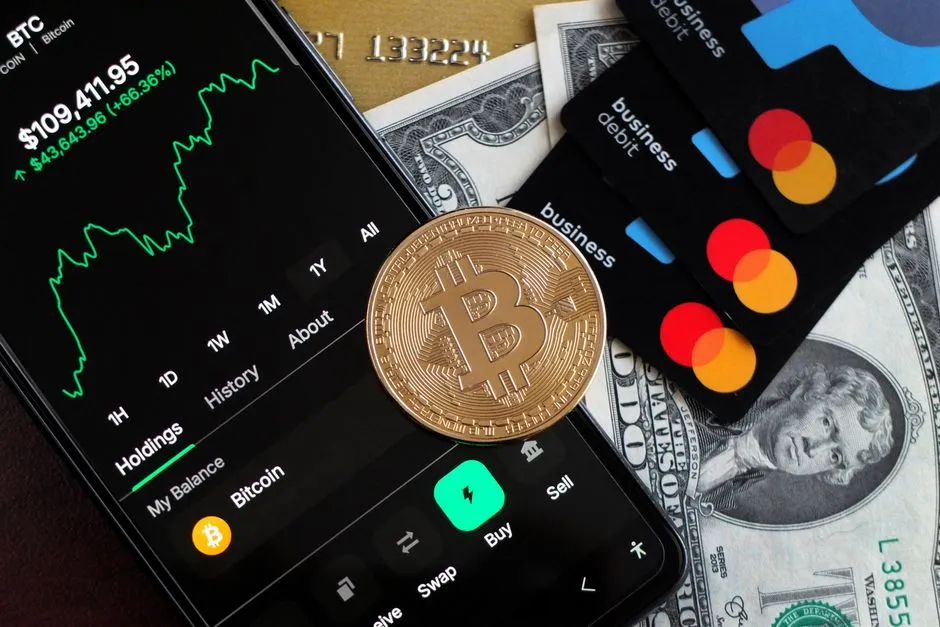
Apps like Wise, Revolut, and PayPal now allow you to spend abroad directly from your phone, often with real-time exchange rates and minimal markups. Wise, for example, uses the mid-market rate plus a small transparent fee. For travelers spending extended time in any of the five countries above, these tools can generate real savings compared to conventional bank cards.
A rising trend in 2025 is multi-currency accounts offered by fintech platforms like Wise, Revolut, and Payoneer. These accounts let you hold multiple currencies at once, switch between them instantly, and even receive local bank details in different countries. For frequent travelers or digital nomads, this eliminates many fees entirely. It’s worth spending thirty minutes researching which card or app setup works best for your specific destination before your trip. The payoff is often immediate.
The Bigger Picture: Currency Awareness as a Travel Skill
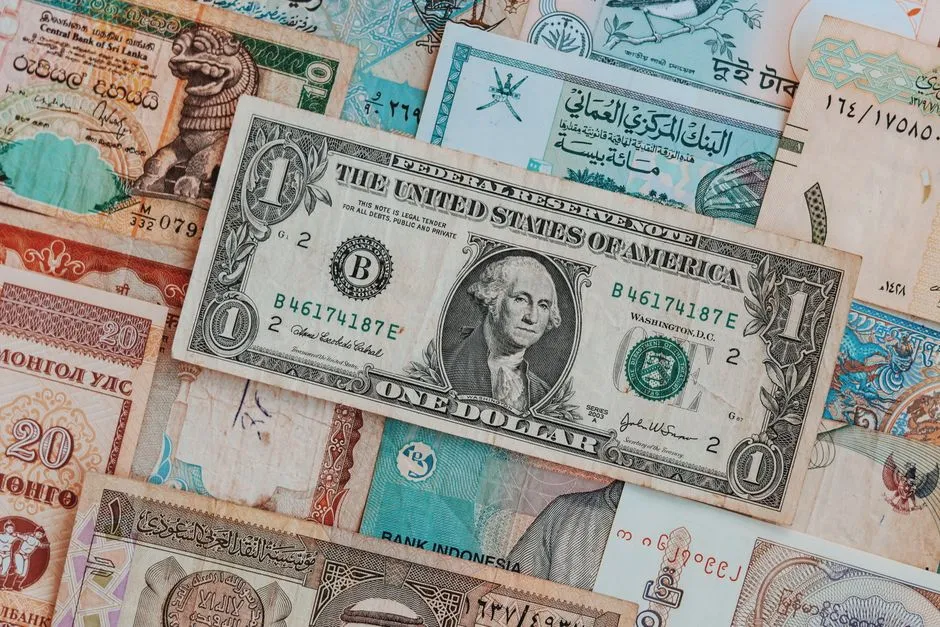
Currency arbitrage travel is becoming a defining global tourism trend as Americans seek better value for international trips. That framing sounds technical, but the underlying idea is simple: knowing where and how your money converts gives you options that most travelers never consider. It doesn’t require a finance background, just a bit of planning.
When the dollar is strong, destinations with weaker currencies feel more affordable. Because exchange rates influence where and how we travel, you may shift your plans toward countries where your budget stretches more comfortably. The five countries covered here, Vietnam, Thailand, Mexico, Colombia, and Japan, each offer something genuinely distinct culturally and geographically. The currency advantage is a bonus, not the whole reason to go. Used wisely, though, it means more time on the road, better meals, and deeper experiences without stretching your finances thin.
The Takeaway
The real currency trick isn’t a secret loophole. It’s simply paying attention. A strong dollar stretches further abroad, lowering the cost of meals, attractions, and accommodations. Pairing that structural advantage with smart exchange habits like using bank ATMs, avoiding DCC, and considering a fintech card compounds the benefit considerably.
The countries listed here reward travelers who arrive prepared. Each one has a distinct culture worth engaging with on its own terms, and the favorable exchange rate simply means you can stay longer, eat better, and explore more freely. That combination, meaningful travel and financial breathing room, is genuinely hard to beat.
AI Disclaimer: This article was created with the assistance of AI tools and reviewed by a human editor.