
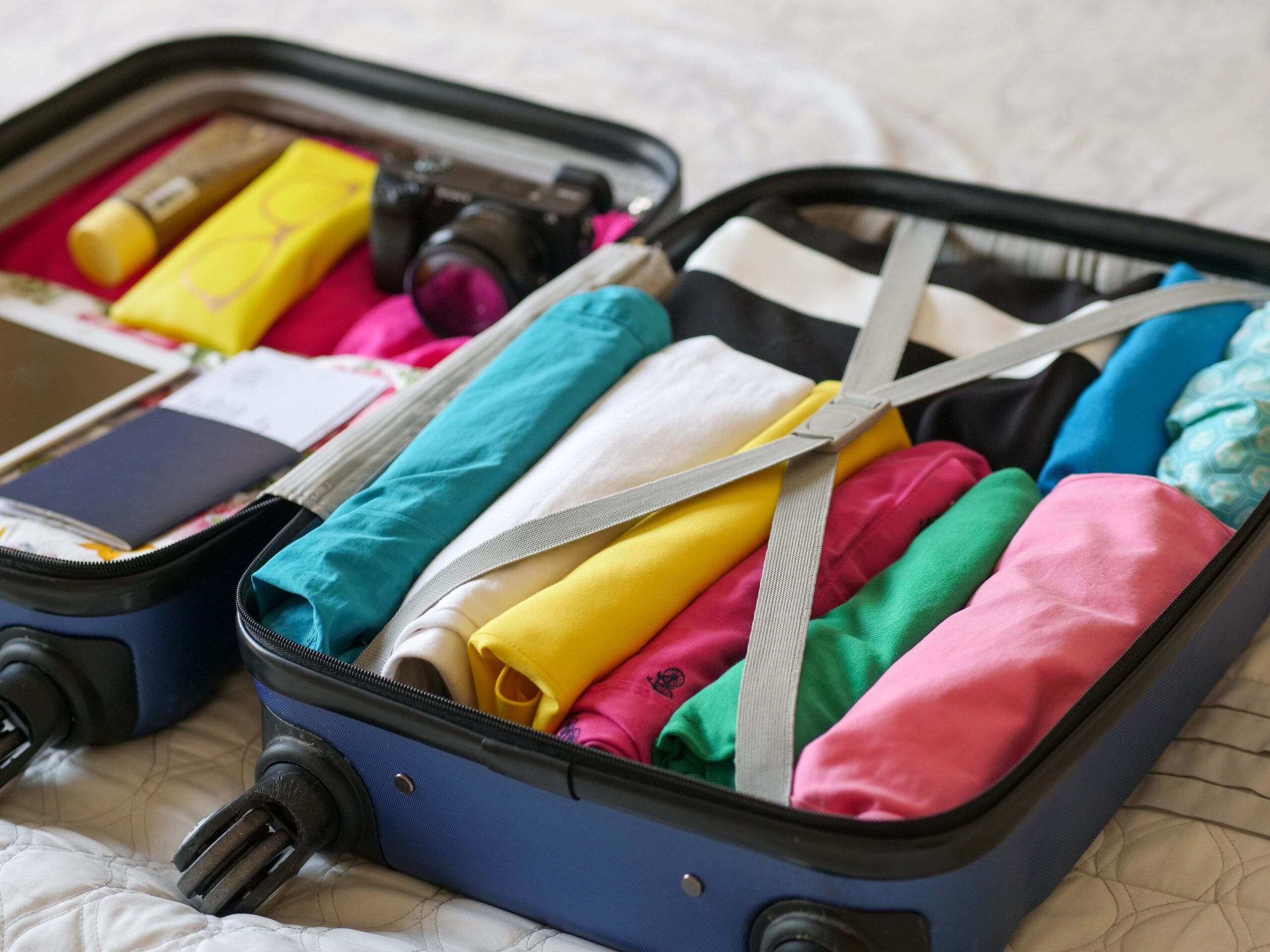

Packing for a week in a carry-on used to feel like trying to solve a puzzle with pieces that clearly didn’t belong together. Most of us have stood over an open suitcase, convinced there was no way it was all going in. The truth is that it usually can, and the difference between a chaotic overpacked bag and a perfectly organized one comes down almost entirely to method.
U.S. airlines brought in more than $7.4 billion in passenger baggage fees in 2025, a staggering rise of 162 percent over five years. That number alone is a compelling reason to rethink how you pack. The strategies below are practical, well-tested, and rooted in how real travelers move through the world.
Why Checked Bag Fees Make Carry-On Travel Worth Mastering
Baggage fees are no longer a minor inconvenience. Most airlines now charge anywhere from $45 to $50 for the first checked bag, and it’s significantly higher at some carriers. That’s a round-trip cost that adds up fast, especially for families or frequent travelers.
Major U.S. airlines have raised checked bag fees by at least $5 since the beginning of 2024. Southwest Airlines, after more than 50 years of only charging for a third bag, announced it would start charging $35 for the first checked bag. The incentive to pack smarter has never been more financially tangible.
Start With a Capsule Wardrobe Mindset

The number one mistake travelers make is throwing in random clothes “just in case,” which quickly causes bags to overflow while still leaving the feeling of having nothing to wear. A capsule wardrobe approach is the antidote to that spiral.
A capsule wardrobe means packing minimally and including only items that match more than one other piece. There’s no point taking a top you’ll only wear once because it only goes with one pair of shorts. Ideally, everything you pack should have the potential to be dressed up or down depending on what you pair it with.
Choosing two to three base colors like black, navy, or beige, plus one or two accent colors, ensures that everything mixes and matches. It’s a simple constraint that quietly solves most overpacking problems.
The Rolling Method: Your Best Friend for Space
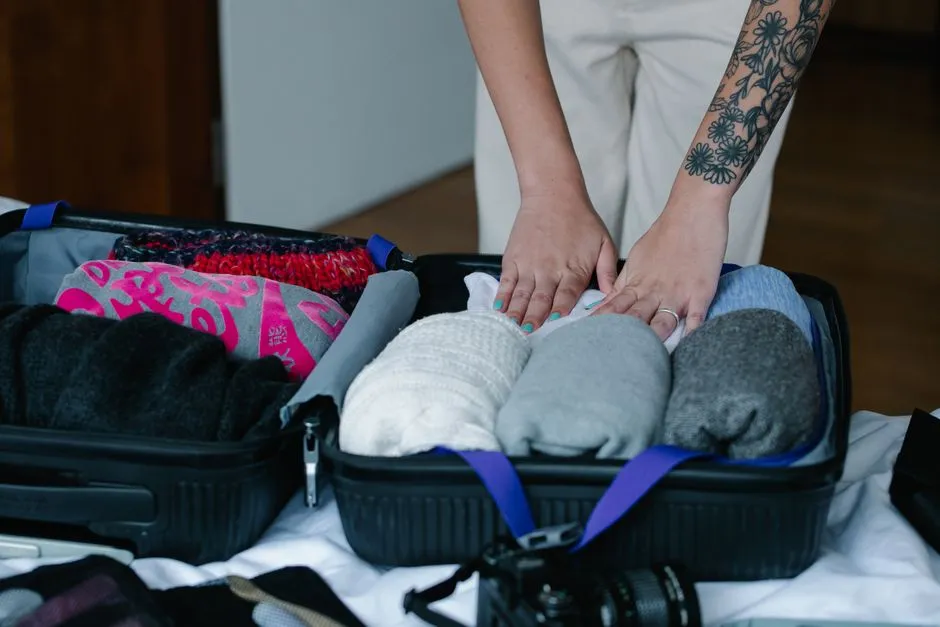
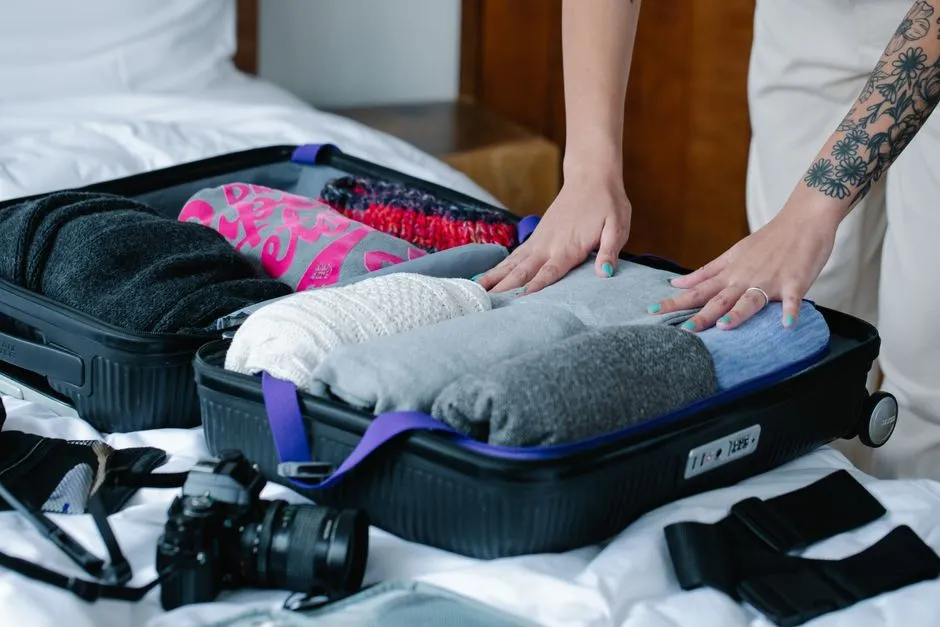
When every inch of space counts, rolling is your best strategy for fitting more into a smaller bag. It’s not new advice, but most people still don’t do it consistently or correctly. The key is rolling tightly, not loosely.
One reliable approach is to roll everything tightly and stack it carefully, placing the bulkiest rolls on the bottom and squeezing the thinnest ones into any gaps. Think of it as a layered system, not just a dumping ground.
Avoid rolling stiff or easily wrinkled materials like starched dress shirts, linen blazers, or structured suit jackets. These items are better suited for careful folding, perhaps with tissue paper, to prevent sharp creases. Rolling isn’t a one-size-fits-all solution, but it handles the majority of a travel wardrobe extremely well.
Bundle Wrapping: The Wrinkle-Free Alternative
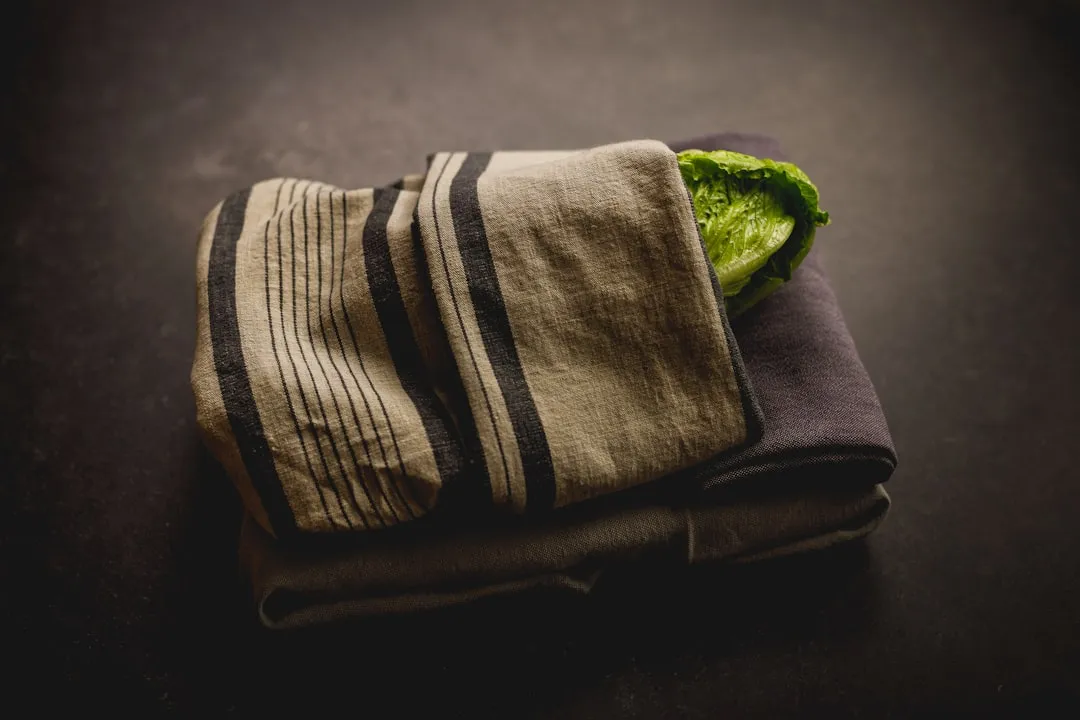
The bundle wrapping method involves packing clothes by wrapping them around a central core to avoid creases and wrinkles. The process includes laying out clothes in a specific order, wrapping them around the core item, and anchoring the bundle in the carry-on with interior luggage straps.
For wrinkle-free packing, bundle wrapping beats rolling every time, especially if you’re traveling with specific outfits or anything that needs to look sharp on arrival. It’s particularly well-suited to business trips or occasions where presentation matters.
While the method helps reduce wrinkles, it can make unpacking and accessing specific items more difficult, and may not save as much space as other packing methods. It’s worth knowing that trade-off before committing to it for a longer trip.
Compression Cubes: Organized and Compact
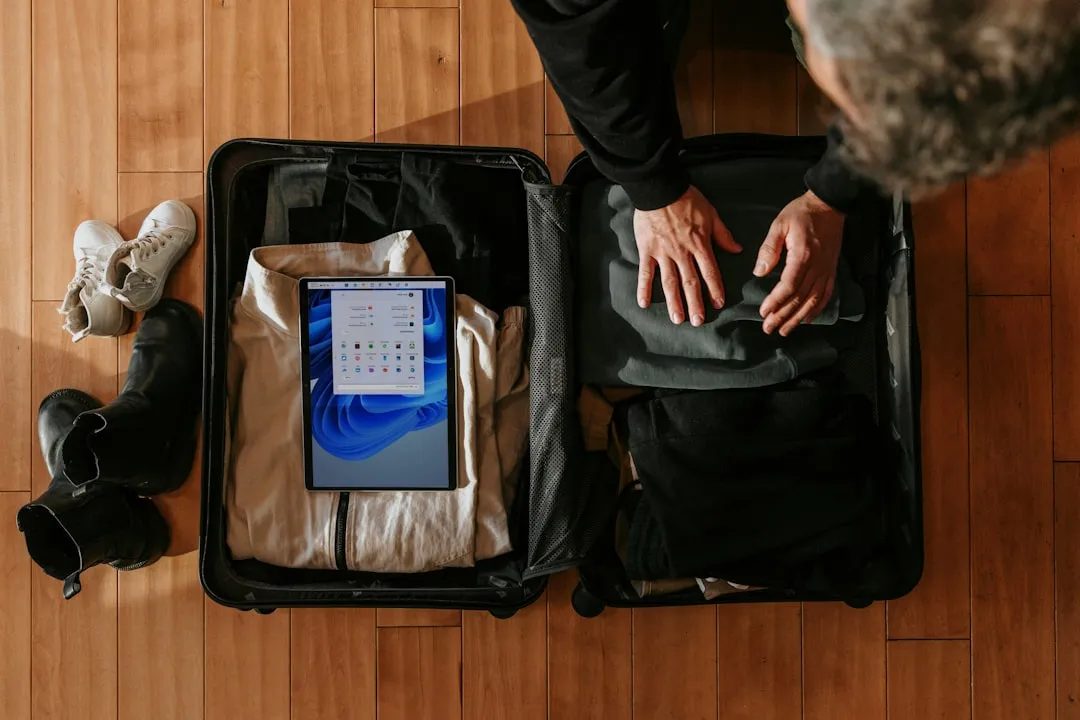
Compression cubes expand as you fill them, then condense your clothes with zippers designed to press everything flat and squeeze out excess air. They’re especially useful when trying to fit everything into a small suitcase. For carry-on travel specifically, they can make a noticeable difference in how much you’re able to bring.
Packing cubes keep your clothes organized and compress them so they take up less room. One cube for tops, one for bottoms, and one for underwear and sleepwear is a reliable starting system. Once you’ve tried this approach, reverting to loose packing feels almost impossible.
The KonMari Filing Method Inside Your Bag
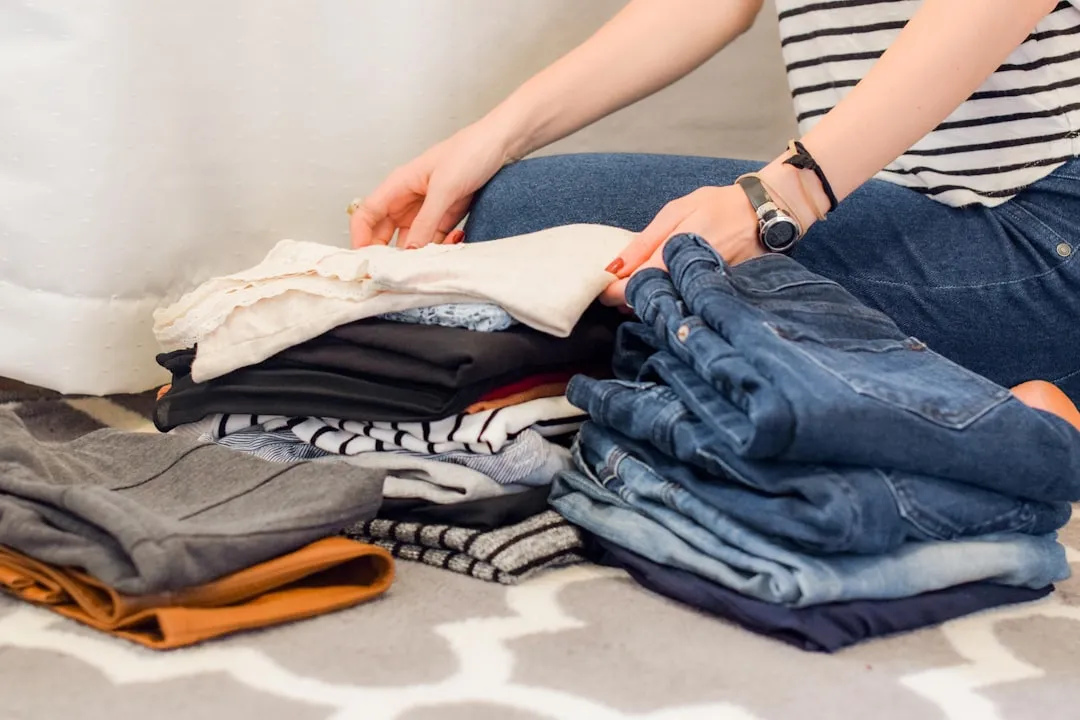
The KonMari folding method, popularized by organizing consultant Marie Kondo, involves folding clothes into small, neat rectangles that can stand upright on their own. Instead of stacking items, you file them vertically in your suitcase. This vertical filing means you can see everything at once, which eliminates the need to excavate your bag to find one shirt.
Packing cubes pair exceptionally well with this system. Instead of having all your clothing mixed together, you use the cubes to sort items by category or keep specific outfits together. The combination creates a bag that is both compact and immediately accessible.
Plan by Day, Not by Category
Planning by day means writing down what you’ll actually wear for each day, considering activities. If you’re sightseeing, having dinner, and then relaxing, you don’t necessarily need three outfits, as one that works across multiple settings is often enough. This shift in thinking alone can cut your packing volume significantly.
Jeans, jackets, and shoes can easily be reworn across multiple days. Nobody notices if you wear the same pants twice. This approach ensures you pack less but still feel prepared. Re-wearing with intention is actually the most underrated carry-on packing skill.
Wear Your Bulkiest Items on the Plane
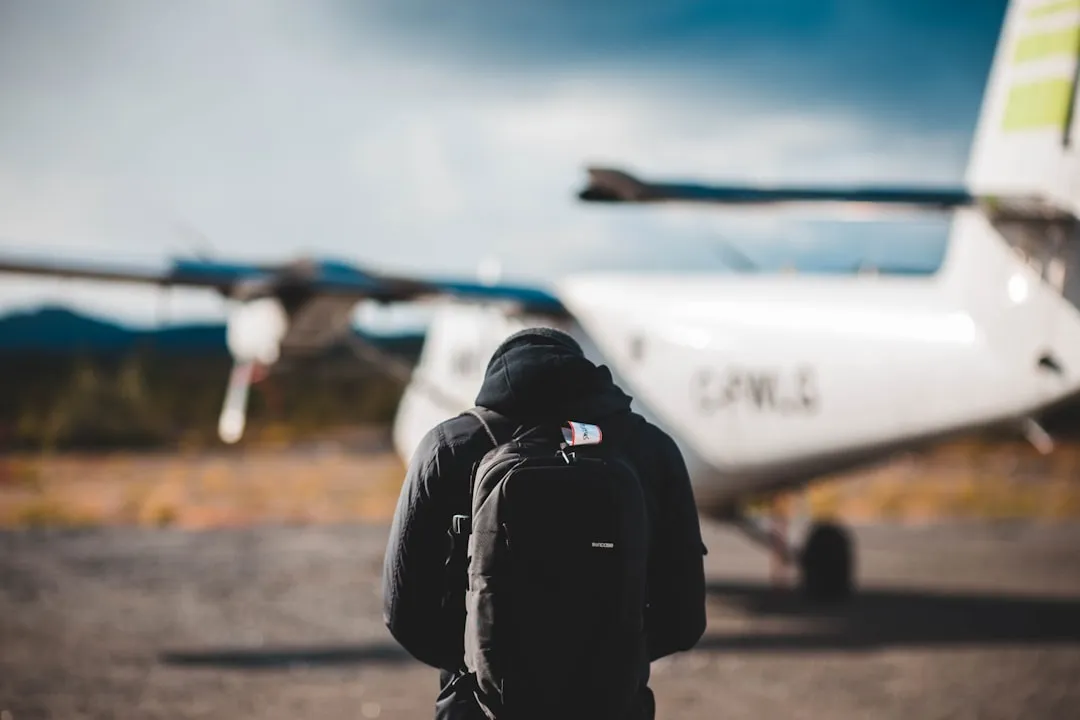
One of the most practical tricks is to wear all the outerwear you’re going to need for the trip during the flight itself. A jacket, a sweater, or even boots on your feet can free up a surprising amount of room inside the bag.
You’ll have to strip a few layers off to get through security, but it’s worth it when you realize how much room a sweatshirt or two can claim in a small bag. Those layers also double as great pillows during long flights. It’s a small inconvenience at the gate that pays off for the entire journey.
Shoes and Toiletries: The Hidden Space Thieves
When packing by size, larger compression bags work well for bigger items like jeans, skirts, and dresses laid at the bottom of the carry-on. Shoes can lie flat against the perimeter of the case. Tucking rolled socks inside shoes is another well-known trick that eliminates dead space entirely.
Unnecessary shoes and accessories deserve careful scrutiny before they make it into your bag. Consider whether heels you might wear only once or a fancy handbag are actually worth bringing along. Shoes are often the single biggest space consumer in a carry-on, so limiting yourself to two or three pairs, including the ones on your feet, is a reasonable rule.
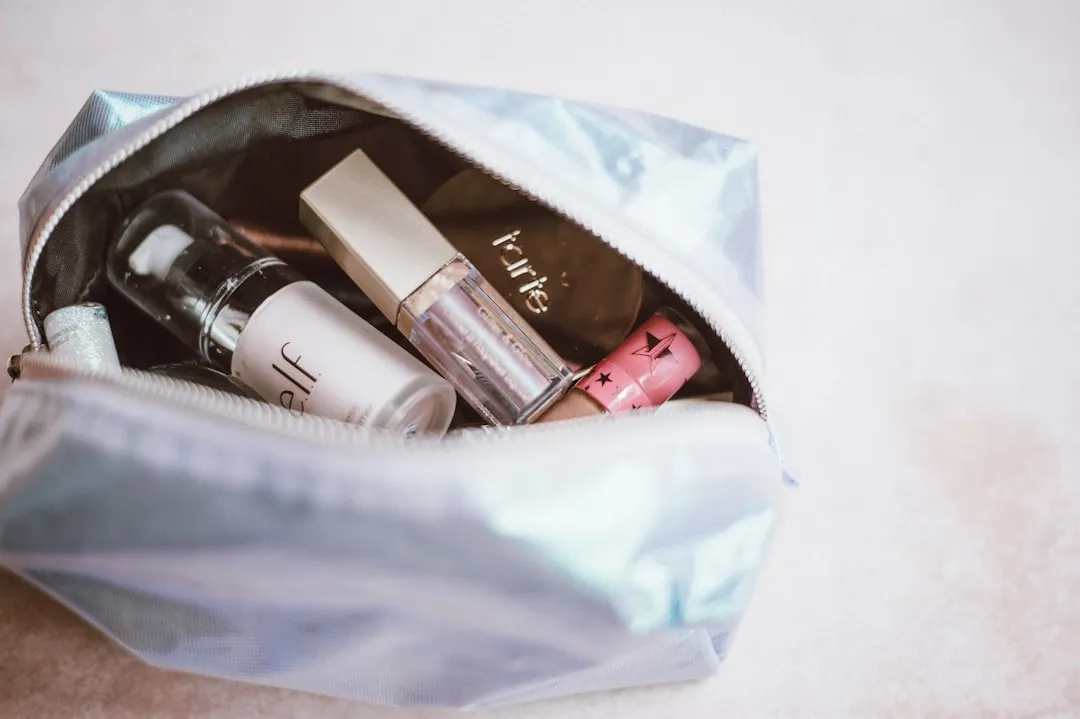
Toiletries are another space challenge worth planning around. Decanting products into small reusable bottles and using solid toiletries like shampoo bars can reduce both volume and weight considerably. Checking what your accommodation provides before you pack can also eliminate duplicates you simply don’t need.
Know Your Airline’s Carry-On Dimensions
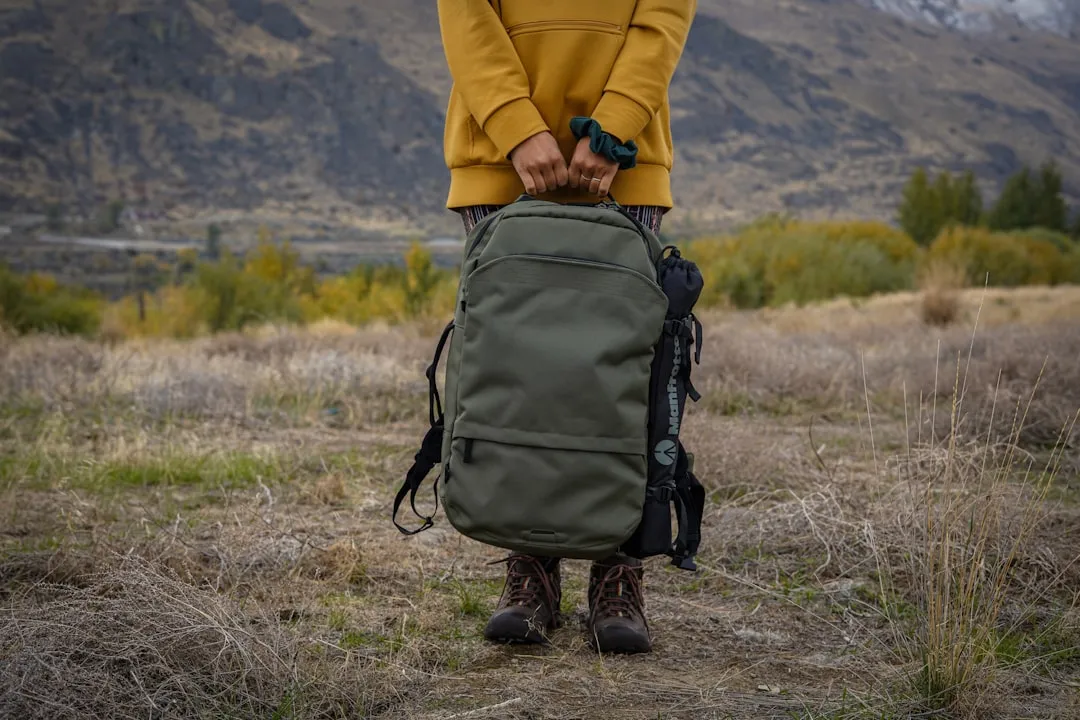
Before diving into packing, selecting the right carry-on bag is crucial. Airlines have specific size restrictions for carry-ons, so it’s essential to check their guidelines before you start. Opting for a lightweight, durable bag with ample compartments makes organizing your belongings significantly easier.
Most major airlines accommodate a standard carry-on of roughly 22 x 14 x 9 inches, but low-cost carriers can be considerably stricter, and the rules vary enough that checking ahead is always worth a few minutes of your time. Carrying a bag that slightly exceeds the allowed dimensions can result in fees that equal or exceed what you were trying to avoid by not checking a bag in the first place.
The Hybrid Approach: Combining Methods for Best Results
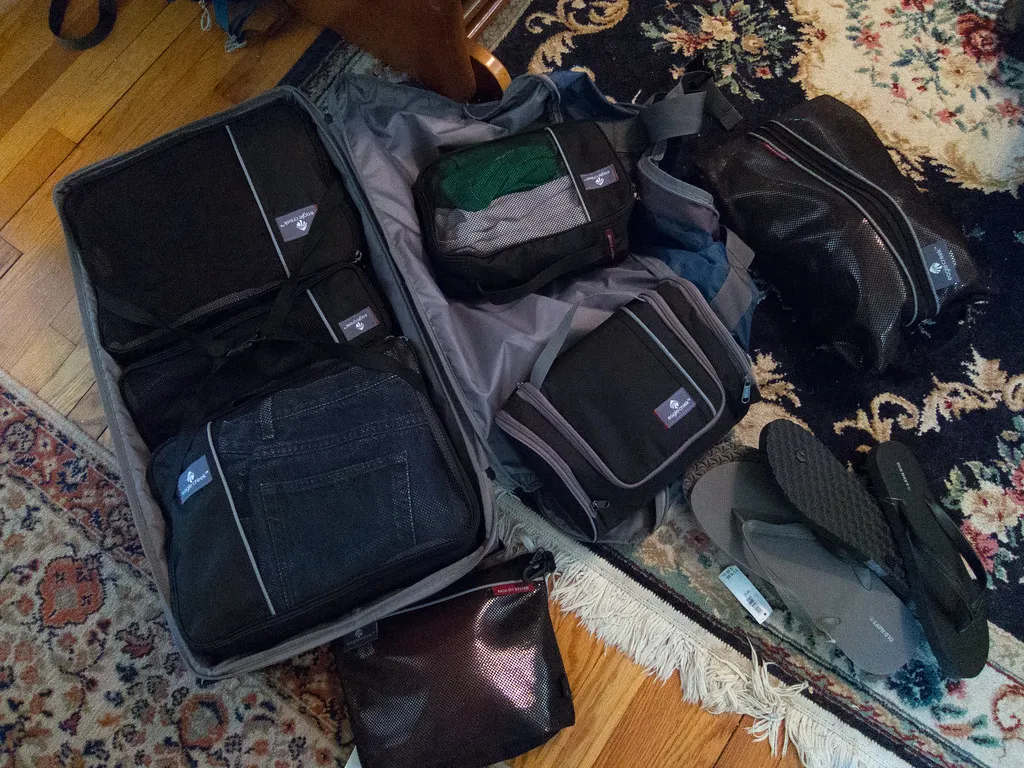
A hybrid of the rolling technique and the compression method tends to work best for carry-on travel. Rolling base layers and using compression cubes to shrink bulky items like sweaters or jackets is ideal for maximizing carry-on capacity. No single method wins every situation, and the best packers tend to mix techniques rather than commit rigidly to one.
Packing cubes on their own don’t necessarily save space, but they keep clothing organized and can be used in combination with other methods. For example, you can bundle your clothing and then place the bundle into a packing cube. The best packing systems are combined ones that make it much easier to keep outfits together.
The best way to pack clothes for travel isn’t a single magic trick; it’s a strategic system tailored to your specific garments and trip. Treat your first attempt as a practice run, because most travelers find that the second and third time packing with these methods takes a fraction of the time.
Final Thoughts
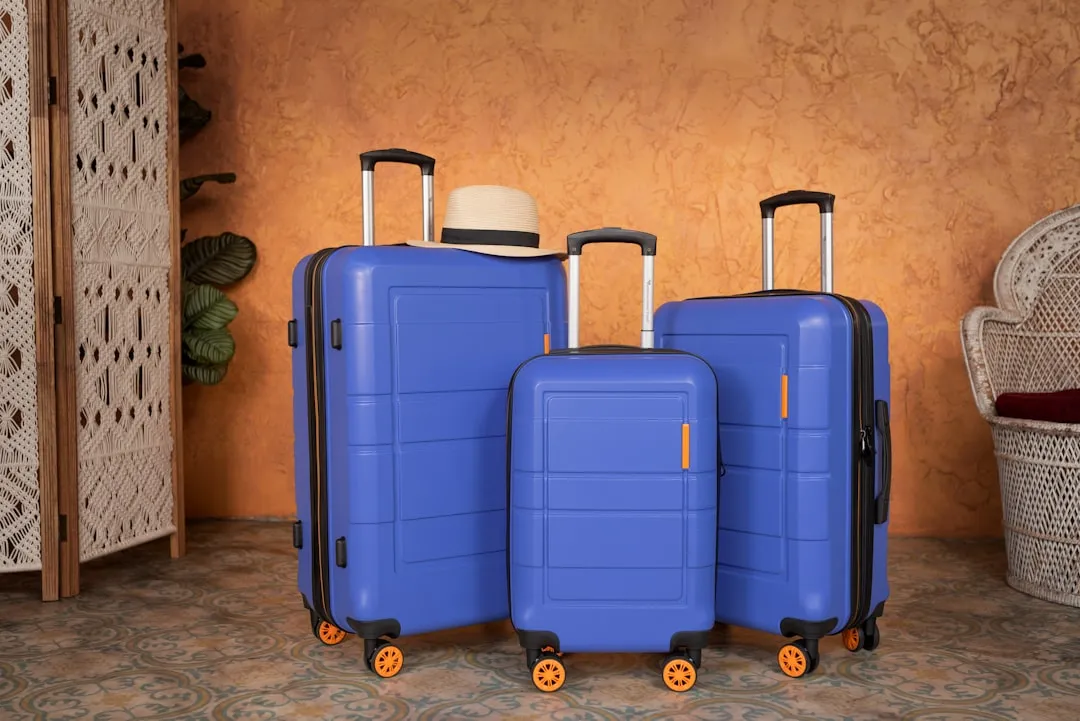
A week in a carry-on is genuinely achievable, and once you’ve traveled this way, the freedom it creates is hard to give up. While airlines continue improving change fee policies, travelers are still waiting on the eradication of checked bag fees, and avoiding that extra cost has inspired many people to get creative with how they pack a carry-on.
The methods covered here work best when used together and refined over time. Roll what you can, bundle what needs to stay sharp, compress what’s bulky, and always plan your outfits before you open the suitcase. The goal isn’t to pack everything you might want. It’s to pack exactly what you’ll actually use.
AI Disclaimer: This article was created with the assistance of AI tools and reviewed by a human editor.