


Something shifted in the American relationship with place. For most of the twentieth century, where you worked told you where you lived. Then, gradually, that logic reversed. The way Americans choose where to live has fundamentally changed. For generations, career opportunities dictated geography – you moved where the jobs were. The remote work revolution flipped that script, and millions of Americans are making moves their parents’ generation never could have imagined.
The results show up in housing markets, coffee shops, and broadband subscription rates in places that few relocation consultants would have mentioned a decade ago. Some of these towns are small. Some are mid-sized. Most of them are not making headlines – which is precisely the point.
The Numbers Behind the Shift

The scale of remote work adoption in the United States is worth pausing on. As of 2025, approximately 32.6 million Americans – representing roughly 22% of the workforce – now work remotely. Among those with remote-capable jobs, about half work in hybrid arrangements, more than a quarter work fully remote, and just one in five remains exclusively in-office. This represents a fundamental shift from pre-pandemic work patterns, where only 6.5% of private-sector workers primarily worked from home in 2019.
According to the Census Bureau’s “Commuting At A Glance” data updated in September 2025, roughly 13.3% of workers worked from home in 2024. Remote work is not snapping back to 2019 – it is settling into a new range. That stabilization matters for towns across the country because it means the people who relocated are not temporary visitors. They are residents.
The Suburban Pull: Where Most Movers Are Landing
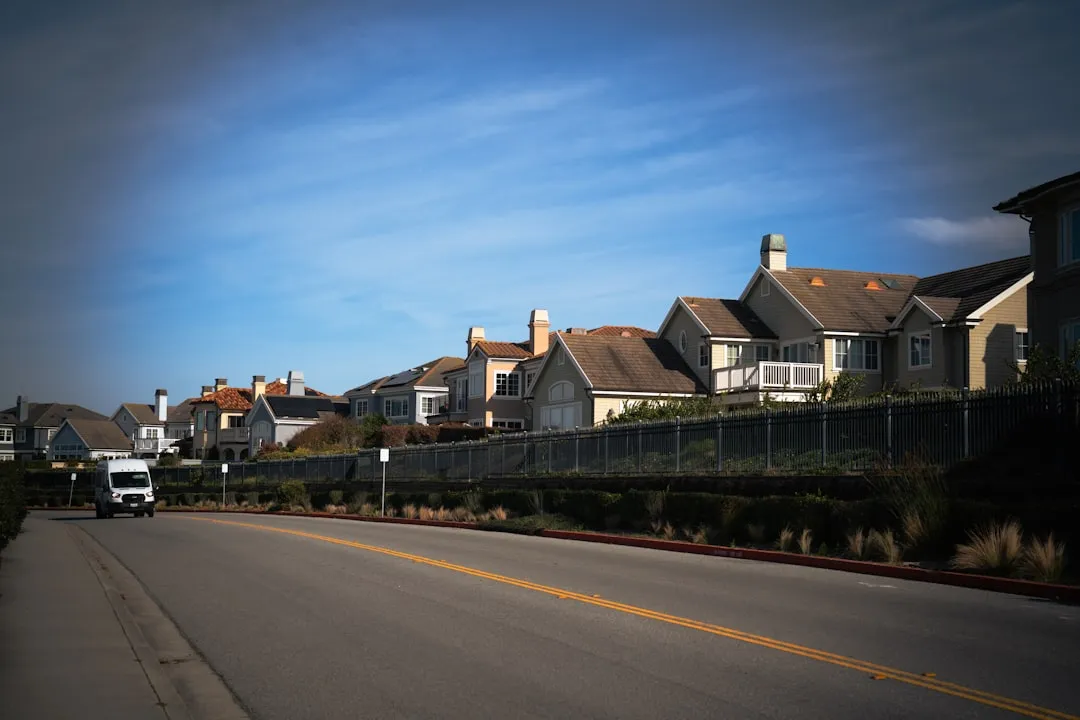
The suburban shift dominated 2024 migration patterns. Roughly half of all movers chose suburban areas, while about a third moved to urban locations and just under one in five went to rural settings. That suburban middle ground – close enough to a city for amenities, far enough for breathing room and lower costs – turns out to be exactly what many remote workers want.
For a striking share of movers, transit accessibility was no longer a priority at all. This highlights how remote work has shifted many white-collar workers from urban centers to a more dispersed national model. The daily commute used to structure where people could realistically live. Remove it, and the entire geography of possibility opens up.
Greenville, South Carolina: The Southeast’s Quiet Achiever
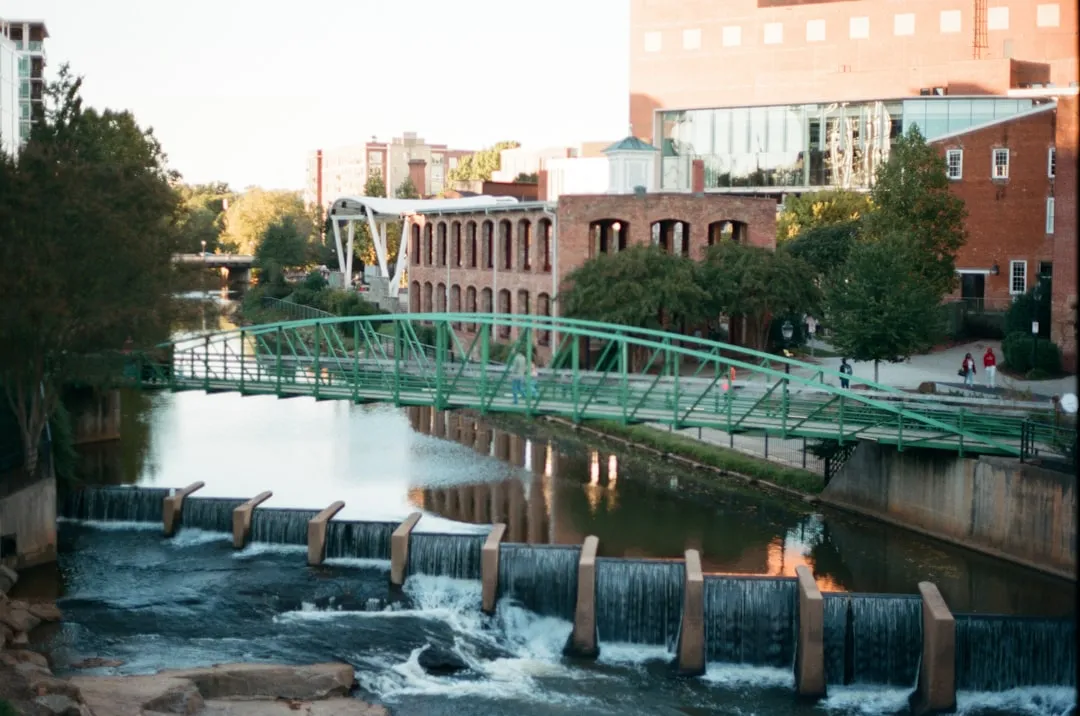
Cities like Greenville have seen sustained population growth driven in large part by the remote work shift. Greenville sits in the Upstate region of South Carolina, a stretch of foothills that many Americans could not place on a map until recently. It has a compact, walkable downtown, a revitalized riverfront, and a cost of living that makes transplants from the Northeast and West Coast feel almost disoriented by their own purchasing power.
North Carolina and South Carolina have been among the fastest-growing East Coast states, with places like Charleston, Greenville, and Myrtle Beach all expanding rapidly. Greenville in particular draws professionals who want a real downtown culture – independent restaurants, arts venues, a genuine sense of place – without the price tag that usually comes with it.
Knoxville, Tennessee: Mountain Access Meets No Income Tax
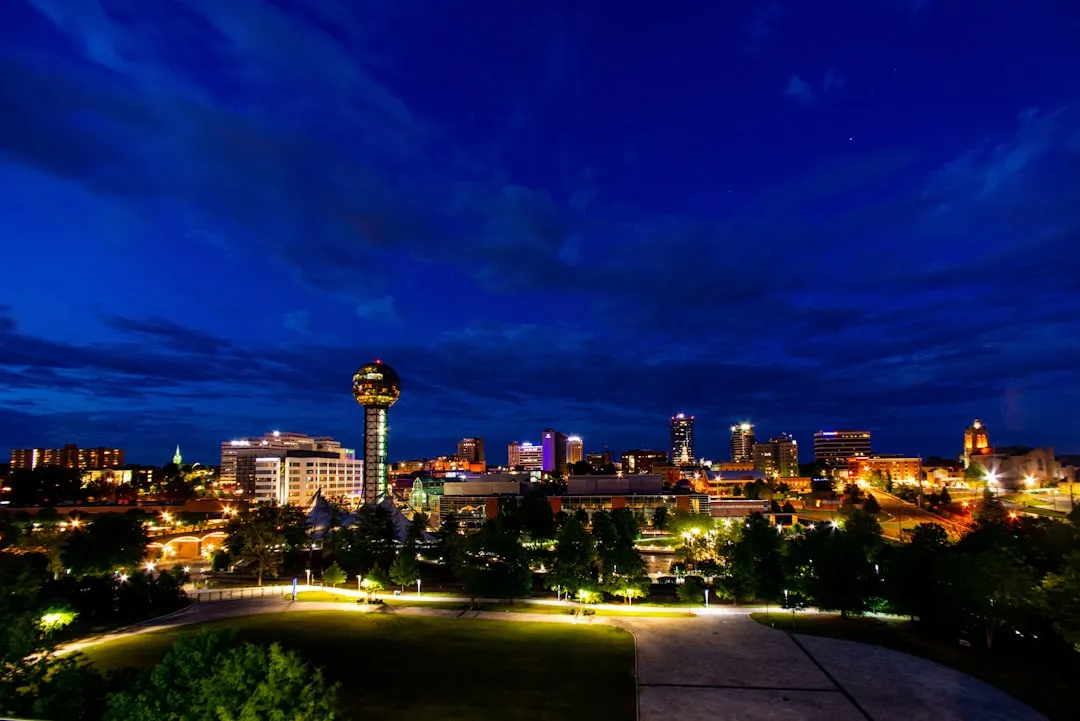
Many remote workers are moving to smaller towns near metro areas, and Knoxville, Tennessee, has become one of the most cited examples. It sits at the edge of the Great Smoky Mountains, offering trail access, river culture, and a University of Tennessee energy that keeps the city younger and more dynamic than its size might suggest.
Nashville’s cultural cachet, no income tax, and central location keep Tennessee consistently in the top tier for domestic migration. Knoxville benefits from being in the same state while offering a more relaxed pace and meaningfully lower housing costs than Nashville, which has grown expensive enough to start pushing people further east toward the mountains.
Fort Collins, Colorado: The Craft-Culture College Town

Would-be movers are finding Fort Collins, Colorado, a great place to buy a home and build a life. Positioned roughly an hour north of Denver, Fort Collins has everything that made Denver appealing a decade ago – outdoor culture, a strong restaurant scene, and a community identity built around quality of life – before Denver’s prices climbed beyond reach for many workers.
Micro-destinations are beginning to edge out big statewide winners. Think small cities and towns that attract large numbers of movers even though their state is only middle of the pack. Fort Collins fits that pattern almost perfectly. Colorado overall draws migration, but Fort Collins earns its own following from people who have done the research and decided they’d rather live in a college town with clean air and bike lanes than fight for parking in Denver.
Boise, Idaho: The Western Town That Got There Early

Boise has seen sustained population growth driven in large part by the remote work migration shift. It was arguably one of the first cities in the country to feel the full weight of that wave. Tech workers from California and the Pacific Northwest arrived in notable numbers during the early 2020s, drawn by the high desert scenery, the access to skiing and hiking, and housing prices that still made sense.
Some formerly trendy spots have seen their prominence level off, with their fall from grace likely less about desirability than about oversaturation and rising prices. Boise is navigating exactly that tension now, which means the window for arriving ahead of the next price surge may be narrowing. Even so, it remains far more accessible than the coastal metros its newest residents left behind.
St. George, Utah: The Desert Hotspot with Real Data Behind It

St. George, Utah, saw its remote work share jump from about 10% to 17% in recent years – one of the more dramatic single-market rises in the entire country. That kind of growth does not happen by accident. The town sits in the southwestern corner of Utah, surrounded by red rock landscapes and within easy reach of Zion National Park, making it a natural draw for outdoor-focused professionals who no longer need to compromise their lifestyle for their career.
St. George has invested meaningfully in broadband infrastructure and has grown its medical and retail amenities to meet demand. The combination of warm winters, striking scenery, and a steadily improving urban core makes it a genuine long-term contender rather than a fleeting trend.
Cary, North Carolina: The Research Triangle’s Best-Kept Secret
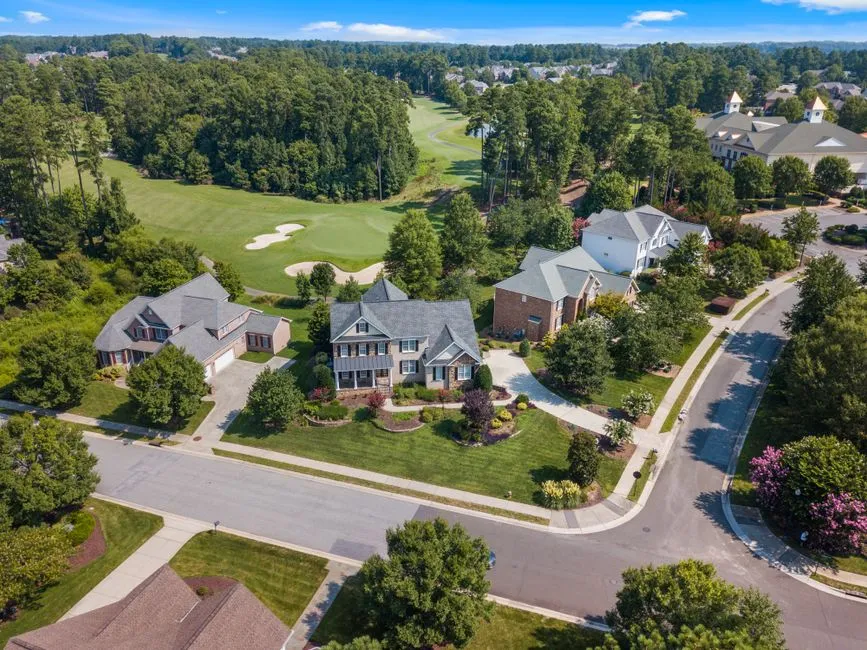
Cary, North Carolina, made the podium in affordability rankings for remote workers, boasting a high remote work score. It sits on the western edge of the Research Triangle, meaning it has fast internet, a highly educated neighbor community in Raleigh and Durham, and access to one of the most dynamic technology and life sciences corridors in the country – without requiring residents to live in the most expensive zip codes.
Cary has dominated move-to lists for years, alongside Savannah and Olympia. The consistent presence on those rankings has made it slightly less of a hidden gem than it once was, but the underlying infrastructure – reliable connectivity, good schools, suburban calm – has not changed. For remote workers who value stability over novelty, that consistency is a feature rather than a flaw.
Atlanta, Georgia: The Big City That Still Makes the Affordability Case
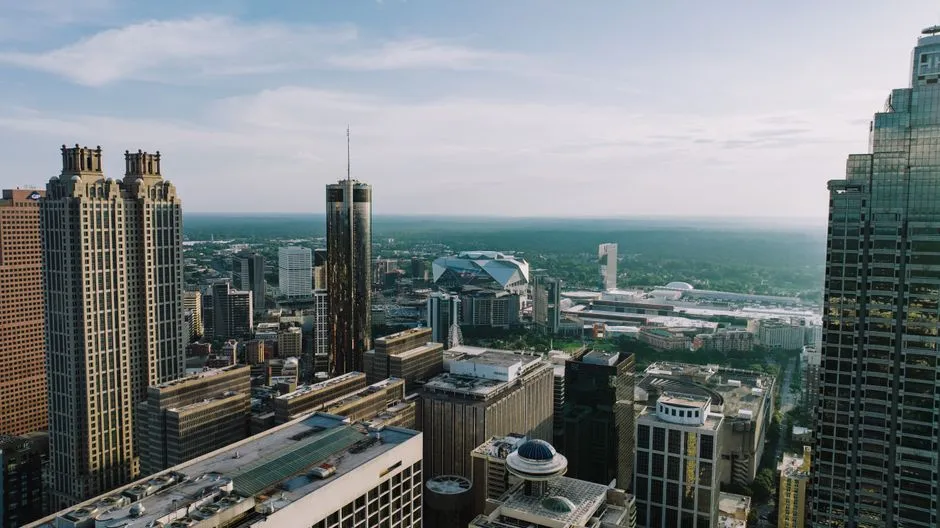
Atlanta has emerged as the nation’s best city for remote workers according to CoworkingCafe’s 2025 rankings. With roughly a quarter of its workforce operating remotely and 119 coworking spaces spread across the metro area – the highest coworking density in the country – Atlanta offers extensive options for professionals seeking collaboration, flexibility, and community.
Atlanta was recognized as 2024’s most affordable city for remote workers due to its stable economy, low unemployment rate, and high-ranking factors that support remote work, including fast internet and many coworking spaces. For remote workers who want genuine urban energy – a real food scene, arts institutions, professional networking – without paying New York or San Francisco prices, Atlanta remains one of the most compelling arguments in the country.
Maine’s Coastal Towns: The Counterintuitive Choice

Maine represents something of a countertrend. Some remote workers are choosing quality of life over warm weather, and Maine’s coastal towns are seeing modest but consistent inbound migration from Boston and New York metro residents. Portland, Belfast, and smaller harbor communities have welcomed a quiet but steady stream of professionals who traded their dense urban apartments for porch views of the Atlantic.
Maine’s appeal is partly about what it lacks: crowds, noise, and the sense of being perpetually behind. Competitive housing markets, overcrowding, and a lack of community connection are some of the main reasons remote workers are leaving large metro areas. Many smaller communities are stepping up to attract these professionals, offering lower costs of living, accessible amenities, and small-town charm. Maine’s coastal towns deliver all of that with a distinct regional character that is hard to manufacture.
What Actually Makes a Town Remote-Work Ready

Not every charming small town will make this transition successfully. The fundamentals matter. Remote workers say that moving to a smaller community comes with its own set of considerations. Amenities that are commonplace in larger cities – like reliable high-speed internet and grocery stores – are not guaranteed in small towns and need to be investigated carefully.
In many major cities, the math no longer works. Housing, healthcare, and everyday expenses have outpaced wage growth to the point where even high earners are reassessing the trade-offs. The towns gaining the most ground are those that offer genuine infrastructure, not just aesthetics. Fiber broadband, coworking space, medical access, and a walkable or drivable local economy separate the towns that are merely scenic from the ones that are genuinely livable on a full-time professional basis.
The Road Ahead for Location-Independent Living

Americans are increasingly willing to trade status cities for carefully chosen corners that just fit. The next generation of hot destinations will be defined less by state borders and more by places that genuinely feel like home. That is a meaningful cultural shift. The aspiration is no longer necessarily about living in the most prestigious city – it is about finding the right town for a particular kind of life.
Migration patterns are evolving. More people are leaving expensive urban centers in favor of smaller cities, coastal towns, and emerging hubs – places that are increasingly attracting remote workers, digital nomads, and a new class of location-independent professionals. The towns profiled here are part of a larger, ongoing rebalancing of where American professional life actually happens. That rebalancing is quiet, gradual, and, for the communities receiving these newcomers, genuinely transformative.
The Takeaway

The remote work era did not simply give people permission to work from home. It gave them permission to reconsider, in a fundamental way, where home should be. Remote work continues to transform how Americans live, with lasting impacts on housing choices, migration patterns, and work-life priorities. The towns benefiting most from this shift are not necessarily the ones with the best marketing campaigns – they are the ones that took the practical question of livability seriously.
What these places share is harder to summarize on a spec sheet than download speeds or median home prices. It is something closer to proportion. A downtown that feels human. Trails within reach. A community that did not outgrow its own character. For the growing number of professionals no longer tethered to a single office, that proportion turns out to be exactly what they were looking for.
AI Disclaimer: This article was created with the assistance of AI tools and reviewed by a human editor.