
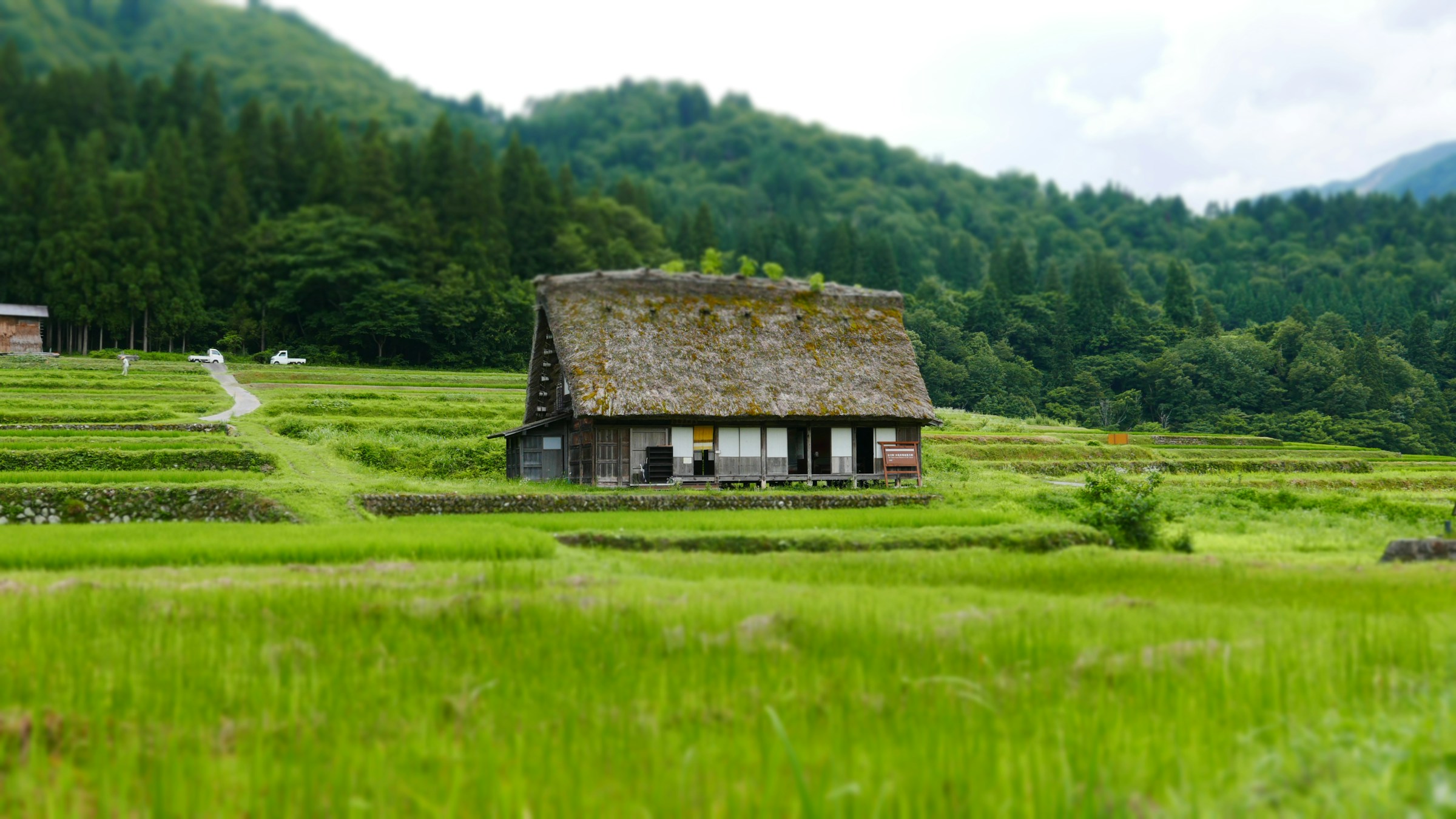

There is a particular kind of quiet that Kyoto no longer reliably offers. It lives instead in small mountain towns, riverside castle settlements, and ancient cities at the western edge of Honshu, places where temple gardens still belong to the morning mist and not to a thousand smartphone screens.
Japan’s countryside has always held depth. The difference now is that travelers are genuinely starting to notice it, not as a consolation for missing Kyoto, but as something worth choosing in its own right.
Kyoto’s Overtourism Has Reached a Turning Point
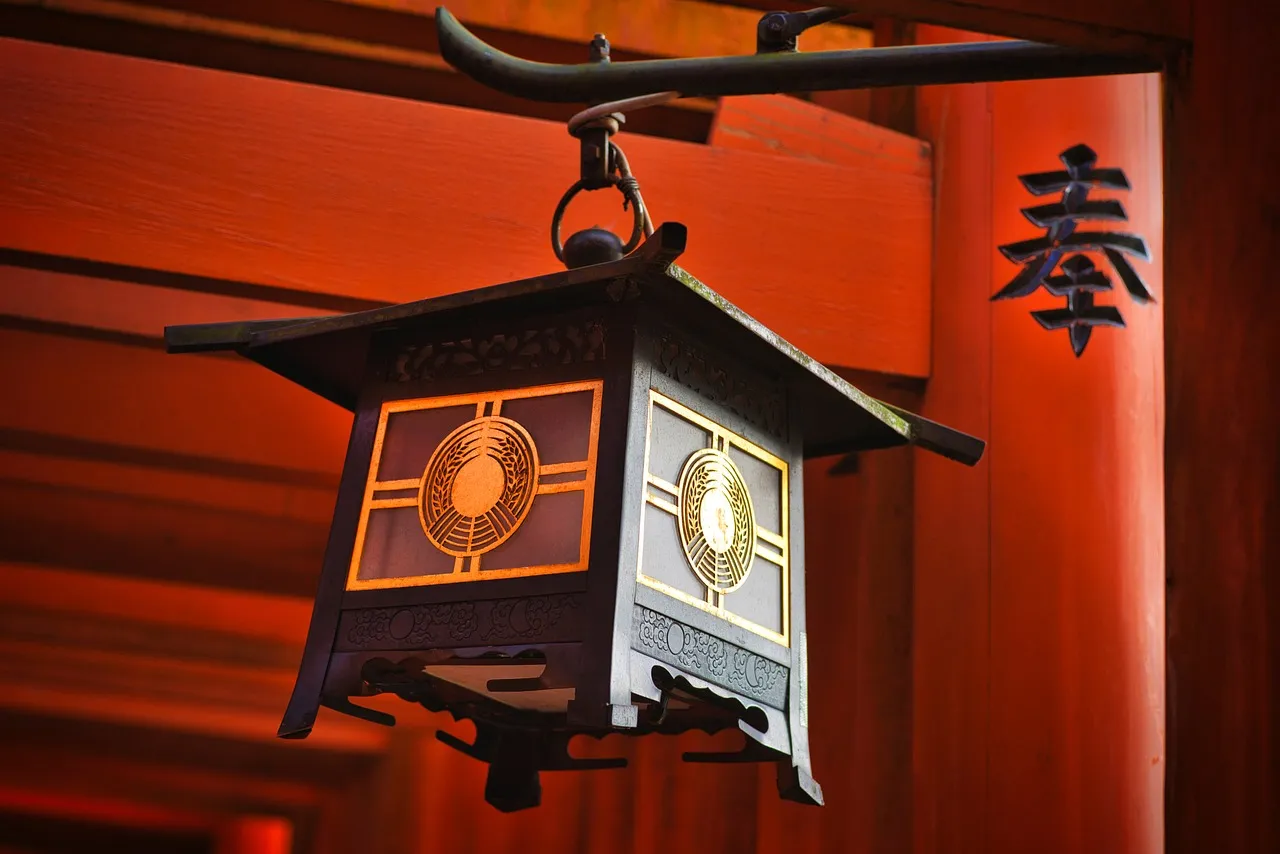
Kyoto welcomed an all-time record of 10.88 million international visitors in 2024, contributing to a total of approximately 56.06 million visitors across all categories. These are not abstract figures. They translate into packed buses, long queues at temples, and a daily life disrupted for the people who actually live there.
A Kyoto University survey found that over 80 percent of local residents report disruptions to their daily lives due to public transportation crowding. Specific issues include chronic congestion at Kiyomizu-dera Temple and Arashiyama, packed city buses affecting commuters, littering, noise, and rising accommodation prices affecting domestic travelers.
Japanese tourists are actively shifting from central Kyoto to suburban or lesser-known areas to avoid congestion caused by the sharp increase in foreign visitors, with comments like “I don’t want to go to the city center” increasingly common. That quiet displacement is, in a way, a map. Follow where the locals go, and you find the real Japan.
Gujo Hachiman: Japan’s “Little Kyoto” in the Heart of Gifu
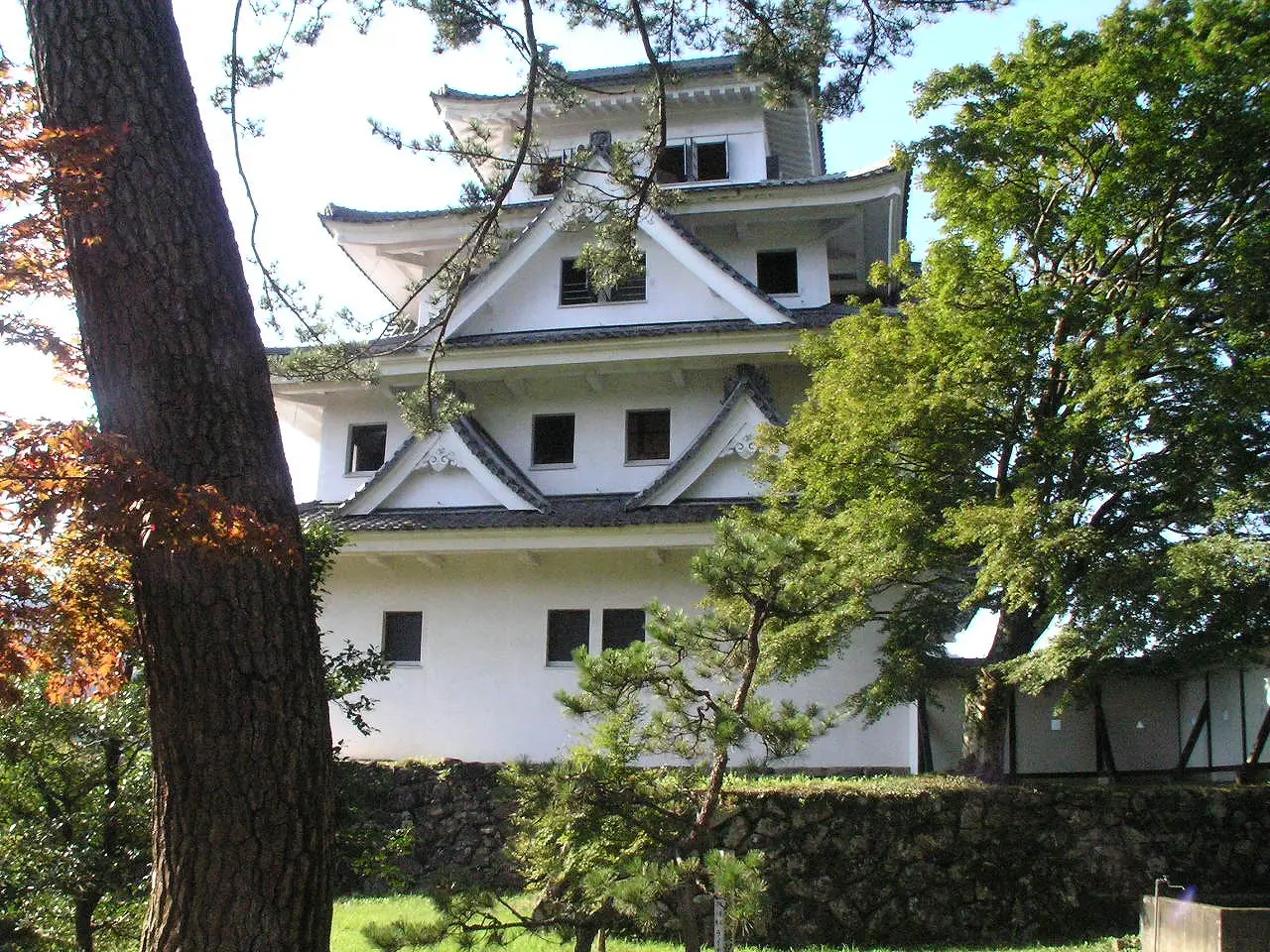
With temple gardens to rival Kyoto, UNESCO World Heritage preserved streets, and a white castle in the sky perched on a hillside overlooking an emerald valley, Gujo Hachiman is widely described as “Kyoto Without The Crowds.” It sits in Gifu Prefecture, tucked into a mountain valley where rivers meet and the air carries the sound of running water at all hours.
This rural town sits just under two hours from Nagoya and is dotted with small museums, galleries, four shrines, thirteen temples, and Zen gardens, all of which earn it its “Little Kyoto” nickname. A walk down the streets of this castle town reveals one of the best-preserved ancient places in Japan, left largely untouched by mass tourism.
The Water City: A Living Landscape Unlike Anything Else in Japan

Gujo Hachiman is known above all as a town of water. The clear waters of the Yoshida River flow through the town, and the sound of flowing water echoes throughout. This is not merely an aesthetic quality. Water has shaped the town’s culture, architecture, and daily rhythms for centuries.
At various points, the clear water is diverted to flow through channels along the streets for daily use by inhabitants who follow strict rules to keep the waterways clear. It truly is a water city. The water of the small canals is so clean and fresh that koi fish live and swim freely within them, enormous specimens that visitors rarely see anywhere else in Japan.
Hachiman Castle and the Temples That Define the Skyline
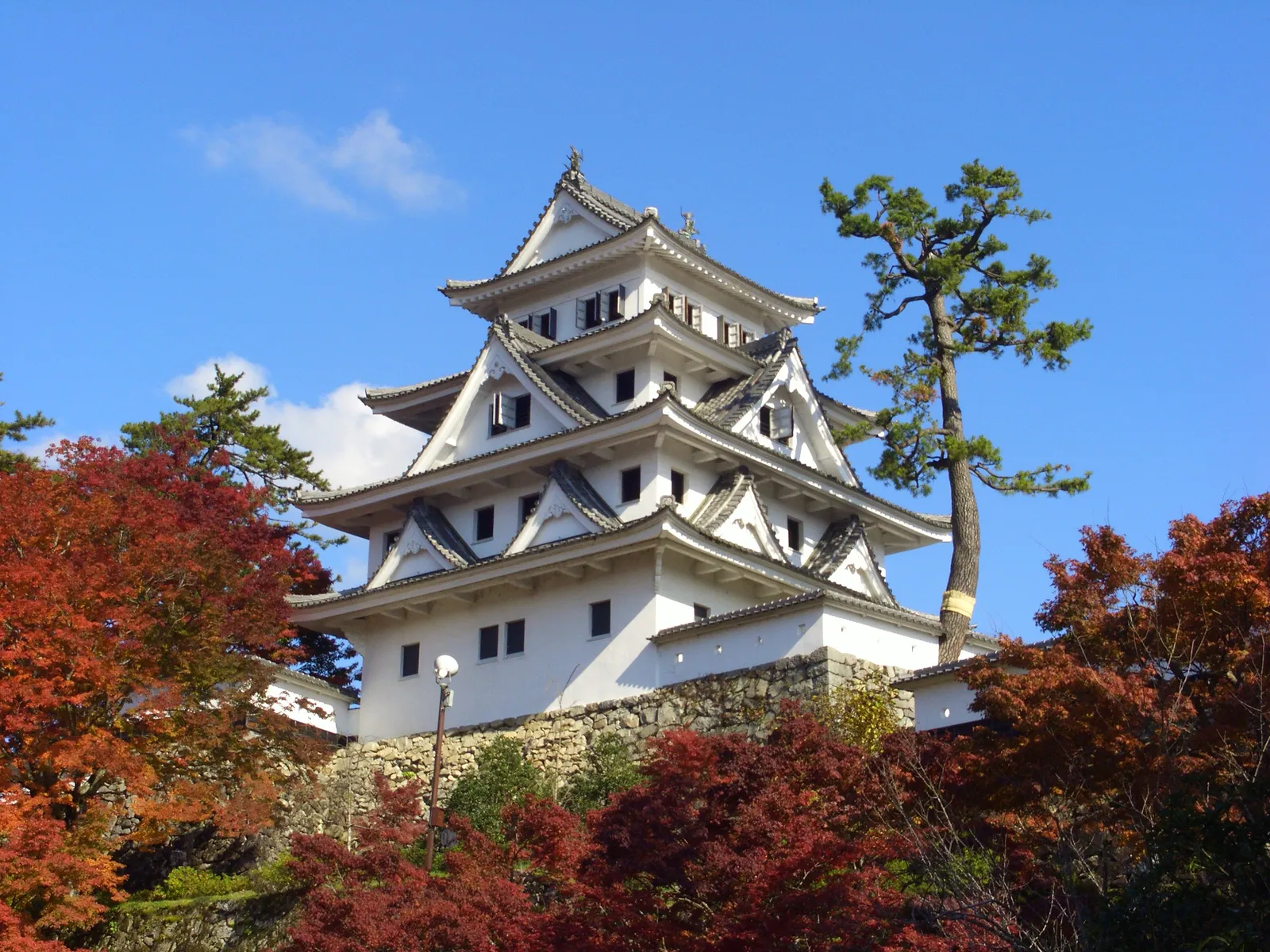
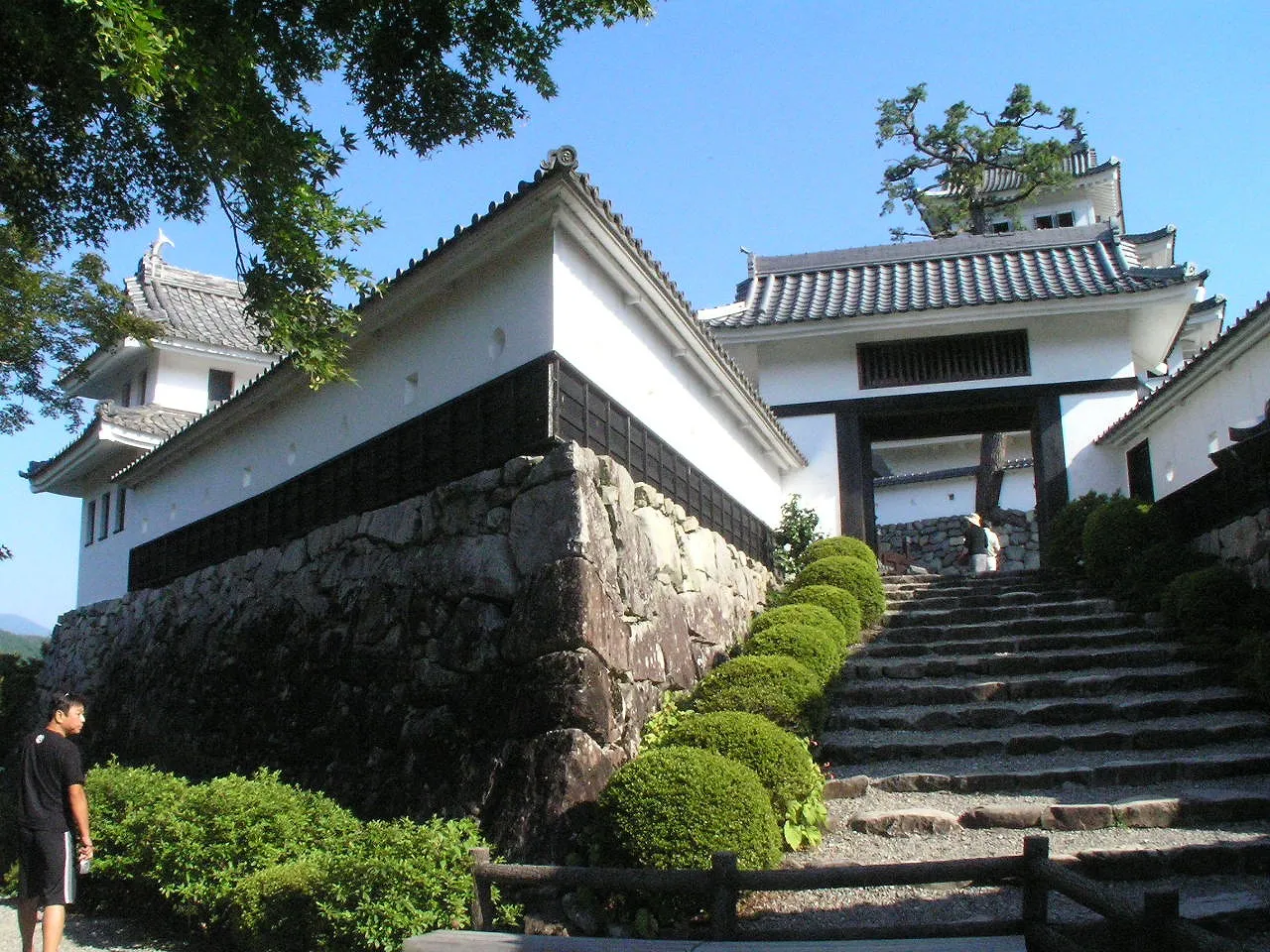
Hachiman Castle holds the distinction of being the oldest reconstructed wooden castle in Japan, making it a unique historical site. Ascending it rewards visitors with breathtaking panoramic views of the town below. It perches above the valley in a way that feels more storybook than real, especially when autumn maples surround its walls.
The castle and Jionzenji Temple are surrounded by maple trees, making autumn the finest season for viewing. The annual Maple Leaf Festival in November includes tea ceremonies and koto demonstrations in a colorful setting overlooking the town. Jionzenji Temple is particularly renowned for its exquisite Zen garden, designed as a strolling pond garden featuring a pond and a waterfall.
The Gujo Odori: A Festival That Predates Tourism
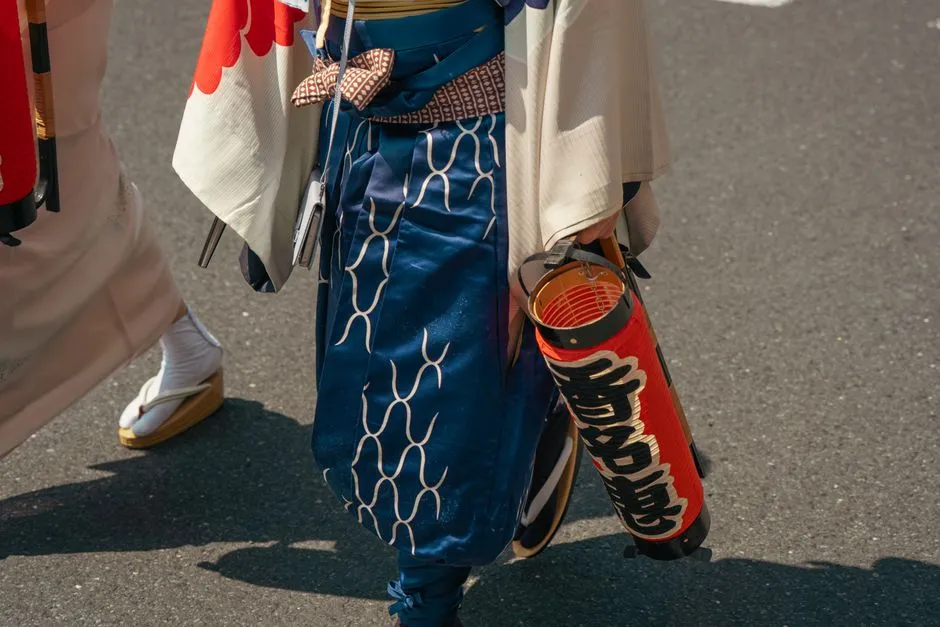
The Gujo Odori is a large summer dance festival held in Gujo Hachiman. It started over 400 years ago and continues for a period of 31 festival nights between July and September, with dances continuing all through the night during the four days of Obon in mid-August.
The festival has democratic roots: a new feudal lord once declared that every year all people, regardless of status or class, should dance together, something previously unheard of in feudal Japan. That spirit has never left. Visitors are welcomed into the circle, not kept at its edge.
Yamaguchi City: The Kyoto of the West
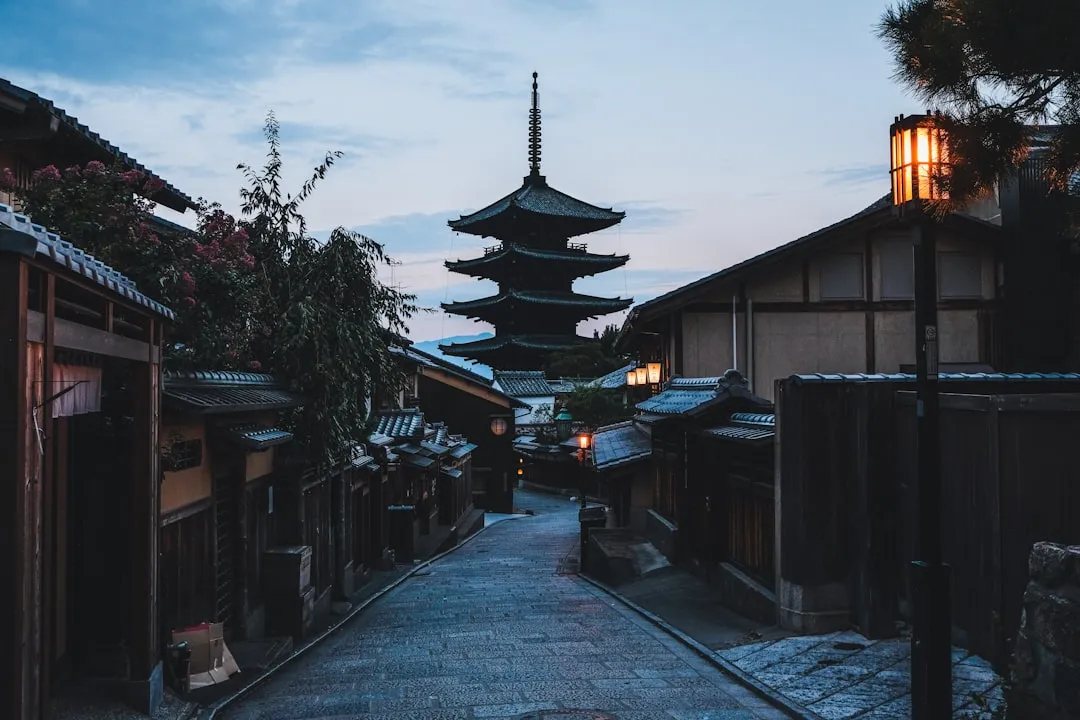
Yamaguchi City was founded in the 14th century by the Ouchi clan, who deeply admired Kyoto. It subsequently served as the artistic and spiritual center of the region for over 200 years, welcoming artists, scholars, and European missionaries. This tradition continues today in quiet alleys, shrines, and serene cafes.
In January 2024, the New York Times announced its “52 Places to Go in 2024,” and Yamaguchi City was the only place selected from Japan, introduced third on the list after Paris and the Path of Totality eclipse route in North America. For a compact regional city in western Japan, that is a striking recognition.
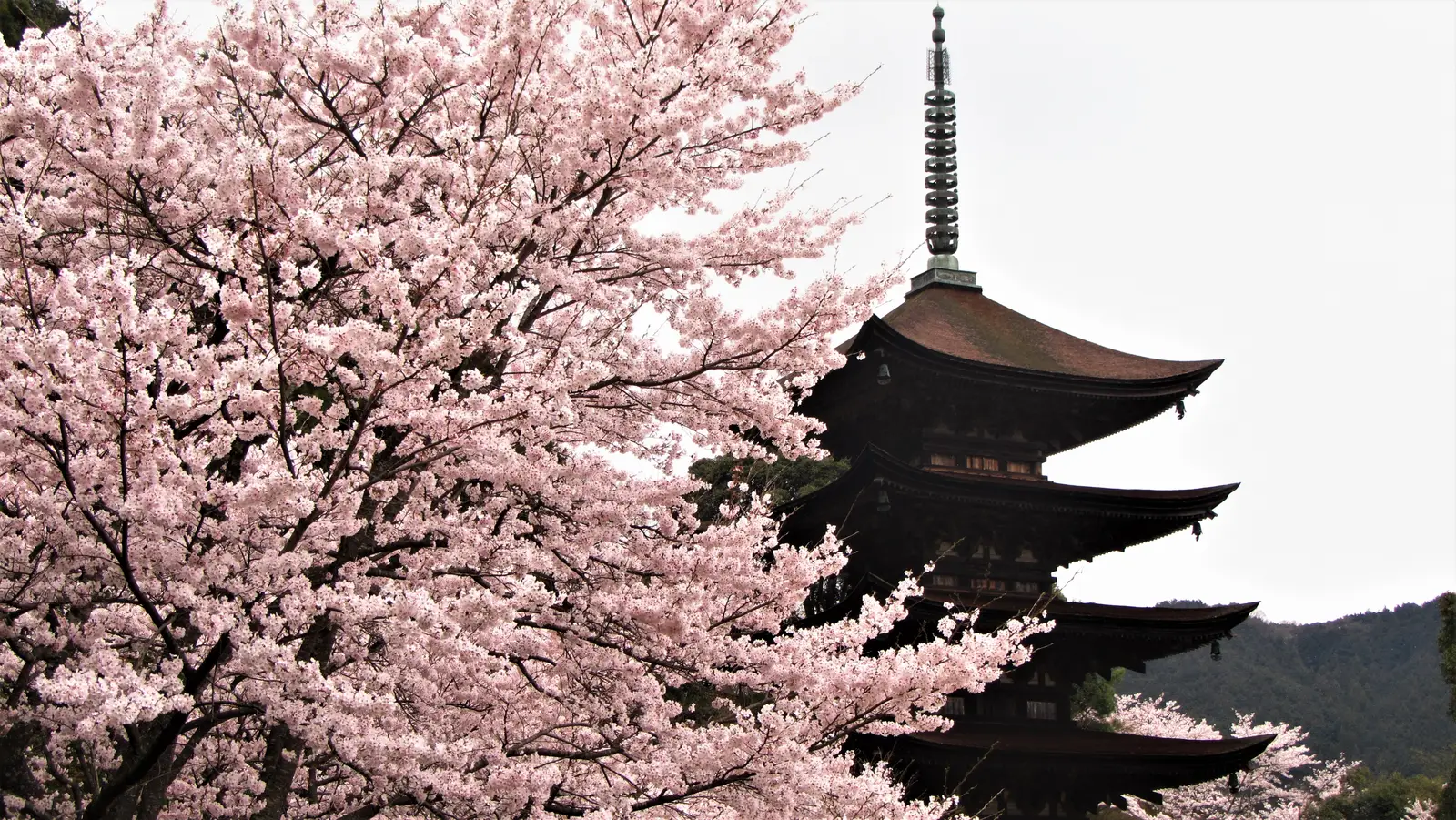
The area was once ruled by the powerful Ouchi clan during the Muromachi Period, and Yamaguchi today retains the traditional atmosphere of a city like Kyoto, with its collection of historic buildings, impeccable gardens, and the renowned Rurikoji Temple Five Story Pagoda, a national treasure.
Sesshu’s Garden and the Art of Standing Still
It is said that Ouchi Masahiro, the 29th lord of the Ouchi Clan, commissioned the renowned ink painter Sesshu to design Joei-ji Temple’s stunning garden. Surrounded by forests on three sides, the garden boasts a waterfall on the north side, a central pond, and strategically placed garden stones throughout. It has been officially designated as a National Historic Site and a Place of Scenic Beauty.
The Five-Storied Pagoda of Rurikoji Temple, a national treasure, is the tenth oldest of its kind in Japan and is counted among the three most famous pagodas in the country for its beauty. It is the kind of structure that earns silence from even the most restless visitors. Worth noting: as of 2024, the pagoda is undergoing major renovations through 2026, though unique experiences are available only during the renovation period itself.
Yuda Onsen and the Slower Pace of Arrival
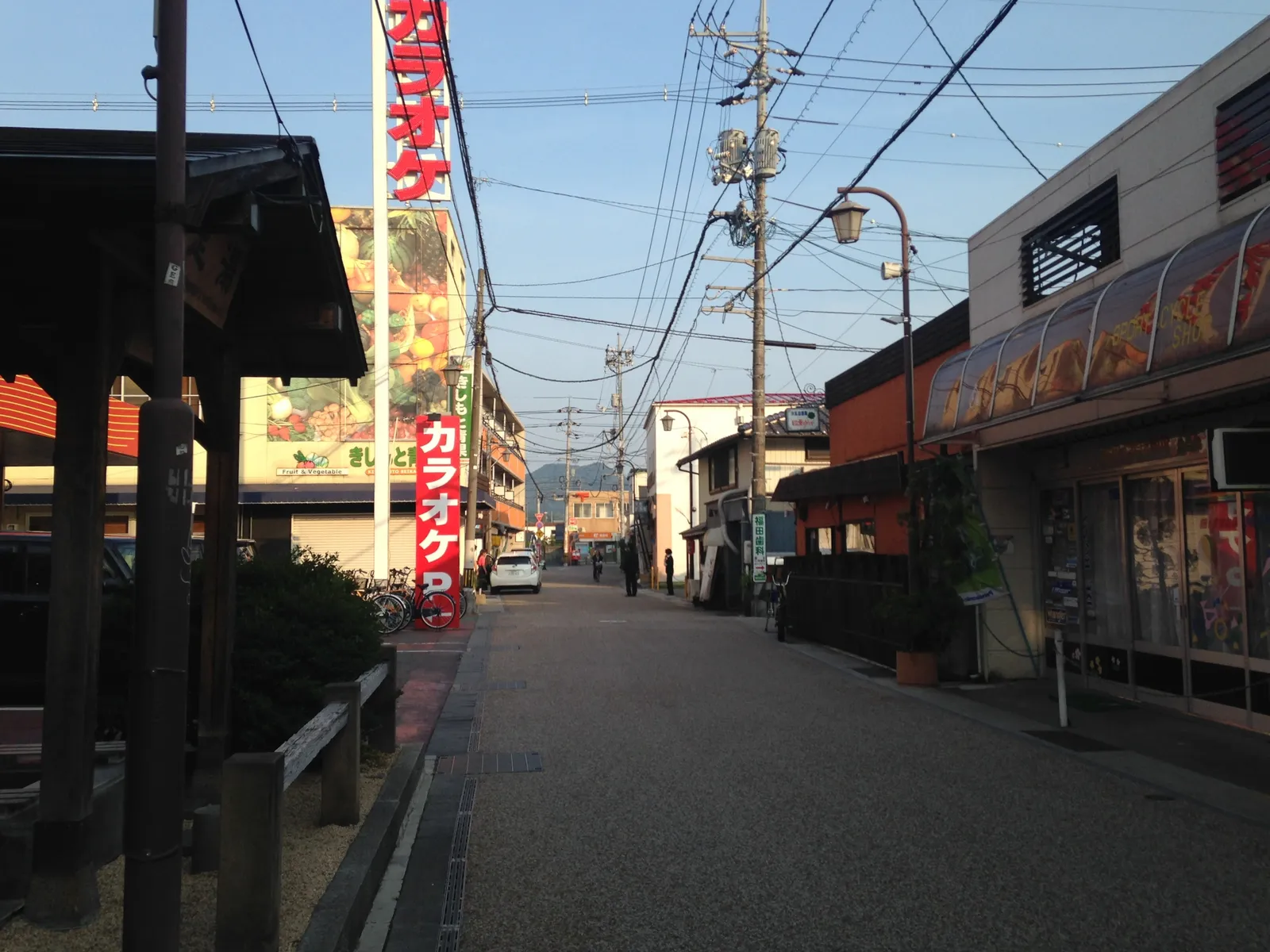
Yuda Onsen, located within Yamaguchi City, beckons travelers with its therapeutic waters and picturesque charm. It is a haven for relaxation, dotted with ryokans offering traditional accommodation and public baths. After a day of walking through garden paths and pagoda grounds, slipping into a hot spring bath here feels like a natural conclusion rather than a scheduled activity.
Yamaguchi can be easily accessed by bullet train on the Sanyo Shinkansen from Osaka and Fukuoka. It is close enough to the main travel corridor to be genuinely convenient, yet far enough removed from it to feel like a world apart. That is a rare balance.
The Nagara River Basin: A Destination Recognized for Sustainability
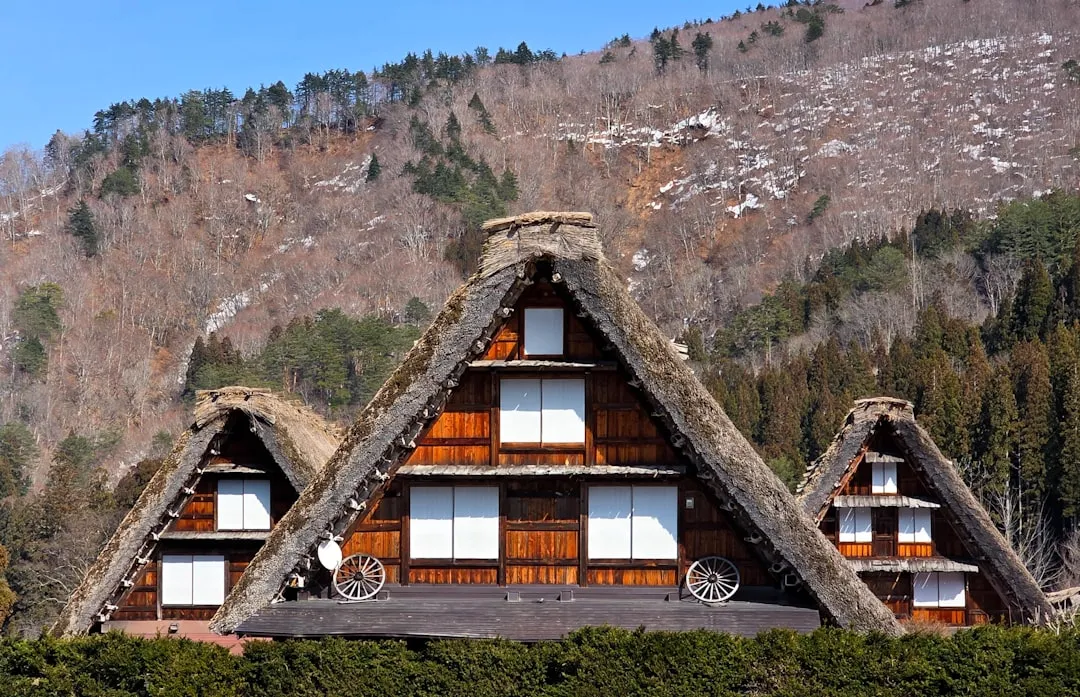
The Nagara River Basin, which includes Gujo Hachiman, has been selected by Green Destinations as one of the World’s Top 100 Destinations, recognizing the cultural and ecological richness of the area. The Gassho-style houses of nearby Shirakawa-go are a UNESCO World Heritage Site, while Mino Washi paper and the Takayama Festival are designated UNESCO Intangible Cultural Heritages.
Tourism spending in a rural area like this reaches communities with smaller tax bases and fewer economic alternatives, which means that a visit here carries a different weight than one to an already-saturated destination. The economic case for countryside travel and the cultural case are, for once, pointing in the same direction.
The Practical Case: Getting There and Getting Around
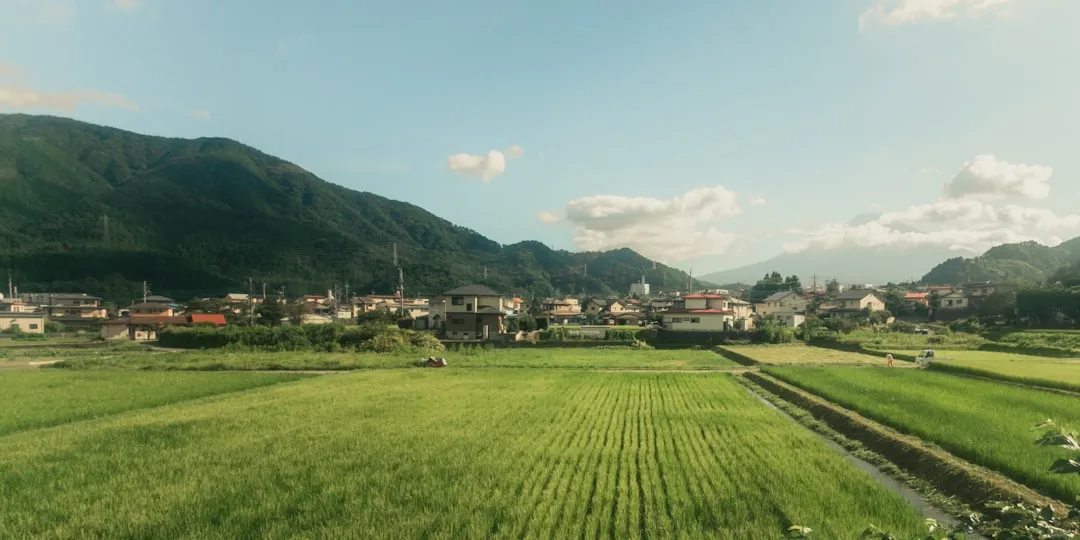
The Japan that exists an hour beyond the main bullet train routes is different in texture. The pace slows, English signage disappears, and accommodation becomes a farmhouse or a family-run ryokan rather than a business hotel. That might sound daunting, but it is rarely as difficult as it seems from the outside.
Japan’s rural infrastructure, even with limited English, is among the most navigable in the world. In Gujo Hachiman, the castle, temples, shrines, water attractions, workshops, and local restaurants are all within walking distance of each other, and all can be experienced comfortably within a single day. It works equally well as a day trip from Nagoya or as part of a longer regional journey.
A Quiet Japan That Still Exists
AI Disclaimer: This article was created with the assistance of AI tools and reviewed by a human editor.