
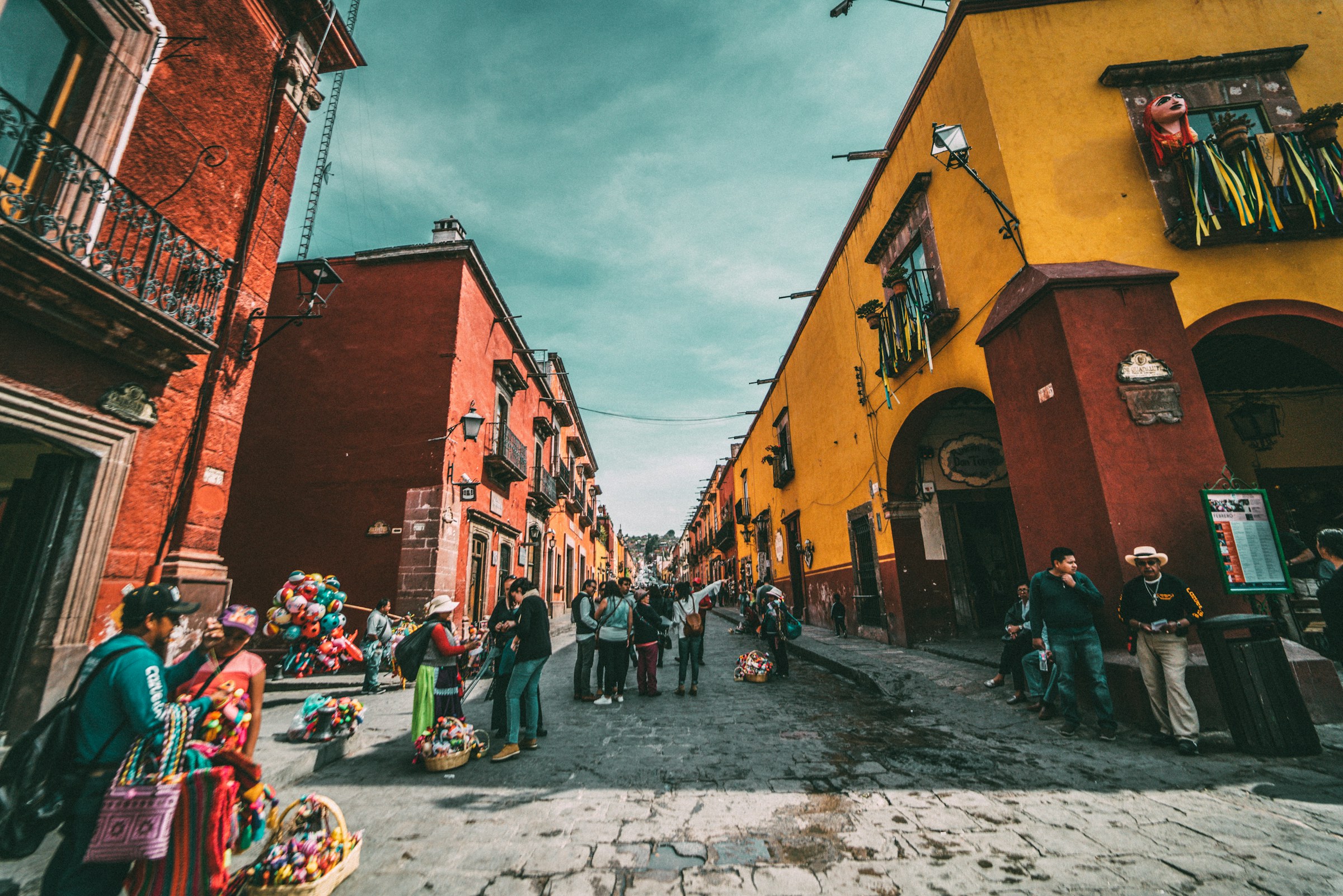
There’s a certain kind of town that doesn’t wait for you to walk into a museum. The art just finds you, pressed against a shop window, painted across a doorway, or hanging inside a hardware store that quietly decided to become something more. These places don’t announce themselves loudly. They simply exist, drenched in creative life, where commerce and culture have given up pretending to be separate things.
From the high desert of West Texas to the colonial streets of southern Mexico, a small handful of towns have built a way of life around visual art so thorough that even the most ordinary spaces become something worth stopping for. These seven towns prove that a gallery doesn’t need white walls and a velvet rope.
Marfa, Texas: Minimalism Meets the Desert

No town in the Big Bend region distinguishes itself quite like Marfa. With a population of just over 2,000, Marfa’s eclectic energy far outweighs its size. Walking its streets, you pass storefronts that blur genre completely – a shop might sell vintage clothing, a hand-painted ceramic, and a piece of sculpture all in the same room. Depending on which street corner you pause on, Marfa might appear as a highway gas stop, a weathered ranching town with unusually vibrant murals, or an uncanny movie set filled with ambiguous storefronts.
Since Marfa is an important destination for minimalist and modern art, you’ll find lots of art galleries dotting the town – visitors report seeing several during the first few minutes of walking around, especially along San Antonio Street and on the side streets. The New Star Grocery Art Museum is one of the quirkier spaces in town, holding a collection of pieces from local artists, including paintings and masks. Even a vending machine on the street reportedly dispenses original artwork. As you walk through town, you’ll encounter numerous galleries inviting you in to discover local, national, and international talent, with great depth in the type of exhibits you’ll see: textiles, paintings, photographs, performance pieces, mixed media, sound, and light.
Santa Fe, New Mexico: The UNESCO-Designated Art Capital
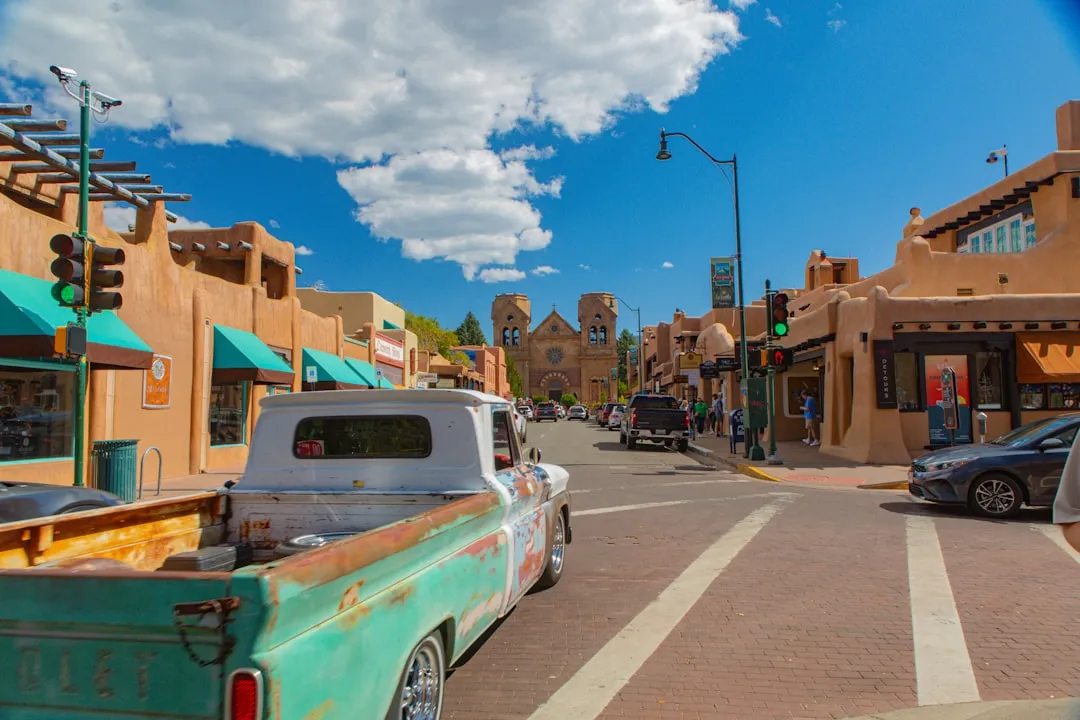
Santa Fe boasts over 200 art galleries and almost two dozen world-class museums. Recognizing its unique contributions to art and culture, UNESCO named it the first Creative City in the United States. That designation isn’t ceremonial. Canyon Road alone, a narrow historic street in the city’s east side, is lined with well over a hundred galleries, studios, and artisan shops within a single walkable stretch.
Santa Fe is a small city with around 90,000 people and one of the oldest cities in the United States, with a rich Indigenous, Spanish, and Mexican heritage. Throughout its history, this rugged high-desert city has inspired and attracted local and international artists to its old streets. From textiles and pottery to jewelry, Santa Fe shines as a shopping destination rife with artisan goods. The city’s galleries exist at every price point and sensibility – a place where a visitor on a modest budget can walk out with a piece of original art and feel completely at home doing so.
Provincetown, Massachusetts: America’s Oldest Art Colony
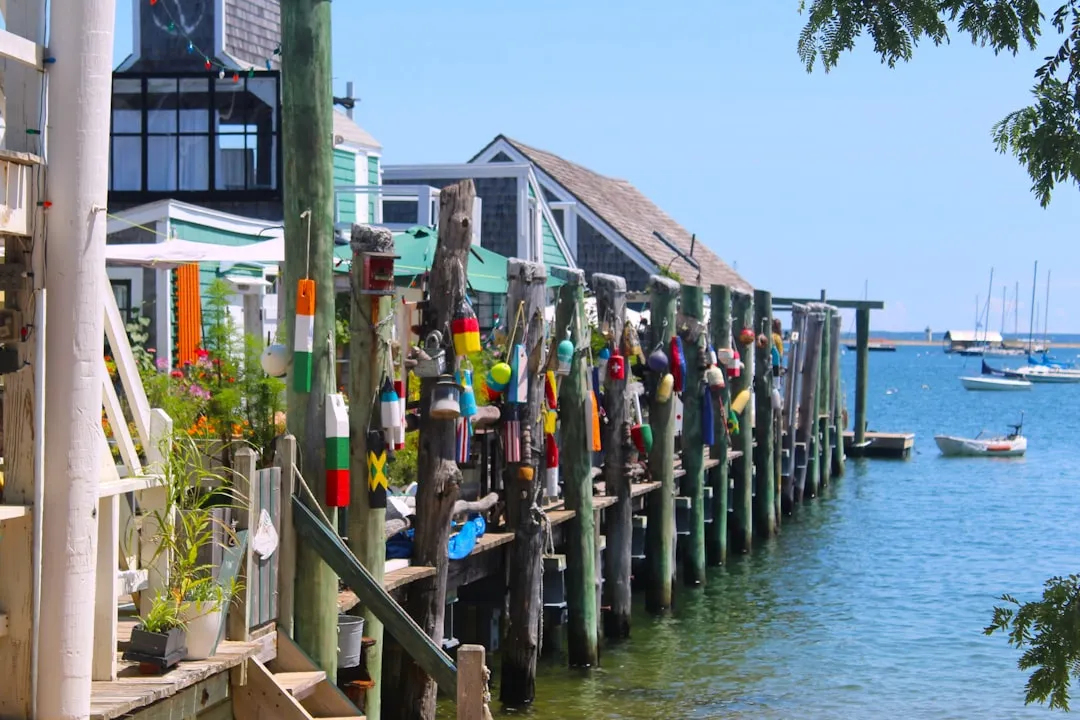
Provincetown boasts more than 45 galleries, a prominent regional art museum, and numerous other institutions offering artists a range of opportunities, from residencies to educational programs. Recognized as the oldest continuously operating art colony in the United States, Provincetown and its coastal surroundings have long inspired painters and continue to be a cherished destination for creatives to gather, exchange ideas, and appreciate the natural beauty of the Outer Cape.
Provincetown, Massachusetts, is among the best beach towns on Cape Cod in the summer, with a rich artistic heritage dating back to the early 20th century. Its Bohemian atmosphere and stunning natural beauty have attracted artists from around the world, making it a renowned art colony. You can stroll into artist studios on Commercial Street and surrounding galleries and meet the artists directly, with local artists offering a wide variety of artwork at different price points. Walking Commercial Street during peak season, the boundary between boutique and gallery effectively disappears – nearly every storefront has something original hanging on its walls.
Oaxaca City, Mexico: Where Every Doorway Opens onto Art
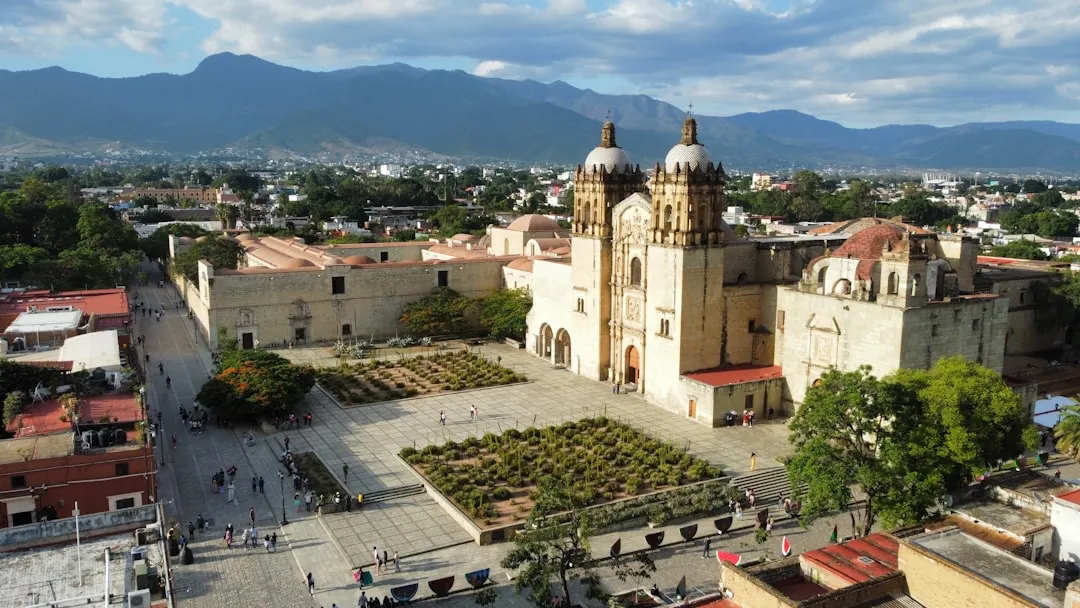
Oaxaca is considered the cultural heart of Mexico, a muse for creatives drawing artists from across the country and the world. The city’s historic center, a UNESCO World Heritage Site, is dense with galleries, artisan workshops, and market stalls where craft traditions spanning centuries sit comfortably alongside contemporary fine art. There is no awkward handoff between the two here.
Renowned artists such as Rufino Tamayo, Rodolfo Morales, and Francisco Toledo contributed to the growth of the art scene not only through their artistic work but through establishing multiple art institutes that house events, exhibitions, and workshops for emerging talents. The city is also widely recognized as a capital of printmaking in Mexico, with graphic art collectives operating out of modest storefronts that double as both studios and sales spaces. Visiting Oaxaca without walking into at least a dozen galleries by accident is genuinely difficult to manage.
Taos, New Mexico: Where the Light Changed Everything
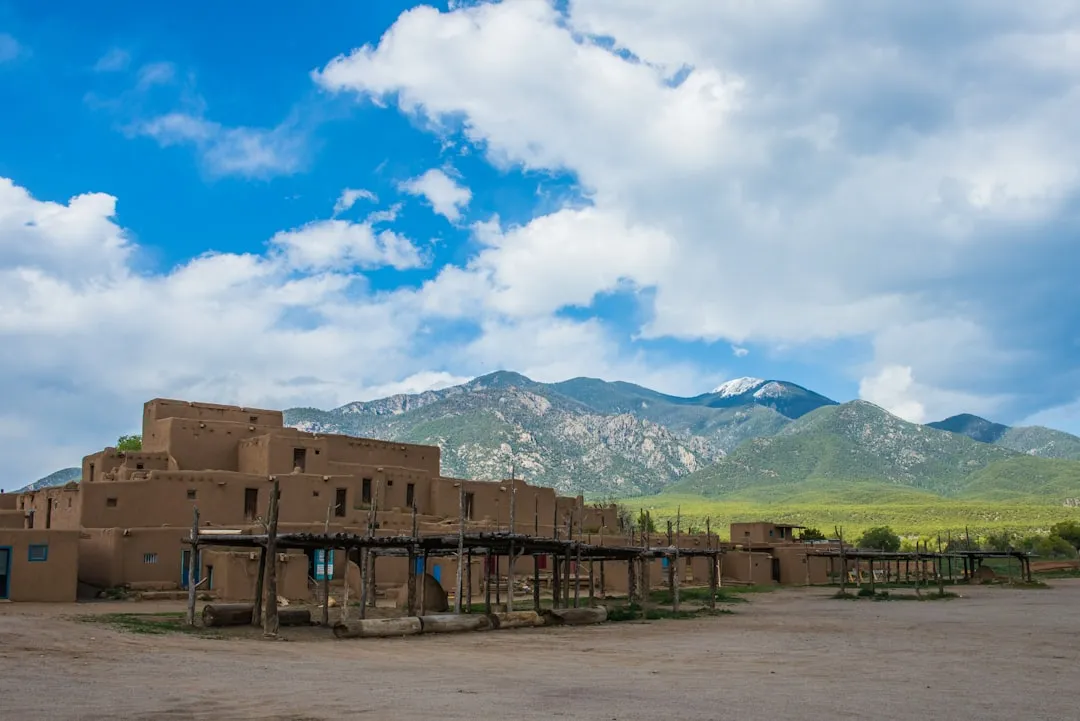
Taos has been pulling artists into its orbit since the late 1800s, when a group of painters arrived and decided they couldn’t leave. The quality of the light here, sharp and clear at over 6,900 feet of elevation, is the kind that makes painters obsessive about capturing it. Today the town’s historic Plaza area and surrounding Pueblo Road are lined with galleries, studios, and shops where original work is simply part of the retail landscape.
Taos Pueblo, the living Indigenous community that sits just north of town and holds UNESCO World Heritage status, lends the surrounding region an additional layer of artistic depth that is entirely its own. Local artisans sell pottery, jewelry, and weavings that carry centuries of cultural tradition, often directly from their own homes and studio doors. New Mexico’s creative triangle of Santa Fe, Taos, and Silver City has long been recognized as a significant cluster of artistic communities in the American Southwest.
Paducah, Kentucky: The Artist Relocation Experiment That Worked
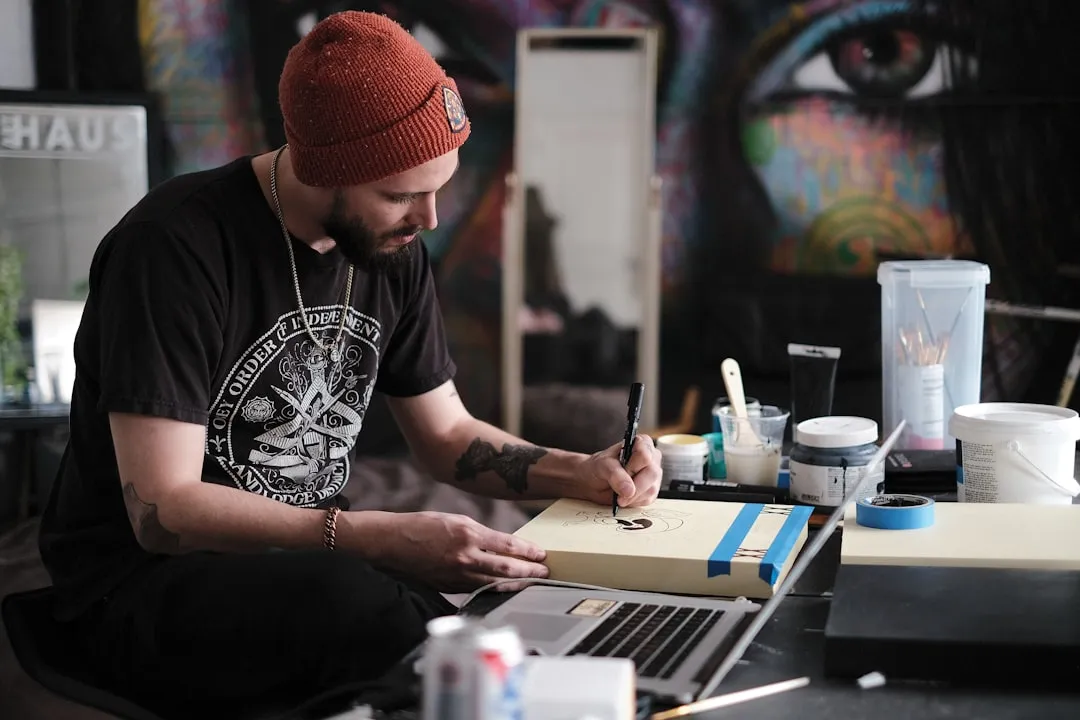
Paducah, Kentucky, has been actively promoting itself as an artists’ colony, even providing low-interest loans and housing rehabilitation assistance to artists who relocate there. That policy wasn’t a gimmick. It transformed a struggling downtown into something genuinely walkable and creative, with historic storefronts taken over by painters, printmakers, and ceramic artists who moved in and set up shop.
Downtown Paducah is the historic business district, where preserved 19th-century architecture meets a modern and creative vibe, with distinctive shops mixed among cultural attractions, restaurants, and nightlife. Recognized by USA Today among the 10 Best Small Towns for Shopping, Paducah’s retail scene is colored by one-of-a-kind shops and boutiques. The city’s Lower Town Arts District remains the most direct example of an artist relocation strategy that actually reshaped the physical identity of an entire neighborhood, one converted storefront at a time.
Sedona, Arizona: Red Rocks as a Living Canvas
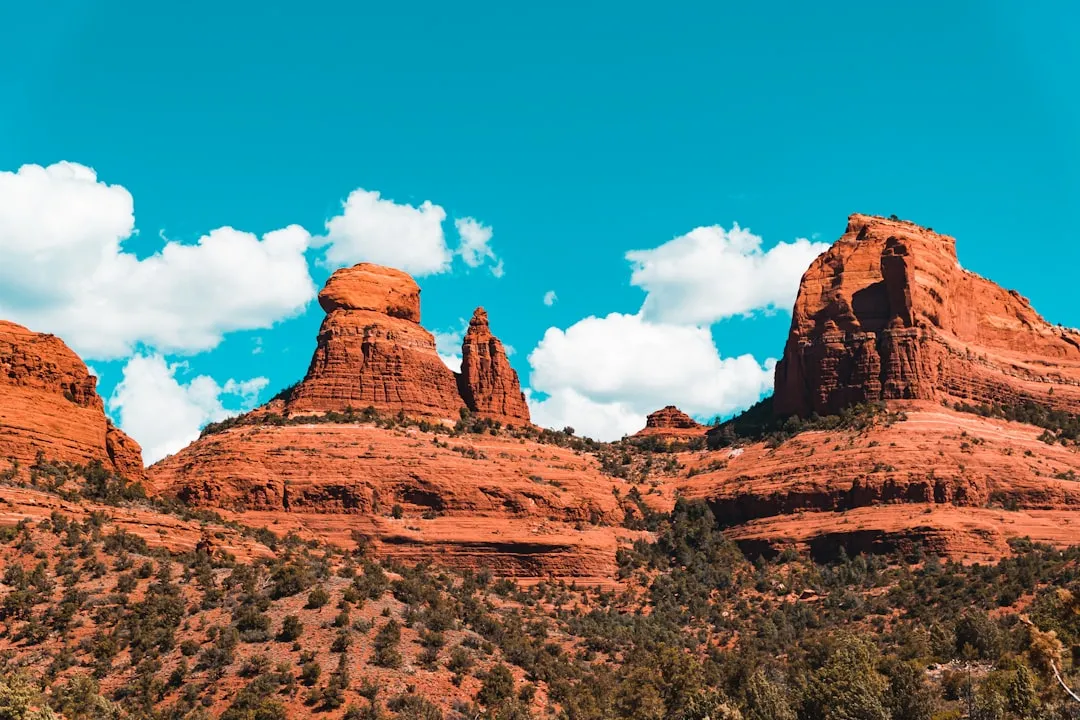
Sedona’s landscape does something to the human eye that is difficult to describe and apparently impossible to ignore. The red sandstone formations that ring the town cast colors across the sky at sunrise and sunset that have compelled artists of every discipline to settle here for decades. Galleries line Tlaquepaque Arts and Shopping Village and the Uptown corridor, where the line between boutique, craft shop, and proper gallery is treated as largely optional.
The town holds one of the densest concentrations of working galleries per capita in the American Southwest, and the storefronts along Highway 179 reflect that thoroughly. Jewelry made from local turquoise, paintings capturing the specific orange of Cathedral Rock at dusk, and hand-thrown ceramics all exist in the same commercial spaces, displayed with the same care you’d give a formal exhibition. Scottsdale and Sedona are both recognized among the standout art destinations in Arizona, though Sedona’s dramatic natural setting gives it a character that is distinctly its own.
New Hope, Pennsylvania: A River Town With Galleries in Its Bones
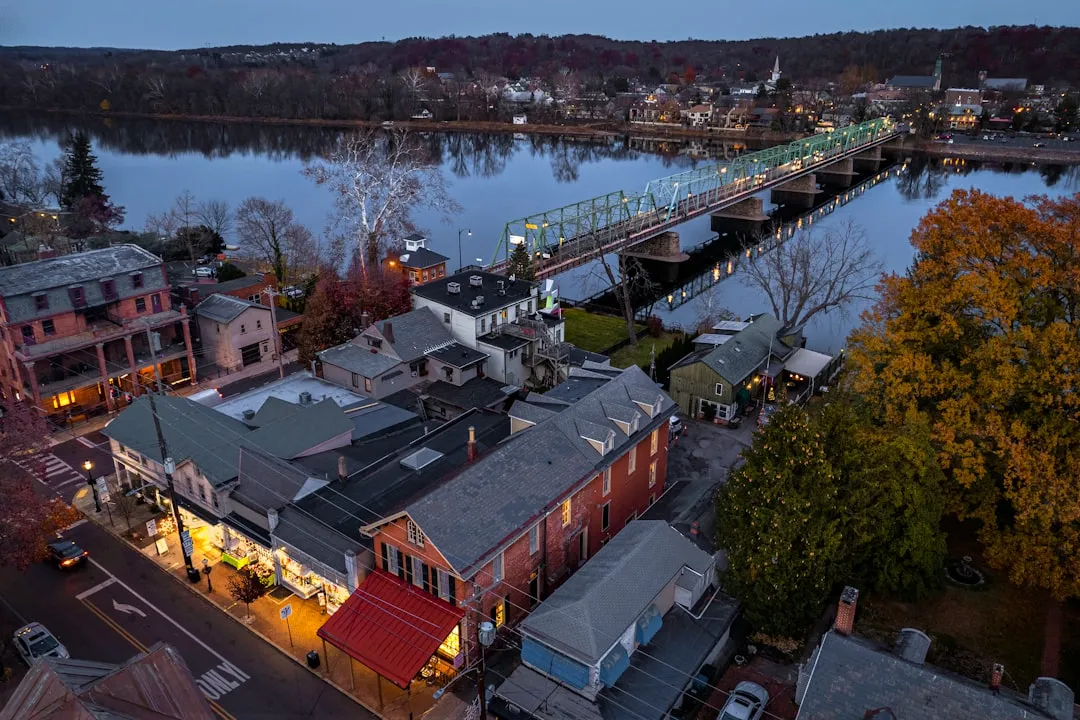
New Hope, Pennsylvania, is a historic town with a rich artistic heritage. Known for its vibrant Bucks County art scene, this charming and creative destination boasts lots of galleries, studios, and art museums. Situated along the Delaware River, the town has attracted creative residents since the Bucks County Impressionists made it their gathering point in the early twentieth century, and the tradition has never really left.
Walking Bridge Street or Main Street in New Hope, you move through a fairly seamless progression of antique shops, handcraft galleries, contemporary art spaces, and boutiques where the work displayed in the window is just as likely to be original art as a product for sale. The town’s small scale is part of what makes it work. There’s no area so large that art gets diluted – the creative density stays consistent from one block to the next.
What Makes a Town Feel Like a Gallery
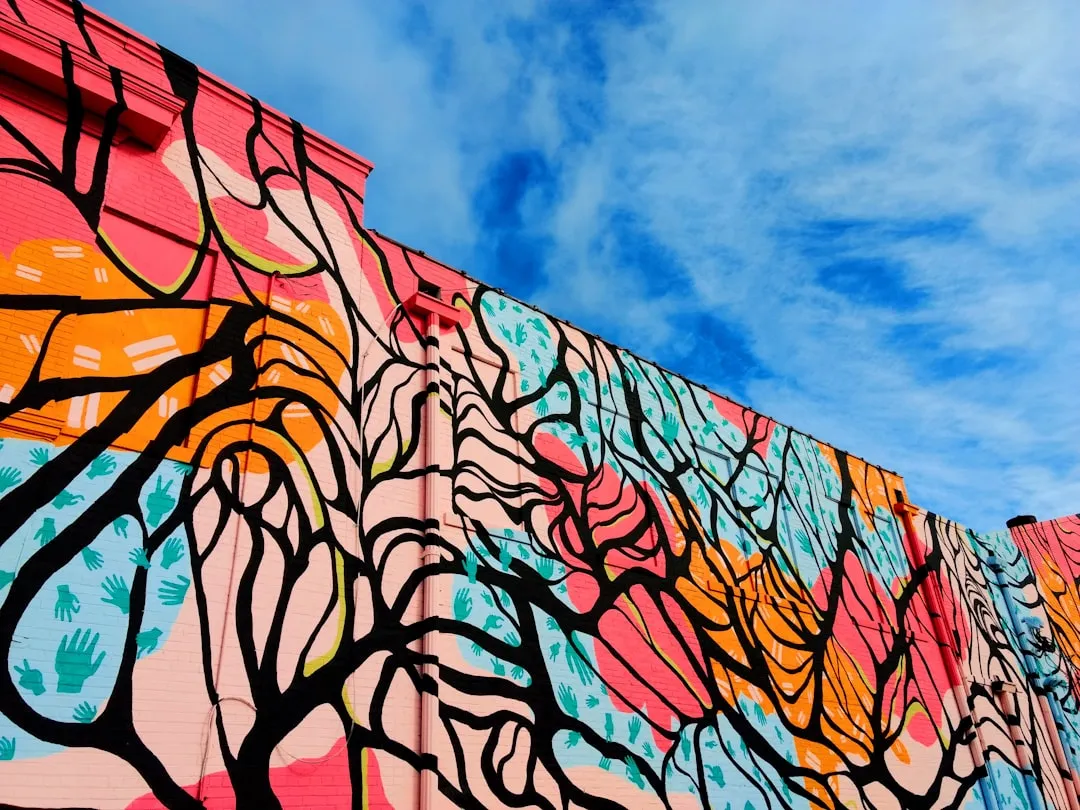
Public art is known to bring a sense of uniqueness to towns and cities, contributing to placemaking, and studies show that urban areas containing public art experience lower levels of crime such as vandalism. Art enhances the environment and heightens awareness of people’s surroundings. The towns on this list have understood that principle intuitively for generations, long before it became a policy talking point. They built their identities around the idea that creative expression belongs on the street, not just in dedicated institutions.
What the best art towns share isn’t a particular aesthetic or a price bracket. It’s the refusal to separate daily life from visual culture. When a coffee shop hangs original paintings and rotates them seasonally, when a bookshop dedicates its front window to a local sculptor, when even a grocery store becomes a venue for local artists, something shifts in how a place feels to walk through. Projects that utilize unused spaces or neglected storefronts as creative spaces create an art walk experience in the heart of a community – and the towns that have embraced this most fully tend to develop a warmth and character that is genuinely hard to replicate.
Planning a Visit with Intention
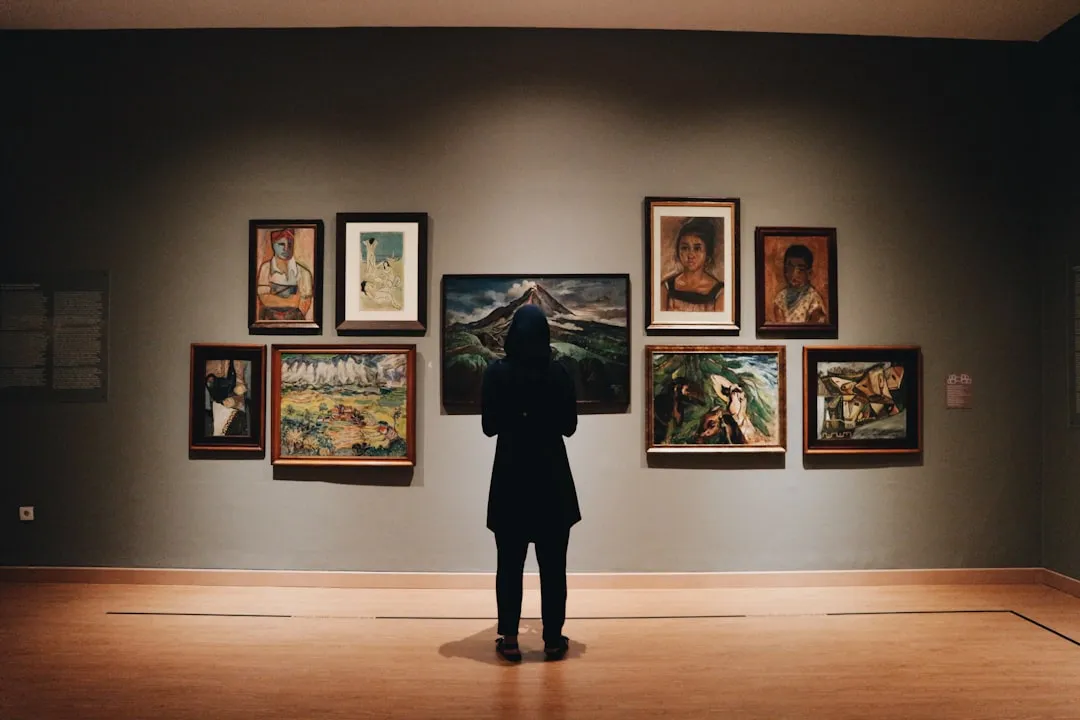
These towns reward slow travel more than most. A gallery district walked quickly becomes just another street. Walked slowly, with enough time to step inside and talk to the artist behind the counter, it becomes one of the more memorable afternoons a traveler can have. Most of the destinations on this list are small enough that the entire art scene is reachable on foot in a day or two, which makes them well-suited to the kind of unhurried, present visit that arts-focused travel tends to call for.
Responsible travel in art towns also means buying directly from local artists when possible, rather than reaching for mass-produced souvenirs. Every original piece sold in a storefront gallery sustains an artist’s practice and gives a community reason to keep its creative character intact. The transaction itself becomes part of the experience – a small act that keeps these towns living and working rather than becoming museum pieces of their former selves.
The Takeaway
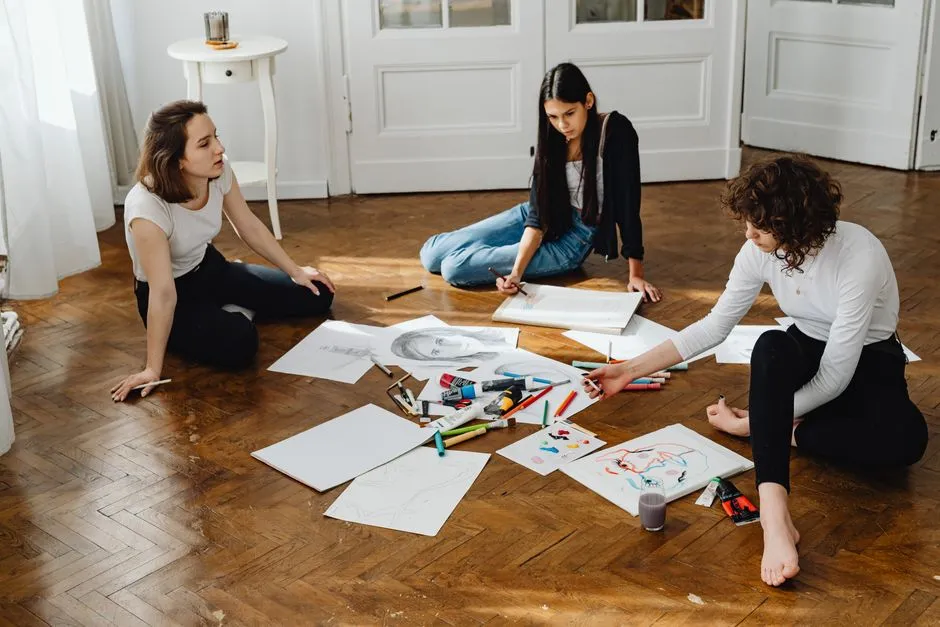
Art towns are not theme parks for culture. The best ones are working communities where creativity has simply become the dominant language of public life. The storefronts that double as galleries aren’t performing for tourists – they reflect a genuine local commitment to making art visible, accessible, and present in the most ordinary moments of a day.
That’s what makes them worth traveling to. Not the galleries themselves, impressive as they are, but the collective decision an entire town has made: that beauty and expression deserve a place in every corner of daily life. Some towns figure that out early, and the ones that do tend to hold onto it for a very long time.
AI Disclaimer: This article was created with the assistance of AI tools and reviewed by a human editor.