


Most people spend months daydreaming about a trip, scrolling through photos, debating destinations, and then booking something that feels undeniably, unmistakably right. That instinct is worth paying attention to. The vacation you’re drawn to isn’t random, and it’s not purely about budget or convenience.
Research consistently shows that travel preferences are closely tied to personality, values, and the way people relate to time itself. Your dream trip, whether it’s a silent monastery in the mountains, a packed itinerary through European capitals, or a hammock on a quiet Caribbean beach, says something real about how you want to live, not just how you want to escape.
The Slow Traveler: Depth Over Distance
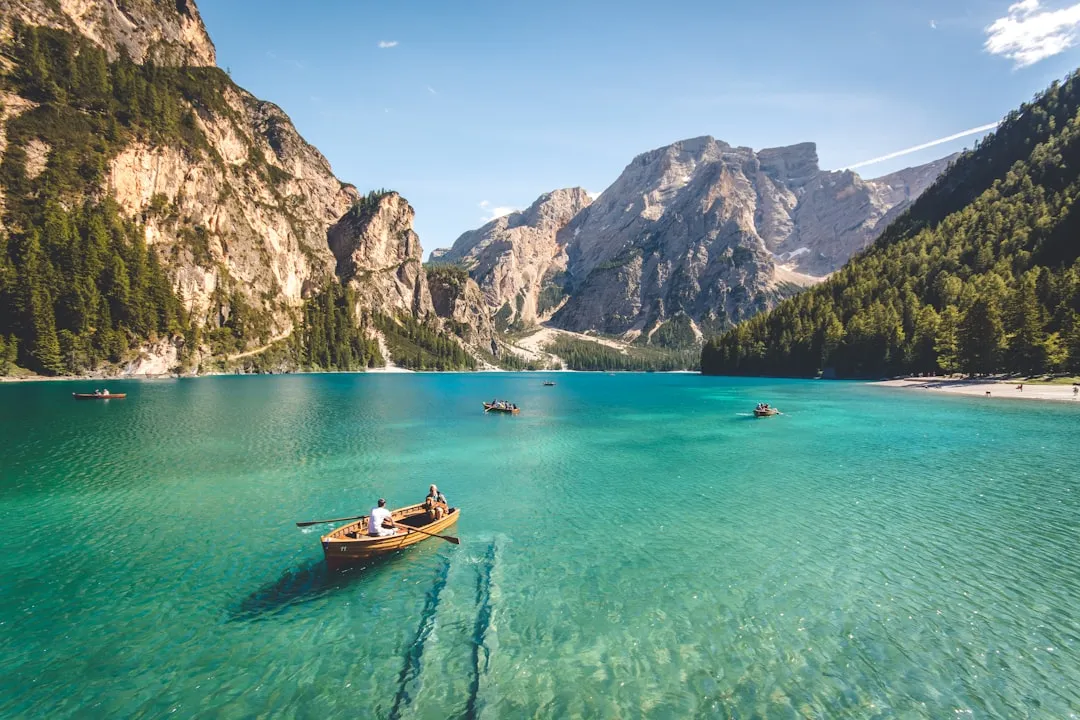
If you daydream about renting an apartment in one city for two weeks, shopping at the local market every morning, and learning the names of your neighbors, you’re drawn to what researchers and travel industry analysts now call “slow travel.” A survey of two thousand U.S. adults found that roughly six in ten travelers were planning their vacations in 2024 with the main intention of slowing down and switching off, giving rise to what the industry began calling the “slowcation” trend.
Slow travel is more about a mindset than a pace of movement, centering on exploring somewhere on a deeper level and making space, both mentally and physically, for things to happen spontaneously. People drawn to this style tend to resist the compressed, box-checking version of tourism. They want to know a place, not just visit it.
This preference often maps to someone who values intentionality in everyday life too. They tend to be deliberate about how they spend their hours at home, not necessarily slow-moving, but purposeful. The dream of the slow trip is really a dream of a slower, more grounded mode of being in the world.
The Adventure Seeker: Wired for Stimulation
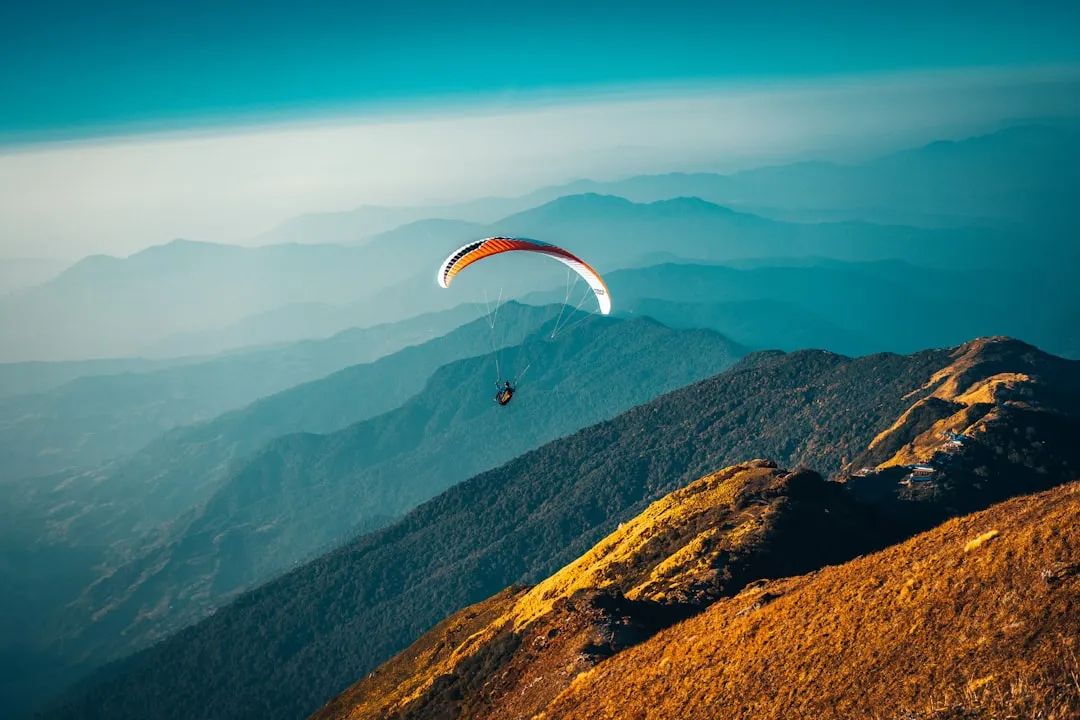
Some people look at a kayaking trip through remote fjords or a multi-day mountain trek and feel a pull that’s almost physical. Science has something to say about why. Research published in 2025 confirmed that extraversion and openness to experience are positively associated with adventure tourism participation, especially among individuals with high risk tolerance, while neuroticism negatively influences participation.
Adventure tourism has grown rapidly, attracting individuals with diverse personality profiles, and a 2025 study specifically investigated how the Big Five Personality Traits influence adventure tourism choices and how psychological risk preference moderates these relationships. In plain terms, your appetite for physical challenge on vacation likely mirrors your appetite for challenge in daily life.
If your ideal trip involves uncertainty, physical exertion, and moments where the outcome genuinely isn’t guaranteed, you probably function well under pressure at home too. You may find routine stifling, seek variety in your work, and pace yourself through high energy rather than conservation.
The Cultural Explorer: Always Chasing Meaning
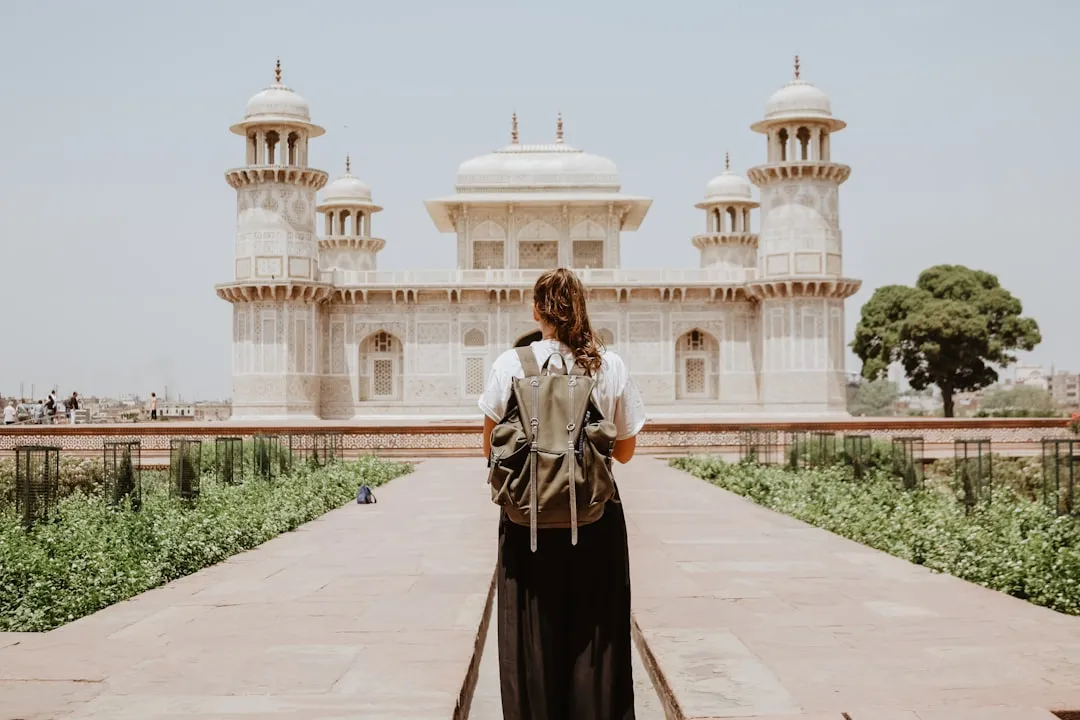
Research by Gretzel, Mitsche, Hwang, and Fesenmaier explored how travel personalities serve as shortcuts to understanding travel behavior, identifying a distinct type of traveler who gravitates toward cultural aspects such as shows, museums, festivals, theatre, fairs, and local culture, seeking out places of cultural interest during every trip.
These travelers want their time away to mean something. A trip that doesn’t involve some form of learning, whether through art, history, food, or local ritual, feels incomplete. With a growing focus on personal growth and meaningful experiences, travel is becoming more about self-discovery and deep connections for this kind of traveler.
Off the road, this personality tends to fill life with similar richness: classes, books, conversations that go somewhere, work that feels purposeful. The cultural explorer is less interested in maximizing the number of experiences and more interested in how deeply each one lands. They live at a pace that allows for reflection.
The Beach Vacationer: Craving Permission to Rest

Heading into 2026, researchers found that travelers are clearly craving experiences that help them unwind and reconnect, with beach getaways in particular continuing to offer that mix of ease and true escape. The beach, for many people, isn’t a destination so much as a psychological permission slip.
Studies have shown that personality traits may be related to the particular life situations and experiences people choose to get involved in, and tourism is no exception, with various studies finding clear associations between personality traits and tourism choices, preferences, and satisfaction. For the beach devotee, the draw is often tied to a daily life that doesn’t allow enough stillness.
Someone who dreams year-round of doing nothing more than watching waves is often carrying a significant cognitive or emotional load at home. The beach vacation reveals a deep need for recovery, not laziness, just an honest acknowledgment that rest is something they don’t get enough of by default.
The Road Tripper: Freedom as a Core Value
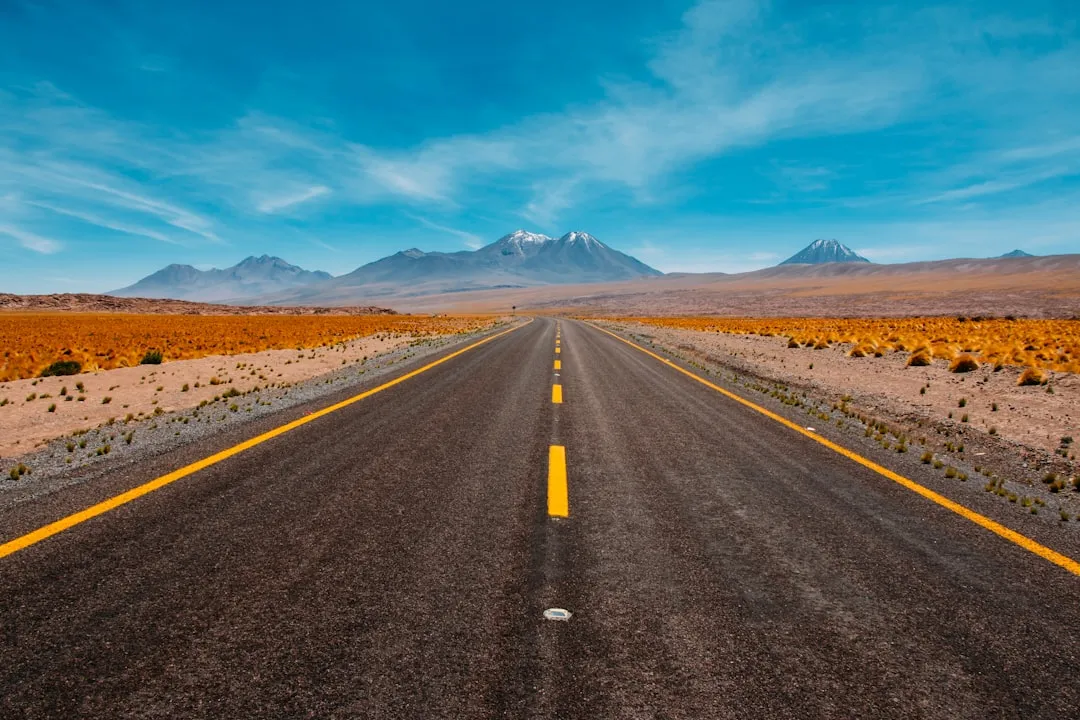
Road trips were the most popular form of travel in 2024, chosen by roughly two in five Americans, and they are set to remain among the hottest travel trends into 2025, with a third of travelers reporting plans to take one. The appeal of the open road runs deeper than nostalgia or budget.
Road trippers are typically drawn to autonomy. They want the option to stop when something catches their eye, stay longer than planned, or reroute entirely without consequence. That’s not disorganization; it’s a strong preference for self-directed movement. Survey data also shows that nearly twice as many respondents prefer to drive to vacation destinations than fly.
At home, this person often resists rigid schedules and thrives in environments that offer flexibility. They are often creative, deeply curious, and uncomfortable when life feels too nailed down. The road trip is their version of a life lived on their own terms.
The Wellness Retreater: Listening to the Body

Wellness tourism, where individuals seek optimal physical and mental well-being through travel, has gained prominence due to changing health attitudes and the growing integration of wellness into lifestyle choices. The person who books a yoga retreat, a silent meditation week, or a spa-focused escape is telling you something about what their body is asking for.
Silent travel in particular represents a growing demand for tranquil, wellness-oriented journeys, offering peace and mindfulness as a counterbalance to modern life’s chaos. Holistic wellness retreats and quiet destinations are in high demand due to their benefits for mental and physical health, including stress reduction, mindfulness, and enhanced creativity.
This traveler understands, perhaps better than most, that the pace of modern life has a physical cost. Their ideal vacation is built around slowing the nervous system down rather than stimulating it further. At home, they’re often working toward the same goal, building routines that prioritize sleep, movement, and genuine recovery.
The City Hopper: Energized by Density

Some people land in a new city and immediately feel more alive. The noise, the rhythm, the sheer density of options charges them up rather than draining them. Americans report prioritizing outdoor experiences, quality time with loved ones, and opportunities to try something new when they travel, with these preferences reflecting a desire for travel that feels meaningful, rejuvenating, and personally enriching. For city hoppers, the city itself is the enrichment.
These travelers tend to be highly extroverted, comfortable making decisions under pressure, and genuinely stimulated by unpredictability. A packed itinerary doesn’t exhaust them; it energizes them. Research does suggest that a busy vacation with lots of pre-planned activities has become less popular overall, which makes the committed city hopper increasingly a distinct personality type rather than just a default traveler.
At home, they tend to prefer urban environments, dense social lives, and careers that involve constant human contact. The city trip isn’t an escape from their life; it’s an amplified version of the life they’ve already chosen.
The Nature Pilgrim: Seeking Scale and Silence
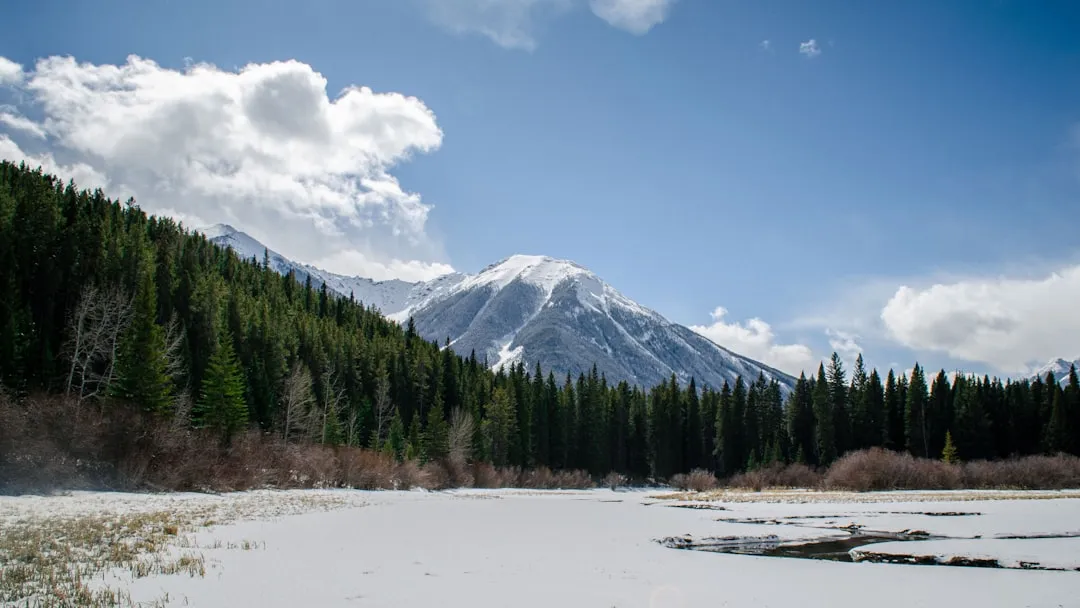
National parks, remote coastlines, old-growth forests, and high-altitude trails attract a traveler who needs to feel small in the best possible way. A 2024 interdisciplinary study published in the Journal of Travel Research proposed that positive travel experiences, particularly those involving movement, social connection, novelty, and restoration, may support physical and mental health, framing tourism as more than a break from routine, potentially a way to help the body maintain balance, resilience, and repair.
Nature immersion specifically has long been associated with reduced cortisol levels and restored attention, even if the mechanisms are still being studied. A growing body of evidence suggests that travel can improve mood, reduce stress, and increase feelings of well-being. For the nature pilgrim, being outside and physically present in a wild place is the fastest route to that state.
This traveler tends to live at a pace that values quiet, substance, and things that don’t require explanation. They’re often reflective, patient, and more interested in long-form experiences than quick rewards. Their ideal life probably includes regular time outdoors, not just on vacation.
The Repeat Visitor: Loyalty as a Life Philosophy
There’s a particular kind of traveler who returns to the same village in Tuscany every three years, or the same stretch of coast in Portugal, or the same mountain town in Japan, not because they lack imagination, but because depth matters more to them than novelty. Research confirms that self-reflection partially mediates the relationship between memorable tourism experiences and meaning in life, underscoring its role in transforming transient emotional responses into enduring psychological growth.
Research has shown that tourism experiences coupled with reflective activities can lead to profound psychological insights and an enhanced sense of life purpose, and that reflective practices following impactful experiences enable individuals to extract deeper values and align their experiences with long-term life goals. The repeat visitor is doing exactly this, returning to deepen something rather than simply add to a list.
Off the road, this person tends to invest heavily in long-term relationships, long-term projects, and long-term places. They’re not indecisive or unambitious. They’ve simply made peace with the idea that depth and loyalty yield more than perpetual novelty, and they’ve built a life around that conviction.
The Multi-Generational Traveler: Connection Over Everything

A majority of American travelers, roughly six in ten, plan to prioritize family vacations, and the theme of traveling across generations continues to carry strong appeal. The person who organizes a trip that spans grandparents and grandchildren, cousins and aunts, is revealing something essential about what they consider the point of a good life.
Research has found both between-individual and within-individual effects of vacation frequency on cognitive and affective well-being, with more frequent vacationers experiencing higher life satisfaction and lower negative affect. For multi-generational travelers, the mechanism is often relational rather than experiential. The trip is meaningful because of who is there, not where they went.
This person tends to build their daily life around the same principle. They schedule dinners, coordinate logistics, show up for the people they love, and measure a good week by the quality of human contact in it. Their pace of life is relational, calibrated to the rhythms of the people around them rather than personal ambition or solo discovery.
The Takeaway
Your dream vacation is a surprisingly honest mirror. It reflects not only what you need to recover from, but what you’re most alive doing, what kind of stimulation sustains you, and how much you value depth versus variety, structure versus freedom, solitude versus connection.
Travel in 2025 and beyond marks the beginning of a more thoughtful, intentional approach to exploring the world, with travelers no longer satisfied with traditional, one-size-fits-all experiences, instead seeking trips that align with their personal values, whether that’s sustainability, wellness, or cultural immersion. That shift is significant, because it means people are increasingly treating travel as a form of self-knowledge rather than simply entertainment.
The most revealing question might not be “Where do you want to go?” but rather, “What does that answer tell you about how you actually want to live?” If your dream trip and your daily life feel wildly mismatched, that gap might be worth sitting with for a while.
AI Disclaimer: This article was created with the assistance of AI tools and reviewed by a human editor.