


Most people driving down the Delmarva Peninsula in summer have one destination locked in their minds: Rehoboth Beach. It’s lively, it’s familiar, and it draws enormous crowds every July and August. But about ten miles up the coast, sitting quietly where the Delaware Bay meets the Atlantic Ocean, is a town that most of those drivers pass right by.
Quiet and dignified, charming and friendly, Lewes is perhaps the most beloved town in Delaware. It’s a perennial favorite for travelers who savor quiet strolls on boutique-filled streets or relaxing waterfront dining. If you’ve never heard of it, you’re not alone. That’s exactly what makes it worth knowing.
A Town Nearly 400 Years in the Making
The first European settlement in Delaware was established at the site of present-day Lewes in 1631. It was founded at the mouth of the Delaware Bay by Dutch colonists who wanted to start a whaling community, and it was named Zwaanendael. Few American beach towns carry that kind of historical weight.
The Dutch named their settlement Zwaanendael, meaning “Swan Valley” in historic Dutch. The colony itself was short-lived, but Lewes never lost its maritime soul. Though far removed from being a whaling town, Lewes is still in touch with its maritime roots and rich history, which are both integral parts of everyday life here.
Quaint downtown streets are favorites for history lovers and anyone who loves to meander. Architecture shows Dutch and British influences. Walking through the historic district feels genuinely layered, not staged for tourists.
Where the Bay Meets the Ocean

Located where the Delaware Bay and Atlantic Ocean meet, Lewes, Delaware, is a small town that offers gorgeous views of the coastline with a historic twist as the First Town in the First State. That geography is part of what gives it a different character from typical ocean-facing resort towns.
Lewes is ideally situated for visitors who love the water, because it’s located where the Delaware Bay meets the Atlantic Ocean at Cape Henlopen. Its location provides both bay and ocean beaches for swimming. Calmer bay waters are ideal for families and paddlers, while the Atlantic-facing beaches of Cape Henlopen offer a bit more surf.
Today, it is a picturesque beach town located just a two-and-a-half-hour drive from the nation’s capital, Washington, D.C. That proximity makes it genuinely accessible for a weekend escape without the need to fly anywhere.
Cape Henlopen State Park: The Natural Crown Jewel
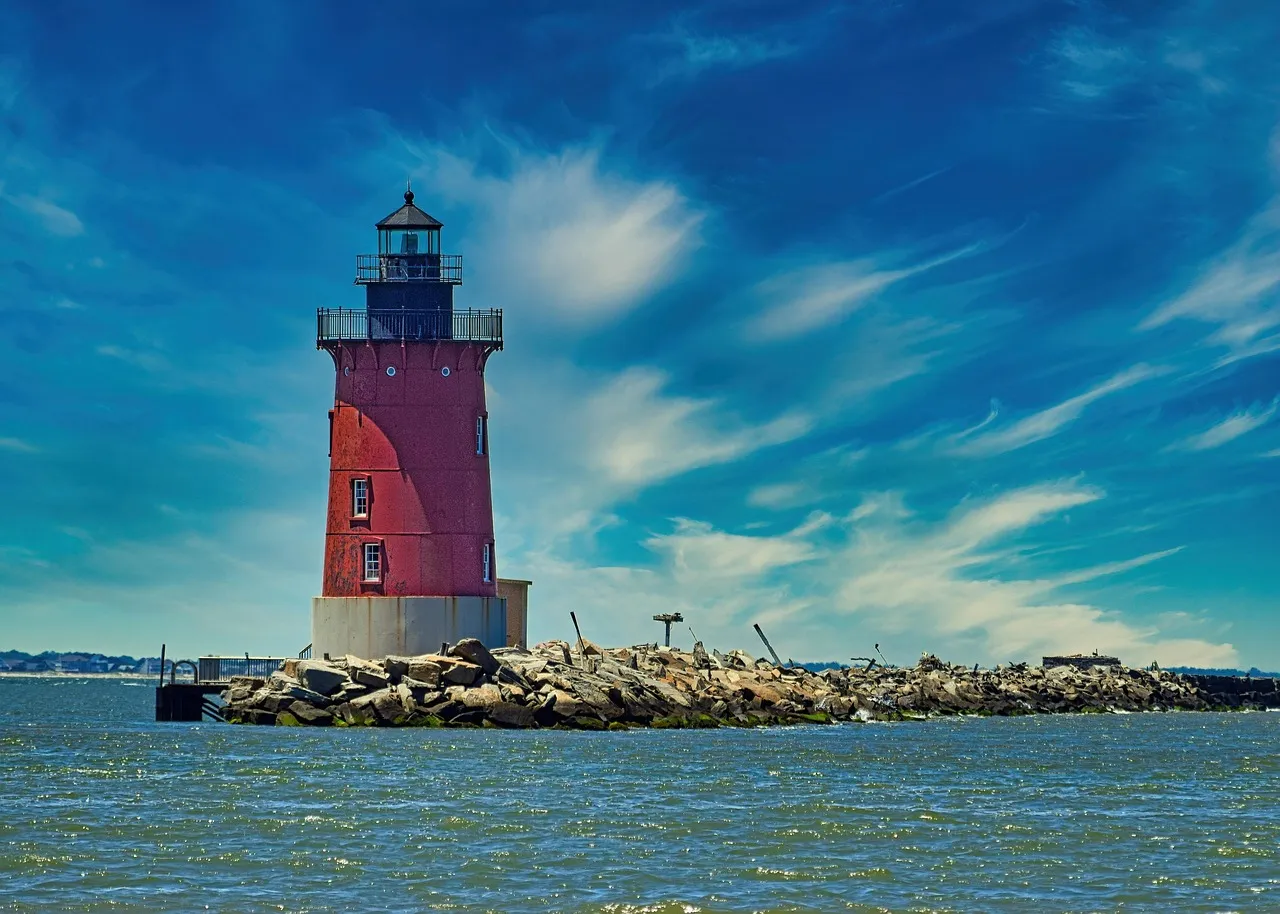
Cape Henlopen State Park is a 5,193-acre state park located at the southeastern tip of Delaware in Sussex County, near the town of Lewes, where the Delaware Bay meets the Atlantic Ocean. Established in 1964, it encompasses six miles of ocean coastline and four miles of bay shoreline, featuring pristine beaches, towering dunes up to 80 feet high, mature maritime forests, and expansive wetlands that support diverse wildlife.
You can swim or fish the pristine bay and ocean beaches, and hike or bike park trails with a variety of scenic views including the iconic WWII observation towers. The towers alone are a strange and compelling sight, rising from the dunes like forgotten sentinels.
Fenwick Island State Park and Gordon’s Pond, within Cape Henlopen, provide expansive shorelines that remain significantly less crowded than neighboring resort towns. For anyone who values open space on a summer beach, that distinction matters quite a lot.
Wildlife and Nature That Rewards Patience
Broadkill Beach is a bayside retreat along Delaware Bay, offering an escape for those looking to unwind in a peaceful setting. Located near the Prime Hook National Wildlife Refuge, it provides visitors with opportunities to connect with nature while enjoying a quiet, relaxing atmosphere.
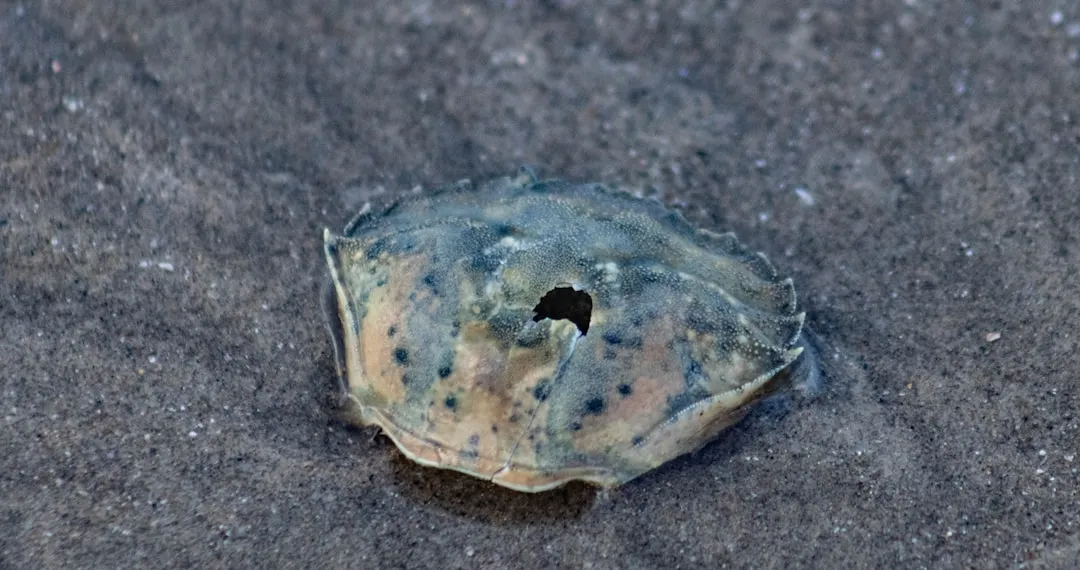
Slaughter Beach, a designated horseshoe crab sanctuary, offers a captivating experience for those passionate about wildlife and conservation. It provides visitors with an up-close look at one of nature’s most fascinating creatures, the ancient horseshoe crab. The beach comes alive in late spring and early summer during the horseshoe crab spawning season when these prehistoric animals gather in large numbers along the shore.
You might even spot the endangered Red Knot feeding on the crab eggs during peak spawning periods. It’s one of those rare wildlife spectacles that most coastal visitors never even know exists.
Paddling, Fishing, and Getting Out on the Water
You can rent a kayak to paddle the Lewes-Rehoboth Canal, the Great Marsh, or Delaware Bay, or join a dolphin-watching tour from the harbor to spot wildlife in the bay. The variety of water access here is genuinely impressive for a town its size.
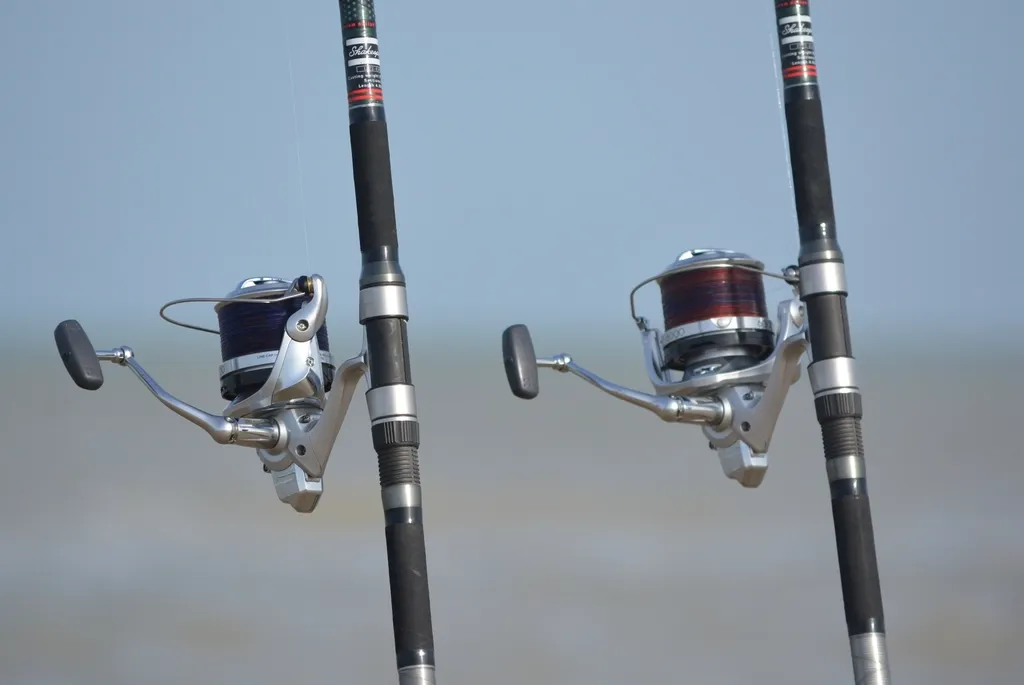
The Lewes-Rehoboth Canal, which winds past the commercial district, allows for easy access to either the bay or the ocean for anglers. Docking facilities for pleasure boats are conveniently located within walking distance of the nearby restaurants, shops, and lodging facilities. Commercial head boats, charter boats, and a boat launching ramp are also available.
You can also board the Cape May-Lewes Ferry for stunning views of the Delaware Bay and a glimpse into the past. The ferry crossing to Cape May, New Jersey remains one of the region’s most underrated travel experiences.
A Culinary Scene That Punches Above Its Weight

Lewes is a nearly 400-year-old spot with a historic downtown, great outdoor adventures, pretty beaches, and a buzzing food scene that has helped give this area its nickname: the Culinary Coast. That nickname isn’t marketing fluff. It reflects real depth in what’s available here.
Lewes, Delaware is a charming coastal town bursting with flavor and character. This lovely town boasts a vibrant food scene that caters to every palate, from upscale eateries to cozy cafes and seafood shacks. Locally sourced seafood is woven through much of the menu culture in town.
When visiting Lewes, you might think your dining options are limited to classic seafood shacks and predictable boardwalk fare. The reality is a culinary scene that defies expectations, from a historic tavern serving modern coastal cuisine to a hidden garden bistro with farm-to-table brilliance. The food scene here genuinely rewards exploration.
History Museums Worth More Than a Quick Glance
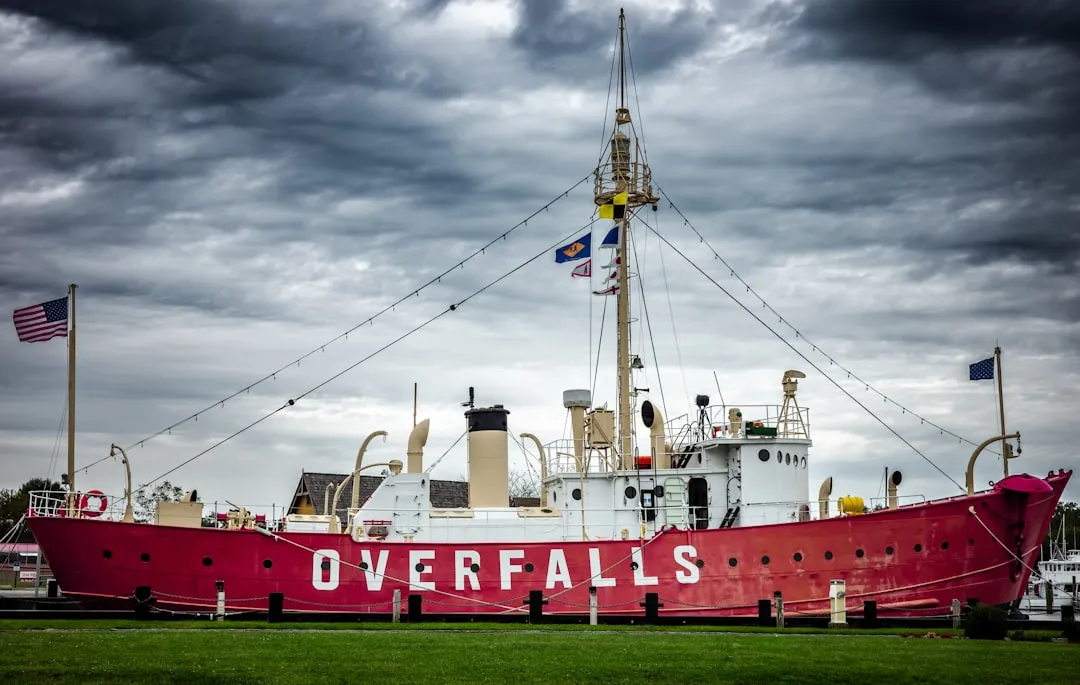
You can step back in time at the Zwaanendael Museum, where exhibits celebrate Lewes’s Dutch heritage, or visit the Lewes History Museum to explore the town’s role as Delaware’s first settlement. Both are compact enough to visit in a morning without feeling rushed.
From maritime history to military history, you can visit the Fort Miles WWII Museum in Cape Henlopen State Park to view exhibits on Delaware during the war years and the veterans who defended and patrolled America’s Atlantic coastline. Fort Miles is particularly worth the visit for the sheer scale of its preserved artillery and fortifications.
Lewes is a walking town. Within a half-square mile you will find the Historic district, museums, many inns, bed and breakfasts, fine restaurants, and a variety of fine shops. Almost everything of interest is genuinely walkable from the town center.
Lewes as Part of a Booming Delaware Tourism Picture
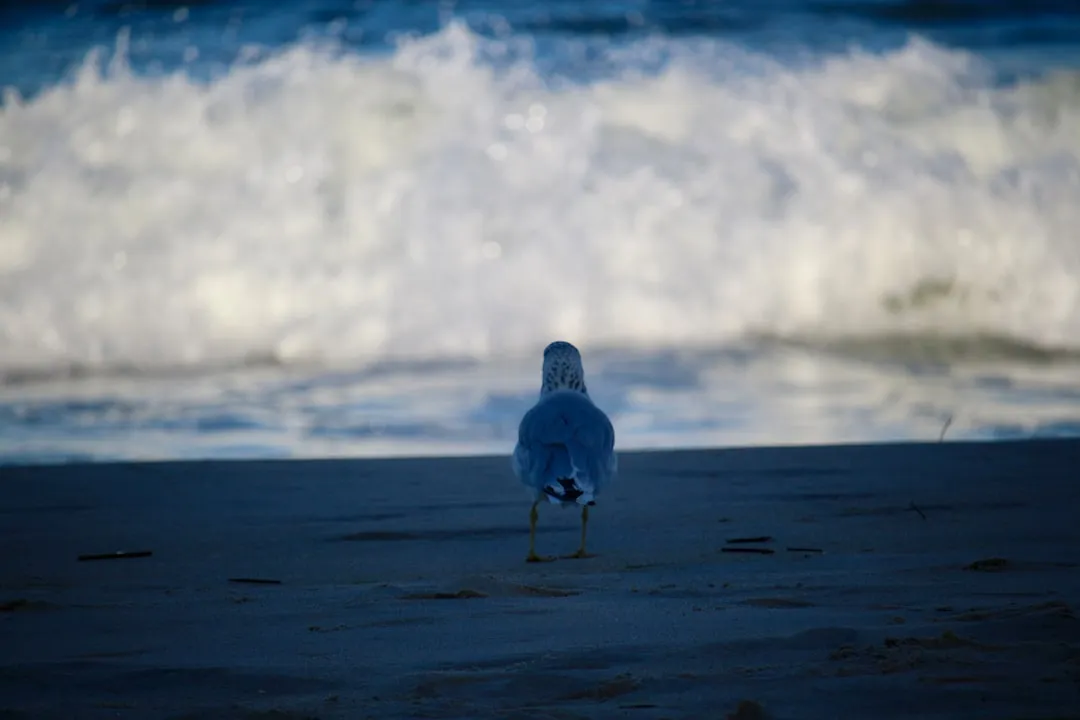
Delaware received 29.3 million visitors, including day, overnight, business, and leisure travelers, in 2023, marking a new state record. This is a 2.4% increase above 2022 visitation levels, according to reports from Rockport Analytics and Longwoods International.
Visitor spending in Delaware topped $7 billion in 2023, a 7% increase from 2022 numbers. The average amount spent per Delaware visitor was $238 in 2023. Most of that spending flows through the coastal zone, which makes supporting towns like Lewes a meaningful contribution to local communities.
Tourism contributed $4.7 billion to the state Gross Domestic Product in 2023, accounting for more than five percent of the state GDP. In addition, there was $724 million in tourism, state, and local tax revenue generated by the tourism industry. Choosing a quieter alternative to the main resort strip doesn’t mean missing out. It often means spending more meaningfully within a community that needs it.
When to Visit and What to Expect
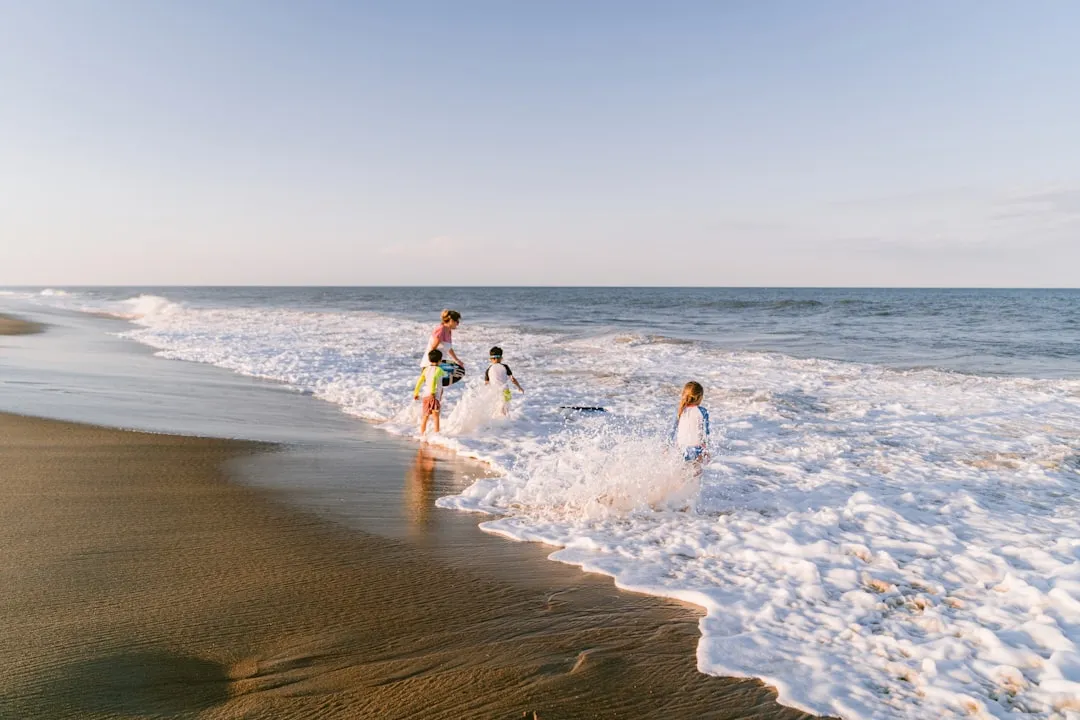
Early summer and early fall are prime times to visit. Mild weather, fewer beach tags, and seasonal wildlife activity, especially horseshoe crab spawning in May and June, make these quieter options shine. June and September tend to offer the most balanced combination of warmth and manageable visitor numbers.
As summer crowds flock to the action-packed shorelines of Dewey Beach and Rehoboth Beach, Fenwick Island and the Lewes area remain relatively quiet. Beautiful bayside houses, clean white sand beaches, and fun water activities make this a beloved Delaware vacation destination and a breath of fresh air for relaxation-seeking beachgoers.
State parks like Cape Henlopen and Fenwick Island remain protected, which means limited development and quieter environments. That protection isn’t incidental. It’s the reason these places have retained their character while so much of the surrounding coast has changed.
The Quiet Appeal That’s Hard to Manufacture

While Rehoboth and Bethany get the spotlight, Delaware’s lesser-known beaches offer a peaceful alternative for those seeking solitude and a slower pace. Lewes occupies a rare position: historically rich, naturally diverse, and genuinely calm without feeling remote or underdeveloped.
Lewes offers a serene vacation with charming streets, pristine beaches, and is a gateway to outdoor adventures. It doesn’t try to compete with the louder resort towns nearby, and that restraint is precisely the point.
The same thing that drew settlers to Lewes is what still draws tens of thousands of visitors each year to its sandy beaches and fish-filled waters. Nearly four centuries after those first Dutch ships arrived, the pull of this place remains genuinely difficult to explain until you’ve been there.
A Closing Thought on Traveling Differently
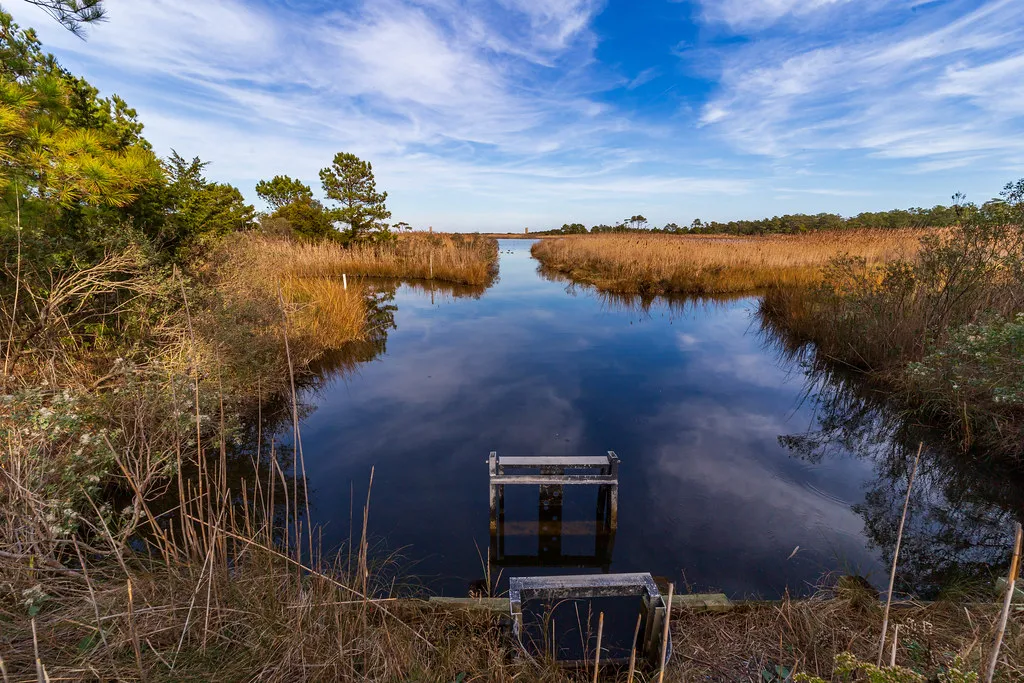
There’s something worth noticing about the places people overlook. Lewes has spent nearly four hundred years quietly existing alongside louder destinations, never needing to compete for attention. Its beaches are real, its history is deep, and its food scene has grown far beyond what anyone might expect of a small bay town.
The summer crowds will always go where summer crowds go. The question is whether you want to follow them, or whether you’d rather find a shaded table near the canal, a cold local drink, and the kind of unhurried afternoon that’s becoming harder to come by on the East Coast. Lewes has been here since 1631. It’ll be waiting.
AI Disclaimer: This article was created with the assistance of AI tools and reviewed by a human editor.