


There’s a particular kind of travel that isn’t about checking sights off a list. It’s slower. You wander into a shop with the vague intention of “just looking,” and two hours later you’re sitting on a worn wooden step between shelves, halfway through a paperback you’d never heard of. Bookstore towns make this happen deliberately. They’re built for it.
Bookstore and library tourism has become one of the most talked-about travel trends in recent years, and it’s easy to see why. These places offer something genuinely rare: the feeling of a whole town organized around the quiet pleasure of reading. Seven of them deserve a proper afternoon, or honestly, much longer.
1. Hay-on-Wye, Wales: Where It All Began
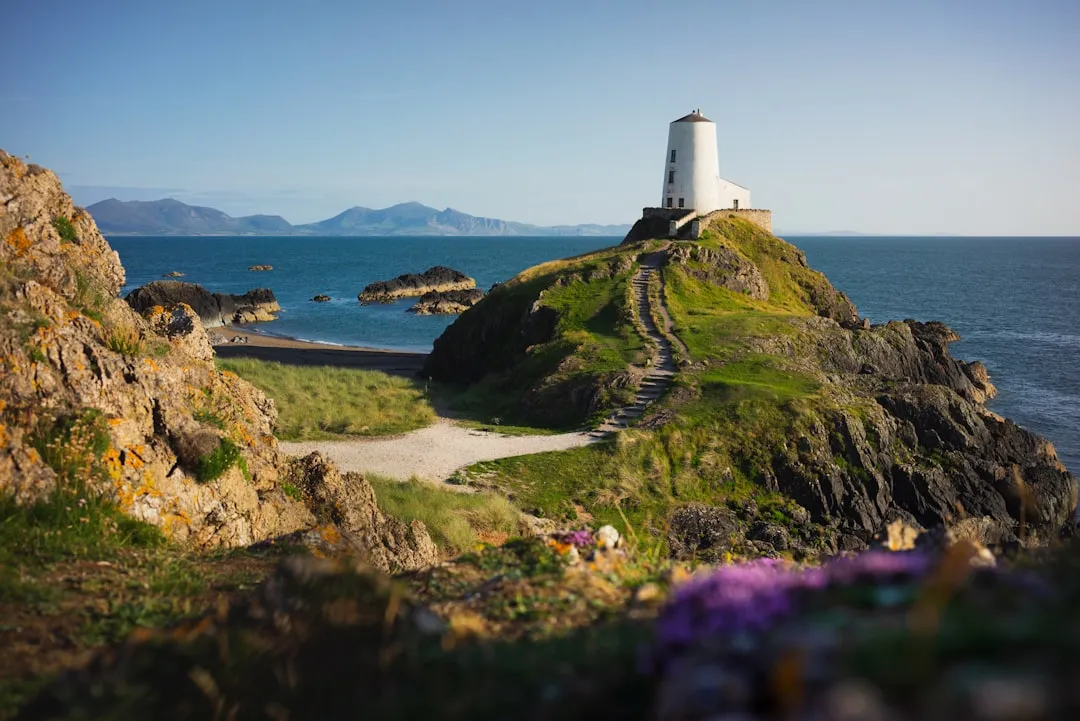
Nestled deep within the Wye Valley, Hay-on-Wye has achieved worldwide acclaim as the heart of literary culture and is known as the world’s first book town. It rose to prominence as a literary and cultural landmark in the 1960s and 70s, largely thanks to the eccentric efforts of Richard Booth, the self-proclaimed King of Hay, who opened the first secondhand bookshop here in 1962.
The book town boasts a total of 26 bookstores for its population of 2,000 people, which works out to roughly one bookstore per 77 people. The town also hosts an “honesty bookshop,” where you make your selection against a backdrop of some old ruins and leave your money in a box.
The Hay Festival of literature and arts launched in 1988 and has since risen to greater heights of prestige each year. It is now the foremost literary event in the UK, tempting in 250,000 book-loving visitors each year. Few towns this small carry this much literary weight.
2. Wigtown, Scotland: Quiet, Committed, Completely Charming
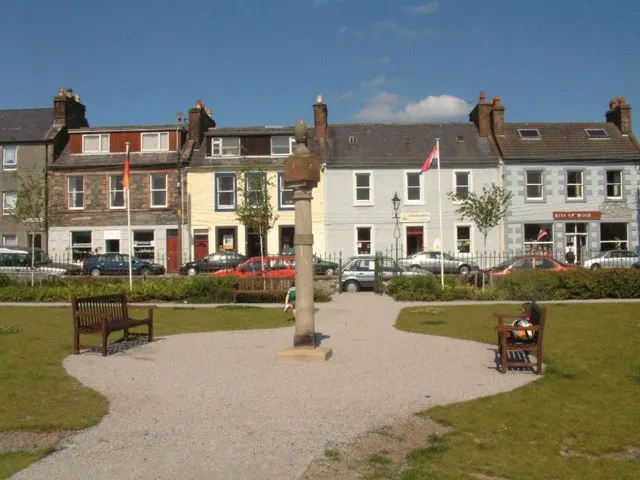
A small market town with less than 1,000 residents, Scotland’s dedicated National Book Town is located along the coast of southwest Scotland in Dumfries and Galloway. Wigtown is Scotland’s National Book Town, where books outnumber people 250 to 1.
Home to 17 bookshops and book-related businesses, including Scotland’s largest secondhand bookshop, Wigtown hosts the world’s only bookshop Airbnb and the annual Wigtown Book Festival. That bookshop Airbnb alone is the kind of detail that makes a reservation feel compulsory.
The former county town of Wigtownshire had been at its lowest ebb, with many empty and run-down properties, and the almost derelict County Buildings on the town square were threatened with demolition. Wigtown then had one of the highest levels of unemployment in Scotland, but the town boasted a beautiful setting and a rich history. In 1998, the new Scottish Parliament acknowledged Wigtown as Scotland’s National Book Town, and in the same year the first book festival took place. The transformation is a genuine success story.
3. Redu, Belgium: Bookshops in Barns and Village Houses
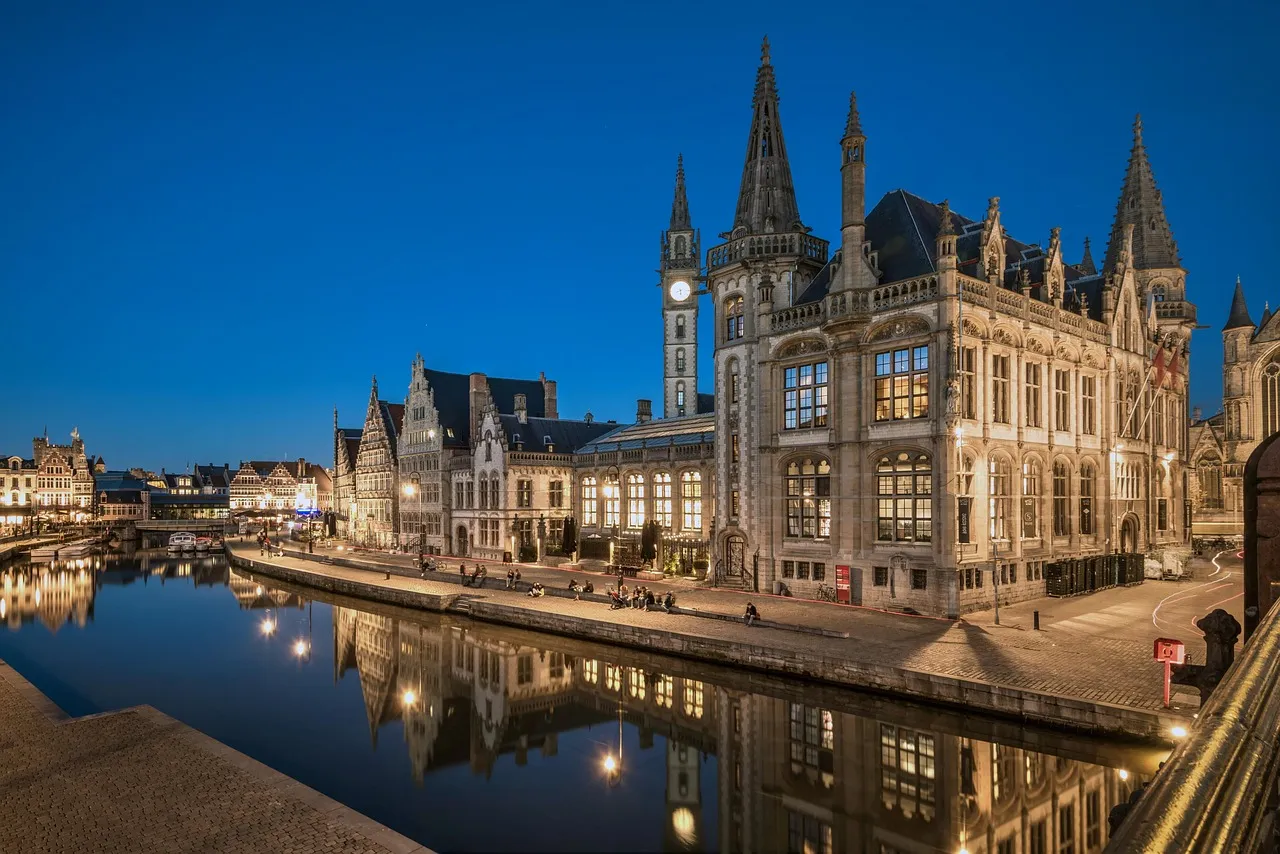
In 1979, villager Noel Anselot returned from a trip to Hay-on-Wye inspired and decided to regenerate his own tiny village of roughly 500 people in the beautiful Ardennes region of Belgium by attracting booksellers. He wrote to many book dealers across the region, inviting them to set up shop in some of the original village buildings, such as barns, houses, and sheds, to keep the look of the village intact.
The town was officially declared a book town in 1984 after holding its first book festival. Famous for its annual book festival and nearly 30 bookshops, Redu charms visitors with its literary spirit, rich history, and scenic beauty.
Redu holds a number of book-related exhibitions and events every year, including a book night when the bookshops stay open all night long. The image of browsing under lamplight in an old Ardennes barn, at midnight, surrounded by secondhand novels, is not one you’ll find anywhere else on earth.
4. Bredevoort, Netherlands: The Dutch National Book Town
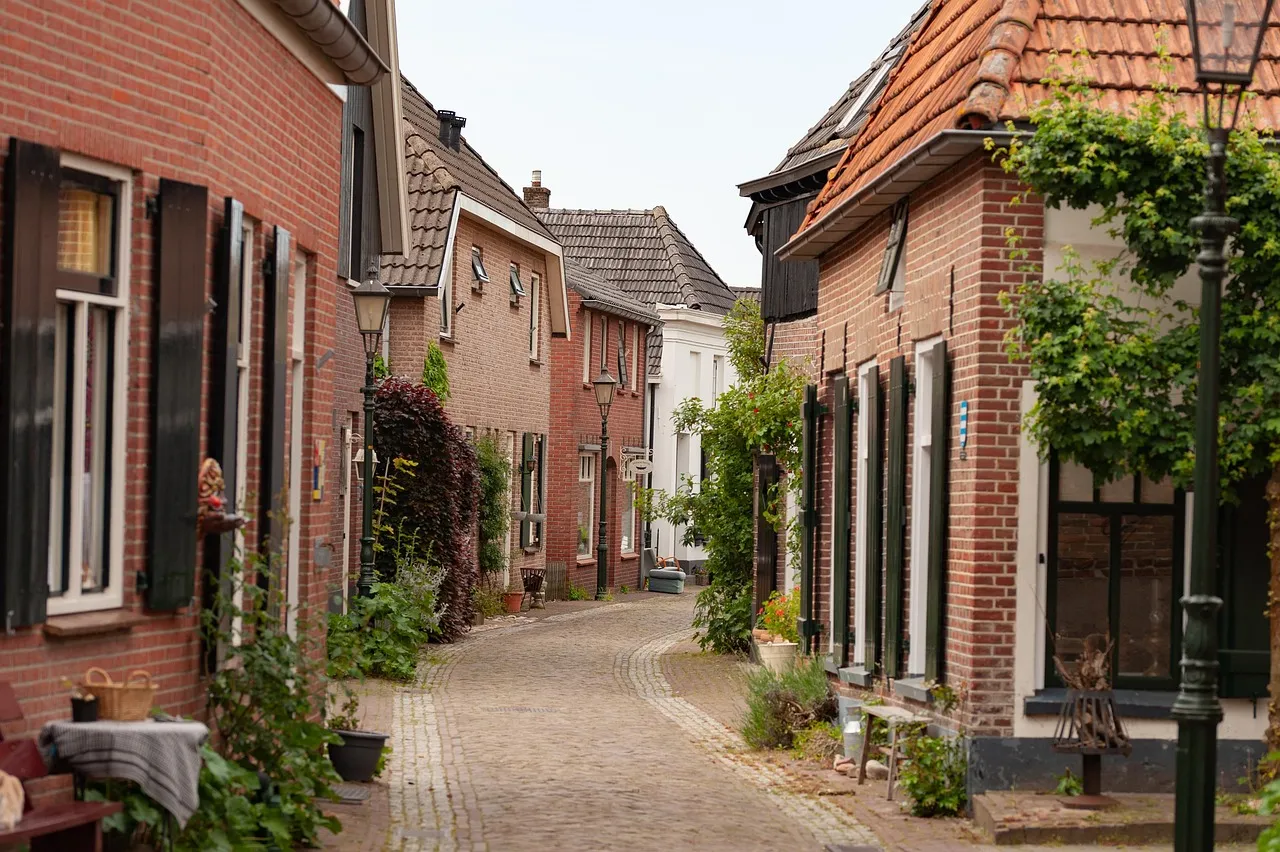
Bredevoort, with a population of about 1,500, is a small medieval town in the Netherlands that was designated a book town in 1993 because of its more than 20 secondhand and antiquarian bookshops. What started as a revitalization project for Bredevoort’s historic center turned into the Netherlands’s National Book Town in 1993.
In addition to the many quaint book stores, the town square hosts a book market every third Saturday of the month. The event attracts book dealers from all over the country to sell English, German, and Dutch books.
Bredevoort is one of the founding members of the International Organisation of Book Towns, and hosts many literary events to support the local book economy. Regularly there are small cultural events: concerts in the 16th-century church, exhibitions, writer’s lectures, workshops, and the traditional Gondelvaart. It’s a town that takes both books and community seriously.
5. Óbidos, Portugal: Medieval Walls and Bookshops in Churches
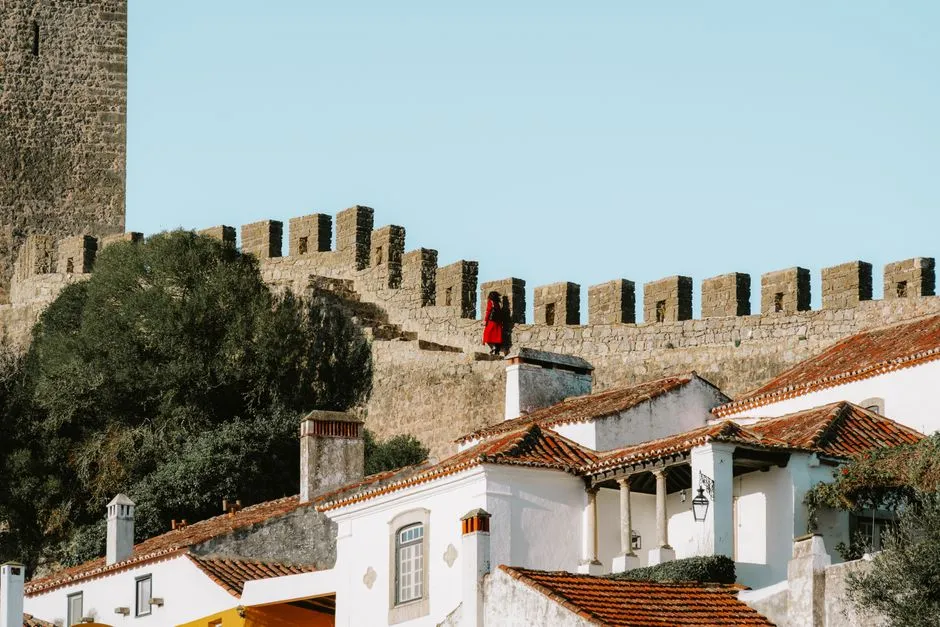
Óbidos, a picturesque hilltop town north of Lisbon, blends medieval charm with a love of literature. Transformed into a book town by José Pinho in 2013, Óbidos reimagined bookselling by encouraging local businesses to incorporate books into their offerings.
Highlights include the Grande Livraria de Santiago inside a 13th-century church, and The Literary Man hotel with 50,000 books. Óbidos also hosts FOLIO, a major literary festival attracting global authors and creative talent.
Amidst the cobblestone streets, you can find texts in multiple languages, including Portuguese, English, and French, making it a multicultural experience for book lovers from all over. In October, Óbidos welcomes book lovers from around the world who want to take part in the FOLIO International Literary Festival of Óbidos, the biggest literary festival in Portugal. Arriving through the old castle gate and walking straight into a bookshop is a particular kind of magic.
6. Fjærland, Norway: Books Between Glaciers
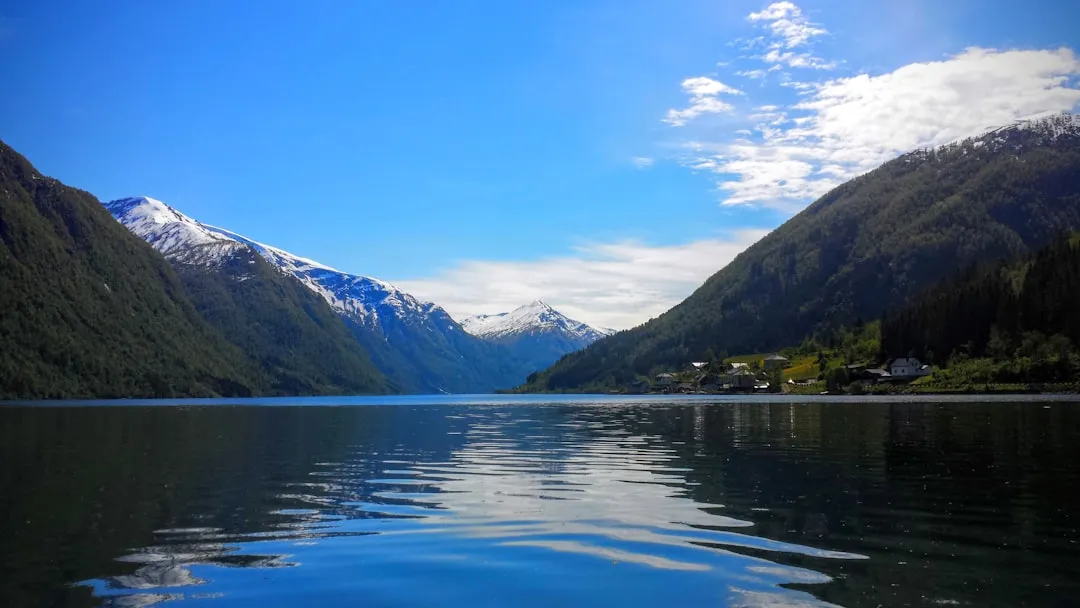
Surrounded by mountains and glaciers, Fjærland has been a book town since 1995 and features around a dozen secondhand bookshops housed in unique locations like old stables, banks, and even fjordside. The setting alone is worth the journey, but the books make it extraordinary.
With only 300 residents, Fjærland is filled with books in unexpected places: waiting rooms, stables, banks, and even a former post office. Open to tourists from May through December, the town’s many outdoor bookshelves wouldn’t survive its harsh winters.
One charming feature is known as “the country’s most honest bookstore,” an unmanned shelf where readers are trusted to leave payment in a box when they take a book. It’s a place where the landscape and the literature seem to belong to each other completely.
7. Stillwater, Minnesota: North America’s First Book Town
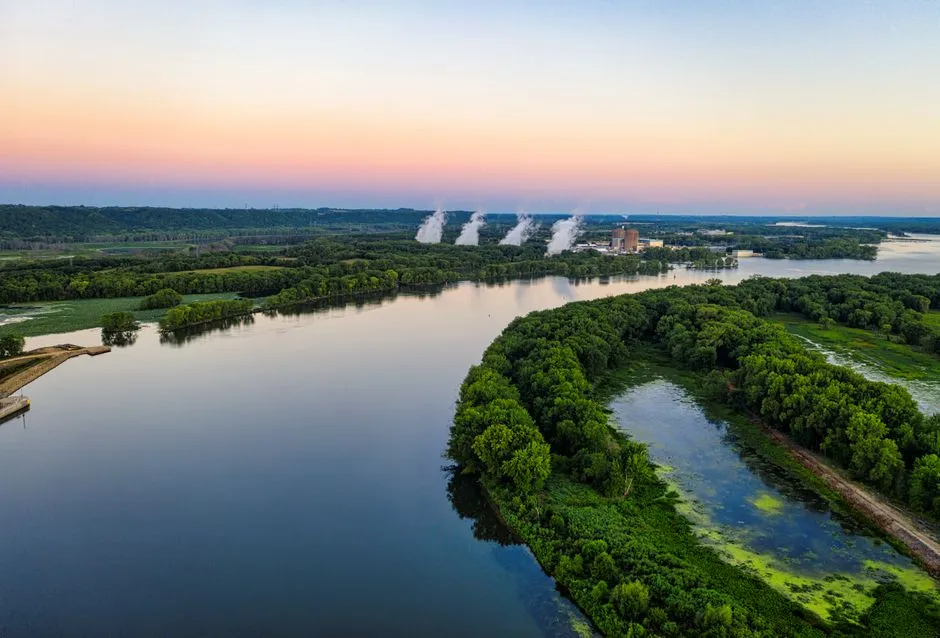
St. Croix Antiquarian Books became so successful and inspired so many other booksellers to move to town that Richard Booth, founder of the “book town” movement in Hay-on-Wye in Wales, declared Stillwater the First Book Town in North America. That designation alone sets it apart from every other American river town.
Black Letter Books, a charmingly old-school used and rare bookstore in downtown Stillwater, carries everything from one-dollar paperbacks to extremely rare first editions. Stop by on your antique crawl of Stillwater’s main street and get a classic book to go with your classic furniture.
Valley Bookseller’s calendar is stacked with events, like mystery author cocktail hours, monthly book clubs, and writer talks, and there’s an on-site café if you want to crack that spine right away. An independent bookstore on Main Street in the historic river town of Stillwater, it captures the spirit of the place perfectly. The St. Croix River runs just beyond, which gives the whole afternoon a quietly cinematic feel.
Why Bookstore Towns Are Worth Planning a Trip Around

Avid supporters of independent bookshops are now making it their mission to visit some of the best indie bookstores all over the world as a way to help them stick around for a long time. There’s a meaningful distinction between a tourist attraction and a living, breathing community organized around something it genuinely loves.
Bookstore towns fall firmly in the second category. They exist because someone, at some point, believed that a town full of books could save itself. As one festival director put it, there was a time when secondhand booksellers in book towns were first of all selling books and secondly selling the experience of browsing. Now it is almost the other way around. Despite these changes in the literary landscape, the book towns thrive on.
The experience of browsing has become its own reason to travel. That shift is worth understanding, because it tells you something true about what people are quietly looking for when they book a flight or pack a bag.
How to Make the Most of a Bookstore Town Visit

Resist the urge to plan too tightly. The towns that make this list reward wandering, not itineraries. Arrive with a rough sense of which shops appeal, but leave the afternoon open to detours.
Most bookstore towns have a main anchor shop with specialist departments, and then a constellation of smaller, quirkier rooms nearby. Some of the bookshops specialize while others carry general stock, and the larger bookshops are open 363 days a year, staying open until late evening during summer. That kind of access is a quiet gift.
Bring a tote bag, bring more cash than you think you need, and be willing to carry something home that wasn’t on your reading list when you left. That unplanned find is usually the one you remember longest.
The Quiet Power of a Town Organized Around Books

Every town on this list made a deliberate choice at some point: to reorganize its identity around literature. In most cases, that choice came out of economic necessity, not romanticism. Richard Booth’s example established a “town of books” that attracted visitors from far and wide, developing a kingdom with a solid economic foundation for Hay-on-Wye. The same pattern repeated itself in Belgium, Scotland, Portugal, Norway, the Netherlands, and Minnesota.
The books weren’t just decor. They were the plan. And in each case, the plan worked.
Lisbon surpasses its competitors greatly, with around 42 bookstores per 100,000 inhabitants, which gives some sense of just how bookish Europe can be at its most literary. These small towns concentrate that spirit into a single afternoon’s walk.
A Final Thought on Getting Happily Lost
AI Disclaimer: This article was created with the assistance of AI tools and reviewed by a human editor.