
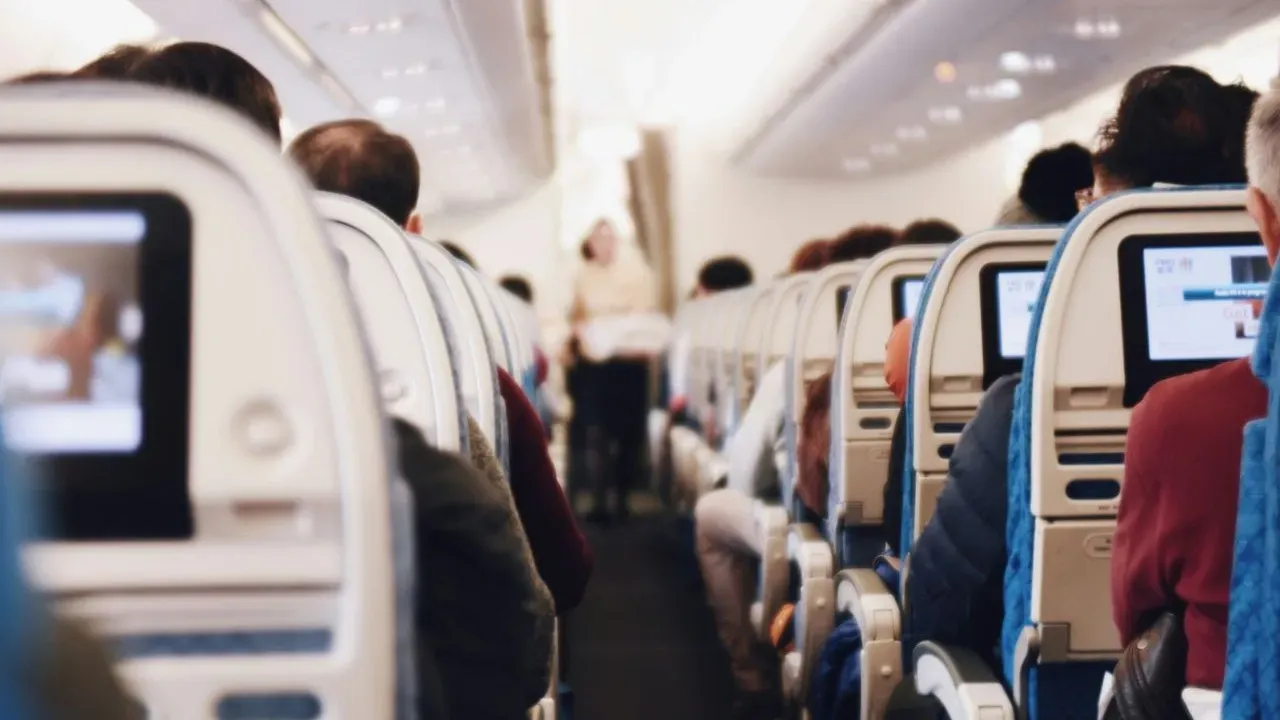

Air Canada has introduced Premium Economy Basic and Business Class Basic fares on select international routes. These options carry lower prices than standard premium offerings while still delivering full status qualification credits. The change gives travelers a new way to access upgraded cabins without paying the usual premium.
The Core Trade-Off Travelers Face
The new fares reduce the upfront cost of flying in premium cabins. In exchange, passengers give up several conveniences that have long been standard in these classes. The airline positions the move as a way to broaden access to better seating and service for those willing to accept fewer flexible options.
Full SQC earnings remain unchanged, which preserves the value for frequent flyers building toward elite status. This detail matters for loyalty program members who prioritize long-term benefits over immediate flexibility. Routes affected so far focus on international services where demand for premium space continues to grow.
What Remains Available
Passengers still receive the core experience of the premium cabin, including enhanced meal service and additional baggage allowances where applicable. The seats themselves match those in regular premium economy and business class products. Boarding priority and lounge access rules follow existing policies for each cabin.
Status qualification credits accrue at the full rate, supporting progress toward Aeroplan elite tiers. This continuity helps travelers maintain momentum in the loyalty program even when choosing the lower-priced variant. The structure rewards consistent flying without penalizing those who select the basic option.
Limitations That Require Planning
Free seat selection is not included, so travelers must either pay extra or accept assigned seats closer to departure. Refunds are unavailable once the ticket is purchased, which removes the safety net many premium passengers expect. eUpgrade certificates cannot be applied to these fares, limiting the ability to move into higher cabins using accumulated credits.
These restrictions encourage careful consideration before booking. Travelers who value flexibility around changes or last-minute adjustments may find the standard fares more suitable. Those with fixed itineraries and lower sensitivity to seat choice can capture meaningful savings.
Who Benefits Most From the New Options
Budget-conscious travelers seeking a step up from economy without full premium pricing represent the primary audience. Corporate travelers on fixed schedules may also find the fares practical when companies control the booking. The approach aligns with broader industry trends toward tiered pricing that matches different traveler priorities.
Anyone evaluating these fares should compare total costs, including potential add-ons for seat selection. Reviewing the specific route and travel dates helps determine whether the savings justify the reduced flexibility. Air Canada has not announced an expansion timeline beyond the initial select international services.
Key considerations before booking:
- Lower base fare compared with standard premium options
- Full status qualification credits still earned
- No complimentary seat selection or refunds
- eUpgrades cannot be applied
Thoughtful travelers weigh these elements against their own needs and schedules. The new fares expand choices without replacing existing premium products, allowing each passenger to select the balance of price and flexibility that fits their journey.
AI Disclaimer: This article was created with the assistance of AI tools and reviewed by a human editor.