
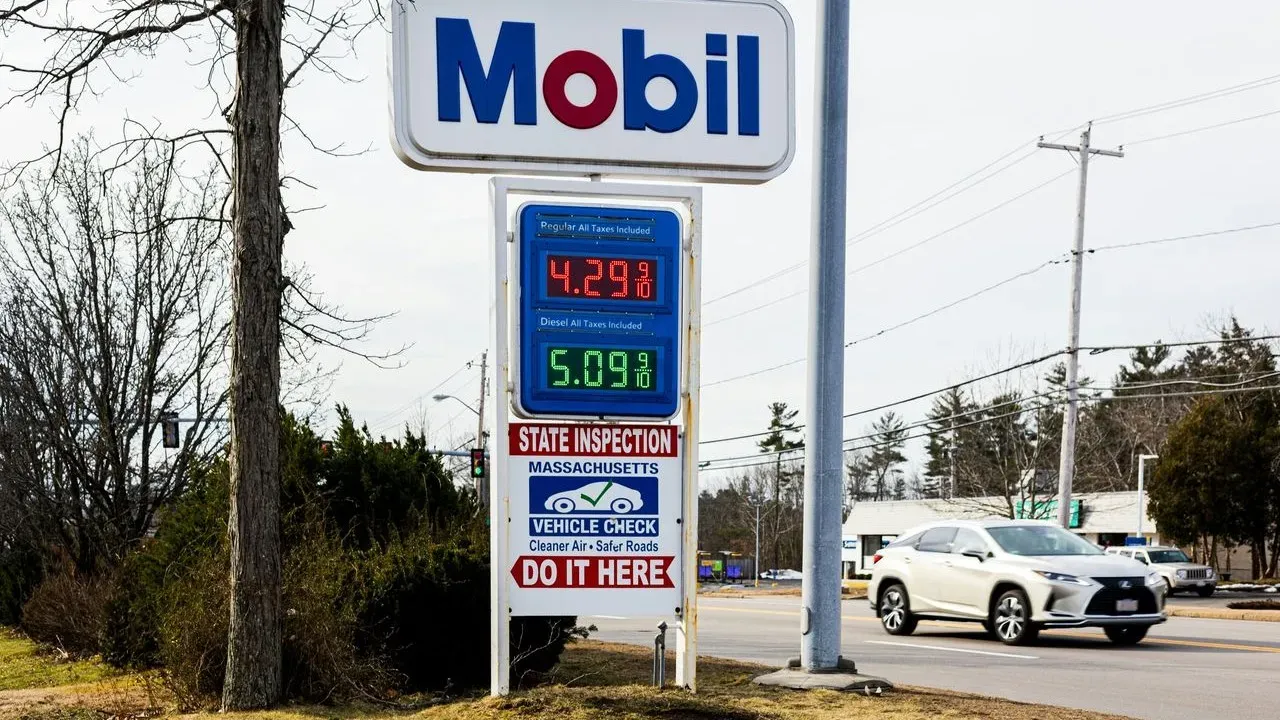

For travelers weighing a domestic getaway this summer, the decision between driving and flying often comes down to more than distance or speed. Rising fuel costs and higher ticket prices have made the math more relevant than ever, especially for those managing household budgets carefully. A single example can illustrate how the balance shifts depending on who is traveling and what else enters the equation.
Current Fuel and Ticket Trends
National average gasoline prices reached $4.10 per gallon for regular fuel as of late July 2026, according to AAA data. That figure sits well above the $3.16 recorded at the same point the previous year. Domestic airfares for the summer season have climbed nearly 15 percent compared with 2025 levels, affecting both cash purchases and award redemptions. These increases affect different travelers in distinct ways. Solo travelers or couples may find one option clearly preferable, while larger groups face a different calculation once per-person costs are considered. The practical result is that assumptions about road trips always being cheaper no longer hold in every case.
A Concrete Comparison: Chicago to Denver
Consider a round-trip journey between Chicago and Denver in August 2026. A basic economy ticket on United Airlines starts at $293. The same route by car covers roughly 2,000 miles. At 25 miles per gallon and a 14-gallon tank, the vehicle would require about 5.71 fill-ups at current prices, totaling $328 in fuel alone.
| Mode | Cost for One | Notes |
|---|---|---|
| Flight (round-trip) | $293 | Main Cabin economy |
| Drive (fuel only) | $328 | 2,000 miles, 25 mpg |
For a single traveler the flight comes in lower on direct cost. When two or more people share the vehicle, the per-person fuel expense drops sharply, often making the road option more economical even after adding modest estimates for meals and an overnight stay.
Additional Costs and Group Size
Road trips introduce variables beyond fuel. Meals along the route and a possible hotel night to split a long drive add to the total. These extras matter more when the journey spans multiple days. Group size changes the picture quickly. A family of four can divide fuel, lodging, and food costs across more people, frequently undercutting the price of four separate plane tickets. Smaller parties benefit from shopping for low-cost carriers or flexible dates that keep airfares modest.
Practical Tools for Decision-Making
AAA offers a gas-cost calculator that accepts origin, destination, and vehicle details to produce an estimated fuel outlay. Comparing that figure against current flight prices for every traveler in the party provides a clearer picture. Sites such as Google Flights or Skyscanner allow searches from a single airport across multiple destinations and dates. This approach helps identify whether a particular route or timing offers better value than initially expected. Flexibility with travel days often yields noticeable savings.
Time, Rewards, and Ways to Reduce Expenses
Time itself carries weight. Driving consumes hours that could otherwise be spent at the destination, while flying requires arriving early at the airport and possible layovers. Each traveler weighs these trade-offs differently depending on schedule and tolerance for long drives. Rewards programs provide another lever. Gas-station apps and credit cards that return points or cash back at the pump can trim several cents per gallon. Airline miles or transferable points may cover part or all of a flight when availability aligns with plans. Using either approach reduces the out-of-pocket difference between the two modes. The choice ultimately rests on the specific trip, the number of people involved, and the value placed on time versus direct expense. Careful comparison of the actual numbers for each journey remains the most reliable guide.
AI Disclaimer: This article was created with the assistance of AI tools and reviewed by a human editor.