
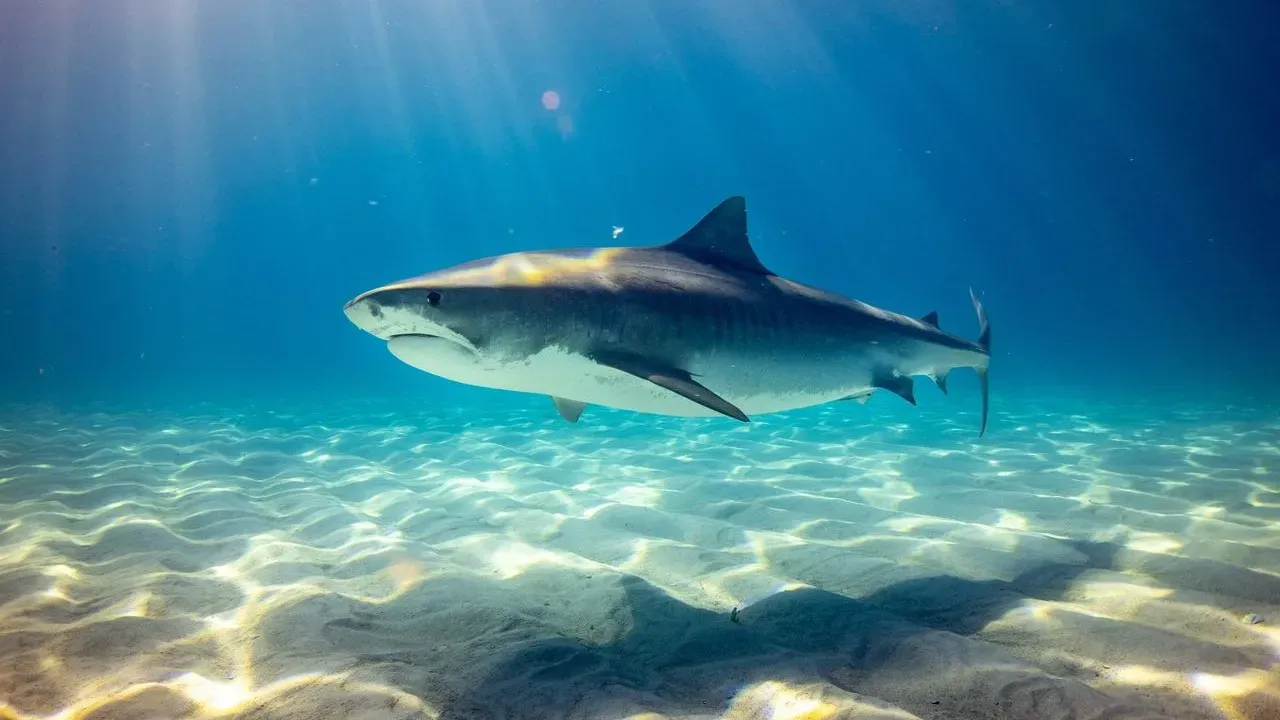

Researchers pursuing the largest known mako shark recently came across a substantial female off the California coast. The encounter, part of a broader effort to document the species at its upper limits, suggests that makos may exceed the long-accepted 13-foot threshold. Such a finding draws fresh attention to the depth and variety of marine life that thrives in waters accessible from the state’s shoreline.
The Research Context Behind the Sighting
Teams involved in the project focused on locating and measuring the biggest individuals of the species. Their work aligned with ongoing efforts to gather data during a period of heightened public interest in ocean predators. The female observed stood out for its size, prompting discussion about whether previous records for the species require revision.
Documenting these animals in their natural range provides scientists with direct measurements rather than estimates. Each verified encounter adds precision to understanding growth patterns and population health. The California coast has served as a productive area for such studies because of its productive waters and established research infrastructure.
Why Size Matters for Mako Sharks
Mako sharks are known for speed and wide-ranging movements across temperate and tropical oceans. Reaching or surpassing 13 feet would place an individual among the largest recorded for the species. This physical scale influences how the animals hunt, migrate, and interact with their environment.
Accurate size data helps refine models of the species’ role in the broader ecosystem. Larger individuals often represent older, more experienced members of the population. Tracking these traits supports better-informed approaches to ocean management along the Pacific coast.
Appreciating the Region’s Ocean Wilderness
The sighting serves as a reminder that remarkable marine encounters occur within reach of California’s developed coastline. Travelers who seek respectful ways to experience these waters can learn about the same ecosystems that support large predators like makos. Activities such as guided marine tours, educational programs at coastal research centers, and responsible whale-watching excursions offer avenues for direct observation without disturbance.
Understanding the presence of these animals encourages a deeper respect for the Pacific’s hidden scale. Visitors who approach the coast with curiosity about its full biodiversity often leave with a stronger sense of connection to the ocean. This perspective aligns with travel that values learning and conservation over spectacle.
Key points from the encounter:
- Researchers documented a female mako that may exceed the species’ previously noted maximum length.
- The sighting occurred during targeted fieldwork off the California coast.
- Such observations contribute to ongoing studies of mako growth and distribution.
- The event underscores the value of protecting productive nearshore habitats.
Encounters like this one invite travelers to consider the living systems that exist just beyond the familiar shoreline. They also reinforce the importance of supporting research that reveals the true dimensions of ocean life. Continued attention to these waters can foster both scientific insight and a lasting appreciation for the Pacific’s natural abundance.
AI Disclaimer: This article was created with the assistance of AI tools and reviewed by a human editor.