


Most people open a travel credit card for the sign-up bonus. They collect the points, book a flight or two, and then quietly forget about most of the card’s other features. That’s a surprisingly common pattern, and it leaves a lot of real value sitting unused in the fine print.
The perk worth paying attention to isn’t flashy. It doesn’t show up in the card’s headline offer. Yet for many travelers, it can quietly cover the cost of an entire trip – or protect one when things go wrong. Here’s a closer look at what you’re likely missing.
Trip Cancellation Insurance: The Coverage You Already Have

Trip cancellation and interruption insurance reimburses travelers for prepaid, nonrefundable expenses when a trip is canceled or interrupted due to circumstances beyond their control – including illness, injury, natural disasters, or financial defaults by travel providers. This is not something most people think to add to their wallet, yet many already have it.
While travelers can purchase separate travel insurance policies, many already get this protection through their credit card. Travelers with this coverage can get reimbursed when a trip is canceled for covered reasons, such as an unexpected illness or flight cancellation. Credit card travel insurance is offered as a complimentary benefit, meaning there’s no separate policy to purchase each time you travel.
Still, it isn’t universal. Only about twenty-nine percent of consumer credit cards provide trip cancellation insurance, offering an average coverage of around $6,361, according to WalletHub. Just eighteen percent come with travel delay insurance, providing an average coverage of $445.
Lost and Delayed Luggage Reimbursement

More than 276,000 bags were mishandled by airline carriers in December 2024 alone, according to the U.S. Department of Transportation. When airlines mishandle baggage, premium travel cards can provide crucial protection. This is one of those benefits that feels abstract until the moment you actually need it.
The Capital One Venture X Rewards Credit Card, for example, offers reimbursement of up to $3,000 per passenger for lost or damaged luggage, and up to $500 for essential purchases during delays exceeding six hours. This benefit applies automatically when flights are booked with the card, covering both domestic and international itineraries.
According to WalletHub data, roughly thirty-one percent of consumer cards offer lost luggage insurance, with an average coverage of $2,175. About eighteen percent offer delayed luggage insurance, providing an average of $380 in coverage. Knowing which category your card falls into is well worth a ten-minute read of the benefits guide.
Annual Travel Credits That Offset the Annual Fee

When evaluating the best credit card perks of 2025 and 2026, it’s worth thinking beyond points, miles, and cash back. Credit cards often entice new cardholders with sign-up bonuses, but sometimes the real long-term value lies not in rewards but in the card’s perks and statement credits.
Between a $300 annual credit toward travel booked through Capital One and an anniversary bonus worth at least $100, cardholders can more than offset the card’s annual cost without a lot of work – and without needing the coupon-style credits that so many competing cards rely on.
For cardholders holding cards with annual fees, the various statement credits those cards offer are a meaningful opportunity to offset the overall cost. As 2026 continues, many of these credits operate on a use-it-or-lose-it basis, making awareness and planning genuinely important.
Car Rental Insurance: Decline the Counter Upsell

Among the most practically useful types of credit card insurance are trip cancellation coverage and car rental insurance. When booking a trip that includes airfare, lodging, and other prepaid expenses, a last-minute cancellation can be very expensive. Most cards offering travel insurance provide it as long as you book with the credit card, giving peace of mind if you need to cancel due to illness, severe weather, or another unforeseen event.
Car rental insurance is a particularly strong benefit, allowing travelers to decline the often high-priced coverage offered at the rental counter. Many credit card car rental benefits kick in as primary coverage, meaning you don’t need to involve your personal auto insurance at all.
Some cards, like the United Explorer Card, go beyond the typical benefits of co-branded airline cards by providing primary car rental coverage. This coverage serves as the primary insurance in case of an incident, rather than a secondary layer that requires your personal insurer to pay first.
Airport Lounge Access Is More Accessible Than You Think

Lounge access has become one of the most sought-after credit card perks, offering quiet spaces, free food, Wi-Fi, and sometimes even showers or nap pods. For anyone who travels even a few times a year, the value adds up quickly – especially when you consider what airport food and drinks typically cost.
With major networks like Priority Pass and Amex Centurion expanding globally, lounge access is easier to find than ever before. Even for travelers who only fly a few times a year, skipping overpriced airport meals can make the perk genuinely worthwhile.
American Express’s Global Lounge Collection provides access to more than 1,550 airport lounges across 140 countries, representing more airport lounge options than any other credit card company on the market as of mid-2025. That kind of footprint means the benefit is usable on most meaningful itineraries, not just domestic hubs.
Global Entry and TSA PreCheck Fee Credits
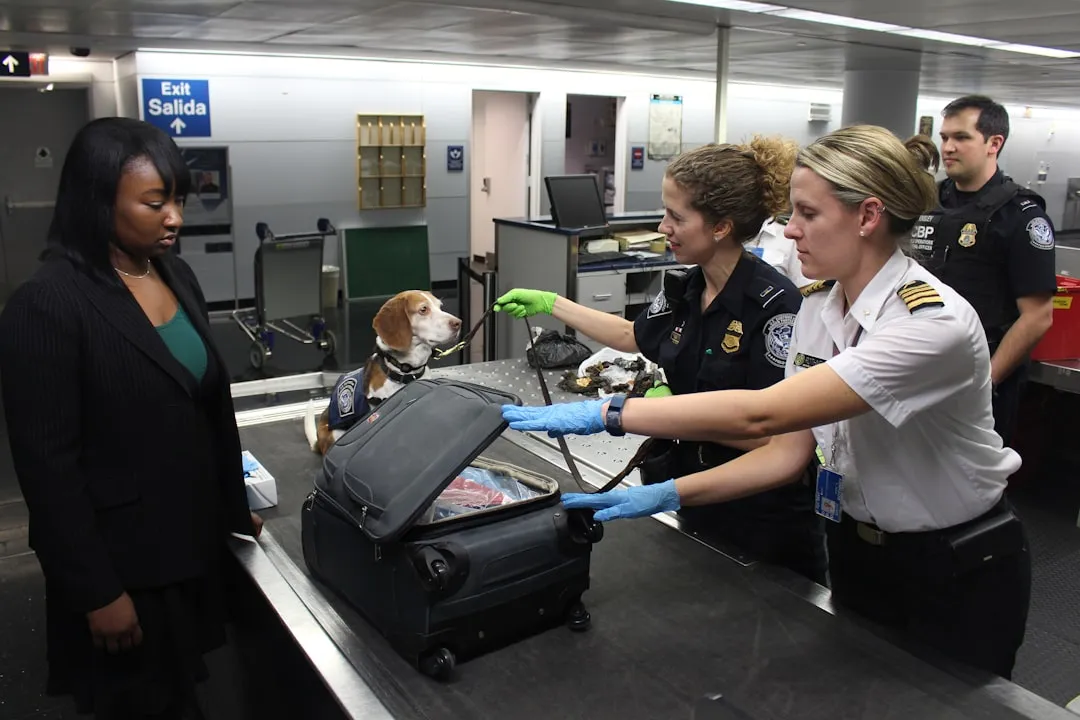
Travelers overseas can take advantage of no foreign transaction fees on select cards, while also receiving a credit of up to $120 toward a Global Entry or TSA PreCheck membership. This is one of the least dramatic-sounding perks, but in practice it saves time on nearly every trip you take.
Many cards offer a statement credit of up to $120 every four years as reimbursement for the application fee charged for Global Entry, TSA PreCheck, or NEXUS applications. Cards like the Chase Sapphire Preferred also earn rewards on both travel and everyday spending, including dining out, streaming services, and online grocery orders.
Given that Global Entry also includes TSA PreCheck access, a single application effectively buys you faster security screening for five years. For anyone who travels more than once or twice a year, the time savings are real and cumulative.
Points Boost and Flexible Redemption Value

According to a Forbes Advisor 2024 survey, roughly fifty-nine percent of travelers use their travel credit card to book travel ahead of time and pay for expenses during the trip. Most of those cardholders are likely earning points in the process – but fewer know how much those points can be amplified at redemption.
With the Chase Sapphire Preferred, for example, cardholders can use Points Boost when redeeming points to book travel through Chase Travel. Points Boost can increase the value of points by up to fifty percent on eligible bookings. That kind of multiplier can effectively transform a modest points balance into a meaningful travel subsidy.
Capital One miles, by comparison, can be transferred to more than twenty airline and hotel loyalty programs, giving cardholders the flexibility to match their points to whichever program offers the best value for their destination. Flexibility in redemption is often worth more than a higher earn rate on a locked-in program.
Concierge Services and Emergency Travel Assistance

Concierge services are among the most underrated credit card perks, offering personal assistance for booking restaurants, securing event tickets, or planning trips. Some cards also include twenty-four-hour travel assistance for emergencies, like finding a lost passport or rebooking a canceled flight.
This benefit saves time and eliminates stress, especially for travelers navigating unfamiliar destinations. In recent years, concierge services have been evolving into broader lifestyle management tools that go well beyond simple restaurant reservations.
For international travel in particular, having a direct line to emergency assistance in your native language – one that can coordinate with local authorities, hospitals, or embassies – is a genuinely meaningful safety net. It’s the kind of perk that feels unnecessary right up until the moment it isn’t.
How to Actually Activate and Use These Benefits

Credit card travel insurance provides travel protections when eligible trips are purchased with a qualifying card. Coverage may include baggage protection, trip cancellation and interruption insurance, travel delay reimbursement, and rental car collision coverage. The key word here is “purchased” – the trip generally needs to be booked with that specific card.
If you have travel insurance through a credit card, you’re typically covered as soon as your card is charged for an eligible booking or purchase. There’s no separate enrollment required for most protections, but knowing the documentation process ahead of time matters.
Collecting all relevant documentation, including rental agreements, receipts, and proofs of purchase, is essential when filing a claim. Contacting the administrator listed in your card’s benefits guide as soon as possible after an incident gives you the best chance of a smooth reimbursement.
Reading the Fine Print Is Worth Your Time

The level of coverage can vary significantly depending on the type of credit card you have. Two cards with similar annual fees can offer dramatically different levels of protection, and the differences often don’t surface until you need to file a claim. Spending twenty minutes with the benefits guide is rarely time wasted.
Nothing lasts forever in this space – loyalty programs and travel card benefits shift regularly, and welcome bonuses, benefit structures, and eligibility rules are always in flux. Checking your card’s current benefits once a year, especially after any renewal period, is simply good practice.
For cardholders evaluating their travel spending strategies, keeping track of benefit adjustments is becoming increasingly essential. The card that made sense two years ago may have quietly evolved – for better or worse.
The Takeaway

The most underrated credit card perk isn’t a single feature. It’s the combination of protections and credits that sit quietly in the terms and conditions of cards many people already carry. Credit cards typically offer more value in perks and benefits than just points, miles, or cash back – a truth that rewards the people who actually read what they signed up for.
The travelers who get the most out of their cards aren’t necessarily the ones who spend the most. They’re the ones who know what they have. Before your next trip, pull up your card’s benefits guide. You might already be holding coverage that makes the journey more affordable, more protected, and a good deal less stressful.
AI Disclaimer: This article was created with the assistance of AI tools and reviewed by a human editor.