

Accessible travel has never been more active or more visible. A 2024 study conducted in conjunction with The Harris Poll found that 25.6 million travelers with disabilities took 77 million trips. That is not a niche footnote in the travel industry. It is a statement about human determination.
Travelers with mobility disabilities annually spend $58.2 billion on travel, according to MMGY Global’s 2024 report, Portraits of Travelers with Disabilities: Mobility and Accessibility. The desire to explore the world does not diminish because of a wheelchair, a walker, or a chronic condition. If anything, experienced travelers with mobility needs tend to plan more thoughtfully, advocate more clearly, and return home with better stories.
Start Planning Earlier Than You Think You Need To

The single most repeated piece of guidance from experienced accessible travelers is also the simplest: begin early. For travelers with mobility needs, good travel planning is crucial to ensuring positive travel experiences, and the most important thing to remember is to start early. Early planning gives you time to confirm details that most travelers never have to think about.
Planning is crucial to a successful travel experience as it allows travelers to prepare for any hurdles they expect to face, including considering how early to arrive at the airport, which terminal their airline uses, the distance from security to the gate, and what disability services may be available.
Take the time to explore and identify accommodations, such as hotels, tours and excursions, that offer specialized accessibility features, as this will make your travel experience more seamless. Rushing this research almost always leads to avoidable stress on arrival.
Research Your Destination’s Actual Accessibility
While many travelers with accessibility needs are actively participating in international travel, they continue to face a range of avoidable barriers, including inconsistent information and a lack of inclusive services across destinations. Knowing this going in is not a reason to stay home. It is a reason to verify everything yourself.
Before booking anything, research your destination thoroughly. Look for information on the accessibility of accommodation, attractions, public transport, and other facilities. Websites like Euan’s Guide and apps like AccessNow offer reviews and information on accessible venues across the UK and beyond.
Availability of detailed information, measurements, and photos, videos, or virtual tours are essential for travelers with mobility needs. If a destination’s website cannot provide these specifics, contact local tourism offices directly. Firsthand detail matters far more than a generic “accessible” label on a booking page.
Communicate With Airlines Before You Ever Reach the Airport

Indicate your needs when booking your flight, or contact the airline at least 48 hours before departure to request services such as wheelchair service, escort help, or additional time when boarding. Doing this at the last minute significantly increases the chance that something falls through the cracks.
For wheelchair users, give the airline the details of your chair, including the dimensions, weight, and type of battery for power wheelchairs. Airlines are required to have room in the cabin for at least one folding wheelchair. Knowing your rights before you fly removes a layer of uncertainty that can make the airport experience genuinely exhausting.
Travelers can request a private screening, bring a companion, and ask for a pat-down instead of removing mobility equipment or medical devices. Medical liquids such as insulin or feeding tube supplies are allowed over 3.4 ounces when declared. Medical devices such as CPAP machines are not counted toward carry-on limits and may be brought on board without additional fees.
Book Accommodation Directly and Ask Specific Questions
One of the major problems in the accessible travel industry is either a lack of information, inaccurate information, or both. It is common to see an “accessible” sign on a hotel’s website without details. For travelers with mobility aids, accurate information is not just important, it is absolutely paramount.
Contact the hotel directly rather than relying on generic “accessible” labels. Ask about door widths, step-free access, and bathroom features. Inquire about ramps, elevator access, door widths, roll-in showers, and other features that can make your stay more comfortable.
Six in ten travelers with mobility needs have experienced extended wait times for mobility assistance at the airport. More than half have been given a room at check-in that did not match the room they booked. And roughly four in five have dealt with inaccessible showers or tubs. Calling directly, rather than relying on third-party platforms, significantly reduces these risks.
Understand Your Legal Protections as a Traveler

Laws like the Air Carrier Access Act make it illegal for airlines to discriminate against passengers with disabilities and require them to provide accommodations, while the Americans with Disabilities Act helps make travel easier for those with disabilities. Knowing what protections apply to your journey gives you legitimate leverage when something goes wrong.
The European Accessibility Act, which became enforceable in June 2025, requires that all consumer-facing digital services, including online travel booking platforms, meet stringent accessibility standards, affecting hundreds of travel-related businesses operating across EU member states.
In the United States, the Department of Transportation issued updated accessible air travel regulations in late 2024, imposing new requirements on airline seat dimensions, boarding assistance procedures, and the handling of mobility devices for passengers with disabilities. These are real, enforceable protections worth understanding before you travel.
Protect Your Trip With the Right Insurance
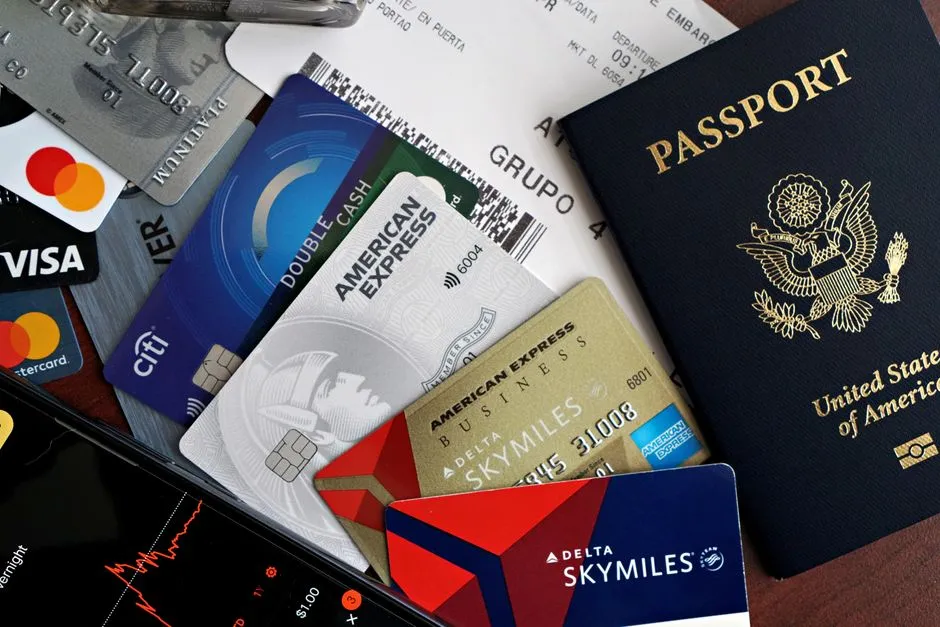
Invest in a comprehensive travel insurance policy that covers medical emergencies and the potential loss or damage to your mobility device. This is especially important for international travel, where local consumer protections may differ significantly from what you have at home.
Whether traveling domestically or internationally, having a specialized travel insurance policy is essential. If you rely on mobility aids such as wheelchairs, scooters, or other specialized devices, the policy should cover the repair, replacement, or loss of medical equipment. Check if your policy includes medical emergencies, evacuation, and even accessible transport options to bring you home or to the nearest medical facility.
Some policies reimburse you for accommodations if your reserved room lacks promised accessibility features. Obtaining comprehensive travel insurance that covers pre-existing conditions and reading the fine print to ensure mobility aids and medical equipment are covered is essential.
Plan Ground Transportation Before Arrival

Plan accessible ground transportation ahead of time from your accommodation to your planned activities. A hotel will often be able to book this for you. Do not assume that rideshare or taxi services at your destination will automatically have accessible vehicles available on demand.
Top transport challenges include difficulty boarding or disembarking, extended wait times for mobility assistance at airports causing missed flights, and inadequate assistance at stations and airports. Mapping out each leg of your journey in advance, including transfers and last-mile connections, is where experienced travelers gain their real advantage.
For road trips, safely stow mobility devices in the car and consider renting an accessible vehicle. Major train and bus lines offer accessible seating and facilities, but booking in advance is strongly advised.
Prepare Your Medical Kit and Emergency Information

Consult with your doctor or specialist about your travel plans. Ensure you have enough medication for the entire trip, plus a few extra days’ supply in case of delays. Carry a doctor’s note detailing your condition and medication, as this can be useful at security checks and in case of emergencies.
Research healthcare facilities at your destination before you leave. Know where the nearest hospital is located and whether it has accessible features. Find out if there are durable medical equipment suppliers in the area in case you need repairs or replacement parts. Some medical equipment companies operate nationwide and can deliver items to hotels or other locations.
Keep emergency contact information in multiple formats. Have it on your phone, written on paper in your wallet, and stored in your luggage. Include your regular doctors’ names and phone numbers, emergency contacts, insurance information, and any critical medical details that emergency responders would need to know.
Use Technology and Specialist Resources to Plan Smarter
The 2024 Web Accessibility in Mind report found that nearly 96 percent of home pages failed to meet standard Web Content Accessibility Guidelines. That figure underscores why specialist travel platforms matter so much. Generic booking sites were not designed with mobility needs at their center.
Booking through a dedicated accessible travel company makes the process and research far easier. These platforms provide accurate, reliable, and verified information to ensure you can find accessible accommodations that suit your needs, using comprehensive mapping programs that compile over 200 measurements and data points focused on accessibility.
Look for hotels and rental properties with ADA-compliant rooms, and check if tourist attractions offer wheelchair ramps or other accommodations. Websites like WheelchairTravel.org provide valuable insight into the accessibility of specific locations.
Verify Attractions and Activities in Advance

Just because a tourist spot claims to be accessible does not mean every area actually is. Confirm whether there are ramps throughout the site, not just at the entrance, and whether elevators are working and available.
Accessible restrooms are a must. Ask if they are public, open during your visit, and maintained regularly. If the venue involves a lot of standing or walking, ask about rest areas, benches, or if mobility aids are allowed, since some historic sites restrict certain equipment.
Researching your desired destinations and familiarizing yourself with accessibility and disability rights can help you advocate for yourself and enable your needs to be met wherever you decide to go. The most confident accessible travelers are not the ones who expect no problems. They are the ones who know exactly how to handle one when it comes.
The Takeaway
Stress-free accessible travel is not a stroke of luck. It is the product of deliberate, well-informed preparation. Travelers with mobility disabilities take an average of 3.4 trips in the past 12 months, which tells you something important: people with mobility needs are not sitting travel out. They are doing it repeatedly, and getting better at it each time.
The numbers and experts agree: desire to travel has never been stronger within the disabled community. The barriers are real, but so is the progress. Airlines, hotels, booking platforms, and governments are under increasing pressure to meet a growing and vocal market.
What makes experienced accessible travelers different is not that they face fewer obstacles. It is that they have learned to anticipate them, prepare for them, and move past them with grace. That is a skill worth developing, and the journey is worth every bit of the effort.
AI Disclaimer: This article was created with the assistance of AI tools and reviewed by a human editor.